
- Home
- Water
- Water Quality: Essential Insights and Health Impacts
- Monitoring: Essential Strategies for Enhanced Data Security
- Contaminants and Contamination: Understanding Their Sources and Impact
- Standards: Elevating Professional and Industry Benchmarks
- FAQs: Comprehensive Answers to Common Questions
- Physical Water Treatment: Modern Techniques and Benefits
- Activated Carbon Filtration in Water: Essential for Clean, Safe Drinking Supplies
- Ultraviolet (UV) Disinfection in Water: Ensuring Safe and Clean Drinking Water
- Sand Filtration in Water: A Comprehensive Guide to Clean Drinking Solutions
- Ceramic Filtration: Effective Solutions for Clean Water
- Gravity-Based Filtration: Enhancing Water Purity with Simple Technology
- Membrane Filtration in Water: Improving Purity and Efficiency
- Sedimentation: Causes, Impacts, and Prevention Strategies
- Chemical Water Treatment: Essential Methods for Safe and Clean Water
- Coagulation and Flocculation: Essential Techniques for Water Treatment
- pH Adjustment: Essential Techniques for Maintaining Optimal Water Quality
- Chlorination: Essential Methods for Safe Water Treatment
- Ion Exchange: Essential Mechanism for Water Purification
- Ozonation: Advanced Water Purification Method Explained
- Biological Filtration: Enhancing Water Quality Through Natural Processes
- Water Supply: Ensuring Sustainable Future Solutions
- Water Conservation: Essential Strategies for Sustainable Living
- Water Management: Strategies for Sustainable Usage
- Water Quality: Essential Insights and Health Impacts
- Wastewater
- Wastewater Treatment
- Preliminary Treatment
- Screening
- Bar Screening
- Band Screen Wastewater Solutions: Effective Fine Screening Techniques
- Basket Screen Wastewater Solutions: Enhancing Treatment Efficiency
- Drum Screening
- Fine Screens in Wastewater Treatment: Enhancing Solid Removal Efficiency
- Microscreens in Wastewater Treatment: Enhancing Filtration Efficiency
- Parabolic Screen in Wastewater Treatment: Enhancing Solid-Liquid Separation Efficiency
- Static Screen in Wastewater Treatment: Efficiency and Application Overview
- Climber Screens in Wastewater Treatment: Enhancing Solid Waste Removal
- Step Screen in Wastewater Treatment: Enhancing Solid-Liquid Separation Efficiency
- Comminution in Wastewater Treatment: Enhancing Efficiency and Process Reliability
- Grit Removal in Wastewater: Essential Processes and Best Practices
- Screening
- Primary Treatment in Wastewater: The First Step in Pollution Control
- Sedimentation in Wastewater Treatment: The Efficient Separation Strategy
- Discrete Settling in Wastewater: Understanding the Separation Process
- Flocculent Settling in Wastewater: Understanding the Process and Benefits
- Zone Settling in Wastewater Treatment Processes: Understanding the Mechanism
- Compression Settling in Wastewater: Fundamental Principles and Management Strategies
- Primary Clarifiers in Wastewater: Understanding Their Role in Treatment Processes
- Circular Primary Clarifier in Wastewater Treatment: Essential Functions and Design Principles
- Parallel Plate Settlers in Wastewater Treatment: Efficiency and Design Principles
- Tube Settlers in Wastewater Treatment: Enhancing Clarification Efficiency
- Offset Clarifiers in Wastewater Treatment: Enhancing Clarity and Efficiency
- Rectangular Primary Clarifier in Wastewater Treatment: Efficiency and Design Principles
- Dissolved Air Flotation (DAF) in Wastewater: Enhancing Treatment Efficiency
- Full Flow DAF Systems: Revolutionizing Wastewater Treatment Efficiency
- Partial Flow DAF Systems: Advancing Wastewater Treatment Efficiency
- Recycle Flow DAF Systems: Enhancing Wastewater Treatment Efficiency
- Packed Column DAF: Advancing Water Treatment Efficiency
- Subsurface Release DAF Systems: Innovations in Wastewater Treatment
- Dispersed Release DAF Technology: Revolutionizing Wastewater Treatment
- Sedimentation in Wastewater Treatment: The Efficient Separation Strategy
- Secondary Treatment in Wastewater: Understanding the Biological Process
- Biological Treatment in Wastewater: Harnessing Microorganisms for Clean Water Solutions
- Rotating Biological Contactors: An Overview of Wastewater Treatment Efficiency
- Membrane Bioreactors (MBR): Advancing Wastewater Treatment Technology
- Anaerobic Digestion: Effective Waste Management for Renewable Energy
- Anaerobic Digestion in Wastewater Treatment: Optimizing Energy Recovery
- Lagoons in Wastewater Treatment: Sustainable Natural Solutions
- Constructed Wetlands in Wastewater Treatment: Nature’s Solution for Water Purification
- Activated Sludge Process in Wastewater Treatment: An Efficient Biological Methodology
- Trickling Filters in Wastewater Treatment: An Efficient Biofiltration Solution
- Sequencing Batch Reactors: Advancements in Wastewater Treatment Technology
- Aeration in Wastewater Treatment: Enhancing System Efficiency and Water Quality
- Surface Aerators in Wastewater Treatment: Optimization and Efficiency
- Submerged Diffuser Systems in Wastewater Treatment: Enhancing Effluent Disposal Efficiency
- Vertical Loop Reactors in Wastewater Treatment: Enhancing Efficiency and Sustainability
- Small Bubble Aerators in Wastewater: Enhancing Treatment Efficiency
- Jet Aerators in Wastewater Treatment: Enhancing Efficiency and Aeration Performance
- Cascade Aerators in Wastewater Treatment: Enhancing Oxygenation Efficiency
- Secondary Clarification in Wastewater: Enhancing Effluent Quality
- Circular Clarifiers in Wastewater: Essential Components for Water Treatment Efficiency
- Rectangular Clarifiers in Wastewater Treatment: Efficiency and Design Essentials
- Hopper Bottom Clarifiers in Wastewater Treatment: Efficiency and Design Essentials
- Solids Contact Clarifiers: Enhancing Wastewater Treatment Efficiency
- Lamella Clarifiers in Wastewater Treatment: Efficiency and Design Essentials
- Biological Treatment in Wastewater: Harnessing Microorganisms for Clean Water Solutions
- Tertiary Treatment in Wastewater: Ensuring Water Quality and Environmental Safety
- Advanced Treatment in Wastewater: Emerging Technologies and Methods
- UV Disinfection in Wastewater: Effective Strategies for Pathogen Reduction
- Low Pressure UV Systems in Wastewater Treatment: Efficiency and Advantages
- Medium Pressure (MP) UV Systems in Wastewater Treatment: Efficiency and Applications
- Amalgam UV Systems in Wastewater Treatment: Advancements and Efficiency
- Pulsed UV Systems in Wastewater Treatment: Revolutionizing Disinfection Processes
- Smart UV Control in Wastewater Treatment: Enhancing Efficiency and Safety
- Light-Emitting Diode (LED) UV Systems in Wastewater Treatment: Efficiency and Applications
- Ozonation in Wastewater Treatment: Understanding the Purification Process
- Fixed Bed Ozone Reactors in Wastewater Treatment: Efficiency and Application
- Ozone Retention Tanks in Wastewater Treatment: Enhancing Water Quality and Safety
- Sidestream Ozone Injection in Wastewater: Enhancing Treatment Efficiency and Water Quality
- Ozone Laundry Systems in Wastewater Treatment: Enhancing Efficiency and Sustainability
- Vacuum Degasification in Wastewater Treatment: Principles and Applications
- Bubble Diffuser Contactors in Wastewater Treatment: Efficiency and Application
- Ozone Generators in Wastewater Treatment: Efficiency and Applications
- Advanced Oxidation Processes in Wastewater Treatment: Efficiency and Innovation
- Ozonation in Wastewater Treatment: Efficient Disinfection and Organic Removal
- UV/H2O2 in Wastewater Treatment: Harnessing Advanced Oxidation Processes
- Fenton Process in Wastewater Treatment: Efficiency and Application
- Wet Air Oxidation in Wastewater Treatment: Efficiency and Process Insights
- Photocatalysis in Wastewater Treatment: Innovative Approaches for Purification
- Electron Beam Irradiation in Wastewater Treatment: Unlocking Advanced Purification Methods
- Ultrasonic Irradiation in Wastewater Treatment: Efficiency and Applications
- Ion Exchange: Essential Mechanism for Water Purification
- Cation Exchange in Wastewater Treatment: Principles and Applications
- Anion Exchange in Wastewater Treatment: Understanding the Process for Cleaner Effluents
- Ammonia Exchange in Wastewater: Essential Processes and Technologies
- Boron Selective Resins in Wastewater Treatment: Advances and Applications
- Mixed Bed Ion Exchange in Wastewater Treatment: Efficiency and Application
- Electrochemical Ion Exchange in Wastewater: Enhancing Treatment Efficiency
- UV Disinfection in Wastewater: Effective Strategies for Pathogen Reduction
- Sludge Treatment in Wastewater: Enhancing Efficiency and Reducing Environmental Impact
- Thickening in Wastewater Treatment: Optimizing Sludge Management
- Gravity Thickeners in Wastewater Treatment: Enhancing Efficiency and Sustainability
- Dissolved Air Flotation (DAF) in Wastewater: Enhancing Treatment Efficiency
- Rotary Drum Thickeners in Wastewater Treatment: Maximizing Efficiency and Cost-Effectiveness
- Gravity Belt Thickeners in Wastewater Treatment: Enhancing Efficiency and Sustainability
- Centrifuges in Wastewater Treatment: Enhancing Efficiency and Purity
- Cloth Media Filters in Wastewater Treatment: Efficiency and Applications
- Screw Presses in Wastewater Treatment: Efficiency and Applications
- Digestion in Wastewater Treatment: Processes and Benefits
- Autothermal Thermophilic Aerobic Digestion (ATAD): Enhancing Wastewater Treatment Efficiency
- Composting in Wastewater Treatment: Enhancing Sustainability Practices
- Alkaline Stabilization in Wastewater Treatment: Enhancing Process Efficiency and Safety
- Thermal Hydrolysis in Wastewater Treatment: Enhancing Sludge Management Efficiency
- Microwave Irradiation in Wastewater Treatment: An Innovative Approach
- Anaerobic Digestion in Wastewater Treatment: Optimizing Energy Recovery
- Aerobic Digestion in Wastewater Treatment: Efficiency and Process Insights
- Dewatering in Wastewater Treatment: Essential Methods and Benefits
- Belt Filter Presses in Wastewater Treatment: Maximizing Efficiency and Performance
- Plate and Frame Presses in Wastewater Treatment: Efficiency and Application
- Rotary Fan Presses in Wastewater Treatment: Efficient Sludge Dewatering Solutions
- Drying Beds in Wastewater Treatment: An Overview of Sludge Management Techniques
- Reed Beds in Wastewater Treatment: Sustainable Purification Methods
- Centrifuges in Wastewater Treatment: Enhancing Efficiency and Purity
- Thickening in Wastewater Treatment: Optimizing Sludge Management
- Reuse and Disposal: Strategies for Sustainable Waste Management
- Non-Potable Water in Wastewater: Sources, Risks, and Treatment Methods
- Graywater in Wastewater Treatment: Sustainable Reuse and Management Practices
- Blackwater in Wastewater Treatment: Understanding the Challenges and Solutions
- Stormwater in Wastewater Treatment: Managing Runoff Contamination Risks
- Industrial Wastewater Management: Strategies for Sustainable Treatment and Reuse
- Agricultural Wastewater Management: Challenges and Solutions
- Non-Potable Water in Wastewater: Sources, Risks, and Treatment Methods
- Industrial Wastewater Management: Strategies for Sustainable Treatment and Reuse
- Municipal Wastewater Management: Strategies for Sustainable Urban Water Treatment
- Treatment Technologies in Wastewater: Advancements in Modern Medical Therapies
- Preliminary Treatment
- Wastewater Management Strategies for Sustainable Urban Environments
- Wastewater Disposal Strategies: Best Practices for Environmental Safety
- Wastewater Treatment
- US Wastewater Plants
- Online Calculators
- Sodium Hypochlorite Dosing Calculation
- Equalization (EQ) Tank Sizing Calculator
- Contact Time Calculator
- Flow Conversion & Pump Reference Calculator
- Aeration / Energy Estimation Calculator
- Clarifier Surface Loading Calculator
- Sludge Production / Solids Calculator
- Chemical Storage Volume Calculator
- Centrate Sidestream Load Impact Calculator
- Our Services
- Newsletter
- Blog
A Clear Glass Is Being Filled With Water From A Running Tap. The Water Stream Creates Bubbles And Splashes Inside The Glass. The Background Is Blurred, Focusing Attention On The Glass And Water.
-
Mar 07
- Share post

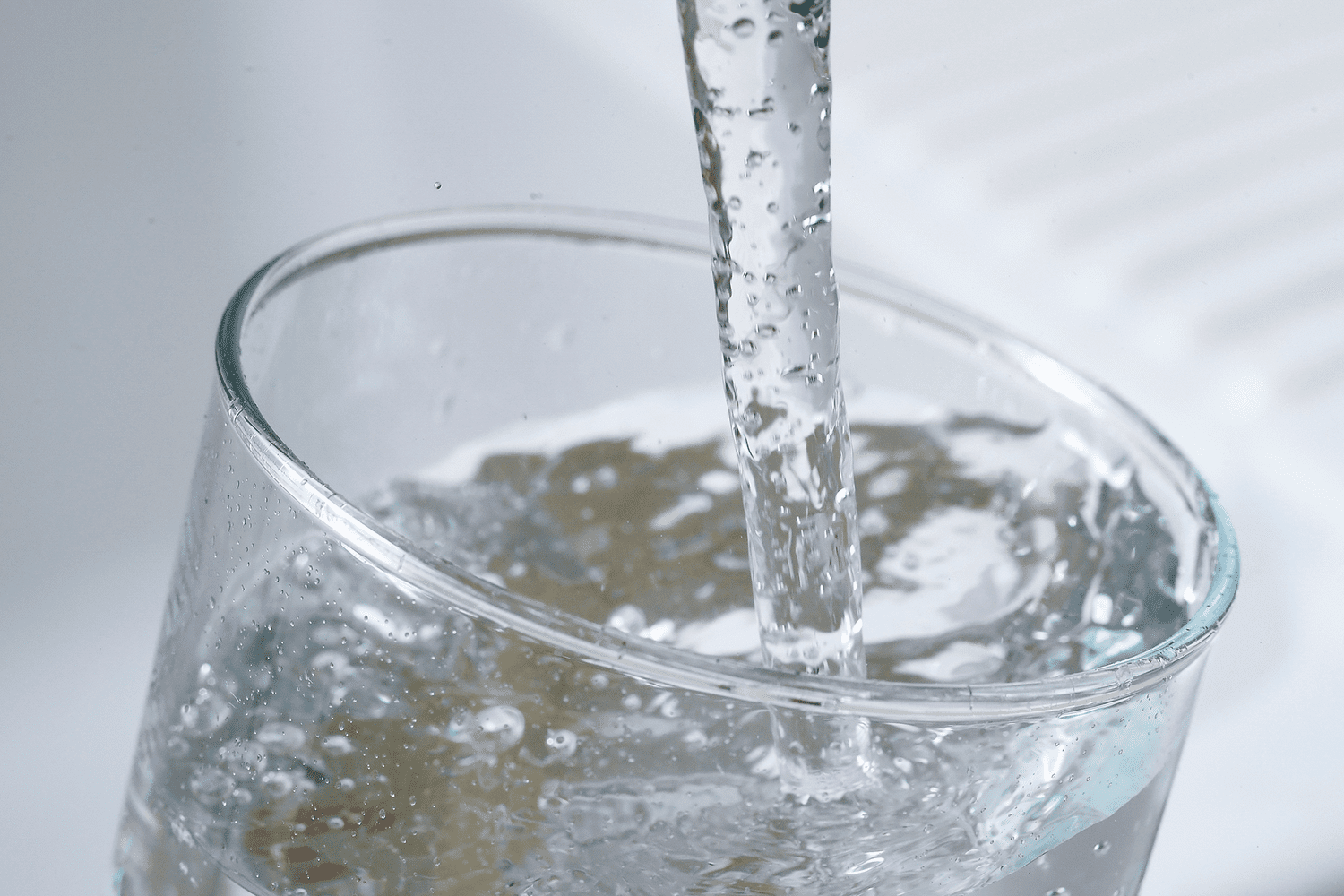
A clear glass is being filled with water from a running tap. The water stream creates bubbles and splashes inside the glass. The background is blurred, focusing attention on the glass and water.