
Wastewater Treatment: Complete Guide to Biological & Secondary Processes
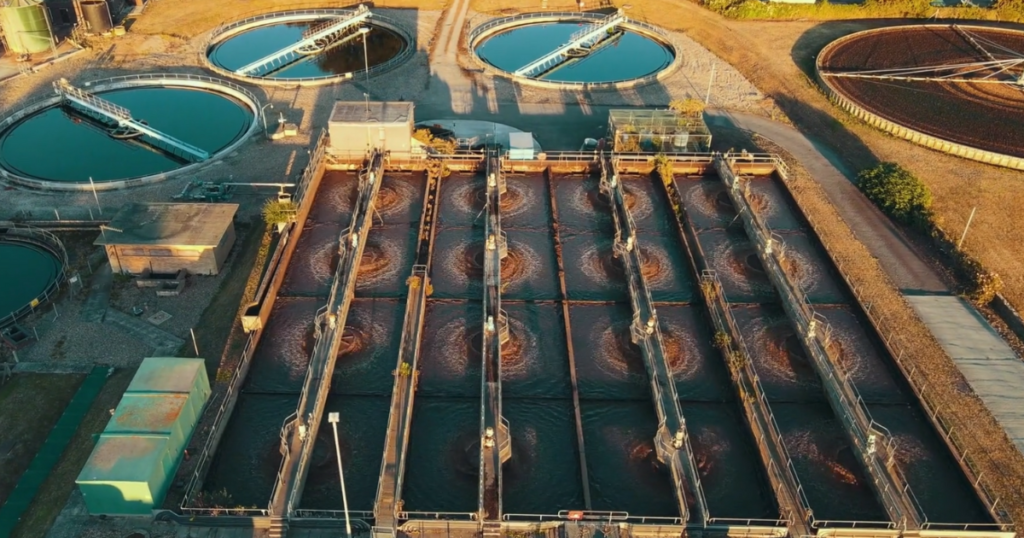
Wastewater treatment is an essential process for maintaining environmental health and public hygiene. It involves removing contaminants from industrial and municipal wastewater, ensuring that the water is clean enough to be released back into the environment or reused. The treatment of wastewater is a complex process that begins with preliminary steps to remove large waste fragments, followed by primary treatment where solids settle out, and secondary treatment which focuses on breaking down organic material using biological processes.
Advanced treatment technologies have been developed to address more stringent regulations and diverse industrial effluents, leading to tertiary and even quaternary treatments. These processes aim to remove specific pollutants such as nitrogen, phosphorus, metals, and synthetic chemicals that secondary treatment does not fully eradicate. The final stage often includes disinfection before discharge or recycling of water. As a result, sludge treatment and management become critical aspects of the treatment process, requiring careful handling, processing, and disposal or reuse.
This guide serves as the master reference for the full breadth of wastewater treatment practice, spanning process frameworks, biological treatment technologies, aeration equipment, nutrient control, and the operational parameters that govern day-to-day plant performance. Each major subject area below is treated in depth on its own dedicated page, and the Subcategory Overview section maps the entire landscape so engineers, operators, and utility managers can navigate directly to the technology or discipline relevant to their facility.
Key Takeaways
- Wastewater treatment removes contaminants to protect the environment and public health.
- The treatment process includes multiple stages: preliminary, primary, secondary, tertiary, and sometimes advanced technologies.
- Effective sludge management and adherence to regulations are vital for sustainable wastewater treatment practices.
Types of Wastewater
Wastewater varies based on its origin, with the primary types being industrial and municipal. Each has distinct characteristics and contaminants that necessitate tailored treatment processes.
Industrial Wastewater
Industrial wastewater originates from manufacturing processes, mining, and other industrial activities. This wastewater often contains a diverse array of pollutants, including:
- Heavy metals such as lead, arsenic, and mercury
- Chemicals like solvents, toxic compounds, and volatile organics
- Particulates resulting from industrial processes
The composition of industrial wastewater can be complex and variable, necessitating specialized treatment methods to address specific contaminants.
Municipal Wastewater
Municipal wastewater, on the other hand, is primarily derived from households, businesses, and public facilities. It typically contains:
- Organic matter: originating from food waste, human waste, and soaps.
- Nutrients: such as nitrogen and phosphorus from detergents and human waste.
- Pathogens: including bacteria and viruses that can cause diseases.
Municipal treatment plants are designed to remove these contaminants to produce effluent safe for discharge into the environment or for potential reuse.
Wastewater is collected through a network of underground pipes known as sewers. These sewers are designed to transport wastewater from homes, businesses, and industrial facilities to municipal wastewater treatment facilities. Gravity and pump stations are used to move the wastewater through the sewer system to the treatment plants. Once the wastewater reaches the municipal treatment facilities, it undergoes a series of processes to remove contaminants and pollutants before being safely discharged back into the environment. The collection and treatment of wastewater are essential for maintaining public health and environmental sustainability.
Wastewater Treatment Plants
Wastewater treatment plants are crucial in maintaining public health and environmental sustainability in the United States. These facilities are responsible for treating and purifying wastewater before it is released back into the environment, ensuring that water bodies remain clean and safe for human and ecological use. This article will explore the significance of wastewater treatment plants in the US, their operational processes, and the challenges they face in the modern era.
Purpose of Wastewater Treatment Plants
Wastewater treatment plants are essential for safeguarding public health and the environment. In the US, these facilities are instrumental in removing pollutants and contaminants from domestic, industrial, and agricultural wastewater, preventing the spread of waterborne diseases and protecting aquatic ecosystems. By treating wastewater, these plants mitigate the risk of water pollution and contribute to the conservation of natural resources.
Treatment Processes
The operational processes of wastewater treatment plants involve several stages to remove impurities and harmful substances from the wastewater. The primary treatment phase involves physically separating solid waste and large particles from the water through screening and sedimentation. Subsequently, the secondary treatment phase focuses on biological processes, where microorganisms are used to break down organic matter and remove pathogens from the water. Finally, the tertiary treatment stage employs advanced filtration and disinfection methods further to purify the water before its release into the environment.
Challenges Faced by Wastewater Treatment Plants
Despite their critical role, wastewater treatment plants in the US encounter various challenges in treating wastewater with the best treatment process. Aging infrastructure is a significant concern, as many facilities require upgrades and repairs to ensure optimal performance. Additionally, emerging contaminants, such as pharmaceuticals and microplastics, pose new challenges for treatment processes. Moreover, extreme weather events and climate change can strain the capacity of wastewater treatment plants, leading to potential overflows and environmental risks.
The Future of Wastewater Treatment Plants
As the US continues to address environmental and public health concerns, the future of wastewater treatment plants is poised for innovation and advancement. Integrating advanced technologies, such as membrane filtration and ultraviolet disinfection, holds promise for enhancing treatment efficiency and addressing emerging contaminants. Furthermore, adopting sustainable practices, such as energy recovery from wastewater, can contribute to these facilities’ overall resilience and environmental sustainability.
In conclusion, wastewater treatment plants are vital in maintaining water quality and environmental health in the US. Through their operational processes, these facilities contribute to protecting public health and preserving natural ecosystems. As the nation confronts evolving environmental challenges, wastewater treatment plants are poised to adapt and innovate, ensuring their continued effectiveness in safeguarding water resources for future generations.
Overview of Wastewater Treatment Process
Wastewater treatment is essential to ensure water cleanliness before it is discharged into the environment. The treatment involves several stages designed to remove different types of impurities.
Preliminary Treatment: The initial stage removes large debris that could damage equipment or hinder further treatment. This includes a bar screening process, where large items such as sticks, rags, and other sizable objects are filtered out.
Primary Treatment: During this stage, the focus is on allowing solids to settle out by gravity. Sedimentation tanks enable the heavier solids to sink to the bottom, forming sludge, while lighter materials like fats and oils rise to the top and are skimmed off.
Secondary Treatment: Here, microorganisms play a critical role. This biological phase involves breaking down organic matter in the wastewater. Aeration tanks increase oxygen levels, stimulating the growth of bacteria that consume the organic pollutants. Subsequent settling tanks allow treated water and microorganisms to separate.
Tertiary Treatment: If additional purification is required, tertiary treatment includes processes such as filtration, lagooning, or the addition of disinfectants like chlorine to remove more complex impurities, nutrients like nitrogen and phosphorus, and pathogens.
Advanced Treatment: Some systems may implement an advanced phase to achieve higher purity levels. Methods can involve activated carbon filtration, membrane technologies, or nutrient recovery processes.
Each stage is critical, progressively transforming wastewater from a polluted state to one that is safe and suitable for release back into the environment or for reuse.
Subcategory Overview: The Full Wastewater Treatment Landscape
Wastewater treatment is not a single technology but a family of process trains, equipment classes, and operating disciplines that are combined differently at every facility. The subcategories below represent the major branches of practice covered across this site. Each is introduced here with its operating principle, typical application window, and the specification factors that most often drive selection, with a link to the dedicated resource for deeper technical treatment.
Wastewater Treatment Process Fundamentals
The wastewater treatment process describes the sequential unit operations that convert raw influent into a dischargeable effluent, typically ordered as preliminary screening, primary clarification, secondary biological treatment, tertiary polishing, and disinfection. Understanding the process as an integrated train matters because each stage sets the loading condition for the next: excessive grit carryover accelerates clarifier mechanism wear, and poor primary removal inflates the organic load reaching the biological reactor. Typical municipal plants achieve roughly 25 to 40 percent BOD removal across primary treatment, with secondary treatment carrying the remaining load to a 20 to 30 mg/L effluent standard or lower. Process selection is driven by influent characteristics, discharge permit limits, available land, and the operator skill level a utility can realistically sustain.
Wastewater Treatment Methods and Advisory Practice
Selecting among competing wastewater treatment methods is rarely a purely technical exercise, which is why utilities frequently engage specialist advisors during master planning and technology evaluation. Method selection weighs capital cost against lifecycle operating cost, staffing burden, footprint constraints, and the regulatory trajectory a permit is likely to follow over the next ten to twenty years. A method that appears attractive on installed cost alone can prove untenable when energy, chemical, and residuals handling costs are annualized. Independent evaluation is particularly valuable for facilities considering a step change in technology, such as moving from conventional activated sludge to a membrane-based process.
Wastewater Treatment Guides and Reference Material
Comprehensive wastewater treatment guides consolidate the comparative logic across all major treatment approaches into a single reference, which is useful for operators preparing for certification exams and for engineers scoping a preliminary design. Good reference material presents typical performance ranges, footprint requirements, and energy intensity side by side rather than describing each technology in isolation. This kind of consolidated view is the fastest way to narrow a long list of candidate technologies down to a shortlist worth evaluating in detail. It also helps utility boards and non-technical decision-makers understand why an engineering recommendation was reached.
Municipal Treatment and Influent Characterization
Municipal treatment begins with understanding where the contaminant load actually originates, because domestic, commercial, and industrial contributors within a service area produce very different influent profiles. Typical domestic wastewater carries roughly 200 to 300 mg/L BOD and 200 to 350 mg/L TSS, but a single significant industrial user can shift the ratio of carbon to nitrogen enough to destabilize a biological process. Source identification supports pretreatment program enforcement and informs whether flow equalization or selective industrial permitting is the better control strategy. Facilities serving combined sewer areas must also account for the dilution and washoff loads that arrive during wet weather.
Biological Treatment Technologies
Biological treatment technologies use engineered microbial communities to metabolize dissolved and colloidal organic matter that physical separation cannot remove. The family divides into suspended-growth systems, where biomass circulates freely in the mixed liquor, and attached-growth systems, where a biofilm colonizes fixed or mobile media. Suspended-growth processes generally offer tighter process control and easier nutrient removal integration, while attached-growth processes tolerate load swings better and demand less operator attention. Hybrid configurations that combine both mechanisms have become common where an existing basin must be uprated without adding tankage.
Activated Sludge
The activated sludge process remains the dominant secondary treatment technology worldwide, holding a suspended microbial floc in an aerated basin and returning settled biomass from the secondary clarifier to maintain population density. Performance is governed primarily by solids retention time, mixed liquor suspended solids concentration, and food-to-microorganism ratio, with conventional plants typically operating at 1,500 to 3,500 mg/L MLSS and a five to fifteen day SRT. The process is flexible enough to support nitrification, denitrification, and biological phosphorus removal through basin zoning and recycle configuration. Its principal limitations are sensitivity to sludge settleability problems and a relatively high aeration energy demand.
Sequencing Batch Reactors
Sequencing batch reactors perform the entire activated sludge sequence in a single tank by cycling through fill, react, settle, decant, and idle phases rather than separating those functions spatially. This eliminates the secondary clarifier and return sludge pumping, which reduces both footprint and mechanical complexity, and the time-based operation makes it straightforward to create anoxic and aerobic conditions for nutrient removal within one basin. Typical cycle times run three to six hours, with two or more basins operated out of phase to accept continuous influent. The trade-off is heavier reliance on automated controls and decanter mechanisms, which makes instrumentation reliability critical.
Trickling Filters
Trickling filters distribute settled wastewater over a bed of rock or structured plastic media on which a fixed biofilm develops, with treatment occurring as the liquid film passes over the biomass and air moves through the void space. Organic loading rates typically range from about 5 to 45 lb BOD per 1,000 cubic feet per day depending on whether the filter is designed for roughing, standard-rate, or high-rate service. The process is valued for low energy consumption, since natural or induced draft ventilation replaces mechanical aeration, and for resilience against shock loads. Common operational issues include ponding, filter fly nuisance, and cold-weather performance decline.
Rotating Biological Contactors
Rotating biological contactors (RBCs) mount closely spaced discs on a horizontal shaft that rotates slowly through a tank of wastewater, alternately submerging the biofilm and exposing it to atmospheric oxygen. Because rotation supplies both mixing and oxygen transfer, energy consumption is low relative to mechanical aeration and operation is simple enough for small facilities with limited staffing. Hydraulic loading is typically expressed per unit of media surface area, and staged units in series allow progressive treatment and nitrification in later stages. Historic reliability problems with shaft and media failures have been largely addressed in modern designs, but structural inspection remains an important maintenance item.
MBBR and IFAS Systems
MBBR and IFAS processes suspend free-floating plastic carriers within an aerated basin so that biofilm grows on a protected internal surface while the carriers circulate with the mixed liquor. Moving bed reactors operate without sludge return, while integrated fixed-film activated sludge configurations add carriers to an existing activated sludge basin to increase treatment capacity within the same tank volume. Carrier fill fractions of roughly 30 to 60 percent are typical, with protected surface areas commonly in the 300 to 800 square meters per cubic meter range. These processes are particularly effective for capacity uprating and for adding nitrification to plants that cannot expand their footprint.
Membrane Bioreactors
Membrane bioreactors (MBR) replace gravity clarification with micro- or ultrafiltration membranes, decoupling solids separation from settleability and allowing operation at MLSS concentrations of 8,000 to 12,000 mg/L or higher. The result is an exceptionally high-quality effluent with very low turbidity and substantial pathogen removal, produced within a footprint often half that of a conventional plant. Membrane fouling control, air scour demand, and periodic chemical cleaning define the operating regime, and membrane replacement is a significant lifecycle cost item. The technology is most compelling where land is constrained, discharge limits are stringent, or the effluent is destined for reuse.
Anaerobic Treatment
Anaerobic treatment degrades organic matter in the absence of oxygen through hydrolysis, acidogenesis, acetogenesis, and methanogenesis, producing biogas that typically contains 60 to 70 percent methane. Because no aeration energy is required and biomass yield is roughly an order of magnitude lower than aerobic processes, anaerobic treatment is strongly favored for high-strength industrial streams and for stabilizing municipal sludge. Mesophilic digesters commonly operate near 35 degrees Celsius with 15 to 30 day retention times, while thermophilic operation shortens retention at the cost of process stability. Sensitivity to temperature swings, pH excursions, and inhibitory compounds makes monitoring of volatile acids and alkalinity essential.
Lagoon Systems
Lagoon systems treat wastewater in shallow earthen basins where natural biological activity, extended detention, and in some designs supplemental aeration accomplish organic removal over days to weeks rather than hours. Facultative, aerated, and partial-mix configurations serve different loading conditions, with detention times commonly ranging from 20 to more than 100 days depending on climate and design intent. Capital and operating costs are low and operator demand is minimal, which makes lagoons the practical choice for small communities and seasonal loads. The trade-offs are large land requirements, algae-driven effluent solids in summer, and reduced performance during cold weather.
Constructed Wetlands
Constructed wetlands route wastewater through engineered vegetated basins where plant root zones, substrate media, and associated microbial communities remove organics, solids, and nutrients through combined physical and biological mechanisms. Surface flow designs resemble natural marshes and provide habitat value, while subsurface flow designs keep water below the media surface to limit odor and vector exposure. Typical hydraulic loading rates fall well below those of mechanical processes, so land area is the governing constraint. Wetlands are best applied as a polishing step or for small decentralized systems where operating simplicity and ecological benefit outweigh footprint concerns.
Wastewater Aeration Systems
Wastewater aeration systems supply the dissolved oxygen that aerobic biological treatment depends on, and they typically account for 45 to 60 percent of total plant electrical consumption. System selection encompasses the blower or mechanical drive, the distribution piping, the oxygen transfer device, and the dissolved oxygen control strategy that ties them together. Standard oxygen transfer efficiency varies widely across device types, and the alpha factor that translates clean-water performance to process-water performance can differ by a factor of two between technologies. Because aeration dominates the operating budget, transfer efficiency and turndown capability are usually the highest-leverage specification decisions at a treatment plant.
Aeration Tanks
Aeration tanks provide the reactor volume in which the biological process occurs, and their geometry directly influences mixing patterns, oxygen transfer, and short-circuiting risk. Basin depth is a particularly important parameter because transfer efficiency for diffused systems improves with submergence, with depths of 15 to 20 feet common in newer designs. Baffling and zoning create the sequence of anaerobic, anoxic, and aerobic environments required for biological nutrient removal, while adequate bottom velocity prevents solids deposition. Retrofit projects frequently find that basin hydraulics, not aeration capacity, are the true limit on achievable performance.
Diffused Aeration
Diffused aeration introduces compressed air through submerged devices that release bubbles into the mixed liquor, transferring oxygen across the bubble surface as it rises. The approach dominates new municipal construction because deep submergence and small bubble size together yield the highest oxygen transfer efficiency available, commonly 1.5 to 2.5 times that of surface mechanical devices per unit of energy. System design must account for blower selection, header pressure losses, air distribution uniformity, and the fouling behavior of the diffuser element over time. Air filtration quality and moisture removal upstream of the diffusers strongly influence long-term performance.
Fine Bubble Diffusers
Fine bubble diffusers use membrane or ceramic elements to produce bubbles roughly 1 to 3 millimeters in diameter, maximizing the interfacial area available for oxygen transfer. Standard oxygen transfer efficiencies of 1.5 to 2.5 percent per foot of submergence are typical, which is substantially better than coarse bubble alternatives and makes them the default choice for energy-conscious municipal designs. The offsetting concern is fouling: biological growth, inorganic scaling, and membrane hardening progressively increase headloss and degrade transfer, so periodic cleaning or membrane replacement must be budgeted. Facilities with high grease or scale-forming influent should evaluate cleaning access carefully before committing.
Coarse Bubble Diffusers
Coarse bubble diffusers discharge larger bubbles through simple orifices or nozzles, accepting lower transfer efficiency in exchange for near-immunity to fouling and minimal maintenance demand. Their strength is vigorous mixing, which makes them the right selection for aerated grit chambers, sludge holding tanks, equalization basins, and channel aeration where solids suspension matters more than oxygen economy. They also remain appropriate for industrial streams whose fouling potential would rapidly disable fine bubble membranes. Where both mixing and efficient transfer are needed, hybrid layouts using coarse bubble devices in high-fouling zones and fine bubble grids elsewhere are common.
Surface Aerators
Surface aerators transfer oxygen by mechanically agitating the liquid surface, drawing atmospheric air into the mixed liquor through violent turbulence rather than through submerged bubble release. Low-speed and high-speed floating or fixed-bridge units are widely used in lagoons, oxidation ditches, and industrial basins where installation simplicity and the absence of submerged piping are decisive advantages. Transfer efficiency is generally lower than deep diffused systems, and cold-climate installations must manage icing and spray drift. Their principal appeal is straightforward maintenance access, since the mechanism sits above the water surface and does not require basin dewatering to service.
Jet Aerators
Jet aerators combine a pumped liquid stream with compressed air in a nozzle assembly, discharging a high-velocity two-phase jet that produces both fine bubbles and strong directional mixing. The independent control of liquid and air flow allows mixing to be maintained during periods of low oxygen demand, which is valuable for industrial applications with highly variable loading. Jet systems tolerate deep basins well and place the mechanically sensitive pumping equipment outside the tank. The trade-off is a more complex system with two energy inputs and nozzle assemblies that require periodic inspection for wear and plugging.
Cascade Aerators
Cascade aerators use gravity alone, allowing water to fall over a series of steps or weirs so that turbulence and thin-film exposure drive oxygen uptake without any mechanical energy input. They are most often applied for post-aeration to satisfy dissolved oxygen requirements in discharge permits, and for stripping volatile compounds such as carbon dioxide or hydrogen sulfide. Because performance depends on available hydraulic head, typically several feet across the structure, applicability is site-specific and constrained by plant hydraulic profile. Where head is available, the zero operating cost and near-zero maintenance burden are difficult to beat.
Nutrient Removal
Nutrient removal targets nitrogen and phosphorus, the constituents most responsible for receiving-water eutrophication and the focus of increasingly stringent discharge permits. Biological nitrogen removal pairs aerobic nitrification with anoxic denitrification, requiring sufficient solids retention time for slow-growing nitrifiers and an adequate carbon source for denitrifiers. Phosphorus is removed either biologically, by cycling biomass through anaerobic and aerobic zones to induce luxury uptake, or chemically through metal salt precipitation. Permit limits below 1 mg/L total nitrogen or 0.1 mg/L total phosphorus generally require tertiary polishing in addition to optimized secondary treatment.
Tertiary Treatment Processes
Tertiary treatment processes polish secondary effluent to meet stringent discharge standards or to prepare water for reuse, using filtration, adsorption, membrane separation, advanced oxidation, and disinfection in various combinations. Granular media and cloth disk filters commonly reduce effluent TSS below 5 mg/L, while membrane filtration and reverse osmosis extend removal to dissolved constituents. Selection depends on the specific constituent driving the requirement, since a process optimized for turbidity removal does very little for dissolved nitrogen or trace organics. Tertiary systems carry meaningfully higher capital and operating costs than secondary treatment, so the regulatory driver should be clearly established before specification.
Process Parameters and Monitoring
Effective operation depends on tracking the right process parameters, principally TSS, BOD, COD, MLSS, sludge volume index, dissolved oxygen, pH, and nutrient species concentrations. These measurements collectively describe both the load entering the plant and the condition of the biological population responding to it, and trends matter more than individual readings. A rising sludge volume index, for instance, often signals filamentous growth well before settleability failure becomes visible in the clarifier. Building a consistent sampling program with defined locations, frequencies, and analytical methods is the foundation of process control at any facility.
Wastewater Microbiology
Wastewater microbiology examines the bacteria, protozoa, rotifers, and filamentous organisms whose collective activity accomplishes biological treatment, and whose population shifts explain most process upsets. Routine microscopic examination of mixed liquor gives operators diagnostic information no chemical test provides, such as identifying the specific filament type behind a bulking event or recognizing the protozoan populations characteristic of a well-conditioned sludge. Nitrifying organisms grow far more slowly than heterotrophs, which is why nitrification is the first function lost when solids retention time drops or temperature falls. Understanding these organisms turns process control from reactive troubleshooting into anticipatory management.
Selection and Specification Framework
Choosing among the treatment technologies described above is a structured engineering decision, not a preference. The framework below organizes the criteria that most often determine which process train is appropriate for a given facility.
Start with the Discharge Requirement
The permit drives everything downstream of it. A facility discharging to a large receiving water under conventional secondary limits of 30 mg/L BOD and 30 mg/L TSS has a broad menu of viable technologies, including lagoons and fixed-film processes. A facility facing a total nitrogen limit of 3 mg/L and total phosphorus below 0.5 mg/L has effectively been narrowed to a well-controlled suspended-growth process with dedicated anoxic zones, supplemental carbon capability, chemical addition, and tertiary filtration. Before comparing capital costs, the design team should establish which technologies can meet the limit at all, and which can meet it with reasonable margin during the coldest month of the year.
Size the Load, Not Just the Flow
Hydraulic capacity and organic capacity fail independently, and many plants that appear undersized on flow are actually load-limited. Design should be based on maximum month organic load and peak hour hydraulic load, with the ratio between them examined rather than assumed. A worked example illustrates the point: a facility receiving 2.0 MGD at 250 mg/L BOD carries an organic load of 2.0 × 250 × 8.34, or approximately 4,170 pounds of BOD per day. Applying a conventional activated sludge food-to-microorganism ratio of 0.25 pounds BOD per pound MLVSS per day requires roughly 16,700 pounds of volatile suspended solids under aeration. At 2,500 mg/L MLSS with a volatile fraction of 0.75, the required basin volume is approximately 16,700 ÷ (2,500 × 0.75 × 8.34), or about 1.07 million gallons. That figure, not the flow rate, is what determines whether existing tankage is adequate.
Weigh Footprint Against Lifecycle Cost
There is a consistent inverse relationship between land area and mechanical complexity across the technology set. Lagoons and constructed wetlands demand the most land and the least equipment, mechanical fixed-film and conventional suspended-growth processes occupy the middle, and membrane processes occupy the smallest footprint at the highest equipment intensity. The right position on that spectrum depends on land cost, the availability of expansion area, and whether the utility can sustain the maintenance program a more mechanical process requires. Land that a utility already owns is not free, but it is far cheaper than membrane replacement cycles.
Match the Process to the Operating Staff
The most common cause of chronic underperformance is a mismatch between process complexity and the operational resources available to run it. A process requiring continuous instrumentation-based control, active chemical dosing, and frequent microscopic examination will not perform as designed at a facility with one part-time certified operator. Conversely, an over-simplified process at a facility with a skilled team leaves performance and energy savings on the table. Honest assessment of staffing levels, certification grades, on-call coverage, and turnover history belongs in the technology evaluation alongside the engineering calculations.
Plan the Aeration Control Strategy Early
Because aeration typically dominates plant energy use, the control approach deserves attention during design rather than at commissioning. Dissolved oxygen setpoints, blower turndown range, most-open-valve control logic, and the resolution of the DO instrumentation together determine whether the theoretical efficiency of the transfer devices is ever realized in practice. Systems specified with excellent diffusers but blowers unable to turn down below 50 percent will waste energy at every low-load period. Turndown capability should be specified against the actual expected diurnal and seasonal load curve.
Wastewater Treatment Technology Comparison
| Technology | Key Features | Best-Fit Applications | Limitations | Relative Cost | Maintenance Profile |
|---|---|---|---|---|---|
| Activated Sludge | Suspended growth, clarifier return, highly controllable | Municipal plants of all sizes, nutrient removal duty | Settleability sensitive, high aeration demand | Moderate | Moderate, requires daily process control |
| Sequencing Batch Reactors | Time-sequenced single-tank operation, no clarifier | Small to mid-size plants, variable flow, nutrient removal | Control and decanter dependent | Moderate | Moderate, instrumentation critical |
| Trickling Filters | Fixed biofilm on media, natural draft aeration | Roughing duty, energy-constrained sites | Cold weather decline, ponding, filter flies | Low to moderate | Low, mechanical distributor upkeep |
| Rotating Biological Contactors | Rotating disc media, low energy, staged treatment | Small facilities, limited operator availability | Shaft and media structural integrity | Low to moderate | Low, periodic structural inspection |
| MBBR and IFAS | Free-floating carriers, high protected surface area | Capacity uprating within existing tankage | Carrier retention screens, air scour demand | Moderate | Moderate, screen inspection required |
| Membrane Bioreactors | Membrane separation, very high MLSS, superior effluent | Reuse applications, tight footprint, strict limits | Fouling control, membrane replacement cost | High | High, cleaning cycles and monitoring |
| Anaerobic Treatment | Oxygen-free digestion, biogas recovery, low biomass yield | High-strength industrial waste, sludge stabilization | Temperature and pH sensitivity, slow recovery | Moderate to high | Moderate, close chemical monitoring |
| Lagoon Systems | Extended detention in earthen basins, minimal equipment | Small communities, seasonal or low-strength loads | Large land area, algae carryover, cold weather | Low | Very low |
| Constructed Wetlands | Vegetated treatment beds, passive operation | Polishing, decentralized systems, habitat value | Very large footprint, seasonal variability | Low | Very low, vegetation management |
| Aeration Device | Transfer Mechanism | Relative Transfer Efficiency | Best-Fit Applications | Primary Limitation |
|---|---|---|---|---|
| Fine Bubble Diffusers | Membrane or ceramic, 1 to 3 mm bubbles | Highest | Municipal aeration basins, deep tanks | Fouling and membrane aging |
| Coarse Bubble Diffusers | Orifice or nozzle, large bubbles | Low | Grit chambers, holding tanks, channels | Poor oxygen economy |
| Surface Aerators | Mechanical surface agitation | Moderate | Lagoons, oxidation ditches, industrial basins | Icing, spray drift, shallow basins only |
| Jet Aerators | Combined pumped liquid and compressed air | Moderate to high | Deep basins, highly variable industrial loads | Dual energy input, nozzle wear |
| Cascade Aerators | Gravity flow over weirs and steps | Application specific | Post-aeration, gas stripping | Requires available hydraulic head |
Preliminary Treatment
Preliminary treatment is the first stage of the wastewater treatment process. Its primary role is to prepare the influent wastewater for downstream processes by removing large solids and debris. This step is critical to protect equipment from damage and to facilitate efficient subsequent treatment stages.
Key Components of Preliminary Treatment:
- Bar Screens:
- Function: Capture large solids and rags.
- Maintenance: Regular cleaning is essential to prevent blockages.
- Grit Chambers:
- Purpose: Remove sand, silt, and small stones.
- Mechanism: Utilizes the settling principle, as these particles have a higher specific gravity than organic solids.
- Comminutors and Grinders (if present):
- Operation: Reduce the size of the solids.
- Result: Easier handling and prevention of clogging in downstream equipment.
- Flow Equalization:
- Goal: Stabilize the influent flow rate for more uniform treatment.
- Benefit: Prevents shock loads to biological treatment systems and ensures consistent treatment quality.
Typical Removal Efficiencies in Preliminary Treatment:
- Solids: Significant removal of visible items (e.g., sticks, rags).
- Grit: Efficient removal of inert material (e.g., sand, gravel).
It is imperative for wastewater treatment facilities to tailor preliminary treatment to the specific characteristics of the incoming wastewater. Optimal design and proactive maintenance of preliminary treatment units are key factors contributing to the wastewater treatment process’s overall effectiveness and efficiency.
Primary Treatment
Primary treatment is the first phase of wastewater treatment. Its primary objective is to remove solids that can be quickly settled by gravity and floatable materials. This phase does not involve the removal of dissolved pollutants. The process typically includes four key components:
- Screening: Utilizes screens to restrain floating debris such as wood, rags, and bulky items that could obstruct pipes or pumps.
- Comminution: A process of breaking down the large particles that manage to pass through the screens.
- Grit Removal: In this step, the heavy particles such as sand, gravel, and pebbles, which could cause wear and tear on equipment, are removed.
- Sedimentation: Here, tanks called sedimentation basins allow the fine particles to settle to the bottom, forming a mass known as primary sludge, while the lighter materials float to the top.
After primary treatment, the effluent still contains dissolved and small suspended pollutants. Subsequent treatment stages deal with these finer substances. The removed primary sludge and floatable scum are then processed further or disposed of. It is worth noting that primary treatment effectively reduces biochemical oxygen demand (BOD) and total suspended solids (TSS), thereby preparing the wastewater for secondary treatment.
Secondary Treatment with Biological Processes
Secondary wastewater treatment is a critical phase that follows primary treatment, focusing on removing biodegradable organic matter from sewage. This stage relies heavily on biological processes leveraging microorganisms to break down substances still present after the initial treatment.
Treatment Technologies commonly employed in secondary treatment include:
- Aerobic Treatment: Utilizes oxygen and aerobic bacteria to decompose organic matter. The activated sludge process is a prime example, where air is pumped into large aeration basins to stimulate bacterial growth that consumes organic pollutants.
- Anaerobic Treatment: Functions without oxygen, using anaerobic bacteria to digest organic material. This method is typically used for high-strength waste and is favored for its biogas production.
- Anoxic Treatment: Occurs in the absence of dissolved oxygen, relying instead on nitrate or nitrite as the terminal electron acceptor to facilitate the breakdown of pollutants and the conversion of nitrogen to nitrogen gas.
| Method | Process Environment | Microorganisms | By-products |
|---|---|---|---|
| Aerobic | Oxygen-rich | Aerobic bacteria | Carbon dioxide, Water |
| Anaerobic | Oxygen-free | Anaerobic bacteria | Methane, Carbon dioxide |
| Anoxic | No dissolved oxygen, nitrate present | Facultative bacteria | Nitrogen gas |
Secondary treatment employs either fixed-film or suspended-growth systems. Fixed-film systems, like trickling filters or rotating biological contactors, have microbes attached to media. In contrast, suspended-growth systems, such as activated sludge, keep microorganisms in suspension.
Effluent quality after secondary treatment generally meets regulatory standards for discharge into water bodies or for reuse in various applications, underlining the importance of this treatment stage in protecting water quality and public health.
Tertiary Treatment

Tertiary treatment is a critical phase in wastewater management where the goal is to purify water after primary and secondary treatments further. This stage targets the residual contaminants that the earlier treatments could not entirely remove.
Processes Involved:
- Filtration: A physical method to eliminate suspended solids that might have passed through previous treatments.
- Disinfection: Often involves the use of chlorination, ultraviolet (UV) irradiation, or ozonation to eradicate harmful microbial pathogens.
Advanced Techniques:
- Membrane Filtration: Utilizes barriers to separate particles from the water. This can include microfiltration, ultrafiltration, nanofiltration, and reverse osmosis.
- Activated Carbon (AC): Removes organic compounds and can also mitigate odor and taste issues.
- Ion Exchange: Exchanges ions in the water with ions fixed to a medium, often used to soften water.
Importance: Tertiary treatment is essential to reduce environmental pollution and reclaim water for reuse. It ensures that the final effluent meets the strict regulatory standards for discharge into water bodies or for its intended reuse, including irrigation or industrial processes.
Challenges: Despite its effectiveness, one must consider tertiary treatment systems’ high operational costs and maintenance requirements. They often involve sophisticated equipment and technologies requiring specialized expertise to manage and operate.
By implementing tertiary treatment processes, municipalities and industries can significantly lower the concentrations of various pollutants in wastewater, thereby contributing to water conservation and public health protection.
Advanced Treatment Technologies
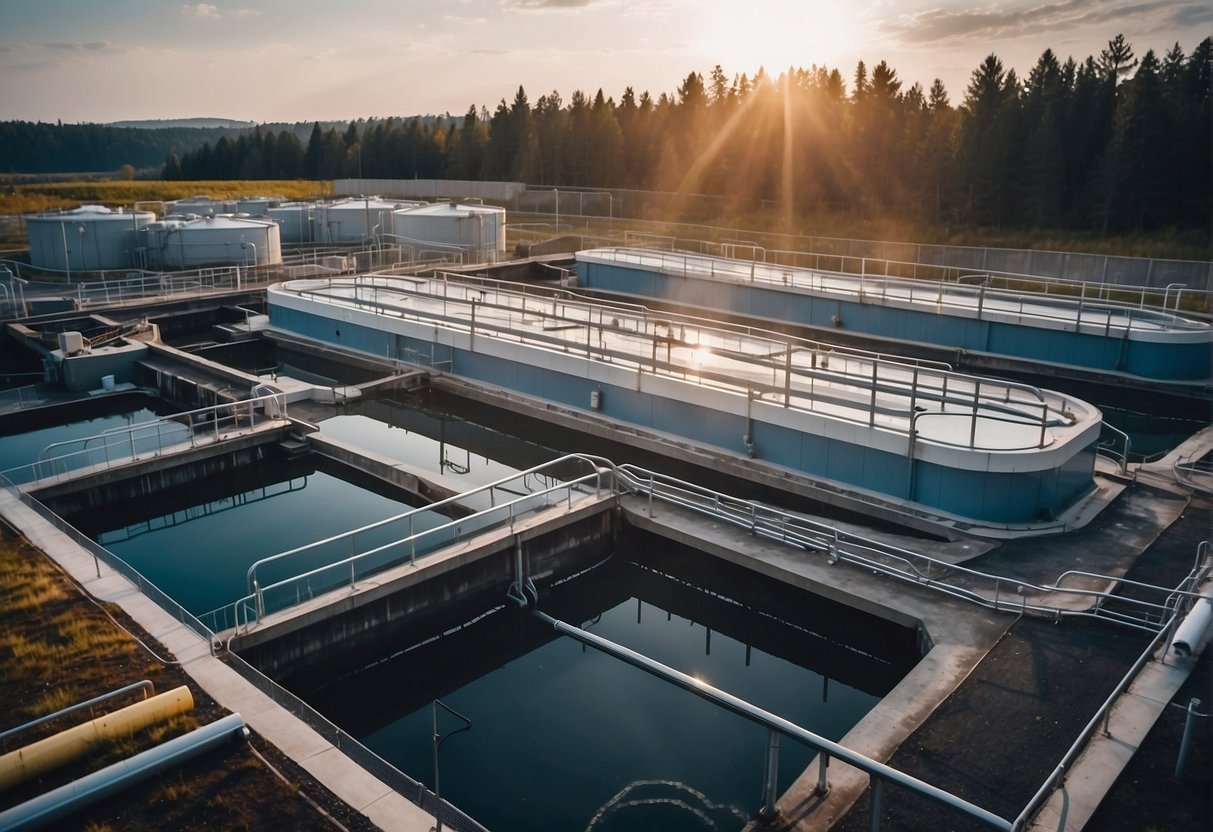
Advanced treatment technologies in wastewater management enhance the removal of pollutants beyond the capabilities of conventional treatment methods. They are designed to address specific challenges such as microplastic removal and complex chemical contaminants.
Membrane Bioreactors
Membrane bioreactors (MBRs) combine conventional biological treatment with membrane filtration. These systems offer several benefits:
- High-quality effluent: They consistently produce effluent of higher quality than conventional treatment methods.
- Compact design: MBRs typically require a smaller footprint due to their efficient process.
In particular, they are adept at eliminating particulate matter, including microplastics, which can range in size from 20 to 190 μm.
Advanced Oxidation Processes
Advanced Oxidation Processes (AOPs) involve generating highly reactive species, especially hydroxyl radicals, to mineralize organic contaminants. Key advantages include:
- Effectiveness: AOPs can degrade complex and otherwise persistent contaminants.
- Versatility: They can be tailored to treat a wide range of wastewater streams.
These processes are at the forefront for dealing with contaminants that resist conventional treatments, ensuring the safety and sustainability of water resources.
Sludge Management
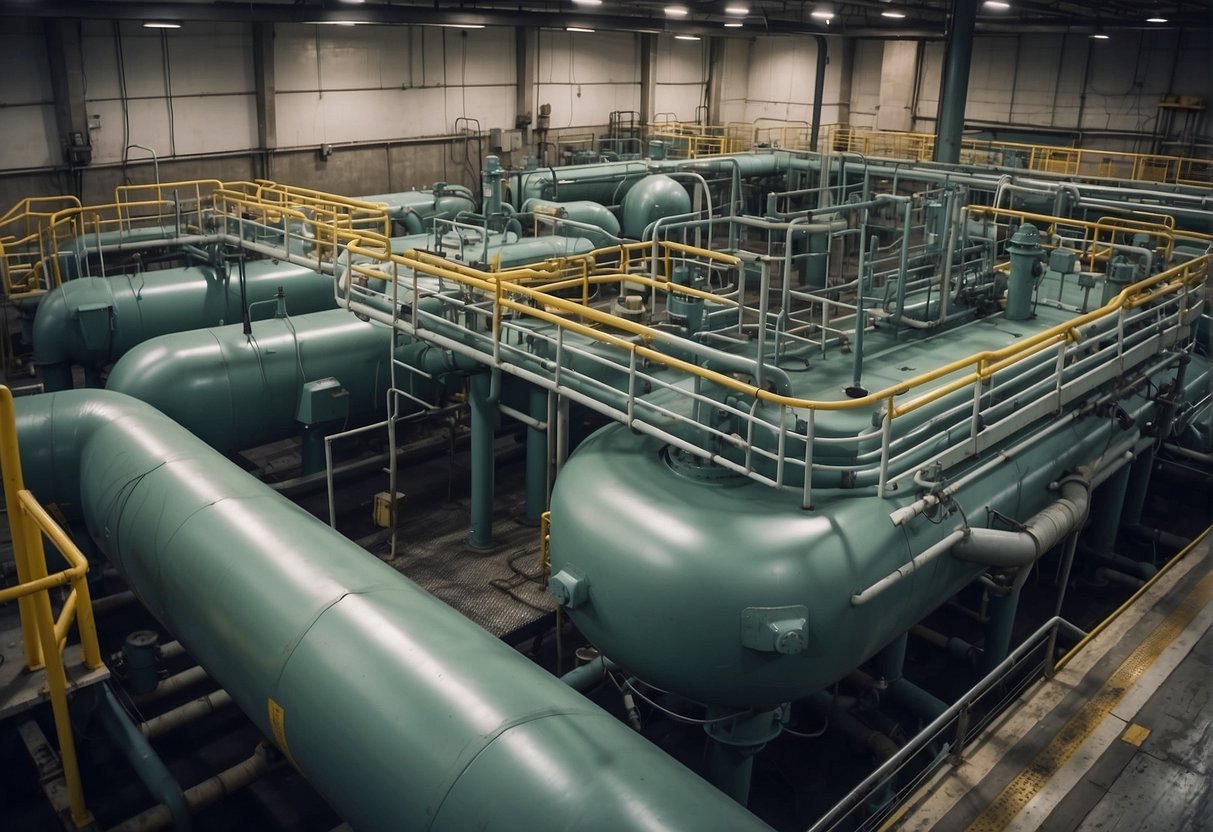
In wastewater treatment, sludge management is a critical process involving conditioning and handling byproduct solids to prepare them for disposal or reuse. Its primary goals are to minimize sludge volume and ensure safe environmental practices.
Sludge Thickening
Sludge thickening reduces the water content of sewage sludge, making it easier to handle and less voluminous. Commonly, this is achieved through gravity thickeners that allow the solids to settle, concentrating the sludge. Thickening decreases the overall costs for transporting and processing the sludge in subsequent stages.
Sludge Digestion
Sludge digestion is a biological process in which organic matter in sludge is broken down by microorganisms in a controlled environment. Digestion can occur under aerobic or anaerobic conditions. This process reduces the amount of organic material in the sludge and produces biogas, which can be used as a source of energy.
Sludge Dewatering
Sludge dewatering further reduces sludge’s moisture content. Effective dewatering methods include the use of filter presses, centrifuges, and drying beds. The end product, called cake, has a significantly reduced volume, which lowers the costs associated with transport and disposal and may be utilized in agriculture and other industries dependent on regulatory compliance.
Wastewater Reuse Strategies

Wastewater reuse is an essential component of sustainable water management. It involves treating wastewater to a suitable quality before reusing it for various purposes, ranging from agricultural irrigation to industrial processes.
Water Reclamation and Reuse:
- Agriculture: Treated wastewater can provide an alternative water source for irrigation, supplying both water and nutrients.
- Industrial: Industries can use reclaimed water for cooling systems, boiler feeds, and process water.
- Environmental: Recharged groundwater reserves and restored wetlands benefit from the clean effluent.
Advanced Treatment Processes: Treatment typically involves several stages:
- Primary Treatment: Removes solids and organic matter.
- Secondary Treatment: Biological processes break down dissolved organic matter.
- Tertiary Treatment: Ultrafiltration (UF), reverse osmosis (RO), and advanced oxidation process (AOP) clean water to almost drinking standards.
Concentrate Management:
- Reverse osmosis, while efficient, produces a byproduct called concentrate.
- The concentrate contains elevated levels of total dissolved solids, metals, and nutrients.
- It must be appropriately managed through further treatment, careful disposal, or beneficial reuse.
Health and Environmental Concerns:
- Safeguards are in place to ensure that wastewater reuse does not compromise public health or the environment.
- Regular monitoring and adherence to stringent guidelines guarantee the safety of reused water.
By implementing these strategies, municipalities and industries can significantly reduce the demand for freshwater, relieve stress on natural water bodies, and contribute to a circular economy where waste is transformed into a valuable resource.
Regulations and Compliance
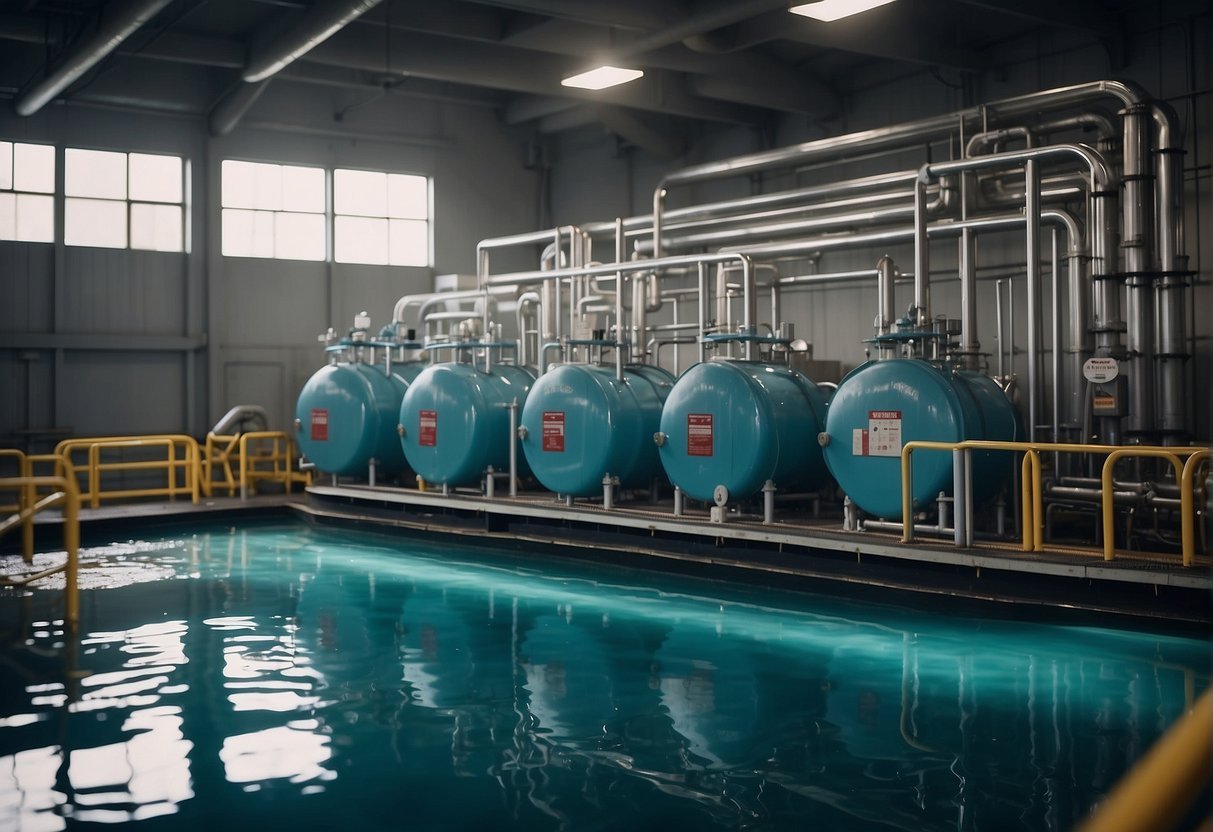
Wastewater treatment is governed by a stringent regulatory framework to safeguard public health and environmental integrity. These regulations require adherence to specific treatment standards before releasing the treated water back into natural systems or repurposing it for consumption.
Local Guidelines
Local authorities often set their own wastewater treatment regulations and guidelines tailored to address the region’s unique environmental and public health challenges. For example, in California, the State Water Resources Control Board approved new rules facilitating the direct transformation of wastewater into drinking water, indicating stringent local measures to ensure safety and sustainability for its specific context.
National Standards
At the national level, standards and regulations are established by various agencies such as the Environmental Protection Agency (EPA). These national standards include:
- Contaminant Regulations: The EPA enforces regulations on contaminants in drinking water, which encompass a wide range of chemical, biological, and radiological elements.
Contaminants Example Regulations Chemical Regulation of lead and arsenic levels Microbial Limits on pathogens like legionella Radiological Standards for radioactive substances - Public Water System Operations: The EPA also regulates public water systems to ensure proper treatment and safety, including maintaining infrastructure and protecting against waterborne outbreaks.
By maintaining rigorous local and national standards, entities involved in wastewater treatment strive to achieve compliance, thus fostering health and environmental welfare.
Future Trends and Innovations

The wastewater management industry is witnessing a wave of emerging technologies and a pivot toward sustainable practices aimed at efficient and effective treatment solutions.
Emerging Wastewater Treatment Technologies
Thermal Hydrolysis: This technology involves heating wastewater sludge to high temperatures, which breaks down the material more effectively than conventional methods. Thermal hydrolysis not only accelerates the digestion process but also enhances the generation of biogas, which can be used as a renewable energy source.
Biohydrometallurgy: Particularly in industrial wastewater treatment, the application of biohydrometallurgy enables the recovery of metals with high efficiency, often between 93-97%. This process employs biological systems for the leaching of metals, representing an innovative step towards resource recovery.
Sustainable Practices
Selection of Context-Appropriate Technologies: The industry focuses on sustainable water infrastructure by tailoring solutions to local circumstances. This approach involves carefully assessing and implementing the most suitable, context-specific treatment technologies.
Advancements in Treatment Processes: Improvements in process technology are continual and incremental; they are key to enhancing the sustainability of wastewater treatment. Process innovations aim to reduce energy consumption, minimize waste generation, and improve overall treatment efficiency to meet stringent environmental standards.
Field Notes
The following observations reflect issues that recur across facilities regardless of which specific treatment technology is installed.
Commissioning Considerations by Process Type
Startup requirements differ sharply between suspended-growth and attached-growth processes. Activated sludge and sequencing batch reactor systems can be seeded from a nearby plant and brought to stable operation within two to four weeks, though nitrification may take considerably longer in cold weather because nitrifier growth rates fall steeply below 15 degrees Celsius. Fixed-film processes including trickling filters, rotating biological contactors, and moving bed reactors require biofilm to establish naturally, which typically takes four to eight weeks and cannot be meaningfully accelerated. Membrane systems add a separate commissioning track for integrity testing, permeability baselining, and cleaning protocol verification that should be scheduled independently of biological startup. Lagoons and constructed wetlands may require an entire growing season to reach design performance.
Common Specification Mistakes
Several specification errors appear repeatedly in project reviews. Blower turndown is frequently specified against average conditions rather than the minimum expected load, leaving the plant unable to reduce airflow during overnight low-flow periods. Secondary clarifiers are often sized on surface overflow rate alone without checking solids loading rate, which is the governing criterion at higher MLSS concentrations. Nutrient removal designs sometimes omit a supplemental carbon provision, only for the facility to discover that influent BOD to nitrogen ratios are insufficient for denitrification during high-flow dilution events. Redundancy is another recurring gap: single points of failure in air distribution, return sludge pumping, or disinfection are easy to overlook during value engineering and expensive to correct afterward.
Pro Tip
When evaluating an aeration retrofit, measure actual oxygen transfer in the basin before specifying replacement equipment rather than relying on manufacturer clean-water ratings. Off-gas testing on the existing system reveals the site-specific alpha factor, and that number frequently differs from the design assumption by 30 percent or more. A plant that assumes an alpha of 0.65 when the measured value is 0.45 will install a system that cannot meet demand at peak load, while a plant that assumes 0.45 when the true value is 0.65 will pay for capacity it never uses. The measurement typically costs a small fraction of one percent of the retrofit budget and routinely changes the equipment selection.
Operations and Maintenance Across Technologies
Maintenance burden scales with mechanical complexity in a predictable way, and comparing technologies on that basis is more useful than comparing them on nameplate performance. Lagoons and wetlands require vegetation management, berm inspection, and periodic sludge survey, all measured in visits per season. Fixed-film processes add distributor mechanisms, drive units, and media inspection on an annual or semiannual cycle. Suspended-growth plants introduce daily process control decisions, clarifier mechanism upkeep, and return sludge pumping. Membrane systems layer on scheduled maintenance cleans, recovery cleans, integrity testing, and eventual module replacement, which together can consume a substantial share of a small utility’s maintenance labor budget.
Troubleshooting by Symptom
Most process problems announce themselves through a small set of symptoms with technology-specific causes. Poor settleability in an activated sludge plant usually traces to filamentous growth driven by low dissolved oxygen, low food-to-microorganism ratio, or nutrient deficiency, and microscopic identification of the dominant filament points directly at the corrective action. Loss of nitrification almost always reflects insufficient solids retention time, temperature decline, pH depression below about 6.5, or an inhibitory industrial discharge. Rising transmembrane pressure in a membrane system indicates fouling that should be diagnosed as organic, inorganic, or biological before selecting a cleaning chemistry. Persistent low dissolved oxygen despite full blower output points toward diffuser fouling, air leaks, or an actual load increase rather than a control problem.
Common Mistake
Selecting a treatment technology on installed capital cost without annualizing energy, chemical, residuals handling, and equipment replacement costs. Aeration alone typically represents 45 to 60 percent of plant electrical consumption, and membrane replacement cycles running roughly seven to ten years can rival the original equipment cost over a twenty-year horizon. A lagoon system that appears expensive on land acquisition may have the lowest total cost of ownership in a rural setting, while a membrane plant that appears expensive up front may be the only viable option where land is unavailable and reuse revenue offsets operating cost. Comparing technologies on present worth over the full design life, rather than on construction cost, changes the ranking more often than not.
Design Details and Standards
Sizing Methodology Overview
Biological reactor sizing proceeds from load rather than flow, following a consistent sequence regardless of the specific technology. Establish maximum month organic load in pounds per day, select a design solids retention time appropriate to the required treatment objective and minimum operating temperature, calculate the required inventory of volatile suspended solids, and convert that inventory to basin volume at the design MLSS concentration. Nitrifying plants require solids retention times roughly two to three times longer than carbonaceous-only plants, with a safety factor applied to the minimum SRT calculated at the coldest expected temperature. Clarifier sizing follows separately, checked against both surface overflow rate and solids loading rate, with the governing criterion typically shifting to solids loading as MLSS rises above about 3,000 mg/L.
Key Parameters That Differ by Process Type
The parameters that govern design are not interchangeable between technology families. Suspended-growth processes are characterized by solids retention time, food-to-microorganism ratio, MLSS concentration, and sludge volume index. Attached-growth processes are characterized instead by organic loading per unit media volume or surface area, hydraulic loading rate, and recirculation ratio. Membrane processes add flux rate expressed in gallons per square foot per day, transmembrane pressure, and permeability. Anaerobic processes are governed by volumetric organic loading rate, temperature, volatile acid to alkalinity ratio, and hydraulic retention time. Applying a parameter from one family to another is a common source of design error.
Applicable Standards and References
Design practice in the United States is anchored by the Ten States Standards, formally the Recommended Standards for Wastewater Facilities issued by the Great Lakes Upper Mississippi River Board, which many state regulatory agencies adopt directly or by reference. The Water Environment Federation Manual of Practice series, particularly MOP 8 for design of water resource recovery facilities and MOP 11 for operation, provides the detailed engineering basis. Discharge requirements derive from the Clean Water Act and are administered through the National Pollutant Discharge Elimination System permit program administered by the U.S. Environmental Protection Agency. Equipment standards from ANSI, ASME, AWWA, and NEMA govern mechanical and electrical components, while state-specific design criteria frequently impose requirements more stringent than the national baseline.
Specification Checklist
- Confirm current and anticipated permit limits, including any nutrient limits scheduled to take effect within the design life.
- Establish design flows and loads separately, using maximum month organic load and peak hour hydraulic load.
- Document minimum and maximum expected wastewater temperature, since both drive biological kinetics and equipment selection.
- Verify influent characterization including BOD, COD, TSS, TKN, ammonia, total phosphorus, and alkalinity.
- Identify significant industrial contributors and quantify their variability and inhibitory potential.
- Specify aeration system turndown range against the actual diurnal and seasonal load curve, not against average conditions.
- Check secondary clarifier sizing against both surface overflow rate and solids loading rate at design MLSS.
- Confirm supplemental carbon and chemical feed provisions where nutrient limits apply.
- Define redundancy requirements for aeration, pumping, and disinfection, including firm capacity with the largest unit out of service.
- Establish the instrumentation and control philosophy, including dissolved oxygen measurement locations and control logic.
- Quantify residuals production and confirm downstream handling, storage, and disposal capacity.
- Develop a present worth comparison across candidate technologies covering energy, chemicals, labor, and equipment replacement.
Frequently Asked Questions
What is raw sewage?
Raw sewage refers to untreated wastewater that is discharged from residential, commercial, and industrial sources. It contains a mixture of organic and inorganic substances, including water, human waste, food scraps, grease, and other debris. Raw sewage also contains harmful bacteria, viruses, parasites, chemicals, and other pollutants. Due to its high level of contaminants, raw sewage poses significant health and environmental risks and must be adequately treated before being released back into the environment.
What are the primary methods used in sewage treatment?
The primary methods in sewage treatment typically include physical, chemical, and biological processes designed to remove contaminants. These range from sedimentation for solid settlement to the use of chlorine for disinfection.
How do wastewater treatment systems differ in dealing with various types of waste?
Systems for treating wastewater vary significantly; domestic sewage often involves treatment processes, whereas industrial waste may require advanced treatments, like the neutralization of hazardous chemicals and the removal of heavy metals.
What is nutrient removal in wastewater?
Nutrient removal in wastewater refers to reducing the levels of nutrients, such as nitrogen and phosphorus, from the wastewater before it is discharged into the environment. Excessive levels of nutrients in wastewater can lead to water pollution and harmful algal blooms in natural water bodies. The nutrient removal process typically involves biological and chemical treatment methods to reduce the nutrient concentrations to environmentally safe levels effectively. This is important for protecting water quality and the overall health of aquatic ecosystems.
Why is the treatment of wastewater crucial for environmental and public health?
Wastewater treatment is vital to prevent waterborne diseases and environmental degradation. It removes harmful organisms and pollutants, ensuring water is safe for reuse or return to natural water bodies.
What are the major stages and processes involved in industrial wastewater treatment?
Industrial wastewater treatment often entails pretreatment, primary, secondary, and sometimes tertiary treatment. Each stage progressively removes contaminants through sedimentation, filtration, biological digestion, and advanced purification.
Can you outline the typical career opportunities and job roles within the wastewater treatment sector?
Career opportunities within the wastewater treatment sector include roles like engineers, technicians, plant operators, microbiologists, and environmental scientists, all contributing to implementing and optimizing waste treatment systems.
What is domestic wastewater?
Domestic wastewater is the liquid and solid waste generated from households and commercial buildings. It includes water from sinks, showers, toilets, washing machines, and other domestic activities. This wastewater contains a variety of contaminants, including organic matter, nutrients, pathogens, and chemicals. Properly treating domestic wastewater is essential to prevent pollution and protect public health and the environment.
Key Takeaways
- Treatment is a train, not a technology — performance at any stage is set by the loading condition the previous stage delivers, so process trains must be evaluated end to end rather than unit by unit.
- The discharge permit narrows the technology list before cost does — nutrient limits in particular eliminate entire technology families, and the screening question is which processes can meet the limit with margin during the coldest month.
- Size on load, not flow — organic and hydraulic capacity fail independently, and many facilities that appear undersized on flow are actually limited by maximum month organic load.
- Aeration governs the operating budget — typically 45 to 60 percent of plant electrical consumption, which makes transfer efficiency and blower turndown the highest-leverage specification decisions available.
- Match complexity to staffing — the most common cause of chronic underperformance is a process that requires more operational attention than the utility can sustain, not an equipment defect.
- Compare on present worth, not capital cost — energy, chemicals, residuals handling, and membrane or media replacement routinely reorder the ranking established by construction cost alone.
- Biological treatment carries the core load — activated sludge remains the reference case against which alternatives are judged, but MBBR and IFAS retrofits, sequencing batch reactors, and membrane bioreactors each solve constraints that conventional suspended growth cannot.
Conclusion
Wastewater treatment has evolved from a single-purpose sanitation function into an integrated resource recovery discipline spanning biological process engineering, energy management, nutrient control, and residuals handling. The technologies described throughout this guide are not competitors so much as tools suited to different combinations of permit requirement, site constraint, load profile, and operational capacity. A small rural utility with abundant land and limited staffing and a dense urban facility discharging to a nutrient-sensitive water body are solving fundamentally different problems, and the correct answer for one is often the wrong answer for the other.
The practical decision framework reduces to four questions asked in order: what does the permit require, what load must be treated, what site and staffing constraints apply, and what does each viable option cost over its full service life. Working through them in that sequence prevents the common failure of selecting a technology first and then discovering it cannot meet the limit, does not fit the site, or cannot be operated by the available staff. Each subcategory linked above develops the specific design criteria, operating parameters, and troubleshooting guidance needed once the shortlist has been established.