
- Home
- Water
- Water Quality: Essential Insights and Health Impacts
- Monitoring: Essential Strategies for Enhanced Data Security
- Contaminants and Contamination: Understanding Their Sources and Impact
- Standards: Elevating Professional and Industry Benchmarks
- FAQs: Comprehensive Answers to Common Questions
- Physical Water Treatment: Modern Techniques and Benefits
- Activated Carbon Filtration in Water: Essential for Clean, Safe Drinking Supplies
- Ultraviolet (UV) Disinfection in Water: Ensuring Safe and Clean Drinking Water
- Sand Filtration in Water: A Comprehensive Guide to Clean Drinking Solutions
- Ceramic Filtration: Effective Solutions for Clean Water
- Gravity-Based Filtration: Enhancing Water Purity with Simple Technology
- Membrane Filtration in Water: Improving Purity and Efficiency
- Sedimentation: Causes, Impacts, and Prevention Strategies
- Chemical Water Treatment: Essential Methods for Safe and Clean Water
- Coagulation and Flocculation: Essential Techniques for Water Treatment
- pH Adjustment: Essential Techniques for Maintaining Optimal Water Quality
- Chlorination: Essential Methods for Safe Water Treatment
- Ion Exchange: Essential Mechanism for Water Purification
- Ozonation: Advanced Water Purification Method Explained
- Biological Filtration: Enhancing Water Quality Through Natural Processes
- Water Supply: Ensuring Sustainable Future Solutions
- Water Conservation: Essential Strategies for Sustainable Living
- Water Management: Strategies for Sustainable Usage
- Water Quality: Essential Insights and Health Impacts
- Wastewater
- Wastewater Treatment
- Preliminary Treatment
- Screening
- Bar Screening
- Band Screen Wastewater Solutions: Effective Fine Screening Techniques
- Basket Screen Wastewater Solutions: Enhancing Treatment Efficiency
- Drum Screening
- Fine Screens in Wastewater Treatment: Enhancing Solid Removal Efficiency
- Microscreens in Wastewater Treatment: Enhancing Filtration Efficiency
- Parabolic Screen in Wastewater Treatment: Enhancing Solid-Liquid Separation Efficiency
- Static Screen in Wastewater Treatment: Efficiency and Application Overview
- Climber Screens in Wastewater Treatment: Enhancing Solid Waste Removal
- Step Screen in Wastewater Treatment: Enhancing Solid-Liquid Separation Efficiency
- Comminution in Wastewater Treatment: Enhancing Efficiency and Process Reliability
- Grit Removal in Wastewater: Essential Processes and Best Practices
- Screening
- Primary Treatment in Wastewater: The First Step in Pollution Control
- Sedimentation in Wastewater Treatment: The Efficient Separation Strategy
- Discrete Settling in Wastewater: Understanding the Separation Process
- Flocculent Settling in Wastewater: Understanding the Process and Benefits
- Zone Settling in Wastewater Treatment Processes: Understanding the Mechanism
- Compression Settling in Wastewater: Fundamental Principles and Management Strategies
- Primary Clarifiers in Wastewater: Understanding Their Role in Treatment Processes
- Circular Primary Clarifier in Wastewater Treatment: Essential Functions and Design Principles
- Parallel Plate Settlers in Wastewater Treatment: Efficiency and Design Principles
- Tube Settlers in Wastewater Treatment: Enhancing Clarification Efficiency
- Offset Clarifiers in Wastewater Treatment: Enhancing Clarity and Efficiency
- Rectangular Primary Clarifier in Wastewater Treatment: Efficiency and Design Principles
- Dissolved Air Flotation (DAF) in Wastewater: Enhancing Treatment Efficiency
- Full Flow DAF Systems: Revolutionizing Wastewater Treatment Efficiency
- Partial Flow DAF Systems: Advancing Wastewater Treatment Efficiency
- Recycle Flow DAF Systems: Enhancing Wastewater Treatment Efficiency
- Packed Column DAF: Advancing Water Treatment Efficiency
- Subsurface Release DAF Systems: Innovations in Wastewater Treatment
- Dispersed Release DAF Technology: Revolutionizing Wastewater Treatment
- Sedimentation in Wastewater Treatment: The Efficient Separation Strategy
- Secondary Treatment in Wastewater: Understanding the Biological Process
- Biological Treatment in Wastewater: Harnessing Microorganisms for Clean Water Solutions
- Rotating Biological Contactors: An Overview of Wastewater Treatment Efficiency
- Membrane Bioreactors (MBR): Advancing Wastewater Treatment Technology
- Anaerobic Digestion: Effective Waste Management for Renewable Energy
- Anaerobic Digestion in Wastewater Treatment: Optimizing Energy Recovery
- Lagoons in Wastewater Treatment: Sustainable Natural Solutions
- Constructed Wetlands in Wastewater Treatment: Nature’s Solution for Water Purification
- Activated Sludge Process in Wastewater Treatment: An Efficient Biological Methodology
- Trickling Filters in Wastewater Treatment: An Efficient Biofiltration Solution
- Sequencing Batch Reactors: Advancements in Wastewater Treatment Technology
- Aeration in Wastewater Treatment: Enhancing System Efficiency and Water Quality
- Surface Aerators in Wastewater Treatment: Optimization and Efficiency
- Submerged Diffuser Systems in Wastewater Treatment: Enhancing Effluent Disposal Efficiency
- Vertical Loop Reactors in Wastewater Treatment: Enhancing Efficiency and Sustainability
- Small Bubble Aerators in Wastewater: Enhancing Treatment Efficiency
- Jet Aerators in Wastewater Treatment: Enhancing Efficiency and Aeration Performance
- Cascade Aerators in Wastewater Treatment: Enhancing Oxygenation Efficiency
- Secondary Clarification in Wastewater: Enhancing Effluent Quality
- Circular Clarifiers in Wastewater: Essential Components for Water Treatment Efficiency
- Rectangular Clarifiers in Wastewater Treatment: Efficiency and Design Essentials
- Hopper Bottom Clarifiers in Wastewater Treatment: Efficiency and Design Essentials
- Solids Contact Clarifiers: Enhancing Wastewater Treatment Efficiency
- Lamella Clarifiers in Wastewater Treatment: Efficiency and Design Essentials
- Biological Treatment in Wastewater: Harnessing Microorganisms for Clean Water Solutions
- Tertiary Treatment in Wastewater: Ensuring Water Quality and Environmental Safety
- Advanced Treatment in Wastewater: Emerging Technologies and Methods
- UV Disinfection in Wastewater: Effective Strategies for Pathogen Reduction
- Low Pressure UV Systems in Wastewater Treatment: Efficiency and Advantages
- Medium Pressure (MP) UV Systems in Wastewater Treatment: Efficiency and Applications
- Amalgam UV Systems in Wastewater Treatment: Advancements and Efficiency
- Pulsed UV Systems in Wastewater Treatment: Revolutionizing Disinfection Processes
- Smart UV Control in Wastewater Treatment: Enhancing Efficiency and Safety
- Light-Emitting Diode (LED) UV Systems in Wastewater Treatment: Efficiency and Applications
- Ozonation in Wastewater Treatment: Understanding the Purification Process
- Fixed Bed Ozone Reactors in Wastewater Treatment: Efficiency and Application
- Ozone Retention Tanks in Wastewater Treatment: Enhancing Water Quality and Safety
- Sidestream Ozone Injection in Wastewater: Enhancing Treatment Efficiency and Water Quality
- Ozone Laundry Systems in Wastewater Treatment: Enhancing Efficiency and Sustainability
- Vacuum Degasification in Wastewater Treatment: Principles and Applications
- Bubble Diffuser Contactors in Wastewater Treatment: Efficiency and Application
- Ozone Generators in Wastewater Treatment: Efficiency and Applications
- Advanced Oxidation Processes in Wastewater Treatment: Efficiency and Innovation
- Ozonation in Wastewater Treatment: Efficient Disinfection and Organic Removal
- UV/H2O2 in Wastewater Treatment: Harnessing Advanced Oxidation Processes
- Fenton Process in Wastewater Treatment: Efficiency and Application
- Wet Air Oxidation in Wastewater Treatment: Efficiency and Process Insights
- Photocatalysis in Wastewater Treatment: Innovative Approaches for Purification
- Electron Beam Irradiation in Wastewater Treatment: Unlocking Advanced Purification Methods
- Ultrasonic Irradiation in Wastewater Treatment: Efficiency and Applications
- Ion Exchange: Essential Mechanism for Water Purification
- Cation Exchange in Wastewater Treatment: Principles and Applications
- Anion Exchange in Wastewater Treatment: Understanding the Process for Cleaner Effluents
- Ammonia Exchange in Wastewater: Essential Processes and Technologies
- Boron Selective Resins in Wastewater Treatment: Advances and Applications
- Mixed Bed Ion Exchange in Wastewater Treatment: Efficiency and Application
- Electrochemical Ion Exchange in Wastewater: Enhancing Treatment Efficiency
- UV Disinfection in Wastewater: Effective Strategies for Pathogen Reduction
- Sludge Treatment in Wastewater: Enhancing Efficiency and Reducing Environmental Impact
- Thickening in Wastewater Treatment: Optimizing Sludge Management
- Gravity Thickeners in Wastewater Treatment: Enhancing Efficiency and Sustainability
- Dissolved Air Flotation (DAF) in Wastewater: Enhancing Treatment Efficiency
- Rotary Drum Thickeners in Wastewater Treatment: Maximizing Efficiency and Cost-Effectiveness
- Gravity Belt Thickeners in Wastewater Treatment: Enhancing Efficiency and Sustainability
- Centrifuges in Wastewater Treatment: Enhancing Efficiency and Purity
- Cloth Media Filters in Wastewater Treatment: Efficiency and Applications
- Screw Presses in Wastewater Treatment: Efficiency and Applications
- Digestion in Wastewater Treatment: Processes and Benefits
- Autothermal Thermophilic Aerobic Digestion (ATAD): Enhancing Wastewater Treatment Efficiency
- Composting in Wastewater Treatment: Enhancing Sustainability Practices
- Alkaline Stabilization in Wastewater Treatment: Enhancing Process Efficiency and Safety
- Thermal Hydrolysis in Wastewater Treatment: Enhancing Sludge Management Efficiency
- Microwave Irradiation in Wastewater Treatment: An Innovative Approach
- Anaerobic Digestion in Wastewater Treatment: Optimizing Energy Recovery
- Aerobic Digestion in Wastewater Treatment: Efficiency and Process Insights
- Dewatering in Wastewater Treatment: Essential Methods and Benefits
- Belt Filter Presses in Wastewater Treatment: Maximizing Efficiency and Performance
- Plate and Frame Presses in Wastewater Treatment: Efficiency and Application
- Rotary Fan Presses in Wastewater Treatment: Efficient Sludge Dewatering Solutions
- Drying Beds in Wastewater Treatment: An Overview of Sludge Management Techniques
- Reed Beds in Wastewater Treatment: Sustainable Purification Methods
- Centrifuges in Wastewater Treatment: Enhancing Efficiency and Purity
- Thickening in Wastewater Treatment: Optimizing Sludge Management
- Reuse and Disposal: Strategies for Sustainable Waste Management
- Non-Potable Water in Wastewater: Sources, Risks, and Treatment Methods
- Graywater in Wastewater Treatment: Sustainable Reuse and Management Practices
- Blackwater in Wastewater Treatment: Understanding the Challenges and Solutions
- Stormwater in Wastewater Treatment: Managing Runoff Contamination Risks
- Industrial Wastewater Management: Strategies for Sustainable Treatment and Reuse
- Agricultural Wastewater Management: Challenges and Solutions
- Non-Potable Water in Wastewater: Sources, Risks, and Treatment Methods
- Industrial Wastewater Management: Strategies for Sustainable Treatment and Reuse
- Municipal Wastewater Management: Strategies for Sustainable Urban Water Treatment
- Treatment Technologies in Wastewater: Advancements in Modern Medical Therapies
- Preliminary Treatment
- Wastewater Management Strategies for Sustainable Urban Environments
- Wastewater Disposal Strategies: Best Practices for Environmental Safety
- Wastewater Treatment
- US Wastewater Plants
- Online Calculators
- Sodium Hypochlorite Dosing Calculation
- Equalization (EQ) Tank Sizing Calculator
- Contact Time Calculator
- Flow Conversion & Pump Reference Calculator
- Aeration / Energy Estimation Calculator
- Clarifier Surface Loading Calculator
- Sludge Production / Solids Calculator
- Chemical Storage Volume Calculator
- Centrate Sidestream Load Impact Calculator
- Our Services
- Newsletter
- Blog
Sludge Disposal Methods in Wastewater: Efficient and Sustainable Practices
- Sludge Disposal
-
Jan 11
- Share post
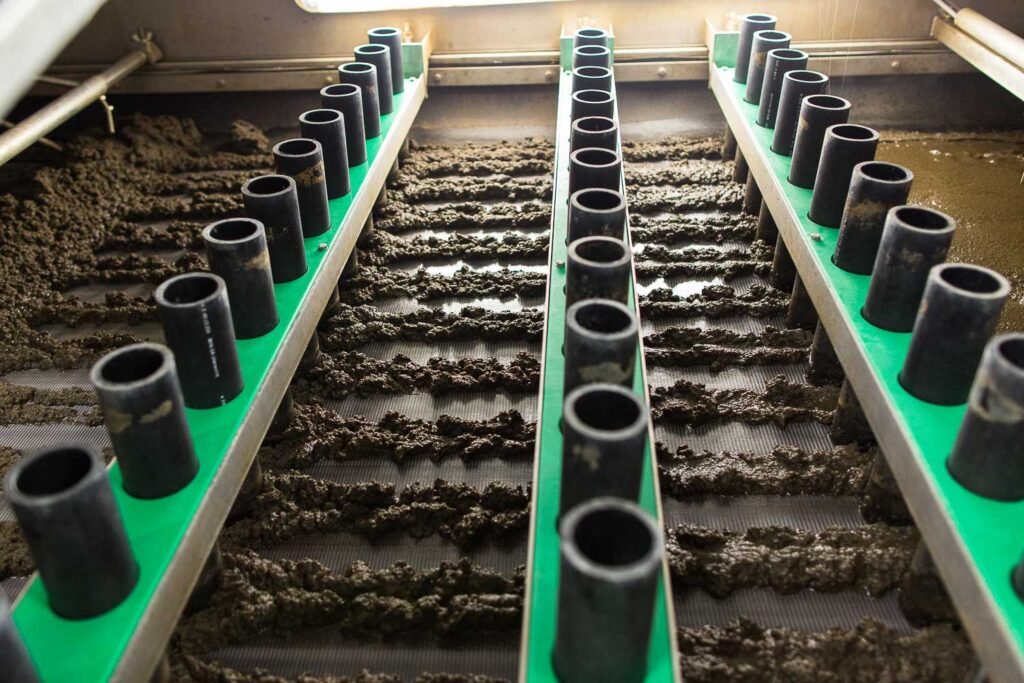
Sludge Disposal: Best Practices for Environmental Safety
Sludge disposal is an essential process in the management of waste produced by water treatment plants. Sludge refers to the semi-solid material remaining after sewage and industrial wastewater treatment, and its proper handling is critical to protecting public health and the environment.
Sludge can contain pathogens, heavy metals, and organic compounds, requiring careful treatment and disposal. Common methods include land application, incineration, and landfilling, with the selected approach influenced by sludge composition, regulatory requirements, and environmental considerations.
Key Takeaways
- Sludge disposal is essential for environmental and public health protection.
- Disposal methods depend on sludge composition and regulatory compliance.
- Effective management requires strict adherence to environmental standards.
Overview of Sludge Disposal
Sludge disposal is a critical component of wastewater management, ensuring that treatment byproducts are handled safely and sustainably.
Importance of Effective Sludge Disposal
Improper disposal can pollute soil, water, and air while increasing exposure to pathogens. When treated correctly, sludge can be repurposed as fertilizer, supporting nutrient recovery and sustainability initiatives.
Challenges in Sludge Disposal
Key challenges include high costs, complex treatment requirements, regulatory compliance, and limited disposal sites. Increasing population growth and urbanization continue to drive higher sludge production, intensifying these challenges.
Regulatory Framework
Sludge disposal is governed by strict environmental regulations designed to protect public health and ecosystems.
EPA Sludge Treatment and Disposal Regulations
In the United States, the EPA regulates sludge disposal under the Resource Conservation and Recovery Act (RCRA) and the Clean Water Act (CWA).
The National Pollutant Discharge Elimination System (NPDES) establishes discharge limits, while EPA management plans define best practices for treatment, monitoring, and reporting to ensure compliance.
Sludge Disposal Methods
Land Application
Land application recycles nutrients such as nitrogen and phosphorus back into the soil. Sludge must be treated to reduce pathogens and prevent contamination of surface and groundwater.
Ocean Dumping
Due to environmental risks and international treaties, ocean dumping is heavily restricted or banned in most regions.
Incineration
Incineration reduces sludge volume and neutralizes hazardous compounds. It can also generate usable energy while minimizing landfill reliance.
Landfilling
Modern landfills safely contain sludge using engineered liners and leachate controls, though long-term monitoring is required.
Wastewater Treatment and Sludge
Wastewater Treatment Process
Sludge is produced throughout wastewater treatment stages:
- Primary treatment: screening, sedimentation, and floatation
- Secondary treatment: biological oxidation and aeration
- Tertiary treatment: filtration, disinfection, and polishing
Wastewater Sludge Characteristics
Wastewater sludge is a mixture of organic and inorganic materials, typically classified as primary or secondary sludge.
- Primary sludge: Dense solids removed during sedimentation
- Secondary sludge: Biomass generated from biological treatment
Understanding sludge characteristics is essential for selecting appropriate disposal methods and estimating treatment, transport, and disposal requirements.
Sludge Production / Solids Calculator
Estimate dry solids production and rough polymer demand from flow and TSS assumptions.
Dry Solids Mass: lb/day
Dry Solids Production: dry tons/day
Estimated Polymer Use: – lb/day
Water Treatment Plants and Sludge
Water treatment plants generate sludge during clarification and filtration processes. Managing this sludge safely is critical to meeting environmental and public health standards.
Drinking Water Treatment Plant Sludge
Sludge from drinking water treatment typically contains minerals, chemical precipitates, and suspended solids removed during treatment.
- Thickening: Concentrates sludge by removing excess water
- Dewatering: Produces a more solid, transportable material
- Stabilization: Reduces odor and biological activity
Sewage Sludge Handling
Sewage Sludge Treatment
Treatment methods include aerobic and anaerobic digestion, lime stabilization, and thermal drying. Anaerobic digestion produces biogas, supporting energy recovery efforts.
Sewage Sludge Disposal Methods
- Land application as fertilizer
- Landfilling under controlled conditions
- Incineration for volume reduction and energy recovery
Industrial Sludge Management
Oil Sludge Disposal
Oil sludge requires specialized treatment, often involving thermal processes or oil recovery technologies, and must comply with NPDES regulations.
Alum Sludge Considerations
Alum sludge from water treatment plants can sometimes be reused as a soil amendment, provided contaminant levels meet regulatory standards.
Innovative Disposal Techniques
- Thermal conversion: Reduces volume and recovers resources
- Anammox process: Energy-efficient nitrogen removal
- Electrodialysis: Contaminant separation and recovery
- Algal treatment: Waste reduction and biofuel production
- Pyrolysis and gasification: Energy-rich byproduct generation
Environmental and Health Impact
Impact of Improper Disposal
Improper sludge disposal can contaminate soil, water, and air, posing risks to ecosystems and human health through heavy metals, pathogens, and organic toxins.
Case Studies and Best Practices
- Land application: Nutrient recycling in agriculture
- Anaerobic digestion: Energy recovery from biogas
- Thermal treatment: Volume reduction and emission control
- Composting: Conversion into beneficial soil products
Frequently Asked Questions
What are the acceptable methods for sludge disposal in wastewater treatment?
Acceptable methods for sludge disposal include landfilling, incineration, and application to agricultural land. Each method must comply with regulations such as those enforced by the National Pollutant Discharge Elimination System (NPDES).
How does the cost of sludge disposal vary by method?
The cost of sludge disposal varies significantly by method; landfilling tends to be less expensive compared to incineration, which requires more energy and infrastructure. Agricultural applications may incur costs associated with transportation and regulation compliance.
Can you guide the treatment processes before sludge disposal?
Treatment processes before sludge disposal typically involve digestion, dewatering, and stabilization to reduce volume and eliminate pathogens. Guidance on these processes can be found through resources like the U.S. Environmental Protection Agency.
What techniques are employed for the environmentally safe disposal of sewage sludge?
Environmental safety in sewage sludge disposal is achieved through techniques such as anaerobic digestion, composting, and thermal processing to reduce toxicity and mitigate environmental impact.
In what ways can waste sludge be repurposed or recycled?
Waste sludge can be repurposed as a soil conditioner in agriculture, recovered for biogas production, or processed into biosolids for landscaping. Recycling efforts focus on resource recovery and minimizing waste.
Where are legally compliant facilities for sludge disposal typically located?
Legally compliant facilities for sludge disposal are typically located at a safe distance from population centers and water sources. Their locations adhere to zoning regulations and environmental requirements, often detailed in resources like the Enforcement and Compliance History Online (ECHO).
- Anaerobic Digestion
- challenge
- conservation
- Environmental Regulations
- Environmental Safety
- heavy metals
- Incineration
- Land Application
- Landfilling
- management
- methods
- organic compounds
- Pathogens
- pollution
- Public health
- Regulatory compliance
- Sewage Sludge
- Sewage Treatment
- Sludge Composition
- Sludge Disposal
- sludge disposal methods
- Sludge management
- sludge treatment
- strategies
- sustainable
- Sustainable Practices
- Treatment Plants
- Waste Management
- Wastewater Management
- Wastewater Sludge
- wastewater treatment
- water
- water management
- water treatment
- Water Treatment Plants