
Tertiary Treatment in Wastewater: Ensuring Water Quality and Environmental Safety
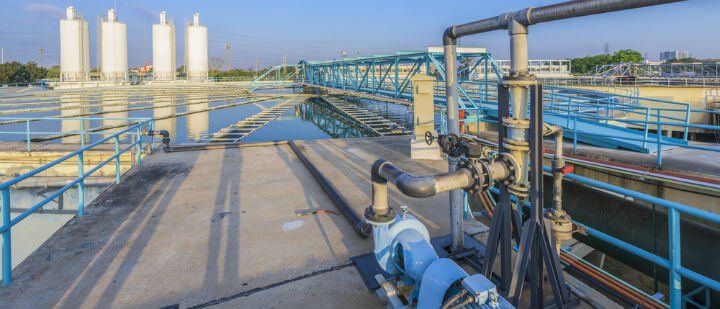
In wastewater management, tertiary treatment represents an advanced stage that follows primary and secondary treatment methods. It is designed to substantially degrade the biological content of the sewage, which is derived from human waste, food waste, soaps, and detergents. Known as the final cleaning process, tertiary treatment improves effluent quality before being released into the environment or reused. It involves using sophisticated technology to remove residual inorganic compounds, organic substances, bacteria, viruses, and other pathogens that secondary treatment could not eliminate.
Tertiary treatment methods vary significantly based on the composition of the wastewater and the required quality of the effluent according to regulatory standards. Common tertiary processes include filtration, carbon adsorption, nutrient removal, and disinfection. These steps ensure that the treated water meets the safety standards for public health and environmental protection. Moreover, introducing advanced technologies, such as membrane filters and ultraviolet disinfection, has significantly enhanced the effectiveness and efficiency of tertiary wastewater treatment systems.
Key Takeaways
- Tertiary treatment is an advanced stage in wastewater management that further cleans wastewater after primary and secondary treatment.
- It employs various processes to remove remaining inorganic and organic substances, pathogens, and nutrients from the effluent.
- Advanced technologies are integral to achieving the high-quality effluent required for environmental compliance and potential reuse.
Tertiary Treatment Overview
The tertiary treatment represents wastewater’s final cleaning phase before it is discharged into the environment or reused. It refines wastewater quality beyond the capabilities of primary and secondary treatment stages.
Purpose of Tertiary Treatment
The main objective of tertiary treatment is to improve the water quality to meet specific standards required for its intended final use, which may include discharge into sensitive ecosystems, industrial use, or agricultural irrigation. Techniques used in this stage can remove residual nutrients, such as nitrogen and phosphorus, eliminate remaining suspended solids, bacteria, and viruses, and reduce chemical contaminants to trace levels. By doing so, tertiary treatment safeguards waterways from the harmful impact of untreated wastes and supports water recycling.
Comparison with Primary and Secondary Stages
In contrast to tertiary treatment, primary treatment involves the removal of large solid materials through processes like screening and sedimentation. Following this, secondary treatment typically employs biological processes to substantially degrade the biological content of the sewage, mainly derived from human waste, food waste, soaps, and detergents. The tertiary treatment stage goes beyond by applying more sophisticated technologies, including filtration, disinfection (e.g., using ultraviolet light or chlorine), and advanced methods like activated carbon adsorption or ion exchange to achieve water of the highest quality. The comparison table below summarizes the different stages:
| Stage | Process | Contaminants Removed |
|---|---|---|
| Primary | Screening, sedimentation | Solids, inorganic matter |
| Secondary | Biological processes (e.g., activated sludge) | Biodegradable organics, some pathogens |
| Tertiary | Filtration, disinfection, advanced methods | Nutrients, suspended solids, pathogens, remaining organics, trace chemicals |
The adoption of tertiary treatment is driven by increasingly stringent environmental standards and a growing emphasis on water conservation and reuse.
What tertiary treatment can achieve is bounded by what arrives from upstream. The quality of secondary effluent, and particularly the stability of the activated sludge process feeding it, determines whether a tertiary system operates within its design envelope or spends its life compensating for solids carryover. A filter sized for 10 mg/L influent TSS will blind rapidly at 40 mg/L, and a UV system designed around a given transmittance will underdose when secondary clarifier performance slips. Tertiary treatment polishes; it does not rescue.
Subcategory Overview: Tertiary Process Families
Tertiary treatment is not a single technology but a set of process families, each addressing a different residual contaminant. Most facilities combine two or three of them in sequence, with the selection driven by the discharge permit or reuse standard the plant must meet. The subsections below cover each family, how it works, and where it fits.
Granular and Cloth Media Filtration
Tertiary filtration removes the residual suspended solids that secondary clarification leaves behind, typically taking effluent from 10 to 30 mg/L TSS down to below 5 mg/L and reducing turbidity to the range required for effective disinfection. Granular media designs use sand, anthracite, or dual-media beds at hydraulic loading rates commonly in the range of 2 to 5 gpm per square foot, backwashed on headloss or turbidity breakthrough. Cloth media disk and drum filters have displaced granular beds in many retrofits because they achieve comparable performance at higher loading rates in a fraction of the footprint, with backwash volumes typically well under 2 percent of throughput. Filtration is almost always the first tertiary step, because every process downstream of it performs better on clarified water.
Membrane Processes
Membrane filtration spans microfiltration at roughly 0.1 micron, ultrafiltration at roughly 0.01 micron, nanofiltration, and reverse osmosis, with each step down in pore size adding capital cost, energy demand, and pretreatment requirements. Microfiltration and ultrafiltration provide an absolute barrier to suspended solids and protozoan pathogens, which is why they are standard ahead of reverse osmosis in potable reuse trains. Where the membrane is integrated into the biological process rather than added downstream, the arrangement becomes a membrane bioreactor, which delivers tertiary-quality effluent directly from the secondary stage and eliminates both the clarifier and the separate filter. Fouling control, cleaning chemistry, and membrane replacement cost dominate the operating economics of every membrane process.
Nutrient Polishing
Where the permit demands nitrogen and phosphorus below what biological treatment alone achieves, tertiary nutrient polishing takes over. Denitrification filters combine solids removal with anoxic biological nitrate reduction, using a supplemental carbon source such as methanol or glycerol dosed in proportion to the nitrate load. Phosphorus polishing relies on metal salt addition ahead of filtration, with the metal to phosphorus molar ratio climbing steeply as the target tightens. The practical limit of technology sits near 3 mg/L total nitrogen and 0.1 mg/L total phosphorus, and the cost of each incremental improvement rises sharply as those figures are approached.
Disinfection
Tertiary disinfection inactivates the pathogens that survive upstream processes, using chlorine, ultraviolet light, ozone, or peracetic acid. Chlorination is governed by CT, the product of residual and contact time, and requires dechlorination before discharge in most permits. Ultraviolet disinfection avoids both disinfection byproducts and dechlorination, but its performance depends directly on upstream water quality, since UV transmittance falls with residual organics and particles shield organisms from the dose. Typical reuse guidance calls for a UV dose in the range of 80 to 100 mJ/cm² depending on the upstream filtration, and lamp fouling, sleeve cleaning, and end-of-lamp-life derating all have to be built into the design.
Adsorption and Advanced Oxidation
Granular activated carbon and advanced oxidation address the dissolved organic fraction that neither filtration nor disinfection touches: pharmaceuticals, personal care products, endocrine-disrupting compounds, taste and odor compounds, and color. GAC removes them by physical adsorption with a finite capacity, requiring breakthrough monitoring and periodic reactivation. Advanced oxidation destroys them by generating hydroxyl radicals through UV with hydrogen peroxide, ozone with hydrogen peroxide, or UV with chlorine, which converts rather than concentrates the contaminant but consumes substantial energy and produces transformation products that warrant evaluation. In potable reuse trains the two are frequently used together.
Water Reuse Applications
The end use dictates the treatment train more directly than any other factor. Non-potable reuse for irrigation, cooling water, and industrial process supply typically requires filtration and disinfection to a defined turbidity and pathogen standard. Indirect potable reuse adds membranes, advanced oxidation, and an environmental buffer such as an aquifer or reservoir. Direct potable reuse adds redundant barriers, continuous online monitoring, and engineered storage to allow diversion when a barrier fails. Designing to the end use from the outset avoids the common and expensive pattern of building a tertiary system for discharge and then retrofitting it for reuse a decade later.
Tertiary Treatment Processes
Tertiary treatment processes refine wastewater to a quality that meets specific standards before discharge into the environment or reuse. These processes follow primary and secondary treatments, removing suspended solids, nitrogen, phosphorus, and other contaminants.
Chemical Enhancements
Chemical enhancements in tertiary treatment involve adding chemicals to reduce contaminants further. Coagulation and flocculation are standard methods where chemicals like alum or iron salts are added to wastewater to attract and bind fine particles into larger clumps, making them easier to remove. Filtration often follows, typically with sand or activated carbon filters, to capture the coalesced particles. Disinfection is a critical step, typically carried out with chlorine or ultraviolet radiation, to kill any remaining pathogens before the treated wastewater is discharged or reused.
Biological Nutrient Removal
Biological nutrient removal (BNR) targets specific contaminants like nitrogen and phosphorus, which can cause eutrophication in receiving water bodies. BNR operations utilize specialized bacteria under controlled environmental conditions. Nitrification and denitrification are biological processes that convert ammonia to nitrate and then to nitrogen gas, which is released into the atmosphere. Meanwhile, phosphorus removal is achieved by promoting phosphate uptake by bacteria, which is subsequently removed as part of waste sludge in the treatment process. These methods are essential for protecting aquatic life and ensuring water safety for downstream users.
Application of Advanced Technologies
In wastewater treatment, tertiary processes employ advanced technologies to achieve higher water quality standards. These technologies are designed to remove residual solids, organic compounds, nutrients, and pathogens that primary and secondary treatments may leave behind.
Membrane Filtration: This technology includes microfiltration, ultrafiltration, nanofiltration, and reverse osmosis. Membrane filtration, incredibly reverse osmosis, can produce water of higher quality than conventional surface water, rivaling groundwater.
- UV Disinfection: Ultraviolet light is used to inactivate microorganisms without chemicals. This process is highly effective against pathogens and is becoming a common practice.
- Activated Carbon Adsorption: Ideal for removing organic compounds, pharmaceuticals, and endocrine-disrupting chemicals from wastewater.
Advanced Oxidation Processes (AOPs): These processes involve oxidants and UV light combinations to degrade complex organic pollutants to safer, simpler compounds. AOPs are effective in breaking down contaminants not removed by conventional methods.
| Technology | Purpose | Common Use |
|---|---|---|
| Membrane Filtration | Remove solids, pathogens | Potable water reuse |
| UV Disinfection | Pathogen inactivation | Disinfection post-secondary treatment |
| Activated Carbon Adsorption | Organic compound removal | Industrial effluent treatment |
| AOPs | Degrade pollutants | Contaminant-specific treatment |
Adopting these advanced technologies is guided by regulations and the desired end-use of the treated water, whether for industrial use, agricultural irrigation, or replenishment of freshwater systems. They are integral to modern wastewater treatment strategies, contributing to sustainability and resource recovery efforts.
Selection and Specification Framework
Step One: Start From the Effluent Requirement
The permit limit or reuse standard defines the treatment train, not the other way around. Write down every parameter that must be met, its numeric limit, and its averaging period, because a monthly average limit and a daily maximum limit at the same numeric value demand very different amounts of process reliability. Distinguish between limits that current secondary treatment already meets, limits it meets marginally, and limits it cannot approach; only the last category actually requires tertiary treatment, and building for the others wastes capital.
Step Two: Characterize the Secondary Effluent Honestly
Tertiary equipment is sized on what arrives, not on what the design report assumed the secondary process would deliver. Collect a year of secondary effluent data at minimum: TSS, turbidity, BOD, ammonia, total nitrogen and phosphorus, UV transmittance, and their diurnal and seasonal ranges. Pay particular attention to the upper percentile values rather than the average, since a filter or UV system that fails at the ninety-fifth percentile condition will produce violations even if it performs well most of the time. Where secondary treatment is unstable, fixing it is nearly always cheaper than oversizing tertiary equipment to absorb the variability.
Step Three: Sequence the Processes Correctly
Order matters more than it appears. Filtration precedes disinfection because particles shield organisms from UV and exert chlorine demand. Coagulant addition precedes filtration because it is what makes fine solids and residual phosphorus filterable. Membranes require their own pretreatment, and reverse osmosis requires membrane pretreatment ahead of it. Advanced oxidation is placed where the organic load has already been reduced, since hydroxyl radicals are scavenged by whatever is present. A correctly sequenced train at modest sizing outperforms an incorrectly sequenced one at generous sizing.
Step Four: Design for the Reliability Class Required
Reuse applications, and particularly potable reuse, demand redundant barriers, continuous online monitoring of a surrogate parameter for each barrier, and automatic diversion when a barrier fails. Discharge applications are generally more forgiving, but a plant with no bypass and no redundant unit has no way to take equipment offline for maintenance without risking a violation. Decide the reliability class at the start, because retrofitting redundancy and monitoring into a completed facility costs several times what it costs to build in.
Step Five: Account for Residuals and Side Streams
Every tertiary process produces something that returns to the head of the plant or leaves as a waste. Filter backwash carries concentrated solids back to the primary or secondary process. Membrane cleaning chemicals and reject streams need handling, and reverse osmosis concentrate disposal is frequently the single hardest problem in a potable reuse project. Spent carbon requires reactivation or disposal. Chemical addition for phosphorus polishing increases sludge quantity. Side stream loads returning to the head of the plant can be significant enough to affect the process they came from.
Step Six: Compare Lifecycle Cost, Not Capital Cost
Tertiary treatment is energy and chemical intensive, and the operating cost differences between technologies are large. Ultraviolet disinfection trades chemical cost for electrical demand and lamp replacement. Membranes trade footprint for energy and membrane replacement. Advanced oxidation is the most energy intensive option in common use. Build the comparison over a 20-year horizon with realistic operating hours, chemical prices, and replacement intervals, and include the operator time each option demands.
Technology Comparison
| Technology | Contaminants Addressed | Typical Performance | Key Limitation | Relative Cost | Operating Demands |
|---|---|---|---|---|---|
| Granular media filtration | Residual TSS, turbidity, particulate phosphorus | Effluent typically below 5 mg/L TSS | Large footprint; sensitive to solids surges | Low–Moderate | Backwash management; media replacement on a long interval |
| Cloth media filtration | Residual TSS, turbidity | Comparable to granular at higher loading rates | Cloth is a consumable; less tolerant of grease | Moderate | Cloth replacement; backwash pump service |
| Microfiltration / ultrafiltration | Solids, protozoa, bacteria | Absolute barrier at the rated pore size | Fouling; pretreatment required; membrane replacement cost | High | Cleaning cycles; integrity testing; chemical handling |
| Reverse osmosis | Dissolved solids, salts, most organics | Very high rejection of dissolved constituents | Energy intensive; concentrate disposal often governs feasibility | Highest | Extensive pretreatment; cleaning; skilled operation |
| Denitrification filtration | Nitrate plus residual solids | Low single-digit total nitrogen achievable | Requires supplemental carbon dosing and control | Moderate–High | Carbon dosing control; backwash; nitrogen gas release management |
| Chemical phosphorus polishing | Residual soluble phosphorus | Below 0.1 mg/L achievable with filtration | Chemical cost and sludge rise steeply near the limit of technology | Moderate | Metering pump calibration; sludge handling |
| UV disinfection | Bacteria, viruses, protozoa | Dose-dependent log inactivation, no residual | Performance falls with transmittance and particle shielding | Moderate | Sleeve cleaning; lamp replacement; dose monitoring |
| Chlorination and dechlorination | Bacteria, viruses | Governed by CT; residual maintainable | Disinfection byproducts; dechlorination usually required | Low–Moderate | Chemical handling; contact basin condition; residual control |
| GAC adsorption | Dissolved organics, pharmaceuticals, taste and odor | High removal until breakthrough | Finite capacity; competitive adsorption | Moderate–High | Breakthrough monitoring; reactivation logistics |
| Advanced oxidation | Recalcitrant organics, micropollutants | Destruction rather than concentration | Highest energy demand; scavenging by background constituents | High | Peroxide handling; UV maintenance; transformation product evaluation |
Benefits of Tertiary Treatment
Wastewater treatment is a vital process in maintaining water quality and public health. After primary and secondary treatment stages, tertiary treatment—sometimes known as advanced treatment—is the final step that polishes the treated water to meet specific standards before discharge or reuse.
Key Advantages:
- Enhanced Water Quality: Tertiary treatment effectively reduces pollutants to trace levels, often resulting in safe or potable water for recreational purposes.
- Nutrient Removal: It targets the elimination of nutrients like nitrogen and phosphorus, which, if unchecked, can lead to eutrophication and the degradation of aquatic ecosystems.
| Nutrient | Result of Removal |
|---|---|
| Nitrogen | Less chance of algal blooms |
| Phosphorus | Reduced instances of fish kills |
- Pathogen Reduction: This stage includes disinfection processes, like ultraviolet radiation, which is critical in destroying harmful pathogens to prevent waterborne diseases.
- Water Reuse Opportunities: By reaching higher water quality standards, tertiary treatment enables water reuse in agriculture and industry, conserving freshwater resources and promoting sustainability.
Advanced Filtration: Tertiary treatment often involves advanced filtration techniques such as microfiltration, ensuring even small particulates are removed from the water. Technologies like reverse osmosis are also employed to eliminate dissolved inorganic compounds.
Implementing tertiary wastewater treatment provides communities with multiple environmental and health benefits, making it an essential component in modern wastewater management.
Effluent Quality and Environmental Compliance
Tertiary treatment processes enhance effluent quality to meet stringent environmental compliance standards. Such treatments are essential for removing residual contaminants after primary and secondary wastewater treatments.
Regulatory Standards
Regulatory standards for wastewater effluent quality vary by region but aim to protect public health and environmental integrity universally. Tertiary wastewater treatment removes constituents like nitrogen, phosphorus, heavy metals, and organic compounds to levels that comply with legal thresholds. For example, in the United States, under the Clean Water Act, the Environmental Protection Agency (EPA) sets limits on pollutants in wastewater to ensure safe discharge into water bodies.
- Standard regulatory metrics include:
- Biological Oxygen Demand (BOD)
- Chemical Oxygen Demand (COD)
- Total Suspended Solids (TSS)
- Nutrient levels (e.g., Nitrates, Phosphates)
Impact on Aquatic Ecosystems
The discharge of untreated or inadequately treated wastewater can lead to adverse effects on aquatic ecosystems. Nutrient overloading, for instance, often results in harmful algal blooms that deplete oxygen levels, a condition known as eutrophication, causing fish kills and loss of biodiversity. Tertiary wastewater treatment mitigates these risks by filtering and disinfecting water to a standard that can safely intermingle with natural waterways. The consistent application of advanced wastewater processes ensures the release of water that supports, rather than endangers, aquatic life and the broader ecosystem.
Design Details and Standards
Sizing Methodology
Tertiary systems are sized on peak conditions rather than average, because permit compliance is judged at the worst moment rather than the typical one. Establish peak hour and peak day flow, then size hydraulic capacity for peak flow with the largest unit out of service. Size filtration on loading rate at peak flow with an allowance for the upper percentile solids load, not the average. Size UV on the combination of peak flow, minimum expected transmittance, and end-of-lamp-life output, since those three worst cases can coincide. Size chemical feed for the maximum dose across the seasonal range with adequate turndown for minimum conditions. Finally, verify the hydraulic profile through the whole train at peak flow, since tertiary processes are frequently retrofitted into plants with little head to spare.
Key Parameters
- Granular filter loading rate: commonly 2 to 5 gpm per square foot, with lower rates where solids loading is variable.
- Cloth media filter loading rate: typically higher than granular for comparable effluent quality, in a much smaller footprint.
- Filter effluent target: generally below 5 mg/L TSS and below 2 NTU where disinfection follows.
- UV dose: commonly 80 to 100 mJ/cm² for reuse applications depending on upstream filtration, validated at minimum transmittance and end-of-lamp-life.
- UV transmittance: a design input, not an assumption; measure it on the actual secondary effluent across seasons.
- Denitrification carbon dose: proportional to nitrate load, with the ratio depending on the carbon source selected.
- Limit of technology: approximately 3 mg/L total nitrogen and 0.1 mg/L total phosphorus, with cost rising steeply as these are approached.
- Backwash return: typically a small percentage of throughput but concentrated, and its load on the head of the plant should be quantified.
All values above are typical or approximate design guidance and should be confirmed against the governing state standard, pilot or bench data on the actual effluent, and manufacturer data for the specific equipment.
Applicable Standards and References
40 CFR Part 133 defines secondary treatment requirements, which establish the baseline that tertiary treatment builds upon. 40 CFR Part 122 governs the NPDES permit program under which effluent limits are set and enforced. Recommended Standards for Wastewater Facilities, the Ten States Standards, addresses tertiary filtration, disinfection, and reliability class requirements in many states. WEF Manual of Practice No. 8 and ASCE Manual of Practice No. 76, Design of Municipal Wastewater Treatment Plants, provide the underlying design methodology. The EPA Guidelines for Water Reuse establish the federal framework for reuse applications, while state programs such as California Title 22 set the binding numeric criteria in jurisdictions that have adopted them. NWRI ultraviolet disinfection guidelines govern UV dose validation for reuse. NSF/ANSI 60 applies to any chemical contacting a stream destined for potable reuse. NFPA 820 addresses area classification in treatment facilities, and OSHA 29 CFR 1910.146 applies to filter, basin, and vault entry.
Specification Checklist
- Every effluent parameter, its numeric limit, and its averaging period
- End use of the treated water and the reuse standard that applies, if any
- Secondary effluent characterization across a full year, with upper percentile values stated
- UV transmittance measured on the actual effluent across seasons
- Design peak hour and peak day flow, with firm capacity defined
- Process sequence, with the rationale for the order
- Filtration type, loading rate, and effluent turbidity target
- Disinfection technology, design dose or CT, and the validation basis
- Chemical feed requirements, dose range, and turndown
- Reliability class: redundancy, bypass, online monitoring, and diversion provisions
- Residuals and side streams: backwash, concentrate, spent media, and their return loads
- Hydraulic profile through the full train at peak flow
- Instrumentation and the signals reported to SCADA, including compliance surrogates
Field Notes
Commissioning Considerations
Verify performance at the actual worst case rather than at a convenient flow: run the filter at peak hydraulic loading with a realistic solids load, and validate the UV system at the lowest transmittance the plant sees rather than at commissioning-day water quality. Record baseline headloss across each filter at a known flow and baseline UV intensity readings with clean sleeves and new lamps; both become the reference against which fouling is later measured. Confirm that backwash return does not upset the upstream process when several filters backwash in sequence. Test the automatic diversion or alarm logic by simulating a barrier failure, not by reviewing the drawings.
Common Specification Mistakes
- Sizing on average secondary effluent quality. Compliance is judged at the worst condition, and upper percentile solids and transmittance values govern.
- Assuming UV transmittance instead of measuring it. A design based on an assumed value routinely underdelivers on real effluent.
- Placing disinfection ahead of filtration. Particles shield organisms and exert demand, so the sequence has to put solids removal first.
- Ignoring backwash and concentrate return loads. Side streams can be large enough to destabilize the secondary process feeding the tertiary system.
- Treating tertiary treatment as a fix for unstable secondary treatment. Correcting the upstream process is nearly always cheaper than oversizing downstream equipment.
- Omitting redundancy and bypass. A tertiary train with no way to take a unit offline cannot be maintained without a compliance risk.
- Designing for discharge when reuse is the medium-term intention. Retrofitting reuse-grade reliability and monitoring costs several times more than building it in.
Troubleshooting by Symptom
Rising filter headloss at unchanged flow indicates increasing solids load from upstream, media blinding from grease, or backwash that is not fully restoring the bed. Turbidity breakthrough late in a filter run points to inadequate coagulant conditioning rather than to the filter itself. Falling UV intensity readings with clean lamps indicate sleeve fouling or declining transmittance, and the two are distinguished by measuring transmittance directly. Coliform results that fail despite adequate calculated dose usually trace to particle shielding, short-circuiting through the contact channel, or an undetected lamp outage. Phosphorus results that worsen at constant chemical dose commonly reflect a shift in phosphorus speciation or filter performance rather than a dosing failure.
Pro Tip: Trend UV Transmittance as a Process Indicator
Most plants treat UV transmittance as a design input and never measure it again after startup. Recording it weekly on secondary effluent turns it into one of the most useful early warning signals available, because transmittance falls before coliform results do. A downward trend points to rising soluble organics or solids carryover from the secondary process, which gives operators weeks of notice to correct the upstream problem rather than discovering it through a permit exceedance. The same measurement also identifies when sleeve cleaning frequency needs to increase, separating fouling from genuine water quality changes.
Operational Considerations and Challenges
In the context of tertiary wastewater treatment, operators must navigate cost implications and maintenance demands to ensure the effectiveness and sustainability of treatment processes.
Cost Analysis
The expenses associated with tertiary treatment are multifaceted, encompassing initial setup, operational, and potential upgrade costs. Operators should consider the trade-offs between investing in more advanced technologies, like ultraviolet disinfection or membrane filtration, which can lead to higher upfront costs but might offer savings in the long term through increased efficiency and reduced need for chemicals.
Initial Capital Expenditure:
- Equipment purchase
- Installation and civil works
Operational Costs:
- Energy consumption
- Chemical usage
- Labor
Potential Financial Benefits:
- Reduced environmental penalties
- Savings from water reuse
Maintenance Requirements
Tertiary treatment facilities require stringent maintenance protocols to prevent failures and preserve the integrity of the systems. Routine checks and periodic updates must be performed on mechanical and electrical components crucial for nutrient removal and disinfection.
Routine Maintenance Tasks:
- Calibration of sensors and instruments
- Replacement of UV lamps or filter media
Periodic Maintenance Needs:
- Software upgrades for automated systems
- Overhauling of pumps and valves
Operators of tertiary wastewater treatment plants must remain vigilant about these operational considerations and challenges to ensure compliance with regulatory standards and the ongoing protection of public health and the environment.
Implementation Strategies
Effective implementation of tertiary wastewater treatment encompasses conscientious planning and design combined with robust community involvement and education. This approach ensures the technical efficacy of water treatment and garners public support and awareness, which are crucial for sustained success.
Planning and Design
Tertiary wastewater treatment involves advanced processes to achieve higher water quality before discharge or reuse. The planning stage must consider specific treatment goals, such as removing nitrogen, phosphorus, heavy metals, or other contaminants.
- Selection of Technology: The choice of technology is critical and should be based on the local conditions and the intended use of the treated water. Options include filtration, lagoons, constructed wetlands, or advanced chemical/physical processes.
- Site Assessment: A thorough site evaluation is required to ensure adequate facility space and the local geography support the chosen treatment methods.
- Process Design: This step involves a detailed design of the tertiary treatment processes, considering factors like flow rates, chemical dosing, contact times, and maintenance requirements.
Community Involvement and Education
The success of tertiary wastewater treatment projects often hinges on public perception and participation.
- Public Workshops: Hosting workshops can educate the community about the benefits of tertiary treatment and how it contributes to environmental protection and public health.
- Informational Campaigns: Clear and transparent campaigns can demystify complex processes, explain the rationale behind certain technologies, and highlight the positive impacts of tertiary treatment.
- Stakeholder Engagement: Actively involving stakeholders during the planning phase can facilitate smoother project execution and foster a sense of ownership among community members.
Case Studies and Best Practices
Wastewater treatment plants around the globe incorporate tertiary treatment processes to enhance water quality before discharge or reuse. This section highlights notable case studies and best practices in implementing tertiary treatment.
Howard F. Curren Advanced Wastewater Treatment Plant: This facility is a prime example of incorporating tertiary processes to meet strict water quality standards. The plant effectively reduces nutrient levels in its effluent by utilizing advanced wastewater treatment techniques, supporting a sustainable water reuse strategy.
Best Practices for Tertiary Treatment:
- Nutrient Removal: Effective tertiary treatment systems implement additional biological or chemical processes to lower phosphorus and nitrogen levels, combating eutrophication in natural water bodies.
- Microfiltration: Using membranes to filter out small particles, ensuring clarity and removing pathogens from the treated water.
- Disinfection: Ultraviolet light or chemical methods, such as chlorination, are commonly used to destroy harmful microorganisms.
| Best Practice | Benefit |
|---|---|
| Nutrient Removal | It prevents algal blooms and promotes aquatic life health. |
| Microfiltration | Produces high-quality effluent suitable for reuse. |
| Disinfection | Ensures the safety of the effluent for the environment. |
Adopting these practices ensures wastewater treatment plants comply with regulatory standards and contribute positively to the surrounding ecosystem and public health.
Frequently Asked Questions
How does the tertiary treatment process remove nitrogen from wastewater?
Tertiary treatment often employs advanced biological nutrient removal processes to extract nitrogen. One standard method uses nitrification and denitrification steps, where specific bacteria convert ammonia to nitrate, which is then reduced to nitrogen gas and released into the atmosphere, thus removing it from the water.
What are the primary differences between secondary and tertiary wastewater treatment stages?
Secondary treatment typically involves biological processes that reduce organic matter and suspended solids, while tertiary treatment focuses on removing remaining inorganic compounds, nutrients like nitrogen and phosphorus, and pathogens. Tertiary processes can include filtration, lagoon systems, and chemical treatment to achieve higher water quality standards.
Can you describe some examples of tertiary treatment methods for phosphorus removal?
For phosphorus removal, tertiary treatment options include chemical precipitation, where iron or aluminum salts are added to the water to create insoluble phosphorus compounds that can be filtered out. Another method is enhanced biological phosphorus removal, which relies on specific bacteria that take up and store phosphorus within their cells.
What disadvantages should be considered when implementing tertiary wastewater treatment systems?
One should consider the higher operational and maintenance costs associated with tertiary treatment systems due to their complexity and the need for specialized equipment and chemicals. There is also an increased energy requirement and the potential production of additional waste streams, such as sludge from chemical precipitation, that must be managed.
In what ways are tertiary treatment technologies integrated into overall wastewater management strategies?
Tertiary treatment technologies are integrated as a final polishing step in wastewater treatment, aimed at achieving specific water quality standards for discharge into the environment or reuse. They are essential in closing the loop of water management by ensuring that the treated water is safe for its intended final use, whether it be irrigation, industrial processes, or replenishment of natural water bodies.
Conclusion
Key Takeaways
- The effluent requirement defines the train — write down every limit and its averaging period first, then build only for the parameters secondary treatment genuinely cannot meet.
- Tertiary treatment polishes; it does not rescue — an unstable secondary process is almost always cheaper to fix than to compensate for with oversized downstream equipment.
- Sequence beats sizing — filtration before disinfection, coagulation before filtration, and pretreatment before membranes; a correctly ordered train at modest sizing outperforms a badly ordered one at generous sizing.
- Design at the worst case, not the average — peak flow, upper percentile solids, minimum UV transmittance, and end-of-lamp-life output can and do coincide.
- Residuals and side streams are part of the design — backwash return, membrane concentrate, and spent media each need a destination decided before construction, not after.
- Decide the reliability class up front — redundancy, online monitoring, and diversion capability cost a fraction to build in and several times as much to retrofit, particularly where reuse is the eventual goal.
Tertiary treatment is where a wastewater facility stops meeting a minimum standard and starts producing a resource. The technologies involved — filtration, membranes, nutrient polishing, disinfection, adsorption, and advanced oxidation — are individually well understood, and the engineering difficulty lies almost entirely in combining them correctly for a specific effluent requirement and a specific secondary effluent quality.
The framework holds regardless of which technologies a plant selects: start from the permit or reuse standard, characterize what secondary treatment actually delivers at its worst rather than its average, sequence the processes so each one receives water it can handle, design the reliability class the end use demands, and account for every residual stream the train produces. Facilities that work through that sequence deliberately tend to build smaller, spend less to operate, and hold their limits more reliably than those that select equipment first and reconcile the details afterward.