
UV Disinfection in Wastewater: Effective Strategies for Pathogen Reduction
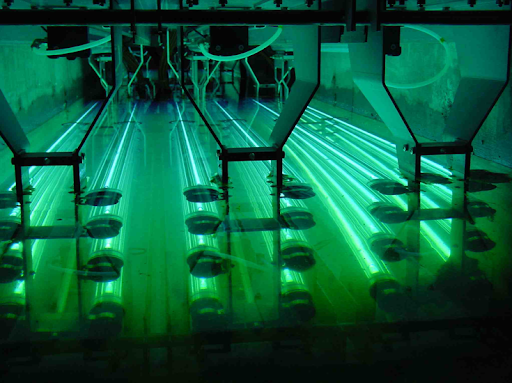
Ultraviolet (UV) disinfection has emerged as a formidable and environmentally friendly method for treating wastewater. Unlike chemical approaches, UV disinfection relies on physical processes that neutralize pathogenic microorganisms by disrupting their DNA. This technology has found extensive application across the globe due to its efficacy in deactivating a broad spectrum of harmful microbes, including bacteria, viruses, and protozoa, which can cause waterborne diseases.
The effectiveness of UV disinfection in wastewater advanced treatment is contingent upon proper system design and operation. Engineers must consider various factors, such as the quality of the incoming effluent, flow rates, and the desired level of pathogen inactivation. Safe practices are essential not just for operational efficacy but also to protect workers and the environment. Advanced UV systems are now equipped with intelligent controls to optimize performance, reduce energy consumption, and provide real-time data for system monitoring.
The characteristic that distinguishes UV from every chemical disinfectant is that it leaves nothing behind. There is no residual to maintain, no byproduct to form, and no chemical to store, handle, or neutralize before discharge. That is an advantage in wastewater effluent disinfection, where a residual would be an environmental liability rather than a benefit, and a limitation in drinking water distribution, where a residual is exactly what is required. It also means UV performance cannot be verified by measuring the treated water afterward, the way a chlorine residual can be. Confidence in a UV system rests entirely on validated dose delivery, continuous monitoring of the parameters that determine dose, and disciplined maintenance of the equipment that delivers it.
Key Takeaways
- UV disinfection is an eco-friendly alternative to chemical methods in wastewater treatment.
- System efficacy relies on sound design, flow rate management, and effluent quality.
- Smart controls in UV systems enhance performance and enable efficient operations.
Principles of UV Disinfection
UV disinfection uses ultraviolet (UV) light to purify water by inactivating harmful microorganisms. The effectiveness of this technology hinges on the dose of UV light absorbed, which is a product of the light’s intensity and exposure time.
- Intensity refers to the power of the UV light produced by the UV lamps.
- Exposure time: Sufficient contact time must be allowed for the UV light to penetrate the cell walls of microbes.
Expressed formally, dose equals average intensity in milliwatts per square centimetre multiplied by exposure time in seconds, giving a result in millijoules per square centimetre. That single number is what the design must deliver and what regulators evaluate. Typical municipal wastewater effluent disinfection targets a dose in the region of 30 mJ/cm² to meet common fecal coliform limits, while water reuse applications commonly require 80 to 100 mJ/cm² depending on the upstream filtration. The mechanism is photochemical rather than oxidative: UV energy in the germicidal band forms thymine dimers in the DNA of the organism, which prevents replication without necessarily killing the cell.
Water quality plays a crucial role in this process. High levels of suspended solids or color can reduce the transmittance of UV light, diminishing disinfection efficacy. Pretreatment methods, like microfiltration, are often necessary to ensure that the water is sufficiently clear for the UV light to be adequate.
Suspended solids do more than absorb light. Particles physically shield organisms embedded within them, and a bacterium sheltered inside a floc particle can survive a dose that would inactivate the same organism in suspension. This particle-association effect is why upstream filtration performance matters as much to UV success as the UV equipment itself, and why a plant whose secondary clarifier is passing solids will fail its coliform limit no matter how much UV power it applies.
The operation of a UV disinfection system is guided by specific parameters, including:
- Flow rate: The speed at which water passes through the system impacts exposure time.
- Wavelength: The optimal wavelength for UV disinfection is near 254 nm, where DNA absorption is maximized.
- Transmittance: A measure of how well UV light penetrates the water, influenced by water clarity.
UV transmittance at 254 nm, usually written UVT, is measured as the percentage of light passing through a one-centimetre path. Secondary effluent commonly falls in the 55 to 70 percent range, filtered tertiary effluent somewhat higher, and treated drinking water above 90 percent. Because dose requirement rises steeply as UVT falls, this is the single measurement that most often separates a UV system that meets its limit from one that does not, and it should be measured on the actual effluent across seasons rather than assumed.
The approach integrates into a multi-barrier method in which UV systems complement other forms of disinfection, such as chlorination, ensuring that a residual disinfectant remains in the water system after initial treatment. Continuous monitoring of these systems is imperative for validating that the disinfection process meets the necessary standards for public health protection.
Subcategory Overview: Topics Within UV Disinfection
UV disinfection spans equipment selection, application context, cost, and the operating detail that determines whether a validated design actually performs. The subsections below cover each area within this category.
UV in Drinking Water Treatment
UV applied to drinking water serves a different regulatory purpose than wastewater disinfection. Its principal value is inactivating Cryptosporidium and Giardia, which are highly resistant to chlorine but exceptionally susceptible to UV, requiring only a few millijoules per square centimetre for multi-log inactivation. That asymmetry is why UV became standard practice for surface water systems under the LT2 rule. Potable UV works on much clearer water than wastewater UV, with UVT typically above 90 percent, and it is always followed by a chemical disinfectant because UV provides no residual to protect the distribution system.
UV Disinfection Systems
UV Disinfection Systems covers the complete installation rather than the lamps alone: the reactor or channel, the lamp modules and quartz sleeves, the cleaning mechanism, the intensity sensors, the ballasts and power distribution, and the control system that ties them together. The two principal architectures are open channel, in which lamp banks are submerged in a gravity flow channel, and closed vessel, in which flow passes through a pressurized reactor. Open channel dominates municipal wastewater because it fits the plant’s existing gravity hydraulic profile and allows modules to be lifted out for service. Closed vessel dominates drinking water and industrial duty, where the water is already under pressure.
How UV Systems Work
Material explaining how a UV disinfection system works traces the path from electrical supply through to inactivated organism. A ballast conditions power to the lamp, which excites mercury vapour to emit in the germicidal band. That energy passes through a quartz sleeve, which isolates the lamp from the water while transmitting UV, and into the flow. Organisms passing close to the lamp receive a high intensity, those at the edge of the reactor receive far less, and the delivered dose is the distribution of all those individual exposures. This is why reactor hydraulics matter so much: a system with short-circuiting delivers a wide dose distribution in which some organisms pass through essentially untreated, even though the average dose looks adequate.
UV System Cost
Coverage of UV disinfection system cost has to separate capital from lifecycle. Capital cost scales with design flow and the required dose, which in turn depends heavily on UVT, so two plants of identical size can face very different equipment costs. Operating cost is dominated by electricity for the lamps and by lamp and sleeve replacement on a defined interval. Against those sit the costs UV avoids: no chemical purchase, no storage or containment, no dechlorination step, and none of the safety and regulatory burden that comes with chlorine gas. A realistic comparison against chlorination has to include all of that rather than comparing equipment price alone.
UV Lamp Technology
Lamp technology determines almost everything about a system’s performance envelope. Low-pressure lamps emit nearly all their output at 254 nm and are the most electrically efficient, with typical service lives around 12,000 hours. Low-pressure high-output and amalgam lamps deliver several times the output per lamp, reducing lamp count and footprint at some efficiency cost. Medium-pressure lamps emit across a broad spectrum at much higher power density, allowing very compact reactors but with shorter lamp life and lower efficiency. Emerging UV-C LED technology eliminates mercury entirely and switches instantly, though output per device still limits it to smaller applications.
UV Equipment and Product Selection
The UV Systems product area covers specific commercial equipment and how to evaluate it. The decisive question when comparing products is validation: whether the manufacturer can demonstrate, by third-party bioassay under recognized protocols, that the reactor delivers the claimed dose at the stated flow and UVT. A validated reactor has been tested with a challenge organism across a range of conditions, producing a dose-monitoring equation the control system uses. An unvalidated reactor with an impressive lamp power rating tells you nothing about delivered dose, because dose depends on the reactor’s hydraulics as much as on its lamps.
Ultraviolet Wastewater Treatment
General coverage of ultraviolet wastewater treatment addresses the characteristics that distinguish effluent disinfection from every other UV application. Wastewater has low UVT, variable solids, and a fouling load that coats quartz sleeves within days rather than months. It also introduces photoreactivation: some organisms exposed to visible light after UV treatment can repair the DNA damage and regain viability, which is why wastewater UV designs typically apply a higher dose than the pure inactivation requirement would suggest and why sampling protocol matters when demonstrating compliance.
UV Disinfection for Wastewater Applications
Practical guidance on UV disinfection for wastewater works through the installation and operating decisions specific to a treatment plant: where in the hydraulic profile the channel sits, how the water level is controlled so lamps stay submerged across the flow range, how many banks are needed for redundancy and for turndown at low flow, and how the cleaning system keeps sleeves clear between service intervals. Level control deserves particular attention, since a level that drops exposes the upper lamps and a level that rises adds unirradiated water above the bank, and either condition undermines the delivered dose without triggering an obvious alarm.
Broader UV Disinfection Applications
UV technology extends well beyond water. Ultraviolet (UV) disinfection is applied to air handling systems, surface disinfection in occupied spaces, and upper-room air treatment, all of which use the same germicidal wavelengths on a very different medium. The underlying photochemistry is identical, but the engineering is not: air and surface applications contend with shadowing, occupancy safety, and dose measured over hours rather than seconds. Water and wastewater professionals encounter these systems mostly in plant buildings rather than in the process train.
Healthcare and Institutional Applications
Hospital applications of UV cover both water systems and environmental disinfection in healthcare settings. On the water side, UV is used against Legionella and other opportunistic premise plumbing pathogens in building water systems, typically as one element of a broader water management program rather than as a standalone control. On the environmental side, mobile UV units disinfect patient rooms between occupancies. Both applications operate under different standards and validation expectations than municipal water and wastewater treatment.
Types of UV Systems in Wastewater Treatment
Various ultraviolet (UV) disinfection systems are employed in wastewater treatment to inactivate pathogens effectively. Each system type is designed to meet specific treatment needs, characterized by operating pressure, intensity, and configuration.
Low-Pressure UV Systems
Low Pressure (LP) UV Systems utilize lamps with low operating pressures, typically around 1-2 bar. They produce UV light primarily at 254 nanometers (nm) wavelengths, which is in the germicidal range. These systems are energy-efficient and have longer lamp lifespans. They are widely used in wastewater treatment due to their effectiveness in inactivating various pathogens, including bacteria, viruses, and protozoa.
Medium Pressure UV Systems
Medium Pressure (MP) UV Systems operate at higher pressures and temperatures, emitting a broader spectrum of UV light. This enables them to disinfect water faster and at higher flow rates than LP systems. However, they tend to be less energy-efficient and have shorter lamp lifespans. MP UV systems can handle fluctuations in water quality and are suitable for various applications.
Amalgam UV Systems
Amalgam UV Systems is a low-pressure system utilizing amalgam lamps, which are more powerful and compact than standard LP lamps. They provide a high UV output over various temperatures, making them suitable for large-scale wastewater treatment facilities that demand high-efficiency disinfection.
Pulsed UV Systems
Pulsed UV Systems produce high-intensity, brief pulses of UV light. These systems effectively inactivate a broad spectrum of microorganisms and can treat water with varying levels of clarity and UV transmittance. Pulsed UV systems offer peaking power much higher than continuous-wave systems, which may enhance disinfection in specific applications.
LED UV Systems
Light-emitting diode (LED) UV Systems represent the cutting edge in UV disinfection technology. LED lamps can instantly turn on and off and emit UV light at specific wavelengths. They are highly energy-efficient, long-lasting, and free from toxic mercury, which is often present in traditional UV lamps. As technology advances, LED UV systems are expected to become more prevalent in wastewater treatment.
Design Considerations for UV Disinfection Systems
When designing a UV disinfection system for wastewater, several key factors must be considered to ensure effective pathogen inactivation while maintaining cost efficiency.
- Water Quality: The UV transmittance of the water directly affects the dosage of UV light required for effective disinfection. Higher transmittance allows UV rays to penetrate more deeply, making the process more efficient.
- Hydraulic Profile: Designers must carefully map the water flow through the system to ensure all wastewater receives adequate UV exposure. Factors include flow rate, residence time, and the potential for short-circuiting.
- Lamp Type: There are different types of UV lamps, such as low-pressure, high-output, and medium-pressure lamps, each with unique qualities and efficiency profiles suitable for various applications.
- Maintenance Requirements: Easy access to UV lamps for regular cleaning and replacement is essential, as fouling and lamp age can significantly reduce performance.
- Safety Measures: Proper shielding and cutoff mechanisms are necessary to protect operators from UV exposure.
- Equipment Redundancy: Additional units or lamps can provide continued disinfection capabilities during maintenance or unexpected failures.
- Dose Monitoring: Continuous monitoring of UV intensity and transmittance ensures that the system delivers the required dose for disinfection.
The engineering team must balance these considerations against economic factors, seeking to reduce lifecycle costs while achieving regulatory compliance. A detailed understanding of wastewater characteristics and the regulatory framework is essential for designing an efficient and effective UV disinfection system. Information on UV design modalities and regulatory provisions can be found in resources such as the EPA’s guidelines for UV disinfection systems.
Selection and Specification Framework
Step One: Establish the Required Dose from the Permit
Work backward from the effluent limit rather than forward from equipment capability. Identify the target organism and the log inactivation required, then determine the dose that achieves it for that organism, adding margin for photoreactivation where visible light exposure follows discharge. Municipal effluent disinfection to a fecal coliform limit and water reuse to a virus inactivation credit are very different design points, and specifying a system without settling this first guarantees either an underperforming installation or an oversized one.
Step Two: Measure UVT Across Seasons
UV transmittance is the parameter that most often determines whether a system meets its limit, and it is routinely assumed rather than measured. Collect UVT on the actual effluent through a full seasonal cycle, and design against the low percentile rather than the average. Industrial contributions, wet weather, and upstream process changes all move it. A system sized on a summer UVT of 68 percent will be badly short at a winter value of 55 percent, and the shortfall appears as a permit exceedance rather than as an equipment alarm.
Step Three: Insist on Validated Dose Delivery
Require third-party bioassay validation under a recognized protocol, and require that the validated range covers your actual flow, UVT, and lamp power operating envelope rather than a favourable subset of it. Validation produces the dose-monitoring equation the control system will use, so an unvalidated reactor cannot report delivered dose in any meaningful way. Lamp wattage, bank count, and nominal residence time are not substitutes; two reactors with identical lamp power can deliver very different doses depending on their hydraulics.
Step Four: Design the Channel Hydraulics and Level Control
In an open channel system the hydraulics are part of the disinfection equipment. Provide a straight approach length ahead of the bank, an outlet level control device that holds submergence across the full flow range, and enough freeboard that a high flow does not carry unirradiated water above the lamps. Avoid upstream bends, gates, and step changes close to the bank, since they create the velocity distribution that produces short-circuiting. Verify the design hydraulically rather than assuming a uniform velocity profile.
Step Five: Plan Fouling Control and Maintenance Access
Wastewater fouls quartz sleeves with a mineral and organic film that reduces transmitted intensity within days at some plants. Specify a cleaning system suited to the water chemistry, mechanical wiping where fouling is light and chemical-mechanical where hardness and iron are present, and verify the cleaning frequency against the actual foulant rather than a default setting. Provide module lifting arrangements, a wash-down station, and space to lay a module out for lamp and sleeve replacement without shutting the channel.
Step Six: Compare Against the Chemical Alternatives
UV is the right answer where disinfection byproducts are a permit or receiving-water concern, where chlorine handling is an unacceptable risk or regulatory burden, and where no residual is needed downstream. Where a residual is required, or where the water is too poor in quality for UV to work economically, chemical disinfection remains preferable. Ozonation offers powerful oxidation alongside disinfection and addresses taste, odor, and colour that UV does not touch, at higher energy cost. Where the objective extends beyond pathogens to destroying trace organic compounds, the same UV equipment paired with hydrogen peroxide or chlorine becomes an advanced oxidation process, which is a different design problem with a different dose basis.
Comparison Tables
| Lamp Type | Output Characteristics | Best-Fit Applications | Limitations | Relative Efficiency | Typical Service Life |
|---|---|---|---|---|---|
| Low pressure | Near-monochromatic at 254 nm; low power per lamp | Small to mid-size flows; high UVT water | Many lamps required at larger flows; output falls at low water temperature | Highest | Long |
| Low pressure high output / amalgam | 254 nm at several times standard LP output; stable across temperature | Large municipal wastewater channels | Higher lamp cost; more heat to manage | High | Long |
| Medium pressure | Broad polychromatic output at high power density | Very compact reactors; high flow in limited space; variable water quality | Lower electrical efficiency; shorter lamp life; more heat | Lower | Short |
| Pulsed | Broad spectrum delivered in high-intensity pulses | Niche applications; poor or variable UVT | Limited installed base and validation data | Variable | Variable |
| UV-C LED | Selectable wavelength; instant start; no mercury | Point of use, small systems, intermittent duty | Output per device still limits scale-up | Improving | Long |
| Objective | UV | Chemical Alternative | Deciding Factor |
|---|---|---|---|
| Effluent disinfection before discharge | No residual, no DBPs, no dechlorination step | Chlorination requires dechlorination and forms DBPs | Receiving water sensitivity and chemical handling burden |
| Residual protection in distribution | Provides none | Chlorine or chloramine maintains a residual | UV cannot serve this duty alone |
| Cryptosporidium and Giardia inactivation | Highly effective at low dose | Chlorine is largely ineffective against Cryptosporidium | UV is the established answer |
| Poor quality, low UVT water | Dose requirement and cost rise steeply | Chemical demand rises but the process still functions | Upstream filtration performance |
| Taste, odour, and colour removal | No effect at disinfection doses | Ozone and advanced oxidation address these | Whether the objective extends beyond pathogens |
| Trace organic destruction | Requires pairing with peroxide or chlorine as an AOP | Ozone or ozone with peroxide | Target compound and energy cost |
UV System Operations and Smart Control
Ultraviolet (UV) disinfection systems in wastewater treatment are becoming increasingly sophisticated with the integration of real-time monitoring and automated dosage control. These systems can adjust the UV light intensity in response to varying water quality parameters, ensuring efficiency and effectiveness in pathogen inactivation.
Real-time Monitoring
Real-time monitoring technologies are crucial for the dynamic operation of UV disinfection systems. They provide continuous data on the wastewater quality, such as transmittance and flow rates, to optimize UV light exposure. Sensors measure live conditions and, together with intelligent controllers, adapt the system’s performance to any changes, ensuring that disinfection targets are met without wasting energy.
Automated Dosage Control
Automated dosage control systems work in tandem with real-time monitoring to regulate the UV dose applied to the wastewater. They calculate the necessary energy based on parameters like water clarity and flow, automatically adjusting the power supplied to the UV lamps. This intelligent optimization ensures the UV system operates at peak efficiency, maintaining compliance with disinfection standards while minimizing operational costs.
Design Details and Standards
Sizing Methodology
Establish the required dose from the permit or reuse standard, then determine the design condition as the simultaneous worst case: peak flow, minimum UVT, end-of-lamp-life output, and maximum allowable sleeve fouling. Those four conditions can and do coincide, and a system validated only at favourable conditions will fail when they do. Apply the manufacturer’s validated dose-monitoring equation across that envelope to determine the number of banks and lamps required. Size for turndown as well as capacity, since a system that can only run all banks will waste substantial energy at night flows. Confirm the hydraulic profile through the channel at both minimum and maximum flow, and verify that level control holds submergence throughout.
Key Parameters
- Germicidal wavelength: the UV-C band, with peak DNA absorption near 260 nm and low-pressure lamp output concentrated at 254 nm.
- Design dose, effluent disinfection: commonly around 30 mJ/cm² for typical municipal fecal coliform limits.
- Design dose, water reuse: commonly 80 to 100 mJ/cm² depending on the upstream filtration credited.
- UV transmittance: typically 55 to 70 percent for secondary effluent, higher for filtered tertiary, above 90 percent for treated drinking water.
- End-of-lamp-life factor: a derating applied to account for output decline over the lamp’s rated service period.
- Fouling factor: a derating applied to account for sleeve film between cleaning cycles.
- Lamp service life: considerably longer for low-pressure and amalgam lamps than for medium-pressure.
- Redundancy: at minimum one standby bank, so that design dose is still delivered with one bank out of service.
All values above are typical or approximate design guidance and should be confirmed against the governing regulatory requirement, measured site data, and the manufacturer’s validated performance envelope.
Applicable Standards and References
The EPA Ultraviolet Disinfection Guidance Manual, issued in support of the Long Term 2 Enhanced Surface Water Treatment Rule under 40 CFR Part 141, establishes validation and dose-monitoring practice for drinking water UV in the United States. The NWRI and Water Research Foundation Ultraviolet Disinfection Guidelines for Drinking Water and Water Reuse provide the corresponding framework for reuse applications and are the basis for many state reuse requirements. Recommended Standards for Wastewater Facilities, the Ten States Standards, addresses UV channel provisions, redundancy, and monitoring in many states. 40 CFR Part 122 governs the NPDES permit conditions the effluent must satisfy. NSF/ANSI 55 applies to point-of-use and point-of-entry UV devices rather than municipal systems. Electrical installation follows the National Electrical Code, and lamp handling and mercury spill response follow the applicable occupational and environmental requirements for mercury-containing equipment.
Specification Checklist
- Target organism, required log inactivation, and the resulting design dose
- Design average, peak hour, and peak wet weather flows, with firm capacity stated
- Measured UVT across a full seasonal cycle, with the design percentile stated
- Upstream TSS and filtration performance, given particle shielding effects
- Third-party bioassay validation covering the actual operating envelope
- The validated dose-monitoring equation and how the control system applies it
- End-of-lamp-life and fouling derating factors used in sizing
- Reactor configuration: open channel or closed vessel, with the rationale
- Channel approach length, outlet level control device, and freeboard
- Bank redundancy and the turndown strategy at low flow
- Sleeve cleaning system type, matched to the water chemistry
- Module lifting provisions, wash-down station, and lay-down space
- UV intensity sensors, their calibration protocol, and reference sensor provision
- Operator safety: shielding, interlocks, and mercury spill response procedure
- Instrumentation and the signals reported to SCADA, including dose and alarms
Field Notes
Commissioning Considerations
Verify submergence and level control across the full flow range rather than at a single test flow, since a level that drops at low flow exposes the upper lamps and a level that rises at peak carries unirradiated water above the bank. Check the UV intensity sensor against a calibrated reference sensor rather than accepting the installed reading; sensor drift is the most common reason a system reports compliance while under-dosing. Record baseline intensity with new lamps and freshly cleaned sleeves at a known UVT, since that single reading anchors every later judgment about fouling and lamp aging. Confirm the dose-monitoring equation loaded into the controller matches the validated report for the delivered equipment.
Common Specification Mistakes
- Assuming UVT instead of measuring it. Design against the seasonal low percentile, because dose requirement rises steeply as transmittance falls.
- Ignoring particle shielding. Organisms embedded in floc survive doses that would inactivate them in suspension, so upstream solids performance is part of the UV design.
- Accepting lamp wattage in place of validated dose. Two reactors with identical lamp power deliver very different doses depending on hydraulics.
- Sizing at new-lamp, clean-sleeve conditions. End-of-lamp-life and fouling deratings must be applied, and the worst case is all conditions at once.
- Neglecting channel approach hydraulics. Bends, gates, and step changes near the bank create the velocity distribution that produces short-circuiting.
- Omitting a standby bank. Lamps and ballasts fail, and there is no residual downstream to cover the gap.
- Choosing a cleaning system without reference to water chemistry. Mechanical wiping alone will not clear a mineral film in hard, iron-bearing water.
Operations and Maintenance Comparison
Low-pressure and amalgam systems carry more lamps and therefore more sleeves and connections to service, but each lamp lasts considerably longer, so the annual replacement burden is often lower than lamp count alone suggests. Medium-pressure systems have far fewer lamps to handle but replace them much more frequently and run hotter, which accelerates sleeve fouling in some waters. Across all types, the recurring tasks are the same: sleeve cleaning at a frequency set by the actual foulant, sensor calibration against a reference, lamp replacement on run hours rather than on failure, and periodic verification that the cleaning system itself is functioning. Spent lamps contain mercury and require handling and disposal accordingly.
Troubleshooting by Symptom
Falling intensity readings with lamps within their service life usually indicate sleeve fouling or declining UVT, and measuring UVT directly separates the two immediately. A system reporting adequate dose while coliform results fail points to particle shielding from upstream solids, short-circuiting in the channel, sensor drift, or photoreactivation between the point of disinfection and the point of sampling. Intensity readings that vary sharply with flow suggest a level control problem rather than a lamp problem. Frequent lamp or ballast failures in one bank often trace to a power quality issue or to thermal conditions rather than to the lamps themselves. Rapid re-fouling after cleaning indicates the cleaning method is mismatched to the water chemistry.
Pro Tip: Check the Sensor Against a Reference Before Trusting the Dose
A UV system’s reported dose is only as good as the intensity sensor feeding the calculation, and those sensors drift. Because UV leaves no residual, there is nothing downstream to contradict a sensor that reads high, so a drifting sensor lets a system report full compliance while delivering a fraction of the design dose. Checking the duty sensor against a calibrated reference sensor on a defined schedule, and logging the difference rather than simply recalibrating, turns that silent failure mode into a visible trend. It is the single most valuable routine check on a UV installation and the one most often skipped.
Safety and Environmental Impact
In wastewater treatment, UV disinfection is recognized for its effectiveness and lower environmental impact than chemical methods. However, attention to safety protocols and understanding of its ecological footprint is imperative.
Efficacy of UV Disinfection
UV disinfection operates by exposing water to ultraviolet light, effectively inactivating various pathogens, including bacteria, viruses, and protozoa. UV light is electromagnetic radiation with a wavelength between 100 nanometers (nm) and 400 nm, with the capability to break down DNA and RNA in microorganisms, thus preventing them from replicating. While highly effective, UV disinfection does not introduce any chemicals into the water; therefore, it does not create disinfection byproducts (DBPs) that could have harmful side effects.
Environmental Footprint
The environmental footprint of UV disinfection is generally favorable when compared to chlorination. UV systems consume energy but do not require transport, storage, or handling of hazardous chemicals, reducing the potential for environmental contamination. Disadvantages include the need for electricity and the lifecycle impact of producing and disposing of UV bulbs. However, the absence of chemical residues in the treated water benefits aquatic life following the effluent’s release into the environment.
UV-treated water typically poses no significant side effects. However, ensuring system efficacy is vital as inadequate dosing or system failures may lead to insufficiently treated wastewater, posing health risks. Regular system maintenance and monitoring are crucial to a safe UV disinfection strategy.
Selection and Procurement Strategies
When procuring UV disinfection systems for wastewater treatment, it is crucial to evaluate the facility’s specific needs. Key assessment factors include the influent’s quality, the effluent’s desired quality, flow rates, and regulatory requirements for pathogen reduction.
- Quality of Influent: The influent’s characteristics determine the UV dosage needed for effective disinfection. Facilities handling high-clarity effluent may require lower UV dosage than those with lower-clarity effluent.
- Flow Rates: The system’s capacity should be chosen based on peak and average wastewater flow rates to ensure consistent disinfection.
- Regulatory Requirements: Depending on the location, there may be specific legal requirements for pathogen reduction that the system must meet.
Comparison of Manufacturers: When comparing different UV disinfection wastewater manufacturers, consider the following:
- Technology Offered: Some manufacturers specialize in low-pressure lamps suitable for small-scale operations, whereas others offer high-intensity systems for more extensive facilities.
- Validation and Certification: Manufacturers should provide evidence of system validation that adheres to industry standards or certifications.
- Maintenance and Operating Costs: Factor in the long-term operational costs, including maintenance frequency and energy consumption.
- Warranty and Support: Evaluate the warranty period and the availability of technical support.
Here is a comparison of two hypothetical manufacturers:
| Manufacturer | System Type | Lamp Technology | System Validation | Warranty Period |
|---|---|---|---|---|
| Aquatic Solutions | Closed Vessel | Low Pressure | USEPA-validated | Two years |
| ClearWater Tech | Open Channel | Medium Pressure | Internationally certified | Five years |
It’s advisable to quote multiple manufacturers to ensure that the selected system offers the best balance of compliance, efficiency, and cost-effectiveness. Additionally, site visits to existing installations and consultations with industry experts can provide practical insights.
Maintenance and Troubleshooting
Effective maintenance and troubleshooting are integral to the consistent performance of UV disinfection systems in wastewater treatment.
Routine Maintenance
UV Lamps: They should be checked and cleaned regularly to ensure the light intensity remains practical for disinfection. Quartz Sleeves, which protect the lamps, require regular inspection and cleaning.
Sensors and Monitors: These components must be calibrated periodically to guarantee accurate readings for the system’s operation.
- Mechanical Parts: Pumps and wipers should be maintained according to the manufacturer’s schedule to prevent failures.
- Safety Equipment: Test the proper operation of safety interlocks and UV shields to protect operators from UV exposure.
Common Issues and Solutions
Reduced Efficiency: This can happen due to fouling of the quartz sleeves or aging of UV lamps. The solution is to clean or replace the affected components.
- Lamp Failures: Regularly monitor the lamp status and ensure a stock of replacements.
- Sensor Issues: Calibration drift in UV intensity sensors can lead to incorrect dose readings. Calibrate sensors as recommended by the manufacturer.
Alarms and Shutdowns: When a system alarm goes off or shuts down unexpectedly, the first step is to check the alarm indicators and review the system logs. Addressing these promptly will prevent prolonged downtime.
Frequently Asked Questions
What are the typical costs associated with UV disinfection systems for wastewater treatment?
The costs for UV disinfection systems can vary widely based on scale and specific technology used. However, they often include capital expenses for the equipment and ongoing operational costs involving electricity and maintenance.
How do UV disinfection methods compare with other antimicrobial approaches for treating water?
UV disinfection is chemical-free, effectively inactivating microorganisms without producing harmful byproducts. In contrast, traditional chlorine treatment carries the risk of generating disinfection byproducts and requires dechlorination before discharge.
Can you explain the UV disinfection process and how it purifies wastewater?
UV disinfection purifies wastewater by exposing it to ultraviolet light at specific wavelengths, damaging the DNA of microorganisms and rendering them non-infectious. This process is fast, effective, and does not alter the water's chemistry.
What are some disadvantages or limitations of using UV technology for water disinfection?
Some limitations of UV technology include the need for clear water to allow proper UV penetration, limited residual disinfecting capacity once the water leaves the treatment facility, and the requirement of periodic cleaning and lamp replacement.
How do the costs of UV disinfection for wastewater treatment compare to its effectiveness and efficiency?
When assessing costs versus benefits, UV disinfection is highly effective for pathogen control. It entails lower energy usage than ozone treatment, though initial costs may be higher than chlorine-based systems.
Could you list the leading suppliers of UV disinfection technology for wastewater treatment and how they differ?
Key suppliers of UV disinfection technology include companies like Xylem, Trojan Technologies, and Calgon Carbon, offering a range of systems tailored for different treatment capacities and specific requirements of wastewater treatment facilities.
Conclusion
Key Takeaways
- Dose is the whole design — intensity multiplied by exposure time, delivered across the worst-case combination of peak flow, minimum UVT, aged lamps, and fouled sleeves.
- Measure UVT, never assume it — dose requirement rises steeply as transmittance falls, and the seasonal low percentile is what the system must meet.
- Validated dose beats lamp wattage — reactor hydraulics determine delivered dose, so an unvalidated system cannot meaningfully report what it is achieving.
- Upstream solids are part of the UV design — particle-shielded organisms survive doses that would inactivate them in suspension.
- No residual means no downstream check — a drifting intensity sensor lets a system report compliance while under-dosing, so reference-sensor verification is the essential routine task.
- UV suits some duties and not others — it is the established answer for Cryptosporidium and for DBP-sensitive effluent, and it cannot provide the distribution residual that chlorination does.
UV disinfection has become the default choice for wastewater effluent disinfection at a large share of municipal plants, and for good reason: it forms no byproducts, requires no dechlorination, removes chlorine gas handling and its regulatory burden from the site, and inactivates the chlorine-resistant protozoa that concern drinking water systems. Those advantages come with a corresponding discipline, because a technology that leaves no residual also leaves no evidence in the treated water that it worked.
Specifying and running one well comes down to a short sequence: derive the required dose from the permit, measure UV transmittance on the real effluent across seasons and design to its low percentile, require validated dose delivery across the actual operating envelope, treat the channel hydraulics and level control as part of the disinfection equipment, and keep sleeves clean and intensity sensors honest against a reference. Plants that hold to that sequence run UV systems that quietly meet their limits for decades; those that assume UVT and trust an uncalibrated sensor discover the gap only when a sample result comes back.