
Reverse Osmosis: Essential Guide to Water Purification
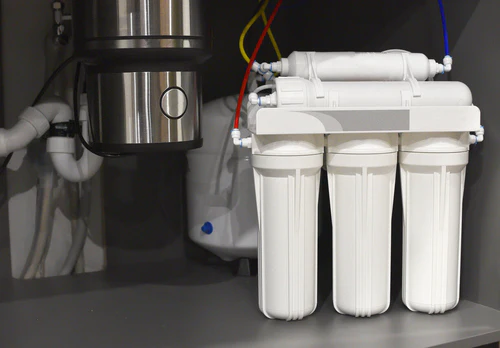
Reverse osmosis is a powerful and efficient method used to purify water by removing contaminants and impurities. Through the reverse osmosis process, water is forced through a semi-permeable membrane, allowing only clean water to pass through while blocking unwanted substances. This technology is widely used in both home and industrial settings to ensure safe, clean drinking water.
Different types of reverse osmosis systems are available, each tailored to specific needs, from small household units to large-scale industrial applications. These systems often include multiple stages of filtration, enhancing their effectiveness in removing various pollutants. This versatility makes reverse osmosis a beneficial solution for many water quality issues.
Proper installation and regular maintenance are crucial for the optimal performance of reverse osmosis systems. By understanding the economic aspects, health and safety considerations, and potential drawbacks, individuals and businesses can make informed decisions about using this water purification technology. Within the broader tertiary treatment landscape, reverse osmosis is the tightest separation in common use — the only widely deployed process that removes dissolved salts as well as particles, and the only one where the membrane is non-porous rather than a sieve.
Key Takeaways
- Reverse osmosis removes contaminants through a semi-permeable membrane.
- Various reverse osmosis systems cater to different needs and applications.
- Regular maintenance is essential for system efficiency and longevity.
Fundamentals of Reverse Osmosis
Reverse osmosis (RO) is a technology used to purify water by removing contaminants and dissolved salts. This process relies on high-pressure pumps and specialized membranes to achieve clean water.
The Reverse Osmosis Process
Reverse osmosis works by pushing water through a semi-permeable membrane. Contaminants are left behind as clean water passes through.
- Pre-treatment: Water is pre-filtered to remove large particles and chlorine.
- Pressure Application: A high-pressure pump forces water through the RO membrane.
- Filtration: The semi-permeable membrane blocks contaminants like salts and impurities.
- Post-treatment: The filtered water may go through carbon filters to remove any remaining odors or tastes.
This system is capable of removing up to 99% of dissolved salts, bacteria, and other impurities. RO is essential in desalination and produces high-quality drinking water.
The word “reverse” in the name refers to overcoming osmotic pressure. Left alone, water moves across a semi-permeable membrane from the dilute side toward the concentrated side; reverse osmosis applies enough pressure on the concentrated side to drive water the other way. Osmotic pressure rises with dissolved solids at roughly 0.7 to 0.8 bar per 1,000 mg/L, so seawater at 35,000 mg/L exerts about 27 bar and must be pressurized well beyond that to produce any permeate at all. This is why operating pressures differ so widely: household units run on 3 to 6 bar of line pressure treating low-TDS municipal water, brackish systems at 10 to 25 bar, and seawater systems at 55 to 70 bar. The pressure requirement is set by the feed, not by the equipment.
Key Components of RO Systems
RO systems consist of several key parts:
- Pre-filters: Remove large particles and protect the membrane.
- High-pressure pump: Essential for forcing water through the membrane.
- RO membrane: The core component that filters out contaminants.
- Post-filters: Provide additional purification, often using carbon.
- Storage tank: Holds clean water.
Each component plays a crucial role. The membrane’s effectiveness is vital for water purity. Pre-filters and post-filters extend the lifespan of the system and improve water quality. High-pressure pumps ensure water flows through the system efficiently, making the filtration process effective.
The carbon pre-filter deserves particular attention because it protects against the one thing that destroys an RO membrane outright. Modern thin-film composite membranes are made from polyamide, which is attacked by free chlorine — tolerance is below roughly 0.1 mg/L, and cumulative exposure of only a few hundred ppm-hours causes irreversible loss of rejection. A household unit relies on its carbon block for dechlorination; a municipal or industrial system uses granular activated carbon or sodium bisulfite dosing. A carbon filter left in service past its capacity stops removing chlorine silently, and the membrane behind it fails weeks later for reasons that look unrelated.
Subcategory Overview
Reverse osmosis covers a wide span of material, from the underlying process through equipment selection and long-term upkeep. The four areas below organize that body of knowledge.
RO Water Treatment Process
The process side covers how reverse osmosis actually works and where it is applied at scale. Coverage of the RO water treatment process addresses the mechanism, the pre-treatment requirements that determine whether membranes survive, the recovery and rejection performance achievable on different feeds, and the industrial and municipal applications — wastewater reuse, industrial process water, and the emerging variants such as solvent-assisted operation. This is the material to work from when the question is whether reverse osmosis is the right process at all, rather than which product to buy. It is also where the boundary between household and engineered systems becomes clear: the physics is identical, but the design criteria, monitoring, and economics diverge completely above a few cubic metres per day.
RO System Configurations
Configuration coverage addresses how filtration stages are arranged and what each additional stage contributes. Material on RO system configurations spans the three-, four-, five-, six-, and seven-stage arrangements found in residential and light commercial equipment, explaining what genuinely changes between them. The honest summary is that the sediment filter, carbon block, membrane, and post-carbon polish do nearly all the work; additional stages add a granular carbon guard, remineralization, or ultraviolet disinfection, each useful in specific circumstances and none of which improves salt rejection. Understanding what each stage does is the defence against paying for stage count as though it were a performance metric.
RO Systems and Buying Guides
The selection side covers the equipment market itself. Coverage of RO systems and buying guides addresses the comparison criteria that actually differentiate products — certified performance claims, recovery ratio, filter and membrane replacement cost over the system’s life, tank versus tankless operation, and flow rate at realistic line pressure. The most useful screening question in this category is what the system is certified to remove and by whom, because performance claims made without third-party certification are not comparable to each other and frequently describe laboratory conditions rather than installed performance.
RO Installation and Maintenance
The upkeep side determines whether a well-chosen system keeps performing. Coverage of RO installation and maintenance addresses physical installation, filter and membrane replacement intervals, cost of ownership, and the wastewater question that comes up in every household purchase decision. Reverse osmosis is unusual among water treatment technologies in that neglect degrades it quietly rather than obviously: a system with an exhausted carbon filter and a fouled membrane still produces water, still tastes acceptable, and may reject only a fraction of what it did when new. Maintenance discipline is therefore the difference between a system that performs as purchased and one that performs as a plumbing fixture.
Types of Reverse Osmosis Systems
Reverse osmosis systems come in various forms tailored to different settings and needs. Each type has specific features and advantages, making it suitable for various applications, from household to commercial use.
Countertop RO Systems
Countertop RO systems are compact and easy to install. They don’t require any plumbing changes and can be placed on any kitchen counter. These systems are ideal for renters or those with a temporary setup.
Typically, countertop reverse osmosis systems connect directly to a standard faucet. They are portable and can be moved easily. Despite their size, they offer multiple stages of filtration, including pre-filters and post-filters, ensuring clean drinking water.
The best countertop reverse osmosis systems are highly efficient and often require minimal maintenance. They’re perfect for daily use and provide a cost-effective solution for clean water.
Under Sink RO Systems
Under-sink RO systems are perfect for those looking for a more permanent solution. These systems are installed under the kitchen sink and connected to the plumbing. They often include a separate faucet for dispensing purified water.
The top reverse osmosis systems for under-sink installation typically feature multiple filtration stages. These stages often include sediment filters, carbon filters, and RO membranes.
One key advantage of under-sink systems is their ability to filter large volumes of water. They are also discreet and don’t take up counter space. Installation might require professional help, but they offer long-term benefits.
Portable RO Systems
Portable RO systems are designed for those who need clean water on the go. These systems are small, lightweight, and easy to carry, making them suitable for travel, camping, or emergencies.
A portable reverse osmosis system often comes with quick-connect fittings, allowing it to be set up and broken down quickly. Despite their size, they provide multiple filtration stages.
These systems are highly convenient and can be a lifesaver in areas where water quality is questionable. They’re also useful for those living in rented spaces, as they don’t require any permanent installation.
Commercial RO Systems
Commercial RO systems are built to handle large volumes of water, making them suitable for businesses, factories, and large households. They are more robust and have higher capacity filters compared to household systems.
These systems often include advanced features like automated controls, pressure gauges, and more durable membranes. They are designed to provide consistent and reliable water purification.
The best reverse osmosis systems for commercial use can filter thousands of gallons per day. They are typically customized to meet specific water quality needs and often require professional installation and maintenance.
Tankless RO Systems
Tankless RO systems are a newer innovation in water purification technology. Unlike traditional systems, they don’t store filtered water in a tank. Instead, they filter water on demand, providing fresh water instantly.
These systems are more compact and often have a higher flow rate. They use advanced filtration technology and are more efficient in terms of water usage.
Tankless reverse osmosis systems are ideal for homes with limited space. They are easy to maintain and often come with smart features like filter replacement indicators. These systems provide a continuous supply of purified water without the need for a storage tank.
Stages of Filtration
Reverse Osmosis (RO) systems use a series of filtration stages to purify water. Each stage has a specific role in removing contaminants and improving water quality.
4-Stage RO Systems
A 4-stage reverse osmosis system includes the following stages:
- Sediment Filter: This initial stage removes large particles like dirt, sand, and rust. It protects later stages from clogging.
- Carbon Block Filter: It removes chlorine and other chemicals that can damage the RO membrane.
- RO Membrane: This semi-permeable membrane filters out tiny contaminants, including most dissolved solids, heavy metals, and pathogens.
- Post Carbon Filter: Often made of activated carbon, this final stage polishes the water, removing any remaining tastes or odors.
These stages collectively ensure the water is significantly purified and safe for drinking.
5-Stage RO Systems
A 5-stage reverse osmosis system enhances water purification with an additional stage:
- Sediment Filter
- Carbon Block Filter
- Granular Activated Carbon (GAC) Filter: This filter further removes chlorine and other organic compounds, enhancing the protection of the RO membrane.
- RO Membrane
- Post Carbon Filter
The addition of the GAC filter in 5-stage systems provides extra purification, helping to ensure the RO membrane operates efficiently and has a longer lifespan. Replacement filters are necessary to keep the system running optimally.
6 and 7-Stage RO Systems
6 and 7-stage reverse osmosis systems introduce extra filters for additional benefits:
6-Stage RO System
- Sediment Filter
- Carbon Block Filter
- GAC Filter
- RO Membrane
- Post Carbon Filter
- Mineral Filter: This stage adds essential minerals back into the water, enhancing its taste and health benefits.
7-Stage RO System
- Sediment Filter
- Carbon Block Filter
- GAC Filter
- RO Membrane
- Post Carbon Filter
- Mineral Filter
- Ultraviolet (UV) Filter: This final stage provides extra sterilization, killing any remaining bacteria or viruses.
These additional stages in 6 and 7-stage systems offer purified water with improved taste and added health benefits, making these systems ideal for those seeking the highest quality drinking water.
One caution on stage count as a purchasing signal: salt rejection is determined entirely by the membrane, and every stage beyond the membrane and its guard filters serves a different purpose — remineralization for taste and corrosion balance, ultraviolet for microbial assurance, additional carbon for organics. A seven-stage system does not reject more dissolved solids than a four-stage system using the same membrane. Compare the membrane specification and the certified rejection performance first, and treat stage count as a description of features rather than a measure of purification.
Membrane Performance and Operating Parameters
Whatever the scale, reverse osmosis performance is described by a small set of parameters, and understanding them makes both product comparison and troubleshooting far more direct.
Rejection, Flux, and Recovery
Salt rejection for modern thin-film composite membranes runs 97 to 99.7 percent, measured under standard test conditions that no installation actually reproduces. Flux — permeate produced per unit membrane area — typically runs 12 to 17 litres per square metre per hour on seawater and 20 to 30 on brackish water, with design flux set conservatively because high flux accelerates fouling. Recovery, the fraction of feed converted to permeate, is the parameter with the widest spread: roughly 40 to 50 percent on seawater, 75 to 85 percent on brackish water, and as low as 15 to 25 percent on conventional household under-sink units, though modern tankless designs reach considerably better. Energy consumption follows the same pattern, from 0.5 to 1.5 kWh per cubic metre on brackish water to 2.5 to 4.0 on seawater with energy recovery.
Feed Quality and Pretreatment
Reverse osmosis membranes are unforgiving of particulate and colloidal fouling because they cannot be backwashed. Feed silt density index must be held below 3 and preferably below 2, which is why low-pressure membranes have become the standard pretreatment step ahead of high-pressure ones in engineered systems. Scaling is the other constraint: as recovery rises, the concentrate becomes progressively more saturated in calcium carbonate, calcium sulfate, and silica, and antiscalant dosing or acid addition is what allows high recovery without precipitation on the membrane surface. Where partial rejection is sufficient — softening, colour removal, or organics reduction without full demineralization — nanofiltration operating at 5 to 15 bar achieves the objective at a fraction of the pressure and energy.
Normalization and Performance Trending
Raw permeate flow and salt passage move with temperature, feed pressure, and feed salinity, which makes them nearly useless as diagnostic indicators on their own. Engineered systems trend normalized permeate flow, normalized salt passage, and normalized differential pressure instead, correcting each to reference conditions so that real changes are visible. The industry rule of thumb is that a 10 to 15 percent decline in normalized permeate flow, a 10 to 15 percent rise in normalized salt passage, or a 15 percent rise in normalized differential pressure warrants cleaning. Household systems have no equivalent instrumentation, which is why a simple total dissolved solids meter on the permeate is the most useful diagnostic a homeowner can own — rising permeate TDS is the direct signal that the membrane is failing.
Comparison of Water Purification Approaches
The table below positions reverse osmosis against the alternatives it is most often weighed against. Values are typical or approximate and vary with feed water and system design.
| Approach | Removes | Does Not Remove | Operating Pressure | Water Efficiency | Best-Fit Applications |
|---|---|---|---|---|---|
| Reverse osmosis | 97–99.7% of dissolved salts, most organics, particles, pathogens | Some dissolved gases and low molecular weight neutrals | 3–6 bar household; 10–70 bar engineered | 15–25% household; 40–85% engineered | Desalination, reuse, high-purity supply, PFAS reduction |
| Nanofiltration | Hardness, divalent ions, larger organics, colour | Most monovalent ions | 5–15 bar | High | Softening, DBP precursor removal, partial demineralization |
| Ultrafiltration | Particles, bacteria, viruses, colloids | All dissolved salts and most dissolved organics | 0.3–2.0 bar | 90–95% recovery | Pathogen barrier; RO pretreatment |
| Activated carbon | Chlorine, taste and odour, many organics | Dissolved salts, hardness, nitrate | Low | No reject stream | Polishing, RO membrane protection |
| Distillation | Effectively all non-volatile constituents | Volatile organics can carry over | Not pressure driven | Low throughput; energy intensive | Laboratory, pharmaceutical, small-scale high purity |
| Ion exchange | Targeted ions — hardness, nitrate, specific contaminants | Particles, pathogens, most organics | Low | Regeneration waste stream | Softening, selective contaminant removal |
Installation and Maintenance
Installing a reverse osmosis (RO) system and regular maintenance, including filter replacement, are crucial for ensuring clean and safe drinking water. These steps require attention to detail but can be accomplished with basic tools.
Installing an RO System
An RO system typically goes under the kitchen sink. First, gather essential tools like a drill, screwdriver, and wrench. Start by attaching the cold water line to the RO system’s inlet valve. Next, install the system’s outlet, which connects to a separate faucet mounted on the sink. Make sure all connections are tight to prevent leaks.
After installing the faucet, connect the drain line. This line disposes of the wastewater produced during the purification process. Secure the drain line above the U-bend in the sink’s plumbing to avoid potential water backup.
Finally, mount the storage tank, typically included with the system, parallel to the RO unit. Ensure enough space for filter access during maintenance. Prime the system by allowing water to flow through it for a few hours.
Two installation details govern whether the system performs as rated. Feed pressure matters more than most buyers expect: production falls off sharply below about 3.5 bar, and where line pressure is marginal a booster pump recovers both flow and rejection. Storage tank pre-charge is the other — an empty tank should carry roughly 0.5 bar of air pressure, and a tank that has lost its charge presents as a system that fills slowly and delivers a weak stream, which is routinely misdiagnosed as a fouled membrane.
Filter Replacement and System Maintenance
Maintaining an RO system involves regular filter replacements. Most RO units have multiple stages, including pre-filters and post-filters. Pre-filters generally capture larger particles and chlorine. These should be replaced every 6-12 months to prevent clogging and ensure effectiveness.
The RO membrane, the system’s core component, needs replacement every 2-3 years. This membrane removes smaller contaminants, improving water quality. Post-filters, which polish the water before it reaches the faucet, also need periodic replacement, typically once a year.
Regularly check for leaks and inspect connections. Keeping a maintenance log with dates of filter changes and inspections can help manage this routine. Neglecting regular maintenance can lead to reduced water quality and system inefficiency.
The pre-filter interval is not really about the pre-filter — it is about the membrane behind it. A carbon block that has exhausted its chlorine capacity looks and performs normally on flow while passing free chlorine straight to a polyamide membrane that cannot tolerate it. That is why pre-filter replacement is scheduled on time rather than on visible condition, and why skipping one replacement cycle can cost a membrane worth several times the filter.
Benefits and Drawbacks
Reverse osmosis (RO) water treatment has both positive and negative aspects. Understanding these can help individuals decide whether this technology meets their needs and preferences.
Advantages of RO Water
Reverse osmosis water treatment can effectively remove many contaminants. It can filter out particulates, bacteria, and viruses, making it a reliable method for producing clean drinking water. The process results in water free from most impurities.
Another significant benefit is the removal of chemicals like PFAS, which are difficult to eliminate using other methods. According to the EPA, RO systems are more than 90% effective at removing these harmful substances.
RO water is beneficial for people with compromised immune systems because it ensures the water is virtually free of pathogens. One qualification is worth stating: while the membrane physically excludes bacteria and protozoa, a household unit has no integrity monitoring, and downstream components such as the storage tank and post-filter are not sterile. Household reverse osmosis should be understood as a very effective contaminant reduction system rather than as a verified microbial barrier of the kind an engineered plant maintains through daily integrity testing.
Potential Concerns with RO Water
One concern is that reverse osmosis water can be stripped of beneficial minerals like calcium and magnesium. This is a trade-off for its high purification capability. Some worry that long-term consumption of demineralized water may lead to health issues, though the evidence is mixed.
Another issue is wastewater production. Conventional household RO systems can waste a significant amount of water — typically three to four gallons discarded for each gallon of purified water, corresponding to a recovery of roughly 20 to 25 percent. This can be a drawback for places facing water scarcity. Modern tankless and permeate-pump designs improve substantially on that ratio, and engineered systems operate at recoveries several times higher, so the figure quoted for household equipment should not be generalized to reverse osmosis as a technology.
The cost of maintaining an RO system can be high. Filters and membranes need regular replacement, which can add up over time. Despite these concerns, for many, the benefits outweigh the downsides, especially where water quality is a significant issue.
Worked Example: What the Drain Ratio Actually Costs
Consider a household using 10 litres of purified water per day. At a 4:1 drain ratio — roughly 20 percent recovery, typical of a conventional tank system — the unit sends 40 litres to drain daily, or about 14,600 litres a year. A tankless system operating near a 1:1 ratio sends about 10 litres to drain daily, or 3,650 litres a year. The difference is roughly 11,000 litres annually from a single household appliance.
Whether that matters depends entirely on context. In a region with abundant supply and volumetric water rates of a few dollars per thousand litres, the cost difference is negligible and the tank system’s lower purchase price wins. In a water-scarce region, on a metered supply with tiered pricing, or on a septic system where every litre to drain is a litre through the leach field, the calculation reverses. This is the specific number worth running before purchase, and it is almost never presented in product marketing.
Comparative Analysis
Reverse osmosis (RO) is compared with various filtration methods and distilled water to highlight key differences in efficiency, cost, and application. This analysis will assist readers in understanding the pros and cons of each method.
RO vs Other Filtration Methods
RO involves pushing water through a semi-permeable membrane to remove impurities. In contrast, carbon filters use activated carbon to adsorb contaminants. RO is more effective at removing a wide range of pollutants, including dissolved salts and heavy metals, making it suitable for desalination.
Ultrafiltration (UF), another method, uses a membrane but typically filters out larger particles and some bacteria. While UF systems are cheaper and use less energy, they do not remove dissolved salts or smaller molecules as effectively as RO.
When compared to various methods, RO stands out for its comprehensive filtration. However, it requires more maintenance and higher initial costs. By understanding the strengths and limitations of each method, one can choose the best filtration system for their needs.
RO Water vs Distilled Water
Reverse osmosis water and distilled water are both purified, but their processes differ. Distillation involves boiling water to produce steam, which is then condensed back into liquid. This method effectively removes minerals and microorganisms.
RO filtration, on the other hand, forces water through a membrane to filter out contaminants. Each method has a blind spot: distillation removes essentially every non-volatile constituent but can carry over volatile organic compounds with the steam, while reverse osmosis rejects most dissolved constituents but passes some dissolved gases and low molecular weight neutral molecules. RO water retains a small residual mineral fraction, since rejection is 97 to 99.7 percent rather than complete, whereas distilled water is effectively mineral-free.
In terms of taste, some prefer RO water for its slightly retained minerals, giving it a fresher taste compared to the flat taste of distilled water. Both methods have their uses, but RO is generally more practical for everyday drinking water, while distilled water is ideal for industrial applications where purity is crucial.
Health and Safety Considerations
Reverse osmosis (RO) systems play a pivotal role in providing clean water by removing various contaminants. Understanding the implications of mineral content and the efficiency in eliminating harmful substances is essential.
RO Water and Mineral Content
Reverse osmosis is effective at removing many dissolved substances from water, including beneficial minerals like calcium and magnesium. While this can make the water pure, it also means that the essential minerals present in natural water are lost.
One concern is that the lack of these minerals may lead to a deficiency if RO water is the sole drinking source. Using a remineralization filter can help restore beneficial minerals. RO systems do not generally remove fluoride or sodium unless specifically designed to do so.
However, having minerals removed can be a positive aspect for those needing to limit mineral intake, such as people with kidney disease. Ensuring a balanced diet with mineral supplementation may mitigate any adverse effects.
Remineralization serves a second purpose that has nothing to do with nutrition. Demineralized water is aggressive toward metallic plumbing because it has essentially no buffering capacity or scale-forming tendency. In engineered systems this is managed deliberately through calcite contactors or chemical addition to bring the treated water back into a non-corrosive balance before it enters distribution. In household installations the effect is limited by the small volumes involved and the short run of dedicated tubing to a separate faucet, which is one reason RO permeate is plumbed to its own tap rather than into the house supply.
RO Systems and Contaminant Removal
Reverse osmosis systems are highly effective at removing various contaminants, ensuring the water is safe to drink. These systems can eliminate chemical pollutants including arsenic, lead, and chlorine. They are also efficient in removing harmful substances like PFAS and fluoride when equipped appropriately.
Bacteria and parasites are another critical concern, and RO systems are designed to filter them out. This makes RO-treated water particularly safe during outbreaks of waterborne diseases.
Additionally, reverse osmosis can cut down the presence of PFAS chemicals, which are known for their persistence in the environment and potential health risks. This comprehensive removal process addresses many health risks associated with contaminated water.
Field Notes
Reverse osmosis fails in a small number of recognizable ways, and nearly all of them are visible in permeate quality or flow long before the system stops working.
Commissioning and Baseline
Record the baseline the day the system is commissioned: feed TDS, permeate TDS, permeate flow, and feed pressure. Percentage rejection calculated from that first pair of TDS readings is the reference every later measurement is judged against, and it takes two minutes with a handheld meter. Without it, a homeowner or operator has no way to distinguish a membrane that has degraded from one that never performed as claimed. On engineered systems the equivalent is a full normalized performance baseline recorded during the first week at design conditions.
Pro Tip: Buy a handheld TDS meter and check feed and permeate quarterly. Rejection percentage — feed TDS minus permeate TDS, divided by feed TDS — is the single number that tells you whether the membrane is doing its job, and it moves before taste does. A system that started at 97 percent rejection and now reads 85 has a failing membrane or a bypass leak, regardless of how the water tastes. The meter costs less than one replacement filter and turns membrane replacement from a guess based on the calendar into a decision based on evidence.
Common Mistakes
The most frequent error is treating stage count as a performance specification, when rejection is set by the membrane alone. The second is deferring pre-filter replacement, which exposes the membrane to chlorine and destroys it silently. The third is diagnosing slow flow as membrane fouling when the cause is a storage tank that has lost its air pre-charge or feed pressure below the system’s working range. The fourth, on engineered systems, is trending raw rather than normalized data, which hides genuine fouling behind seasonal temperature variation and generates cleaning events that were not needed.
Common Mistake: Letting free chlorine reach a polyamide thin-film composite membrane. Tolerance is below roughly 0.1 mg/L, and cumulative exposure of only a few hundred ppm-hours causes irreversible loss of rejection — the membrane keeps producing water at normal flow while passing progressively more dissolved solids, so the failure is invisible without a TDS check. Exhausted carbon pre-filters and chlorinated shock or sanitizing procedures performed without first isolating the membrane are the two usual causes. Replace carbon on schedule, and never sanitize a system with chlorine while the membrane is in place.
Economic Aspects
Reverse osmosis (RO) systems have specific costs and financial considerations. This section covers the cost analysis of these systems for various uses.
Cost Analysis of RO Systems
The initial cost of reverse osmosis systems varies depending on size and capacity. Residential systems typically range from $150 to $500, while commercial systems can cost $1,000 to $20,000 or more. Installation costs also vary; professional installation adds about $200 to $500 for residential setups.
Operational costs include electricity, replacement filters, and membranes. Filters need replacement every 6 to 12 months, costing $50 to $200 annually. Membranes, replaced every 2 to 3 years, can cost $100 to $300 each. Regular maintenance ensures efficiency and longevity.
Commercial systems might have higher operational expenses due to larger capacities and more complex installations. Energy costs can also add up, depending on the system’s usage and efficiency.
Overall, while initial and recurring costs can be significant, the benefits of improved water quality and long-term savings often justify the investment. Regular maintenance and efficient use can help manage these costs effectively.
Design Details and Standards
Reverse osmosis is covered by product certification standards on the household side and by process design standards on the engineered side, and the two bodies of practice barely overlap.
Applicable Standards and References
Household and point-of-use systems are certified to NSF/ANSI 58, Reverse Osmosis Drinking Water Treatment Systems, which establishes the test protocols behind contaminant reduction claims, together with NSF/ANSI 42 and 53 for the carbon and sediment stages and NSF/ANSI 61 for materials in contact with drinking water. Engineered systems draw on AWWA Manual M46, Reverse Osmosis and Nanofiltration, for process design; ASTM D4194 for standard test methods for operating characteristics of reverse osmosis and nanofiltration devices and ASTM D4516 for standardizing permeate flow and salt rejection data; ANSI/AWWA B110 for membrane systems; and applicable state primacy agency criteria where treated water enters a public supply. Concentrate discharge is governed by the relevant NPDES permit or local sewer discharge authority.
Specification Checklist
- Feed water analysis — TDS, ionic composition, hardness, silica, iron and manganese, SDI, temperature range, and chlorine residual
- Target permeate quality stated as a guaranteed value, with the feed condition it applies to
- Certified contaminant reduction claims under NSF/ANSI 58 for point-of-use equipment, listed by contaminant
- Design recovery, with the resulting concentrate volume and concentration and its permitted disposal route
- Scaling assessment at design recovery, with antiscalant or acid dosing provision where required
- Dechlorination provision sized to the feed chlorine residual, with breakthrough monitoring or a scheduled replacement basis
- Feed pressure available at the installation, with booster provision where it falls below the working range
- Design flux and membrane area, stated at the minimum design feed temperature
- Instrumentation sufficient to calculate normalized permeate flow and normalized salt passage on engineered systems
- Cleaning provision and expected cleaning frequency, with chemical compatibility confirmed
- Post-treatment for corrosion balance where permeate enters a distribution system
- Membrane and filter replacement schedule with cost basis over the evaluation period
Frequently Asked Questions
Reverse osmosis (RO) systems are used to filter water by removing a wide range of contaminants. This section addresses common questions on how they work, their health impacts, and other related concerns.
How does a reverse osmosis water filter work?
A reverse osmosis water filter works by pushing water through a semi-permeable membrane. This membrane blocks contaminants while allowing clean water to pass through. The system usually involves multiple stages of filtration, including sediment and carbon filters, which enhance the purity of the water.
What are the potential health impacts of drinking reverse osmosis water?
Drinking reverse osmosis water provides clean, contaminant-free water, which can be beneficial for overall health. However, it can also remove some essential minerals like calcium and magnesium. It's important to ensure that these minerals are replenished through diet or supplements.
What are the primary drawbacks of using a reverse osmosis system?
Reverse osmosis systems can be costly to install and maintain. They also produce a significant amount of wastewater, which can be a concern for water conservation. Additionally, they may remove essential minerals, which could impact the taste and nutritional value of the water.
Can reverse osmosis systems remove all impurities from water?
While reverse osmosis systems are highly effective at removing many contaminants, they do not eliminate all impurities. For example, some pesticides, solvents, and volatile organic compounds (VOCs) can still pass through the membrane. Supplementary filters may be required to handle these specific contaminants.
What factors affect the cost of installing a reverse osmosis system for a home?
The cost of installing a reverse osmosis system at home depends on several factors. These include the complexity of the system, the number of stages of filtration, and whether it's a point-of-use or whole-house system. Labor costs for installation and the ongoing cost of replacement filters also contribute to the overall expense.
How often should the filters in a reverse osmosis system be replaced?
Filters in a reverse osmosis system should typically be replaced every 6 to 12 months. The exact frequency depends on the quality of the incoming water, the usage rate, and the specific recommendations from the manufacturer. Regular filter replacement is crucial to ensure the system operates efficiently and effectively.
Key Takeaways
- The membrane sets rejection, not the stage count — a seven-stage system does not reject more dissolved solids than a four-stage system using the same membrane.
- Chlorine destroys polyamide membranes — tolerance is below about 0.1 mg/L, damage is irreversible and invisible without a TDS check, and an exhausted carbon pre-filter is the usual cause.
- Measure rejection, don’t infer it — feed TDS minus permeate TDS over feed TDS is the one number that reveals membrane condition, and it moves long before taste does.
- Recovery varies enormously by scale — 15 to 25 percent on a conventional household unit against 40 to 85 percent on engineered systems, so the household drain ratio should never be generalized to the technology.
- Feed pressure and tank pre-charge cause most “fouling” complaints — production falls off sharply below about 3.5 bar, and a tank that has lost its 0.5 bar charge presents identically to a failing membrane.
- Pretreatment protects an asset that cannot be backwashed — SDI below 3, scaling controlled by antiscalant at design recovery, and dechlorination sized to the actual residual.
- Household RO is contaminant reduction, not a verified microbial barrier — there is no integrity monitoring, and the tank and post-filter are not sterile.
Conclusion
Reverse osmosis is the most capable water purification technology in common use and the least forgiving of neglect. It removes what nothing else at comparable scale removes — dissolved salts, most organics, PFAS, and pathogens together — but it does so with a membrane that cannot be backwashed, cannot tolerate chlorine, and degrades quietly rather than failing outright. Every recurring problem in the technology traces back to one of those three facts.
The practical sequence is the same whether the system serves a kitchen sink or a municipality. Characterize the feed, including its chlorine residual and scaling potential. Protect the membrane with pretreatment sized to what the feed actually contains rather than what it contains on a good day. Establish a rejection baseline at commissioning and measure against it. Replace guard filters on schedule rather than on appearance. And judge equipment on certified rejection performance and membrane specification rather than on stage count or marketing language. Systems run that way deliver their rated performance for their full service life; systems run on the calendar alone quietly stop delivering it long before anyone notices.