
Pulsed UV Systems in Wastewater Treatment: Revolutionizing Disinfection Processes
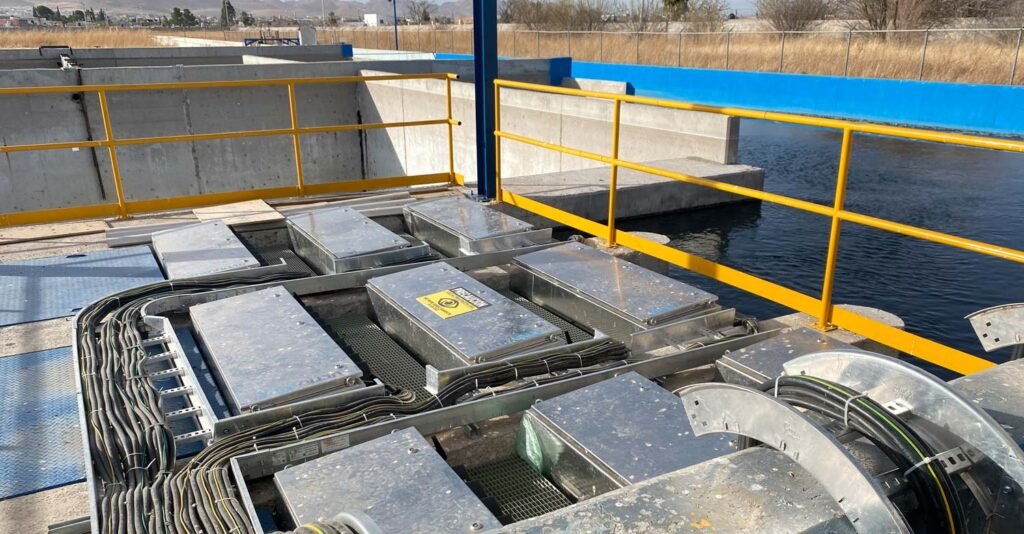
Pulsed UV systems represent a modern approach to wastewater treatment, leveraging the power of ultraviolet (UV) light in short, intense bursts to inactivate microorganisms and break down harmful pollutants. Unlike continuous-wave UV systems, which emit a steady stream of light, pulsed UV systems deliver UV energy in pulses that can be more effective at penetrating cells and disrupting DNA, hence deactivating pathogens. This technology ensures efficient disinfection of wastewater, making it an increasingly popular choice for modern wastewater treatment facilities. Within the broader landscape of Wastewater Disinfection Methods, pulsed UV occupies a distinct position — combining the chemical-free advantages of conventional continuous UV with higher peak irradiance that expands its efficacy to contaminants and operating conditions where standard UV systems fall short.
The implementation of pulsed UV systems in wastewater treatment also aligns with environmental and health regulations, addressing the growing demand for sustainable treatment solutions. They offer several advantages over traditional methods, such as reduced energy consumption and a smaller footprint. Furthermore, these systems can be designed to accommodate the specific needs of a treatment facility, taking into account factors like flow rates and water quality. Performance metrics and continuous monitoring are crucial for ensuring that the systems operate effectively and comply with relevant health and environmental guidelines.
Fundamentals of Pulsed UV Technology
Pulsed ultraviolet (UV) systems are an innovative approach to wastewater disinfection, known for their high-intensity, short-duration UV light bursts. They offer a promising alternative to traditional continuous UV systems, exhibiting potential efficiencies in both energy consumption and microbial inactivation.
Principles of Ultraviolet Light
Ultraviolet light encompasses a spectrum of wavelengths from 100 to 400 nanometers (nm), with germicidal action occurring primarily within the range of 200 to 300 nm. This UV light at specific wavelengths is capable of penetrating microorganisms and altering their DNA, rendering them incapable of reproduction and causing inactivation. Pulsed UV systems utilize intense, brief pulses of UV light to achieve this disinfection process, which is especially effective against bacteria, viruses, and protozoa in wastewater.
Pulsed vs. Continuous UV Systems
Traditional continuous UV systems emit a constant stream of low-intensity light, requiring long exposure times to ensure effective disinfection. In contrast, pulsed UV systems emit high-intensity bursts over a very short time frame—often in the order of microseconds. These intense pulses can produce a more substantial disruption to microorganisms’ DNA, potentially leading to a more efficient disinfection process, typically with reduced energy consumption.
Components of a Pulsed UV System
A pulsed UV system in wastewater treatment comprises several critical components. The primary element is the UV lamp, which produces intense pulses of UV light. These lamps are encapsulated in quartz sleeves that protect them from wastewater and ensure optimal light transmission. Control systems govern the frequency and duration of the UV pulses, while sensors monitor the dose delivered to the wastewater to ensure effective treatment. Additional elements include the reaction chamber, where wastewater is exposed to UV light, and maintenance systems to ensure prolonged operational efficiency of the system.
Applications of Pulsed UV in Wastewater Treatment
Pulsed UV systems are an innovative approach employed in wastewater treatment facilities to enhance the quality of treated water. They offer specific advantages in disinfection and degradation of organic contaminants.
Disinfection Processes
Pulsed UV technology is primarily used for disinfection in wastewater treatment, targeting the inactivation of pathogenic microorganisms. Intense, brief pulses of UV light damage the nucleic acids of bacteria, viruses, and parasites, rendering them unable to replicate. This process is crucial for ensuring the safety of reclaimed water, especially where it is reused for irrigation or released into natural water bodies.
Organic Contaminant Degradation
In addition to disinfection, pulsed UV systems effectively break down various organic contaminants. These systems can disrupt complex molecules, such as pharmaceuticals and personal care products, that are resistant to conventional treatment processes. The pulsed UV light acts by initiating photochemical reactions, leading to the oxidation and eventual mineralization of these compounds.
Operations in Secondary Wastewater Treatment
Within secondary wastewater treatment, pulsed UV systems complement biological processes. They help in treating effluent water to meet stringent regulatory standards. These systems are particularly useful in plants that experience high peak flows or need additional treatment capacity without extensive infrastructural changes. Pulsed UV has a role in advanced oxidation processes, which enhance the treatability of wastewater by producing highly reactive species that degrade the remaining organic matter.
Subtopic Overview: UV Disinfection Systems
UV disinfection systems span a range of lamp technologies, oxidant combinations, and equipment configurations — each suited to distinct pathogen targets, water quality conditions, and regulatory requirements. The subtopics below cover the primary UV disinfection technology variants and related system categories deployed alongside pulsed UV in modern wastewater treatment programs.
Solar Water Disinfection
Solar water disinfection (SODIS) harnesses natural sunlight — primarily UV-A radiation in the 320–400 nm range — to inactivate pathogens in water, representing the lowest-cost and most decentralized form of UV-based disinfection available. At the household scale, SODIS is implemented by exposing transparent PET bottles of contaminated water to full sunlight for 6–48 hours depending on solar intensity, turbidity, and ambient temperature; the combination of UV radiation and solar-induced heat achieves 2–4 log inactivation of bacteria and viruses in clear water. Engineered solar disinfection systems — using parabolic concentrating collectors, compound parabolic collectors (CPCs), or flat-plate photoreactors — can treat larger volumes and achieve more controlled UV doses than the basic SODIS bottle method, making them viable for community-scale water treatment in off-grid or resource-limited settings. The primary constraint of solar disinfection is its dependence on solar availability and intensity, limiting reliable performance in cloudy climates, during night hours, or with turbid source waters where UV penetration is significantly attenuated. For wastewater applications, solar-based systems are most applicable to effluent polishing in tropical or high-solar-resource regions, where they can provide a sustainable, chemical-free disinfection step at minimal operating cost.
UV and Ozone Disinfection Technologies
The combination of uv and ozone disinfection technologies creates one of the most powerful advanced oxidation processes (AOPs) available to wastewater treatment — the UV/O₃ system generates hydroxyl radicals (·OH) with an oxidation potential of 2.80 V, capable of non-selectively destroying trace organic contaminants, endocrine-disrupting compounds, and disinfection-resistant pathogens that neither UV nor ozone alone can adequately address. In UV/O₃ systems, ozone dissolved in the water absorbs UV irradiation at 254 nm and undergoes photolysis, producing hydrogen peroxide as an intermediate that further reacts with excess ozone to generate hydroxyl radicals — the actual oxidizing species responsible for contaminant destruction. Ozone alone achieves 3–4 log inactivation of bacteria and viruses in secondary wastewater effluent, while the combined UV/O₃ AOP extends treatment to pharmaceutical compounds, 1,4-dioxane, NDMA, and other emerging contaminants that require hydroxyl radical attack for effective removal. System design for UV/O₃ requires careful integration of the ozone generation and contacting system with the UV reactor, including ozone off-gas management and destruction — undissolved ozone venting from open reactors is an OSHA exposure concern at concentrations above 0.1 ppm in the work environment. The high capital and energy cost of UV/O₃ systems relative to UV-alone or ozone-alone configurations limits their application primarily to advanced water reuse facilities and industrial applications where emerging contaminant removal is a regulatory requirement.
Philips UV-C Disinfection System
The Philips uv-c disinfection system represents a commercially available UV-C technology platform from a major global lighting and healthcare technology manufacturer, offering validated lamp performance data, automated monitoring integration, and regulatory compliance documentation that smaller UV lamp suppliers often cannot match. Philips UV-C product lines include low-pressure amalgam lamps optimized for germicidal output at 254 nm, designed for direct integration into open-channel and closed-vessel reactor configurations used in municipal wastewater disinfection. The manufacturer’s performance validation documentation — including biodosimetry test reports and dose-response curves for target pathogens — is a critical consideration when specifying UV equipment for permitted facilities, as state regulators increasingly require manufacturer-supplied validation data as part of the permit application process. UV-C lamp quality variability between manufacturers is a significant operational risk factor; procurement decisions based solely on unit cost rather than validated output consistency can result in dose delivery shortfalls that are discovered only during regulatory compliance failures. As UV-C LED technology matures, manufacturers including Philips are actively developing solid-state UV-C products that eliminate mercury from the lamp and offer longer operational life with instant-on capability, representing the likely next generation of commercial UV disinfection hardware.
UV Sterilization for Water Disinfection
Uv sterilization water disinfection encompasses point-of-use and point-of-entry UV applications where the objective is high-level pathogen reduction for drinking water safety — a distinct application context from municipal wastewater disinfection, with different performance standards, reactor configurations, and regulatory frameworks. Point-of-use UV systems for drinking water typically operate at doses of 30–40 mJ/cm² — the minimum required to achieve 4-log inactivation of bacteria and 3-log inactivation of viruses in clear, pre-filtered source water — with NSF/ANSI 55 Class A certification confirming performance at this threshold. For household or small community drinking water applications, UV sterilization offers a chemical-free, low-maintenance alternative to chlorination that eliminates disinfection byproduct formation and does not alter taste or odor — advantages that are particularly significant where source water is microbiologically contaminated but otherwise of acceptable chemical quality. The critical limitation of UV sterilization at the point-of-use scale is the absence of residual disinfection protection downstream of the reactor; unlike chlorinated systems that maintain a disinfectant residual throughout the distribution system, UV-treated water can be recontaminated by biofilm in plumbing or by cross-connection events after treatment. For this reason, UV sterilization is most reliable when installed immediately at the point of use rather than at a central treatment point serving a distribution network.
Design and Engineering
In the realm of wastewater treatment, Pulsed UV Systems offer a sophisticated approach to disinfection, requiring design considerations tailored to their unique mode of operation. The optimization of system layout, adherence to hydraulic conditions, and precise UV dose coordination are essential for efficient performance.
System Layout and Design Considerations
Pulsed UV Systems must be designed to accommodate the specific scale and flow of the wastewater treatment facility. Designers should consider the spatial layout, ensuring enough room for maintenance and potential system expansion. The installation environment needs to be controlled to protect the UV lamps and electronic components from ambient conditions that could affect their performance.
Hydraulic Conditions
The hydraulic profile of a Pulsed UV System is critical for its efficacy. Flow rate and water quality are key factors influencing system design. The hydraulic conditions need to be stable, with a well-distributed flow that prevents short-circuiting and ensures all wastewater receives adequate UV exposure.
UV Dose and Reactor Configuration
Determining the appropriate UV dose is a complex task that involves understanding the microbiological constituents of the wastewater. Reactor configuration takes into account the pathogen log reduction targets, with computational fluid dynamics (CFD) models often used to simulate and optimize the reactor’s performance. The contact time and intensity of the UV light, alongside pulsing frequency, are configured to achieve the desired disinfection levels without compromising energy efficiency.
Comparison of UV Disinfection Technologies
| UV Technology | Operating Principle | Key Strengths | Key Limitations | Best-Fit Applications | Relative Capital Cost |
|---|---|---|---|---|---|
| Pulsed UV | High-intensity microsecond UV bursts; xenon flash lamps | High peak irradiance; effective against resistant pathogens; chemical-free; on-demand operation | Higher capital cost; complex power electronics; limited full-scale wastewater validation compared to LP/MP | Resistant pathogen inactivation; AOP applications; facilities needing on-demand treatment | High |
| Low Pressure (LP) UV | Monochromatic 254 nm continuous emission; mercury vapor lamps | Highest energy efficiency; lowest O&M cost; most validated technology | Large lamp counts at high flows; temperature-sensitive output | Large municipal secondary disinfection; energy-sensitive facilities | Low–Medium |
| Medium Pressure (MP) UV | Polychromatic 200–300 nm continuous emission; high-power lamps | Compact footprint; chloramine destruction; polychromatic photolysis | 3–5× higher energy than LP; higher heat generation; shorter lamp life | Space-constrained retrofits; chloramine destruction; UV/AOP systems | Medium |
| UV + Ozone (AOP) | UV photolysis of ozone generates hydroxyl radicals | Destroys emerging contaminants; highest oxidation potential; broad contaminant range | High capital and energy cost; ozone off-gas management; complex system integration | Advanced reuse; pharmaceutical/NDMA removal; industrial high-strength streams | Very High |
| Solar UV (SODIS) | Natural solar UV-A and thermal inactivation | Zero energy cost; no infrastructure required; fully sustainable | Solar-dependent; slow treatment; limited scalability; turbidity-sensitive | Household/community scale; off-grid/resource-limited settings; tropical regions | Very Low |
| UV-C LED Systems | Solid-state UV-C emission; no mercury; instant-on | Mercury-free; long lamp life; tunable wavelength; instant start | Low wall-plug efficiency (3–10%); high unit cost; limited full-scale municipal validation | Point-of-use drinking water; pharmaceutical water; niche reuse applications | High (declining rapidly) |
Performance Metrics and Monitoring
Evaluating the effectiveness of Pulsed UV Systems in Wastewater Treatment requires specific performance metrics and consistent monitoring practices. These ensure the systems work efficiently for pathogen inactivation, align with quality parameters, and are properly managed through robust control systems.
Efficacy of Pathogen Inactivation
The main metric for the efficacy of Pulsed UV systems is the reduction of harmful microorganisms to safe levels. Research published by the National Institute of Standards and Technology asserts that understanding the UV dose-response behavior is crucial in designing effective disinfection systems. The logarithmic reduction of specific pathogens like SARS-CoV-2 and E. coli is often measured to ensure compliance with health and safety standards.
Water Quality Parameters
Pulsed UV systems must also adhere to established water quality parameters. These parameters include:
- Turbidity: The cloudiness caused by particles that can shield microorganisms from UV light.
- Transmittance: The percentage of light that passes through the water, which affects the UV dose.
These factors greatly influence the performance of a UV system and its ability to disinfect wastewater effectively. Adjusting the system to react to fluctuations in water quality parameters is a central part of the control strategy.
Monitoring and Control Systems
Monitoring involves real-time sensors and automatic controllers that adjust the UV intensity or the treatment time as water quality parameters change. Such monitoring is vital for ensuring ongoing compliance with the system’s design and operational specifications, including:
- UV Intensity Monitors: They measure the UV light in the chamber to confirm the dosage is sufficient.
- Flow Meters: They ensure that the rate of wastewater flow matches the system’s capacity to treat it.
In summary, the performance of Pulsed UV systems in wastewater treatment is gauged by their pathogen inactivation rate, adherence to water quality parameters, and the capability of their monitoring and control systems to maintain optimal operation.
Advantages and Limitations
Pulsed UV systems offer notable benefits in wastewater treatment, but they also come with specific restrictions that need careful consideration.
Comparative Advantages of Pulsed UV
Pulsed UV systems exhibit several advantages over traditional continuous-wave UV systems when applied in wastewater treatment. The intense, brief bursts of UV light are particularly effective in:
- Inactivation of Microorganisms: They achieve high inactivation rates of pathogens due to the high peak power of each pulse, which can cause more significant damage to the DNA of microorganisms than continuous-wave UV.
- Energy Efficiency: Pulsed UV may lead to energy savings because of the on-demand treatment capability, where the system is only active during the presence of wastewater, thus reducing overall energy consumption.
- Reduced Maintenance: These systems often require less maintenance due to fewer on-time hours and less thermal stress on the lamps.
Challenges and Limitations
Despite these advantages, pulsed UV systems also come with several challenges and limitations in wastewater applications, such as:
- Higher Initial Costs: The upfront costs for pulsed UV systems can be higher than those for traditional systems, which can be a barrier to implementation.
- Complexity of Design and Operation: The technology’s sophistication might demand specialized knowledge for proper design, operation, and maintenance.
- Potential for Quenching Effects: Certain constituents in wastewater, like suspended solids or colored dissolved organic matter, can absorb and scatter the UV light, potentially inhibiting the system’s efficacy.
Combining the effectiveness of pulsed UV with strategic planning and operational adjustments can help overcome these limitations, allowing wastewater treatment facilities to capitalize on the technology’s distinct advantages.
Field Notes: Practical Guidance for Pulsed UV System Operation
Commissioning Considerations
Commissioning a pulsed UV system requires careful validation of pulse energy delivery across the full range of design operating conditions before regulatory disinfection credit is claimed. Unlike continuous-wave LP or MP systems where biodosimetry validation protocols are well-established and broadly accepted by state regulators, pulsed UV validation methodology is less standardized — facility designers should engage the permitting agency early to confirm which validation protocol and challenge organism requirements will be accepted for log-inactivation credit. Baseline characterization of the effluent UV transmittance (UVT) across seasons and flow conditions is critical before commissioning, as pulsed UV systems’ dose delivery is sensitive to UVT variation and the pulse energy parameters must be configured for worst-case minimum-UVT conditions rather than average conditions. The power conditioning and pulse generation electronics are the highest-risk components during commissioning — thermal management of the capacitor bank and switching components should be verified under sustained peak-flow operation before the system is placed in regulatory service.
Common Specification and Design Mistakes
The most significant specification challenge for pulsed UV systems is the limited availability of full-scale municipal wastewater validation data compared to LP and MP continuous-wave systems — specifying pulsed UV based on manufacturer bench-scale or pilot-scale performance data without confirming regulatory acceptance of that validation protocol can result in a system that cannot receive disinfection credit at the permitted facility. A second common error is underestimating the power infrastructure requirements: pulsed UV systems draw high instantaneous power during pulse discharge events, and the electrical service, switchgear, and uninterruptible power supply (UPS) sizing must account for peak demand load rather than average power consumption. For facilities in cold climates, failing to provide adequate thermal management for the pulse generation electronics is a recurring issue — the capacitor banks and solid-state switching components have narrow operating temperature ranges, and installations in unheated enclosures in cold climates can experience component failures during winter startup events.
O&M Comparison: Pulsed UV vs. Continuous-Wave Systems
Pulsed UV systems using xenon flash lamps have significantly shorter lamp life than mercury vapor LP lamps — xenon flash lamps typically require replacement every 10,000–30,000 pulses or equivalent operating hours, and tracking pulse count rather than clock hours is the appropriate maintenance metric. The power conditioning electronics — capacitors, thyristors, and pulse transformers — are the primary long-term maintenance concern and have replacement intervals measured in years rather than months; maintaining a spare parts inventory for these components is essential, as lead times for specialty power electronics can exceed several weeks. Quartz sleeve cleaning requirements for pulsed UV are similar to continuous-wave systems, with the additional consideration that the higher peak irradiance of pulsed operation can accelerate solarization of low-quality quartz over time — specifying high-purity synthetic fused silica sleeves rather than standard quartz glass is advisable for long-term UVT stability. For Chlorine Contact Disinfection facilities evaluating conversion to UV, pulsed UV offers the chemical elimination advantage of all UV technologies but requires the most careful regulatory pre-approval process of the UV options given the less mature validation data set.
Regulations and Guidelines
In the domain of wastewater treatment, Pulsed UV Systems stand under specific regulations and guidelines. These stipulations ensure that such systems are both effective in decontaminating water and safe for the environment and public health.
Industry Standards
Industry standards for Pulsed UV Systems in wastewater treatment are primarily concerned with the efficiency of pathogen inactivation. Standards such as those published by the American Water Works Association (AWWA) provide guidelines on the required UV doses for different classes of water quality. They specify the UV intensity and exposure times necessary to achieve adequate disinfection, tailored to the water’s turbidity and pathogen load. The UV Dose-response relationships are also clearly defined, which ensures that systems are tested and operated to achieve the intended disinfection targets.
Safety and Environmental Regulations
Safety and environmental regulations governing the use of Pulsed UV Systems in wastewater encompass both worker safety and environmental impact. The Occupational Safety and Health Administration (OSHA) imposes regulations to protect workers from potential hazards associated with UV radiation, such as requiring appropriate shielding and personal protective equipment. On the environmental front, the Environmental Protection Agency (EPA) oversees the emission of ozone and other potential byproducts of UV disinfection processes, enforcing limits to protect air and water quality. There are regulations also aimed at ensuring treated wastewater does not adversely affect downstream ecosystems, concentrating on the residual effects of any disinfection byproducts.
Case Studies and Real-World Examples
Pulsed UV systems have revolutionized wastewater treatment by offering effective disinfection. Case studies highlight their efficacy in both municipal and industrial settings.
Municipal Wastewater Treatment
Municipal wastewater treatment facilities have adopted pulsed UV systems as a cutting-edge solution to ensure water safety and compliance with regulatory standards. In one notable instance, a treatment plant in the Pacific Northwest integrated pulsed UV technology to address its growing community’s needs. The facility, which previously struggled with fluctuating water quality and seasonal demand spikes, experienced a remarkable improvement in pathogen control. The UV system dynamically adjusted to the water’s transmittance levels, ensuring consistent disinfection despite varying water clarity.
Key Outcomes:
- Enhanced pathogen removal efficiency
- Reduced maintenance due to the longevity of pulsed UV lamps
- Adaptability to water quality changes
Industrial Wastewater Applications
In the realm of industrial wastewater, pulsed UV systems have proven invaluable for their versatility and robustness. A food processing plant in the Midwest provides a case study of how these systems can be tailored to different industrial needs. The plant’s wastewater, high in organic load and particulates, challenged conventional treatment methods. By deploying a pulsed UV system, the plant achieved a remarkable reduction in microorganisms without the use of chemicals, which was crucial for the facility that aimed to minimize its environmental impact.
Key Outcomes:
- Effective disinfection in high-organic-content wastewater
- Chemical-free treatment aligning with sustainability goals
- Cost savings from low energy and operational costs
Future Trends
Pulsed UV Systems are anticipated to play a significant role in the next generation of wastewater treatment technologies due to their efficacy in pathogen inactivation and potential to decompose complex organic pollutants. One of the main trends is the integration with other treatment technologies to enhance overall performance and ensure the removal of a broad spectrum of contaminants. For instance, these systems might be paired with biological processes to create a multi-barrier approach to wastewater treatment.
Another expected trend is the advancement in UV LED technology, leading to more compact, energy-efficient systems. These systems can be employed for real-time monitoring and control, making wastewater treatment processes more adaptive to the fluctuating influent water quality and pathogen load.
In terms of automation, there is a focus on smart control systems that dynamically adjust UV intensity and pulse frequency to optimize performance while minimizing energy consumption. This could be particularly relevant in decentralized and on-site applications, where treatment systems need to operate with minimal manual intervention.
Additionally, regulatory developments will likely encourage the adoption of Pulsed UV Systems. As the importance of environmental protection becomes ever more central, regulations may favor advanced treatment technologies capable of addressing emerging contaminants. Professionals evaluating the full spectrum of UV disinfection equipment options — including established manufacturer platforms and emerging configurations — can find a comprehensive market overview in the Disinfection Equipment Manufacturers resource, which covers supplier capabilities and product lines across UV and non-UV disinfection technologies.
Lastly, research into the environmental impacts of Pulsed UV Systems, such as the generation of byproducts, is of high importance. The community is looking towards systems that not only effectively treat wastewater but also do so with a reduced environmental footprint. For a broader understanding of how pulsed UV fits within the overall Disinfection Overview — including biological indicators, validation methods, and sterilization science — practitioners should review the foundational disinfection concepts that underpin all UV system design and regulatory compliance work.
Frequently Asked Questions
What is the difference between continuous and pulsed UV irradiation in wastewater disinfection?
Continuous UV irradiation delivers a constant light source to disinfect water, while pulsed UV systems emit light in rapid, high-intensity pulses. Pulsed UV systems can be more energy-efficient and may reduce fouling on the lamp surfaces.
How does UV light neutralize pathogens in sewage treatment processes?
UV light neutralizes pathogens by damaging their DNA or RNA, rendering them unable to replicate. This disruption in their genetic material prevents them from causing diseases when the treated wastewater is released or reused.
What factors influence the selection of a UV disinfection system for municipal wastewater treatment?
Factors that influence the selection include the quality and flow rate of wastewater, the specific pathogens to be targeted, regulatory standards, and energy efficiency. UV transmittance of the water is also a critical factor to ensure proper dosage.
Can you explain the operation and benefits of using pulsed UV light systems over traditional methods in wastewater treatment?
Pulsed UV systems operate by generating intense bursts of UV light, which can inactivate microorganisms with less energy compared to continuous systems. Benefits include lower operational costs, reduced maintenance due to less lamp fouling, and adaptability to varying water qualities.
What is the impact of UV transmittance levels on the efficiency of wastewater disinfection?
UV transmittance, which measures how well UV light penetrates water, directly impacts the efficiency of wastewater disinfection. Higher transmittance allows more UV light to pass through, requiring lower dosages for effective pathogen inactivation.
How do the costs of implementing and maintaining UV disinfection systems in wastewater treatment compare to other technologies?
Initial costs for UV disinfection systems can be higher than traditional methods like chlorination. However, they often have lower long-term operational and maintenance expenses due to fewer chemical requirements and less environmental impact.
Conclusion
Key Takeaways
- Pulsed UV delivers higher peak irradiance than continuous-wave systems — the microsecond-duration bursts generate peak power levels orders of magnitude above LP or MP continuous-wave output, enabling more effective DNA disruption of resistant pathogens and opening pathways for photochemical contaminant degradation that standard UV cannot achieve.
- Regulatory pre-approval is the critical first step for any pulsed UV specification — validation methodology for pulsed UV is less standardized than for LP/MP systems, and engaging the permitting agency before equipment selection avoids the risk of installing a system that cannot receive log-inactivation credit under the facility’s permit.
- Power conditioning electronics are the highest-risk O&M component — capacitor banks, thyristors, and pulse transformers require proactive monitoring and a stocked spare parts inventory; lead times for specialty power electronics can make reactive maintenance highly disruptive to permit compliance.
- UV/ozone AOP extends disinfection capability to emerging contaminants — where pharmaceutical compounds, NDMA, or 1,4-dioxane removal is required alongside pathogen inactivation, the combination of UV irradiation with ozone or hydrogen peroxide generates hydroxyl radicals that address contaminants neither technology can remove independently.
- Solar, LED, and pulsed UV technologies are expanding the UV disinfection toolkit — each addresses a specific application gap (off-grid sustainability, mercury elimination, high-peak-irradiance performance) that continuous-wave mercury lamp systems cannot fill, and selection should be driven by the specific treatment objective and regulatory context rather than technology familiarity alone.