
Water Reuse & Disposal: Recycling Wastewater for a Sustainable Future
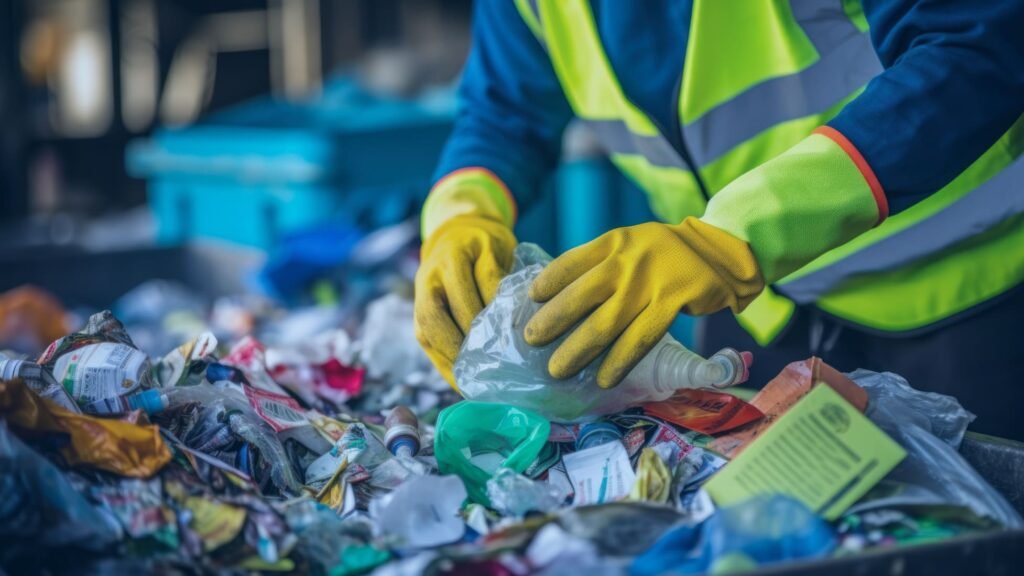
In the context of environmental sustainability, reuse, and disposal practices play critical roles. Reuse involves repurposing materials or products, which can significantly reduce waste and conserve resources. Meanwhile, disposal is the final action taken for materials that can no longer be effectively used, necessitating strategies that minimize environmental impact. Approaching both practices thoughtfully ensures that resource consumption is optimized while maintaining ecological balance.
The interplay between reuse and disposal is especially evident in water management systems, where the treatment and reuse of wastewater have become integral in addressing water scarcity issues. Advanced technologies are developed to purify and repurpose water, thus diminishing the dependency on freshwater sources. Conversely, when disposal is the only viable option, it is executed to align with safety, legal, and environmental regulations, underscoring the importance of responsible waste management.
Framed as an engineering decision, reuse and disposal are the two possible fates of a treated effluent, and the choice between them turns on end use, water quality requirement, distribution cost, and regulatory framework rather than on preference. Disposal to a receiving water is the baseline against which every reuse scheme is evaluated: reuse must justify its additional treatment and distribution cost against the value of the potable water it displaces. This guide serves as the master reference for that decision and for the reuse pathways available once it is made, with the Subcategory Overview below mapping each area to its dedicated resource.
Key Takeaways
- Sustainable practices include repurposing materials and environmentally sound waste disposal.
- Water management systems exemplify the successful treatment and reuse of resources to alleviate scarcity.
- Disposal methods adhere strictly to regulations protecting safety and environmental integrity.
Subcategory Overview: Reuse and Disposal Pathways
Reuse practice organizes around four questions: how reclaimed water is produced, where it can be applied, what quality each application demands, and how the source streams differ before treatment begins. The subsections below introduce each and link to its dedicated resource.
Water Reclamation
Water reclamation is the production side of reuse: the treatment train that converts secondary effluent into a product water meeting a defined end-use standard. A modern reclamation facility typically adds tertiary filtration, disinfection, and, where the end use demands it, membrane separation and advanced oxidation to a conventional secondary plant. The design objective differs from conventional treatment in an important way, because the target is a specification the customer must accept rather than a discharge limit the regulator will tolerate, and that shifts emphasis toward reliability and consistency over minimum compliance. Reclamation facilities also carry storage and equalization requirements that discharge facilities do not, since reclaimed water demand rarely matches production timing.
Wastewater Reuse Applications
Wastewater reuse applications span agricultural and landscape irrigation, industrial cooling and process water, groundwater recharge, environmental and streamflow augmentation, and toilet flushing and other in-building non-potable uses. The application determines the required quality, the seasonality of demand, and therefore the storage and distribution infrastructure the project must carry. Irrigation demand is strongly seasonal and disappears in winter in most climates, while industrial cooling demand is comparatively steady, which is why a project serving both is often more viable than one serving either alone. Matching a reliable year-round supply to a variable demand is usually the harder engineering problem, not the treatment itself.
Potable vs Non-Potable Reuse
The distinction between potable vs non-potable reuse is the single largest fork in any reuse program, dividing it into two very different regulatory and engineering problems. Non-potable reuse serves defined uses through a separate distribution system, requires cross-connection control and clear physical identification, and is regulated through use-specific water quality criteria. Potable reuse, whether indirect through an environmental buffer or direct into a treatment plant or distribution system, demands multiple independent treatment barriers, continuous online monitoring with automated diversion on failure, and a public engagement effort that frequently determines the project’s fate more than the engineering does. The two paths should be evaluated separately rather than treated as points on one continuum.
Greywater and Blackwater Treatment
Greywater and blackwater treatment begins with the distinction between the two source streams, since separating them at the building changes what treatment each requires. Greywater from showers, basins, and laundry carries organic load and surfactants but comparatively low pathogen concentration, and can be treated to irrigation quality with relatively simple systems. Blackwater from toilets and kitchen sinks carries high pathogen loading, nitrogen, and solids, and requires full biological treatment and robust disinfection before any reuse is appropriate. Source separation allows the easier stream to be reclaimed close to where it is generated while the harder stream goes to conventional treatment, an approach that has gained traction in dense buildings and districts where centralized reuse distribution would be impractical.
Principles of Water Reuse and Disposal
Within sustainability, water reuse and disposal are critical topics. Specific methods and practices must adhere to safety guidelines while optimizing resource utilization.
Potential for Reuse in Waste Water
Wastewater has significant potential for reuse, particularly in non-potable applications. This includes irrigation, industrial processes, and replenishing groundwater basins. The method of reusing wastewater typically involves several steps:
- Treatment: Wastewater must first be treated to remove harmful substances. Techniques range from primary therapies, which remove solids, to more advanced processes like reverse osmosis (RO).
- Quality Management: Ensuring the treated water meets the required standards for its intended use is crucial. For example, despite being partially desalinated, RO waste water generally requires further treatment to remove other contaminants.
One can assess how to reuse wastewater depending on the treatment level and end-user requirements. For instance, RO waste water can be reused in cooling systems or for flushing toilets, provided additional contaminants are within safe levels.
Health and Environmental Considerations
When discussing how wastewater can be reused, it’s paramount to consider health and environmental implications:
- Microbial Risks: Proper disinfection is necessary to address potential microbial risks in non-potable reuse.
- Chemical Hazards: Reused water must be monitored for harmful chemicals. Prolonged exposure to contaminants, even in non-potable water, can harm soil and plant life and pose indirect health risks to humans.
- Regulatory Compliance: Reuse systems must comply with local and national standards to safeguard public health and ecosystems.
Reuse of wastewater must be effective and safe, respecting both the environment and public health. By leveraging advanced treatments and diligent monitoring, wastewater can become a valuable resource contributing to a sustainable water management strategy.
Risk in reuse is managed through redundancy rather than through any single barrier. The multiple-barrier principle holds that no individual treatment step or monitoring point should be the sole protection against a public health failure, because every barrier has a failure mode. A reuse train providing filtration, disinfection, and continuous turbidity and disinfectant residual monitoring with automated diversion on an out-of-specification reading protects the public even when one element underperforms, whereas the same train relying on a single grab sample does not. The higher the exposure potential of the end use, the more barriers the design should carry.
Methods of Wastewater Reuse
Wastewater reuse encompasses various techniques to repurpose treated wastewater for beneficial uses, reducing the demand for freshwater sources. This section delves into domestic reuse strategies and agricultural applications to highlight the practicality and necessity of wastewater reuse in conserving water resources.
Domestic Reuse Strategies
Domestic wastewater reuse typically involves reclaiming water from sources like reverse osmosis systems. Adequately treated wastewater can be repurposed for non-potable uses within households, such as flushing toilets or watering gardens. It’s crucial to ensure that the reclaimed water is adequately disinfected and meets safety standards to avoid health risks.
- How to reuse RO waste water: Reverse osmosis (RO) wastewater can be collected and utilized for flushing toilets, washing vehicles, or irrigating landscapes.
- How to dispose of wastewater at home: Untreated sewage should be appropriately discarded to avoid contamination. Home RO systems can be equipped with mechanisms to direct wastewater to proper disposal points.
Any in-building reuse arrangement introduces a cross-connection hazard that must be managed physically rather than procedurally. Reclaimed water piping is conventionally identified in purple with continuous marking, fittings are selected to be incompatible with potable connections, and no point of the reclaimed system may be connected to the potable system without an approved air gap or reduced pressure backflow assembly. Most jurisdictions require testing of those assemblies on a defined interval by a certified tester, and that obligation continues for the life of the installation.
Agricultural and Irrigation Applications
Agricultural reuse of treated wastewater can contribute significantly to water conservation, particularly in water-scarce regions. Wastewater used for irrigation not only provides vital moisture but also includes nutrients, which can reduce the need for artificial fertilizers.
- Drip Irrigation: Efficiently delivers treated wastewater directly to plants’ roots, minimizing water waste.
- Surface Irrigation: Utilizes channels to spread wastewater across fields, suitable for larger areas.
Both methods help maintain a sustainable agricultural system by using Non-Potable Water for crop production, offsetting freshwater usage, and enhancing food security.
Two agronomic constraints deserve attention alongside the water quality question. Salinity accumulates in the root zone under sustained irrigation with reclaimed water, and electrical conductivity together with the sodium adsorption ratio should be evaluated against crop tolerance and soil type before a supply agreement is signed. Nutrient content is genuinely valuable but must be credited against the fertilizer program rather than added on top of it, since reclaimed water supplying nitrogen to a crop already receiving a full fertilizer application produces leaching rather than benefit.
Technologies in Wastewater Reuse
Wastewater reuse represents a crucial strategy in water resource management, where advanced technologies play a pivotal role. These technologies support water recycling and ensure that the reused water meets stringent quality standards for various applications.
Reverse Osmosis and Water Purification
Reverse osmosis (RO) is a widely used technology in wastewater reuse. It involves a filtration process where water is forced through a semi-permeable membrane, which removes impurities and contaminants. To reuse wastewater from reverse osmosis effectively:
- The RO process selectively eliminates dissolved ions and microorganisms, yielding water suitable for many uses, ranging from agricultural irrigation to industrial processes.
- It has also been integral in supplying potable water in areas with limited freshwater resources.
The membranes used in RO systems require regular cleaning and maintenance to remain effective. Furthermore, the concentrate or brine produced during RO must be appropriately managed to prevent environmental issues. Through innovations in membrane technology and brine management, wastewater reuse through reverse osmosis continues to become more efficient and sustainable.
Reverse osmosis is rarely deployed alone in a reuse train. The conventional advanced water purification sequence places microfiltration or ultrafiltration ahead of RO to protect the membranes from particulate and biological fouling, then follows RO with an advanced oxidation step using ultraviolet light with hydrogen peroxide to destroy the small, uncharged organic molecules that pass an RO membrane. Because RO produces water so free of minerals that it is corrosive and unpalatable, stabilization through alkalinity and hardness addition is required before the product enters any distribution system. Concentrate handling, typically 15 to 25 percent of the feed volume at elevated dissolved solids, is often the constraint that determines whether an inland reuse project is viable at all.
Reuse Program Framework and Selection
The decision to reuse rather than discharge is an economic and regulatory judgment supported by an engineering analysis. The sequence below reflects that order.
Step 1: Find the Demand Before Designing the Supply
Reuse projects fail on demand far more often than on treatment. A committed customer with a quantified, contracted requirement is worth more to a project’s viability than any treatment refinement, and the demand survey should precede design rather than follow it. Identify who will take the water, in what volume, on what schedule, at what quality, and at what price they currently pay for the potable water it would displace. A large golf course, a power plant cooling tower, an industrial process user, or a municipal parks department each behave very differently on seasonality and reliability expectations, and the mix determines whether the project can run its treatment train at a steady rate.
Step 2: Set the Quality Target From the End Use
The most exposed end use sets the treatment requirement for the whole distribution system, since a single pipe network cannot deliver two qualities. Unrestricted landscape irrigation in public areas demands a higher standard than restricted agricultural irrigation on a fenced site; industrial cooling has its own constraints around scaling and biological growth that differ from health-based criteria entirely. Where one demanding customer would force the entire system to a much higher treatment level, a separate satellite system for that customer is sometimes cheaper than upgrading the whole train.
Step 3: Size Storage for the Mismatch, Not the Average
Reclaimed water production is continuous while demand is not, and the gap between them is the storage requirement. Irrigation demand concentrates into a few overnight hours and disappears entirely for months in cold climates, while the treatment plant produces around the clock year-round. Diurnal storage of roughly one day’s peak demand is a common starting point, and seasonal storage, where it is required, frequently dominates project cost. A project without adequate storage either wastes production or forces the plant into a duty cycle it was not designed for.
Step 4: Work the Economics
A worked example shows where reuse projects actually turn on their numbers.
Annual volume delivered: Irrigation is 1.2 × 180 = 216 MG. Industrial is 0.5 × 365 ≈ 182.5 MG. Total is about 398.5 MG per year, or roughly 22 percent of the plant’s annual production.
Value of potable offset: At a potable rate of $3.50 per 1,000 gallons, or $3,500 per million gallons, the displaced water is worth 398.5 × $3,500 ≈ $1,394,750 per year.
Incremental treatment cost: Tertiary filtration and disinfection at roughly $0.60 per 1,000 gallons costs 398.5 × $600 ≈ $239,100 per year.
Net annual benefit: approximately $1,155,650.
Distribution capital: 6 miles is 31,680 ft; at $400 per foot installed for pipe, valves, and appurtenances in developed right-of-way, that is roughly $12.7 million.
Simple payback: $12,672,000 ÷ $1,155,650 ≈ 11 years, before storage, pumping, monitoring, and cross-connection program costs, and before any grant or state revolving fund contribution.
The distribution pipe, not the treatment, dominates that result. Reuse projects live or die on how far the water has to travel and how expensive the right-of-way is, which is why the strongest projects are those where a large customer sits close to the plant.
Step 5: Plan the Cross-Connection Program From Day One
Every dual distribution system creates a permanent public health obligation that outlives the construction project. Purple pipe identification, incompatible fittings, mandatory backflow prevention at every service, initial and periodic cross-connection surveys, and a certified tester program are all requirements rather than best practices in most jurisdictions. The program requires staffing and recordkeeping in perpetuity, and its cost belongs in the project’s operating budget from the outset rather than being discovered after commissioning.
Step 6: Address Public Acceptance Early, Especially for Potable Reuse
For potable reuse in particular, public acceptance has determined more project outcomes than engineering has. Programs that engaged their communities early, explained the multiple-barrier approach in concrete terms, and offered facility tours have succeeded where technically identical projects announced late have failed. The engineering case is necessary but not sufficient, and the outreach effort should be resourced and scheduled as a project element rather than treated as communications support.
Reuse Application and Technology Comparison
| Application | Typical Treatment Level | Demand Pattern | Exposure Potential | Principal Constraint |
|---|---|---|---|---|
| Restricted agricultural irrigation | Secondary plus disinfection | Strongly seasonal | Low, controlled access | Salinity and sodium adsorption ratio |
| Unrestricted landscape irrigation | Tertiary filtration plus disinfection | Strongly seasonal, overnight peak | High, public access | Seasonal storage, cross-connection control |
| Industrial cooling | Tertiary, plus scaling and biofouling control | Steady year-round | Low to moderate, aerosols | Hardness, silica, biological growth |
| In-building non-potable | Tertiary plus disinfection | Steady, diurnal | Moderate, indoor contact | Dual plumbing and permanent cross-connection risk |
| Groundwater recharge | Advanced, often full AWPF | Steady, storage buffered | Indirect, buffered | Soil aquifer treatment, retention time credit |
| Indirect potable reuse | Full advanced water purification | Steady | High, buffered by environment | Buffer residence time, monitoring, acceptance |
| Direct potable reuse | Full AWPF with engineered storage | Steady | Highest, no environmental buffer | Barrier redundancy, online monitoring, acceptance |
| Treatment Step | Removes | Position in Train | Key Limitation |
|---|---|---|---|
| Tertiary filtration | Residual suspended solids, turbidity | After secondary clarification | No effect on dissolved constituents |
| Disinfection | Pathogens | After filtration, before distribution | Shielded by solids if filtration underperforms |
| Micro or ultrafiltration | Particles, protozoa, some bacteria | Ahead of RO as pretreatment | Fouling, backwash volume |
| Reverse osmosis | Dissolved salts, most organics, viruses | Core of advanced purification | Concentrate stream, 15-25% of feed |
| Advanced oxidation | Small uncharged organics passing RO | After RO | Energy intensive, scavenging |
| Stabilization | Adds alkalinity and hardness | Final step before distribution | Required, RO product is corrosive |
Water Quality Criteria and Monitoring
Reuse is governed by end-use-specific criteria rather than by a single effluent standard, and the monitoring program is what converts those criteria into demonstrated compliance.
How Reuse Criteria Are Structured
Reuse criteria are built around exposure potential rather than around the water itself. The controlling questions are who might contact the water, how directly, and how often, and the answers set the required treatment level, the pathogen reduction target, and the monitoring frequency. Restricted agricultural irrigation on a fenced site with no public access sits at one end of that scale; unrestricted irrigation of a public park where children play sits well above it, and potable reuse above that again. This structure explains why two projects treating the same secondary effluent can face entirely different requirements, and why the end use must be settled before treatment is designed rather than after.
Criteria are typically expressed through a combination of a treatment requirement, a set of numeric water quality limits, and a monitoring obligation. Turbidity is widely used as a surrogate for filtration performance because it can be measured continuously and responds quickly when filtration degrades. Disinfectant residual, or in ultraviolet systems the delivered dose, is the corresponding surrogate for disinfection. Coliform limits, expressed as a running median or as a not-to-exceed value, are the direct microbiological measure. Together these give a continuous picture of whether the barriers are functioning, which a periodic grab sample alone cannot provide.
Continuous Monitoring and Automated Diversion
The practical expression of the multiple-barrier principle is a control system that removes off-specification water from the distribution system without waiting for a human decision. Turbidity and disinfectant residual, or UV intensity and dose, are monitored continuously with defined setpoints, and an excursion diverts flow to the plant headworks or to a discharge point rather than allowing it to reach a customer. That diversion logic is the barrier of last resort and should be tested by forcing an out-of-specification condition rather than by reviewing the programming.
Instrument reliability therefore becomes a design parameter rather than a maintenance detail. A drifting turbidimeter produces either false diversions that erode operator confidence in the system or, more dangerously, silent failure to divert when it should. Calibration intervals should be set from observed drift rather than from a manufacturer’s default, redundant instrumentation is warranted at the higher exposure levels, and laboratory confirmation should be scheduled frequently enough to catch drift between calibrations. For advanced purification serving potable reuse, the monitoring package typically expands to include conductivity as a membrane integrity surrogate, total organic carbon, and in many cases online tools for detecting integrity breaches directly.
Constituents That Monitoring Programs Frequently Miss
Standard reuse monitoring is built around pathogens and conventional parameters, and several constituents that matter to specific customers fall outside it. Salinity is the clearest example: electrical conductivity and the sodium adsorption ratio are rarely part of a health-based criteria set, yet they determine whether an irrigation customer’s soil remains productive over successive seasons. Reclaimed water is typically more saline than the potable supply it displaces, because water use adds dissolved solids that conventional treatment does not remove, and that increment accumulates in the root zone under repeated application.
Industrial customers face their own set. Hardness and silica drive scaling in cooling systems, phosphorus and residual organic carbon support biological growth in towers and piping, and ammonia is aggressive toward copper alloys common in heat exchangers. None of these appear in a health-based reuse standard, but all of them can make a supply unusable for a customer whose chemistry program was designed around potable makeup water. The supply agreement, not the regulation, is where these parameters belong, and characterizing them before the agreement is signed avoids a customer discovering the problem after connecting.
Trace organic compounds and disinfection byproduct precursors sit in a third category, monitored closely in potable reuse and generally not in non-potable applications. Where reclaimed water recharges groundwater that eventually reaches a potable supply, or where a non-potable system may later be extended toward potable use, characterizing these constituents early is worth the cost even if no current requirement compels it.
Wastewater Disposal Processes
Effective wastewater disposal processes are crucial for safeguarding public health and the environment. These processes vary significantly depending on the source of the wastewater and the disposal methods employed.
Home Wastewater Disposal Techniques
Home wastewater disposal involves removing contaminants from domestic effluent before releasing the water into the environment. The most common method is through the use of septic systems. Septic tanks treat wastewater by separating solids from liquids, which allows for the partial decomposition of solid matter and the percolation of fluids into the soil. Many areas also adopt advanced treatment systems involving sand filters, peat filters, or constructed wetlands to purify the water before further disposal.
Industrial Effluent Management
Industrial wastewater disposal includes a range of treatments tailored to the specific types of waste produced. Effluent is often pre-treated on-site to reduce pollutants. Aerobic treatments use microorganisms that require oxygen to break down organic matter, while anaerobic treatments do the same without oxygen. Industries must adhere to strict regulations regarding the levels of contaminants in their discharged water. They may use technologies such as membrane bioreactors or reverse osmosis systems to meet these requirements.
Construction Industry Practices
In the construction industry, managing wastewater involves specific practices to reduce the environmental impact, mainly when dealing with concrete wastewater. This type of wastewater is highly alkaline and contains hazardous materials that can harm waterways. Therefore, it’s critical to use settlement tanks that separate solids from the water. The pH of the wastewater typically must be neutralized before disposal. Recycled water can be used for dust control or washing vehicles, representing a shift towards more sustainable construction practices.
Disposal as the Baseline Alternative
Every reuse decision is measured against a disposal alternative, so the baseline deserves to be stated explicitly rather than assumed. Surface water discharge under a permit is the most common route and generally the cheapest, which is why reuse must justify its incremental cost rather than being adopted on principle. Where discharge is constrained by permit limits, by a receiving water with limited assimilative capacity, or by an outright prohibition, the calculus changes entirely and reuse may become the least expensive compliant option rather than a premium one. Land application, evaporation ponds, and deep well injection each occupy a middle ground with their own siting and hydrogeological requirements. The point is that reuse competes with a real alternative whose cost and feasibility should be quantified before the comparison is made.
Community and Rural Water Systems
Community and rural water systems ensure residents can access clean water and adequate waste disposal. These systems must be carefully considered to manage resources efficiently and sustain water availability for future generations.
Rural Waste Disposal Solutions
In remote areas, traditional sewer systems might be non-existent or impractical. Rural waste disposal solutions often include septic tanks and drain fields. These on-site systems provide an effective means of wastewater treatment by separating solids from liquids, allowing the liquid waste to percolate into the ground and naturally filter through the soil. Studies reveal that approximately one in five households in the United States rely on individual on-site or small community cluster systems like septic systems for wastewater treatment.
Non-potable water, unsuitable for drinking, can be a byproduct of these rural waste disposal systems. However, it is valuable for other purposes, such as agricultural irrigation, industrial processes, and landscape irrigation, contributing to rural communities’ water and waste disposal systems.
| Water Usage | System Type | Relevance to Rural Communities |
|---|---|---|
| Drinking | Community Water Systems (CWSs) | Provides potable water to residents |
| Agricultural | Reclaimed Water Systems for Irrigation | Uses treated wastewater for non-potable purposes |
| Sanitation | Septic Systems | Treats and disposes of household wastewater |
These water and waste disposal systems are crucial for rural communities in managing their water resources sustainably. They must be designed and maintained to prevent contamination of groundwater sources, ensure the health and safety of the community, and support the area’s agricultural needs. The use of treated wastewater for non-drinking purposes is also gaining traction, particularly in regions prone to drought or growing water demand, acknowledging the potential of reclaimed water as a reliable resource.
Field Notes
The observations below recur across reuse programs regardless of scale or end use.
Commissioning Considerations
A reuse system requires a cross-connection survey of every service before water is introduced, not after, because a single missed connection converts a public health protection into a public health incident. Online instrumentation for turbidity and disinfectant residual should be calibrated against laboratory results and the automated diversion logic tested by deliberately forcing an out-of-specification condition rather than by reviewing the programming. Purple pipe identification and signage at every point of use should be verified in the field against the drawings, since field changes during construction frequently leave sections unmarked. Customer agreements defining quality, quantity, pressure, and the conditions under which service may be interrupted should be executed before commissioning rather than negotiated afterward.
Common Specification Mistakes
Several errors appear repeatedly in reuse projects. The treatment train is designed before the demand is contracted, producing a facility with no committed customer and an operating cost with no offsetting revenue. Storage is sized on average demand rather than on the diurnal and seasonal mismatch between continuous production and concentrated demand. Distribution pipe cost is estimated from a unit rate without accounting for right-of-way conditions, which is the item most likely to determine project viability. Cross-connection program staffing and recordkeeping are omitted from the operating budget. Salinity effects on irrigated soils are not evaluated, so a supply agreement is signed against a water the crop cannot tolerate over multiple seasons.
Pro Tip
Get a signed customer commitment before designing the treatment train, and size the system to that commitment rather than to available effluent. Utilities routinely build reclamation capacity matched to what the plant can produce, then discover that actual takes run at a fraction of design and the facility carries fixed costs against a small delivered volume. A single anchor customer with a contracted year-round take, such as an industrial cooling load, does more for project economics than any treatment optimization, because it lets the plant run steadily and provides revenue certainty against the distribution capital. Where no anchor customer exists within reasonable distribution distance, that finding is itself a valid project outcome.
Operations and Maintenance Considerations
Reuse systems add operating obligations that discharge-only facilities do not carry. Distribution system water quality must be maintained between the plant and the point of use, including disinfectant residual and control of biological growth in pipes that may sit stagnant through an off-season. Seasonal systems require a defined shutdown and restart procedure covering draining, disinfection, and flushing before service resumes. The cross-connection program runs continuously, with periodic surveys and backflow assembly testing on a fixed schedule. Advanced purification facilities add membrane cleaning cycles, integrity testing, and the instrument calibration burden that continuous online monitoring demands, all of which require staffing at a level a conventional plant does not need.
Troubleshooting by Symptom
Most reuse problems resolve to a short list of causes. Customer complaints of odor or color in reclaimed water usually indicate biological regrowth in the distribution system rather than a treatment failure, and disinfectant residual at the point of use rather than at the plant will confirm it. Declining irrigation performance over several seasons on the same supply points to salinity or sodium accumulation in the root zone rather than to water quantity. Scaling or biological fouling in an industrial cooling customer’s system usually traces to hardness, silica, or phosphorus in the reclaimed water that the customer’s chemistry program was not designed for. Frequent automated diversions at an advanced facility more often indicate instrument drift than actual treatment excursions, and should be confirmed against laboratory results before the process is adjusted.
Common Mistake
Treating reuse as an environmental gesture rather than as an infrastructure investment competing against a real alternative. Discharge to a receiving water under an existing permit is usually the cheapest disposal route, and a reuse project must justify its treatment, distribution, storage, and cross-connection program costs against the value of the potable water it actually displaces. Projects adopted on principle, without a contracted customer and without the distribution capital honestly costed, routinely deliver a fraction of their design volume while carrying full fixed costs. The strongest reuse projects are those where discharge is constrained, potable water is expensive, and a large customer sits close to the plant, and those conditions should be confirmed rather than assumed.
Design Details and Standards
Sizing Methodology Overview
Reuse system sizing runs from demand back toward the plant rather than forward from available effluent. Establish contracted demand by customer, quantify its diurnal and seasonal profile, and construct a cumulative mass balance against continuous production to derive storage volume. Set the treatment target from the most exposed end use the single distribution system will serve, then size the reclamation train for peak day demand plus the reliability margin the customer agreements require. Distribution is sized on peak hour demand and the pressure required at the most remote and highest service, with pipe routing established early because right-of-way conditions drive the dominant capital item. Only after these are settled does the treatment train configuration follow.
Key Parameters by Application
The governing parameters differ by end use. Irrigation supply is characterized by seasonal volume, peak day and peak hour demand, electrical conductivity, sodium adsorption ratio, and nutrient content credited against the fertilizer program. Industrial cooling supply is characterized by steady demand, hardness, silica, phosphorus, and biological growth potential. Non-potable in-building supply is characterized by diurnal demand, disinfectant residual maintained through the building system, and the permanent cross-connection risk. Advanced purification for potable reuse is characterized by log removal credits per barrier, online monitoring parameters with defined diversion setpoints, and, for indirect reuse, the retention time credit assigned to the environmental buffer.
Applicable Standards and References
Federal guidance for reuse practice in the United States is set out in the EPA Guidelines for Water Reuse, which is advisory rather than binding, because reuse is regulated primarily at state level. State frameworks differ substantially in the treatment levels, water quality criteria, and monitoring they require for each end use, and several states maintain detailed reuse regulations that function as the controlling design basis. Non-potable distribution follows the purple pipe identification convention established in AWWA and state guidance, with cross-connection control governed by state plumbing codes and by the recognized backflow prevention assembly standards from USC FCCCHR and ASSE. Materials in contact with reclaimed water intended for potable reuse fall under NSF/ANSI 61, and treatment chemicals under NSF/ANSI 60. Discharge obligations for the disposal alternative derive from the Clean Water Act through the National Pollutant Discharge Elimination System, while potable reuse intersects the Safe Drinking Water Act. Design practice draws on the Water Environment Federation and WateReuse Association technical literature, and on the WEF Manual of Practice series. Because state reuse regulations continue to develop, current requirements should be confirmed with the primary regulatory agency rather than taken from any published summary.
Specification Checklist
- Quantify and contract customer demand by volume, schedule, quality, and price before designing the treatment train.
- Establish the applicable state reuse regulation and the treatment level it requires for each intended end use.
- Set the treatment target from the most exposed end use the distribution system will serve.
- Construct a cumulative mass balance of production against demand to derive diurnal and seasonal storage volume.
- Cost the distribution pipe against actual right-of-way conditions rather than a generic unit rate.
- Quantify the disposal alternative’s cost and feasibility as the baseline for comparison.
- Evaluate salinity, sodium adsorption ratio, and nutrient content against crop and soil tolerance for irrigation customers.
- Evaluate hardness, silica, and biological growth potential against the chemistry program for industrial customers.
- Specify purple pipe identification, incompatible fittings, and signage at every point of use.
- Define the cross-connection control program including initial survey, backflow assembly requirements, testing interval, and recordkeeping, and budget it in operations.
- Establish the multiple-barrier configuration with online monitoring and automated diversion for any application with significant exposure potential.
- Define seasonal shutdown and restart procedures including draining, disinfection, and flushing.
- Resource and schedule public engagement as a project element, particularly for any potable reuse component.
- Develop a present worth comparison against the disposal baseline including treatment, distribution, storage, monitoring, and the cross-connection program.
Frequently Asked Questions
What are some common types of materials that can be recycled?
Common recyclable materials include paper, cardboard, glass, metals like aluminum and steel, and certain types of plastic. Many communities provide recycling guidelines to inform residents about what materials are accepted.
How can individuals and businesses effectively implement waste reduction strategies?
Individuals and businesses can reduce waste by purchasing products with minimal packaging, reusing items when possible, and choosing recyclable or compostable products. Companies can also conduct waste audits to identify areas for improvement.
What are the environmental benefits of adhering to waste management's 3 R's (Reduce, Reuse, Recycle)?
Adhering to the 3 R's helps conserve natural resources, reduce greenhouse gas emissions, minimize pollution, and save energy. These practices also lower the overall environmental impact by reducing the need for new materials.
Could you provide practical examples of reuse in everyday life to minimize waste?
Practical examples of reuse include donating clothing and household items for secondhand use, refilling water bottles instead of buying new ones, and using jars and containers for storage or as planters, which helps minimize everyday waste.
What principles underlie the concept of the 3 R's, and how do they contribute to sustainability?
The principles underlying the 3 R's are resource efficiency and waste prevention. By minimizing the amount of waste created, these principles contribute to sustainability by conserving resources and reducing the ecological footprint of human activities.
Where can one find local facilities for recycling and proper disposal of different types of waste?
Local government websites or waste management authorities typically provide information on local recycling facilities and proper disposal procedures. Some regions offer hazardous waste disposal services and pick-up services at specific locations.
Key Takeaways
- Reuse competes against a real alternative — permitted discharge is usually the cheapest disposal route, so reuse must justify its treatment, distribution, and program costs against the potable water it actually displaces.
- Demand comes before design — a contracted anchor customer does more for project viability than any treatment refinement, and a train built to available effluent rather than to committed take carries fixed costs against a fraction of design volume.
- Distribution pipe dominates the capital — in the worked example, six miles of purple pipe outweighed everything else and set an eleven-year payback, which is why proximity between plant and customer matters more than any other siting factor.
- The most exposed end use sets the treatment level — one pipe network delivers one quality, so a single demanding customer can force the whole system upward unless a satellite system serves them separately.
- Storage covers the mismatch, not the average — production is continuous while irrigation demand concentrates overnight and disappears seasonally, and seasonal storage frequently dominates project cost.
- Protection is by redundancy, not by any single barrier — multiple independent barriers with online monitoring and automated diversion are what make higher-exposure reuse defensible.
- Cross-connection control is permanent — dual distribution creates a public health obligation with staffing, testing, and recordkeeping costs that belong in the operating budget from day one.
Conclusion
Reuse and disposal are the two possible endpoints for a treated effluent, and framing them as a choice rather than as a virtue and a fallback produces better decisions. Discharge under a permit is a legitimate, often optimal outcome; reuse becomes the better option where discharge is constrained, where potable water is expensive enough that displacing it carries real value, or where a customer close to the plant will take a reliable volume on terms that support the infrastructure.
The sequence that produces workable projects runs demand first. Find and contract the customer, establish the quality their use requires and the regulatory framework that governs it, size storage against the mismatch between continuous production and concentrated demand, cost the distribution honestly against actual right-of-way conditions, and compare the whole package on present worth against the disposal baseline. Treatment technology, which receives most of the attention, is rarely the constraint; distribution capital and committed demand almost always are.
Each subcategory linked above develops the specifics behind those choices, whether the question is how a reclamation facility is configured, which applications suit a given effluent and community, where the line between potable and non-potable reuse falls and what each demands, or how greywater and blackwater differ enough that separating them at the source changes what treatment each requires.