
Ultraviolet (UV) Disinfection in Water: Ensuring Safe and Clean Drinking Water
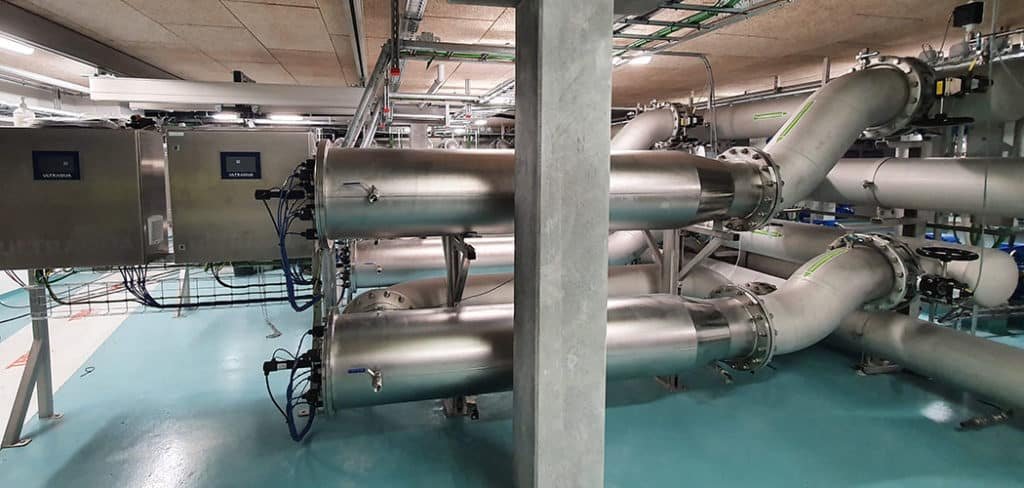
Ultraviolet (UV) disinfection is a powerful method for making drinking water safe. It uses UV light to kill harmful bacteria and viruses in the water. This technology is popular because it doesn’t add chemicals to the water, making it a clean and green option. As a specialized discipline within the broader field of UV Disinfection, the drinking water application of UV technology addresses the specific dose requirements, regulatory frameworks, and pre-treatment standards that distinguish potable water treatment from wastewater disinfection — where residual disinfectant requirements, source water quality, and public health risk thresholds differ fundamentally from the wastewater context.
UV disinfection systems are used in many places, from large water treatment plants to personal home systems. These systems are especially valuable in emergencies where clean water is not available because they can quickly disinfect clear water. Understanding how these systems work and how to maintain them can help ensure safe and reliable drinking water.
Proper installation and operation are vital for UV disinfection systems to work effectively. Regular maintenance is required to keep the systems running smoothly. It’s important to monitor the components and replace parts as needed to avoid any disruption in water safety.
Fundamentals of Ultraviolet Disinfection
Ultraviolet (UV) disinfection is a key method used in water treatment. It inactivates harmful microorganisms by damaging their DNA. This method involves understanding the properties and effects of UV light.
Principles of UV Light
UV light functions by penetrating the cells of bacteria, viruses, and other pathogens. When UV light at a wavelength of around 254 nm is absorbed by the organism, it causes changes to its DNA. This process prevents the microorganisms from reproducing and renders them harmless.
UV light systems work by exposing water to UV lamps in a controlled environment. These lamps emit UV radiation that passes through the water, effectively disinfecting it by targeting the DNA of any present pathogens. This method is widely used in various water treatment facilities due to its efficiency and lack of chemical by-products.
Spectrum of Ultraviolet Light
The UV spectrum is divided into different ranges: UVA, UVB, UVC, and vacuum UV. UVC, with a wavelength range of 200–280 nm, is most effective for water disinfection. UVC light is commonly used in water treatment plants. It has the right balance of energy to disrupt the DNA of microorganisms without forming harmful by-products.
UV disinfection systems often utilize ultraviolet light-emitting diodes (UV-LEDs). These are an emerging technology with advantages over traditional mercury lamps, such as longer lifespans and lower power consumption. Additionally, the use of UV radiation at 254 nm typically results in the formation of pyrimidine dimers in the DNA, interrupting essential processes for microorganisms. This makes UV light a powerful tool for ensuring safe drinking water.
UV Disinfection System Components
Ultraviolet (UV) disinfection systems for water treatment rely on several key components to ensure effective disinfection. These include UV lamps, contact chambers, and monitoring systems.
UV Lamps
UV lamps are the core of any UV disinfection system. They produce UV-C light, which is germicidal and can kill or inactivate microorganisms like bacteria, viruses, and protozoa.
These lamps typically contain mercury vapor and operate at a specific wavelength, around 254 nanometers, which is optimal for disinfection. The lamps come in different designs, such as low-pressure, high-output (LPHO), and medium-pressure (MP) lamps, each suited for different applications and flow rates. Regular maintenance and replacement of the lamps are necessary to maintain efficiency, as their intensity decreases over time.
Contact Chambers
Contact chambers are designed to expose water to UV light for a sufficient period. These chambers ensure that the water flow is controlled, allowing maximum exposure to the UV rays emitted by the lamps.
The design of these chambers varies, but they often include features that promote turbulent flow, ensuring even distribution of UV light throughout the water. Properly designed contact chambers maximize the disinfection efficacy by preventing shadows and ensuring all microorganisms receive adequate UV exposure. Materials used for the chambers must be compatible with UV light to avoid degradation and maintain longevity.
Monitoring Systems
Monitoring systems are essential for tracking the performance of the UV disinfection system. These systems often include sensors that measure UV intensity, lamp hours, and water quality parameters.
Real-time data from these monitoring systems helps operators ensure that the system is functioning correctly and that the water is being adequately disinfected. Alarms and automated controls can adjust system operations based on the monitored data, providing a reliable way to maintain water quality. Regular calibration and maintenance of the sensors are crucial for the accuracy and reliability of the monitoring systems.
Subtopic Overview: UV Drinking Water Disinfection Technologies
UV disinfection for drinking water encompasses both the fundamental science of UV inactivation and the practical deployment configurations — from municipal treatment plant integration to point-of-use home systems — that determine how UV dose is delivered reliably to protect public health. The subtopics below address the two primary UV drinking water disinfection technology and application areas covered in depth on this site.
Ultraviolet Disinfection: Safe and Effective Water Treatment
Ultraviolet disinfection as a water treatment method relies on delivering a validated UV dose — expressed in mJ/cm² — sufficient to achieve the required log-inactivation of target pathogens under the worst-case hydraulic and water quality conditions the system will encounter. Regulatory UV dose requirements for drinking water in the United States are established through the Long Term 2 Enhanced Surface Water Treatment Rule (LT2ESWTR), which specifies minimum UV doses of 10 mJ/cm² for 3-log Cryptosporidium inactivation and up to 40 mJ/cm² for 4-log Giardia inactivation — doses that must be validated through EPA-recognized reactor validation testing rather than calculated from theoretical models alone. The dose-response relationship for key drinking water pathogens spans a wide range: bacteria (E. coli, Salmonella) are highly UV-sensitive and achieve 4-log inactivation at doses of 3–10 mJ/cm²; adenoviruses are among the most UV-resistant waterborne pathogens, requiring doses of 100–200 mJ/cm² for 4-log inactivation, which has driven the adoption of medium-pressure UV systems in advanced water reuse applications where adenovirus inactivation credit is required. UV transmittance (UVT) of the source water — the fraction of 254 nm light that passes through a 1 cm path length of the water — is the single most important water quality parameter governing UV reactor performance: a drop from 95% to 80% UVT at the same flow rate can reduce effective UV dose by 30–40%, requiring either increased lamp output or reduced flow rate to maintain the required dose. Pre-treatment to optimize UVT — including coagulation, sedimentation, and granular or membrane filtration to remove color, turbidity, and UV-absorbing dissolved organic matter — is therefore not merely a pre-treatment courtesy but a regulatory necessity for reliable UV dose delivery at facilities treating colored or turbid source waters.
UV Water Disinfection: Proven Method for Safe Drinking Water
Uv water disinfection at the point of use (POU) and point of entry (POE) scale represents the fastest-growing segment of UV drinking water applications, driven by consumer demand for chemical-free purification at the household and small community level and by the vulnerability of private well water supplies to Giardia, Cryptosporidium, and bacterial contamination that centralized treatment addresses at the municipal scale but private systems must address independently. NSF/ANSI Standard 55 Class A certification — requiring a minimum UV dose of 40 mJ/cm² at the rated flow rate — is the recognized performance benchmark for residential and light commercial UV systems intended to inactivate pathogenic microorganisms in water that may be microbiologically unsafe; Class B certification (16 mJ/cm²) is appropriate only for supplemental disinfection of water that is already microbiologically safe but may have occasional bacterial contamination. Well water UV systems must be paired with upstream sediment filtration (typically 5–20 µm) and iron/manganese removal treatment to achieve the water quality prerequisites for reliable UV performance — iron concentrations above 0.3 mg/L and manganese above 0.05 mg/L absorb UV light and cause accelerated quartz sleeve fouling that reduces lamp output within weeks of installation without adequate pre-treatment. The elimination of chlorination at the point of use means UV-treated water has no residual disinfectant protection against post-treatment recontamination from distribution system biofilm, plumbing defects, or cross-connections — making UV treatment most appropriate for private well supplies with direct-to-use plumbing rather than extended distribution networks where residual disinfectant protection provides a critical secondary barrier.
Installation and Operation
Proper installation and operation are essential to ensure the effectiveness of UV disinfection in water treatment.
System Configuration
UV disinfection systems typically use lamps that emit UV light to neutralize pathogens in water. The most common configuration involves low-pressure, low-intensity mercury vapor lamps housed in a reactor vessel where water flows through, exposing microorganisms to UV light. When installing a UV disinfection system, proper placement of the lamps within the reactor is critical. The lamps should be equally spaced to ensure uniform exposure. The system should also include a UV sensor to monitor the intensity of UV light and ensure it remains at effective levels.
Operational Guidelines
UV lamps have a limited lifespan and should be replaced according to the manufacturer’s recommendations, typically every 9–12 months. Water quality affects the efficiency of UV disinfection — suspended particles and turbidity can shield pathogens from UV light, reducing disinfection efficiency. Pre-treatment processes like filtration may be necessary to remove these particles.
Operators should perform routine checks on the system’s electrical components and control units. Regular cleaning of the quartz sleeves that encase the UV lamps is necessary to prevent fouling, which can block UV light. For detailed guidelines, refer to the EPA UV disinfection fact sheet.
Applications of UV Disinfection
Municipal Water Treatment
Municipalities use UV disinfection to ensure safe drinking water. This method is effective against numerous pathogens, including viruses, bacteria, and cysts. It helps comply with regulations such as the Long Term 2 Enhanced Surface Water Treatment Rule. Municipal treatment plants often integrate UV systems to improve water quality and protect public health. UV treatment is advantageous as it leaves no chemical residues and doesn’t produce harmful by-products.
Industrial Water Treatment
In industrial settings, UV disinfection is crucial for processes requiring high-purity water. Industries like pharmaceuticals, electronics, and food production rely on UV treatment to eliminate contaminants. UV systems in these industries are designed to handle large volumes of water efficiently. They help maintain product safety and quality by preventing microbial growth. The absence of chemicals in UV treatment also means there is no risk of introducing unwanted substances into the production process.
Residential Water Treatment
At the residential level, UV disinfection provides homeowners with safe drinking water. Home UV systems are compact, easy to install, and effective in killing disease-causing organisms. These systems are particularly beneficial for homes using well water or those in areas with questionable water quality. Residential UV systems usually work alongside other filtration methods to provide comprehensive purification.
Efficacy and Spectrum of Activity
Microorganisms Affected
UV disinfection is particularly effective against a wide array of pathogens. Bacteria such as E. coli and Salmonella are easily inactivated by UV-C light, specifically around 254 nm. Viruses like SARS-CoV-2 and HCoV-229E are also sensitive to UV-C light. Protozoa including Giardia and Cryptosporidium are more resilient but still susceptible to higher doses of UV-C. Fungi and algae in water systems can be effectively controlled using UV light, which targets their cellular structures.
Parameters Affecting Efficacy
Several factors influence the efficacy of UV disinfection. Wavelength is crucial — UV-C light around 254 nm is most effective. Intensity and exposure time are also important: higher intensity or longer exposure increases the chances of inactivating microorganisms. Water clarity impacts UV penetration; turbid water reduces effectiveness. System design matters — proper placement of UV lamps and using reflectors can enhance exposure. Temperature and flow rate of water can also affect performance; high flow rates can reduce contact time, requiring adjustments in system operation.
Comparison of UV Disinfection Configurations for Drinking Water
| System Type | UV Source | Typical UV Dose Range | Flow Rate Capacity | Best-Fit Applications | Key Limitations | Relative Cost |
|---|---|---|---|---|---|---|
| Low-Pressure (LP) Mercury Lamp | Monochromatic 254 nm; 20–150 W per lamp | 20–100 mJ/cm² | Small–large municipal (scalable with lamp count) | Municipal secondary disinfection; large-scale drinking water plants; energy-sensitive applications | Large lamp count at high flows; temperature-sensitive output; mercury handling at disposal | Low–Medium |
| LP High-Output (LPHO) Mercury Lamp | Monochromatic 254 nm; 150–400 W per lamp | 20–150 mJ/cm² | Medium–large municipal | Retrofit of existing facilities; municipal plants requiring Cryptosporidium/Giardia credit | Narrower temp tolerance than amalgam; higher per-lamp output requires fewer lamps | Medium |
| Medium-Pressure (MP) Mercury Lamp | Polychromatic 200–300 nm; 1,000–30,000 W per lamp | 40–200 mJ/cm² | Large municipal; high-flow industrial | Adenovirus inactivation; potable reuse; space-constrained facilities; combined disinfection + photolysis | 3–5× higher energy than LP; shorter lamp life; heat generation requires cooling | Medium–High |
| Point-of-Use (POU) — NSF 55 Class A | LP lamp; typically 20–40 W | 40 mJ/cm² minimum (NSF 55 Class A) | 0.5–5 gpm (residential to light commercial) | Private wells; households with microbiologically unsafe water; emergency disinfection | No residual protection; requires pre-filtration; annual lamp replacement; electricity dependent | Low (capital); Low–Medium (annual O&M) |
| UV-C LED Systems | Solid-state UV-C; 255–280 nm; no mercury | Application-dependent (emerging) | POU to small community scale (current) | Mercury-free applications; instant-on requirement; remote/off-grid; pharmaceutical water | Low wall-plug efficiency (3–10%); high unit cost; limited validated municipal-scale deployment | High (declining) |
Maintenance and Troubleshooting
Routine Maintenance
Routine maintenance is crucial for the longevity and efficiency of UV disinfection systems. Cleaning the quartz sleeve is necessary because over time it can become coated with minerals, reducing UV light penetration. The quartz sleeve should be removed and cleaned with a soft cloth and suitable cleaner. Changing the UV lamp annually is important — even if the lamp still lights up, its UV intensity decreases over time. Checking electrical connections and ensuring they are tight and free from corrosion is also essential.
Common System Issues
Common issues with UV light water filters include lamp failure, reduced UV output, and alarm activation. Lamp failure is often due to old age, electrical issues, or power surges. Reduced UV output can be caused by a dirty quartz sleeve or an aging lamp. Alarm activation may indicate low UV intensity, which could be due to a failing lamp or dirty sleeve. Regular inspections and timely replacement of components are key steps in troubleshooting.
Advantages and Limitations
Benefits of UV Disinfection
UV disinfection is highly effective at eliminating pathogens such as bacteria, viruses, and fungi without the use of harmful chemicals, making it a cleaner option compared to traditional methods like chlorination. A significant advantage is the speed of treatment — UV systems can disinfect water almost instantaneously, allowing for continuous treatment without long hold times. UV disinfection does not alter the taste, color, or odor of water. The technology is relatively simple to operate and maintain, with low ongoing costs after initial installation.
Constraints and Considerations
UV light only works well with clear water — turbidity and suspended solids can block UV rays, reducing the effectiveness of disinfection. UV disinfection does not provide any residual disinfectant, meaning there’s no ongoing protection against potential contamination after the water has been treated. Maintenance is crucial, as lamps need regular cleaning and periodic replacement. Initial costs can be higher compared to some other disinfection methods, and UV systems require a consistent electricity supply to operate.
Field Notes: Practical Guidance for UV Drinking Water Systems
Commissioning and Validation
Commissioning a UV drinking water system for regulatory credit requires completing EPA-recognized reactor validation before placing the system in service — unlike UV wastewater systems where operational monitoring alone may be sufficient, drinking water UV systems treating surface water under the LT2ESWTR must demonstrate their dose delivery capability through biodosimetry testing using challenge organisms at the design flow, minimum UVT, and minimum lamp output conditions. Pre-commissioning water quality characterization — establishing the 10th percentile UVT from a minimum of 12 months of monthly monitoring — is required to define the minimum design UVT that governs lamp count and system sizing; facilities that skip this step and design for typical UVT risk dose-deficient operation during seasonal periods when color and turbidity are highest. For residential POU systems, the commissioning requirement is verifying NSF 55 Class A certification documentation from the manufacturer and testing initial lamp output using the system’s UV intensity sensor against the minimum alarm setpoint established in the validation protocol.
Common Design and Specification Mistakes
The most frequent UV drinking water system design error is specifying the system for average daily flow without adequate provision for peak hourly flow. For municipal systems, peak hourly flow can be 2.0–3.0× the average daily flow — a UV system sized for average conditions will reduce lamp output or flow rate during peak demand precisely when treatment demand is highest. A second common mistake is neglecting upstream pre-treatment adequacy when upgrading to UV disinfection from chlorination: facilities that chlorinate without pre-filtration often have source water UVT and turbidity characteristics that would fail the minimum UVT requirements for reliable UV dose delivery, requiring additional capital investment in pre-filtration before the UV system can be placed in regulatory service. For well water residential systems, failing to test source water iron and manganese concentrations before installing UV is a chronic installation error — iron above 0.3 mg/L causes quartz sleeve fouling within weeks and UV output decline that is invisible to the homeowner until the lamp alarm triggers.
O&M Considerations and Technology Context
Annual lamp replacement is the dominant O&M cost item for LP and LPHO UV systems — lamp cost ranges from $50–500 per lamp depending on type and wattage, and systems with 10–50 lamps represent meaningful annual replacement budgets. Quartz sleeve cleaning frequency varies significantly with water quality: systems treating low-iron, low-hardness source water may require sleeve cleaning only at annual lamp replacement, while systems on hard well water or iron-bearing groundwater may require quarterly or even monthly cleaning to maintain adequate UV transmission. For complete guidance on UV lamp types, performance characteristics, and selection criteria for drinking water applications, the UV Lamps selection guide covers LP, LPHO, MP, amalgam, and UV-C LED lamp options in detail. The UV Disinfection Systems resource addresses the full system-level design — including reactor configuration, hydraulic design, controls integration, and SCADA connectivity — that determines how individual lamps and components are assembled into complete drinking water treatment trains.
Regulatory and Safety Considerations
Regulatory Compliance
Regulatory compliance for UV disinfection in water treatment involves meeting specific guidelines set by health and environmental agencies. In the United States, the EPA outlines requirements for UV systems to ensure they effectively reduce microbial contaminants — including proper maintenance, regular monitoring, and validation of UV dose. National and international standards from the American Water Works Association (AWWA) and World Health Organization (WHO) further specify performance criteria and operational protocols. These standards often require periodic testing of UV intensity and water quality to maintain certification.
Safety Precautions
Safety precautions are essential when operating UV disinfection systems. Direct exposure to UV light can be harmful to skin and eyes, necessitating the use of protective gear such as gloves and UV-blocking safety glasses. Operators should be trained in the safe handling and maintenance of UV equipment. Systems should include interlocking mechanisms that automatically shut off the UV light when the unit is opened for maintenance. Proper signage and warnings around UV disinfection units alert personnel to the hazards.
Frequently Asked Questions
How effective is UV light in disinfecting water?
UV light is highly effective in killing bacteria, viruses, and fungi in water. It works by using UV-C energy, which disrupts the DNA of these organisms, rendering them inactive and unable to reproduce. UV-C has shorter wavelengths than UV-A and UV-B, allowing it to penetrate and destroy microbial cells.
Are there any potential risks associated with drinking UV-disinfected water?
UV-disinfected water is generally safe to drink since UV treatment does not introduce chemicals or residual byproducts. It only uses light energy to inactivate microorganisms. However, it is crucial to ensure that the water is not recontaminated after treatment, as UV light does not provide residual disinfection like chlorine.
What are the limitations of using UV radiation for water disinfection?
One limitation is that UV light cannot remove chemical pollutants or heavy metals from water. It is only effective against biological contaminants. Additionally, turbid or cloudy water can hinder the penetration of UV light, reducing its effectiveness. Regular pre-filtration may be necessary to ensure optimal UV operation.
What maintenance is required for UV disinfection systems in water treatment?
UV disinfection systems require regular maintenance to remain effective. This includes cleaning the quartz sleeves around the UV lamps to remove any buildup, as well as replacing the UV lamps periodically as their intensity diminishes over time. Ensuring the system’s effectiveness involves routine checks and timely replacements.
Can UV disinfection be used for all types of water sources?
UV disinfection can be used for both municipal and private water systems, but the quality of the source water is a key factor. While it is effective for most clear water supplies, it might not be suitable for highly polluted or turbid water sources without pre-treatment. For example, systems that purchase disinfected water are included under the Stage 2 Disinfection Byproducts Rule (DBPR) but often use alternative methods to address complex contaminants.
Conclusion
Key Takeaways
- UV disinfection for drinking water requires validated dose delivery, not just UV lamp installation — regulatory credit under LT2ESWTR requires EPA-recognized biodosimetry validation at design flow, minimum UVT, and minimum lamp output; operating outside the validated envelope creates a compliance gap regardless of whether alarms are triggered.
- UV transmittance (UVT) of the source water is the critical pre-design parameter — 10th percentile UVT from 12 months of monthly monitoring should define the minimum design UVT; systems designed for typical UVT will underperform during high-color, high-turbidity seasonal events when dose delivery is most needed.
- Medium-pressure UV is required for adenovirus inactivation credit in potable reuse — LP systems deliver 254 nm monochromatic output that adenoviruses are relatively resistant to; MP polychromatic output achieves adenovirus inactivation at lower flow-normalized doses, making it the standard for advanced reuse trains where adenovirus log-removal credit is a regulatory requirement.
- Point-of-use UV systems provide no residual protection after treatment — UV-treated well water has no downstream disinfectant barrier, making UV appropriate for direct-to-use plumbing rather than extended distribution networks where biofilm and cross-connection events can reintroduce contamination after the UV contact point.
- Pre-treatment for iron, manganese, turbidity, and UVT optimization is not optional — it is a prerequisite for reliable UV dose delivery; iron above 0.3 mg/L causes rapid quartz sleeve fouling, and turbidity above 1 NTU reduces UV penetration in ways that undermine regulatory compliance even when lamp output sensors show normal readings.