
Water Quality: Monitoring, Contaminants & Compliance Standards
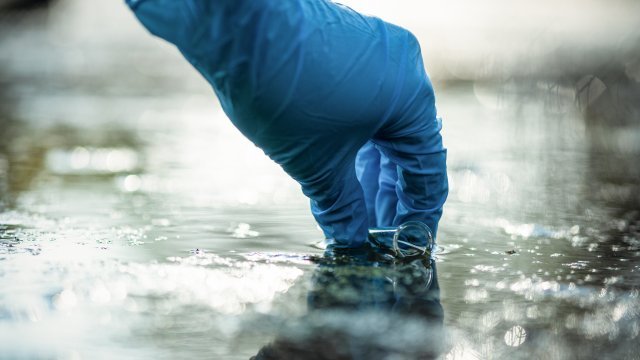
Water quality is crucial for maintaining healthy ecosystems and safeguarding human health. Clean water is essential not only for drinking but also for agriculture, industry, and recreation. Pollution, both natural and human-made, can significantly degrade the quality of our water bodies.
One of the main concerns is the presence of pollutants like heavy metals, pesticides, and bacteria, which can have serious health effects. The Environmental Protection Agency (EPA) plays a vital role in setting and enforcing standards to ensure water safety. These standards focus on reducing harmful contaminants to safe levels for humans and the environment.
Monitoring and treating water is also key to improving its quality. Agencies and organizations use various methods to remove pollutants, from chemical and physical treatment to emerging technologies. Educating the public about the importance of water quality helps promote better practices and policies, leading to safer, cleaner water for everyone.
Water quality is best understood as three connected questions rather than one. What is in the water, which is a measurement problem answered by sampling and instrumentation. What that means for health and ecology, which is a toxicology and risk question. And what the law requires be done about it, which is a standards and compliance question. This guide serves as the master reference across all three, and the Subcategory Overview below maps each to its dedicated resource.
Key Takeaways
- Clean water is essential for health and various uses.
- Pollutants in water can cause serious health issues.
- Effective monitoring and treatment methods improve water quality.
Subcategory Overview: Water Quality Disciplines
Two areas organize water quality practice on this site: the measurement discipline that determines what is present and at what concentration, and the standards framework that determines what those concentrations are permitted to be.
Monitoring
Monitoring covers the equipment and methods used to determine water quality in the field and the laboratory, and it is the largest branch of this pillar by a wide margin. The discipline spans sensors and analyzers measuring pH, dissolved oxygen, turbidity, conductivity, chemical oxygen demand, and total suspended solids continuously in process; flow meters quantifying the volumes those concentrations apply to; samplers and test kits supporting laboratory and field analysis; leak detection systems identifying loss within distribution networks; and the instrument manufacturers supplying all of it. Selection turns on measurement range, the fouling environment, calibration burden, and whether a reading feeds a report or drives an automated control action, since the latter raises the consequence of drift considerably.
Effluent Standards
Effluent standards define what treated water must achieve before it may be discharged, beginning with the basic question of what effluent is and extending into the specific limits that govern it. Effluent is the treated flow leaving a facility, and its permitted quality is set through discharge permits carrying numeric limits on conventional parameters such as biochemical oxygen demand and total suspended solids, on nutrients including ammonia and total nitrogen and phosphorus, and on constituents specific to the receiving water such as chloride, metals, or temperature. Understanding how those limits are derived — whether from national technology-based guidelines or from the receiving water’s assimilative capacity — explains why two facilities treating comparable waste can face very different obligations.
Water Quality Basics
Key Factors
Water quality is essential for health and the environment. The main factors affecting water quality include:
- Nutrient Levels: High amounts of nutrients like nitrogen and phosphorus can lead to algal blooms.
- Dissolved Solids: Total Dissolved Solids (TDS) measure of dissolved substances like salts, minerals, and metals.
- Chemical Contaminants: Chemicals like PFAS can be harmful.
Monitoring Techniques
Accurate water quality monitoring ensures safety. Techniques include:
- Sampling: Collecting water samples for lab analysis.
- Sensors: Using sensors to measure parameters like pH, temperature, and turbidity in real time.
Water Quality Standards
Standards are set to protect health and the environment. Key standards include:
- EPA Guidelines: The U.S. Environmental Protection Agency sets limits on contaminants in drinking water.
- Clean Water Act: This act regulates the discharge of pollutants into U.S. waters.
Important Parameters
Several parameters are crucial for assessing water quality:
- pH: Indicates how acidic or basic the water is.
- Dissolved Oxygen: Essential for aquatic life; low levels can harm ecosystems.
- Turbidity: Measures water clarity; high turbidity can indicate pollution.
Water Quality Challenges
Water quality faces various challenges:
- Pollution: Both point-source (direct discharge) and nonpoint-source (runoff) pollution affect water bodies.
- Climate Change: Alters water temperatures, impacting ecosystems.
Surrogate Parameters and Why They Matter
Several of the parameters above are measured not because they are harmful in themselves but because they stand in for something that is. Turbidity is the clearest example: suspended particles are rarely a direct health hazard, but they shield microorganisms from disinfection and they correlate with filtration performance, which makes continuous turbidity monitoring the practical way to verify that a filter is working. Conductivity works similarly as a proxy for total dissolved solids, and disinfectant residual stands in for continued microbial protection through the distribution system.
The value of a surrogate is that it can be measured continuously and cheaply where the parameter of real interest cannot. Pathogen analysis takes days and costs a great deal; turbidity reads every few seconds for the price of a sensor and a cleaning schedule. The limitation is equally important: a surrogate only holds while the relationship behind it holds, so a filter passing solids of a different character than the sensor was calibrated against can read acceptably while performing poorly.
Parameter Classes at a Glance
| Class | Representative Parameters | What It Indicates | Typical Measurement |
|---|---|---|---|
| Physical | Turbidity, temperature, colour, odour, TSS | Clarity, filtration performance, aesthetic acceptability | Continuous sensor; gravimetric for TSS |
| Chemical, conventional | pH, alkalinity, hardness, conductivity, DO | Process control, corrosivity, ecological suitability | Continuous sensor with periodic calibration |
| Organic loading | BOD, COD, TOC | Treatment demand and effluent compliance | Laboratory; online COD and TOC analyzers |
| Nutrients | Ammonia, nitrate, total nitrogen, phosphorus | Eutrophication risk, permit compliance | Laboratory; online nutrient analyzers |
| Microbiological | Total coliform, E. coli, enterococci | Faecal contamination, disinfection adequacy | Culture or molecular methods, laboratory |
| Inorganic contaminants | Lead, arsenic, copper, nitrate, fluoride | Chronic and acute health risk | Laboratory instrumental analysis |
| Organic contaminants | PFAS, pesticides, solvents, DBPs | Chronic health risk, regulatory exposure | Specialized laboratory methods |
| Radiological | Gross alpha and beta, radium, uranium | Long-term health risk, often geologic in origin | Laboratory, extended analysis time |
For more detailed information on water quality topics, the EPA maintains extensive public resources.
Sources of Contamination
Sources of contamination can greatly impact water quality. Contaminants can come from various places.
Industrial processes often release pollutants into water bodies. Factories may discharge chemicals, heavy metals, and other industrial waste.
Agricultural activities contribute to water contamination through runoff. Pesticides, fertilizers, and animal waste are common culprits.
Urban runoff can carry oils, grease, and trash from city streets into water systems. Rainwater picks up these pollutants and washes them into rivers and lakes.
Household waste and sewage systems can also be significant sources. Leaking septic tanks or improperly treated wastewater can introduce bacteria and viruses.
Natural sources include soil erosion and naturally occurring minerals. These can lead to increased sediment and mineral content in water.
| Contaminant Type | Common Source |
|---|---|
| Chemicals | Industrial waste, pesticides |
| Pathogens | Sewage, animal waste |
| Heavy Metals | Industrial discharge, natural minerals |
| Nutrients | Fertilizers, wastewater |
Boil Water Advisories often occur when contamination is suspected. During such times, it’s recommended to boil water or use bottled water, especially for pets and vulnerable populations.
The Environmental Protection Agency (EPA) regulates and monitors these contaminants. Their guidelines help ensure water safety and minimize health risks.
Freshwater harmful algal blooms (HABs) can impact water quality as well. They produce toxins harmful to both humans and animals.
One distinction underlies almost all contamination policy and is worth naming. Point sources discharge from an identifiable location — a pipe, an outfall, a channel — and are regulated through permits with numeric limits and monitoring. Nonpoint sources are diffuse: agricultural runoff, urban stormwater across a watershed, atmospheric deposition. Because there is no single point to permit or measure, nonpoint pollution is addressed largely through voluntary programs, best management practices, and watershed planning rather than enforcement. In many watersheds, nonpoint sources now contribute more of the remaining pollutant load than the permitted point sources do, which is why further water quality improvement has become harder than the early decades of the Clean Water Act suggested it would be.
A second distinction matters for a utility’s own operations. Source water contamination arrives with the raw water and must be treated out; distribution system contamination occurs after treatment, through pipe material leaching, intrusion at low-pressure events, disinfectant residual loss, or biofilm growth. Lead is the clearest example of the second kind, since it almost never originates in the source water and instead comes from service lines and plumbing within the system itself. The two categories call for entirely different responses.
Health Effects of Poor Quality Water
Contaminated water can lead to numerous health problems. Drinking water contaminated with bacteria, viruses, or parasites can cause diseases like cholera, dysentery, and giardiasis.
Water with chemical contaminants such as lead, arsenic, or pesticides can lead to chronic health issues. Lead exposure is particularly dangerous for children, affecting brain development and causing learning disabilities.
Arsenic contamination can cause skin lesions, cancer, and cardiovascular diseases.
Other contaminants, like mercury, can damage the nervous system and kidneys. Harmful algal blooms can produce toxins that affect liver and neurological function.
Nitrate contamination often results from agricultural runoff. It can cause conditions like methemoglobinemia, also known as “blue baby syndrome,” which affects infants and reduces their blood’s ability to carry oxygen.
Fluoride levels in water are a concern as well. While small amounts are beneficial for dental health, excessive fluoride can lead to fluorosis, affecting teeth and bones.
Public water systems regulated by the EPA ensure safety standards, but private wells may require regular testing and filtration to prevent contamination.
Maintaining clean water is crucial for health and well-being. Regular monitoring and addressing potential contamination sources can mitigate many of these health risks.
Health effects divide into two categories that behave very differently, and confusing them causes a great deal of unnecessary alarm and, occasionally, unnecessary complacency. Acute effects follow short-term exposure and appear quickly — microbial contamination causing gastrointestinal illness within days, or nitrate causing methemoglobinemia in infants within hours. These drive the urgent public notification tier and boil water advisories. Chronic effects follow long-term exposure at low concentration and may take years or decades to manifest, which covers most chemical contaminants including arsenic, lead, disinfection byproducts, and PFAS.
Standards for the two are constructed differently. Acute contaminant limits are set to prevent illness from a single exposure event, while chronic limits are calculated from lifetime exposure assumptions, typically a defined daily consumption over a full lifespan. This is why a single sample exceeding a chronic limit is not an emergency in the way a positive microbial result is, and why chronic standards are expressed as running averages rather than as never-to-exceed values. It also explains why sensitive subpopulations — infants, pregnant women, the immunocompromised, dialysis patients — sometimes receive separate advisories even where the general population standard is met.
Water Quality Standards and Regulations
Water quality standards are crucial for maintaining the health of water bodies. These standards are established by various levels of government, including state, territorial, tribal, and federal authorities, and are approved by the EPA.
The purpose of these standards is to protect water bodies, ensuring they can be used for activities like swimming, boating, and fishing. Standards typically describe the desired condition of a water body and outline ways to achieve and maintain it.
Key Components:
- Designated Uses: Defines how the water can be used (e.g., recreation, drinking water).
- Water Quality Criteria: Specific limits on pollutants to protect designated uses.
- Anti-Degradation Policies: Measures to prevent water quality from deteriorating.
The EPA offers detailed guidelines and regulations to help states and tribes develop their water quality standards. These guidelines are based on scientific studies and aim to address pollutants and other harmful substances.
Monitoring: Regulated water systems must conduct initial and ongoing compliance monitoring. This is part of the EPA’s Standardized Monitoring Framework, designed to ensure that water systems adhere to quality standards consistently.
Local Programs: For example, the Ohio Department of Health manages a Private Water Systems Program that oversees wells, springs, and other small water sources. This program ensures that water used by fewer than 25 people meets safety standards.
Standards and regulations are essential tools in safeguarding water quality, supporting not just environmental health but also public health and recreational activities.
Two distinct standard systems operate side by side and are frequently conflated. Ambient water quality standards, established under the Clean Water Act, describe the condition a river, lake, or estuary must maintain to support its designated uses, and they are the basis for assessing whether a water body is impaired. Drinking water standards, established under the Safe Drinking Water Act, apply to water delivered to consumers and take the form of maximum contaminant levels or treatment technique requirements. The same substance can carry different numbers under each, because the protective purpose differs: an ambient criterion may be set to protect aquatic life or fish consumption, while a drinking water limit is set to protect human consumers.
Where a water body fails to meet its ambient standards it is listed as impaired, which triggers development of a total maximum daily load — a calculation of how much of the pollutant the water body can receive and still meet its standards, allocated among point and nonpoint contributors. For a permitted discharger, a TMDL allocation frequently becomes the most stringent limit in the permit, tighter than any national technology-based requirement.
Monitoring Water Quality
Monitoring water quality involves collecting water samples and conducting tests to ensure safety and compliance with environmental standards. It helps protect public health and the environment by identifying pollutants and their sources.
Sampling Methods
There are several key methods used to sample water. Grab sampling involves collecting a sample from a specific location at a single point in time. It’s useful for measuring specific contaminants such as heavy metals or chemicals.
Composite sampling collects multiple samples over a set period and combines them to provide an average. This method is common in wastewater treatment facilities.
Automated sampling uses devices to collect samples at regular intervals. This approach is valuable for continuous monitoring, such as tracking changes in water quality over time. The choice of method depends on the type of water body, the contaminants of interest, and the resources available.
Composite sampling divides further in a way that matters for compliance. Time-proportional compositing draws equal volumes at equal intervals and represents the average concentration over the period; flow-proportional compositing varies sample volume with flow rate and represents the average concentration weighted by the mass actually discharged. Discharge permits usually specify which applies, and using the wrong one produces a legally invalid result even when the analysis is perfect. Grab samples remain mandatory for parameters that change on standing — pH, dissolved oxygen, temperature, residual chlorine, and bacteriological analyses — because compositing would destroy the property being measured.
Testing Protocols
Once samples are collected, they undergo various testing protocols. Chemical tests measure levels of pollutants like lead, copper, and nitrates. For instance, the Lead and Copper Rule requires regular testing to prevent health risks.
Biological tests check for bacteria, viruses, and other microorganisms. Physical tests, such as turbidity and temperature measurements, assess the clarity and warmth of the water, which affect ecosystem health. Advanced methods like mass spectrometry provide detailed analysis of contaminant levels.
Protocols follow strict guidelines to ensure accuracy and compliance with regulatory standards. Monitoring ensures that any changes in water quality are promptly addressed to maintain safety and legal compliance.
A compliant result depends on a chain that extends well beyond the analysis itself. Sample location must match what the permit specifies, containers and preservation must suit the analyte, holding times must not be exceeded between collection and analysis, chain of custody must be documented, and the laboratory must be accredited for the method used. A break anywhere in that chain invalidates the result, and an invalidated result is treated as a monitoring violation rather than as a neutral outcome. Field blanks and equipment blanks belong in routine practice rather than being reserved for troubleshooting, particularly for trace contaminants where cross-contamination from sampling equipment or field materials is a documented risk.
Detection and reporting limits deserve attention as well. A result reported as non-detect means only that the contaminant was below the laboratory’s reporting limit for that method, not that it is absent, and comparing results across laboratories or across years requires knowing what those limits were. As analytical capability improves, substances previously reported as non-detect begin appearing in results without any change in the water itself, which is a recurring source of public confusion.
Physical Treatment Methods
Physical treatment methods for water involve processes that remove contaminants without the use of chemicals. These methods often rely on natural forces such as gravity, filtration, and aeration.
Sedimentation
Sedimentation uses gravity to remove suspended solids from water. In this process, water flows into a large tank, where it is allowed to sit undisturbed. The heavier particles settle at the bottom of the tank while the cleaner water remains on top.
This settled water can then be further treated or sent directly to distribution systems. Sedimentation is a critical first step in many water treatment facilities as it helps reduce the load on subsequent filtration stages. Some systems use coagulation before sedimentation to make smaller particles clump together, enhancing the process. Properly sized and managed tanks are crucial for effective sedimentation.
Filtration
Filtration involves passing water through materials that help remove particles and impurities. Common materials used include sand, gravel, and activated carbon. A sand filter works by trapping larger particles on top while smaller particles get stuck in the spaces between grains.
Activated carbon is effective at removing organic compounds and chlorine. Filtration is essential for removing not just visible dirt, but also microscopic contaminants. Regular maintenance is crucial to prevent clogging and to ensure that the filter materials continue to work effectively. Multi-layer filters are often used to enhance the removal of various particle sizes, offering a more comprehensive treatment solution.
Aeration
Aeration introduces air into the water to remove dissolved gases and improve its quality. This method involves the water being sprayed into the air or through perforated plates to increase oxygen levels. It helps remove volatile substances such as hydrogen sulfide, which can cause odor issues.
Aeration also aids in the oxidation of dissolved metals like iron and manganese, making them easier to remove in subsequent filtration stages. Proper aeration techniques can significantly enhance the taste and smell of drinking water. This method is often used as a pre-treatment to reduce the load on other treatment processes, including chemical treatments that follow physical methods.
Chemical Treatment Techniques
Chemical water treatment is crucial for ensuring safe and clean drinking water. Two key methods are disinfection and coagulation and flocculation, each serving distinct purposes in the water purification process.
Disinfection
Disinfection eliminates harmful pathogens and ensures water safety for human consumption. Common disinfectants include chlorine, chloramines, ozone, and ultraviolet light. Chlorine is widely used due to its effectiveness and low cost. It kills bacteria and viruses and maintains residual protection as water travels through the distribution system.
Chloramines are formed by combining chlorine with ammonia. They provide longer-lasting disinfection but are less powerful than chlorine alone. Ozone is a strong oxidizing agent effective against a broad spectrum of contaminants. However, it does not leave a residual in the water, requiring careful monitoring. Ultraviolet (UV) light treats water by exposing it to UV radiation, destroying the DNA of microorganisms, and making them harmless.
Disinfection carries a trade-off that shapes much of drinking water practice. Chlorine reacts with natural organic matter to form disinfection byproducts including trihalomethanes and haloacetic acids, which are themselves regulated as chronic health concerns. Increasing disinfectant dose to improve microbial safety therefore increases byproduct formation, and the practical response is usually to remove organic precursors before disinfection rather than to adjust dose alone. Chloramine produces fewer regulated byproducts and holds a residual longer, which is why many systems have converted, though it introduces nitrification risk within the distribution system and requires attention from dialysis facilities and aquarium keepers whose processes are sensitive to it.
Coagulation and Flocculation
In coagulation and flocculation, chemicals are added to water to remove suspended particles. The process begins with coagulation, where coagulants like aluminum sulfate (alum) or ferric chloride are added. These chemicals neutralize the charge on particles, allowing them to clump together.
Following coagulation is flocculation. Here, gentle mixing causes the small clumps (formed during coagulation) to gather into larger aggregates called flocs. These flocs are then easier to remove through sedimentation or filtration. Effective coagulation and flocculation improve water clarity and remove organic matter, reducing the load on downstream filtration and disinfection processes. This method is vital for treating water with high turbidity or organic content.
Biological Treatment Processes
Biological treatment processes use microorganisms to break down contaminants in water. These methods can significantly improve water quality by reducing organic pollutants and nutrients.
Biofiltration
Biofiltration involves the use of a biofilter, which is a media bed layered with beneficial microorganisms. Water passes over this bed, allowing the microbes to digest and remove contaminants. This process can effectively target organic matter, nitrates, and phosphates.
Key Benefits:
- High Efficiency: Targets various pollutants.
- Sustainability: Uses natural processes.
- Versatility: Can be applied in different settings, including wastewater treatment plants and stormwater management systems.
Common Media Types:
- Sand
- Gravel
- Activated carbon
Applications:
- Municipal Water Treatment: Used to improve the quality of drinking water.
- Aquaculture: Maintains water quality in fish farms.
- Industrial Effluents: Reduces contaminants before water is released back into the environment.
Constructed Wetlands
Constructed wetlands are engineered systems designed to mimic natural wetlands. These systems utilize plants, soil, and microorganisms to filter and clean water.
How They Work:
- Plants: Provide a habitat for microorganisms.
- Soil and Gravel: Act as a physical filter.
- Microorganisms: Break down organic pollutants and nutrients.
Advantages:
- Cost-Effective: Low operational costs.
- Eco-Friendly: Enhances biodiversity and natural habitats.
- Effective Pollutant Removal: Particularly good at removing heavy metals, organic matter, and nutrients like nitrogen and phosphorus.
Types of Constructed Wetlands:
- Surface Flow: Water flows over the surface.
- Subsurface Flow: Water flows through the soil or gravel.
Use Cases:
- Wastewater Treatment: Effective for both urban and rural settings.
- Stormwater Management: Helps manage and treat runoff.
- Agricultural Runoff: Reduces nutrient pollution from farms.
Emerging Technologies in Water Treatment
Granular Activated Carbon (GAC) is a common method for removing pollutants from water. GAC can remove contaminants such as PFAS effectively. It works by letting water pass through carbon granules, which capture and hold the pollutants.
Ion Exchange Resins are another key technology used for water treatment. These resins exchange harmful ions in the water with safer ones. They are very effective for removing PFAS and other contaminants.
High-Pressure Membrane Systems use fine membranes to filter out impurities. These membranes can filter out very small particles, including certain pathogens and chemicals like PFAS.
| Technology | Key Features |
|---|---|
| Granular Activated Carbon (GAC) | Adsorbs pollutants on carbon surfaces |
| Ion Exchange Resins | Swaps harmful ions with safer ones |
| High-Pressure Membranes | Filters small particles and chemicals |
Biological Filtration uses natural processes involving microorganisms to break down contaminants. This method can treat various organic compounds and nutrients.
Advanced Oxidation Processes (AOPs) use chemical reactions to break down pollutants. These methods typically involve using UV light, ozone, or hydrogen peroxide to generate powerful oxidants that can destroy contaminants.
These emerging technologies contribute significantly to improving water quality and ensuring safe drinking water across communities.
One qualification belongs with the three technologies listed above, because they are frequently presented as interchangeable PFAS solutions and are not. All three separate rather than destroy: granular carbon adsorbs, resin exchanges, and membranes reject, and in every case the contaminant ends up concentrated in spent media or a reject stream that requires its own disposal pathway. Performance also varies sharply by compound, with short-chain PFAS breaking through carbon far faster than long-chain compounds, and membranes rejecting across the full range at the cost of a concentrate stream representing a substantial fraction of the feed. Selecting among them requires knowing the specific compound distribution present, not merely a total PFAS figure.
Private Wells and Household Water Quality
Roughly one in eight Americans draws drinking water from a private well, and those households sit almost entirely outside the regulatory framework described above. No agency tests their water, no annual report arrives, and no standard legally applies. Responsibility rests with the owner, which makes this the largest information gap in American water quality.
What Private Well Owners Should Test For
A reasonable baseline testing programme covers coliform bacteria and E. coli annually, nitrate annually where agricultural activity is present nearby, and pH and total dissolved solids as general indicators. Beyond that baseline, testing should be targeted to local conditions: arsenic and uranium where geology suggests them, radon in certain rock formations, fluoride where naturally elevated, and pesticides and volatile organic compounds where agricultural or industrial activity is upstream or upgradient. State geological surveys and health departments generally publish guidance on which contaminants are common in a given area, and that guidance is more useful than a generic panel.
Testing should also follow specific events rather than only a calendar. Flooding, well repair or replacement, a change in taste, colour, or odour, a nearby land use change, and the arrival of a new infant in the household all warrant a test outside the routine schedule. Use a state-certified laboratory rather than a home kit for anything that will inform a decision, since home kits are useful as screening indicators and not as a basis for action.
Household Treatment Devices
Where treatment is warranted, device selection should follow from the test result rather than from a general desire for cleaner water. Point-of-use devices treat water at a single tap and suit contaminants of concern only through ingestion; point-of-entry devices treat the whole house and are appropriate where inhalation or dermal exposure matters, as with radon or certain volatile compounds, or where the contaminant damages plumbing and appliances.
Certification matters more than marketing claims. NSF/ANSI 53 covers health-related contaminant reduction, NSF/ANSI 58 covers reverse osmosis systems, and NSF/ANSI 42 covers aesthetic effects such as taste, odour, and chlorine. A device certified for one contaminant is not certified for others, and the certification listing states exactly what was tested and to what reduction. The persistent weakness of household treatment is maintenance: performance depends entirely on replacing media and cartridges on schedule, and an exhausted filter can perform worse than no filter at all by releasing accumulated contaminant.
Lead in Household Plumbing
Lead deserves separate mention because it is the contaminant most likely to originate inside the home rather than in the source water, and therefore the one least likely to appear in any report. Lead service lines, lead solder in copper plumbing installed before the mid-1980s, and brass fixtures all contribute, and the amount released depends on water chemistry, standing time, and temperature.
Practical measures are straightforward. Flush the tap before drinking after water has stood for several hours; use cold water for drinking and cooking, since hot water dissolves lead more readily; and know whether the service line is lead, which utilities are increasingly required to inventory and disclose. Where lead is present, a filter certified to NSF/ANSI 53 for lead reduction is an effective interim measure while replacement is arranged. Utilities apply corrosion control treatment specifically to limit this release, but that treatment reduces rather than eliminates the contribution from the plumbing itself.
Public Awareness and Education
Public awareness and education play a crucial role in ensuring water quality. Effective education programs help communities understand the importance of hygiene and safe water practices.
Schools, local governments, and non-profit organizations can lead workshops and campaigns to teach people about water pollution and conservation.
Monitoring programs should be explained clearly to the public. This helps them appreciate the need for regular checks and safety measures. People can learn how to use home water testing kits to monitor their water supply.
Key Components of Public Awareness
- Workshops and Training: Hands-on sessions on using filters, reducing waste, and recognizing contaminants.
- Media Campaigns: Using TV, radio, and social media to spread messages about water safety and conservation.
- Printed Materials: Distribution of brochures and flyers with tips and guidelines on maintaining water quality.
Role of Government and Organizations
- Local Governments: Implementing local water quality standards and conducting community meetings to raise awareness.
- Health Departments: Providing up-to-date information on water safety and any current risks.
- Non-Profits: Partnering with schools and communities to spread knowledge about water-related health issues.
Everyday Actions for the Public
- Regular Monitoring: Testing home water and reporting any issues.
- Simple Practices: Boiling water if there is a contamination alert, using filters, and avoiding pollutants.
By maintaining consistent education and awareness, communities can actively participate in protecting their water sources. This joint effort between individuals and organizations can significantly improve water quality.
Reading a Consumer Confidence Report
Every community water system in the United States must publish an annual water quality report, commonly called a consumer confidence report, and most people who receive one do not know how to interpret it. Three things make it readable. Detected contaminants are listed with the level found alongside the regulatory limit, so the comparison to look for is between those two columns rather than at any single figure in isolation. Results are frequently reported as a range and an average, because chronic standards are assessed on averages rather than on individual samples. And the likely source of each detected contaminant is stated, which distinguishes something arriving in the source water from something originating in the distribution system.
Two things the report does not tell you are worth knowing. It covers water at the point of delivery, not at the tap, so contaminants originating in household plumbing — lead from service lines and fixtures most notably — may not appear. And it lists only regulated contaminants plus any the utility chose to report voluntarily, so absence from the table does not mean absence from the water. Households on private wells receive no such report at all and are responsible for their own testing, which is where the largest information gap in American water quality sits.
Policy and Infrastructure
Governments play a crucial role in maintaining water quality through regulations and policies. Rules such as the Clean Water Act Section 401 water quality certification framework allow states, territories, and tribes to manage and protect their water resources more effectively.
Regulations for Water Quality
Water quality standards are essential for ensuring safe drinking water and protecting the environment. These standards set limits on pollutants in water bodies and ensure that water is safe for various uses such as drinking, irrigation, and recreation.
Importance of Infrastructure
Good infrastructure is critical for clean water. Green infrastructure like green roofs, rain gardens, and permeable pavements help filter and absorb rainwater, reducing runoff and improving water quality. Green infrastructure programs promote these sustainable and resilient water practices.
Addressing Contaminants
Contaminants such as PFAS are a significant concern for water quality. PFAS chemicals are found in water, air, and soil, and can cause harmful health effects. The EPA provides information on these substances through its PFAS Explained resource, aiding communities in managing and mitigating these contaminants.
Water Data and Reporting
Collecting and analyzing water data is vital for water quality management. USGS water data reports provide comprehensive annual information on water resources, helping policymakers, scientists, and the public make informed decisions.
Improving policy and infrastructure can significantly impact water quality, ensuring that communities have access to clean and safe water resources.
Distribution System Integrity
Treatment plant performance is only half of delivered water quality. Water leaving a plant meeting every standard can degrade before it reaches a tap through several mechanisms: disinfectant residual decays with time and temperature, biofilm develops on pipe walls in low-turnover areas, nitrification occurs in chloraminated systems where ammonia is available, and pressure transients can draw contamination in through joints and cross-connections.
The practical responses are unglamorous and largely invisible to customers. Maintaining adequate residual throughout the system, flushing dead-end and low-turnover mains on a schedule, managing storage tank turnover so water does not age in a reservoir, maintaining positive pressure at all times, and running a cross-connection control program with backflow prevention testing. Lead and copper control sits within this category as well, since corrosion control treatment adjusts water chemistry specifically to limit what the pipes contribute. None of this appears in a treatment plant performance report, and all of it determines what actually comes out of the tap.
Resources and Further Reference
The sources below are the standard references for water quality information in the United States.
- State primacy agency — the authoritative source for applicable standards, monitoring requirements, and local advisories. The first place to check, not the last.
- EPA drinking water and water quality topic resources — regulations, health effects summaries, analytical methods, and contaminant fact sheets.
- Your utility’s consumer confidence report — published annually, listing detected contaminants against regulatory limits for your specific system.
- USGS National Water Information System — streamflow and water quality data for surface and groundwater across the country.
- Standard Methods for the Examination of Water and Wastewater — the reference for analytical procedures, jointly published by APHA, AWWA, and WEF.
- 40 CFR Part 136 — the approved analytical methods for Clean Water Act compliance monitoring.
- NSF/ANSI standards 53, 58, and 61 — certification for point-of-use and point-of-entry treatment devices and for materials in contact with drinking water.
- State-certified laboratories — required for compliance analysis and strongly advisable for private well testing.
Frequently Asked Questions
Water quality is crucial for health, environment, and overall well-being. This section addresses common inquiries about water quality indicators, assessment methods, degradation factors, health risks, community action, and regulatory roles.
What are the different types of water quality indicators?
Water quality indicators include physical, chemical, and biological measurements. Physical indicators involve temperature, turbidity, and color. Chemical indicators assess pH, dissolved oxygen, and contaminants like heavy metals. Biological indicators use aquatic organisms to reflect ecosystem health.
How is water quality assessed in a specific area?
Water quality in a specific area is assessed using sampling and analysis techniques. Agencies collect water samples and test them in laboratories. Parameters like pollutants, microorganisms, and nutrient levels are measured to determine the water’s condition.
What factors contribute to the degradation of water quality?
Several factors degrade water quality, such as industrial discharges, agricultural runoff, and urban development. Pollutants including pesticides, heavy metals, and sewage can enter water bodies, leading to contamination and ecosystem damage.
What health risks are associated with poor water quality?
Poor water quality can cause various health issues. Contaminants like bacteria, viruses, and chemicals can lead to diseases such as cholera, dysentery, and lead poisoning. Long-term exposure increases the risk of chronic conditions.
How can individuals improve water quality in their community?
Individuals can take steps to improve water quality by reducing pollutants. Proper disposal of chemicals, using eco-friendly products, conserving water, and participating in local clean-up activities can make a significant impact.
What role do governmental regulations play in maintaining water quality standards?
Governmental regulations set standards and enforce policies to maintain water quality. Agencies like the U.S. Environmental Protection Agency track emissions, provide guidelines and ensure compliance to protect public health and the environment.
Key Takeaways
- Water quality is three questions, not one — what is present, what it means for health, and what the law requires, and each is answered by a different discipline.
- Surrogate parameters carry most of the monitoring load — turbidity and disinfectant residual are measured continuously because the things they stand in for cannot be, which works only while the underlying relationship holds.
- Acute and chronic effects behave differently — one sample above a chronic limit is not the emergency a positive microbial result is, which is why chronic standards are expressed as running averages.
- Two standard systems run in parallel — ambient criteria protect water bodies under the Clean Water Act, drinking water limits protect consumers under the SDWA, and the same substance can carry different numbers under each.
- Point and nonpoint sources need different tools — permits and numeric limits work on pipes and not on watersheds, which is why further improvement has proven harder than early Clean Water Act progress suggested.
- The sampling chain invalidates results, not just the analysis — wrong location, missed holding time, or a broken chain of custody produces a monitoring violation regardless of how good the laboratory work was.
- Delivered quality is a distribution problem too — residual decay, biofilm, nitrification, and lead from service lines all occur after the plant, and none of it shows in a treatment performance report.
Conclusion
Water quality is often treated as a property of the water itself, as though a sample were either clean or not. It is more accurate to treat it as a relationship between what is present, what use the water is intended for, and what exposure that use implies. The same water can be entirely acceptable for irrigation, marginal for recreation, and unfit for drinking, and the standards framework exists precisely to make those distinctions explicit rather than leaving them to judgment.
That framing has practical consequences for anyone working with water quality data. It explains why a parameter is measured continuously in one setting and quarterly in another, why the same contaminant carries different numbers under different statutes, and why a result reported as non-detect answers a narrower question than it appears to. It also explains why the monitoring discipline receives so much attention on this site: everything downstream of measurement — the compliance determination, the treatment decision, the public communication — rests on whether the number was obtained correctly.
Because standards for several contaminants, PFAS and lead most prominently, have been revised in recent years and continue to develop, current limits and monitoring obligations should be confirmed with the state primacy agency rather than taken from any published summary, including this one. The subcategories linked above develop the measurement and effluent standards material in more detail.