
Low Pressure UV Systems in Wastewater Treatment: Efficiency and Advantages
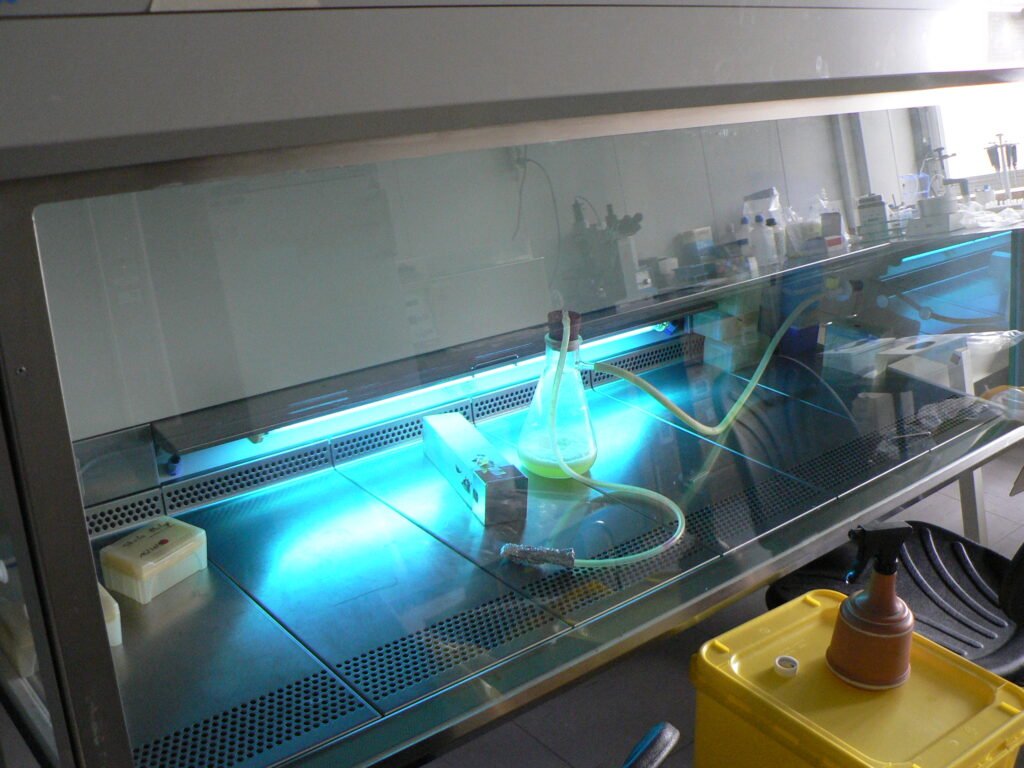
In the realm of wastewater treatment, Low Pressure (LP) UV systems present an effective method for disinfecting water. These systems employ ultraviolet light to inactivate harmful microorganisms, including bacteria and viruses, which are often present in untreated wastewater. Unlike chemical disinfection methods, LP UV systems do not introduce any chemicals into the water, making them an environmentally friendly alternative. As a specialized topic within Advanced Disinfection Technologies, LP UV systems occupy a central position in modern wastewater disinfection — offering the lowest energy consumption per unit volume treated of any UV technology currently in widespread use.
The design and implementation of LP UV systems in wastewater treatment require consideration of several factors, including the quality of the incoming water, the necessary dose of UV light to achieve disinfection, and the hydraulic conditions of the treatment site. Understanding these variables is crucial for the successful operation of an LP UV system. Maintenance is also a key component, as the performance of the system is dependent on the cleanliness and integrity of the UV lamps and the associated components.
Basics of UV Disinfection
Ultraviolet (UV) disinfection is an effective method for inactivating pathogens in wastewater. Low Pressure (LP) UV Systems play a crucial role in this process by using UV light at specific wavelengths.
UV Light and Its Disinfection Properties
UV light, particularly at the germicidal wavelength of 254 nanometers, is highly effective at disrupting the DNA and RNA of microorganisms, rendering them unable to reproduce and infect. LP UV Systems in wastewater utilize this property to quickly and efficiently disinfect large volumes of water without the addition of chemicals, which can avoid potential by-product issues.
Comparison with High Pressure (HP) UV Systems
LP UV Systems have some distinctive differences when compared with High Pressure (HP) UV Systems:
- Energy Efficiency: LP systems typically operate at a lower electrical power than HP systems, making them more energy-efficient and cost-effective for continuous use.
- Lamp Temperature: LP UV lamps run cooler, which may contribute to longer lamp life and reduced maintenance costs.
- Spectral Output: While both systems emit UV light at the germicidal wavelength, LP UV lamps have a higher proportion of their total output within this effective range.
LP and HP UV systems both provide a barrier to pathogens but may be utilized differently based on the specific requirements of a wastewater treatment facility.
Design and Components of LP UV Systems
Low Pressure (LP) UV Systems play a crucial role in wastewater treatment by using ultraviolet light to disinfect effluent, neutralizing pathogens effectively.
Lamp Types and Configurations
LP UV Systems utilize low-pressure mercury vapor lamps which emit UV light at the germicidal wavelength of 254 nanometers. They are categorized based on their intensity and the area they can disinfect:
- Low-intensity lamps are suitable for small-scale applications, usually encased in protective sleeves.
- High-intensity lamps are used for larger treatment facilities, capable of treating high volumes of wastewater.
Lamps can be configured in an array by positioning them:
- In parallel rows, to maximize exposure in channels with high flow rates.
- In staggered patterns, to ensure consistent irradiance distribution for complex flow patterns.
Reactors and Containment
The reactor design is essential for the efficient operation of LP UV Systems and includes:
- Chamber Material: Typically built from stainless steel for durability and reflectivity.
- Containment Vessels: Designed to house the UV lamps securely while allowing maximum exposure to the effluent.
- Cleaning Mechanisms: Equipped with systems like wipers or air scouring to prevent fouling on the lamp sleeves.
Reactors can be:
- Open Channel Reactors, where effluent flows through a channel exposed to UV lamps.
- Closed Vessel Reactors, a pressurized system often used for higher throughputs and smaller footprints.
Operation of LP UV Systems
Low-pressure UV systems play a critical role in wastewater disinfection, operating by exposing harmful microorganisms to UV light, thereby inactivating them. These systems are calibrated to balance the flow rates with lamp intensity for optimal performance.
Flow Rates and Lamp Intensity
The efficacy of LP UV systems in wastewater treatment is highly dependent on the correlation between flow rates and UV lamp intensity. The UV lamps are typically designed to provide a consistent output, which can be adjusted in response to real-time flow data to ensure effective disinfection. Systems must maintain appropriate UV intensity to counteract the flow rates; too high a flow can result in inadequate exposure, while too low a flow may lead to energy waste and potential overheating issues.
Important Considerations:
- Flow rates must be matched with the UV intensity to maintain adequate disinfection.
- Sensors often measure real-time UV intensity to adjust the lamp output as needed.
Maintenance and Lifespan
The sustainability of LP UV systems is closely tied to routine maintenance and understanding the lifespan of the system components. Lamps typically have a lifespan of 8,000 to 12,000 hours and should be replaced before they burn out to avoid disruptions in treatment. The cleaning of quartz sleeves, which house the lamps, is also crucial as fouling from wastewater can shield microorganisms from UV light.
Best Practice Tips:
- Periodically check and clean quartz sleeves to ensure effective UV transmission.
- Monitor and replace lamps routinely, as a drop in UV intensity can compromise disinfection efficiency.
By adhering to these operational guidelines, LP UV systems can effectively disinfect wastewater, thus protecting public health and the environment.
Subtopic Overview: UV Water Treatment Technologies
Low pressure UV systems anchor a broader family of UV water treatment technologies, each suited to different flow conditions, effluent quality targets, and facility configurations. The subtopics below cover the full spectrum of UV technology variants and general UV treatment applications deployed in modern wastewater and water reuse programs.
Medium Pressure UV Systems
Medium pressure uv systems generate UV output across a broad polychromatic spectrum (200–300 nm) rather than the monochromatic 254 nm output of low-pressure lamps, making them particularly effective for photolysis of chloramines and destruction of compounds that are resistant to single-wavelength irradiation. A single medium-pressure lamp can replace a bank of 20–40 low-pressure lamps in terms of raw UV output, enabling a substantially smaller reactor footprint — an advantage at space-constrained retrofit installations. The tradeoff is higher energy consumption per unit of disinfection credit: MP systems typically require 3–5× more electrical energy than LP high-output systems to achieve equivalent log-inactivation of target pathogens. MP UV is therefore most commonly specified where reactor footprint is severely constrained, where chloramine destruction is a treatment objective alongside disinfection, or where a combined UV/advanced oxidation (UV/H₂O₂) process is required for trace organic contaminant destruction.
Amalgam UV Systems
Amalgam uv systems represent an evolution of the standard low-pressure mercury vapor lamp, using a mercury-indium amalgam fill to maintain stable UV output across a wider operating temperature range (20–90°C) than conventional LP lamps, which are optimized for a narrow temperature window around 40°C. This thermal stability makes amalgam lamps suitable for closed-vessel reactors where lamp temperature can rise significantly, and for installations in warm climates where channel water temperatures may otherwise cause conventional LP lamps to operate outside their efficiency range. Amalgam lamps also achieve higher UV power output per lamp — typically 300–1,000 watts per lamp compared to 20–150 watts for standard LP lamps — enabling higher-intensity systems with fewer lamps and less complex electrical infrastructure. Lamp life for amalgam units is generally comparable to standard LP lamps at 8,000–12,000 hours, though some manufacturers now offer extended-life amalgam lamps rated to 16,000 hours at rated output.
Smart UV Control in Wastewater Treatment
Smart uv control wastewater systems integrate real-time UV transmittance (UVT) monitoring, flow-paced dose control, and predictive lamp degradation algorithms to optimize disinfection performance and energy consumption simultaneously. Rather than operating lamps at fixed output regardless of actual disinfection demand, smart control systems modulate lamp intensity in response to UVT sensor readings and instantaneous flow rate, maintaining the minimum dose required for permit compliance while reducing energy consumption by 20–40% compared to fixed-output operation. Advanced systems also track the running-hour degradation curve of each lamp module individually, predicting when output will fall below the design dose threshold and scheduling replacement before a compliance event occurs. Integration with plant SCADA systems enables remote alarming, data logging for regulatory reporting, and optimization across multiple UV banks operating in parallel during peak-flow and low-flow conditions.
LED UV Systems in Wastewater Treatment
Led uv systems wastewater applications are an emerging area of significant interest, as UV-C LED technology eliminates mercury from the disinfection process entirely and offers instantaneous on/off switching without the warm-up period required by mercury vapor lamps. Current UV-C LEDs emit at wavelengths of 255–280 nm with wall-plug efficiencies of 3–10%, compared to 30–40% for LP mercury lamps — meaning LED systems currently consume 3–10× more electrical energy to deliver the same UV dose. This efficiency gap is narrowing rapidly as LED manufacturing technology matures; commercial UV-C LED reactor systems are already deployed in niche applications including point-of-use drinking water treatment, pharmaceutical water systems, and small-scale wastewater reuse units where mercury elimination, compact size, and instant-on capability justify the higher energy cost. Full-scale municipal wastewater LED UV systems remain in early pilot and demonstration phases as of current development trajectories, but the technology trajectory points toward cost-competitive LED UV for mainstream wastewater disinfection within the next 10–15 years.
UV Wastewater Treatment: General Applications
Uv wastewater treatment encompasses the full range of applications where UV irradiation is used as the primary or supplemental disinfection step in a wastewater treatment train, from small package plants serving communities of a few hundred people to large metropolitan POTWs treating hundreds of millions of gallons per day. At municipal scale, UV disinfection has largely replaced chlorination as the terminal disinfection step at plants discharging to sensitive receiving environments where chlorine residual toxicity to aquatic life is a regulatory concern, eliminating the need for dechlorination chemicals and the associated operational complexity. In water reuse applications, UV disinfection provides a critical pathogen reduction barrier — typically achieving 3–6 log inactivation of bacteria and 4+ log inactivation of viruses depending on dose and reactor validation protocol — that is a mandatory component of most state recycled water program treatment train requirements. Dose requirements are expressed as mJ/cm² and are established through bioassay validation using challenge microorganisms (typically MS2 coliphage for virus credit and Bacillus subtilis spores for protozoa credit) in reactors hydraulically challenged at peak design flow and minimum UVT conditions.
UV Treatment of Wastewater: Process Integration
Uv treatment of wastewater is most effective when properly positioned within the overall treatment train and when the upstream process reliably delivers effluent quality within the UV system’s validated operating envelope. UV dose delivery is directly proportional to UV transmittance (UVT) of the effluent — a 10% decrease in UVT at 254 nm typically requires a 15–25% increase in UV dose (i.e., longer exposure time or higher lamp output) to maintain the same log-inactivation credit. Secondary effluent from conventional activated sludge typically has a UVT of 60–75% at 254 nm; MBR effluent achieves 80–90% UVT due to the membrane’s superior TSS removal, enabling smaller UV reactors or lower lamp counts for the same dose. Pre-UV filtration — sand filtration, cloth media filtration, or membrane filtration — is routinely specified at plants where secondary clarifier effluent TSS is variable or periodically elevated, as suspended solids particles can shield embedded pathogens from UV irradiation and cause dose credit failures even when bulk UVT is within acceptable range.
UV Treatment for Wastewater: Selection Criteria
Uv treatment for wastewater technology selection involves a structured evaluation of open-channel versus closed-vessel reactor configurations, LP versus MP versus amalgam lamp types, and the required validation protocol for the regulatory context in which the system will operate. Open-channel UV systems — horizontal lamps submerged in concrete or stainless steel channels — are standard for large municipal plants because they are easy to inspect, clean, and maintain without taking the reactor offline, and the open-channel configuration facilitates validation using the standard biodosimetry protocol. Closed-vessel systems are preferred for smaller flows, pressurized distribution systems, and applications where odor containment or operational flexibility (bypass without open-channel overflow risk) is required. Reactor validation using the NSF/ANSI 55 standard (for residential/commercial drinking water) or the EPA UV Disinfection Guidance Manual (UVDGM) protocol (for municipal wastewater) is a prerequisite for regulatory UV dose credit; unvalidated reactors cannot receive log-inactivation credit regardless of their measured UV output.
UV Light Wastewater Treatment: Dose and Validation
Uv light wastewater treatment dose is the product of UV irradiance (mW/cm²) and exposure time (seconds), expressed in mJ/cm². Regulatory minimum doses for municipal secondary wastewater disinfection in the United States typically range from 30 to 100 mJ/cm² depending on the effluent standards and reuse category, with higher doses (80–186 mJ/cm²) required for advanced reuse applications including indirect potable reuse. Reactor validation is performed by hydraulic modeling (computational fluid dynamics, CFD) combined with biodosimetry challenge testing using a surrogate organism at defined flow rates, UVT values, and lamp output levels — establishing a validated dose-response curve that regulators accept as proof of performance under worst-case operating conditions. Sensors integrated into the reactor — typically online UVT monitors and UV intensity sensors positioned at defined locations within the reactor — provide the continuous operational data that validate ongoing performance against the validated operating envelope during normal operation.
UV Light Water Sterilization
Uv light water sterilization — achieving complete inactivation of all viable microorganisms rather than the log-reduction disinfection targets of municipal wastewater treatment — requires UV doses substantially higher than standard disinfection practice, typically 250–400 mJ/cm² or more, depending on the target organism and required sterility assurance level. True sterilization by UV is applied in pharmaceutical water systems, laboratory research water, semiconductor manufacturing ultrapure water, and aquaculture water treatment — contexts where any surviving microbial contamination causes product failure or regulatory non-compliance. In drinking water and municipal wastewater contexts, the term “sterilization” is often used loosely to mean high-level disinfection rather than absolute sterility; regulatory frameworks use log-inactivation targets (e.g., 4-log virus, 3-log Giardia, 2-log Cryptosporidium) rather than sterility as the performance benchmark. Point-of-use UV sterilization units for household drinking water typically operate at doses of 30–40 mJ/cm² — adequate for disinfection of microbiologically safe source water but insufficient for sterilization in the technical sense.
Comparison of UV System Types for Wastewater Disinfection
| UV System Type | Wavelength Output | Power per Lamp | Energy Efficiency | Best-Fit Applications | Key Limitations | Lamp Life |
|---|---|---|---|---|---|---|
| Low Pressure (LP) Standard | Monochromatic — 254 nm | 20–150 W | Very High (30–40% wall-plug efficiency) | Municipal secondary disinfection; large open-channel systems; energy-sensitive applications | Temperature-sensitive; large lamp counts at high flows; slower response to flow changes | 8,000–12,000 hrs |
| LP High Output (LPHO) | Monochromatic — 254 nm | 150–400 W | High (25–35% wall-plug efficiency) | Medium-to-large municipal plants; retrofit of existing channel banks | Narrower temperature tolerance than amalgam; fewer lamps needed than standard LP | 8,000–12,000 hrs |
| Amalgam (LP) | Monochromatic — 254 nm | 300–1,000 W | High (30–38% wall-plug efficiency) | Closed-vessel systems; warm-climate installations; high-flow sites requiring fewer lamps | Higher per-lamp cost; requires amalgam handling at disposal | 8,000–16,000 hrs |
| Medium Pressure (MP) | Polychromatic — 200–300 nm | 1,000–30,000 W | Low (10–15% wall-plug efficiency) | Space-constrained retrofits; chloramine destruction; UV/AOP combined systems | 3–5× higher energy than LP; high heat generation; more complex cooling requirements | 4,000–8,000 hrs |
| LED UV (UV-C) | Tunable — 255–280 nm | Variable (module-based) | Low–Medium (3–10%, improving rapidly) | Point-of-use; pharmaceutical water; niche reuse; mercury-free applications | High capital cost; low efficiency at current state of development; limited full-scale validation | 10,000–20,000+ hrs (no warm-up degradation) |
| Smart UV Control Systems | Varies (applied to LP or MP base technology) | Varies | 20–40% energy reduction vs. fixed-output operation | Plants with variable flow and UVT; facilities with energy cost reduction targets; SCADA-integrated plants | Higher instrumentation and control cost; requires quality UVT sensor maintenance | N/A (control layer; lamp life per base technology) |
Implementation Considerations
When considering the implementation of Low Pressure (LP) UV Systems in wastewater treatment, two primary areas need thorough evaluation: the unique challenges presented by the specific site and adherence to the regulatory frameworks governing the use of such systems.
Site-Specific Challenges
Each wastewater treatment site presents its unique set of challenges which must be assessed when implementing LP UV systems. These challenges can range from spatial constraints to water quality parameters such as turbidity and flow rates. Spatial constraints can impact the design and configuration of the UV system, requiring customized solutions for each facility. It’s crucial to evaluate the water quality, as high levels of suspended solids or certain contaminants can inhibit UV transmission, necessitating pre-treatment steps to ensure effective disinfection.
Regulatory Compliance
Incorporating LP UV Systems into wastewater treatment processes must be aligned with the stringent regulatory guidelines. Entities must comply with the U.S. EPA’s criteria on the use of UV disinfection, ensuring that systems are designed and operated to meet disinfection efficiency standards. Furthermore, record-keeping and reporting practices are required to demonstrate ongoing compliance with effluent quality standards as stipulated by environmental protection agencies. Failure to adhere to these regulations can result in penalties, making compliance a critical pillar in the implementation of LP UV systems.
Environmental Impact and Sustainability
Low-pressure (LP) UV systems in wastewater treatment represent a significant advancement in environmental sustainability, particularly in the aspects of energy efficiency and chemical usage reduction. These systems provide a non-invasive means to disinfect water, leveraging ultraviolet light without the extensive use of harmful chemicals.
Energy Efficiency
LP UV systems are designed to be significantly more energy-efficient than their high-pressure counterparts. They operate at a lower power range, typically around 20-40 watts per lamp, which translates into lower energy consumption for the same volume of wastewater treated. This is of particular importance given the large volumes of water processed in municipal wastewater facilities. Reduced energy use not only results in cost savings but also diminishes the overall carbon footprint of wastewater treatment.
- Lamp Types: LP UV lamps (often mercury vapor lamps)
- Typical Power Range: 20-40 watts per lamp
- Energy Savings: Lower energy consumption per meter cubed of treated wastewater
Chemical Usage Reduction
Wastewater treatment traditionally relied heavily on chemical disinfectants, such as chlorine. However, LP UV systems have transformed this paradigm by offering an effective disinfection process that significantly cuts down the use of these chemicals. This mitigates the risk of releasing harmful byproducts into the environment, ensuring a more ecologically responsible treatment method. Consequently, LP UV systems are a cornerstone technology in modern wastewater management, aligning with global efforts to reduce industrial chemical footprints.
- Traditional Disinfectants: Chlorine and other chemicals
- Byproduct Reduction: Minimizes harmful byproducts from chemical disinfectants
- Environmental Benefit: Less chemical contamination in discharged water
Technological Advances in LP UV
Low-pressure UV systems have seen significant technological advancements aimed at enhancing wastewater treatment efficacy and energy efficiency.
Innovations in Lamp Technology
Low-pressure UV lamps have undergone substantial improvements, particularly in terms of energy efficiency and operational lifespan. Manufacturers have achieved progress by developing new lamp designs that provide a greater surface area for emission, which maximizes UV output while minimizing energy consumption. Furthermore, advancements in the material composition of the lamps’ protective sleeves have led to increased UV transmittance and reduced lamp fouling.
Control Systems Improvements
The control systems of LP UV systems in wastewater are critical for maintaining optimum performance. Recent enhancements include the integration of smart sensors that continually measure UV transmittance and intensity. These sensors enable real-time adjustments to lamp output, ensuring consistent disinfection while conserving energy. Innovations in control system software also allow for sophisticated data analysis and remote monitoring, supporting proactive maintenance and troubleshooting.
By embracing these technological advances, low-pressure UV systems are setting new standards in wastewater treatment efficiency and effectiveness.
Field Notes: Practical Guidance for LP UV System Operation
Commissioning and Validation
Commissioning an LP UV system in a wastewater application is inseparable from the regulatory validation process — a system cannot receive dose credit for permit compliance until the reactor has been validated at the design flow, minimum UVT, and minimum lamp output conditions that define its operational envelope. Pre-commissioning steps include hydraulic verification of the channel or vessel flow distribution (using tracer studies or CFD confirmation), baseline UVT characterization of the secondary effluent across seasons and flow conditions, and lamp output calibration against manufacturer-certified intensity readings. Where a new LP UV system is replacing an existing chlorination system, staggered commissioning — maintaining the chlorination capability until the UV system has completed full validation — is strongly advisable to avoid a compliance gap during the transition period. Biodosimetry validation tests using MS2 coliphage as the challenge organism are required by most state regulatory agencies before log-inactivation credit will be granted; these tests must be conducted at the worst-case conditions specified in the permit (peak flow, minimum UVT, minimum lamp output) to establish the validated operating envelope boundaries.
Common Specification and Design Mistakes
The most frequent LP UV specification error is designing for average dry-weather UVT without accounting for wet-weather dilution effects and seasonal variation. Secondary effluent UVT typically drops 5–15 percentage points during wet-weather events as diluted, poorly-settled mixed liquor passes through the clarifiers — at the same time peak flow is demanding more dose from the UV system. Specifying design UVT based on average conditions means the system is undersized precisely when disinfection demand is highest. A second common mistake is failing to include adequate redundancy: UV regulations typically require that the system meet permit limits with one lamp bank out of service, and systems specified without this N+1 redundancy require complete system shutdown for maintenance events that otherwise would be routine. Finally, neglecting quartz sleeve cleaning system maintenance — particularly in high-TSS or high-iron effluents where fouling is rapid — is the leading cause of premature dose delivery failure between planned maintenance cycles.
O&M Comparison Across UV System Types
LP standard systems have the highest routine maintenance burden per unit of UV output — large lamp counts require more frequent individual lamp replacements and more extensive sleeve cleaning programs — but the lowest cost per lamp at replacement. Amalgam systems require fewer lamp changes due to higher per-lamp output, but each lamp is more expensive and requires compliant mercury amalgam disposal. MP systems have the lowest lamp count but the shortest lamp life (4,000–8,000 hours versus 8,000–12,000 for LP) and the highest energy cost, making their total O&M cost per megaliter treated the highest of the established technologies. Smart control systems applied to any lamp technology reduce energy cost and extend lamp life by reducing unnecessary high-output operation — the combination of LPHO lamps with demand-based dose control consistently delivers the lowest total O&M cost of any current UV configuration for municipal secondary wastewater disinfection. All UV systems require annual calibration of UV intensity sensors against NIST-traceable standards and periodic replacement of online UVT monitor optical windows and reference cells, which are easily overlooked items that directly affect dose control accuracy.
Design Details and Standards
Sizing Methodology
LP UV systems are sized on the basis of validated UV dose delivery at peak design flow and minimum design UVT. The design sequence is: (1) establish peak design flow from flow duration curves (peak hourly or peak day, per regulatory requirements); (2) characterize minimum design UVT from effluent monitoring data, including wet-weather events — typically the 10th percentile of all UVT measurements; (3) determine required validated dose from the permit or reuse program requirements; (4) use manufacturer’s validated dose-response curves to determine the number and configuration of lamp banks required to deliver the required dose at the defined worst-case conditions; (5) add redundancy per regulatory requirements (typically N+1 lamp banks); (6) verify hydraulic head availability for open-channel systems or pump pressure ratings for closed-vessel systems. Design UV doses for secondary municipal wastewater disinfection in the U.S. range from 30–65 mJ/cm² for standard discharge permits to 80–186 mJ/cm² for reuse applications.
Applicable Standards and References
- EPA UV Disinfection Guidance Manual (UVDGM, 2006) — Primary federal reference for UV reactor validation protocol, dose-response relationships, and operational monitoring requirements for municipal wastewater applications
- NWRI/AwwaRF UV Guidelines (2012) — Widely adopted consensus standard for UV disinfection in water reuse applications, specifying validation requirements and minimum dose targets by reuse category
- USEPA NPDES Permit Requirements — Site-specific effluent limits establishing the fecal coliform or E. coli reduction targets the UV system must reliably achieve
- NSF/ANSI 55 — Certification standard for UV systems used in drinking water treatment; referenced for small-scale and point-of-use UV applications
- Ten States Standards — Regional design guidance covering UV system sizing, redundancy, and monitoring requirements for municipal wastewater applications in member states
Case Studies and Real-world Applications
Low Pressure (LP) UV Systems have been increasingly adopted in various wastewater treatment applications around the globe. These systems leverage the germicidal properties of ultraviolet (UV) light to disinfect wastewater efficiently and without the use of chemicals.
In one notable case study, a municipal wastewater treatment facility implemented an LP UV system to replace its outdated chlorination process. The switch resulted in a significant reduction in disinfection byproducts and improved the safety of the discharged water. This facility reported a consistent 99.9% reduction in pathogens, which met stringent environmental standards for water reuse.
Another application involved an industrial plant where the wastewater contained a high level of organic contaminants. By integrating an LP UV system, the plant not only achieved high-level disinfection but also saw a decrease in operational costs due to the system’s low energy consumption and minimal maintenance requirements.
A clear example of LP UV systems in action is found in remote locations. A small community with limited access to chemical supplies chose to employ a solar-powered LP UV disinfection unit for treating their wastewater. This eco-friendly solution provided a reliable and sustainable method of disinfection, highlighting the technology’s adaptability to various situations.
These real-world applications demonstrate the versatility and effectiveness of Low-Pressure UV systems in wastewater treatment. By offering a non-chemical disinfection method, these systems provide a practical solution for modern wastewater management challenges.
Related Topics
UV disinfection is one of several advanced non-chemical treatment technologies deployed in modern wastewater and water reuse facilities. Photocatalytic Water Treatment uses light-activated catalysts — most commonly titanium dioxide — to generate hydroxyl radicals that oxidize and destroy organic contaminants and pathogens, often in combination with UV irradiation, making it a closely related advanced oxidation technology. For applications where sorption-based contaminant removal complements disinfection in a multi-barrier treatment train, Advanced Adsorption Methods such as hydrochar and activated carbon adsorption address dissolved organic micropollutants and emerging contaminants that UV irradiation alone does not remove. Electromagnetic Water Treatment represents another non-chemical treatment approach, using magnetic and electromagnetic fields to influence contaminant behavior and reduce scaling — a technology increasingly evaluated alongside UV systems in integrated advanced treatment configurations.
Frequently Asked Questions
How does UV disinfection in wastewater treatment work?
Low-pressure UV disinfection in wastewater treatment involves exposing microorganisms to ultraviolet light. This light penetrates their cells and damages the nucleic acids, disrupting their DNA and preventing them from reproducing, which effectively renders them harmless.
What are the cost considerations for implementing UV disinfection systems in wastewater treatment?
The initial cost of installing low-pressure UV systems includes the price of the UV lamps, reactors, and related infrastructure. Long-term costs encompass energy consumption, maintenance, and periodic replacement of lamps. Cost efficiency generally improves with the scalability of the treatment facility.
What are the main differences between low and medium-pressure UV lamps?
Low-pressure UV lamps operate at cooler temperatures and have a narrow but intense emission spectrum of 254 nanometers, ideal for disinfection. Medium-pressure UV lamps emit a broader spectrum and operate at higher temperatures, requiring more power and potentially offering higher flow rates.
What are some potential drawbacks of using UV sterilization in water treatment?
Potential drawbacks of UV sterilization include the need for clear water to ensure effective pathogen inactivation, limited residual disinfection capability post-treatment, and the possibility of some microorganisms being resistant to UV light, requiring proper dosage and system design.
Can UV systems be used in sewage treatment plants, and what are their advantages?
UV systems are indeed used in sewage treatment plants due to their effectiveness at inactivating pathogens without the use of chemicals, thereby avoiding byproduct formation and potential chemical handling issues. They are also advantageous for their relatively quick treatment time and ease of integration into existing systems.
How do UV disinfection systems contribute to the overall process of wastewater treatment?
UV disinfection systems serve as a final barrier to pathogenic organisms in the wastewater treatment process. By inactivating bacteria, viruses, and protozoa, they ensure that the treated water released into the environment or reused is safe, significantly reducing the risk of waterborne diseases.
Conclusion
Key Takeaways
- LP UV systems deliver the highest energy efficiency of any UV technology — operating at 30–40% wall-plug efficiency and 20–40 watts per lamp, LP systems consume significantly less energy per megaliter treated than medium-pressure alternatives, making them the default choice for energy-sensitive large municipal applications.
- System validation at worst-case conditions is a regulatory prerequisite, not a commissioning option — UV dose credit cannot be granted until biodosimetry validation at peak flow, minimum UVT, and minimum lamp output has been completed and accepted by the permitting agency.
- Design UVT must reflect wet-weather and seasonal minima, not average conditions — secondary effluent UVT drops 5–15 percentage points during wet-weather events precisely when peak flow is demanding more dose; undersizing for average conditions creates compliance risk at the worst time.
- Online UVT monitoring enables real-time dose control that grab-sample analysis cannot — continuous UVT sensors upstream of the reactor allow the control system to respond to effluent quality changes before a dose-deficient event occurs, while demand-based control reduces energy consumption by 20–40% compared to fixed-output operation.
- The UV technology family is expanding rapidly — amalgam and smart control systems are extending LP UV performance, LED UV is approaching commercial viability for municipal applications, and medium-pressure systems remain the best fit for space-constrained or AOP-integrated configurations.