
Blackwater in Wastewater Treatment: Understanding the Challenges and Solutions
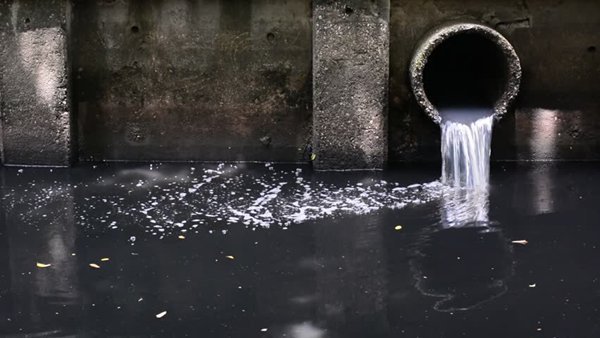
Blackwater in wastewater refers to the waste fluid that originates from toilets and, sometimes, kitchen sinks within a household or a commercial establishment. This type of wastewater is distinguished from greywater, which comes from sources like showers and washing machines, by its high levels of organic matter, pathogens, and nutrients. As such, blackwater poses a significant challenge in terms of treatment and disposal due to its potential environmental impact if not managed correctly.
The proper management of blackwater is thus crucial for environmental protection and public health. Innovative treatment technologies and strategies are continuously being developed to address these challenges. Regulations and standards have been established in many places to ensure that the treatment and disposal of blackwater are conducted in a manner that minimizes risks to ecosystems and human communities. Blackwater and greywater together define the field of onsite and decentralized reuse and disposal, and the decision to keep the two streams separate or combine them is the single most consequential choice in any building-scale water system. Additionally, there is a growing interest in the reuse and recycling of treated blackwater as a way to conserve water and recover valuable resources.
Key Takeaways
- Blackwater contains high levels of organic matter and pathogens, differentiating it from other types of wastewater.
- Effective management and innovative treatment of blackwater are essential for environmental and public health.
- Recycling and reuse of treated blackwater contribute to water conservation and resource recovery.
Overview of Blackwater
Blackwater is a term used to describe wastewater containing fecal matter and urine. It originates primarily from toilets and is distinguished by its high concentration of organic matter and pathogens.
Traditionally, blackwater is considered a major challenge in waste management due to its potential health risks. Once produced, it typically undergoes treatment to reduce its environmental impact before being discharged.
The composition of blackwater makes it rich in nutrients like nitrogen and phosphorus, which can be beneficial if treated correctly. Here is a basic outline of its constituents:
- Organic solids: feces, toilet paper
- Nutrients: nitrogen, phosphorus, potassium
- Pathogens: bacteria, viruses, parasites
- Chemicals: medicinal residues
Treatment methods vary, with technologies ranging from septic tanks to more sophisticated systems like biological nutrient removal (BNR). These processes aim to remove contaminants and reduce the water’s biochemical oxygen demand (BOD) and chemical oxygen demand (COD), which are indicators of water quality.
Alternatively, blackwater can be treated and repurposed for non-potable applications, such as agricultural irrigation or industrial processes. Such reclamation not only conserves water but also recycles valuable nutrients. However, the safety and regulations around reuse depend on thorough treatment to eliminate health risks.
Sources of Blackwater in Wastewater
Blackwater is a type of wastewater characterized by its high concentration of organic matter, pathogens, and nutrients. It significantly differs from greywater, which is the waste produced from activities such as laundry, dishwashing, and bathing.
The primary sources of blackwater include:
- Households: Toilets are the primary contributors to blackwater, as they combine human waste with flush water. Kitchens also contribute to a lesser extent when food waste is mixed with water during dishwashing.
- Commercial Facilities: Restrooms in commercial buildings produce blackwater. Additionally, commercial kitchens, especially those that serve meat, contribute to blackwater due to the presence of food scraps and grease.
- Medical Facilities: Hospitals and healthcare institutions produce blackwater that is often laden with pharmaceuticals, pathogens, and chemicals from various medical processes.
In summary, blackwater arises from waste that contains fecal matter, urine, and flush water from toilets, as well as waste from food preparation. It necessitates treatment to remove contaminants before being discharged or reused. Treatment processes are designed to reduce the environmental impact and risks to human health.
Volume matters as much as source when planning treatment. In a conventional building, blackwater represents only about 20 to 30 percent of total wastewater flow but carries the large majority of the pathogen load and roughly two-thirds of the nitrogen. That asymmetry is the entire rationale for source separation: keeping the small, concentrated, hazardous stream apart from the large, dilute, relatively benign one allows each to be treated by a process suited to it, rather than diluting the difficult stream into the easy one and treating everything to the same standard.
Composition of Blackwater
Blackwater refers to wastewater that is laden with fecal matter, urine, and flush water from toilets. It characteristically contains a high load of organic material, typically indicated by a high biological oxygen demand (BOD), and it is rich in pathogens.
Primary Constituents of Blackwater:
- Organic matter: Includes proteins, carbohydrates, fats, and feces.
- Pathogens: Bacteria, viruses, and parasites that are harmful to human health.
- Nutrients: High concentrations of nitrogen and phosphorus.
- Micro-pollutants: Traces of pharmaceuticals, hormones, and personal care products.
The treatment and management of blackwater are crucial due to its composition. Wastewater treatment ideally removes or neutralizes the organic matter and pathogens to protect public health and the environment before the water is released back into water cycles.
The typical characteristics of blackwater include:
- Color: Dark due to the presence of fecal matter.
- Odor: Strong, unpleasant smell from decaying organic material.
- Temperature: Generally warm, which can affect microbial activity.
Blackwater is distinct from greywater, which originates from sinks, showers, and kitchens, and generally contains fewer pathogens and lower levels of organic matter. Proper treatment of blackwater is key to maintaining hygiene standards and preventing waterborne diseases.
Concentration varies enormously with the collection method, and this single variable determines which treatment processes are even available. Blackwater collected through conventional 6-liter gravity flush toilets typically arrives at roughly 1,500 to 3,000 mg/L COD. The same waste collected through vacuum toilets using approximately 1 liter per flush arrives at 8,000 to 20,000 mg/L COD, because the organic load is unchanged while the carrier volume falls by a factor of five or six. Anaerobic digestion becomes energetically favorable only above roughly 1,500 to 2,000 mg/L COD, which means vacuum collection does not merely reduce water use — it converts blackwater from a waste requiring aerobic treatment into a feedstock capable of producing net energy.
Greywater and Blackwater Treatment: The Major Areas
The two streams that leave a building are defined against each other, and treatment strategy for either only makes sense in relation to the other. The sections below cover the major areas of greywater and blackwater practice, each of which is treated more fully on its own dedicated page.
Blackwater Sources, Risks, and Treatment
Understanding blackwater sources, risks, and treatment begins with pathogen characterization, because the health risk — not the organic load — is what sets the treatment standard. Untreated blackwater can carry enteric bacteria including Salmonella and pathogenic E. coli, viruses including norovirus, hepatitis A, and rotavirus, and protozoan cysts including Giardia and Cryptosporidium, the last of which is notably resistant to chlorine and generally requires UV or filtration for reliable inactivation. Helminth eggs are the most persistent class of all and are the governing organism in reuse guidelines for regions where they are endemic. Risk-based reuse frameworks express treatment requirements as log reduction targets by pathogen class rather than as effluent concentration limits, which is why two systems producing identical BOD figures can carry very different regulatory standing.
Residential Blackwater Treatment Systems
Residential blackwater treatment systems cover the onsite equipment that serves individual homes and small clusters where no sewer connection exists. The septic tank with subsurface drainfield remains the baseline in North America, providing primary settling and anaerobic digestion in the tank followed by soil-based treatment and dispersal in the field, with performance governed almost entirely by soil percolation rate and separation to groundwater or bedrock. Aerobic treatment units add a blower and an aerated chamber to produce a substantially better effluent, which is what allows them to serve sites with poor soils or tight setbacks, at the cost of power consumption and mechanical maintenance. Composting and urine-diverting toilets remove blackwater from the water system entirely, and package membrane bioreactors serve larger residential clusters where reuse-grade effluent is required. Sizing follows bedroom count rather than measured flow in most jurisdictions, and the local health authority rather than the state environmental agency is usually the permitting body.
Graywater Wastewater Treatment
Graywater wastewater treatment addresses the larger, weaker stream: water from showers, bathtubs, bathroom sinks, and laundry, amounting to roughly 50 to 80 percent of household flow at typically 100 to 400 mg/L BOD. Most codes distinguish light greywater, from bathing and laundry, from dark greywater, which includes kitchen sink and dishwasher discharge carrying fats, oils, grease, and food solids at strengths approaching blackwater. The defining operational constraint is that greywater turns septic within about 24 hours as residual organics deplete the dissolved oxygen, releasing sulfides and odor, so untreated greywater cannot be stored. Systems are therefore designed either to use it immediately, as in direct subsurface irrigation, or to treat and disinfect it promptly for storage. Surfactants, boron from detergents, and elevated sodium adsorption ratio are the constituents that matter for irrigation reuse, and they are the reason detergent selection becomes a system design consideration.
Greywater Recycling and Reuse
Greywater recycling covers the engineered systems that treat greywater to a defined standard and return it to service. Direct systems divert greywater to subsurface irrigation with minimal treatment, typically just filtration, and are the simplest and cheapest option where the code permits them. Treated systems add biological treatment, filtration, and disinfection to produce water fit for toilet flushing, laundry, or surface irrigation, and are what building-scale recycling in multi-residential and commercial projects generally means. Because toilet flushing accounts for roughly 25 to 30 percent of indoor demand and greywater supplies well over that, a recycling system is usually sized by the flush demand rather than by greywater availability, with surplus diverted to sewer. Dual plumbing, purple-pipe identification, cross-connection control, and backflow prevention are mandatory in every jurisdiction that permits the practice.
Environmental Impact of Blackwater
Blackwater refers to wastewater that contains fecal matter and urine. It is distinctive from greywater, which is water that has been used for washing dishes, laundry, and bathing, but doesn’t contain human waste. Blackwater has a significant environmental impact due to its high levels of pathogens and pollutants.
When not properly treated, blackwater can contaminate natural water sources. This results in the degradation of aquatic ecosystems, posing a risk to both wildlife and human health. Contaminated water can lead to the spread of waterborne diseases such as cholera and dysentery.
Nutrient Pollution: One of the environmental concerns with blackwater is the presence of nitrogen and phosphorus, which can cause eutrophication in water bodies. The excessive growth of algae depletes oxygen in the water, causing harm to aquatic organisms.
Groundwater Contamination: Improper disposal of blackwater can result in the contamination of groundwater, which many communities rely on for drinking water. This can introduce nitrates, pathogens, and other hazardous substances into drinking water supplies.
Soil Quality: The solid waste aspect of blackwater can also affect soil quality. If sewage sludge is not properly treated, it can be detrimental to soil health, affecting agricultural productivity and disturbing ecological balance.
Wastewater treatment is therefore essential to minimize these impacts. Treatment facilities are designed to mitigate these risks by treating wastewater to an acceptable level before it’s released or repurposed.
Blackwater Treatment Technologies
Treating blackwater, the wastewater from toilets that contains human waste is essential for environmental protection and water conservation. Various technologies are employed depending on the constituents of the blackwater and the desired quality of the effluent.
Biological Treatment Methods
Biological treatment methods rely on bacteria and other microorganisms to break down organic matter present in blackwater. Aerobic treatment systems, where microorganisms decompose waste in the presence of oxygen, are widely used. This includes technologies such as activated sludge processes, where air or oxygen is injected into a mix of wastewater and microorganisms. Anaerobic treatment, on the other hand, involves microorganisms that function in the absence of oxygen and includes the anaerobic digestion of sludge to reduce volume and produce biogas, a renewable energy source.
Physical Treatment Methods
Physical treatment methods remove solids and particulate matter from blackwater through processes that do not fundamentally change their composition. These methods include screening, which traps larger solids, and sedimentation, where gravity helps settle solid particulates. Filtration methods, such as sand filters or membrane technology, are also common for further purification. The aim here is to reduce turbidity and prepare the wastewater for subsequent treatment stages or disposal.
Chemical Treatment Methods
Chemical treatment methods involve adding chemicals to blackwater to facilitate the removal of pollutants. Chlorination is often used for disinfection to kill pathogenic organisms. Precipitation, where chemicals induce the formation of solid particles from dissolved substances, is another method used to remove phosphates and heavy metals. Adjusting pH levels, typically using acids or alkalis, is important to ensure optimal conditions for various treatment processes, as well as to meet regulatory compliance before discharge or reuse of the treated water.
Disinfection and Pathogen Barriers
Disinfection is the step that determines whether treated blackwater or greywater can be reused, and the choice of barrier depends on which organisms govern. Chlorination is inexpensive and provides a residual that protects distribution piping in dual-plumbed buildings, but it is unreliable against Cryptosporidium and forms disinfection byproducts in water carrying residual organics. Ultraviolet disinfection inactivates protozoa effectively and adds no chemicals, but it leaves no residual and its performance collapses if upstream turbidity rises, which makes filtration ahead of it a hard requirement rather than a refinement. Membrane filtration provides a physical barrier rather than a chemical or radiation dose, and membrane bioreactors are widely specified for building-scale reuse precisely because the membrane delivers a reliable log reduction independent of operator attention. Most reuse-grade systems specify multiple barriers in series, since regulatory frameworks credit each barrier separately toward the required log reduction target.
Comparing Greywater and Blackwater Management Approaches
The strategic choice in any building-scale system is whether to separate the streams and how far to treat each. The table below compares the arrangements in common use.
| Approach | Streams Handled | Typical Strength | Best-Fit Applications | Limitations | Relative Complexity |
|---|---|---|---|---|---|
| Combined Conventional Sewer | Greywater and blackwater mixed | ~250–600 mg/L BOD | Any site with sewer access; lowest building-side cost | No reuse at source; dilutes the concentrated stream; no nutrient recovery | Very low |
| Septic Tank and Drainfield | Combined, onsite | Same as combined | Rural and unsewered sites with suitable soils | Governed entirely by soil percolation and separation distances; limited nitrogen removal | Low |
| Aerobic Treatment Unit | Combined, onsite | Same as combined | Poor soils, tight setbacks, sensitive receiving environments | Requires power and mechanical maintenance; sensitive to intermittent occupancy | Moderate |
| Direct Greywater Diversion | Greywater only, to subsurface irrigation | ~100–400 mg/L BOD | Single-family homes in arid regions; landscape irrigation | Cannot be stored beyond ~24 hours; surface application usually prohibited | Low |
| Treated Greywater Recycling | Greywater treated and returned to service | Treated to reuse standard | Multi-residential and commercial toilet flushing and irrigation | Dual plumbing, cross-connection control, ongoing disinfection | Moderate to high |
| Vacuum Blackwater with Source Separation | Both, kept separate | Blackwater ~8,000–20,000 mg/L COD | New-build districts and campuses pursuing energy and nutrient recovery | Vacuum infrastructure must be built in; not retrofittable at reasonable cost | High |
The decision screen is short. If a sewer is available and reuse is not a project goal, the combined connection is almost always correct. If the goal is reducing potable demand, greywater recycling delivers the most water for the least complexity because greywater is both the larger and the weaker stream. If the goal is energy or nutrient recovery, only source separation with concentrated blackwater collection makes the numbers work, and it must be designed in from the beginning.
Selection and Specification Framework
Specifying a greywater or blackwater system means establishing the reuse objective first, then working backward through the required treatment standard to the collection method that makes it achievable.
Establishing the Objective and the Regulatory Standard
Begin with what the treated water is for, because end use determines the required log reduction targets and everything downstream follows from them. Subsurface irrigation carries the lowest requirement because human contact is minimal; toilet flushing in a dual-plumbed building carries a higher one because aerosol exposure is possible; unrestricted irrigation of edible crops carries the highest short of potable reuse. Identify the governing code before design begins, since jurisdiction varies more here than in almost any other area of water practice — the local health department, the state environmental agency, and the plumbing code authority may all have standing, and the most restrictive controls. Confirm whether treated greywater counts toward the building’s wastewater discharge allowance, because in some jurisdictions it does and that alone can justify the system.
Sizing from Stream Characteristics
Worked example: a 200-unit residential building housing approximately 440 people generates roughly 40 m³/d of greywater at 90 L per person per day, against blackwater of about 13 m³/d with conventional 6-liter flush toilets. Toilet flushing demand is approximately 12 to 13 m³/d, so a greywater recycling system sized to meet the entire flush demand needs to treat only about a third of available greywater, with the balance going to sewer — sizing on flush demand rather than greywater supply is the correct basis and avoids overbuilding by a factor of three. If the same building instead installed vacuum toilets at roughly 1 liter per flush, blackwater volume would fall to about 2.2 m³/d while the organic load stayed constant at roughly 26 kg COD per day, giving a concentration near 12,000 mg/L. At that strength anaerobic digestion becomes viable, and at approximately 0.35 m³ of methane per kg COD removed at around 70 percent removal, the stream would yield on the order of 6 m³ of methane per day — enough to be worth capturing, and impossible to obtain from the same waste diluted six-fold.
Comparing Against Centralized and Alternative Approaches
Onsite treatment should always be priced against the centralized alternative rather than assumed superior. Where a sewer connection exists, water reclamation at a municipal facility achieves better pathogen reduction under professional operation and continuous monitoring than most building-scale systems will sustain, and the comparison should weigh reliability rather than treatment capability alone. Where the objective is to displace potable demand, the range of wastewater reuse applications available to a site — irrigation, cooling makeup, toilet flushing, industrial process water — determines how much treated water can actually be absorbed, and a system producing more than the site can use is simply an expensive sewer. The treatment standard required in each case follows from where the end use falls on the potable versus non-potable reuse spectrum, which is the classification every reuse regulation is built around.
Matching the Choice to Building Type and Operations
Onsite systems fail on operations far more often than on engineering. A single-family home with a direct greywater diversion needs almost nothing beyond periodic filter cleaning and appropriate detergent selection, which is why that configuration succeeds where more ambitious ones do not. A treated recycling system in a multi-residential building needs someone accountable for disinfection performance, cross-connection integrity, and filter maintenance indefinitely, and buildings without facilities staff should not be specified one. Source-separated vacuum systems require both design-stage commitment and an operator who understands anaerobic digestion, which restricts them in practice to campuses, districts, and institutional developments with technical staff.
Regulations and Standards for Blackwater Disposal
Blackwater, the wastewater from toilets that contains human waste, is subject to strict regulations to ensure environmental protection and public health. Regulated by entities such as the U.S. Environmental Protection Agency (EPA), several guidelines and standards have been established for its safe treatment and disposal.
The Clean Water Act underpins much of the regulatory framework, mandating that blackwater discharge meets specific quality standards before it can be released into the environment. These standards are enforced through National Pollutant Discharge Elimination System (NPDES) permits, which all facilities must obtain.
For onsite systems, the EPA has published a detailed Design Manual that provides comprehensive guidelines on the proper treatment and disposal of blackwater. This document is essential for designers and operators of septic systems and similar on-site treatment solutions.
- Primary Treatment: Removal of solids from wastewater.
- Secondary Treatment: Utilization of biological processes to further break down organic matter.
Effluent Guidelines are also crucial, setting national standards for wastewater from different industrial categories. The EPA’s regulations are informed by what is technologically achievable and economically reasonable.
Municipalities and local authorities can enact their regulations, which may be more stringent than federal ones. These local regulations usually align with the EPA’s recommendations, ensuring that the disposal of blackwater does not harm ecosystems or pose risks to human health. Compliance is vital, and facilities that treat wastewater are subject to regular inspections and monitoring to ensure adherence to all applicable standards.
Greywater regulation follows an entirely separate and far less uniform path. There is no federal greywater standard, and authority sits with states and often with local health departments, producing wide variation in what is permitted. Some states allow direct subsurface irrigation from laundry and bathing fixtures with no permit at all below a threshold flow; others require permitting for any greywater use; a few effectively prohibit it by classifying all greywater as sewage. Kitchen sink discharge is excluded from the greywater definition in most jurisdictions precisely because of its fats, oils, and grease content. Anyone designing a greywater system must therefore establish the governing local rule before anything else, because the same installation may be permit-exempt in one county and prohibited in the next.
Blackwater Reuse and Recycling
Blackwater reuse involves the treatment and recycling of wastewater from toilets, kitchen sinks, and dishwashers, which contain organic matter, nutrients, and pathogens. High-level processing is essential to ensure its safety for reuse.
Agricultural Reuse
Agricultural reuse of treated blackwater can provide valuable nutrients for crop production. Systems that reclaim blackwater for agriculture typically incorporate advanced treatment processes to remove contaminants and pathogens. The water is then used for irrigation purposes, reducing the stress on freshwater resources.
Landscape Irrigation
In landscaping, recycled blackwater serves as a sustainable source for maintaining green spaces, especially in arid regions. Treatment levels must be sufficient to protect plant life and minimize human exposure. Reuse for landscape irrigation can considerably lower freshwater consumption used for decorative vegetation, parks, and golf courses.
Industrial Applications
Industries utilize treated blackwater in various processes, such as cooling water systems and concrete production. By substituting fresh water with recycled blackwater, industries can significantly reduce their environmental footprint and contribute to water conservation efforts. This reuse demands rigorous treatment to meet industry-specific water quality standards.
Each application of blackwater reuse and recycling must strictly adhere to local and international health and safety regulations to protect the environment and human health.
Nutrient Recovery from Source-Separated Streams
Where blackwater is collected separately and at strength, the nutrients it carries become recoverable rather than merely removable. Urine alone contributes roughly 80 percent of the nitrogen and 50 percent of the phosphorus in domestic wastewater while representing about one percent of the volume, which is why urine-diverting collection attracts sustained research attention. Struvite precipitation from concentrated blackwater or digestate recovers magnesium ammonium phosphate as a slow-release fertilizer, and ammonia stripping recovers nitrogen as an ammonium sulfate solution. Both routes convert a treatment cost into a product, and both depend absolutely on the stream not having been diluted with greywater first. The economics remain marginal against commodity fertilizer prices in most markets, but they improve considerably when the avoided cost of nitrogen removal at the receiving plant is credited to the recovery system.
Field Notes
Greywater and blackwater systems rarely fail on process design. They fail because the reuse standard was misjudged at the outset, because storage was provided for a stream that cannot be stored, or because nobody was made responsible for the disinfection step after the commissioning engineer left.
Commissioning Considerations
Cross-connection testing is the single most important commissioning activity in any dual-plumbed building, and it should be witnessed and documented rather than certified on paper. Pressure-test the reuse and potable systems independently, dye-test the reuse system, and verify that every reuse outlet is labeled and that no potable fixture draws from the reuse main. Confirm purple pipe identification is continuous, including in ceiling voids and risers where later trades will work. Establish baseline disinfection performance — UV transmittance and dose, or chlorine residual and contact time — at design flow, because that baseline is what later performance is measured against. Run the system at reduced occupancy first if the building is filling gradually, since biological treatment stages need weeks to establish and a system commissioned at full design load on day one will pass water it has not actually treated.
Common Specification Mistakes
The most common error is designing greywater storage as though greywater were rainwater. Untreated greywater goes septic within about 24 hours, and a tank sized for three days of storage will produce sulfide odor complaints from the moment it is commissioned. A second frequent error is including kitchen sink and dishwasher discharge in the greywater collection, which loads the system with fats, oils, and grease that most greywater treatment trains are not designed to handle and which is excluded from the greywater definition in most codes anyway. Designers also routinely size greywater recycling on available supply rather than on the demand it will serve, producing a system three times larger than the flush load requires. Selecting UV disinfection without adequate upstream filtration is a recurring failure, since UV performance falls off sharply with turbidity. Finally, source-separated vacuum systems are sometimes proposed as retrofits, where the cost of installing vacuum collection into an occupied building almost always exceeds any benefit.
Operations and Maintenance Across System Types
Maintenance demand scales with treatment ambition. Direct greywater diversion needs periodic filter cleaning, occasional flushing of the distribution field, and household awareness about detergents — sodium and boron in some products accumulate in irrigated soils and are the most common cause of plant decline in greywater-irrigated landscapes. Treated recycling systems need the same plus disinfection verification, and the disinfection step is what actually gets neglected: UV lamps age and require replacement on a schedule regardless of whether they still illuminate, and quartz sleeves foul and need cleaning. Septic systems need pumping on a three-to-five-year cycle and, more importantly, protection of the drainfield from compaction and saturation. Anaerobic systems treating concentrated blackwater need the attention any digester needs — temperature stability, alkalinity, and avoidance of shock loads.
Troubleshooting by Symptom
Sulfide odor at greywater irrigation outlets indicates the water has gone septic in storage or in the distribution line, and the fix is to shorten residence time rather than to add chemicals. Declining plant health in a greywater-irrigated landscape usually traces to sodium or boron accumulation from detergents rather than to pathogens or nutrients, and a soil test for sodium adsorption ratio will confirm it. Turbidity breaking through ahead of UV disinfection means the filtration stage has failed or been bypassed, and the disinfection step should be assumed ineffective until it is corrected. Slow drainage or surfacing effluent over a septic drainfield indicates biomat development or soil saturation and is a field problem rather than a tank problem. Falling gas production in an anaerobic blackwater digester most often reflects a temperature drop or an alkalinity deficit rather than a loss of biomass.
Design Details and Standards
The parameters below define the specification envelope for most greywater and blackwater installations. All values are typical or approximate and must be confirmed against the governing local code and site-specific data.
Key Design Parameters
- Greywater share of household flow: approximately 50–80%
- Greywater strength: approximately 100–400 mg/L BOD (light greywater); higher where kitchen waste is included
- Greywater generation: approximately 70–100 L per person per day
- Maximum untreated greywater storage: approximately 24 hours before septicity
- Blackwater share of flow: approximately 20–30%, carrying most of the pathogen load and roughly two-thirds of the nitrogen
- Blackwater strength, conventional 6 L flush: approximately 1,500–3,000 mg/L COD
- Blackwater strength, vacuum ~1 L flush: approximately 8,000–20,000 mg/L COD
- COD threshold for favorable anaerobic digestion: approximately 1,500–2,000 mg/L
- Methane yield: approximately 0.35 m³ per kg COD removed at standard conditions
- Toilet flushing share of indoor demand: approximately 25–30%
- Urine contribution: approximately 80% of nitrogen and 50% of phosphorus in about 1% of volume
- Disinfection: multiple barriers in series where reuse involves potential human contact
Applicable Standards and References
Onsite treatment and disposal practice is addressed by the EPA design manual for onsite wastewater treatment and disposal systems, which most state and local programs adopt as their technical basis. Product certification for onsite equipment follows NSF/ANSI Standard 40 for residential wastewater treatment systems and NSF/ANSI Standard 350 for onsite residential and commercial water reuse treatment systems, the latter establishing the water quality classes that many jurisdictions reference directly. Plumbing provisions for nonpotable water reuse appear in the Uniform Plumbing Code and the International Plumbing Code, covering dual distribution, purple pipe identification, and cross-connection control. Discharge from centralized facilities is governed by NPDES permits under the Clean Water Act, while state reuse regulations — California’s Title 22 among the most widely referenced — set the treatment and monitoring requirements for specific end uses. Risk-based frameworks published by the World Health Organization express requirements as log reduction targets by pathogen class rather than as effluent concentrations.
Specification Checklist
- Intended end use for treated water, stated specifically, with the governing regulation identified
- Governing authority confirmed — health department, environmental agency, and plumbing authority may all have standing
- Fixture-by-fixture definition of which discharges are classified as greywater and which as blackwater
- Design flow for each stream, with occupancy and diurnal pattern stated
- Reuse demand, with system sized on demand rather than on available supply
- Required log reduction targets by pathogen class for the intended end use
- Treatment train with each barrier identified and its credited reduction stated
- Disinfection method, dose or residual target, and verification method
- Maximum storage time for untreated and treated water
- Surplus and bypass routing to sewer, with capacity confirmed
- Dual plumbing layout, purple pipe identification, and cross-connection control devices
- Commissioning cross-connection test procedure and documentation requirement
- Detergent and product guidance for occupants where greywater is irrigated
- Operations responsibility assignment, with disinfection verification on a defined schedule
- Sludge, residuals, and concentrate handling route
Innovations in Blackwater Management
Recent advances in blackwater management have focused on improving sustainability and reducing environmental impact. Blackwater, the wastewater from toilets, contains a high load of organic materials and pathogens, which poses a challenge for treatment and reuse.
Membrane Bioreactor (MBR) Technology has become a prominent solution, integrating a biological purification process with membrane filtration to enhance blackwater treatment. MBR systems provide high-quality effluent suitable for non-potable reuse, such as irrigation or industrial processes.
In addition, Vacuum Distillation units have made strides in minimizing the water footprint of buildings by recycling blackwater. These units use low temperatures and pressure to evaporate water from waste, condense it, and then reuse it for flushing toilets or other greywater applications.
Anaerobic Digestion processes have gained attention due to their ability to treat blackwater while simultaneously producing biogas, a renewable energy source. The anaerobic technique decomposes organic matter in the absence of oxygen, reducing sludge volume and generating methane-rich biogas.
- The Smart Toilets initiative is an example of innovative blackwater management at the source. Smart toilets analyze waste and optimize water usage, contributing to the reduction of blackwater volume and improvement of treatment efficiency.
- District-scale source separation, in which vacuum blackwater collection and greywater recycling are built into a development from the outset, has moved from demonstration to practice in several European and Asian projects and represents the most complete expression of the separation principle.
These technological developments show promise for enhancing blackwater management, reducing dependence on freshwater resources, and contributing to a more sustainable future for wastewater treatment.
Economic Aspects of Blackwater Treatment
Treating blackwater, which is wastewater from toilets that contains feces, urine, and flush water, presents both costs and opportunities. The development of blackwater treatment systems requires investment but can lead to economic benefits over time.
Initial Costs
- Infrastructure: Establishing a blackwater treatment facility involves significant initial costs, including construction, engineering, and technology procurement.
- Operation: Hiring skilled labor for operation and ongoing maintenance represents an operating cost.
Long-Term Savings
- Reduced Water Bills: Treated blackwater can be reused, reducing the demand for fresh water and lowering municipal water bills.
- Energy Production: With anaerobic digestion, blackwater can be a source of biogas, potentially offsetting energy expenses.
Revenue Streams
- Recovered nutrients, such as nitrogen and phosphorus, can be sold as fertilizers, providing an additional income.
Regulatory Considerations
- Adherence to environmental regulations can incur costs. However, meeting or exceeding standards can also attract green investments and subsidies.
Economic Viability
- Financial incentives, like tax breaks or funding programs, can improve the economic viability of blackwater treatment projects.
- The scale of the treatment facility affects the cost-effectiveness, with larger systems being able to leverage economies of scale.
Economic analysis of blackwater treatment must take into account both the tangible and intangible benefits, like environmental sustainability and water security, which may not have immediate economic returns but offer significant long-term value.
The comparison between greywater and blackwater investment usually favors greywater on straightforward payback grounds. Greywater recycling displaces potable purchase and sewer discharge simultaneously, and because greywater is both the larger and the weaker stream, the cost per cubic meter of water recovered is markedly lower than for blackwater. Blackwater systems earn their place on different grounds — energy recovery, nutrient recovery, or the ability to develop a site with no sewer connection — and their business case should be built on those rather than on water savings alone. Where both are contemplated, greywater recycling normally proceeds first and blackwater treatment follows only where one of those additional drivers is present.
Frequently Asked Questions
What are the main differences between blackwater, greywater, and whitewater in terms of their sources and characteristics?
Blackwater originates from toilets and has high levels of organic waste, pathogens, and nutrients, making it distinctively more contaminated than greywater, which comes from sinks, showers, and laundry, containing fewer pollutants. White water, often considered tap water, is generally free of contaminants and used for drinking and cooking.
Why is blackwater considered hazardous and what contaminants does it typically contain?
Blackwater is hazardous due to its high concentrations of pathogens, nitrogen, phosphorus, and organic matter from human waste, which can lead to waterborne diseases if not adequately treated.
How is blackwater treated in residential wastewater treatment systems, and what are the typical processes involved?
In residential systems, blackwater treatment typically begins with primary treatment to remove solids and then undergoes secondary treatment involving biological processes to break down organic material, and sometimes tertiary treatment to remove additional contaminants.
What regulations govern the discharge of blackwater and how do these differ from greywater discharge rules?
Regulations for blackwater discharge are stringent due to its hazardous nature, requiring thorough treatment before release into the environment. Greywater rules are less strict but still ensure minimal environmental impact, permitting uses like landscape irrigation under certain conditions.
In sewage treatment, how does the treatment of blackwater differ from the treatment of other types of wastewater?
Sewage treatment facilities handle blackwater with more intensive processing compared to other wastewaters, employing multiple treatment stages to mitigate its higher contaminant load and ensure it meets safety standards before being discharged or repurposed.
Can blackwater be recycled, and if so, what methods are used to ensure it is safely repurposed?
It is indeed possible to recycle blackwater; processes such as advanced water treatment including membrane bioreactors and constructed wetlands are utilized. These methods ensure the resultant water is free of pollutants and safe for non-potable uses like agricultural irrigation and industrial cooling.
Key Takeaways for Specifiers and Operators
- Separation is the governing decision — blackwater is 20 to 30 percent of flow but carries most of the pathogen load and two-thirds of the nitrogen, and mixing it with greywater forfeits every advantage of treating each stream on its own terms.
- Collection method determines available treatment; vacuum toilets concentrate blackwater five- to sixfold, which is what moves anaerobic digestion from impossible to energy-positive.
- Greywater cannot be stored untreated — it turns septic within about 24 hours, and storage sized on rainwater logic will generate odor complaints immediately.
- Size greywater recycling on reuse demand, not on supply; flush load is typically a third of available greywater, and supply-based sizing overbuilds by two to three times.
- End use sets the treatment standard via log reduction targets by pathogen class, not via BOD figures — two systems with identical BOD can have very different regulatory standing.
- Disinfection fails silently; aged UV lamps still glow and plugged chlorine injectors still show normal tank level, so verify dose or residual on a schedule.
- Establish the governing local rule before designing — greywater has no federal standard, and the same system may be permit-exempt in one county and prohibited in the next.
Conclusion
Blackwater and greywater are best understood as one subject with two halves, because every meaningful decision in building-scale water management turns on how the two streams are handled relative to each other. Blackwater is small, concentrated, and hazardous; greywater is large, dilute, and comparatively benign. Combining them at the fixture — which is what conventional plumbing does — produces a single stream that is neither concentrated enough for energy and nutrient recovery nor clean enough for simple reuse, and that compromise is the reason source separation keeps returning as a design principle.
The specification path is worth following in order. Decide what the treated water is for, because end use sets the pathogen reduction requirement and every downstream choice follows from it. Establish the governing local rule early, since jurisdiction over greywater in particular varies more than in almost any other area of water practice. Size on reuse demand rather than on stream availability. Choose the collection method to suit the objective, recognizing that vacuum blackwater collection must be designed in from the outset and cannot sensibly be retrofitted. Then specify disinfection with verification built in, and assign someone permanent responsibility for it. Systems built that way deliver the water savings and recovery their business cases promised; systems that treat disinfection as a component rather than a duty tend not to.