
Wastewater Disposal Strategies: Best Practices for Environmental Safety
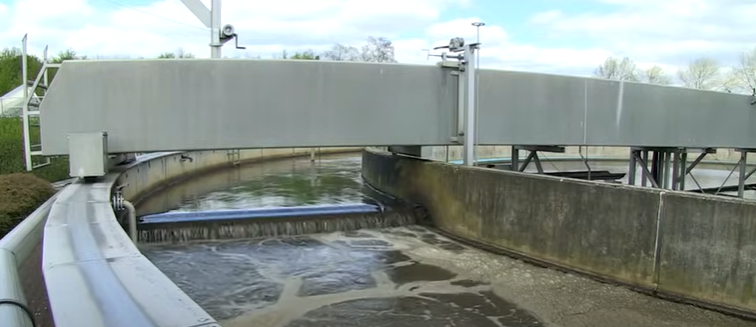
Wastewater disposal is a critical environmental and public health concern. It encompasses the processes by which wastewater is managed after it is no longer needed or suitable for its original use. Managing this wastewater, including domestic sewage, industrial effluents, and agricultural runoffs, is essential to prevent the contamination of water bodies and groundwater resources. Adequate wastewater treatment and disposal systems are employed to mitigate the harmful effects of pollutants, protect public health, and facilitate water conservation and recycling initiatives. As one of the foundational disciplines within Wastewater Treatment Methods, disposal strategy selection requires an understanding of wastewater characteristics, receiving environment sensitivities, regulatory requirements, and long-term infrastructure costs.
Stringent regulations govern the treatment and disposal of wastewater to ensure that the procedures do not harm the environment or human health. As urban populations and industrial activities expand, managing wastewater efficiently and sustainably has become more demanding. While residential systems may focus on small-scale septic solutions, commercial and industrial establishments often require complex treatment plants. Diverse technologies and disposal methods, such as land application or evaporation ponds, are tailored to meet the unique needs of each sector and locale.
Understanding Wastewater Disposal
Wastewater disposal is a critical aspect of maintaining environmental health and sanitation. This section provides insights into the definitions and significance of wastewater disposal and describes the overview of disposal methods employed in treating and managing wastewater.
Definitions and Significance
Wastewater disposal refers to the processes used for the safe discharge or reuse of water that has been affected by human use from various sources, including domestic, industrial, and storm runoff. The significance of proper wastewater disposal lies in protecting public health, preserving the environment, and ensuring that water is sustainably available for future generations.
Overview of Disposal Methods
The wastewater disposal methods are diverse, each suited to different circumstances and locales. Common methods include:
- Surface Water Disposal: Treated wastewater is discharged into nearby water bodies such as rivers or oceans.
- Subsurface Disposal: Treated effluent infiltrates the ground through drain fields or injection wells.
- Reuse: After sufficient treatment, reclaimed wastewater can be used for agricultural irrigation, industrial processes, or replenishing groundwater.
- Evaporation Ponds: In arid regions, evaporation ponds allow wastewater to evaporate, leaving salts and other solids behind.
The choice of method depends on factors such as the local environment, the volume and composition of wastewater, and the intended end-use of the effluent. The disposal of treated wastewater must comply with regulatory standards to minimize environmental impacts.
Subtopic Overview: Key Areas in Wastewater Sources & Disposal
Effective wastewater disposal strategy begins with understanding where wastewater originates and how its characteristics shape the treatment and disposal pathway selected. The three subtopics below address the primary dimensions — domestic-scale treatment, ecosystem impact assessment, and wastewater source characterization — that practitioners must master to design compliant and sustainable disposal programs.
Domestic Waste Water Treatment
Domestic waste water treatment encompasses the physical, biological, and chemical processes applied to water discharged from households — including toilet waste, greywater from sinks and showers, and laundry effluent. At the individual property scale, conventional septic systems remain the dominant technology, treating wastewater through anaerobic digestion in the tank and soil absorption in the leach field; tank sizing is typically calculated at 1.5× the daily sewage flow plus 500 gallons, with leach field area determined by soil percolation testing and local health department requirements. Where soil conditions are unsuitable for conventional leach fields — such as high water tables, restrictive soil layers, or shallow bedrock — advanced onsite treatment systems using aerobic treatment units (ATUs), drip irrigation, or mound systems are specified to achieve equivalent or better treatment before effluent contacts the soil. At the community scale, package treatment plants and cluster systems serve residential subdivisions and small municipalities, typically employing extended aeration activated sludge or sequencing batch reactor (SBR) processes to achieve secondary effluent quality before discharge or land application. Energy efficiency is an increasingly important design criterion for domestic treatment systems, with modern small-scale systems targeting aeration energy consumption of 0.5–1.5 kWh per 1,000 gallons treated.
How Might the New Treatment Plant Affect the Ecosystem
Understanding how might the new treatment plant affect the ecosystem is a critical question that shapes siting decisions, treatment technology selection, and effluent quality targets for any new wastewater disposal project. The primary ecological concerns associated with wastewater discharge include nutrient enrichment (eutrophication) of receiving water bodies, thermal loading from warm effluent, introduction of trace organic contaminants and endocrine-disrupting compounds, and alteration of natural flow regimes in low-flow streams where the discharge represents a significant fraction of total streamflow. Environmental impact assessments (EIAs) for new treatment plants typically require receiving water modeling — using tools such as QUAL2K or similar one-dimensional stream models — to predict dissolved oxygen sag, nutrient dilution, and downstream compliance with applicable water quality standards under critical low-flow conditions. Cumulative impacts must also be considered; a treatment plant that individually meets all permit limits may still contribute to water quality impairment in a watershed already receiving multiple discharges. Mitigation strategies — including seasonal flow augmentation, tertiary nutrient removal, constructed wetland polishing, and effluent reuse during critical low-flow periods — can substantially reduce ecosystem impacts and may be required as permit conditions in sensitive receiving environments.
Sources of Wastewater Generation
Accurate characterization of sources of wastewater generation is the essential first step in any disposal strategy, because the volume, strength, and composition of wastewater determine which treatment processes and disposal pathways are technically feasible and cost-effective. Municipal wastewater combines contributions from four primary source categories: residential (toilet, sink, shower, laundry, and dishwasher flows, typically 50–100 gallons per person per day); commercial (restaurants, hotels, laundries, car washes, and office buildings); industrial (process water, cooling water, and equipment cleaning flows from permitted industrial dischargers); and infiltration and inflow (groundwater entering through cracked pipes and stormwater entering through illicit connections or combined sewers). Industrial sources introduce constituents that require pretreatment before co-treatment at a municipal plant — including heavy metals, high-strength organics, low pH streams, and solvents — making industrial pretreatment program management a critical regulatory function for municipal utilities. Agricultural sources represent a separate and substantial category, with field runoff, livestock operations, and food processing facilities generating nutrient-rich, high-BOD effluents that require tailored land application or specialized biological treatment. Understanding the relative contribution of each source category — through flow monitoring, sampling campaigns, and wastewater characterization studies — enables engineers to project future influent loads, size treatment capacity appropriately, and select disposal pathways that match the effluent quality achievable from the planned treatment train.
Regulations and Compliance
Regulations and compliance in wastewater disposal are essential for maintaining public health and environmental integrity. They require adherence to complex legal frameworks and state-specific rules to avoid penalties and ensure sustainability.
Determining the Legal Framework
Federal law sets the baseline through the Clean Water Act (CWA), under which the National Pollutant Discharge Elimination System (NPDES) issues permits for the discharge of pollutants into water bodies. Entities must comply with the CWA to operate legally.
State regulations often build upon federal requirements with more stringent or additional local standards. For instance, Maine has specific Subsurface Wastewater Disposal Rules that govern soil absorption systems, dictating design, construction, and siting standards to prevent contamination.
Adhering to State-Specific Rules
Each state, like Oregon, may also have its infrastructure for wastewater surveillance, which is used to gauge the prevalence of community diseases. Oregon State University’s program is a good example; they provide weekly published results used by public health officials.
In Maine, compliance with Subsurface Wastewater Disposal Rules involves obtaining necessary permits, following prescribed installation procedures, and ensuring regular maintenance to meet local health and safety standards.
Residential Wastewater Management
Efficient residential wastewater management is essential for maintaining public health and protecting the environment. Homeowners primarily rely on subsurface or natural disposal methods to process wastewater.
Subsurface Disposal Systems
Subsurface wastewater disposal systems are a prevalent solution for residential areas not serviced by centralized municipal treatment facilities. These systems typically consist of a septic tank that pre-treats wastewater by separating solids from liquids and a leach field where liquid effluent is filtered through the soil for further purification. Maintenance is critical, as homeowners must regularly pump out the septic tank to prevent failures. To comprehend the mathematical details of system design, the following formulas are standard:
- Tank volume is calculated by:
Tank volume in gallons = (1.5 x Daily sewage flow) + 500 - Water surface area extends by
Adding 440 square feet for each additional bedroom
Note: Systems should be designed according to local regulations to ensure safety and effectiveness.
Natural Disposal Methods
Natural wastewater disposal methods leverage the environment’s ability to filter and decompose waste. Constructed wetlands and reed beds mimic natural wetland processes, with plants and microorganisms breaking down waste. These systems are advantageous as they are sustainable and typically require less maintenance. Understanding the size and scope of natural methods is crucial because the area must be sufficient to handle the household’s wastewater output.
When installing natural systems, one must consider:
- Minimum Surface Area: At least 900 square feet at the 3-foot operating level for lagoons
- Ecological Impact: Assessing the potential benefits to local biodiversity can underscore the dual purpose of waste treatment and habitat creation.
Both subsurface systems and natural methods require thoughtful consideration of local conditions, such as soil type and water table depth, to function effectively and without environmental detriment.
Commercial and Industrial Disposal
Commercial and industrial wastewater disposal requires careful consideration to ensure environmental safety and regulatory compliance. These sectors employ specific methods to manage and treat waste while considering how their operations affect our water resources.
Management and Treatment Procedures
Industrial Wastewater Management and Treatment involves various stringent processes to remove contaminants. This often includes physical separation, biological treatment, and chemical neutralization. An Office of Water Programs can provide oversight, ensuring procedures follow legal standards and ecological preservation.
- Physical Separation: Begins with screening and sedimentation to remove large solids.
- Biological Treatment: Bacteria and other microorganisms break down organic waste.
- Chemical Neutralization: Adjusts pH levels and removes harmful chemicals through processes like flocculation.
Car Wash and Carpet Cleaning Considerations
In carpet cleaning wastewater disposal, best practices necessitate water pretreatment to remove heavy metals and organic chemicals before their release into the sewage system. Car wash establishments take similar care to minimize environmental impact.
- Pretreatment: It is mandatory to filter out pollutants before entering the leading water treatment facility.
- Recycling and Reuse: Many businesses invest in water recycling systems to conserve water and reduce waste.
Hydroponic and Swimming Pool Disposal
Hydroponic Wastewater Disposal involves safely removing nutrient-rich water potentially utilized by other agricultural sectors. Guidelines suggest using it to irrigate non-edible plants to prevent pathogen transmission.
For Swimming Pool Wastewater Disposal, it is pivotal to dechlorinate and ensure pH levels are neutral before discharge. This protects aquatic life and maintains a balanced ecosystem.
- Dechlorination: Typically employing sodium thiosulfate or UV treatment.
- pH Adjustment: Ensuring the water is neither acidic nor alkaline will safeguard against harmful environmental reactions.
Agricultural Wastewater Solutions
In agriculture, effective wastewater solutions are vital for sustainability and environmental protection. These strategies ensure that effluent discharge is managed responsibly, safeguarding water resources for future use.
Effluent Discharge Management
Effluent discharge management involves the process of treating and disposing of wastewater in an agricultural setting. The overall goal is to minimize environmental impact while adhering to regulatory requirements. Key components include:
- Treatment Techniques: Various methods, such as constructed wetlands or anaerobic digesters, help reduce pollutants.
- Application Protocols: The precise application of effluent to land based on nutrient content and crop uptake rates is essential. This matches nutrient supply with crop demand, thereby preventing excess application.
- Monitoring Programs: Regularly monitoring effluent quality and quantity can help detect and promptly address any irregularities. Guidelines and support are often available through local extension services or agricultural agencies.
- Legislation Compliance: Farmers must be aware of and comply with local and federal regulations regarding effluent discharge to avoid penalties and to maintain sustainable farming practices.
By focusing on these methods, agricultural producers can effectively manage effluent discharge, contributing to the more considerable water conservation and environmental protection goals.
Pretreatment and Sludge Disposal
Pretreatment of wastewater is crucial in removing harmful pollutants before they enter the sewage system. At the same time, sludge disposal is a critical aspect of wastewater management, dealing with the residual semi-solid material left after the treatment process.
Methods for Treating Sludge
Sludge Treatment involves several processes to make it safe for disposal. It typically includes stabilization, thickening, dewatering, and sometimes drying, which reduce the volume and alter the sludge’s physical and chemical properties.
- Stabilization: This aims to reduce pathogens and decompose volatile solids. It can be achieved through anaerobic or aerobic digestion, where bacteria break down organic matter, reducing odor and producing biogas.
- Thickening: It increases the solids concentration by removing a portion of the liquid fraction. Gravity thickeners and flotation units are standard equipment used for this purpose.
- Dewatering: This follows thickening and involves belt filter presses, centrifuges, and filter presses to extract water from the sludge, decreasing its volume and weight and leading to lower handling costs.
- Drying: Sludge may also be dried using thermal dryers to produce a granular product for various applications, including as a soil amendment or a fuel source.
When approaching Sludge Disposal, options must be environmentally sound and follow regulatory requirements.
- Landfilling: A traditional method where dewatered sludge is transported and buried in a designated landfill site.
- Land Application: Properly treated sludge can be applied to land as a soil conditioner, enriching soil with organic matter and nutrients.
- Incineration: This method burns the dried sludge at high temperatures, significantly reducing its mass and volume. The energy produced can sometimes be recovered and utilized.
Each sludge disposal method has its benefits and challenges, and the choice largely depends on environmental, economic, and regulatory considerations.
Municipalities and treatment facilities must consider the impact of sludge disposal methods in wastewater treatment on the environment and public health and continually invest in developing more sustainable disposal and treatment technologies.
Wastewater Disposal in Unconventional Oil and Gas
Managing wastewater from unconventional oil and gas extraction is a critical environmental and operational challenge. This section details specific disposal methods and the concerns they address.
Deep Well Injection Techniques
Deep wastewater disposal wells are a prevalent solution for handling wastewater from oil and gas operations. Experts design these wells to inject underground wastewater into porous rock formations below groundwater resources. This method relies on the geological containment properties to prevent contamination of freshwater sources. Governed by regulations like the Safe Drinking Water Act in the United States, operators must adhere to stringent guidelines to mitigate environmental risks when constructing and operating these injection well wastewater disposal systems.
Hydraulic Fracturing Wastewater Concerns
Hydraulic fracturing, or “fracking,” produces a substantial amount of wastewater containing chemical additives, hydrocarbons, and naturally occurring radioactive material. Concern arises due to the potential for this wastewater to contaminate surface and groundwater if not properly managed. The treatment and disposal process of hydraulic fracturing wastewater disposal is highly regulated to prevent environmental degradation. It typically involves multiple stages, including sedimentation, filtration, and biological treatment, before the water can be reused in the field or disposed of via deep injection.
Disposal System Types and Considerations
When selecting a wastewater disposal system, it’s essential to consider the specific types available and how they align with local environmental regulations, geographic location, and water usage demands.
Choosing the Right Disposal System
Types of Wastewater Disposal Systems:
- Municipal Sewage Treatment Plants (POTWs): Large-scale facilities that serve entire communities.
- Septic Systems: Commonly used in individual homes, particularly in rural areas without centralized sewage.
- Advanced Onsite Systems: For areas where traditional septic systems are unsuitable due to environmental constraints.
- Lagoons: A more cost-effective method of treatment in rural municipalities, which requires larger land areas.
- Land Application Systems: These systems utilize the soil’s natural filtration capacity to remove contaminants.
Key Considerations:
- Environmental Impact: Systems should minimize the release of contaminants into the environment.
- Capacity and Scale: Individual home sewage treatment systems may not be sufficient for high-density populations.
- Local Regulations: Must conform to standards which can vary widely between regions.
- Maintenance Needs: Each system has unique requirements for upkeep and professional servicing.
- Cost: Upfront installation and ongoing operation expenses should align with the budget.
- Water Reclamation: Some systems allow for reusing treated water, a significant advantage in drought-prone areas.
Factors in Decision-Making:
- Geographic location impacts the choice due to soil composition and percolation rate.
- Water table levels can determine the suitability of specific septic systems.
By weighing these factors against the needs and constraints of the locale, decision-makers can implement the most appropriate wastewater disposal system for their community or residence.
Comparison of Wastewater Disposal Methods
| Disposal Method | Key Features | Best-Fit Applications | Limitations | Relative Cost | Regulatory Considerations |
|---|---|---|---|---|---|
| Surface Water Discharge (NPDES) | Treated effluent discharged to rivers, lakes, or coastal waters; requires NPDES permit | Municipal POTWs; industrial facilities near receiving waters with adequate dilution capacity | Stringent effluent limits; seasonal low-flow constraints; nutrient TMDLs increasingly common | Low–Medium (treatment cost dominates) | CWA NPDES permit; state water quality standards; effluent limit guidelines |
| Land Application | Treated effluent or biosolids applied to agricultural or forest land; nutrients recycled | Rural utilities; agricultural reuse programs; biosolids beneficial use | Requires available land; soil loading limits; buffer zone requirements; wet weather restrictions | Low–Medium | State land application permits; EPA 503 biosolids rule; nutrient management plans |
| Subsurface/Septic Systems | Onsite treatment and soil absorption; decentralized; minimal energy | Single-family residences; rural communities without centralized sewer | Soil and site dependent; failure risk without maintenance; not suitable for high-density areas | Low–Medium capital; low O&M | State/local health department permits; setback requirements; periodic inspection |
| Deep Well Injection | High-volume brine or industrial wastewater injected into deep saline formations | Oil and gas produced water; industrial high-TDS streams; brine concentrate disposal | Induced seismicity risk; limited suitable geological formations; high drilling cost | High | EPA Underground Injection Control (UIC) program; Safe Drinking Water Act Class II wells |
| Evaporation Ponds | Solar evaporation of high-salinity or difficult-to-treat wastewater; minimal mechanical systems | Arid regions; mining and industrial brine disposal; concentrate management for desalination | Large land area required; liner integrity critical; residual solids disposal needed | Low capital; minimal O&M | State groundwater protection permits; liner specifications; air quality in some jurisdictions |
| Water Reclamation & Reuse | Advanced treatment to produce recycled water for irrigation, industrial, or indirect potable use | Water-scarce regions; utilities with large industrial or agricultural customers | High treatment cost for potable reuse; public acceptance challenges; dual distribution infrastructure | High capital; Medium–High O&M | State recycled water permits; Title 22 (CA) or equivalent; potable reuse subject to additional oversight |
Field Notes: Practical Guidance for Wastewater Disposal Programs
Commissioning Disposal Systems
Commissioning a new wastewater disposal system — whether a land application site, a subsurface infiltration field, or a surface discharge outfall — requires pre-operational verification that all components perform as designed before regulatory compliance monitoring begins. For land application systems, pre-commissioning soil sampling to establish baseline agronomic and metals concentrations is mandatory; without this baseline, demonstrating that the application program has not caused soil degradation over time becomes legally difficult. For surface discharge outfalls, hydraulic testing of the diffuser or discharge structure at design flow confirms that dilution and mixing assumptions used in the receiving water model are achievable under actual field conditions. Leach field systems should undergo percolation testing and hydraulic loading verification before the septic tank is placed into service, as post-installation failures are far more costly to remediate than pre-commissioning design corrections.
Common Specification Mistakes
The most frequent error in disposal system design is underestimating peak wet-weather flow contributions when sizing surface discharge or land application capacity. Systems sized for average dry-weather flow routinely exceed their hydraulic capacity during storms, leading to bypass events and permit violations. A second common mistake is specifying land application loading rates based solely on nitrogen agronomic rate without checking the phosphorus saturation status of the receiving soils; in phosphorus-saturated soils, continued application causes phosphorus runoff to surface water regardless of how well the nitrogen balance is managed. For subsurface systems, failure to conduct adequate site investigation — particularly percolation testing across the full seasonal range, including spring high-water-table conditions — is the leading cause of premature system failure.
O&M Comparison Across Disposal Configurations
Surface discharge systems have the lowest mechanical O&M burden of the major disposal methods, but carry the highest regulatory monitoring cost — NPDES permits typically require weekly to monthly effluent sampling across a dozen or more parameters, plus periodic whole effluent toxicity (WET) testing. Land application systems shift O&M intensity to field operations — irrigation scheduling, equipment calibration, soil sampling, and record-keeping — rather than mechanical maintenance. Subsurface septic systems have minimal O&M requirements when properly designed and loaded, but are highly sensitive to overloading; a tank pumped every 3–5 years and a leach field protected from hydraulic overload can function for 25–40 years without major intervention. Deep well injection systems require the most intensive mechanical O&M of any disposal method, with wellhead pressure monitoring, annular pressure testing, and periodic mechanical integrity testing (MIT) required by regulation and essential for detecting casing failures before groundwater contamination occurs.
Selecting a Disposal Service Provider
When choosing a wastewater disposal service provider, evaluating their performance on specific criteria is vital to ensure proper compliance, reliability, and efficiency in treating and disposing of wastewater.
Assessment of Wastewater Disposal Companies
Critical Criteria for Evaluation:
- Reputation: Examine customer reviews and industry evaluations. A company’s reputation can often be a good indicator of the quality of service provided.
- Certifications: Look for companies with the necessary certifications. This ensures adherence to industry standards and regulatory compliance.
- Technology & Infrastructure: Consider the technology and infrastructure available for the treatment and disposal. Advanced treatment methods can lead to better waste management outcomes.
- Cost: Assess the cost structure. It should reflect not just competitiveness but also value for the services provided.
- Environmental Impact: Evaluate their commitment to reducing environmental impact. Providers that prioritize eco-friendly practices should be favored.
- Emergency Response: Confirm their ability to handle emergencies. A robust emergency response plan signifies a prepared and reliable provider.
Checklist for Selection:
- Reputation check — Analyze feedback from other municipalities or industries served.
- Verify certifications — Ensure proper authorities have licensed the provider.
- Inspect technological facilities — Visit the site to see the operations firsthand.
- Compare costs — Get multiple quotes to understand the market rate.
- Environmental policies review — Look into the provider’s sustainability initiatives.
- Emergency plan assessment — Ask for detailed emergency protocols to gauge readiness.
Innovative Disposal Techniques
In wastewater management, innovative disposal techniques focus on sustainable practices and advanced technologies to reduce environmental impact and improve water reuse.
Emerging Technologies in Wastewater Disposal
The landscape of wastewater disposal is evolving as new technologies emerge to tackle the challenges of sustainability and efficiency. Membrane bioreactors (MBRs) integrate conventional biological treatment with membrane filtration, offering a higher-quality effluent that can be safely redirected for non-potable uses, such as irrigation or industrial processes. This method enhances the traditional wastewater disposal process by adding a critical filtration step, significantly reducing pathogens and suspended solids.
Another promising technology is the Advanced Oxidation Process (AOP), which utilizes powerful oxidants to break down contaminants at a molecular level. These processes can effectively degrade organic compounds and pathogens, making the treated water suitable for various applications, including recharging aquifers or supplementing surface waters.
The use of constructed wetlands represents a natural approach to wastewater treatment. These systems mimic the purification processes in natural wetlands, using plants and microorganisms to treat wastewater before it is released into the environment. This technique provides effective treatment and creates valuable habitats for wildlife.
Reusing treated wastewater has become essential in areas suffering from water scarcity. Water reclamation involves treating wastewater to a standard that can be used again for various purposes. Regions facing drought, such as the southwest United States, have been innovators, often incorporating dual piping systems to distribute treated wastewater for non-potable use.
Overall, these innovative disposal techniques transform how communities handle wastewater, turning waste into a resource while protecting ecosystems and conserving water.
Related Topics
Wastewater disposal strategy is inseparable from the treatment processes that determine effluent quality before disposal. The Secondary Treatment Process is the critical upstream stage that removes dissolved and suspended biological matter, directly establishing the BOD, TSS, and pathogen concentrations that drive disposal method selection and NPDES permit compliance. Understanding secondary treatment performance benchmarks — including typical effluent quality ranges, process variability, and upset conditions — is essential context for any disposal program design. Engineers working on disposal strategy should also be familiar with Biological Wastewater Treatment processes, which govern how organic loading and nutrient concentrations in the effluent are shaped before the water reaches the disposal pathway. Additionally, Ammonia Treatment in Wastewater is a particularly important pre-disposal consideration, as un-ionized ammonia is acutely toxic to aquatic life at low concentrations and is subject to increasingly stringent effluent limits in NPDES permits for surface water discharge.
Frequently Asked Questions
What are the critical methods for disposing of wastewater?
Several essential wastewater disposal methods exist, including municipal treatment plants that systematically clean water before releasing it into local waterways. Some regions increasingly employ advanced wastewater treatment technologies to improve water quality. Individual households often use septic systems for onsite wastewater management.
How does wastewater disposal impact seismic activity?
Wastewater disposal, particularly when involving deep well injection, can potentially contribute to increased seismic activity. The injected wastewater can lubricate faults, potentially leading to more frequent earthquakes in susceptible areas.
What are the current regulations governing wastewater disposal?
Federal, state, and local laws regulate wastewater disposal and ensure public health and environmental protection. The Clean Water Act, for instance, is a critical piece of legislation that oversees the discharge of pollutants into the waterways and standardizes the treatment of municipal wastewater in the United States.
What are the costs associated with wastewater disposal systems?
The costs for wastewater disposal systems can vary widely depending on the size and type of system. Municipal treatment facilities require substantial capital for setup and maintenance. Individual septic systems, while having lower upfront costs, also entail regular maintenance expenses.
What constitutes a proper sewage waste removal process?
A proper sewage waste removal process involves collecting, treating, and safely discharging or reusing wastewater. This includes ensuring that septic tanks are watertight to prevent leakage, as mentioned by resources such as the University of Missouri Extension. Adequate treatment is crucial to avoid environmental contamination and protect public health.
Conclusion
Key Takeaways
- Disposal method selection begins with wastewater characterization — volume, strength, and constituent profile from residential, industrial, and agricultural sources must be fully understood before a disposal pathway can be responsibly designed or selected.
- Regulatory compliance is non-negotiable and increasingly stringent — NPDES permits, EPA 503 biosolids rules, and state-specific subsurface disposal requirements are expanding in scope; disposal systems must be designed with future regulatory tightening in mind, not just current limits.
- No single disposal method is universally optimal — surface discharge, land application, subsurface infiltration, deep well injection, and water reuse each have distinct site, soil, climate, and regulatory prerequisites that must be matched to the specific project context.
- Ecosystem impact assessment is integral to disposal planning — nutrient loading, thermal effects, and trace organic contaminants in discharged effluent require receiving water modeling and environmental review before final disposal method selection.
- Innovative technologies are expanding reuse options — MBRs, advanced oxidation, and constructed wetlands are enabling disposal pathways that recover water as a resource rather than treating it solely as a waste stream, particularly in water-scarce regions.