
Wet Air Oxidation in Wastewater Treatment: Efficiency and Process Insights
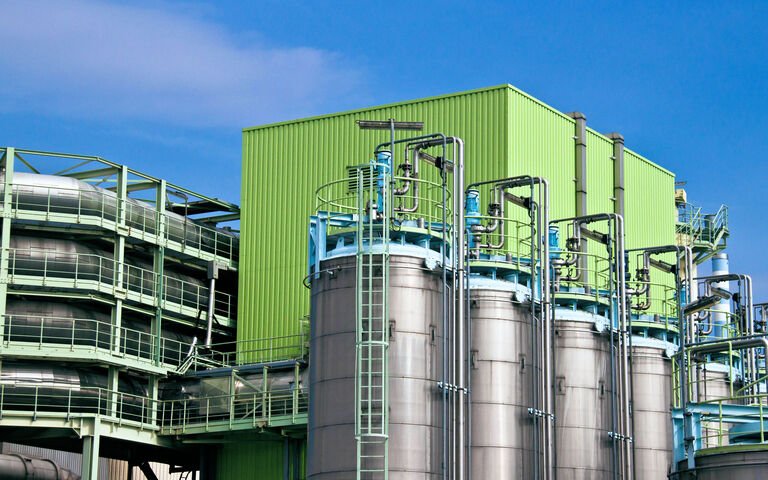
Wet air oxidation is a process utilized to treat wastewater by oxidizing pollutants present in the water. This method involves reacting the waste components with oxygen at elevated temperatures and pressures to convert them into less harmful compounds. It is a versatile approach capable of breaking down a wide range of organic materials, including those that are not easily biodegradable. Applications include the treatment of industrial effluents, sludges, and contaminated water, making it an integral part of modern wastewater management strategies. As a specialized process chemistry approach within the broader Wastewater Treatment Process discipline, wet air oxidation addresses high-strength, biologically recalcitrant waste streams that cannot be adequately managed by conventional biological or physical treatment alone.
One of the main advantages of wet air oxidation is that it can effectively reduce the toxicity and volume of the wastewater, which can simplify further treatment processes or make the disposal more environmentally friendly. In addition to its ability to handle complex waste streams, the process itself has been subject to significant technological improvements that have made it more efficient and cost-effective over time. Design and operational considerations are crucial to ensure the optimal performance of the system and to manage the influence it has on the environment.
Fundamentals of Wet Air Oxidation
Wet Air Oxidation (WAO) is a process for treating wastewater that employs high temperatures and pressures to oxidize organic and some inorganic materials in an aqueous environment.
Principles of Wet Air Oxidation
Wet Air Oxidation operates on the premise that water, at elevated temperatures (typically between 125 and 320 degrees Celsius) and pressures (usually 10 to 220 bar), can act as a solvent, reacting medium, and a participant in the destruction of contaminants. The presence of oxygen is critical, as it acts as the oxidant, either provided by air or pure oxygen. This process is particularly useful for oxidizing complex compounds in wastewater, transforming them into safer, simpler molecules like carbon dioxide and water.
Chemical Reactions Involved
In Wet Air Oxidation, organic material in wastewater undergoes several chemical reactions, primarily oxidation. The contaminants react with the oxygen, where carbon-hydrogen bonds are broken, and new bonds form, creating carbon dioxide and water. Persistent organic pollutants, which are not easily biodegradable, can also be broken down effectively using WAO. This environmentally favorable outcome enables WAO to address a range of industrial wastewaters — including Bayer liquor, pharmaceutical effluents, and petrochemical streams — by reducing toxicity and facilitating compliance with discharge regulations.
Process Design and Operation
In Wet Air Oxidation (WAO) systems, wastewater undergoes treatment to reduce the concentration of pollutants and organic materials. The design of such systems and their operational parameters are critical to achieving optimal performance and environmental compliance.
Reactor Designs
Reactor designs for wet air oxidation can vary, but they generally fall into two categories: batch and continuous flow reactors. Batch reactors treat wastewater in discrete amounts and allow for precise control over reaction times and conditions. Continuous flow reactors, on the other hand, treat wastewater as it flows through the system, which is beneficial for large-scale operations. Modern systems often employ a tubular reactor design where the wastewater and oxygen are introduced at high pressure and temperature, facilitating the oxidation process.
Process Parameters
Key process parameters for WAO include temperature, pressure, and oxygen supply. Temperatures typically range from 150°C to 320°C and pressures can reach up to 300 atmospheres, which are essential to initiate the oxidation reactions. The amount of oxygen must be carefully controlled to ensure complete oxidation of contaminants, and it’s often supplied either as pure oxygen or as air. Residence time in the reactor is also a crucial factor, as it determines the extent to which pollutants are oxidized.
Operational Considerations
Operating a WAO system requires continuous monitoring and control to handle the variations in wastewater composition and flow rates. This includes the management of sludge handling and maintenance of ancillary equipment, such as pumps and heat exchangers. Safety is of utmost concern due to the high temperatures and pressures involved; thus, systems must be equipped with pressure relief valves and proper containment measures. Operational efficiency can be optimized by recovering heat from the treated wastewater to preheat incoming wastewater or generate steam for other industrial processes.
Subtopic Overview: Process Chemistry Applications
Wet air oxidation anchors a broader process chemistry discipline that addresses specialized chemical treatment challenges across the wastewater treatment train. The subtopics below cover two distinct process chemistry approaches — selective resin treatment and alkaline stabilization — that address specific contaminant removal and stabilization objectives that WAO alone does not address.
Boron Selective Resins in Wastewater Treatment
Boron selective resins in wastewater treatment are ion exchange materials engineered with functional groups — most commonly N-methylglucamine (NMG) or sorbitol-derived ligands — that form reversible covalent bonds with borate ions, achieving highly selective boron removal from complex wastewater matrices where conventional strong-base anion resins perform poorly. Boron is a persistent trace contaminant in industrial effluents from semiconductor manufacturing, glass production, coal combustion flue gas desulfurization (FGD) wastewater, and produced water from oil and gas operations — and it is acutely toxic to crops at concentrations above 1 mg/L, creating a critical treatment requirement for any facility discharging to agricultural irrigation water sources. The sorption mechanism for boron-selective resins is pH-dependent: at pH above 8.5, boric acid converts to borate ion (B(OH)₄⁻), which forms the tetrahedral coordination complex required for binding to NMG functional groups; operation below pH 7 dramatically reduces resin capacity and should be avoided in system design. Boron selective resin systems are typically configured as fixed-bed columns operating in loading, regeneration, and rinse cycles, with sodium hydroxide solution used as the regenerant to elute bound boron and restore resin capacity — the spent regenerant is a concentrated boron solution that requires further treatment or disposal as a regulated waste. Treatment trains combining reverse osmosis with polishing boron selective resins are the standard configuration for achieving effluent boron concentrations below 0.5 mg/L — the threshold required for unrestricted agricultural reuse in most regulatory frameworks — because RO alone typically achieves only 70–90% boron rejection, which is insufficient for stringent reuse standards.
Alkaline Stabilization in Wastewater Treatment
Alkaline stabilization in wastewater treatment is a biosolids treatment process that uses the addition of alkaline materials — primarily quicklime (CaO), hydrated lime (Ca(OH)₂), or kiln dust products — to raise the pH of sewage sludge above 12.0 for a minimum contact time of 2 hours, achieving pathogen reduction and vector attraction reduction without the energy requirements of thermal drying or anaerobic digestion. The mechanism of pathogen destruction at high pH is both chemical and physical: the elevated hydroxide ion concentration denatures microbial proteins and disrupts cell membranes, while the exothermic hydration of quicklime generates heat that can raise sludge temperature to 55–70°C transiently — contributing additional thermal inactivation of pathogens including Salmonella, enteric viruses, and helminth ova. EPA 40 CFR Part 503 Class B pathogen reduction requirements can be met through alkaline stabilization using the Process to Significantly Reduce Pathogens (PSRP) protocol, which specifies a minimum pH of 12.0 for 2 hours, while the more stringent Class A requirements using the Process to Further Reduce Pathogens (PFRP) pathway require sustained pH above 12.0 for 72 hours or elevated temperature combined with high pH. Alkaline stabilization is particularly cost-effective for small to medium utilities (treating less than 5 MGD) where the capital cost of anaerobic digestion or thermal drying is difficult to justify — lime cost is typically $30–80 per dry ton of biosolids treated, compared to $150–400 per dry ton for thermal drying. The treated product from alkaline stabilization — sometimes marketed as EQ (Exceptional Quality) biosolids when Class A standards are achieved — can be land-applied to agricultural fields, improving soil pH and supplying calcium as a beneficial amendment, creating a beneficial use pathway that avoids landfill disposal costs.
Applications in Wastewater Treatment
Wet air oxidation (WAO) is a process used to treat a variety of pollutants in wastewater streams. It utilizes high temperatures and pressures to oxidize compounds, making it particularly effective in reducing the toxicity and volume of wastewater.
Industrial Wastewater
In the realm of industrial wastewater, WAO is applied to treat effluents containing difficult-to-degrade organic compounds, such as phenols, sulfides, and complex polymers. Industries such as chemical manufacturing, pharmaceuticals, and petrochemicals rely on WAO for its effectiveness in breaking down these pollutants. By implementing WAO, they can ensure that discharged water meets environmental regulations. The high-temperature and pressure conditions of the WAO process achieve significant reductions in chemical oxygen demand (COD) and biochemical oxygen demand (BOD) levels, important indicators of water quality.
Municipal Wastewater
For municipal wastewater treatment, WAO serves as an advanced treatment step that targets the removal of organic compounds that are resistant to biological degradation. It complements existing biological treatment processes and can be particularly valuable for treating sewage with a high concentration of organic matter. WAO helps municipalities abide by stringent discharge standards, minimizing the environmental impact of effluents released into natural water bodies.
Sludge Reduction
One of the notable benefits of using WAO in wastewater treatment is sludge reduction. Sludge, the byproduct of wastewater treatment, poses significant disposal challenges. WAO can effectively minimize sludge volume by oxidizing organic content, which can lead to reduced handling, treatment, and disposal costs. This process not only alleviates the burden on landfills but also recovers resources, as the heat generated during WAO can be harnessed and redirected within the treatment facility.
Comparison of Wet Air Oxidation with Related High-Strength Wastewater Treatment Technologies
| Technology | Operating Conditions | Key Strengths | Key Limitations | Best-Fit Applications | Relative Capital Cost |
|---|---|---|---|---|---|
| Wet Air Oxidation (WAO) | 150–320°C; 10–220 bar; aqueous phase | Destroys recalcitrant organics; no external fuel needed for high-COD streams; sludge volume reduction | High CAPEX; energy-intensive at lower COD; materials corrosion at high temps; regulatory complexity | High-strength industrial effluents; sludge oxidation; phenols, sulfides, pharmaceutical waste | Very High |
| Supercritical Water Oxidation (SCWO) | >374°C; >221 bar; supercritical water phase | Near-complete destruction of organics and PFAS (>99%); compact reactor; no liquid waste stream | Extreme pressure vessel requirements; salt precipitation; very high CAPEX; niche application | Hazardous waste destruction; PFAS; energetic materials; military waste | Extremely High |
| Catalytic Wet Air Oxidation (CWAO) | 130–250°C; 5–50 bar; with heterogeneous catalyst | Lower temperature/pressure than WAO; improved COD removal; catalyst enables milder conditions | Catalyst deactivation/leaching; higher cost than WAO; limited commercial scale experience | Pharmaceutical and fine chemical effluents; phenolic wastewaters requiring near-complete mineralization | High |
| Incineration / Thermal Oxidation | 800–1,200°C; atmospheric; gas phase | Complete destruction of all organics; handles mixed waste streams; proven at large scale | Requires dewatering; high energy for dilute streams; air emissions management; ash disposal | High-solids sludge; concentrated organic wastes; halogenated compounds unsuitable for WAO | High–Very High |
| Biological Treatment (Aerobic) | Ambient temp/pressure; biological | Lowest energy cost; established technology; no high-pressure hazards | Cannot treat toxic or recalcitrant organics; large footprint; sludge generation | Biodegradable municipal and industrial wastewater; BOD <2,000 mg/L; non-toxic streams | Low–Medium |
| Advanced Oxidation Process (AOP) | Ambient to moderate temp/pressure; chemical oxidants | Effective for trace organics and CECs; can operate at low concentrations; modular | Less effective for very high COD; reagent cost; by-product management | Trace organic polishing; pharmaceutical micropollutants; pre-treatment to improve biodegradability | Medium–High |
Environmental Impact and Sustainability
In the context of wastewater treatment, Wet Air Oxidation (WAO) is evaluated for its effectiveness in reducing environmental impact while maintaining sustainability.
Pollutant Removal Efficiency
WAO has been proven to effectively remove a wide variety of pollutants. The process operates by introducing oxygen or air into wastewater at high temperatures and pressures, which breaks down complex organic substances. Studies have demonstrated its competence in reducing Biological Oxygen Demand (BOD) and Chemical Oxygen Demand (COD), which are pivotal for mitigating the effects of polluted water discharge into the environment. It can treat toxic and non-biodegradable compounds, leading to safer effluent disposal.
Energy Consumption
Although WAO can be energy-intensive due to the need for high temperatures and pressures, it is generally considered energy-efficient when compared to alternative thermal processes. Efficiency is maximized when the heat generated from the oxidation process is recovered and reused. Energy consumption is a crucial aspect of sustainability, and any advancements in this area could potentially enhance the process’s sustainability profile.
Emission Control
Emission control is a vital component when assessing the environmental impact of WAO. The process is designed to minimize the release of harmful emissions into the atmosphere. WAO can convert noxious wastes into water, carbon dioxide, and biodegradable organics, significantly reducing the potential for environmental contamination. However, it is important to monitor the system to prevent releasing nitrogen oxides and other potentially harmful byproducts, to ensure compliance with environmental regulations and promote a more sustainable practice.
Field Notes: Practical Guidance for WAO System Operation
Commissioning and Startup Considerations
Commissioning a wet air oxidation system is a sequential, phased process that must verify mechanical integrity, instrumentation calibration, and process performance before the system handles full-strength production wastewater. Hydrostatic pressure testing of all high-pressure components — reactor vessels, heat exchangers, piping, and valve bodies — at 1.5× design pressure using water is mandatory before any gas or high-temperature service begins; leaks discovered at operating temperature and pressure are far more hazardous and expensive to repair than those found during cold hydrostatic testing. Oxygen analyzer calibration across the full operating range (0–100% O₂) is critical before startup because under-oxygenation leads to incomplete oxidation and accumulation of potentially explosive intermediate organic compounds in the vapor space, while over-oxygenation wastes oxygen and increases operating cost without treatment benefit. Initial startup using dilute wastewater (typically 10–20% of design COD concentration) allows operators to verify heat recovery exchanger performance, pressure control system response, and off-gas management system function at manageable conditions before ramping to design throughput.
Common Specification and Design Mistakes
The most common WAO system specification error is designing for average influent COD without adequate characterization of peak COD and variability. Industrial wastewater COD can vary by a factor of 3–10× between production cycles, shift changes, and batch cleaning events; a reactor sized for average COD will routinely experience incomplete oxidation during peak-load events, producing a partially oxidized effluent that may be more acutely toxic than the untreated feed due to the accumulation of reactive intermediate compounds. Heat exchanger fouling allowance is a second frequently underestimated design parameter: high-COD industrial wastewaters often contain inorganic salts, heavy metals, and polymerizable organics that deposit on heat transfer surfaces under WAO conditions, reducing heat recovery efficiency and increasing operating costs — designing with 20–30% excess heat transfer area and specifying mechanically cleanable exchanger configurations (scraped-surface or shell-and-tube with removable bundles) is strongly recommended. Reactor corrosion material selection is also frequently inadequate in preliminary designs: at WAO operating temperatures above 200°C and in the presence of chloride-containing wastewaters, standard 316L stainless steel is susceptible to stress corrosion cracking, requiring upgrade to duplex stainless steel, titanium, or Hastelloy alloys — material upgrade costs that are not apparent from ambient-temperature corrosion data.
O&M Considerations and Technology Integration
Heat recovery is the single most important O&M optimization lever for WAO economics: a well-designed heat integration train recovers 70–85% of the reaction heat to preheat incoming feed, reducing the external energy input required to reach operating temperature to near-zero for wastewaters with COD above approximately 20,000 mg/L. Below this COD threshold, external heat input — typically steam or natural gas fired — is required to sustain the operating temperature, and the economic viability of WAO diminishes relative to lower-temperature treatment alternatives such as biological treatment combined with chemical oxidation polishing. For context on how WAO integrates with the broader treatment plant configuration, the Treatment Systems resource covers the full range of plant configurations and where high-strength treatment processes like WAO fit within overall facility design. Reactor Types provides essential background on the biological reactor configurations that WAO most commonly supplements or replaces in industrial treatment trains, and Aerobic Treatment covers the biological oxidation alternative that is often evaluated alongside WAO during technology selection for high-strength industrial effluents.
Technological Advancements and Research
Technological advancements in Wet Air Oxidation (WAO) are contributing significantly to the improved treatment of wastewater. Rigorous research efforts continue to optimize this process while addressing current challenges.
Innovations in WAO Technology
In the realm of WAO technology, innovative designs and process improvements have led to increased efficiency and effectiveness in treating wastewater with high organic loads. High-pressure systems have become more robust, offering better oxidation rates of complex molecules. Improvement in reactor design has also allowed for enhanced contact between oxidants and contaminants, which is critical for the WAO process. One notable advancement cited is the use of supercritical water oxidation, which efficiently oxidizes hazardous waste compounds under supercritical conditions, significantly above water’s critical point of 705°F and 221.1 bar.
Future Research Directions
Future research in WAO technology is looking at scalability and economic viability, ensuring that WAO systems are not just effective but also affordable for widespread implementation. Investigations are also focusing on the reduction of energy requirements and the minimization of by-products, which may pose secondary environmental concerns. The integration of WAO with other complementary treatment technologies is another area of interest, as it may lead to hybrid systems that optimize overall wastewater treatment performance. Moreover, the impact of WAO on the destruction of emerging contaminants, such as per- and polyfluoroalkyl substances (PFAS), is a crucial research frontier, with efforts revealing a greater than 99 percent reduction of PFAS using supercritical conditions.
Economic Considerations of Wet Air Oxidation
Wet Air Oxidation (WAO) in wastewater treatment is a capital and operationally-intensive process. It demands careful consideration of the economic investment and operational costs balanced against environmental compliance and the potential for resource recovery.
Cost Analysis
Wet Air Oxidation technology, when applied to wastewater treatment, encompasses considerable capital expenditure (CAPEX) and operational expenditure (OPEX). Initial investment includes equipment such as reactors, which are designed to withstand high pressures and temperatures, as well as installation and engineering costs. Operational costs involve energy consumption, mainly due to the heating of liquid streams, the compression of air, and periodic maintenance. Additionally, the handling and disposal of residues generated from oxidation can further contribute to the total cost.
Financial Incentives
To offset the high upfront and operating costs, governments and environmental bodies may offer financial incentives for adopting WAO systems. These can come in the form of tax credits, subsidies, or grants aimed at encouraging industries to implement cleaner technologies. These incentives are significant in reducing the overall financial burden on companies, making WAO a more attractive option for wastewater treatment.
Market Trends
The market for WAO systems is influenced by regulatory pressure and the push towards sustainable treatment practices. There is a growing demand for advanced oxidation processes as industries face stricter discharge regulations and aim to minimize their environmental footprint. Trends indicate an increasing acceptance of WAO due to its ability to efficiently reduce chemical oxygen demand (COD) and remove hazardous compounds from high-strength industrial wastewater, potentially creating a market inclined toward more sustainable and stringent waste treatment solutions.
Frequently Asked Questions
How is wet air oxidation utilized within industrial wastewater treatment?
Wet air oxidation is employed to reduce the toxicity and volume of industrial wastewater. Industries use it to treat a variety of waste streams containing organic materials that are too concentrated for biological treatments. It effectively oxidizes substances such as sludge, phenols, and sulfides, transforming them into water, carbon dioxide, and other less complex chemicals.
Can you describe the basic principles of wet air oxidation and how they differ from traditional oxidation methods?
The basic principle of wet air oxidation involves reacting wastewater with oxygen at elevated temperatures and pressures. This accelerates the degradation of organic compounds. Unlike traditional methods, it operates in a liquid phase, which allows for the treatment of high-strength wastewaters that are not amenable to typical aerobic processes. Wet air oxidation provides an alternative when biological treatments are ineffective, offering a high degree of pollutant removal without the production of secondary waste.
Conclusion
Key Takeaways
- WAO is economically justified only for high-COD streams — heat self-sufficiency (requiring no external fuel) is typically achieved at influent COD above approximately 20,000 mg/L; below this threshold, WAO’s high capital cost is difficult to justify against lower-temperature alternatives such as biological treatment combined with AOP polishing.
- Comprehensive wastewater characterization is mandatory before system design — chloride concentration, heavy metals, and specific organic constituents drive materials selection, corrosion allowance, and off-gas treatment requirements in ways that can double capital cost compared to a clean-water design basis.
- Peak COD loading, not average COD, must govern reactor sizing — industrial wastewater COD variability of 3–10× is common between production cycles; a reactor sized for average conditions routinely produces partially oxidized, potentially more toxic effluent during peak-load events.
- Heat recovery design is the primary economic optimization lever — a well-designed heat integration train recovering 70–85% of reaction heat determines whether WAO is self-sustaining or requires costly external energy input; this design element deserves as much engineering attention as the reactor itself.
- Supercritical water oxidation is the emerging frontier for PFAS and hazardous waste destruction — achieving greater than 99% PFAS reduction under supercritical conditions positions SCWO as the leading technology for the most recalcitrant and regulated emerging contaminant classes, despite its substantially higher capital cost compared to conventional WAO.