
Slow Sand Filtration: Efficient and Sustainable Water Purification
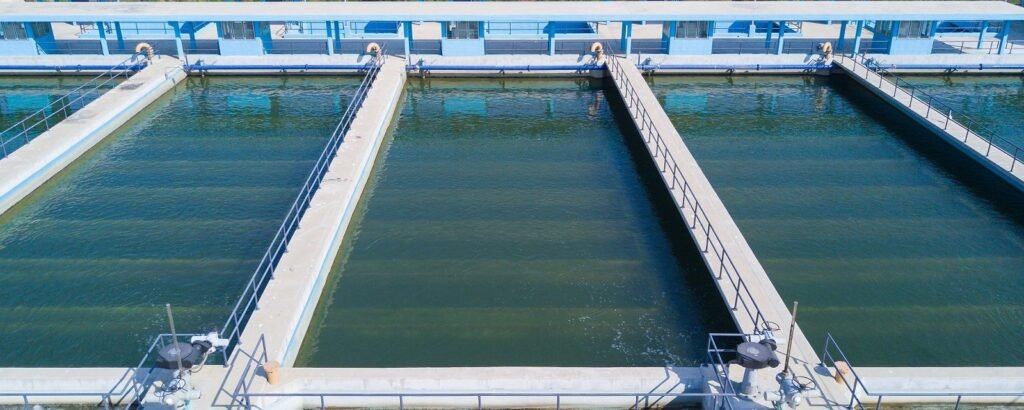
Slow sand filtration is a time-tested method for purifying water that has been used for hundreds of years. It is especially beneficial in developing countries where access to clean water is limited. This filtration method does not rely on chemicals, which makes it a sustainable and cost-effective choice. As one of the two primary configurations within the Sand Filtration technology family, slow sand filtration represents the biological end of the granular media filtration spectrum — achieving pathogen removal through a living Schmutzdecke layer rather than the purely physical straining and adsorption mechanisms that dominate rapid sand filtration — and remains one of the most effective and lowest-cost drinking water treatment technologies available for low-turbidity source waters worldwide.
The design of slow sand filters is straightforward. Water flows through a bed of fine sand where various biological processes remove pathogens and other contaminants. This process can significantly improve water quality, making it safe for drinking and other uses. By requiring minimal maintenance and being environmentally friendly, slow sand filters offer a practical solution for improving public health. Over 500,000 people in developing countries currently use slow sand filters to reduce water-borne illnesses.
Overview of Slow Sand Filtration
Slow sand filtration is a water purification method that uses biological and physical processes to remove contaminants. It has a long history and is based on simple, yet effective principles. Within the broader family of sand filtration types, slow sand filtration is distinguished by its low operating velocity, biological active layer, and ability to achieve 4–6 log pathogen removal without chemical disinfection — making it one of the few treatment technologies where a single process can meet drinking water standards for many source water types.
History and Development
Slow sand filtration has been utilized for over two centuries. The first documented use dates back to the early 19th century in Scotland. By the mid-1800s, this method was adopted in London to combat cholera outbreaks — one of the earliest examples of evidence-based public health infrastructure, predating germ theory itself. Over time, the slow sand filter became central to municipal water treatment in Europe and North America before being largely displaced in large cities by rapid sand filtration following the introduction of coagulation chemistry in the early 20th century.
The development of biofilms on the sand surface — known as the Schmutzdecke — has been crucial in enhancing filtration effectiveness. This biological layer traps and breaks down organic matter, improving water quality. Interest in slow sand filtration was revived in the 1970s–1990s as its advantages for small communities, developing world applications, and low-energy contexts became better understood through systematic research programs at institutions including the WHO, IRC, and US EPA.
Fundamental Principles
Slow sand filtration relies on both biological and physical mechanisms. Water passes through several layers of sand, typically supported by gravel, each layer playing a unique role. At the top, the Schmutzdecke — a biologically active layer 1–5 cm thick containing algae, bacteria, protozoa, metazoa, and their extracellular products — forms the primary treatment barrier. Water flows downward at a slow rate of approximately 0.1–0.4 m/h, ensuring contaminants have adequate time to be trapped and broken down.
The Schmutzdecke achieves pathogen removal through multiple complementary mechanisms: predation of bacteria and protozoan cysts by larger protozoa and metazoa; adsorption of viruses and bacteria onto biofilm surfaces; enzymatic degradation of dissolved organic matter; and UV inactivation at the water-sand interface when sunlight penetrates the water column above the sand. Below the Schmutzdecke, the sand column provides additional mechanical filtration and adsorption of particles that escaped the biological layer. This multi-barrier approach explains why slow sand filtration consistently achieves greater pathogen log-removal than rapid sand filtration despite its simpler chemical-free operation.
Design Criteria for Slow Sand Filters
Essential Components
The filter bed in a slow sand filtration system typically consists of fine sand with an effective size (d₁₀) of 0.15–0.35 mm and a uniformity coefficient (UC) below 3.0 — finer and more uniform than the sand used in rapid filtration. The sand depth typically ranges from 0.5–1.5 m; shallower beds may not provide adequate contact time in the sub-Schmutzdecke sand column, while deeper beds increase headloss without proportional improvement in performance. The minimum operational sand depth is typically specified at 0.3–0.5 m above the underdrain — the point at which the filter must be resanded after repeated scraping has reduced the bed depth.
Below the sand bed, gravel support layers of progressively coarser grading (typically 2–4 mm at top, 20–40 mm at bottom) support the sand and ensure even water distribution to the underdrain. The underdrain system — a network of perforated pipes or channels beneath the gravel layers — collects filtered water and transports it out of the filter while maintaining the back-pressure needed to keep the sand bed submerged and the Schmutzdecke aerobic.
Hydraulic Design Parameters
The design filtration rate is the most critical parameter for slow sand filter performance and is the fundamental distinction from rapid filtration. Standard design filtration rates range from 0.1–0.4 m/h (compared to 5–15 m/h for rapid sand filters), giving slow sand filters approximately 10–100× the surface area requirement per unit flow rate. The required filter surface area is calculated as: Area (m²) = Design flow (m³/h) ÷ Filtration rate (m/h). For a community requiring 1,000 m³/day with a design rate of 0.2 m/h, the required surface area is approximately 210 m² — a substantial land footprint that is the primary constraint on slow sand filter application in land-scarce urban settings.
Supernatant water depth above the sand surface is maintained at 1.0–1.5 m, providing the hydraulic head that drives flow through the sand bed and maintaining the aerobic conditions needed for Schmutzdecke development. Total filter headloss increases progressively as the Schmutzdecke develops and the sand pores near the surface partially blind with biological and particulate matter — clean filter headloss of 0.3–0.5 m progressively increases to 1.0–1.5 m at the point of cleaning, which typically corresponds to a run length of 1–6 months depending on source water turbidity and temperature.
Subtopic Overview: Sand Filtration Types
Sand filtration encompasses a spectrum of granular media filtration configurations from slow biological filtration to rapid mechanical filtration, with each technology occupying a distinct position in the design space defined by filtration rate, source water quality requirements, land area, and treatment objectives. The subtopics below address the two primary sand filtration technology types covered in depth on this site.
Rapid Sand Filtration
Rapid sand filtration operates at filtration velocities of 5–15 m/h — 10–50× faster than slow sand filtration — and achieves particle removal primarily through the physical mechanisms of straining, sedimentation onto grain surfaces, and electrostatic adsorption of destabilized particles, rather than through biological activity. Because rapid filtration relies on coagulation chemistry to destabilize the colloidal particles that would otherwise pass through the filter, it is always preceded by coagulation, flocculation, and typically sedimentation — making rapid sand filtration one component of a multi-step conventional treatment train rather than a standalone treatment process. The combination of higher filtration rate, shorter filter run length (24–72 hours between backwashes compared to 1–6 months between slow sand scrapings), and mandatory chemical pre-treatment makes rapid sand filtration more operationally intensive and infrastructure-dependent than slow sand filtration, but its compact footprint and ability to handle turbid, heavily contaminated source water has made it the dominant filtration technology for large municipal drinking water plants globally. Rapid sand filtration achieves 2 log Giardia cyst removal and 1.5–2 log Cryptosporidium oocyst removal when preceded by effective coagulation — substantially lower than the 3–4 log protozoan removal achieved by slow sand filtration — which is why rapid sand filtration facilities are required to apply chemical disinfection for Cryptosporidium inactivation while slow sand filtration may receive regulatory credit for Cryptosporidium removal through the filtration process itself under the US Surface Water Treatment Rules.
Slow Sand Filtration Purification Method
The slow sand filtration purification method — when evaluated specifically as a water treatment technology rather than a general concept — encompasses the design specifications, source water suitability criteria, performance benchmarks, and operational protocols that determine whether a slow sand filtration system reliably achieves its treatment objectives over its design life. Performance benchmarks for well-operated slow sand filters treating suitable source water are consistent: greater than 99.9% (3+ log) removal of Giardia cysts, greater than 99% (2+ log) removal of Cryptosporidium oocysts, 4–6 log removal of bacteria including E. coli, 1–3 log removal of viruses depending on source water chemistry and filter maturity, and substantial reduction of natural organic matter (20–40% TOC removal) that would otherwise form disinfection by-products during downstream chlorination. Source water suitability is the critical pre-design evaluation for slow sand filtration: maximum recommended turbidity is 10–20 NTU (with 5 NTU preferred), as higher turbidity rapidly blinds the Schmutzdecke surface and reduces run lengths to operationally unacceptable durations of days rather than months. Waters with high algal content, color above 15–20 Hazen units, or iron and manganese above 0.3 mg/L and 0.05 mg/L respectively require pre-treatment before slow sand filtration — typically roughing filtration or pre-sedimentation — to avoid accelerated filter blinding and impaired Schmutzdecke development.
Operation of Slow Sand Filters
Slow sand filters operate by allowing water to slowly pass through a sand bed, with the filtration process relying on both physical and biological mechanisms.
Water flows into the top of the filter and moves through layers of sand, removing contaminants. The Schmutzdecke — the biologically active top layer — plays the crucial role. Key operational steps include: water inlet at a controlled rate, slow filtration through the sand bed, and clean water outlet at the bottom.
Maintaining the filter is essential for ongoing effectiveness. Periodically, the top 1–3 cm of sand must be scraped to remove accumulated debris and restore the hydraulic performance of the filter. Following scraping, a ripening period of 2–6 weeks is required before the Schmutzdecke redevelops and the filter returns to full biological treatment performance — during this ripening period, filter-to-waste or supplemental disinfection is typically applied to maintain effluent quality.
Common operational challenges include clogging (solved by regular scraping), algal blooms in the supernatant water (managed by covering the filter or controlling nutrient inputs), and performance reduction in cold water (the Schmutzdecke biological activity slows significantly below 5°C, reducing pathogen removal rates and requiring longer contact times or supplemental disinfection during cold periods).
Slow sand filtration is notably effective at filtering out pathogens such as Giardia lamblia and Cryptosporidium. The EPA Surface Water Treatment Rule recognizes slow sand filtration as a treatment technology eligible for 2.5 log Giardia and 1 log Cryptosporidium inactivation credit when meeting operational requirements.
Performance Comparison: Slow Sand vs. Rapid Sand Filtration
| Parameter | Slow Sand Filtration (SSF) | Rapid Sand Filtration (RSF) | Design Implication |
|---|---|---|---|
| Filtration Rate | 0.1–0.4 m/h | 5–15 m/h | SSF requires 10–100× more surface area per unit flow |
| Primary Removal Mechanism | Biological (Schmutzdecke) + physical straining | Physical (coagulated particle capture) + adsorption | SSF standalone; RSF requires upstream coagulation |
| Coagulation Required? | No (standalone treatment) | Yes (mandatory pre-treatment) | SSF lower chemical cost and infrastructure; RSF needs dosing systems |
| Giardia Removal | 3–4 log (99.9–99.99%) | 2 log (99%) with effective coagulation | SSF achieves higher protozoan removal per filtration step |
| Cryptosporidium Removal | 2–3 log (99–99.9%) | 1.5–2 log (97–99%) with effective coagulation | SSF receives higher regulatory removal credit under LT2ESWTR |
| Bacteria Removal | 4–6 log | 2–3 log | SSF biological activity provides superior bacterial inactivation |
| Virus Removal | 1–3 log (variable) | 1–1.5 log | Both require supplemental disinfection for 4 log virus inactivation |
| Max Recommended Influent Turbidity | 5–10 NTU (20 NTU absolute maximum) | Can handle 50–200+ NTU with adequate pre-treatment | SSF source water dependent; RSF handles highly turbid feeds |
| Cleaning Interval | 1–6 months (scraping) | 24–72 hours (backwash) | SSF dramatically lower operational intervention frequency |
| Energy Requirement | Very low — gravity-driven, no backwash pump | Low–Medium — backwash pump required | SSF suitable for off-grid; RSF needs reliable power for backwash |
| Operator Skill Required | Low — scraping, flow control, visual monitoring | Medium–High — coagulation control, backwash optimization, jar testing | SSF suitable for low-resource settings and volunteer operation |
| Capital Cost | Low (concrete or earthen filter boxes) | Medium–High (filter structure, backwash system, coagulation equipment) | SSF lower initial investment; RSF lower land cost at equivalent flow |
Applications and Suitability
Small Community and Rural Applications
Slow sand filtration is particularly well-suited for small communities (typically below 5,000–10,000 population) in settings where land is available, source water turbidity is low, operator skill is limited, and energy supply is unreliable. In these contexts, the operational simplicity of slow sand filtration — requiring only periodic scraping, flow rate monitoring, and basic water quality testing — makes it a viable technology for community-managed water supply systems with minimal professional engineering oversight. The WHO and IRC (International Reference Centre for Community Water Supply) have documented hundreds of slow sand filtration installations in Africa, Asia, and Latin America serving communities with chronic access to skilled operators through community training programs supported by scraping intervals of 1–3 months.
Large Municipal Applications
Despite being overshadowed by rapid sand filtration for large-scale applications, slow sand filtration remains in active service at multiple large municipal water treatment plants in Europe and North America. London’s Thames Water operated slow sand filters at several major treatment works well into the 21st century, and Amsterdam’s Waterleidingbedrijf Amstel, Gooi en Vecht (WAGV) operates one of the world’s largest slow sand filtration systems for dune water treatment. At large scale, the primary challenges are the substantial land area required and the logistical complexity of phased scraping across large filter areas to maintain continuous production during cleaning operations.
Household and Point-of-Use Applications
Household slow sand filters — typically constructed from locally available 200-litre plastic or metal drums or concrete rings — have been deployed at scale in Bangladesh, Cambodia, and elsewhere as point-of-use treatment for households reliant on turbid surface water. The BioSand filter, developed by Dr. David Manz and disseminated through organizations including CAWST, is an intermittently operated variant that modifies the traditional slow sand filter for household use, achieving 1–2 log E. coli removal from field evaluations despite the reduced Schmutzdecke development associated with intermittent operation.
Field Notes: Practical Guidance for Slow Sand Filter Design
Source Water Assessment and Pre-Treatment
The most critical pre-design assessment for a slow sand filtration project is a comprehensive characterization of source water quality across all seasons — not just average conditions. Turbidity events following rainfall are typically the governing design condition: a source water with average turbidity of 3 NTU may experience peak turbidity of 50–100 NTU during rainfall events, requiring roughing filtration pre-treatment to protect the slow sand filter from excessive Schmutzdecke blinding. Roughing filters — horizontal or upflow gravel bed filters with hydraulic loading rates of 0.3–1.5 m/h — are the standard pre-treatment for turbid source waters and can reduce turbidity from 50–200 NTU to below 10 NTU with minimal operational complexity, extending slow sand filter run lengths from days to months.
Common Design Mistakes
The most frequent slow sand filter design error is specifying a filtration rate above the biological treatment design range to reduce the required filter surface area and capital cost. Operating at rates above 0.4 m/h progressively shifts the removal mechanism from biological to physical, reducing pathogen log-removal below the performance benchmarks used to justify the treatment technology selection. A second common mistake is undersizing the supernatant water depth — specifying less than 1.0 m of water above the sand surface. Inadequate supernatant depth reduces the hydraulic driving head available as filter resistance increases during a run, causing the flow rate to drop prematurely before scraping is due and shortening effective run length. For the full context of how slow sand filtration compares with other sand-based treatment approaches in municipal plant design, the Sand Filtration Process resource covers rapid sand, multimedia, and slow sand configurations side-by-side with performance benchmarks and selection frameworks. The Sand Filtration Systems resource addresses complete treatment plant system integration — including filter structure design, control systems, and operator certification requirements.
Environmental Impact and Sustainability
Slow sand filtration represents one of the most environmentally sustainable water treatment technologies available. No coagulant chemicals are required, eliminating both the chemical supply chain and the chemical sludge disposal challenge associated with conventional treatment. Energy consumption is essentially limited to low-head pumping or gravity distribution — a gravity-fed slow sand filter requires no external energy input at all, enabling operation from elevated source water without pumps.
The scraped sand removed from the filter surface can be washed and returned to service after sufficient biological recolonization — typically 2–4 weeks of exposure to raw water — extending media life and eliminating the ongoing sand replacement cost that accumulates in rapid sand filtration systems over time. The biological communities within the slow sand filter actively contribute to natural organic matter reduction, reducing the disinfection by-product formation potential of the treated water and improving the chemical efficiency of downstream chlorination where it is applied.
Frequently Asked Questions
How effective is a slow sand filter in removing contaminants from water?
Slow sand filters effectively remove pathogens, turbidity, and organic matter. They rely on biological processes and physical filtration to achieve this. The filtration process can typically eliminate over 99% of bacteria and viruses.
What are the key operational differences between slow and rapid sand filtration?
Slow sand filtration requires a much slower water flow rate compared to rapid sand filtration. SSF relies more on biological activity in the sand bed, while rapid sand filtration focuses on mechanical straining. Maintenance of SSF is usually less frequent but more involved, requiring thorough cleaning.
What is the major advantage of using slow sand filtration over other filtration methods?
The main advantage of slow sand filtration is its ability to provide high-quality water with low operational costs. SSF systems do not require advanced technology or chemicals. This makes them suitable for rural or low-resource settings.
What factors influence the design of a slow sand filtration system for water treatment?
Key design factors include the size and depth of the sand bed, the flow rate of water, and the quality of the incoming water. Proper design must also consider local environmental conditions and the availability of resources. Environmental factors such as temperature and biological activity can impact the system's efficiency.
Conclusion
Key Takeaways
- Slow sand filtration achieves superior pathogen removal compared to rapid sand filtration through biological rather than chemical mechanisms — the Schmutzdecke provides 3–4 log Giardia, 2–3 log Cryptosporidium, and 4–6 log bacterial removal through predation, adsorption, and enzymatic degradation, without coagulant chemicals or energy-intensive backwash systems.
- Source water turbidity is the governing constraint on slow sand filter applicability — maximum recommended influent turbidity of 5–10 NTU limits slow sand filtration to protected catchments or pre-treated source water; turbidity above 20 NTU causes rapid Schmutzdecke blinding that reduces run lengths to operationally unacceptable durations.
- The post-scraping ripening period is the primary operational and regulatory challenge — 2–6 weeks are required after each scraping event before the Schmutzdecke redevelops to full biological treatment performance; partial-depth alternating scraping or filter-to-waste during ripening are the standard mitigation strategies.
- Slow sand filtration is optimally positioned for small communities with low-turbidity source water — the combination of very low energy, minimal chemical inputs, low operator skill requirements, and high pathogen removal makes it the most cost-effective drinking water filtration technology for communities below 5,000–10,000 population with access to adequate land and compatible source water quality.
- Filtration rate must be maintained within the biological treatment design range — exceeding 0.4 m/h progressively shifts removal from biological to physical mechanisms, reducing pathogen log-removal below the benchmarks that justify the technology selection and the regulatory credit that permits slow sand filtration to serve as the primary filtration barrier for Giardia and Cryptosporidium removal.