
Digestion in Wastewater Treatment: Processes and Benefits
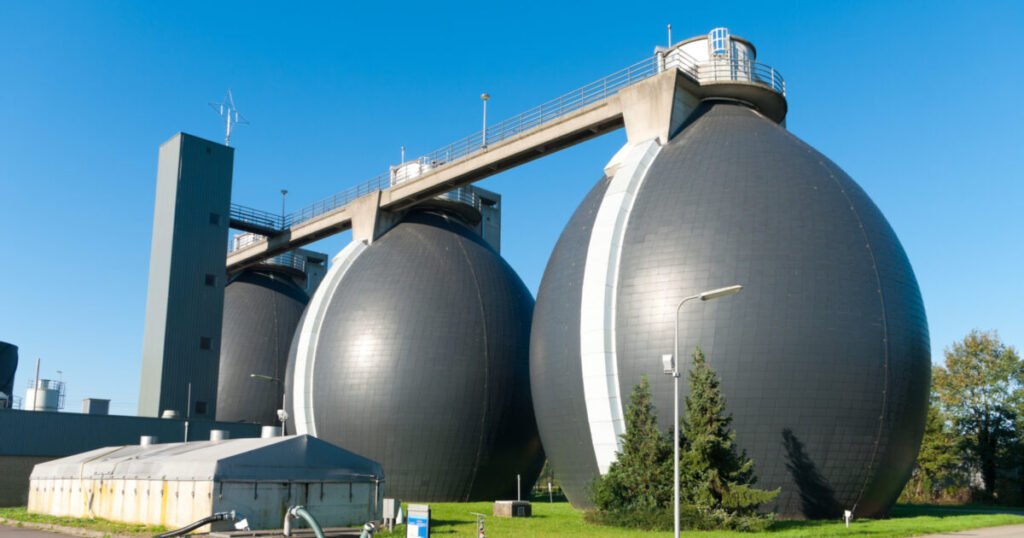
Wastewater treatment is an essential process to ensure water is clean before it’s returned to the environment or reused. A critical component of this process is digestion, a biological method where microorganisms break down organic matter in wastewater. This method is typically classified into two main categories: aerobic and anaerobic digestion. Aerobic digestion uses oxygen to support the breakdown of waste, while anaerobic digestion does so in an oxygen-free environment. Each method serves a specific purpose and is chosen based on the wastewater composition and the desired outcome.
Anaerobic digestion is a popular choice for wastewater treatment because it not only reduces the volume of waste but also produces biogas, a renewable energy source. This process can handle a variety of waste streams, making it versatile for applications in municipal, industrial, and agricultural wastewater management. Aerobic digestion, on the other hand, while requiring more energy due to its oxygen needs, results in less odor and can further reduce the amount of pathogens in the wastewater. Both methods are integral to modern wastewater management, contributing significantly to environmental sustainability and resource recovery.
Within the wider sludge treatment train, digestion occupies a position no other process can fill. Thickening and dewatering remove water; digestion removes solids. It is the only unit process in the solids train that actually destroys organic matter rather than concentrating it, typically eliminating something in the region of half the volatile solids fed to it. That destruction is what reduces the mass requiring disposal, what stabilizes the material so it stops generating odour and attracting vectors, and what determines whether the resulting biosolids can be land applied at all.
Anaerobic digestion adds a second dimension that sets it apart from every other process at a treatment plant: it produces energy rather than consuming it. Biogas from a well-run digester frequently supplies a substantial share of a facility’s heat demand and, where cogeneration is installed, a meaningful share of its electricity. That is why digestion attracts a level of capital investment that its footprint alone would never justify, and why the operating discipline it demands — temperature stability, alkalinity monitoring, consistent feeding — is worth the attention it takes.
Key Takeaways
- Digestion in wastewater treatment is an essential biological process ensuring environmental safety.
- Anaerobic and aerobic methods are both used, with each having unique benefits and applications.
- The correct treatment choice contributes to sustainability and energy production.
Fundamentals of Wastewater Treatment
The treatment of wastewater involves a multitude of processes designed to remove contaminants, thereby producing water that is safe for discharge into the environment. At the heart of these processes are digestion techniques, which are crucial for reducing the biological content of the sewage.
Aerobic vs. Anaerobic Digestion
Aerobic Decomposition is the process where microorganisms degrade organic matter in the presence of oxygen. Air is passed through water to transfer oxygen, promoting aerobic biological activity. The two main types of aerobic systems are:
- Passive Systems: These require a large footprint due to their reliance on natural air movement but are lower in energy consumption.
- Mechanical Systems: These have a smaller footprint and use machinery to enhance the oxygen transfer but consume much more energy.
Anaerobic Digestion, on the other hand, takes place in the absence of oxygen. Here, bacteria break down organic matter and produce biogas, which can be used as an energy source. This process occurs within a sealed vessel or reactor, with various designs tailored to specific sites or waste types. The EPA discusses the anaerobic digestion process in detail.
Anaerobic digestion proceeds through four sequential biological stages, and understanding the sequence is what makes digester troubleshooting possible. Hydrolysis breaks complex polymers into soluble monomers. Acidogenesis converts those monomers into volatile fatty acids. Acetogenesis converts the acids into acetate, hydrogen, and carbon dioxide. Methanogenesis finally converts those products into methane. The methanogens are the slowest-growing and most environmentally sensitive organisms in the chain, so any upset — a temperature swing, a toxic slug, an overload — inhibits them first while the faster acid-forming organisms carry on. Volatile acids then accumulate, alkalinity is consumed neutralizing them, pH falls, and the digester sours. That single mechanism explains nearly every anaerobic digester failure.
Key Processes and Definitions
Key Processes in Wastewater Treatment:
- Primary Treatment: Separation of solid waste from liquids, often involving the use of screens and settling tanks.
- Secondary Treatment: Biological processes that further degrade the organic content in the wastewater. This includes aerobic and anaerobic methods.
- Tertiary Treatment: Advanced treatments that may include filtering, nutrient removal, or disinfection before discharge or reuse.
Advantages and Disadvantages of Anaerobic Digestion:
- Advantages:
- Energy production through biogas.
- Less sludge production compared to aerobic systems.
- Can handle high-strength waste.
- Disadvantages:
- Generally slower than aerobic processes.
- More sensitive to temperature and pH changes.
- Methane, a potent greenhouse gas, can be a byproduct if not managed properly.
In summary, effective wastewater treatment involves choosing the appropriate digestion process that balances environmental impact with operational and economic considerations.
Subcategory Overview: Topics Within Digestion
Digestion spans several distinct process configurations, a set of temperature regimes, pretreatment options that change what digestion can achieve, and the equipment landscape behind all of it. The subsections below cover each area.
What a Digester Does
Introductory coverage answering what a digester does in wastewater treatment establishes the vocabulary before the design detail. A digester is a sealed, heated, mixed tank in which a microbial community converts organic solids into gas, water, and a stabilized residue. Its three products are what matter: a smaller mass of solids to dispose of, a material stable enough to store and land apply without creating a nuisance, and biogas. Everything else about digester design — retention time, temperature, mixing, gas handling — exists to serve those three outcomes.
The Wastewater Digester Process
Process-level coverage of the wastewater digester process traces the material from thickened feed sludge through to stabilized biosolids and captured gas. Feed sludge arrives from thickening, is heated to process temperature through a heat exchanger, and enters a mixed tank where it is held for the design solids retention time. Gas collects under the cover and is drawn off for use or flaring. Digested sludge leaves for dewatering, and the supernatant or filtrate returns to the head of the plant carrying released ammonia and phosphorus. Feeding consistency matters more than most operators expect: a digester fed in large intermittent batches experiences loading shocks that a continuously or frequently fed digester never sees.
Digester Operation in Practice
Practical material on digester wastewater treatment covers the daily control variables and what they indicate. The core monitoring set is temperature, pH, alkalinity, volatile acids, gas production rate, and gas composition. Of these, the ratio of volatile acids to alkalinity is the single most useful early warning available: a healthy mesophilic digester holds it low and stable, and a rising trend signals that acid production is outpacing methanogenesis weeks before pH moves at all. By the time pH has fallen, the digester is already in trouble and recovery takes far longer than prevention would have.
Mesophilic Digestion
Mesophilic digestion operates in a temperature band around 35 to 38°C and is the default configuration at the great majority of municipal plants. The organisms are comparatively robust, tolerate modest temperature variation, and produce a stable process that recovers reasonably well from minor upsets. Solids retention times are commonly in the range of 15 to 20 days or more, and volatile solids destruction typically lands around half the feed. The trade-off against higher-temperature operation is a larger tank for a given loading and a pathogen reduction that meets Class B rather than Class A criteria.
Thermophilic Digestion
Thermophilic digestion runs considerably hotter, in the region of 50 to 57°C, which accelerates reaction rates and allows shorter retention times and higher loading in the same tank volume. It also achieves substantially greater pathogen destruction, which opens the Class A biosolids pathway. The costs are real: thermophilic organisms are markedly less tolerant of temperature variation and ammonia, the process is more prone to upset, dewaterability of the digested sludge is often poorer, and odour potential increases. Two-stage arrangements running thermophilic followed by mesophilic are used to capture the pathogen benefit while restoring stability.
High-Solids Digestion
High-solids digestion feeds thicker sludge than conventional practice, which packs more organic mass into the same tank volume and correspondingly raises gas production per unit of digester capacity. The attraction is capacity: a plant needing more digestion can sometimes get it by thickening harder rather than by building another tank. The constraints are mixing energy, which rises sharply with solids concentration, heat exchanger fouling, and the risk of ammonia accumulating to inhibitory concentrations because there is less water to dilute it. Mixing system selection becomes the governing design decision rather than an afterthought.
Thermal Hydrolysis Pretreatment
Thermal hydrolysis sits ahead of digestion rather than within it, applying heat and pressure to rupture cell walls and solubilize organic matter before the digester receives it. The effect is to remove hydrolysis as the rate-limiting step, which allows much thicker feed, shorter retention times, higher volatile solids destruction, and greater gas yield, while producing a Class A product. It also improves dewaterability, which is unusual among digestion enhancements. The costs are capital, steam demand, and a considerably more complex plant, along with a high-strength ammonia sidestream that generally requires its own treatment.
Autothermal Thermophilic Aerobic Digestion
ATAD is the aerobic counterpart to thermophilic anaerobic digestion, reaching and sustaining thermophilic temperatures from the heat released by vigorous aerobic metabolism rather than from an external source. It achieves rapid stabilization and reliable pathogen destruction in short retention times and a small footprint. What it does not do is produce biogas, and it consumes substantial electrical energy driving the aeration that makes it work. Odour control is a significant design element. It suits smaller facilities needing Class A product without the capital and complexity of anaerobic digestion with gas handling.
Upflow Anaerobic Sludge Blanket Reactors
Upflow anaerobic sludge blanket reactors apply anaerobic biology to the wastewater stream itself rather than to sludge. Wastewater flows upward through a blanket of granular anaerobic biomass, with a gas-liquid-solid separator at the top retaining the granules while allowing treated water and biogas to leave separately. Because the granules settle well, biomass is retained far longer than the hydraulic retention time, which allows very high organic loading in a compact reactor. The technology is widely used on high-strength industrial effluent — food and beverage, brewing, pulp and paper — and in warm-climate municipal applications, and it is included here because the underlying anaerobic chemistry is identical to that of a sludge digester.
Granular Biomass Processes
Related work on granular activated sludge mechanisms covers a distinct technology that shares the granule concept. Aerobic granular sludge forms dense, self-immobilized biomass granules that settle rapidly and support nitrification, denitrification, and phosphorus removal within a single granule, allowing biological treatment and clarification in one reactor. It belongs to secondary biological treatment rather than to sludge digestion, but the granulation science overlaps directly with what makes UASB reactors work, which is why the two are often studied together.
Digester Equipment and Manufacturers
The Top Digester Manufacturers area compares suppliers across tank and cover systems, mixing technology, heating and heat exchange, gas handling and safety equipment, and instrumentation. Digestion procurement differs from most equipment purchases because the scope spans several distinct systems that must work together, and integration responsibility is frequently the most important term in the contract. Mixing system selection in particular varies widely between suppliers and has more effect on long-term performance than almost any other equipment decision.
Aerobic Digestion
Aerobic digestion is a biological process in which microorganisms break down organic matter in wastewater in the presence of oxygen. This method is pivotal for reducing the volume and mass of waste sludge, rendering it more stable for subsequent handling.
Oxygen-Dependent Processes
In aerobic digestion, the presence of oxygen is crucial for the breakdown of organic matter. Oxygen allows bacteria and other aerobic microorganisms to decompose organic compounds into carbon dioxide, water, and energy, which they use for growth and reproduction. This oxidation process is efficient at reducing the pathogens and organic content in the sludge.
- Decomposition: Occurs as aerobic bacteria consume organic substances.
- Oxygen Supply: Must be maintained to ensure the microorganisms remain active.
The defining characteristic of conventional aerobic digestion is that it is energy-negative. Where anaerobic digestion produces gas, aerobic digestion consumes electricity continuously to supply oxygen, and required retention times lengthen considerably in cold weather because the process is unheated and reaction rates fall with temperature. That combination confines it largely to small plants, where its simplicity, low capital cost, absence of gas handling, and freedom from the operating discipline anaerobic digestion demands outweigh the energy penalty.
Technologies and Methodologies
Aerobic digestion technologies are designed to maximize the treatment process while maintaining cost-effectiveness.
- Activated Sludge: A common method where air is bubbled through wastewater to mix and oxygenate the sludge.
- Sequencing Batch Reactors: Operate in cycles, providing periods of aeration and settlement, thus providing flexibility and efficiency.
In terms of methodologies, the focus is on optimizing conditions for aerobic metabolism, which includes maintaining proper temperature, pH, and mixing to ensure uniform distribution of oxygen. Aerobic digestion can also reduce the quantity of antibiotic-resistant bacteria in wastewater solids, an effect that has been demonstrated at bench scale.
The operation of aerobic systems often relies on semi-continuous flow conditions, which balance process stability and treatment efficiency. They are widely applicable in settings ranging from single-family homes to larger-scale municipal facilities, adapting the design to the required treatment capacity.
Anaerobic Digestion
Anaerobic digestion stands as a pivotal process in wastewater treatment, converting organic matter into biogas in the absence of oxygen. This technology is integral to managing wastewater sludge and producing energy.
Absence of Oxygen Environment
In the absence of an oxygen environment, anaerobic microorganisms break down organic materials. This process occurs in a sealed, oxygen-free container known as a digester. Without oxygen, these microbes thrive and decompose the organic waste, leading to the production of methane and carbon dioxide, which combine to form biogas.
Anaerobic Digestion of Wastewater Sludge
Anaerobic Digestion of Wastewater Sludge is a crucial aspect of sludge management. The digestion process reduces the volume and mass of sludge, making it easier and less expensive to handle and treat. It not only stabilizes the sludge but also significantly cuts down pathogens. The result is a reduction in disposal costs and the generation of biogas, which can be harnessed to produce electricity and heat, thereby making wastewater treatment plants more energy-efficient.
Raw biogas is typically around 60 to 65 percent methane with most of the balance carbon dioxide, giving it roughly half to two-thirds the heating value of natural gas. It also arrives saturated with moisture and carrying hydrogen sulfide and, at many plants, siloxanes. Those two contaminants are what determine how the gas can be used: hydrogen sulfide is corrosive and forms sulfuric acid in engine crankcases, while siloxanes deposit abrasive silica on valves and turbochargers. Simple boiler use tolerates raw gas reasonably well, but any engine or turbine application requires conditioning, and the cost of that conditioning is frequently what decides whether cogeneration is viable. The wider recovery options are covered under biogas and energy recovery.
Advanced Treatment Technologies
Wastewater treatment has evolved to incorporate advanced technologies that enhance the degradation of organic materials, resulting in safer effluents and byproducts suitable for various uses. Among these are thermal hydrolysis and microwave irradiation processes that significantly improve the efficiency and effectiveness of wastewater treatment facilities.
Thermal Hydrolysis
Thermal hydrolysis is a process used to treat sewage sludge, the byproduct of wastewater treatment. It involves subjecting the sludge to high temperatures and pressures, a step that solubilizes organic matter and makes it more accessible to subsequent anaerobic digestion processes. Facilities implementing thermal hydrolysis often see increased biogas production and the generation of a pathogen-free biosolid that can be safely applied as fertilizer. This approach optimizes the overall energy balance by enhancing the digestibility of solids and reducing the volume of waste for disposal.
Microwave Irradiation
Microwave irradiation technology is a newer entrant in the wastewater treatment space. This process utilizes microwaves to apply heat directly to the wastewater sludge. The rapid heating enhances the breakdown of organic compounds. Applying microwave irradiation can lead to reduced sludge viscosity and improved dewatering properties, which means less energy is required for both heating and subsequent sludge handling. What’s remarkable about microwave irradiation is not just its efficiency but also its ability to operate at lower temperatures compared to conventional thermal methods, potentially offering cost savings on energy consumption.
Biological Digestion Methods
Biological digestion methods in wastewater treatment play a vital role in breaking down organic matter, resulting in stabilized waste that can be safely disposed of or reused. These processes mimic and accelerate natural decompositions to clean water.
Composting
Composting is a controlled and managed process in which microorganisms decompose organic matter, such as food scraps and yard waste, into a stable product that can be used as a natural fertilizer. It involves the creation of conditions that foster the growth of aerobic bacteria, which break down the material through oxidation processes. The key aspects of composting include maintaining optimal moisture and aeration and achieving high temperatures to ensure pathogen destruction.
Autothermal Thermophilic Aerobic Digestion (ATAD)
Autothermal Thermophilic Aerobic Digestion (ATAD) is an advanced process designed for the treatment of sewage sludge. It operates under high-temperature conditions typically ranging from 50 to 65°C (122 to 149°F), which are achieved through the heat generated by biological activity. In ATAD systems, aerobic bacteria digest the sludge, which results in the reduction of both volume and mass, the destruction of pathogens, and a final product that can potentially be used as a biofertilizer.
During these processes, different operational parameters are critical to effectiveness and compliance with environmental regulations. Composting requires periodic turning to achieve homogeneity and aeration, while ATAD systems need careful control of aeration rates and temperatures to maintain thermophilic conditions without external heat input. Both processes embody eco-friendly disposal methods, turning waste into valuable amendments for soil conditioning.
Selection and Specification Framework
Step One: Start From the Biosolids End Use
The disposal or reuse pathway determines the process, not the other way around. Class B biosolids, achievable by conventional mesophilic anaerobic or aerobic digestion, can be land applied under site restrictions covering crop type, harvesting intervals, and public access. Class A biosolids remove most of those restrictions and open bagged distribution and unrestricted application, but they require a process meeting the more demanding pathogen reduction criteria: thermophilic operation, thermal hydrolysis, ATAD, or composting. Landfill disposal imposes no pathogen requirement but rewards volume reduction. Establish the destination before comparing technologies.
Step Two: Decide Whether Energy Recovery Justifies Anaerobic
Anaerobic digestion costs considerably more to build than aerobic and demands far more operating discipline, and the return is biogas. Whether that return justifies the investment depends on the plant’s organic load, the availability of a use for the gas, and increasingly on whether co-digestion feedstock is available. Below a certain plant size the economics rarely work and aerobic digestion or lime stabilization is the sensible answer. Above it, anaerobic digestion becomes the default, and the case strengthens sharply where high-strength organic waste can be accepted for co-digestion.
Step Three: Choose the Temperature Regime
Mesophilic operation is the stable, forgiving default and should be the starting assumption. Thermophilic operation buys shorter retention time, higher loading, and Class A pathogen reduction, at the cost of process fragility, greater ammonia sensitivity, poorer dewaterability, and higher odour potential. Two-stage thermophilic-then-mesophilic arrangements aim to capture the pathogen benefit while restoring stability, and are worth evaluating where Class A is required but full thermophilic operation seems too fragile for the available staffing.
Step Four: Size on Retention Time and Loading Rate Together
Two criteria govern digester volume and the more restrictive controls. Solids retention time must exceed the minimum needed for methanogen growth and for the applicable pathogen reduction requirement. Volumetric organic loading rate must stay within what the microbial population can process without accumulating volatile acids. Feed solids concentration links the two: thickening the feed raises the loading rate at constant retention time, which is exactly the mechanism high-solids digestion exploits and exactly where mixing capability becomes the binding constraint. Thickening performance upstream is covered under thickening, and it directly determines how much digester capacity a given tank represents.
Step Five: Design the Mixing and Heating Systems Deliberately
Mixing determines whether the whole tank participates in digestion or only part of it. Inadequate mixing produces stratification, grit accumulation at the bottom, and a scum blanket at the top, all of which reduce effective volume, sometimes drastically. Gas mixing, mechanical draft tube, and pumped external mixing each have distinct maintenance profiles and distinct failure modes. Heating must hold temperature within a narrow band, since methanogens tolerate slow seasonal drift far better than rapid swings, and heat exchanger fouling on the sludge side is a routine maintenance item rather than an exception.
Step Six: Plan for the Sidestream and the Downstream Effects
Digestion releases ammonia and phosphorus into solution, and both return to the head of the plant when the digested sludge is dewatered. Digested sludge also dewaters differently from raw sludge and generally demands more polymer, which affects the equipment and chemical specification covered under dewatering. Struvite precipitation in post-digestion piping and heat exchangers is a common consequence of the released phosphorus and magnesium, and designing for it is far cheaper than chasing it later.
Comparison Tables
| Process | Key Features | Best-Fit Applications | Limitations | Energy Balance | Biosolids Class |
|---|---|---|---|---|---|
| Mesophilic anaerobic | Moderate temperature; stable, forgiving; produces biogas | The default at most medium and large municipal plants | Longer retention time; larger tank volume | Net energy producer | Class B |
| Thermophilic anaerobic | Higher temperature; faster kinetics; higher loading | Where Class A is required or tank volume is constrained | Fragile; ammonia sensitive; poorer dewaterability; odour | Net energy producer | Class A achievable |
| High-solids anaerobic | Thicker feed; more organic mass per unit of tank volume | Capacity expansion without new tanks | Mixing energy; ammonia accumulation; heat exchanger fouling | Net energy producer | Depends on temperature regime |
| Thermal hydrolysis + anaerobic | Pretreatment ruptures cells; much thicker feed; higher gas yield | Large plants; Class A requirement; constrained sites | High capital; steam demand; strong ammonia sidestream | Net producer, with steam demand | Class A |
| Conventional aerobic | Simple; no gas handling; low capital | Small plants; facilities without digestion expertise | Continuous aeration energy; retention time lengthens in cold weather | Net energy consumer | Class B |
| ATAD | Self-heating thermophilic aerobic; short retention; small footprint | Smaller plants needing Class A without gas handling | High aeration energy; significant odour control requirement | Net energy consumer | Class A achievable |
| Composting | Aerobic decomposition with bulking agent; produces soil amendment | Where a marketable product and land area are available | Land, bulking agent supply, odour, weather exposure | Net energy consumer | Class A achievable |
| Symptom | Usual Cause | First Check |
|---|---|---|
| Rising volatile acid to alkalinity ratio | Acid production outpacing methanogenesis | Recent loading changes, temperature stability, toxic inputs |
| Falling pH with rising volatile acids | Alkalinity exhausted; digester souring | Reduce feed immediately; consider alkalinity addition |
| Gas production falling at constant feed | Inhibition, or loss of effective volume to grit and scum | Volatile acids, ammonia, and tank sounding |
| Declining volatile solids destruction | Effective volume reduced, or retention time shortened | Actual versus design working volume; feed rate |
| Foaming and cover-level problems | Filamentous organisms or rapid gas release from overloading | Feeding pattern, mixing, and mixed liquor microscopy |
| Deposits blocking post-digestion piping | Struvite precipitating from released phosphorus and magnesium | Piping material and geometry; consider controlled precipitation |
Chemical Treatment Techniques
Chemical treatment techniques in wastewater treatment are essential for the removal of contaminants that biological processes cannot adequately address. They typically involve the addition of chemicals to wastewater to facilitate the removal of pollutants through chemical reactions.
Alkaline Stabilization
Alkaline stabilization is a method used to treat wastewater by raising the pH to a basic level. This process can be crucial for the neutralization of acidic waste streams. By adding alkaline compounds, contaminants can precipitate out of the wastewater, making them easier to remove. One common practice is to add lime or caustic substances, causing the pH to rise to between 10.8 and 11.5. This elevated pH level converts ammonium ions to ammonia gas, which can then be stripped from the wastewater. This treatment is particularly effective for the removal of highly soluble inorganic compounds such as ammonia.
Applied to sludge rather than to the liquid stream, alkaline stabilization is a genuine alternative to digestion. Adding sufficient lime to hold the pH above 12 for a defined period halts biological activity, destroys pathogens, and stabilizes the material without any biological process at all. It is fast, requires little capital equipment, and is well suited to small plants and to emergency use when a digester is out of service. The trade-offs are that it adds mass rather than destroying it, increasing the quantity requiring disposal, it produces no biogas, and it carries an ongoing chemical cost.
Operational Considerations
The operational considerations for wastewater digestion focus on maximizing efficiency while balancing cost constraints. These practices are essential for ensuring the successful treatment of wastewater through biological means.
Process Optimization
Process optimization in wastewater digestion targets enhancing the performance of the system. Operators aim to maintain ideal conditions for anaerobic digestion, which include temperature control within a mesophilic range (usually around 30-38°C) or a thermophilic range (50-57°C), and balanced pH levels. They also regulate the hydraulic retention time (HRT) and organic loading rate (OLR) to optimize the breakdown of organic matter.
- Advantages:
- Increased biogas production
- Reduction in pathogens and odors
- Lower sludge volumes
- Disadvantages:
- Requires careful monitoring and control systems
- Sensitive to temperature and pH fluctuations
Cost-Benefit Analysis
Cost-benefit analysis for wastewater digestion considers the financial implications of both capital and operational expenses against the environmental and operational gains. The upfront costs for installing anaerobic digesters can be high, but the energy produced in terms of biogas can offset some of these expenses. It is crucial to evaluate this trade-off to ensure economic viability.
- Advantages:
- Potential revenue from biogas utilization
- Long-term operational cost savings
- Environmental compliance benefits
- Disadvantages:
- High initial capital investment
- Variable maintenance expenses
- Complexity in cost forecasting due to technology and market changes
Methods such as input-output analysis and life cycle costing are employed to assess these factors accurately. They also scrutinize the resilience of the system against changes in waste composition and potential disruptions.
Design Details and Standards
Sizing Methodology
Establish the volatile solids load the plant will produce from a documented solids balance rather than an assumed per-capita figure, and include any planned co-digestion feedstock. Determine the required solids retention time from the more demanding of the process requirement and the applicable pathogen reduction criterion. Calculate the tank volume that retention time implies at the expected feed solids concentration, then check volumetric organic loading rate against acceptable practice for the temperature regime and take whichever criterion governs. Deduct realistic allowances for grit accumulation and scum blanket from nominal volume, since effective working volume in an operating digester is materially less than the tank’s geometry suggests. Provide sufficient redundancy that the plant can continue stabilizing solids with one digester out of service, and size gas storage, conditioning, and flare capacity for peak production.
Key Parameters
- Mesophilic temperature: commonly held around 35 to 38°C, with stability mattering more than the exact setpoint.
- Thermophilic temperature: commonly around 50 to 57°C, with much tighter tolerance for variation.
- Solids retention time: conventional mesophilic practice commonly uses 15 to 20 days or more; thermophilic and pretreated systems considerably less.
- Volatile solids destruction: around half the feed for conventional mesophilic digestion, higher with thermal hydrolysis or thermophilic operation.
- Biogas composition: typically 60 to 65 percent methane, with the balance mainly carbon dioxide plus moisture, hydrogen sulfide, and siloxanes.
- Alkalinity: maintained at a level sufficient to buffer volatile acid excursions, with the volatile acid to alkalinity ratio as the control indicator.
- pH: held near neutral; a falling pH means alkalinity is already exhausted.
- Ammonia: monitored because it accumulates in high-solids and pretreated systems and inhibits methanogens above a threshold concentration.
All values above are typical or approximate ranges and should be confirmed against the governing state standard, the applicable federal biosolids criteria, and site-specific solids characterization.
Applicable Standards and References
40 CFR Part 503 establishes the federal standards for the use or disposal of sewage sludge, with Appendix B defining Processes to Significantly Reduce Pathogens and Processes to Further Reduce Pathogens, which are the criteria determining Class B and Class A biosolids respectively, together with the vector attraction reduction options. Recommended Standards for Wastewater Facilities, the Ten States Standards, addresses digester sizing, gas handling, safety equipment, and redundancy provisions in many states. WEF Manual of Practice No. 8 and ASCE Manual of Practice No. 76 provide the design methodology, with WEF’s dedicated solids and biosolids manuals covering digestion in depth. NFPA 820, Standard for Fire Protection in Wastewater Treatment and Collection Facilities, governs area classification for digesters, gas piping, and gas handling equipment, and is among the most consequential standards on any digestion project. Standard Methods for the Examination of Water and Wastewater defines the volatile solids, alkalinity, and volatile acid procedures on which digester monitoring depends. ASME pressure vessel requirements apply to gas storage, and applicable electrical codes govern installation in the classified areas around gas equipment.
Specification Checklist
- Volatile solids load from a documented solids balance, including any co-digestion feedstock
- Required biosolids class and the pathogen and vector attraction reduction route to achieve it
- Temperature regime selected, with the rationale and the stability tolerance required
- Solids retention time and volumetric organic loading rate, with the governing criterion identified
- Feed solids concentration from thickening, with its expected range
- Effective working volume after allowances for grit and scum accumulation
- Redundancy: number of digesters and the ability to operate with one out of service
- Mixing system type, energy input, and the maintenance access it requires
- Heating system, heat exchanger type, and provision for sludge-side cleaning
- Cover type, gas storage volume, pressure and vacuum relief, and flame arrestors
- Gas conditioning: moisture, hydrogen sulfide, and siloxane removal matched to the intended end use
- Flare capacity sized for maximum gas production
- NFPA 820 area classification, ventilation, and gas detection
- Grit and scum removal provisions, and the means of tank cleaning
- Sidestream ammonia and phosphorus load, struvite control, and the return management strategy
- Instrumentation: temperature, pH, gas flow and composition, level, and the signals reported to SCADA
Field Notes
Commissioning Considerations
Seed the digester with active biomass from an operating facility where possible, and bring it up to temperature and loading slowly, because methanogens grow slowly and forcing the schedule is the commonest cause of a failed startup. Establish the baseline monitoring set from the first day: temperature, pH, alkalinity, volatile acids, gas production, and gas composition, recorded together so the relationships between them become visible. Verify the mixing system actually mixes by sounding the tank and by checking temperature uniformity at several depths rather than trusting the design calculation. Test every gas safety device by challenge, including pressure and vacuum relief and flame arrestors, and confirm the flare ignites reliably before there is gas to flare.
Common Specification Mistakes
- Sizing on nominal tank volume. Grit and scum reduce effective volume substantially over time, and the design should anticipate it.
- Treating mixing as a commodity. Mixing determines how much of the tank participates in digestion and has more effect on performance than most equipment choices.
- Specifying gas use without conditioning. Hydrogen sulfide and siloxanes destroy engines, and conditioning cost frequently decides whether cogeneration is viable at all.
- Ignoring the sidestream. Released ammonia and phosphorus return to the plant at dewatering and can be a significant share of the nitrogen load.
- Choosing thermophilic operation without matching staffing. The process is less forgiving and needs closer attention than mesophilic.
- Providing a single digester. Tanks require periodic cleaning, and solids production does not pause for it.
- Underestimating NFPA 820 implications. Area classification around gas equipment affects electrical design, ventilation, and building layout, and is expensive to retrofit.
- Assuming digested sludge dewaters like raw sludge. It generally does not, and polymer demand rises accordingly.
Operations and Maintenance Comparison
Anaerobic systems concentrate attention on the biology and the gas system: daily monitoring of the volatile acid to alkalinity relationship, heat exchanger cleaning on the sludge side, mixing system maintenance, and the gas train with its safety devices, condensate traps, and conditioning media. Periodic tank cleaning to remove accumulated grit is a major planned event requiring the tank out of service. Aerobic systems replace all of that with blower and diffuser maintenance and a continuous electricity bill, which is simpler but never stops costing. ATAD adds vigorous aeration equipment and a substantial odour control system. Thermal hydrolysis adds a steam plant and pressure equipment with their own inspection regimes. Across all of them, the instrumentation that provides early warning is only useful if it is calibrated, and digester gas meters in particular drift.
Troubleshooting by Symptom
The governing principle is that anaerobic digester problems announce themselves in the volatile acid to alkalinity ratio before they appear anywhere else. A rising ratio at stable temperature and loading points to an inhibitory input or to methanogen stress and warrants reducing feed immediately rather than investigating at leisure. Falling gas production at constant feed indicates either inhibition or lost effective volume, and sounding the tank for grit and scum distinguishes them. Foaming usually traces to feeding pattern, filamentous organisms carried over from the aeration basin, or rapid gas release from overloading. Blockages in post-digestion piping are almost always struvite. Temperature swings are worth investigating even when the digester appears fine, because methanogens tolerate slow drift far better than rapid change and repeated swings erode process resilience.
Pro Tip: Trend the Volatile Acid to Alkalinity Ratio, Not pH
Operators commonly watch digester pH because it is easy to measure, but pH is a lagging indicator: it stays comfortably neutral while alkalinity is quietly consumed neutralizing accumulating acids, and it only moves once that buffer is exhausted and the digester is already in serious trouble. The ratio of volatile acids to alkalinity moves weeks earlier and moves smoothly, which makes a trend line genuinely predictive. Plotting it alongside gas production per pound of volatile solids fed gives two independent views of the same biology, and a plant that watches both rarely loses a digester, because the intervention window is measured in weeks rather than days.
Environmental Impact and Sustainability
Digestion in wastewater treatment significantly influences the environment and sustainability of the ecosystem. It affects emissions, and byproducts, and complies with regulatory standards to ensure minimal environmental impact.
Emissions and Byproducts
The process of anaerobic digestion in wastewater management reduces greenhouse gas emissions by capturing methane that would otherwise be released into the atmosphere. This captured methane can be utilized as a renewable energy source, aiding in the transition away from fossil fuels. On the other hand, aerobic digestion consumes oxygen and generates carbon dioxide, but at a lower methane emission rate compared to untreated wastewater. Byproducts such as biosolids can be repurposed for land application, contributing to the circular economy.
- Methane: Captured for energy, reducing greenhouse gases.
- Carbon Dioxide: Emitted during aerobic processes, but less impactful than methane.
- Biosolids: Treated and reused, minimizing waste.
Regulatory Compliance
Treatment facilities must adhere to environmental regulations to minimize their ecological footprint. Federal biosolids rules set the pathogen and vector attraction reduction requirements that determine how digested material may be used, and state programs frequently add their own conditions on land application. Monitoring and reporting are essential for compliance, with standards in place to ensure the treated water and byproducts do not harm the environment.
- Adherence: Aligning with guidelines like those provided by the EPA.
- Monitoring: Regular checks to maintain compliance.
- Reporting: Transparent documentation of the facility’s environmental impact.
Frequently Asked Questions
What are the different types of digestion processes used in wastewater treatment?
There are primarily two types of digestion processes: aerobic digestion, where microorganisms break down organic matter in the presence of oxygen, and anaerobic digestion, which occurs without oxygen and typically produces biogas.
How does the anaerobic digestion process treat wastewater and what are its steps?
Anaerobic digestion treats wastewater by breaking down sludge in the absence of oxygen. It involves four key steps: hydrolysis, acidogenesis, acetogenesis, and methanogenesis. This process reduces the volume of sludge, destroys pathogens, and can generate methane for energy recovery.
In wastewater treatment, what are the main purposes of using digesters?
Digesters are used to reduce the volume of sludge, stabilize organic material, destroy pathogens and parasites, and potentially capture biogas for energy use. They are essential in producing a more environmentally friendly byproduct for disposal or use as biosolids.
What are the potential disadvantages of using anaerobic digestion for wastewater treatment?
Potential disadvantages of using anaerobic digestion include the initial high capital costs, the need for skilled operation and maintenance, and the slower processing time compared to aerobic systems. The process can also produce odors if not managed correctly.
How is sludge treatment achieved through the digestion process in wastewater management?
Sludge treatment via digestion involves the breakdown of organic matter into more stable forms. Aerobic digestion oxidizes organic matter while anaerobic digestion converts it into methane and carbon dioxide, reducing the sludge mass and making it safer for disposal or land application.
What are the variations among digesters utilized for treating sewage sludge?
Digesters for sewage sludge treatment vary in design and operation, including continuous stirred-tank reactors, up-flow anaerobic sludge blanket (UASB) reactors, fixed-film systems, and batch reactors. These variations cater to different treatment sizes, sludge characteristics, and desired end-products.
Conclusion
Key Takeaways
- Digestion is the only solids process that destroys mass — thickening and dewatering remove water; digestion eliminates roughly half the volatile solids fed to it.
- Let the biosolids end use pick the process — Class B is achievable by conventional digestion, while Class A requires thermophilic operation, thermal hydrolysis, ATAD, or composting.
- Methanogens are the weak link — they are the slowest-growing and most sensitive organisms in the chain, and nearly every digester failure is a story about inhibiting them.
- Watch volatile acids against alkalinity, not pH — pH is a lagging indicator that only moves once the buffer is already gone.
- Gas conditioning decides whether energy recovery works — hydrogen sulfide and siloxanes destroy engines, and that cost frequently determines whether cogeneration is viable.
- Count the sidestream and the dewatering effect — digestion releases ammonia and phosphorus that return at dewatering, and digested sludge dewaters differently from raw.
Digestion is the process that turns a wastewater treatment plant’s largest liability into something closer to an asset. It cuts the mass of solids requiring disposal roughly in half, produces a material stable enough to store and apply to land, and in its anaerobic form generates enough energy to offset a meaningful portion of the facility’s own consumption. No other unit process in the solids train does any of those things, let alone all three.
The price is operating discipline. Anaerobic digestion depends on a slow-growing microbial community that punishes temperature swings, inconsistent feeding, and toxic inputs, and it comes packaged with a combustible gas system carrying real safety obligations. Getting it right means choosing the process from the biosolids end use rather than from equipment preference, sizing on both retention time and loading with realistic effective volume, treating mixing and gas conditioning as primary design decisions rather than accessories, and monitoring the biology closely enough that problems are caught while the intervention window is still measured in weeks.