
Ozonation in Wastewater Treatment: Efficient Disinfection and Organic Removal
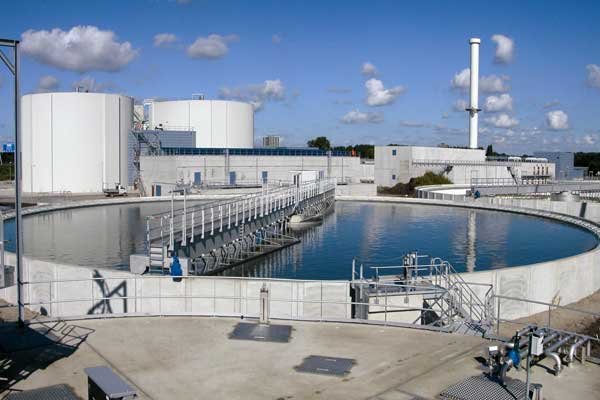
Ozonation is a water treatment process that leverages the power of ozone, a potent oxidizing agent, to eliminate various contaminants from wastewater. Traditionally used for disinfecting drinking water, its application has expanded to treat municipal and industrial wastewater. Ozone is particularly effective against bacteria, viruses, and organic compounds, often as a tertiary treatment step to improve water quality beyond primary and secondary treatment levels.
Despite its efficacy, ozonation is not without challenges. The process involves ozone generation on-site due to its instability and short half-life; therefore, it cannot be stored and transported like other disinfectants. System design and operation play critical roles in ensuring effective ozonation, with considerations for contact systems to efficiently mix ozone with wastewater and strategies for the safe degassing of excess ozone. With increasing emphasis on water reuse and stringent environmental regulations, ozonation remains an important and evolving field in water and wastewater treatment.
What separates ozone from every other disinfectant in common use is that it is manufactured on the spot, seconds before it is consumed. There is no delivery, no storage tank, and no inventory; there is a generator, a feed gas supply, a power bill, and a cooling system, and if any of those stops, disinfection stops with it. That single fact shapes the entire discipline. Capital cost is high because the plant is buying a chemical factory rather than a chemical. Operating cost is dominated by electricity, since generating ozone consumes several kilowatt-hours per pound produced. Reliability planning has to treat the generator as a process unit rather than as a chemical feed pump. And because ozone is a toxic gas at concentrations well below what the process uses, containment, off-gas destruction, and ambient monitoring are not accessories but core design elements.
Against those demands sits capability that no other single process matches: ozone disinfects, oxidizes iron and manganese, destroys taste and odour compounds, removes colour, breaks down many micropollutants, and improves the biodegradability of what it does not destroy outright. Where the treatment objective extends past pathogens, ozone frequently does the work of several processes at once.
Key Takeaways
- Ozonation is an advanced water treatment method used to reduce pollutants in wastewater.
- Effective ozonation requires careful system design to maximize contact between ozone and contaminants.
- Ongoing innovations in ozonation address operational challenges, seeking to enhance efficiency and safety.
Basics of Ozonation
Ozonation is an effective method to purify wastewater, utilizing ozone, a powerful oxidant, to break down pollutants and pathogens.
Principles of Ozone Generation
Chemically represented as O₃, ozone is created when diatomic oxygen (O₂) molecules are split into individual oxygen atoms that subsequently collide with intact O₂ molecules. Ozone generators are critical for this process; they produce ozone by subjecting oxygen to high-energy electrical discharges or ultraviolet light. The ozone is unstable and highly reactive, making it suitable for oxidizing a wide range of organic and inorganic substances in wastewater.
In practice, corona discharge is the method used at every meaningful scale; ultraviolet generation produces concentrations too low for water treatment duty and is confined to very small devices. The feed gas determines much of the system’s character. Ambient air, dried to a very low dew point, yields ozone at roughly 1 to 3 percent by weight and requires substantial air preparation equipment. Oxygen feed, supplied as liquid oxygen or generated on site by pressure swing adsorption, yields roughly 6 to 12 percent and halves the energy required per pound of ozone produced. Feed gas moisture is not a minor detail: with air feed, inadequate drying allows nitrogen and water to form nitric acid inside the generator, which destroys the dielectrics.
Ozonation Process in Wastewater Treatment
The ozonation process typically follows primary and secondary treatment stages in wastewater treatment. Wastewater is exposed to generate ozone, which reacts with and breaks down contaminants, including bacteria, viruses, and organic materials. The process not only improves water quality by removing pathogens but also helps to eliminate unpleasant odors and tastes. The efficacy of the ozonation process in wastewater treatment is gauged by the decrease in Biochemical Oxygen Demand (BOD), Chemical Oxygen Demand (COD), and total suspended solids concentration.
Subcategory Overview: Topics Within Ozonation
Ozonation is covered across the site from several angles: the fundamental purification mechanism, its role in potable water purification, its specific application to wastewater effluent, where the technology is heading, and the operator-level detail that determines whether an installation performs. The subsections below cover each.
The Ozonation Purification Process
Material on understanding the ozonation purification process works through what actually happens between the generator and the treated water. Ozone transfers from the gas phase into solution, which is a mass transfer problem governed by bubble size, contact time, and pressure. Once dissolved, it follows two reaction pathways simultaneously, and the balance between them determines what the process achieves. Ozone demand is exerted before any residual appears, so the applied dose and the transferred dose and the residual are three different numbers, and confusing them is the most common source of misinterpreted performance data.
Ozonation as a Water Purification Method
Coverage of ozonation as a water purification method emphasizes the potable side, where ozone earned its position long before wastewater applications became common. In drinking water treatment ozone serves several duties at once: primary disinfection with strong credit against Cryptosporidium and Giardia, oxidation of iron and manganese into filterable forms, destruction of geosmin and MIB that cause taste and odour complaints, and colour removal. It is almost always followed by biologically active filtration, because ozone converts refractory organics into assimilable carbon that would otherwise support regrowth in the distribution system.
Ozonation for Wastewater Effluent
Practical guidance on ozonation for wastewater treatment addresses the differences that matter when the water is effluent rather than raw source water. Secondary effluent carries a much higher ozone demand from residual organics, so a larger share of the applied dose is consumed before disinfection begins. Dosing is therefore commonly normalized to dissolved organic carbon rather than expressed as a flat concentration. The absence of a persistent residual is an advantage here, since no dechlorination step is required before discharge, and the oxygen-rich off-gas can sometimes be recovered for use in the aeration basin.
Emerging Ozonation Applications
Discussion of the future of ozonation centres on micropollutant removal and potable reuse, the two areas driving current growth. Pharmaceuticals, personal care products, and endocrine-disrupting compounds resist conventional biological treatment but are readily attacked by ozone and by the hydroxyl radicals its decomposition produces. Several European jurisdictions now require micropollutant removal from municipal effluent, and ozone followed by biological filtration has become a standard answer. In potable reuse trains, ozone typically sits ahead of biologically active carbon as an alternative to the membrane and advanced oxidation route.
Ozonation for Operators and Engineers
An operator-and-engineer-oriented treatment, Ozonation Explained, covers the practical knowledge that keeps a system running: reading generator performance curves, interpreting dissolved ozone residual against applied dose, recognizing the signs of dielectric failure or cooling water problems, managing feed gas quality, and responding to off-gas destruct alarms. It also covers the safety discipline the process demands, since ozone is hazardous at concentrations far below those used in the contactor and ambient monitoring is a continuous requirement rather than a periodic check.
Ozone Reaction Mechanisms
Ozone is a potent oxidizing agent used effectively in the disinfection of wastewater and the decomposition of pollutants. The mechanisms involved in ozone reactions are critical for ensuring the efficient treatment of contaminants and safeguarding water quality.
Ozone Disinfection Mechanism
When introducing ozone into wastewater, it reacts with various pollutants through direct and indirect oxidation processes. The direct mechanism involves the transfer of electrons between ozone and organic substances, effectively breaking down microorganisms and other contaminants. Organic compounds, including bacteria and viruses, are targeted by ozone molecules, which disrupt cell walls and metabolic processes, leading to their inactivation or destruction.
The indirect mechanism includes the formation of hydroxyl radicals (•OH) when ozone decomposes in water. These radicals are highly reactive and further contribute to the disinfection process by attacking a wide range of organic compounds, enhancing the overall treatment efficacy.
Which pathway dominates depends largely on pH. At acidic pH the molecular ozone pathway prevails, and ozone is selective, reacting preferentially with electron-rich compounds and persisting long enough to deliver disinfection credit. At alkaline pH ozone decomposes rapidly and the radical pathway takes over, producing a non-selective oxidant that attacks almost anything but leaves little measurable residual. Deliberately pushing the process toward the radical pathway, usually by adding hydrogen peroxide, is what converts ozonation into an advanced oxidation process, trading disinfection credit for greater destruction of refractory compounds.
Ozone Decomposition
Ozone decomposition is a crucial aspect of its use in wastewater treatment, as it ensures that the reactive ozone is eliminated after the disinfection process is complete. Ozone naturally decomposes into oxygen molecules through a series of complex reactions, which is environmentally friendly and ensures no harmful residuals remain in the treated water.
- Ozone decomposition rates are influenced by pH, temperature, and the presence of specific catalysts.
- Decomposition can lead to the formation of oxygen (O₂) and peroxide (H₂O₂), which can also play a role in further oxidizing organic pollutants.
The half-life of dissolved ozone in clean water at neutral pH and room temperature is measured in minutes, and it falls sharply as pH, temperature, or organic content rises. In secondary effluent it may be seconds. This is why contact basin design and dosing control matter so much more for ozone than for chlorine: there is no reservoir of disinfectant to buffer a control error, and a dose that was adequate at one point in the basin may be entirely consumed a short distance further on.
By incorporating ozone into wastewater treatment systems, contaminants are effectively reduced, resulting in water that is safe for discharge or reuse. The reaction mechanisms of ozone not only underscore its power as a disinfectant but highlight the intricate processes that contribute to water purification.
Ozone Contact Systems
Ozone treatment in wastewater relies on the efficiency of the ozone contact system to disperse ozone into the water for the disinfection process. Precise engineering ensures that the contact time and ozone concentration are adequate for effective treatment.
Fixed Bed Ozone Reactors
Fixed bed ozone reactors involve passing wastewater through a packed bed of media while ozone gas is introduced. The media provides a large surface area for ozone and contaminants to interact. Their design often includes:
- Materials: Typically constructed with materials resistant to ozone corrosion, such as stainless steel or certain plastics.
- Ozone distribution: Optimized for even gas distribution to enhance the mass transfer of ozone into the water.
Bubble Diffuser Contactors
In bubble diffuser contactors, ozone is diffused into the wastewater as fine bubbles, maximizing the contact area between the gas and the liquid. Key characteristics include:
- Bubble size: Smaller bubbles ensure a larger interfacial area, promoting effective ozone transfer.
- Materials: Diffusers are made from ozone-resistant materials to prevent degradation.
Fine bubble diffusion in a deep, over-under baffled contactor remains the reference configuration for municipal work, because depth provides both the hydrostatic pressure that drives transfer and the contact time that delivers CT credit. Transfer efficiencies in the high eighties to mid nineties percent are achievable in a well-designed unit, and the baffling that creates plug flow is what allows contact time to be credited rather than merely assumed.
Sidestream Ozone Injection
Sidestream ozone injection involves injecting ozone into a portion of the main flow, mixed with the bulk flow. It is characterized by:
- Ozone mixing: High-velocity nozzles or venturi injectors create a venturi effect that improves the mixing and dissolution of ozone.
- System control: Precise control systems are required to adjust ozone dosing according to the flow rate and concentration needed.
Sidestream injection achieves very high transfer efficiency in a small footprint and does not require a deep contactor, which makes it the common retrofit choice and increasingly the choice for new construction. The cost is the pumping energy for the sidestream and the need for a well-designed downstream mixing and contact arrangement, since the injector dissolves the ozone but does not by itself provide the contact time the process requires.
Ozone Retention Tanks
Lastly, ozone retention tanks are critical for providing the necessary contact time between ozone and the wastewater for disinfection. Their features often consist of:
- Design: Typically designed as large tank systems to allow sufficient contact time.
- Material compatibility: Must be constructed using materials that resist ozone’s oxidative solid properties.
Degassing Ozone
In wastewater treatment, ozonation is a robust disinfection process. An essential step following ozonation is removing excess ozone gas, which can be accomplished through degassing mechanisms such as vacuum degasification.
Vacuum Degasification
Vacuum degasification involves the application of a vacuum to the treated water to remove dissolved ozone. The reduction in pressure above the water body creates a physicochemical environment where gases, including ozone, are less soluble, prompting their release from the water.
- Principles of Operation:
- The process employs vacuum pumps to lower the pressure.
- Lowered atmospheric pressure within the degasifier encourages the release of ozone from the water.
- System Components:
- Vacuum Pump: Creates the necessary pressure differential.
- Contact Chambers: Where water and liberated gases interact with specific surfaces to enhance gas separation.
- Off-gas Treatment: Ensures safe handling of released ozone.
This technology is utilized widely because it effectively reduces ozone concentrations to safe levels for discharge or downstream processes. Vacuum degasification systems are designed to ensure that the release of excess ozone does not pose a risk to the environment or human health.
Whatever the degassing method, the collected gas must then be destroyed rather than vented. Thermal destruct units decompose ozone by heating the gas stream, while thermal-catalytic units use a manganese dioxide or similar catalyst to achieve the same result at far lower temperature and energy cost, which is why catalytic destruct dominates modern installations. Catalyst beds are poisoned by moisture and by certain contaminants, so the destruct unit needs its own maintenance regime rather than being treated as a passive component.
Ozone in Specific Applications
Ozone is a powerful and effective method in various specific applications, ranging from laundry systems to commercial water treatment processes.
Ozone Laundry Systems
Ozone laundry systems leverage ozone’s robust oxidizing properties to clean and disinfect laundry without high temperatures or traditional detergents. These systems introduce ozone gas into the water cycle, effectively breaking down dirt, bacteria, and odors. Not only do they reduce the reliance on hot water, which leads to energy savings, but they also extend the life of the textiles being cleaned due to the gentle nature of the process.
This is an adjacent commercial application rather than a water or wastewater treatment process, but it shares the same underlying chemistry and, importantly, the same failure modes. Undersized generation, poor mass transfer into the wash water, and inadequate ambient monitoring cause problems in a laundry room for exactly the reasons they cause problems in a contact basin, and the troubleshooting logic transfers directly.
Commercial Ozone Water Treatment Systems
In commercial settings, ozone water treatment systems are integral for their ability to purify and disinfect large volumes of water without leaving behind harmful byproducts. These systems are often deployed in industries that require spotless water, such as pharmaceuticals, beverage production, and municipal wastewater treatment. They dissolve ozone into water to eliminate microorganisms, remove color, and control taste and odor. Commercial ozone water treatment systems vary in size and complexity, tailored to meet different industries’ stringent water quality standards.
Selection and Specification Framework
Step One: Define What the Ozone Is For
Ozone can serve as a disinfectant, an oxidant for iron and manganese, a taste and odour control step, a colour removal process, a micropollutant destruction stage, or a biodegradability enhancement ahead of biological filtration. Each objective implies a different dose, a different contact arrangement, and a different control parameter. Disinfection is governed by CT and requires measurable residual over a defined contact time; oxidation of a specific compound is governed by transferred dose and does not require residual at all. Systems specified without settling this first end up controlled on the wrong variable.
Step Two: Measure the Ozone Demand and the Bromide
Bench testing on the actual water establishes ozone demand, decay rate, and the dose-response for the target contaminant, and it is the only reliable basis for sizing generation capacity. Measure bromide at the same time. Ozone oxidizes bromide to bromate, a regulated carcinogen in drinking water, and source waters with elevated bromide can make ozone impractical or force expensive mitigation such as pH depression or ammonia addition. Discovering a bromide problem after the generator is purchased is an expensive way to learn this.
Step Three: Choose the Feed Gas
Air feed avoids an oxygen supply contract but requires compressors, dryers to a very low dew point, and filters, and it roughly doubles the electrical energy per pound of ozone. Liquid oxygen eliminates the air preparation train and halves generation energy, at the cost of a cryogenic tank, deliveries, and a supply contract. On-site oxygen generation by pressure swing adsorption sits between them and suits mid-size installations with reliable power. The decision usually turns on plant size, the reliability of oxygen delivery to the site, and the relative cost of electricity against delivered oxygen.
Step Four: Select the Contact Arrangement
Deep fine-bubble contactors with over-under baffling deliver both high transfer efficiency and creditable plug-flow contact time, which is what a disinfection credit requires, but they need depth and footprint. Sidestream venturi injection achieves excellent transfer in a fraction of the space and suits retrofits, but the contact time still has to be provided somewhere downstream. Where the objective is oxidation rather than disinfection credit, contact time requirements relax considerably and sidestream injection into a short reaction zone is often sufficient.
Step Five: Specify Materials, Containment, and Off-Gas Destruction as One System
Ozone attacks most elastomers and many plastics. Wetted and gas-contacting materials should be limited to 316L stainless steel, PTFE, PVDF, and similar ozone-resistant polymers, with Viton or Kalrez seals; natural rubber, Buna-N, and standard PVC fail rapidly. Enclose the generator and contactor areas, provide forced ventilation, install ambient ozone monitors with alarm and shutdown interlocks, and size the off-gas destruct unit for the full gas flow at maximum production. These are not optional refinements: ozone is hazardous well below the concentrations the process uses.
Step Six: Compare Against the Alternatives
Where the objective is pathogen inactivation alone and the water is reasonably clear, UV disinfection achieves it at lower capital and operating cost, with no byproduct concern and no toxic gas to contain. Ozone earns its cost when the objective extends beyond pathogens to taste, odour, colour, metals, or micropollutants, where it does the work of several processes at once. When the comparison comes down to equipment, the generator and ancillary landscape is covered under ozone systems manufacturers, where service coverage and dielectric availability matter as much as headline generation capacity.
Comparison Tables
| Option | Key Features | Best-Fit Applications | Limitations | Relative Energy or Cost |
|---|---|---|---|---|
| Air feed | No oxygen supply contract; lower ozone concentration produced | Small systems; sites where oxygen delivery is impractical | Air prep train required; roughly double the energy per pound of ozone; nitric acid risk if drying fails | Highest energy |
| Liquid oxygen feed | Highest ozone concentration; no air preparation equipment | Large municipal and industrial installations | Cryogenic storage, delivery logistics, and supply contract | Lowest generation energy, plus oxygen cost |
| On-site oxygen (PSA/VPSA) | Oxygen generated on demand; no deliveries | Mid-size plants with reliable power | Additional equipment to maintain; power dependent | Moderate |
| Fine bubble contactor | Deep baffled basin; high transfer efficiency and creditable contact time | Disinfection duty requiring CT credit | Requires depth and footprint; diffuser maintenance | Moderate capital |
| Sidestream venturi injection | High transfer in small footprint; no deep basin required | Retrofits; oxidation duty; constrained sites | Sidestream pumping energy; contact time still needed downstream | Lower capital, higher pumping energy |
| Thermal-catalytic off-gas destruct | Decomposes residual ozone at low temperature over a catalyst | Standard on modern installations | Catalyst poisoned by moisture and contaminants | Low operating cost |
| Objective | Control Basis | Contact Requirement | Principal Constraint |
|---|---|---|---|
| Pathogen disinfection with credit | CT: measured residual over defined contact time | Plug-flow contactor with verifiable baffling | Residual decays rapidly in high-demand water |
| Iron and manganese oxidation | Transferred dose against measured metal load | Short; filtration must follow | Overdosing manganese re-forms soluble permanganate colour |
| Taste, odour, and colour control | Transferred dose, verified by bench testing | Moderate | Compound-specific; pilot testing advisable |
| Micropollutant destruction | Dose normalized to dissolved organic carbon | Moderate; biological filtration should follow | Transformation products require evaluation |
| Biodegradability enhancement | Transferred dose ahead of biological filtration | Short | Assimilable carbon must be removed downstream |
| Any objective, bromide-bearing water | Bromate formation becomes the governing limit | As required | May require pH depression, ammonia addition, or a different process |
Benefits and Risks
Ozonation is a water treatment process with significant impacts on water quality. Here, the focus is on the advantages and dangers of using ozone in water treatment.
Advantages of Ozonation
Ozone is a powerful oxidizing agent capable of breaking down a wide range of organic compounds and microorganisms. Therefore, it effectively disinfects water, reducing the concentration of pathogens such as bacteria, viruses, and protozoa. Additionally, ozonation can oxidize metals like iron and manganese, converting them into a form easily filtered from the water. It also eliminates odors and improves water clarity, critical benefits of ozone water treatment. These functionalities make ozonation a valuable step in advanced water treatment operations.
- Disinfection: Ozonation effectively removes a wide assortment of pathogens.
- Oxidation: Converts metals into filtrable forms, aiding in water purification.
- Deodorization: Removes unpleasant smells from the water.
- Clarity: Improves the visual quality of the treated water.
Dangers of Ozone Water Treatment
While ozonation is beneficial in numerous ways, it is not devoid of risks. One of the primary concerns is that ozone can react with certain organic materials found in water to form byproducts such as aldehydes, ketones, and bromate, some of which may pose health risks. Ozone is also a toxic gas and requires careful handling to ensure the safety of workers and the environment. Moreover, the process necessitates specific, often costly, equipment and infrastructure. To economize, facilities must balance the optimal dosage and contact time to achieve the desired water quality without producing excessive byproducts.
- Byproduct Formation: Potential for health-affecting byproducts from reactions with organic matter.
- Toxicity: Direct exposure to ozone gas poses health hazards.
- Infrastructure Costs: Requires substantial investment in treatment systems.
- Operational Balance: Need to manage the trade-off between effective treatment and minimizing byproducts.
System Design and Operation
When designing and operating an ozonation system for wastewater treatment, one must consider the application’s specific requirements and anticipate operational challenges.
Design Considerations
The design of an ozonation system is critical to its effectiveness in treating wastewater. It involves determining the appropriate dosage of ozone, which depends on the wastewater’s quality and volume. Key aspects include:
- Ozonator Capacity: The amount of ozone generated must meet the demand of the wastewater treatment process to ensure sufficient disinfection and oxidation of contaminants.
- Contact Time: Ensuring adequate contact time between ozone and wastewater is vital for effective treatment. This requires a carefully designed contact chamber to optimize the interaction.
- Off-Gas Management: Ozone not consumed in the process must be destroyed, generally through an off-gas destruction system, to avoid the release of ozone gas into the atmosphere.
Operational Challenges
Operating an ozonation system for wastewater treatment presents several challenges:
- Process Control: Maintaining consistent ozone dosing in response to variations in wastewater flow and composition requires sophisticated control systems.
- Equipment Maintenance: Ozone generation equipment requires regular maintenance to prevent failures and ensure continuous operation.
- Safety Measures: Ozone is a potent oxidizing agent, and safety protocols must be in place to protect operators from exposure.
Design Details and Standards
Sizing Methodology
Begin with bench or pilot data establishing ozone demand, decay rate, and the dose required for the treatment objective on the actual water. Convert that to a required transferred dose at design flow, then divide by the expected transfer efficiency of the selected contact arrangement to obtain the applied dose. Size generation capacity for the applied dose at peak flow and worst-case water quality simultaneously, and confirm the generator can hold that output at the highest expected cooling water temperature, since output falls as cooling degrades. Size the feed gas system, the cooling system, and the off-gas destruct unit for that same maximum production. Verify the contact basin provides the required contact time with a credible baffling factor rather than a nominal detention time.
Key Parameters
- Generator concentration: roughly 1 to 3 percent by weight on air feed, and considerably higher on oxygen feed.
- Generation energy: substantially lower per pound of ozone on oxygen feed than on air feed, and a dominant share of the operating cost either way.
- Feed gas dew point: must be very low on air feed to prevent nitric acid formation and dielectric damage.
- Transfer efficiency: high eighties to mid nineties percent for a well-designed fine bubble contactor or venturi injector.
- Dissolved ozone half-life: minutes in clean water at neutral pH, and far shorter in secondary effluent or at elevated pH and temperature.
- Wastewater dosing basis: commonly normalized to dissolved organic carbon rather than expressed as a flat concentration.
- Off-gas destruct outlet: designed to discharge well below occupational exposure limits.
- Ambient monitoring: continuous, with alarm and shutdown interlocks in generator and contactor areas.
All values above are typical or approximate design guidance and should be confirmed by bench or pilot testing on the actual water, against the governing regulatory requirement, and against manufacturer data for the specific equipment.
Applicable Standards and References
40 CFR Part 141 establishes the National Primary Drinking Water Regulations, including the bromate maximum contaminant level that governs ozone use on bromide-bearing source water, and the Surface Water Treatment Rules under which ozone disinfection credit is calculated. 40 CFR Part 122 governs the NPDES permit conditions applicable to ozonated effluent. Recommended Standards for Water Works and for Wastewater Facilities, the Ten States Standards, address ozone generation, contacting, and safety provisions in many states. WEF Manual of Practice No. 8 and ASCE Manual of Practice No. 76 provide the wastewater design methodology, and AWWA references cover ozone in drinking water practice, including AWWA B304 for liquid oxygen supply. OSHA 29 CFR 1910.1000 establishes the permissible occupational exposure limit for ozone, and 29 CFR 1910.1200 governs hazard communication. Compressed Gas Association standards apply to oxygen supply, storage, and piping, and NFPA requirements govern oxygen-enriched atmospheres and area classification.
Specification Checklist
- Treatment objective stated explicitly, with the control basis (CT or transferred dose) that follows from it
- Bench or pilot data establishing ozone demand, decay rate, and dose-response on the actual water
- Bromide concentration and the projected bromate formation, with mitigation if required
- Design average and peak flows, and worst-case water quality, with the simultaneous condition identified
- Required transferred dose, assumed transfer efficiency, and resulting applied dose
- Feed gas system: air, liquid oxygen, or on-site generation, with the rationale
- Air preparation dew point specification where air feed is used
- Generator capacity at worst-case cooling water temperature, with redundancy stated
- Cooling water supply, quality, and temperature range
- Contact arrangement, baffling factor, and the basis for credited contact time
- Materials of construction for all wetted and gas-contacting components
- Off-gas collection and destruct unit sized for maximum production
- Enclosure, forced ventilation, ambient ozone monitoring, alarms, and shutdown interlocks
- Downstream biological filtration where assimilable carbon must be removed
- Instrumentation: gas concentration, dissolved residual, flow, and the signals reported to SCADA
Field Notes
Commissioning Considerations
Verify generator output against the performance curve at the actual cooling water temperature and feed gas conditions, not at the factory reference. Measure transfer efficiency directly by comparing gas-phase concentration entering and leaving the contactor rather than accepting the design assumption. Conduct a tracer study on the contact basin to establish the real baffling factor, since credited contact time depends on it and a nominal detention time overstates it substantially in a poorly baffled basin. Test the ambient monitor alarm and shutdown interlock by challenge rather than by reviewing the wiring. Record baseline dielectric performance and cooling water differential temperature as the reference for later diagnosis.
Common Specification Mistakes
- Skipping bench testing. Ozone demand and decay rate are water-specific, and a generator sized on a textbook dose is a guess.
- Not measuring bromide. Bromate formation can make ozone unusable on some source waters, and this is discovered late at enormous cost.
- Confusing applied, transferred, and residual dose. These are three different numbers and controlling on the wrong one produces persistent over- or under-dosing.
- Sizing on nominal detention time. Credited contact time depends on the baffling factor established by tracer study.
- Undersizing cooling. Generator output falls as cooling water temperature rises, and the worst-case day is a summer peak-flow day.
- Using incompatible materials. Standard elastomers and many plastics fail rapidly in ozone service; the compatibility list is short.
- Treating off-gas destruct as an accessory. It is a safety-critical unit sized for maximum production, with its own maintenance regime.
- Omitting biological filtration downstream. Ozone creates assimilable organic carbon, which supports regrowth if nothing removes it.
Operations and Maintenance Comparison
Air-fed systems concentrate maintenance on the air preparation train: compressors, desiccant dryers, and filters, with dryer performance being the item whose neglect destroys the generator. Oxygen-fed systems shift the burden to the supply system, whether that is a cryogenic tank and its vaporizers or a PSA unit with its own valves and sieve beds. Common to both are the generator dielectrics, which degrade over years and eventually fail, and the cooling system, whose fouling reduces output long before it causes an alarm. Contactor diffusers foul and require periodic cleaning or replacement. The off-gas destruct catalyst has a finite life and is poisoned by moisture. Ambient monitors need calibration on a defined schedule, since they are the last line of protection for staff.
Troubleshooting by Symptom
Falling generator output at unchanged power draw usually indicates cooling degradation or aging dielectrics, and comparing cooling water differential temperature against the commissioning baseline separates the two quickly. Rising applied dose at unchanged treatment result points to falling transfer efficiency from fouled diffusers, or to rising ozone demand from a change in water quality. Loss of dissolved residual at the far end of the contactor with normal residual at the near end is normal decay, not a fault, but it means the CT calculation must use the actual residual profile rather than the inlet value. Ambient ozone alarms in the generator room point to a leaking connection or a failed destruct unit and warrant immediate shutdown rather than investigation with the system running.
Pro Tip: Track Energy per Pound of Ozone Produced
Generator output is normally trended, and power draw is normally metered, but the ratio between them is rarely plotted and it is the most sensitive health indicator the system offers. Kilowatt-hours per pound of ozone rises steadily as dielectrics age, as cooling fouls, and as feed gas quality drifts, months before any of those produce an alarm or a noticeable output drop. Plotted alongside cooling water differential temperature, it separates a cooling problem from a dielectric problem without opening the generator. It also quantifies the largest operating cost in the whole process, which makes the case for maintenance spending far easier to justify than a general appeal to reliability.
Frequently Asked Questions
How does ozonation purify wastewater, and what are its benefits?
Ozonation purifies wastewater by breaking down pollutants through oxidation. When diffused into wastewater, the ozone gas reacts with contaminants, microbiological organisms, and organic matter to purify the water. Benefits include effectively eliminating color, odor, and harmful microorganisms without creating chlorinated byproducts.
Can you differentiate between chlorination and ozonation used in water and wastewater treatment?
Chlorination and ozonation are both disinfection processes, but they work differently. Chlorination involves adding chlorine to water to kill bacteria, whereas ozonation uses ozone gas, a more potent oxidizer. Ozonation is faster-acting and does not leave residual chemicals that can harm humans and aquatic life.
What types of contaminants are removed from wastewater using ozonation?
Ozonation effectively removes a broad spectrum of contaminants, including bacteria, viruses, protozoa, organic compounds, and some metals. It also helps decompose trace pharmaceuticals and personal care products that survive conventional treatment processes.
Are there any potential drawbacks or disadvantages to using ozonation in wastewater treatment?
The main drawbacks of ozonation in wastewater treatment include the high energy consumption required to generate ozone and the potential formation of toxic byproducts such as bromate if raw water contains high bromide levels. Additionally, ozonation systems can be more expensive to install and operate than traditional methods.
In what ways does ozonation impact the overall ecosystem when applied to wastewater?
Ozonation impacts the ecosystem positively by improving the quality of the treated effluent, which is safer for release into the environment. Since it does not produce chlorinated compounds, it avoids the potential of forming toxic substances that can harm aquatic life and disrupt ecosystems.
How do ozone generators function within wastewater treatment systems?
Ozone generators produce ozone gas through an electrical discharge process known as corona discharge or ultraviolet radiation. In wastewater treatment, the generated ozone is mixed with wastewater, oxidizing organic and inorganic contaminants, leading to their decomposition and the disinfection of the water.
Conclusion
Key Takeaways
- Ozone is manufactured on site, seconds before use — the plant is buying a chemical factory rather than a chemical, and generation energy dominates the operating cost.
- Define the objective before the dose — disinfection is controlled on CT with a measured residual, while oxidation duties are controlled on transferred dose and need no residual at all.
- Measure bromide early — ozone converts it to bromate, and on some source waters that single parameter decides whether ozone is viable.
- pH decides which ozone you get — acidic conditions favour selective molecular ozone and disinfection credit; alkaline conditions favour non-selective hydroxyl radicals and micropollutant destruction.
- Containment and off-gas destruction are core design, not accessories — ozone is hazardous far below the concentrations the process uses.
- Follow ozone with biological filtration where it matters — the assimilable carbon ozone creates supports regrowth unless something downstream removes it.
Ozonation is the most capable single oxidation process in common water and wastewater practice and the most demanding to own. It disinfects, oxidizes metals, destroys taste and odour compounds, removes colour, attacks micropollutants, and makes refractory organics biodegradable, frequently replacing several unit processes with one. It also requires an on-site generation plant, a feed gas system, cooling, containment, ambient monitoring, and off-gas destruction, and it consumes a great deal of electricity doing it.
The way to specify one well is to be precise about what the ozone is for, establish demand and decay by testing the actual water, check bromide before anything else is decided, choose the feed gas and contact arrangement to match the objective rather than the fashion, and design containment and off-gas destruction as integral parts of the system. Plants that then trend energy per pound produced alongside transfer efficiency generally know the condition of their generation plant well before it tells them, which is the difference between a planned dielectric replacement and an unplanned loss of disinfection.