
Dewatering in Wastewater Treatment: Essential Methods and Benefits
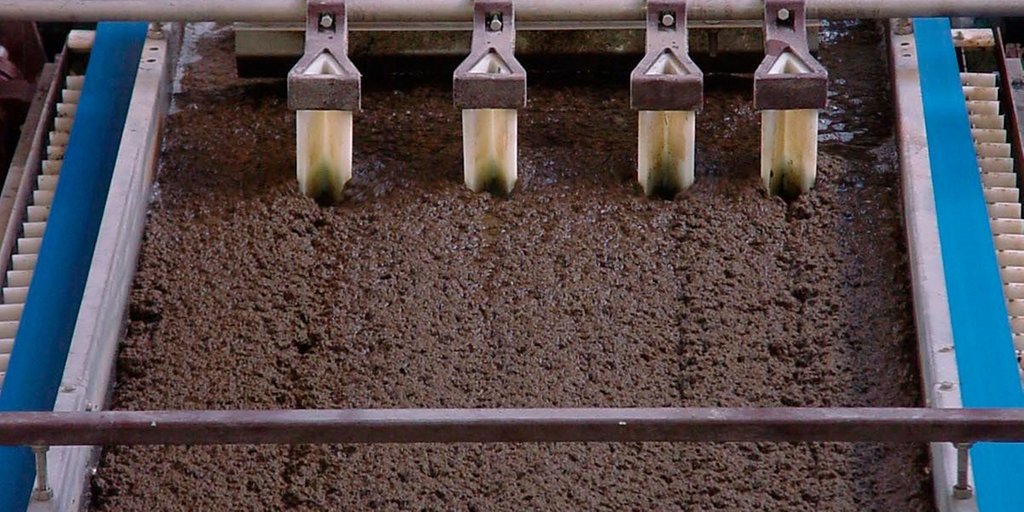
Dewatering is an essential process in wastewater treatment, which involves the removal of water from solid waste or soil. By reducing the volume of sludge, dewatering systems enable more efficient waste handling and disposal. This process is not only crucial for the effective management of wastewater but also has significant cost implications, as transporting and storing drier solids is far less expensive than handling wet sludge. The techniques and equipment used for dewatering vary widely, with different technologies suited to various scales of operation and types of waste material.
In addition to the economic benefits, dewatering plays a crucial role in protecting the environment and complying with regulatory standards. Within the broader sludge processing train, dewatering sits downstream of thickening — the preliminary step that concentrates sludge before mechanical water removal begins — and upstream of disposal or further treatment. As part of the treatment process, it ensures that the byproducts of wastewater are dealt with in a manner that minimizes impact on natural water systems and adheres to legislation governing waste disposal. With ongoing advancements in technology, operational considerations, and adherence to health and safety standards, dewatering systems continue to evolve, offering both improved performance and sustainability.
Key Takeaways
- Dewatering reduces sludge treatment volume for more efficient waste management.
- It is important for economic, environmental, and regulatory compliance.
- Technological advancements are optimizing dewatering systems for sustainability.
Principles of Dewatering
Dewatering in wastewater treatment involves the removal of water from sludge, transforming it from a liquid to a semisolid or solid state. This process reduces the overall volume of sludge, making its handling or disposal more cost-effective and environmentally friendly.
Mechanics of Water Removal
Rotary Fan Presses and Screw Presses are two common technologies utilized for dewatering in wastewater treatment. The mechanics of water removal in these systems are critical to their performance. Rotary Fan Presses operate by applying increasing pressure as sludge travels through a slowly rotating hollow cylindrical screen, which encourages water to escape from the solid particles. On the other hand, Screw Presses feature a filtrate collection system and a rotating screw within a fixed screen, using the screw’s increasing pitch to gradually squeeze out water.
| Technology | Mechanism |
|---|---|
| Rotary Fan Presses | Pressure through rotation |
| Screw Presses | Filtrate system and screw rotation |
The efficiency of these processes is largely dependent on the characteristics of the sludge and the design parameters of the equipment.
Impact on Sludge Characteristics
The dewatering process significantly affects sludge characteristics by reducing its volume and altering its physical properties. Rotary Fan Presses may produce a more uniform cake with a consistent dryness due to the controlled pressure and rotation speed. Conversely, Screw Presses often result in a drier output, as they can effectively handle a variety of sludge types, including those with a higher fiber content. The resulting cake from either technology is generally more stable and easier to handle or transport for further processing, storage, or disposal.
By understanding the mechanics of water removal and selecting the appropriate dewatering technology, wastewater treatment facilities can enhance their operations and reduce the environmental impact of the residuals produced.
Equipment and Technologies
In wastewater treatment, efficient dewatering relies on the appropriate selection of technology designed for the specific needs of the process. Several types of equipment are utilized for this purpose, each with distinct mechanisms and advantages. For facilities evaluating vendors and procurement options, a dedicated review of leading dewatering equipment manufacturers provides comparative information on performance specifications, service networks, and equipment footprint across the major technology categories.
Belt Filter Presses
Belt filter presses involve the use of mechanical pressure applied to conditioned slurry by means of two continuous belts that hold the slurry between them. This method is favored for its continuous operation and adaptability to various sludge types, producing a consistently dry cake.
Plate and Frame Presses
Plate and frame presses work by alternately arranging plates and frames with filter cloths in between. When sludge is pumped into the system, solids are caught on the cloths and squeezed under high pressure to extract the water, resulting in a solid cake and clarified filtrate.
Rotary Fan Presses
Rotary fan presses utilize slowly rotating screws within a perforated screened basket, applying gentle but increasing pressure to dewater sludge. They are known for their low maintenance, energy efficiency, and quiet operation.
Screw Presses
In screw presses, the slurry is passed through a screened drum with a screw rotating inside. With the turning of the screw, the sludge is conveyed and compressed, forcing out the liquid. Screw presses are recognized for their simplicity and cost-effectiveness. For a detailed examination of design configurations, screening intervals, and performance benchmarks across municipal and industrial applications, see the dedicated coverage of screw press dewatering.
Centrifuges
Centrifuges operate by spinning a mixture at high speeds, exerting centrifugal force that separates the solids from the liquids. This equipment is versatile, suitable for a wide range of sludge types, and effective in producing a dry cake with less volume to dispose of. The mechanics, bowl configurations, and polymer conditioning requirements specific to this technology are covered in depth under centrifuge dewatering.
Each piece of equipment meets different operational demands. The choice depends on the scale of operations, desired dryness of the output, and the nature of the sludge being treated.
Natural Dewatering Systems
Natural dewatering systems utilize passive processes, typically involving the forces of evaporation, transpiration, and drainage, to remove water content from sludge. These systems are environmentally friendly alternatives to mechanical dewatering methods, requiring less energy and often resulting in biosolids that can be safely repurposed or disposed of.
Drying Beds
Drying beds are one of the simplest and oldest methods for sludge dewatering. They are generally composed of a drainage layer of sand and gravel, which supports the sludge while allowing water to percolate down and eventually drain away. The top layer of sludge is then left to dry through evaporation and the process can be enhanced by natural factors like wind and sunlight. These beds are typically used for small to medium-sized wastewater treatment facilities where the climate favors evaporation.
- Construction: A typical drying bed consists of a lined pit with a permeable layer of sand and gravel.
- Operation: Sludge is spread evenly over the bed, allowing water to percolate down and leave solid content behind.
- Maintenance: After drying, the residual solids are manually removed and the beds prepared for the next batch.
Reed Beds
Reed beds represent a more ecologically advanced natural dewatering system. These systems facilitate dewatering through the process of phytoremediation, where the planted reeds actively take up water as part of their natural growth process. The roots of reeds create a network that promotes aerobic conditions, enhancing microbial activity and leading to the breakdown of organic matter in the sludge.
- Construction: Reed beds require careful construction involving soil analysis and specific planting techniques.
- Operation: Sludge is applied periodically, with the reeds transpiring water and filtering and transforming waste materials.
- Maintenance: They require relatively less maintenance than mechanical systems, aside from occasional harvesting of the reeds.
By incorporating these natural dewatering systems into wastewater treatment protocols, facilities can achieve effective sludge reduction with reduced carbon footprint and potential benefits to the local ecosystem.
Operational Considerations
Effective dewatering is critical in wastewater treatment as it reduces sludge volume, leading to cost savings in storage, transportation, and disposal. It also minimizes the environmental impact of wastewater facilities. Dewatered biosolids are commonly routed to digestion either before or after mechanical pressing — anaerobic digestion in particular stabilizes organics and reduces pathogen levels in the cake, directly influencing the downstream handling and land-application options available to operators.
Optimization of Dewatering Processes
To achieve optimal efficiency in dewatering processes, operators must select the right equipment and parameters specific to the type of sludge they are processing. This includes careful adjustment of polymer dosages and sludge feed rates, which are crucial for enhancing solid-liquid separation. Implementing real-time monitoring can provide immediate feedback, allowing for quick adjustments to improve performance.
Maintenance Requirements
Regular maintenance is essential to ensure continuous and effective operation of dewatering systems. Maintenance tasks typically include cleaning of filters, replacement of worn components, and lubrication of moving parts