
Fixed Bed Ozone Reactors in Wastewater Treatment: Efficiency and Application
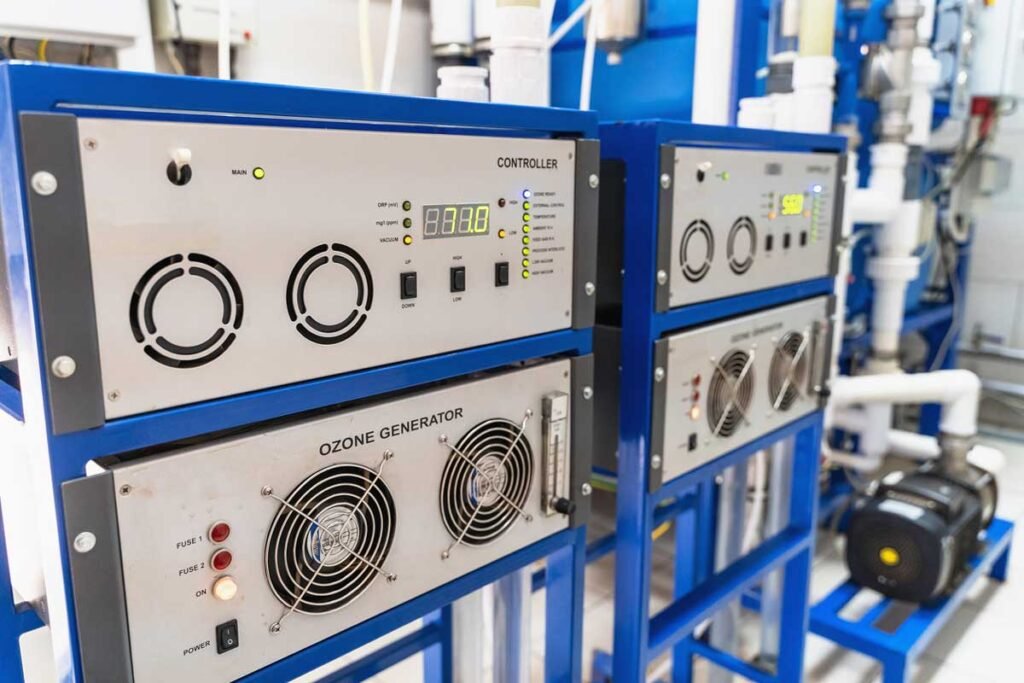
Fixed bed ozone reactors play a crucial role in wastewater treatment systems by leveraging the powerful oxidative properties of ozone, a potent disinfectant and oxidizer. As municipalities and industries seek more effective ways to purify water and comply with stringent discharge standards, ozone reactors have become an essential tool in destroying bacteria, viruses, and certain organic and inorganic contaminants. These reactors operate by passing wastewater through a bed of media where direct contact with ozone leads to the breakdown of pollutants. As a specialized configuration within the broader field of Advanced Oxidation Processes, fixed bed ozone reactors offer a distinct combination of direct ozonation and catalytic AOP that distinguishes them from bubble-diffusion contact tanks and other ozone reactor designs.
Such advanced reactors are engineered to optimize the interaction between ozone and the contaminants in the water. The specific design of fixed bed reactors, including the choice of materials and control systems, directly influences their efficiency and effectiveness. Careful consideration of operational parameters, maintenance requirements, and troubleshooting procedures ensures that treatment goals are met while minimizing environmental impacts and operating costs.
Basics of Ozone Treatment
In wastewater treatment, ozone is known for its powerful oxidation capabilities. This treatment involves infusing ozone (O₃) into wastewater to break down pollutants through a process called ozonation. Fixed bed ozone reactors, specifically, provide a controlled environment for ozone treatment in wastewater applications.
Key Characteristics of Ozone Treatment:
- High Oxidation Potential: Ozone possesses greater oxidation potential compared to other common disinfectants, enabling it to target a wide range of contaminants.
- Disinfection: Effectively eliminates bacteria, viruses, and other pathogens without creating harmful byproducts.
When implementing ozone treatment in fixed-bed reactors, the ozone gas is diffused into the water as it passes through a bed of supporting media. The process parameters are optimized depending on the specific wastewater composition and treatment goals.
Components of Fixed Bed Ozone Reactors:
- Reactor Vessel
- Support Media
- Ozone Generation System
- Diffusers or Spargers
The use of fixed bed reactors for ozone treatment results in several benefits including enhanced mass transfer of ozone, controlled contact time, and reduced off-gassing. These reactors are designed to provide uniform distribution of ozone, which is crucial for efficient wastewater treatment. They can be tailored to different scales of operation, from small-scale facilities to large municipal plants.
The ozone must be effectively managed and controlled, as proper dosing ensures efficient treatment while minimizing the potential for excess ozone, which can be both wasteful and hazardous. The design and operation of the system require careful consideration to balance effectiveness with safety and cost.
The efficacy of ozone in degrading complex organic compounds and its capacity to operate without generating resistant microbial populations make it a preferred choice for modern wastewater treatment challenges.
Design Considerations for Fixed Bed Ozone Reactors
When integrating Fixed Bed Ozone Reactors into wastewater treatment systems, several design aspects must be taken into account to ensure efficacy and efficiency:
Reactor Configuration
- Size and scale: Tailored to the volume of wastewater needing treatment.
- Shape: Typically cylindrical for optimal distribution of ozone.
Materials
- Construction materials: Must resist ozone corrosion; often stainless steel or specific plastics.
- Media choice: Usually involves ceramics or glass with a high surface area for effective ozone interaction.
Ozone Delivery
- Ozone generation: On-site ozone generators are preferred for fresh supply.
- Distribution system: Ensures consistent ozone dispersal throughout the bed.
Effluent Quality
- Removal efficiency: Targets specific contaminants, which influences media type and reactor design.
- Water characteristics: pH, temperature, and organic load affect ozone demand and reactor performance.
Maintenance
- Access points: For media replacement and system cleaning.
- Monitoring: Continuous ozone and oxygen level assessments to maintain operational parameters.
Safety
- Ozone detection: Install monitors to detect ozone leakage, which can be hazardous.
- Venting systems: Needed to safely manage off-gassing.
Utilizing Fixed Bed Ozone Reactors in wastewater treatment offers distinct advantages such as high oxidation capacities and the ability to remove a wide range of pollutants. However, these reactors require precise design to accommodate the specific wastewater being treated and to conform to safety and maintenance requirements for long-term operation.
Reaction Mechanisms and Pathways
In fixed-bed ozone reactors used in wastewater treatment, the efficiency and effectiveness of the process hinge on the reaction mechanisms of ozone and the pathways it follows when interacting with pollutants.
Ozone Generation
Ozone (O₃) is generated for use in wastewater treatment through the electrical discharge method, which involves passing oxygen or dry air through a high-voltage electric field. This form of corona discharge splits oxygen molecules (O₂) into single oxygen atoms, which then combine with O₂ molecules to form ozone. The produced ozone is then transported into the reactor, where it comes into direct contact with the wastewater.
Ozone Reaction with Contaminants
Once introduced into the wastewater, ozone engages in a series of reactions characterized by both direct and indirect pathways. The direct reaction entails ozone molecules oxidizing contaminants by transferring the oxygen atom to the unwanted substances. This leads to the breakdown of complex molecules into less harmful or more biodegradable substances.
The indirect reaction involves the formation of hydroxyl radicals (•OH) upon the decomposition of ozone, which are even more potent oxidants that attack a wide range of organic compounds present in wastewater. These radical species play a crucial role in the further degradation of pollutants, ensuring the extensive purification of wastewater in the fixed-bed reactor.
Subtopic Overview: Ozone Treatment Applications
Fixed bed ozone reactor technology sits within a broader ozone treatment discipline that spans diverse applications — from industrial laundry systems to full-scale municipal AOP configurations. The subtopics below address the primary ozone treatment application areas and general ozone technology contexts covered in depth on this site.
Ozone Laundry Systems in Wastewater Treatment
Ozone laundry systems wastewater applications represent one of the most commercially established industrial uses of ozone outside of municipal water treatment — leveraging ozone’s cold-water washing capability to simultaneously disinfect laundry and reduce hot water energy consumption by 40–60% compared to conventional high-temperature chemical laundering processes. In commercial and institutional laundry facilities — hotels, hospitals, food processing plants, and correctional facilities — ozone is injected directly into the wash wheel during the wash and rinse cycles, where it acts as a primary disinfectant, bleach substitute, and detergent activator at cold water temperatures. The wastewater generated by ozone laundry systems carries lower residual chemical loads than conventional laundry effluent — reduced detergent concentrations, lower BOD, and no chlorine bleach residual — simplifying downstream treatment and reducing effluent permit compliance costs. System sizing for ozone laundry applications is based on laundry throughput (pounds per hour), typical soil loads, and the target log-reduction for relevant pathogens (typically Staphylococcus aureus and gram-negative organisms in healthcare settings). Integration with existing fixed-bed ozone infrastructure at treatment facilities can provide ozone supply redundancy and allow recirculation of ozone off-gas from the laundry system back into the wastewater treatment train, improving overall ozone utilization efficiency.
Ozone Wastewater Treatment: Municipal and Industrial Applications
Ozone wastewater treatment at municipal and industrial scale encompasses a spectrum of applications from tertiary disinfection and micropollutant removal at POTWs to high-strength industrial effluent pre-treatment upstream of biological systems. At municipal wastewater treatment plants, ozone is most commonly applied as a tertiary disinfection step — replacing or supplementing chlorination — and increasingly as a micropollutant oxidation step targeting pharmaceuticals, personal care products, and endocrine-disrupting compounds in facilities with advanced water reuse objectives. Typical applied ozone doses for municipal secondary effluent disinfection range from 3–10 mg/L depending on effluent quality and target pathogen log-reduction, with higher doses of 10–20 mg/L required for trace organic contaminant removal and AOP applications where hydroxyl radical generation is the primary treatment objective. Industrial ozone wastewater treatment is particularly valuable in food and beverage processing, pulp and paper, textile dyeing, and pharmaceutical manufacturing, where high-color, high-BOD, or toxic organic effluents resist biological treatment and require oxidative pre-treatment to improve biodegradability before biological processes can complete the treatment. Contact time is a critical sizing parameter for ozone contactors: the CT value (ozone concentration × contact time, in mg·min/L) must meet minimum thresholds established by regulatory validation for the target disinfection credit.
Ozone for Wastewater Treatment: Selection and Integration
Ozone for wastewater treatment selection involves evaluating ozone against alternative oxidants and disinfectants — including chlorine, chloramines, UV, and hydrogen peroxide — based on the specific contaminant targets, effluent quality requirements, regulatory context, and site constraints of the application. Ozone’s primary advantages over chlorine-based disinfection are the absence of halogenated disinfection byproduct (DBP) formation, no requirement for dechlorination before discharge to sensitive receiving waters, and superior oxidation potential for trace organic contaminants. Its primary disadvantages are higher capital cost, energy intensity of on-site ozone generation (typically 8–15 kWh per kg of ozone produced by corona discharge generators), and the requirement for off-gas destruction systems to prevent ozone emissions to the plant atmosphere — OSHA limits ambient ozone to 0.1 ppm for an 8-hour time-weighted average, and facility air management is a non-negotiable design element. Integration decisions must also address whether ozone will be used alone (direct ozonation) or in combination with hydrogen peroxide (O₃/H₂O₂ AOP) or UV (O₃/UV AOP) to enhance hydroxyl radical generation for more recalcitrant compounds — the AOP configuration increases operating cost but substantially expands the range of treatable contaminants. Biological activated carbon (BAC) filtration downstream of ozone is standard practice at advanced treatment facilities, converting the biodegradable oxidation byproducts generated by ozone into biomass removed by the biological filter before final effluent discharge or reuse.
Operational Parameters
In fixed-bed ozone reactors used for wastewater treatment, operational parameters like ozone dosage and reactor flow dynamics are critical for efficient system performance. These parameters are adjusted based on the specific treatment requirements and characteristics of the wastewater.
Ozone Dosage
The precise amount of ozone applied in the reactor, known as the ozone dosage, is a crucial parameter that directly influences the efficacy of the treatment process. Dosage rates can vary depending on the desired level of contaminant removal and the quality of the influent wastewater. Typically, the dosage is measured in milligrams of ozone per liter (mg/L) and must be carefully controlled to avoid excessive ozone use, which could raise costs and potentially cause by-product formation.
Reactor Flow Dynamics
The flow dynamics within fixed-bed ozone reactors are equally important to ensure optimal contact between the ozone and the contaminants in the wastewater. The flow rate must be regulated to maximize efficiency, allowing sufficient time for the ozone to interact with the wastewater. Reactor design plays a vital role here, as it determines the distribution of water and ozone throughout the system. The goal is to achieve a uniform flow that prevents channeling and ensures thorough mixing, which is essential for consistent disinfection and oxidation of pollutants.
Materials and Components
In the construction of fixed-bed ozone reactors for wastewater treatment, selecting appropriate materials and components is crucial for both efficiency and durability. Specific materials are used for the media that support the ozone reaction, while specialized systems are instrumental in the diffusion of ozone through the wastewater.
Reactor Media
Materials Used:
- Silica Alumina-based Media: These provide a large surface area for ozone gas interaction and support the breakdown of organic pollutants.
- Ceramics: Used for their porosity and longevity, ceramics aid in the efficient dispersion of ozone.
- Zeolites: A naturally occurring, highly porous material that improves the contact between ozone and contaminants.
Optimizing media configuration is essential to maximizing the reactor’s performance and the effective treatment of wastewater.
Ozone Diffusion Systems
Components:
- Ozone Generators: They produce ozone gas from oxygen, requiring robust materials resistant to corrosion, like stainless steel or titanium.
- Diffusers: Typically made of materials such as glass-bonded silica or porous ceramics, which create fine bubbles for better ozone distribution.
- Contact Chambers: These components are designed to ensure adequate mixing of ozone and wastewater, generally utilizing corrosion-resistant materials like fiberglass or lined steel.
The precision in the ozone diffusion system directly impacts the efficacy and efficiency of ozone reactors in treating wastewater.
Comparison of Ozone-Based Treatment Configurations
| Technology | Key Mechanism | Best-Fit Applications | Key Limitations | Contaminants Targeted | Relative Cost |
|---|---|---|---|---|---|
| Fixed Bed Ozone Reactor | Ozone contact through catalytic media bed; direct + indirect (·OH) oxidation | Tertiary treatment; micropollutant removal; industrial pre-treatment; high-contact-time applications | Media attrition; channeling risk; higher capital than bubble-diffusion contactors | Organics, color, pathogens, pharmaceuticals, EDCs | High |
| Bubble Diffusion Ozone Contactor | Fine-bubble ozone diffusion in open or enclosed contact chambers; counter-current flow | Municipal disinfection; large-scale tertiary treatment; standard ozonation | Lower ozone transfer efficiency than fixed bed; larger footprint | Pathogens, color, taste/odor, some organics | Medium–High |
| O₃/H₂O₂ AOP | H₂O₂ addition accelerates ·OH generation from ozone decomposition | NDMA, 1,4-dioxane, pharmaceuticals, refractory organics; indirect potable reuse | H₂O₂ residual requires quenching; higher operating cost than O₃ alone | Trace organics, CECs, NDMA | High |
| O₃/UV AOP | UV photolysis of ozone generates ·OH; combined photolytic and oxidative action | Reuse applications; polychromatic photolysis targets; combined disinfection + oxidation | High energy demand; complex system integration; ozone off-gas management | Trace organics, pathogens, CECs, color | Very High |
| Fenton Process | H₂O₂ + Fe²⁺ catalyst generates ·OH at low pH; no ozone required | Acidic industrial effluents; high-strength organic waste; pre-treatment of toxic streams | pH adjustment required; iron sludge generation; not suitable for all effluent types | Refractory organics, pesticides, dyes, phenols | Medium |
| Hydrogen Peroxide Systems | Direct H₂O₂ oxidation or activation by UV/ozone/Fe to generate ·OH | Oxidant supplement in AOP trains; standalone for some organic contaminants | Weak oxidant without activation; H₂O₂ residual management required | Organics, some pathogens (with activation) | Low–Medium (H₂O₂ alone); High (with activation) |
Monitoring and Control Systems
Fixed bed ozone reactors are advanced components in wastewater treatment, vital for removing contaminants through ozonation. These reactors require robust monitoring and control systems to ensure effective disinfection while maintaining safety and efficiency.
Monitoring systems typically include:
- Ozone concentration sensors: These devices measure the ozone levels within the reactor to confirm they remain within the desired thresholds for disinfection.
- pH and temperature sensors: Maintaining the correct pH and temperature is crucial for optimal reactor performance and to prevent degradation of wastewater treatment media.
Control systems may integrate:
- Automated valves and flow meters: They adjust the ozone supply and water flow rates, maintaining uniform conditions within the reactor and optimizing contact time.
- Programmable Logic Controllers (PLC): PLCs provide a centralized control point to regulate reactor conditions, enabling real-time adjustments and remote monitoring capabilities.
Data acquisition systems collect and analyze data from the sensors, presenting it in a user-friendly interface for operators. This allows for the tracking of performance trends and aids in prompt decision-making when deviations occur.
Alarm systems are incorporated to alert operators of any abnormal conditions, facilitating timely intervention to prevent system failures or safety hazards. This component is instrumental in preventing over-exposure to ozone and maintaining consistent treatment efficacy.
Lastly, fixed-bed ozone reactors utilize feedback loops, which continually adjust system inputs based on sensor data, ensuring stable reactor operation and compliance with regulatory standards for wastewater treatment.
Maintenance and Troubleshooting
Routine maintenance is crucial for ensuring the effective operation of fixed-bed ozone reactors in wastewater treatment. Regular inspections and cleanings can prevent common issues such as blockages and inefficiencies in ozone distribution.
Common Maintenance Tasks:
- Inspecting Ozone Generators: They should be checked periodically for any signs of wear or damage.
- Cleaning Reaction Chambers: To prevent clogging and ensure maximum contact time between ozone and wastewater.
- Monitoring Ozone Levels: Essential to adjust the dosage for optimal results and to avoid excessive ozone, which can be detrimental.
Troubleshooting Tips:
- Low Ozone Output:
- Check for leaks in the ozone supply line.
- Verify the purity of the oxygen supply, as contaminants can reduce ozone production.
- Inefficient Treatment:
- Examine the distribution system for blockages.
- Ensure that reaction media within the bed is not exhausted or compacted.
- Unexpected Shutdowns:
- Review electrical connections and safety features.
- Inspect for overheating signs, which can trigger protective shutdowns.
Maintenance Checklists should include daily, weekly, and monthly tasks, such as verifying proper airflow, checking ozone concentrations, and cleaning or replacing components. When faced with troubleshooting issues, operators must consult the reactor’s manual or contact the manufacturer. It’s imperative to address any problems promptly to maintain the efficacy of the wastewater treatment process and to ensure compliance with environmental regulations.
Field Notes: Practical Guidance for Fixed Bed Ozone Reactor Operation
Commissioning Considerations
Commissioning a fixed bed ozone reactor system requires sequential verification of the ozone generation, transfer, contacting, and off-gas destruction subsystems before the system is placed in regulatory service. Pre-commissioning ozone leak testing — pressurizing all ozone-wetted piping, valves, and containment with dry oxygen and verifying zero-leakage with an ozone detector — is mandatory before introduction of ozone to the system, as even small leaks in an enclosed equipment room can rapidly exceed OSHA’s 0.1 ppm 8-hour TWA limit. Ozone transfer efficiency (OTE) verification at commissioning — measuring dissolved ozone in the contactor effluent as a percentage of applied ozone — establishes the baseline mass transfer performance against which future operational data will be compared; OTE values below 80% for a well-designed fixed bed system at design flow indicate a distribution or media problem requiring investigation before the system enters normal operation. CT (concentration × time) baseline measurements at multiple flow rates and influent water quality conditions should be documented during commissioning to establish the validated operating envelope required for log-inactivation credit under the facility’s NPDES or reuse permit.
Common Specification and Design Mistakes
The most frequent fixed bed ozone reactor specification error is undersizing the off-gas destruction system. Ozone that does not transfer to the water phase exits as off-gas, and catalytic thermal off-gas destruct units must be sized for the maximum ozone generation rate — not average production — to prevent ozone breakthrough to the facility atmosphere during peak-load events. A second common mistake is specifying reactor media without site-specific water quality testing; media selection for catalytic ozone applications (manganese dioxide, iron oxide, or zeolite-based catalysts) must be validated against the actual wastewater chemistry, as competing ions and natural organic matter can rapidly poison catalytic sites, converting a catalytic fixed bed into a simple contact bed with significantly reduced AOP performance. Failing to include biological activated carbon (BAC) filtration downstream of ozone is a third common omission; ozone oxidation produces biodegradable byproducts that create a biological oxygen demand in the distribution system or receiving water if not removed before discharge.
O&M Comparison: Fixed Bed vs. Bubble Diffusion Ozone Systems
Fixed bed ozone reactors typically achieve higher ozone transfer efficiency (85–95%) than open bubble diffusion contactors (70–85%) because the media bed creates additional gas-liquid contact surface and extends residence time, but they require periodic media inspection and replacement — typically every 5–10 years for inert support media, more frequently for catalytic media that degrades under heavy organic loading. Ozone generator maintenance is the dominant O&M cost item for all ozone systems, with dielectric plates and high-voltage transformers in corona discharge generators requiring inspection every 8,000–12,000 operating hours and replacement every 3–7 years depending on feed gas quality and cooling system performance. Feed gas quality — either dry air or high-purity oxygen — critically affects ozone generator life and ozone production efficiency; moisture in the feed gas accelerates dielectric degradation and produces nitrogen oxides that react with ozone and corrode system components. For comprehensive context on how ozone-based systems compare with other AOP configurations, the AOP Overview & Equipment resource provides a structured comparison of the full AOP technology family. The Fenton Process and Hydrogen Peroxide Treatment are the two most commonly evaluated alternatives when ozone is under consideration — particularly for acidic industrial effluents where Fenton chemistry is favorable, or for applications where hydrogen peroxide addition to an existing ozone system can cost-effectively extend AOP performance without a full system redesign.
Case Studies and Applications
Fixed-bed ozone reactors have been implemented in a variety of wastewater treatment contexts to improve the efficiency and effectiveness of water purification processes. In a case study focusing on the retrofitting of commercial laundry systems, the introduction of an ozone generation system led to significant reduction in hot water energy requirements, demonstrating that ozone’s cold-water disinfection capability can substitute for high-temperature chemical laundering in commercial settings.
Another application of these reactors is in the treatment of industrial effluents, where they have been shown to effectively remove contaminants. Anaerobic fluidized bed biofilm reactors combined with ozone treatment degrade complex organic pollutants, delineating the parameters for optimal performance while underscoring the importance of technical understanding for successful implementation.
Applications:
- Commercial laundry systems: Retrofitting with ozone for energy efficiency and cold-water disinfection.
- Industrial effluents: Treatment with combined biological and ozone processes.
The adaptation of fixed-bed ozone reactors is indicative of a move towards more sustainable and efficient wastewater treatment methods that can be tailored to the specific needs of various industries.
Environmental Impact
Fixed-bed ozone reactors play a significant role in wastewater treatment by improving water quality and environmental health. Ozone is a powerful oxidant, effectively breaking down pollutants, which renders ozone reactors crucial in reducing the ecological footprint of wastewater discharge. The treatment processes with fixed bed reactors can degrade complex organic molecules, potentially harmful to aquatic ecosystems, into simpler, less hazardous compounds.
Key Benefits:
- Reduction of Harmful Contaminants: Ozone reactors are effective in removing micropollutants, including pharmaceuticals and personal care products, that can be damaging to wildlife.
- Disinfection: Ozone treatment provides the added benefit of disinfecting the water, killing bacteria and viruses without the need for chlorine, which can generate harmful by-products.
Nevertheless, the environmental impact of fixed-bed ozone reactors also includes the potential for ozone gas, if not handled correctly, to contribute to air pollution. Ozone reactors must be designed and operated with containment strategies to prevent ozone release into the atmosphere. A key consideration in the environmental impact of fixed-bed ozone reactors is their energy consumption — they are energy-intensive systems, and the source of this energy can indirectly affect the environment. Renewable energy sources can mitigate this impact significantly.
Economic Considerations
When assessing the economic implications of Fixed Bed Ozone Reactors in wastewater treatment, several factors contribute to the overall cost-efficiency and feasibility.
Initial Investment: The upfront cost is a combination of the reactor itself, installation, and ancillary equipment. Fixed-bed ozone reactors are considered advanced oxidation systems, which may incur higher initial costs compared to traditional treatments.
Operating Expenses: Day-to-day expenses include power consumption for ozone generation and maintenance. Although ozone is a powerful oxidant requiring less contact time, its generation is energy-intensive. Thus, energy efficiency is a keystone for long-term cost management.
| Operating Cost Factor | Description |
|---|---|
| Electricity | High energy demand for ozone production (typically 8–15 kWh/kg O₃) |
| Maintenance | Regular maintenance of ozone generators, media, and reaction chambers |
| Labor | Technicians for operation, monitoring, and upkeep |
Lifetime and Durability: Fixed bed reactors are typically robust with an extensive operational lifespan. Durable materials reduce the need for frequent replacements, thereby lowering long-term expenses.
Cost-Benefit Analysis: Calculating the trade-offs between the high ozone efficacy and the associated energy consumption is crucial. They often yield substantial long-term savings due to their high performance and minimal chemical usage, which is particularly valuable in stringent regulatory environments.
Regulatory Framework and Standards
Fixed bed ozone reactors are a crucial component in wastewater treatment, aimed at reducing the concentration of pathogens and organic materials. The Environmental Protection Agency (EPA) has set standards for the treatment of surface water, which may encompass regulations applicable to wastewater treated by fixed-bed ozone reactors. Facilities utilizing this technology should adhere to the Long Term 2 Enhanced Surface Water Treatment Rule, ensuring that microbial contaminants are effectively managed.
Compliance with these regulatory frameworks and standards ensures that fixed-bed ozone reactors in wastewater treatment are used responsibly, effectively, and with minimal environmental impact.
Future Prospects and Innovations
The landscape of wastewater treatment is evolving with innovations in Fixed Bed Ozone Reactors (FBORs), positioning them as a key technology in sustainable water management. Prospects for FBORs include improvements in both efficiency and efficacy, with research focused on optimizing media materials for better ozone adsorption and contaminant degradation.
Advancements in catalyst development may yield materials capable of not only improving ozone reactions but also extending the lifespan of the reactors. These innovations promise reductions in both maintenance and operational costs. Furthermore, the integration of real-time monitoring systems will enhance the control over the treatment process, ensuring consistent water quality and system performance.
Researchers are exploring novel configurations of FBORs that could offer heightened treatment capabilities, especially in removing more resistant pollutants. These configurations may leverage multifunctional layers or structured media arrangements to intensify ozone contact and reaction kinetics.
Lastly, the push toward green technology encourages the exploration of energy-efficient ozone generation methods and the use of renewable energy sources to power FBOR systems. This alignment with environmental sustainability strengthens the position of FBORs in future wastewater treatment frameworks.
Frequently Asked Questions
How do fixed-bed ozone reactors improve effluent quality in wastewater treatment?
Fixed bed ozone reactors utilize the strong oxidizing properties of ozone, which reacts with pollutants, organic compounds, and pathogens. This reaction leads to the breakdown of these contaminants, resulting in improved effluent quality with reduced turbidity and harmful substance levels.
What are the advantages of using fixed-bed ozone reactors over other ozone treatment methods?
Fixed bed reactors offer enhanced contact between water and ozone, often leading to more efficient contaminant degradation. Compared to other methods, they typically have a smaller footprint, are easier to control, and provide more consistent treatment outcomes.
Can fixed-bed ozone reactors be used for both industrial and municipal wastewater applications?
Yes, fixed-bed ozone reactors are versatile and can be effectively implemented in both industrial and municipal wastewater treatment facilities. They are adaptable to various types of wastewater and contaminant loads, making them suitable for a wide range of applications.
What maintenance requirements are typical for fixed-bed ozone reactors in continuous operation?
Regular maintenance of fixed-bed ozone reactors typically includes monitoring ozone levels, checking for blockages in the media, and ensuring all components are functioning properly. Preventative maintenance is crucial to sustain effective operation and extend the reactor's service life.
Conclusion
Key Takeaways
- Fixed bed ozone reactors achieve superior ozone transfer efficiency — the media bed provides additional gas-liquid contact surface that raises OTE to 85–95%, outperforming open bubble diffusion contactors (70–85%) and enabling more compact reactor designs for equivalent treatment capacity.
- Off-gas destruction is a non-negotiable design element, not an afterthought — the off-gas destruct unit must be sized for maximum ozone generation rate, and the facility air management system must maintain ambient ozone below OSHA’s 0.1 ppm 8-hour TWA; underpowered off-gas systems are the leading cause of ozone safety incidents at treatment facilities.
- Catalytic media selection must be validated against site-specific water chemistry — competing ions and natural organic matter can rapidly deactivate catalytic sites, and media performance data from pilot testing at the actual facility is far more reliable than manufacturer performance specifications derived from clean-water conditions.
- Biological activated carbon filtration downstream of ozone is standard practice at advanced facilities — ozone oxidation byproducts create biodegradable dissolved organics that must be removed before discharge or distribution to prevent biological regrowth and comply with downstream water quality standards.
- Ozone and hydrogen peroxide are complementary technologies, not alternatives — the O₃/H₂O₂ AOP configuration uses hydrogen peroxide to accelerate hydroxyl radical generation from ozone, extending treatment to NDMA, 1,4-dioxane, and other refractory trace organics that direct ozonation alone cannot adequately address.