
Understanding PFAS Chemicals: The Hidden Threat to Clean Water
Understanding PFAS Chemicals: The Hidden Threat to Clean Water
Chemical Properties and Classification of PFAS
When it comes to PFAS chemicals, the term forever chemicals isn't just a catchy nickname; it's a stark reality. These substances can linger in the environment for decades, making them a persistent challenge for water treatment facilities. In fact, studies have shown that nearly 99% of Americans have detectable levels of PFAS in their blood.
What Are PFAS Chemicals?
PFAS, or per- and polyfluoroalkyl substances, are a group of over 4,700 synthetic compounds known for their unique chemical properties. They repel water and oil, making them ideal for various applications like non-stick cookware, stain-resistant fabrics, and even firefighting foams. But these same properties that make them useful also contribute to their environmental persistence.
Chemical Structure and Properties
The backbone of PFAS chemicals is a chain of carbon atoms bonded to fluorine atoms. This strong bond is what makes them resistant to degradation in the environment. The length of the carbon chain varies among different types of PFAS: shorter chains tend to be more mobile in water systems, while longer chains are more bioaccumulative in living organisms.
- Perfluoroalkyl acids (PFAAs) – Fully fluorinated carbon chains.
- Polyfluoroalkyl substances – Partially fluorinated compounds.
- Short-chain PFAS – Fewer than six carbons, more soluble in water.
- Long-chain PFAS – Six or more carbons, less soluble but more persistent.
Forever Chemicals: The Implications
Forever chemicals is not just a buzzword; it encapsulates the troubling reality that once released into the environment, PFAS can accumulate in soil and waterways without breaking down. This accumulation poses significant risks not only to aquatic life but also to human health through contaminated drinking water sources.
'So what does this mean for municipalities and wastewater treatment operators? It means upgrading detection methods and treatment technologies is no longer optional—it's essential. With stricter regulations on the horizon, understanding these chemical properties will be crucial for compliance and protecting public health.'
Sources and Pathways of PFAS Contamination
Imagine a small-town firefighter, extinguishing flames with foam that’s proven to be a double-edged sword. This isn’t just a dramatic scene from a movie; it’s a reality in countless communities where PFAS chemicals have seeped into the water supply, all thanks to their widespread use in firefighting foams. The very products designed to protect us can also endanger our clean water.
In fact, research indicates that about 80% of PFAS contamination in drinking water can be traced back to industrial discharges and the use of these firefighting foams. That’s not just a statistic; it’s a wake-up call for municipalities across the country.
Common Sources of PFAS
PFAS chemicals are like that uninvited guest who overstays their welcome—they pop up in places you wouldn’t expect. Here are some of the most common sources:
- Firefighting foams used during training exercises or emergencies.
- Manufacturing processes involving textiles and carpets treated for stain resistance.
- Food packaging materials such as grease-proof wrappers.
- Wastewater treatment plants processing contaminated industrial effluents.
Pathways to Water Contamination
So how do these chemicals make their way into our precious water sources? Great question! PFAS are notorious for their mobility and persistence, which means once they're released, they don’t just vanish. Here’s how they typically travel:
- (1) Runoff from industrial sites where PFAS are used or produced.
- (2) Leachate from landfills containing products treated with PFAS.
- (3) Agricultural runoff from fields where biosolids containing PFAS have been applied.
- (4) Groundwater contamination spreading through aquifers.
PFAS can travel long distances through soil and water, making them incredibly difficult to track and contain.
The implications for municipalities are staggering. With detection methods still catching up to the widespread presence of these chemicals, local governments must prioritize monitoring and remediation efforts. It's not just about compliance anymore; it's about safeguarding community health.
Health Implications Linked to PFAS Exposure
Imagine living in a community where nearly 1 in 5 residents have elevated cholesterol levels, and the culprit is lurking in your drinking water. That’s the grim reality for many towns grappling with PFAS chemicals, notorious for their insidious health implications. These chemicals aren’t just a blip on the radar; they’re linked to serious health issues that can affect entire populations.
Research has shown that exposure to PFAS can lead to a laundry list of health problems, ranging from immune dysfunction to increased risk of certain cancers. In fact, studies suggest that people with higher levels of PFAS in their blood may experience an increase in kidney and testicular cancer rates by as much as 43%.
Key Health Risks Associated with PFAS
The health risks linked to PFAS exposure are not just theoretical; they are backed by mounting evidence. Here’s what you need to know:
- Hormonal disruptions: PFAS can interfere with hormonal systems, potentially leading to reproductive issues.
- Thyroid disease: Exposure has been associated with thyroid dysfunction, which can impact metabolism and overall health.
- Immune system effects: Studies indicate that PFAS may weaken the immune response, making individuals more susceptible to infections.
- Cholesterol levels: Elevated cholesterol is a common finding among those exposed to these chemicals.
It's estimated that millions of Americans are exposed to high levels of PFAS through contaminated drinking water.
Vulnerable Populations
Not everyone is equally affected by these chemicals. Certain groups face heightened risks due to factors like age, occupation, and existing health conditions. For example, children are particularly vulnerable because their developing bodies absorb contaminants more readily than adults.
Additionally, workers in industries using PFAS—like firefighting or manufacturing—often face higher exposure levels. This raises significant concerns for municipalities tasked with protecting public health.
What Can Be Done?
So what’s the takeaway for municipalities and wastewater treatment operators? It’s time to get proactive! Upgrading filtration systems and investing in advanced detection technologies aren’t just good practices—they’re essential steps toward ensuring community safety.
As regulations tighten around these chemicals, staying informed about their impacts will be crucial for compliance—and more importantly—for safeguarding public health.
Regulatory Landscape Surrounding PFAS Management
The regulatory landscape for PFAS chemicals is evolving faster than a toddler on a sugar high. Just last year, the EPA proposed new drinking water standards that could affect thousands of municipalities across the U.S. This isn’t just bureaucratic mumbo jumbo; these regulations aim to tackle the pervasive threat of these forever chemicals head-on.
In 2022, the EPA unveiled its first-ever national drinking water standards for PFAS, targeting PFOA and PFOS—two of the most notorious culprits. These standards propose a limit of just 4 parts per trillion (ppt), which is lower than what many water treatment plants have been equipped to handle. This means municipalities need to scramble to upgrade their systems or risk hefty fines and public health crises.
State Regulations: A Patchwork Quilt
While the federal government is laying down the law, states are also stepping up with their own regulations. In fact, at least 20 states have implemented or proposed their own limits on PFAS in drinking water, creating a regulatory patchwork that can leave municipalities scratching their heads. For instance, California has set its own limits even stricter than those proposed by the EPA, making it clear that local governments can't afford to ignore state mandates.
- California: Limits as low as 0.02 ppt for PFOA.
- New York: Enforced maximum contaminant levels (MCLs) for several PFAS.
- Michigan: Comprehensive approach with strict testing requirements.
- Massachusetts: Proposals in place for stringent drinking water standards.
'Navigating state regulations can feel like trying to solve a Rubik's Cube blindfolded.'
Compliance Challenges for Municipalities
So what does this mean for municipalities? you might ask. Well, compliance is not just about checking boxes; it’s about ensuring community safety while managing budget constraints. Many smaller towns lack the resources to invest in advanced filtration technologies or comprehensive monitoring programs. The result? A potential ticking time bomb of contamination that could jeopardize public health.
But wait, you might say—What about federal funding? Well, there’s some good news! The Bipartisan Infrastructure Law includes provisions for funding improvements in water infrastructure specifically targeting contaminants like PFAS. However, navigating the application process can be as daunting as assembling IKEA furniture without instructions.
What’s Next?
So where do we go from here? As regulations tighten and awareness grows, municipalities must prioritize developing robust monitoring programs and investing in treatment technologies capable of addressing PFAS contamination effectively. This means not only upgrading existing facilities but also fostering partnerships with industry experts who specialize in innovative solutions.
Detection Methods for PFAS in Water Sources
If you think detecting PFAS chemicals in water is as simple as dipping a test strip into a glass of water, think again! The reality is far more complex and requires sophisticated methods to identify these elusive compounds lurking in our water supplies.
Why Detection Matters
The stakes are high. With nearly 6 million Americans served by water systems that have tested positive for PFAS, the need for reliable detection methods is urgent. Municipalities can’t afford to be caught off-guard when it comes to public health.
Effective detection is the first step toward remediation and compliance.
Common Detection Techniques
When it comes to pinpointing PFAS in water sources, several advanced techniques are commonly employed. Here’s a closer look at some of the most widely used methods:
- Liquid Chromatography-Tandem Mass Spectrometry (LC-MS/MS): This method is often considered the gold standard for detecting PFAS due to its sensitivity and accuracy.
- High-Performance Liquid Chromatography (HPLC): HPLC can separate various PFAS compounds, making it useful for comprehensive analysis.
- Solid Phase Extraction (SPE): SPE is used to concentrate PFAS from large volumes of water, allowing for more effective testing.
- Total Oxidizable Precursor (TOP) Assay: This technique helps identify unknown PFAS precursors by converting them into detectable forms.
Forever Chemicals Require Innovative Solutions
Forever chemicals are notoriously difficult to detect and quantify due to their unique chemical properties. The strong carbon-fluorine bonds that make them stable also complicate analytical methods. As such, municipalities need to stay ahead of the curve by investing in cutting-edge technology and training.
'Old-school testing won't cut it; municipalities must adopt innovative detection technologies.'
What’s Next?
Treatment Technologies for Removing PFAS from Water
Think your water treatment plant has seen it all? Think again! PFAS chemicals are like that sneaky raccoon rifling through your trash—they're persistent, elusive, and can wreak havoc on your water quality. With regulations tightening and public health at stake, municipalities are scrambling to find effective treatment technologies to tackle these forever chemicals.
A staggering statistic: over 6 million Americans are served by water systems that have tested positive for PFAS. This isn’t just a minor inconvenience; it's a full-blown crisis that demands immediate action. So, how do we kick these pesky contaminants to the curb?
Common Treatment Technologies
Let’s break down some of the most effective treatment technologies currently available for removing PFAS from water. Each method has its pros and cons, but knowing what’s out there is half the battle.
- Activated Carbon Filtration: This widely-used method relies on carbon's porous structure to adsorb PFAS compounds from water. It's effective but requires regular replacement of carbon media to maintain efficiency.
- Ion Exchange Resins: These resins swap PFAS ions with other less harmful ions in the water. They can be highly effective but may require specialized equipment and maintenance.
- Reverse Osmosis: A more advanced technique that forces water through a semi-permeable membrane, effectively removing PFAS along with other contaminants. However, it can be costly and produces wastewater.
- Advanced Oxidation Processes (AOPs): Utilizing powerful oxidants like ozone or hydrogen peroxide, AOPs break down PFAS into less harmful byproducts. While promising, they often require high energy input and careful handling.
Emerging Solutions
'Old-school methods won't cut it anymore,' you might say—and you’d be right! The industry is rapidly evolving with innovative solutions designed specifically for tackling PFAS contamination.
- 'Electrochemical Oxidation: This cutting-edge technology uses electrical currents to break down PFAS in situ, offering a potentially lower-cost option compared to traditional methods.
- 'Bioremediation: Some researchers are exploring the use of specific microorganisms that can metabolize or degrade PFAS compounds naturally—a green approach worth keeping an eye on!
- 'Nanotechnology: Emerging research suggests that nanoparticles could effectively bind with and remove PFAS from water sources—though this technology is still in its infancy.
'So where do we go from here? As communities grapple with these challenges, it's imperative for municipalities to not only adopt these treatment technologies but also stay informed about ongoing research and advancements in the field.'
Long-term Monitoring and Management Strategies
Imagine a bustling municipality that prides itself on providing clean drinking water, only to discover that its sources are contaminated with PFAS chemicals. This isn't just a theoretical scenario; it’s a reality for many communities across the nation. With nearly 6 million Americans served by water systems testing positive for these harmful substances, the stakes are incredibly high.
Long-term monitoring and management strategies for PFAS chemicals are not just important—they're essential. Regular testing and monitoring can help municipalities stay ahead of potential contamination, ensuring that public health remains a top priority.
Establishing a Robust Monitoring Program
First things first: municipalities need to establish a robust monitoring program. This means going beyond the occasional test and implementing a comprehensive strategy that includes regular sampling of water sources, treatment facilities, and even groundwater wells. Think of it as setting up an early warning system—catching contamination before it spirals out of control.
- Conduct quarterly testing of water sources for PFAS levels.
- Implement real-time monitoring technologies to detect contamination spikes.
- Engage with local stakeholders to share findings and gather community input.
Regular monitoring is the linchpin in effectively managing PFAS contamination.
'Managing PFAS: A Community Effort
Managing PFAS is not solely the responsibility of municipal authorities; it requires collaboration among various stakeholders including state agencies, environmental organizations, and local communities. Building partnerships can lead to shared resources and knowledge, ultimately enhancing the effectiveness of management strategies.
For instance, municipalities can collaborate with environmental groups to conduct community education campaigns about reducing personal exposure to PFAS. These efforts can range from promoting safe disposal practices for household items containing PFAS to encouraging local businesses to adopt greener practices.
'Investing in Advanced Treatment Technologies
- (1) Activated Carbon Filtration: A widely-used method known for its effectiveness but requiring regular maintenance.
- (2) Reverse Osmosis: A more advanced technique that removes contaminants but may require significant investment.
- (3) Ion Exchange Resins: Effective at swapping harmful ions but may necessitate specialized equipment.
In conclusion, tackling the challenge posed by PFAS chemicals requires proactive strategies from municipalities. By implementing robust monitoring programs, fostering community partnerships, and investing in advanced treatment technologies, local governments can ensure they are doing everything possible to protect their residents' health—and that's what it's all about!
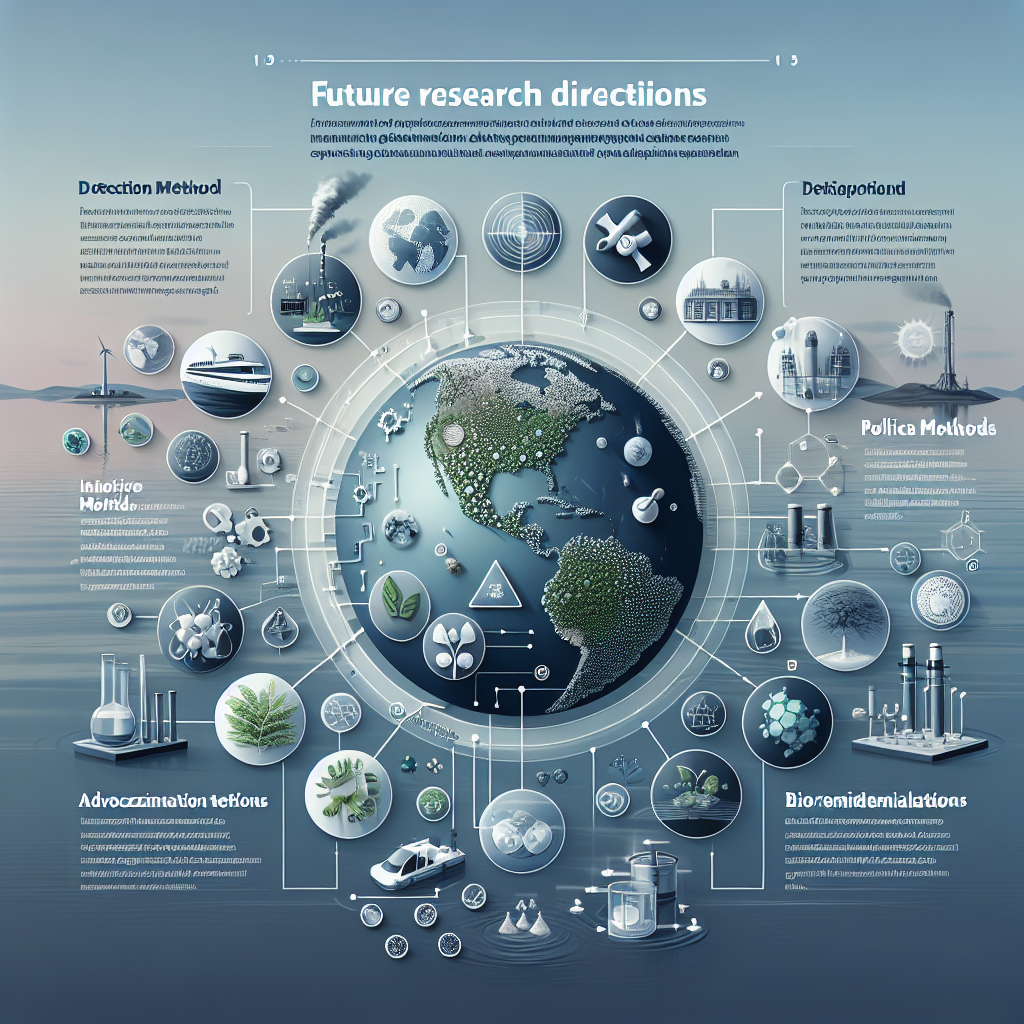
Future Research Directions on PFAS Impact and Mitigation
The quest for understanding PFAS chemicals is far from over; in fact, it’s just warming up. As municipalities grapple with the fallout from these forever chemicals, researchers are gearing up to tackle the next wave of challenges. With over 6 million Americans exposed to PFAS in their drinking water, there’s a pressing need for innovative approaches to understanding and mitigating their impact.
Innovative Detection Techniques
Detection methods are evolving faster than a cat meme going viral. Emerging technologies are paving the way for more sensitive and accurate detection of PFAS chemicals. For instance, researchers are exploring the use of biosensors that can detect low levels of PFAS in real-time. This could revolutionize how municipalities monitor water quality, allowing them to respond swiftly to contamination events.
Advanced Treatment Solutions
'Old-school methods won't cut it anymore,' you might say—and you'd be right! Future research is likely to focus on developing advanced treatment technologies that can effectively break down PFAS compounds rather than just removing them. Techniques such as electrochemical oxidation and bioremediation are gaining traction, with studies showing promise in their ability to degrade these stubborn substances.
'Understanding Toxicity and Health Effects
What exactly do these chemicals do to our bodies? is a question that still hangs in the air like an awkward silence at a party. Future studies need to delve deeper into the long-term health effects of PFAS exposure, particularly among vulnerable populations like children and pregnant women. Understanding these impacts will be crucial for shaping public health policies and regulations.
'Research into PFAS alternatives is also critical—can we find safer substitutes that don’t compromise performance?
'As we look ahead, municipalities should advocate for increased funding towards research initiatives aimed at understanding and mitigating PFAS impacts. The path forward involves not just compliance but proactive engagement with emerging science—because when it comes to clean water, we can’t afford to be left behind!