
Aqua Aerobic Systems: Optimizing Biological Treatment Processes
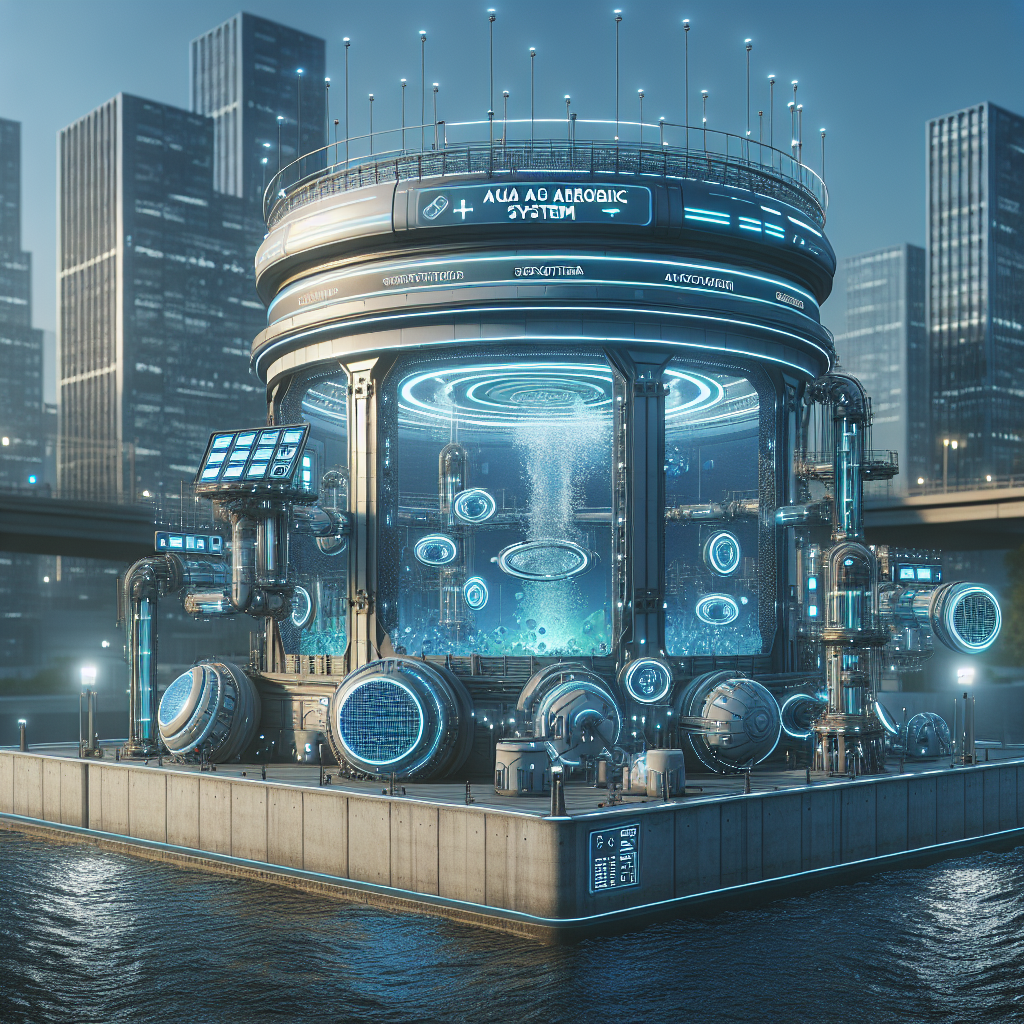
Aqua Aerobic Systems: Optimizing Biological Treatment Processes
Mechanisms of Aqua Aerobic Systems
Aqua aerobic systems are the unsung heroes of wastewater treatment, using a clever blend of biology and engineering to tackle the messiest of municipal challenges. Did you know that these systems can reduce organic matter by up to 90%? That's not just impressive; it's downright essential for keeping our waterways clean.
How Aqua Aerobic Systems Work
At their core, aqua aerobic systems harness the power of microorganisms. These tiny warriors feast on organic matter in wastewater, breaking it down into harmless substances. The process begins with aeration—think of it as giving your microorganisms a breath of fresh air. By injecting oxygen into the water, we create an ideal environment for aerobic bacteria to thrive.
But it’s not just about oxygen; it's also about creating the right conditions for these bacteria to do their job effectively. This is where the magic happens: as wastewater flows through various treatment stages, it encounters different types of microorganisms tailored to tackle specific pollutants. It's like a buffet where each bacterium has its favorite dish!
Key Components of Aqua Aerobic Systems
- Aeration tanks: Where bacteria feast on organic waste.
- Clarifiers: Allowing solids to settle and separating treated water.
- Sludge management: Keeping things tidy by recycling excess sludge back into the system.
Sludge management might sound like a dirty job (pun intended), but it's crucial for efficiency. By recycling excess sludge back into aeration tanks, we maintain a robust population of bacteria, ensuring that our aqua aerobic system remains effective over time.
The right balance of aeration and microbial activity is key to optimizing treatment efficiency.
The Dance Between Aeration and Microbial Activity
The dance between aeration levels and microbial activity can be likened to finding that sweet spot in a recipe—too much or too little can ruin the dish! If there’s insufficient oxygen, you risk creating an anaerobic environment that leads to foul odors and ineffective treatment. On the flip side, excessive aeration can lead to energy inefficiencies.
So how do we achieve this balance? Monitoring tools come into play here—think sensors that track dissolved oxygen levels in real-time, allowing operators to adjust aeration rates dynamically. This tech-savvy approach ensures we’re always in control.
Challenges and Solutions
But all is not lost! Implementing strategies like pre-treatment screening or adding supplemental carbon sources can help keep those microbes happy during tough times.
In summary, understanding the mechanisms behind aqua aerobic systems equips operators with insights necessary for optimizing biological treatment processes. The next time you're faced with fluctuating influent quality or energy costs spiraling out of control, remember: it’s all about maintaining that delicate balance between aeration and microbial activity.
Design Considerations for Aqua Aerobic Systems
When it comes to aqua aerobic systems, design isn’t just an afterthought; it’s the foundation of success. Did you know that poorly designed systems can lead to treatment inefficiencies that cost municipalities thousands of dollars annually? That’s right—design matters.
Sizing and Layout
Let’s talk about sizing first. An aqua aerobic system that’s too small is like trying to fit a hippo into a VW Bug—just not going to work. Proper sizing ensures that the system can handle peak flows without compromising treatment efficiency. A common mistake is underestimating peak flow rates, especially during rainy seasons when inflow can spike dramatically.
On the flip side, over-sizing can lead to unnecessary operational costs and energy waste. Imagine a giant swimming pool with only a few kids splashing around—it doesn’t make sense, right? The key is to conduct thorough hydraulic modeling and consider future growth projections for your community.
Aeration System Design
Next up is aeration system design. The choice between fine bubble diffusers and coarse bubble diffusers isn’t just a matter of preference; it impacts efficiency and cost. Fine bubble diffusers provide better oxygen transfer rates but require more maintenance, while coarse bubbles are easier to manage but less efficient in oxygen delivery.
Tip: Consider the specific needs of your wastewater profile when choosing diffuser types.
It’s crucial to balance aeration with energy consumption—nobody wants sky-high utility bills! Implementing variable speed drives (VSDs) can give operators flexibility in adjusting aeration rates based on real-time demands, optimizing both performance and costs.
Sludge Management Strategies
Now let’s tackle sludge management—nobody likes dealing with sludge, but it’s an unavoidable part of the process. An effective aqua aerobic system design incorporates strategies for managing excess sludge efficiently. Think about incorporating thickening processes or anaerobic digestion systems that not only reduce volume but also recover energy from waste.
- Regularly monitor sludge levels to prevent overloading your system.
- Consider implementing automated controls for better real-time adjustments.
Future-Proofing Your Design
As we look ahead, future-proofing your aqua aerobic system design is paramount. This means considering climate resilience and potential regulatory changes that could affect operations down the line. Incorporating flexible designs that allow for easy upgrades or expansions will save headaches (and money) later on.
In summary, thoughtful design considerations are crucial for successful aqua aerobic systems. From sizing and layout to aeration choices and sludge management strategies, every detail counts. As you embark on your next project or upgrade existing systems, keep these insights at the forefront of your planning process.
Operational Parameters Influencing Performance
Imagine a bustling restaurant kitchen where the chef is juggling multiple orders. If the stove is too hot or the ingredients aren’t prepped correctly, dinner service can turn into a disaster. The same principle applies to aqua aerobic systems—operational parameters play a critical role in determining how effectively these systems perform.
One major parameter is temperature. Did you know that for every degree Celsius increase in temperature, microbial activity can increase by 10%? This means that if your aqua aerobic system is operating in warmer conditions, those little bacteria are working overtime to break down waste. But beware: too much heat can also lead to stress and die-off among sensitive microbial populations.
Dissolved Oxygen Levels
Dissolved oxygen (DO) levels are another crucial factor. Think of DO as the lifeblood of your aqua aerobic system. These microorganisms need oxygen like we need coffee on a Monday morning—without it, they just won’t function properly. Maintaining optimal DO levels (typically between 2-4 mg/L) ensures that aerobic bacteria thrive and efficiently break down organic matter.
A well-monitored DO level not only boosts treatment efficiency but also cuts down on energy costs!
Hydraulic Retention Time (HRT)
Next up: hydraulic retention time (HRT). This parameter dictates how long wastewater spends in the treatment system before being discharged. Too short an HRT might not allow enough time for effective treatment, while too long can lead to unnecessary energy consumption and operational costs. Finding that sweet spot often requires some trial and error, but it’s worth it for optimal performance.
- Monitor influent flow rates to adjust HRT dynamically.
- Implement real-time monitoring systems for better control.
- Consider seasonal variations that may affect flow and treatment efficiency.
pH Levels
(Let’s not forget about pH levels!) The pH of wastewater can swing like a pendulum; if it dips below 6 or rises above 9, you might as well be throwing a party for unwanted microorganisms. Keeping pH levels between 6.5 and 8.5 ensures that your beneficial bacteria have the right environment to flourish.
Ultimately, maintaining these operational parameters requires diligence and smart technology—think automated sensors and data analytics tools that keep you informed about real-time conditions in your aqua aerobic system.
Advanced Control Strategies in Aqua Aerobic Systems
Imagine a municipal wastewater treatment plant trying to keep up with a sudden influx of rainwater. The operators scramble, adjusting aeration levels and monitoring microbial activity, but it’s like trying to juggle water balloons—one wrong move, and the whole system could burst at the seams. This is where advanced control strategies come into play, transforming chaos into harmony.
Aqua aerobic systems thrive on precision. Without a robust control strategy, you risk inefficiencies that can cost municipalities not just money, but also compliance with environmental regulations. In fact, studies show that optimized control strategies can improve treatment efficiency by up to 30%. That's not just a number; it's a game changer for communities relying on effective wastewater management.
Real-Time Monitoring and Automation
Let’s talk about real-time monitoring systems—think of them as the smart home devices of wastewater treatment. These systems use sensors to track key parameters like dissolved oxygen (DO), temperature, and pH levels continuously. By providing instant feedback, operators can make informed decisions without waiting for lab results that often come too late.
For example, if DO levels drop unexpectedly during peak inflow periods, automated controls can kick in to adjust aeration rates instantly. This agility not only maintains optimal conditions for microbial activity but also prevents costly treatment failures.
Predictive Analytics
Now let’s spice things up with predictive analytics. Imagine having a crystal ball that forecasts potential issues before they arise—this is exactly what predictive analytics does for aqua aerobic systems. By analyzing historical data alongside real-time metrics, these tools can predict trends and identify anomalies.
Consider a scenario where an aqua aerobic system frequently experiences spikes in influent BOD (biochemical oxygen demand) during certain times of the year. Using predictive analytics, operators can anticipate these surges and proactively adjust their operations—like ramping up aeration in advance—ensuring that treatment remains efficient even under pressure.
Integrated Control Systems
Integrated control systems might sound like jargon straight from a tech conference, but they’re crucial for cohesive operation in aqua aerobic systems. These platforms consolidate data from various sources—think SCADA (Supervisory Control and Data Acquisition) systems—and allow operators to manage everything from aeration controls to sludge management seamlessly.
Why does this matter? you might ask. Well, when all components work together harmoniously instead of in silos, you reduce operational costs and enhance overall system performance. It’s like having an orchestra rather than a chaotic jam session!
Comparative Analysis with Other Treatment Methods
When it comes to wastewater treatment, the aqua aerobic system stands out like a rock star at a talent show. While traditional methods like activated sludge systems have been around for decades, they often lack the efficiency and adaptability that aqua aerobic systems bring to the table.
Take conventional activated sludge processes, for instance. They rely heavily on a balance of aeration and microbial activity but can easily fall into the trap of energy inefficiency. In fact, studies suggest that these systems can consume up to 50% more energy than their aqua aerobic counterparts when treating similar volumes of wastewater. That’s like paying for premium gas but only getting regular performance!
Aerobic vs. Anaerobic Systems
Now let’s throw anaerobic systems into the mix. While they shine in breaking down organic matter without oxygen (and produce biogas as a bonus), they can take their sweet time doing so. The average hydraulic retention time (HRT) for anaerobic systems is often several days—talk about patience! On the other hand, aqua aerobic systems can achieve similar results in a fraction of that time, thanks to their efficient aeration and microbial activity.
Key takeaway: Aqua aerobic systems provide faster treatment times without sacrificing efficiency.
Cost Considerations
Let’s face it: costs matter. Aqua aerobic systems typically have lower operational costs due to reduced energy consumption and fewer maintenance headaches compared to traditional methods. For example, municipalities with aging infrastructure might find themselves spending thousands on repairs and upgrades for older activated sludge plants while an investment in an aqua aerobic system could yield long-term savings.
- $$ Lower energy costs due to efficient aeration.
- $$ Reduced maintenance needs compared to conventional methods.
- $$ Long-term savings from lower operational expenses.
Environmental Impact
Environmental sustainability is also a hot topic in wastewater treatment discussions. Aqua aerobic systems tend to produce less sludge than traditional methods, meaning less waste to manage and dispose of later on. This not only reduces landfill impacts but also minimizes greenhouse gas emissions associated with sludge handling.
In summary, while traditional treatment methods have served their purpose for years, aqua aerobic systems are redefining efficiency and sustainability in wastewater management. As municipalities look towards the future, investing in these innovative solutions could be key to not just meeting regulatory demands but exceeding them.
Challenges in Aqua Aerobic System Implementation
Implementing an aqua aerobic system can feel like trying to navigate a labyrinth blindfolded. With the right tools, it’s doable, but the twists and turns can be daunting. For instance, nearly 30% of wastewater treatment facilities report operational issues during the first year of implementing these systems—talk about a steep learning curve!
Common Implementation Hurdles
From inadequate training for operators to unexpected fluctuations in influent quality, several challenges can derail an otherwise promising aqua aerobic system implementation. Here are some common culprits:
- Lack of operator training and expertise.
- Inconsistent influent quality leading to treatment variability.
- Insufficient monitoring systems for real-time adjustments.
- Budget constraints limiting necessary upgrades.
Addressing these hurdles early on can save municipalities time and money in the long run.
Real-World Example: The Case of Riverside Treatment Plant
Riverside Treatment Plant faced significant challenges when implementing their new aqua aerobic system. Initial operator training was minimal, leading to inefficient aeration management and increased energy costs. As a result, they experienced a spike in operational costs by nearly 20% within the first six months.
To tackle these issues, Riverside invested in comprehensive training programs and upgraded their monitoring technology. This proactive approach not only improved treatment efficiency but also cut energy costs by approximately 15% within a year.
'The Solutions: Best Practices for Success
'So how do you avoid falling into the same pitfalls as Riverside? Here are some best practices that can smoothen your implementation journey:
By prioritizing these strategies, municipalities can significantly enhance their chances of successful aqua aerobic system implementation while also keeping operational costs in check.
Future Trends in Aqua Aerobic Technology
Aqua aerobic systems are on the brink of a technological revolution that could redefine wastewater treatment. With global water scarcity becoming an alarming reality, experts predict that by 2025, nearly two-thirds of the world’s population will face water-stressed conditions. This urgency is pushing innovations in aqua aerobic technology to the forefront.
Imagine a municipal wastewater treatment facility that can adapt to fluctuating inflow rates and changing regulations with the ease of a smartphone update. That’s not just wishful thinking; it’s the direction we’re heading. The integration of smart technologies and IoT (Internet of Things) is set to enhance the efficiency and effectiveness of aqua aerobic systems dramatically.
Smart Monitoring and Automation
The future is all about data-driven decision-making. Smart monitoring systems equipped with sensors will continuously track parameters like dissolved oxygen levels, temperature, and microbial activity. This means operators can make real-time adjustments without the guesswork—think of it as having a personal assistant who knows just when to turn up the aeration or tweak the pH levels.
With predictive analytics, facilities can foresee potential issues before they escalate, ensuring smoother operations.
Sustainable Energy Solutions
As energy costs continue to climb, sustainability will be at the heart of future aqua aerobic technologies. Innovations such as solar-powered aeration systems or biogas recovery from sludge are gaining traction. Imagine running your entire treatment plant on renewable energy while simultaneously reducing operational costs—now that’s a win-win!
Modular Designs for Flexibility
One size fits all doesn’t cut it anymore in wastewater management. Future aqua aerobic systems will embrace modular designs that allow for easy expansion or modification based on community needs. This adaptability ensures that municipalities can scale their operations without overhauling existing infrastructure—a huge plus for budget-conscious planners.
In summary, embracing these trends not only enhances efficiency but also positions municipalities at the forefront of sustainable wastewater management practices. The next step? Start exploring how your facility can integrate these advanced technologies into its operations.