
Gravity Filtration for Treatment Plants: Low-Energy Designs and Performance Optimization
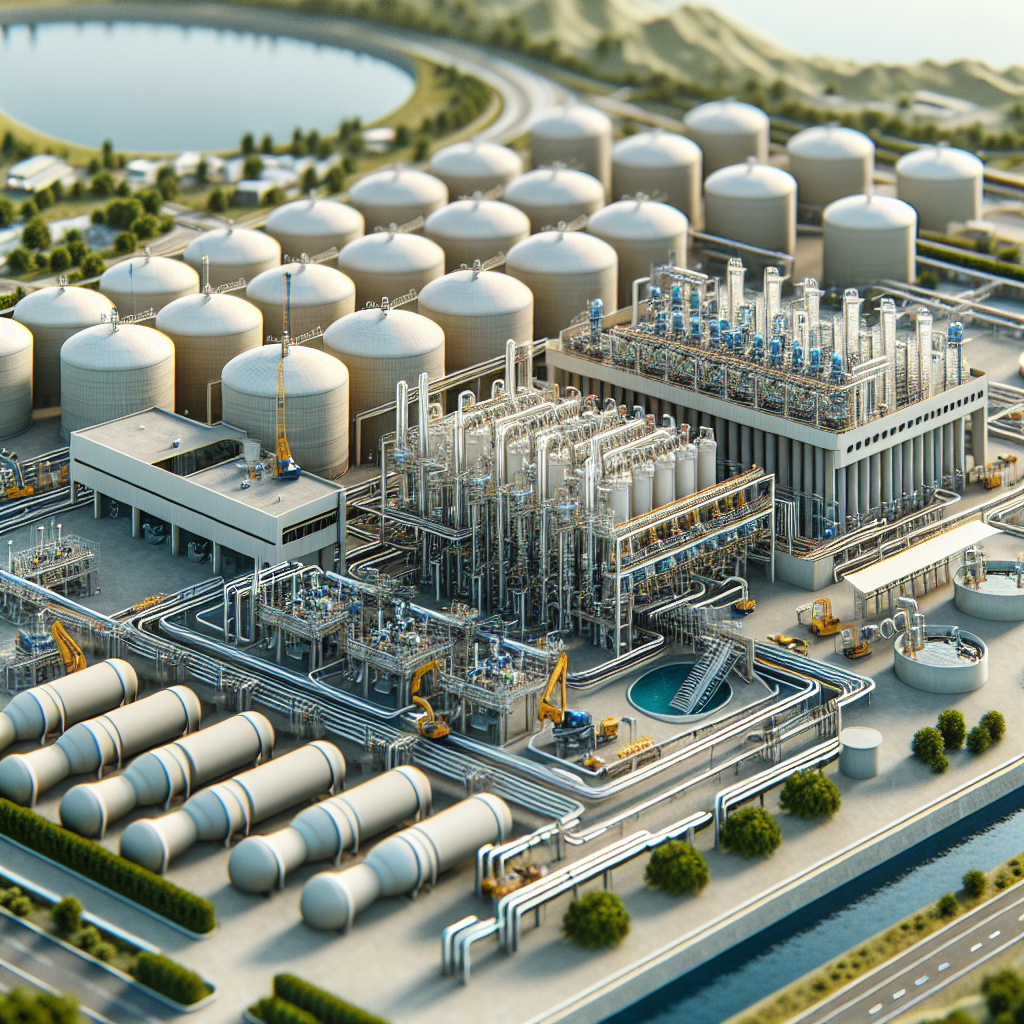
Gravity water filtration offers a straightforward way to cut pumping energy and improve system resilience when site head and treatment goals align. This how-to guide gives engineers and plant operators step-by-step low-energy design strategies, retrofit pathways, and the instrumentation and performance metrics needed, including numeric ranges, headloss calculation approaches, and a worked example. Read on to decide when gravity-fed filters meet regulatory targets, how to size and control them, and where energy trade-offs produce hidden O&M costs.
Why choose gravity filtration today: energy, resilience, regulatory context
Direct proposition: When a site can deliver raw water by elevation or gravity head, a gravity water filtration train is usually the single most effective way to reduce steady-state pumping energy and simplify operations. That is the practical case for gravity: you remove a continuous booster duty, reduce motor hours, and eliminate a common failure mode tied to pumped intakes.
System-level tradeoff: Gravity does not eliminate energy use — it reallocates it. Saving a booster pump is real, but you may add energy demand elsewhere (backwash reclaim pumps, air compressors for scour, or sludge handling). Design decisions that ignore those transfers produce false-positive energy savings. Quantify net kWh/ML across raw water delivery, backwash, and solids handling before deciding.
Regulatory obligations and resilience advantages
Regulatory reality: Meeting continuous turbidity and microbial control requirements remains non-negotiable regardless of energy policy. Gravity-fed systems must still provide the same filter-to-waste control, online turbidity monitoring, and documented run-length procedures expected by regulators. See the EPA drinking water technical resources for required monitoring and compliance expectations: EPA technical resources.
- When gravity is a strong candidate: sites with an elevated raw water reservoir or bank-filtration intake where head margin meets peak flow and surge criteria.
- Where gravity is attractive for resilience: island or island-like systems, hospitals, critical facilities and communities with frequent outages where passive flow reduces dependence on standby generators.
- When to be cautious: dense urban sites with limited elevation, operations that require frequent and high-energy backwashes, or raw waters with rapid fouling that force short runs.
Concrete example: The Croton Water Filtration Plant demonstrates gravity at scale: raw water delivered from reservoir elevation feeds large conventional filter basins, keeping pumping needs downstream and simplifying treatment hydraulics. On retrofit projects in other cities, adding an elevated feed tank or regrading inlet piping enabled operators to take booster pumps offline for normal duty — but only after hydraulic modeling, surge control, and changes to filter-to-waste sequencing were completed.
Practical judgment: Many design teams treat gravity as a binary choice instead of an optimization variable. In practice, best outcomes come from treating head as a scarce resource: preserve it for raw-water delivery and gravity discharge, accept modest civil cost to gain continuous energy and resilience benefits, and only then optimize backwash and sludge systems to avoid shifting the energy burden.
Frequently Asked Questions
Short answer up front: gravity water filtration solves steady-state pump energy in most sites that can deliver reliable head, but it is not a free lunch — you must check head margin, backwash and solids-handling energy, and regulatory control requirements before committing.
What raw water and site conditions make gravity a good fit: If you have a reservoir, elevated intake, or bank-filtration access that supplies the filter influent at design head plus surge margin, a gravity-fed filtration system is realistic. Pilot runs matter for waters with frequent algae blooms, seasonal organics, or sudden turbidity spikes — those raw waters change run length and backwash demand enough to flip the energy case.
What filtration rates and media should I use as a starting point: Use conservative starting values from AWWA and Metcalf and Eddy and validate with pilot testing. For gravity rapid filters, pick a lower-bound loading rate for initial commissioning and size filter area to achieve run lengths that minimize backwash cycles; media choices that extend run length (for example properly graded anthracite–sand) usually save net energy despite slightly higher initial headloss.
Backwash tradeoffs and reclaim strategies: Reclaiming backwash to a clarifier reduces makeup pumping but adds solids-handling tasks and intermittent pumping energy. Practical judgment: design reclaim for batch return to raw influent or backwash makeup, size clarifier for expected solids mass, and instrument turbidity on reclaim lines to prevent recontamination.
Air scour: when is it worth the compressor energy: Air scour shortens water backwash duration and improves media cleaning for high-fouling waters. For low-fouling sources, skip continuous air scour or use intermittent low-pressure pulses to limit compressor duty — in practice many gravity designs work better with occasional air assist rather than continuous air scour.
How to measure if a gravity retrofit actually saved energy: Establish baseline kWh/ML with pump runtimes, motor nameplate and measured flows, then track post-retrofit kWh/ML alongside run length, backwash frequency, and reclaimed volume. Instrumentation is non-negotiable: install an energy meter on any pump you plan to decommission or repurpose and log turbidity and differential pressure for the same period.
Common practical pitfalls: Teams underestimate civil work (tank volumes, surge protection), omit condition-based backwash controls, or pick media without testing for specific raw water foulants. Gravity is often treated as an operational simplification; in reality it shifts complexity — you still need reliable controls, online turbidity, and clear filter-to-waste sequencing.
Concrete example: A 10,000 m3/day municipal plant added a 6 m elevated feed tank and regraded inlet piping so filters could be gravity-fed at design flow. The retrofit eliminated continuous booster duty and simplified emergency operations, but required modification to the filter-to-waste control logic and installation of a backwash reclaim clarifier to avoid increasing raw water makeup.
| Frequent question | Practical answer |
|---|---|
| Is pilot testing necessary? | Yes — pilots define run length, headloss growth, and backwash profile for your raw water. |
| Will gravity remove regulatory monitoring needs? | No — you still must meet turbidity, filter-to-waste, and reporting requirements per EPA and local rules. |
| Can backwash reclaim be net-energy positive? | Often — when reclaim reduces long-distance makeup pumping; verify with a mass and energy balance. |