
- Home
- Water
- Water Quality: Essential Insights and Health Impacts
- Monitoring: Essential Strategies for Enhanced Data Security
- Contaminants and Contamination: Understanding Their Sources and Impact
- Standards: Elevating Professional and Industry Benchmarks
- FAQs: Comprehensive Answers to Common Questions
- Physical Water Treatment: Modern Techniques and Benefits
- Activated Carbon Filtration in Water: Essential for Clean, Safe Drinking Supplies
- Ultraviolet (UV) Disinfection in Water: Ensuring Safe and Clean Drinking Water
- Sand Filtration in Water: A Comprehensive Guide to Clean Drinking Solutions
- Ceramic Filtration: Effective Solutions for Clean Water
- Gravity-Based Filtration: Enhancing Water Purity with Simple Technology
- Membrane Filtration in Water: Improving Purity and Efficiency
- Sedimentation: Causes, Impacts, and Prevention Strategies
- Chemical Water Treatment: Essential Methods for Safe and Clean Water
- Coagulation and Flocculation: Essential Techniques for Water Treatment
- pH Adjustment: Essential Techniques for Maintaining Optimal Water Quality
- Chlorination: Essential Methods for Safe Water Treatment
- Ion Exchange: Essential Mechanism for Water Purification
- Ozonation: Advanced Water Purification Method Explained
- Biological Filtration: Enhancing Water Quality Through Natural Processes
- Water Supply: Ensuring Sustainable Future Solutions
- Water Conservation: Essential Strategies for Sustainable Living
- Water Management: Strategies for Sustainable Usage
- Water Quality: Essential Insights and Health Impacts
- Wastewater
- Wastewater Treatment
- Preliminary Treatment
- Screening
- Bar Screening
- Band Screen Wastewater Solutions: Effective Fine Screening Techniques
- Basket Screen Wastewater Solutions: Enhancing Treatment Efficiency
- Drum Screening
- Fine Screens in Wastewater Treatment: Enhancing Solid Removal Efficiency
- Microscreens in Wastewater Treatment: Enhancing Filtration Efficiency
- Parabolic Screen in Wastewater Treatment: Enhancing Solid-Liquid Separation Efficiency
- Static Screen in Wastewater Treatment: Efficiency and Application Overview
- Climber Screens in Wastewater Treatment: Enhancing Solid Waste Removal
- Step Screen in Wastewater Treatment: Enhancing Solid-Liquid Separation Efficiency
- Comminution in Wastewater Treatment: Enhancing Efficiency and Process Reliability
- Grit Removal in Wastewater: Essential Processes and Best Practices
- Screening
- Primary Treatment in Wastewater: The First Step in Pollution Control
- Sedimentation in Wastewater Treatment: The Efficient Separation Strategy
- Discrete Settling in Wastewater: Understanding the Separation Process
- Flocculent Settling in Wastewater: Understanding the Process and Benefits
- Zone Settling in Wastewater Treatment Processes: Understanding the Mechanism
- Compression Settling in Wastewater: Fundamental Principles and Management Strategies
- Primary Clarifiers in Wastewater: Understanding Their Role in Treatment Processes
- Circular Primary Clarifier in Wastewater Treatment: Essential Functions and Design Principles
- Parallel Plate Settlers in Wastewater Treatment: Efficiency and Design Principles
- Tube Settlers in Wastewater Treatment: Enhancing Clarification Efficiency
- Offset Clarifiers in Wastewater Treatment: Enhancing Clarity and Efficiency
- Rectangular Primary Clarifier in Wastewater Treatment: Efficiency and Design Principles
- Dissolved Air Flotation (DAF) in Wastewater: Enhancing Treatment Efficiency
- Full Flow DAF Systems: Revolutionizing Wastewater Treatment Efficiency
- Partial Flow DAF Systems: Advancing Wastewater Treatment Efficiency
- Recycle Flow DAF Systems: Enhancing Wastewater Treatment Efficiency
- Packed Column DAF: Advancing Water Treatment Efficiency
- Subsurface Release DAF Systems: Innovations in Wastewater Treatment
- Dispersed Release DAF Technology: Revolutionizing Wastewater Treatment
- Sedimentation in Wastewater Treatment: The Efficient Separation Strategy
- Secondary Treatment in Wastewater: Understanding the Biological Process
- Biological Treatment in Wastewater: Harnessing Microorganisms for Clean Water Solutions
- Rotating Biological Contactors: An Overview of Wastewater Treatment Efficiency
- Membrane Bioreactors (MBR): Advancing Wastewater Treatment Technology
- Anaerobic Digestion: Effective Waste Management for Renewable Energy
- Anaerobic Digestion in Wastewater Treatment: Optimizing Energy Recovery
- Lagoons in Wastewater Treatment: Sustainable Natural Solutions
- Constructed Wetlands in Wastewater Treatment: Nature’s Solution for Water Purification
- Activated Sludge Process in Wastewater Treatment: An Efficient Biological Methodology
- Trickling Filters in Wastewater Treatment: An Efficient Biofiltration Solution
- Sequencing Batch Reactors: Advancements in Wastewater Treatment Technology
- Aeration in Wastewater Treatment: Enhancing System Efficiency and Water Quality
- Surface Aerators in Wastewater Treatment: Optimization and Efficiency
- Submerged Diffuser Systems in Wastewater Treatment: Enhancing Effluent Disposal Efficiency
- Vertical Loop Reactors in Wastewater Treatment: Enhancing Efficiency and Sustainability
- Small Bubble Aerators in Wastewater: Enhancing Treatment Efficiency
- Jet Aerators in Wastewater Treatment: Enhancing Efficiency and Aeration Performance
- Cascade Aerators in Wastewater Treatment: Enhancing Oxygenation Efficiency
- Secondary Clarification in Wastewater: Enhancing Effluent Quality
- Circular Clarifiers in Wastewater: Essential Components for Water Treatment Efficiency
- Rectangular Clarifiers in Wastewater Treatment: Efficiency and Design Essentials
- Hopper Bottom Clarifiers in Wastewater Treatment: Efficiency and Design Essentials
- Solids Contact Clarifiers: Enhancing Wastewater Treatment Efficiency
- Lamella Clarifiers in Wastewater Treatment: Efficiency and Design Essentials
- Biological Treatment in Wastewater: Harnessing Microorganisms for Clean Water Solutions
- Tertiary Treatment in Wastewater: Ensuring Water Quality and Environmental Safety
- Advanced Treatment in Wastewater: Emerging Technologies and Methods
- UV Disinfection in Wastewater: Effective Strategies for Pathogen Reduction
- Low Pressure UV Systems in Wastewater Treatment: Efficiency and Advantages
- Medium Pressure (MP) UV Systems in Wastewater Treatment: Efficiency and Applications
- Amalgam UV Systems in Wastewater Treatment: Advancements and Efficiency
- Pulsed UV Systems in Wastewater Treatment: Revolutionizing Disinfection Processes
- Smart UV Control in Wastewater Treatment: Enhancing Efficiency and Safety
- Light-Emitting Diode (LED) UV Systems in Wastewater Treatment: Efficiency and Applications
- Ozonation in Wastewater Treatment: Understanding the Purification Process
- Fixed Bed Ozone Reactors in Wastewater Treatment: Efficiency and Application
- Ozone Retention Tanks in Wastewater Treatment: Enhancing Water Quality and Safety
- Sidestream Ozone Injection in Wastewater: Enhancing Treatment Efficiency and Water Quality
- Ozone Laundry Systems in Wastewater Treatment: Enhancing Efficiency and Sustainability
- Vacuum Degasification in Wastewater Treatment: Principles and Applications
- Bubble Diffuser Contactors in Wastewater Treatment: Efficiency and Application
- Ozone Generators in Wastewater Treatment: Efficiency and Applications
- Advanced Oxidation Processes in Wastewater Treatment: Efficiency and Innovation
- Ozonation in Wastewater Treatment: Efficient Disinfection and Organic Removal
- UV/H2O2 in Wastewater Treatment: Harnessing Advanced Oxidation Processes
- Fenton Process in Wastewater Treatment: Efficiency and Application
- Wet Air Oxidation in Wastewater Treatment: Efficiency and Process Insights
- Photocatalysis in Wastewater Treatment: Innovative Approaches for Purification
- Electron Beam Irradiation in Wastewater Treatment: Unlocking Advanced Purification Methods
- Ultrasonic Irradiation in Wastewater Treatment: Efficiency and Applications
- Ion Exchange: Essential Mechanism for Water Purification
- Cation Exchange in Wastewater Treatment: Principles and Applications
- Anion Exchange in Wastewater Treatment: Understanding the Process for Cleaner Effluents
- Ammonia Exchange in Wastewater: Essential Processes and Technologies
- Boron Selective Resins in Wastewater Treatment: Advances and Applications
- Mixed Bed Ion Exchange in Wastewater Treatment: Efficiency and Application
- Electrochemical Ion Exchange in Wastewater: Enhancing Treatment Efficiency
- UV Disinfection in Wastewater: Effective Strategies for Pathogen Reduction
- Sludge Treatment in Wastewater: Enhancing Efficiency and Reducing Environmental Impact
- Thickening in Wastewater Treatment: Optimizing Sludge Management
- Gravity Thickeners in Wastewater Treatment: Enhancing Efficiency and Sustainability
- Dissolved Air Flotation (DAF) in Wastewater: Enhancing Treatment Efficiency
- Rotary Drum Thickeners in Wastewater Treatment: Maximizing Efficiency and Cost-Effectiveness
- Gravity Belt Thickeners in Wastewater Treatment: Enhancing Efficiency and Sustainability
- Centrifuges in Wastewater Treatment: Enhancing Efficiency and Purity
- Cloth Media Filters in Wastewater Treatment: Efficiency and Applications
- Screw Presses in Wastewater Treatment: Efficiency and Applications
- Digestion in Wastewater Treatment: Processes and Benefits
- Autothermal Thermophilic Aerobic Digestion (ATAD): Enhancing Wastewater Treatment Efficiency
- Composting in Wastewater Treatment: Enhancing Sustainability Practices
- Alkaline Stabilization in Wastewater Treatment: Enhancing Process Efficiency and Safety
- Thermal Hydrolysis in Wastewater Treatment: Enhancing Sludge Management Efficiency
- Microwave Irradiation in Wastewater Treatment: An Innovative Approach
- Anaerobic Digestion in Wastewater Treatment: Optimizing Energy Recovery
- Aerobic Digestion in Wastewater Treatment: Efficiency and Process Insights
- Dewatering in Wastewater Treatment: Essential Methods and Benefits
- Belt Filter Presses in Wastewater Treatment: Maximizing Efficiency and Performance
- Plate and Frame Presses in Wastewater Treatment: Efficiency and Application
- Rotary Fan Presses in Wastewater Treatment: Efficient Sludge Dewatering Solutions
- Drying Beds in Wastewater Treatment: An Overview of Sludge Management Techniques
- Reed Beds in Wastewater Treatment: Sustainable Purification Methods
- Centrifuges in Wastewater Treatment: Enhancing Efficiency and Purity
- Thickening in Wastewater Treatment: Optimizing Sludge Management
- Reuse and Disposal: Strategies for Sustainable Waste Management
- Non-Potable Water in Wastewater: Sources, Risks, and Treatment Methods
- Graywater in Wastewater Treatment: Sustainable Reuse and Management Practices
- Blackwater in Wastewater Treatment: Understanding the Challenges and Solutions
- Stormwater in Wastewater Treatment: Managing Runoff Contamination Risks
- Industrial Wastewater Management: Strategies for Sustainable Treatment and Reuse
- Agricultural Wastewater Management: Challenges and Solutions
- Non-Potable Water in Wastewater: Sources, Risks, and Treatment Methods
- Industrial Wastewater Management: Strategies for Sustainable Treatment and Reuse
- Municipal Wastewater Management: Strategies for Sustainable Urban Water Treatment
- Treatment Technologies in Wastewater: Advancements in Modern Medical Therapies
- Preliminary Treatment
- Wastewater Management Strategies for Sustainable Urban Environments
- Wastewater Disposal Strategies: Best Practices for Environmental Safety
- Wastewater Treatment
- US Wastewater Plants
- Online Calculators
- Sodium Hypochlorite Dosing Calculation
- Equalization (EQ) Tank Sizing Calculator
- Contact Time Calculator
- Flow Conversion & Pump Reference Calculator
- Aeration / Energy Estimation Calculator
- Clarifier Surface Loading Calculator
- Sludge Production / Solids Calculator
- Chemical Storage Volume Calculator
- Centrate Sidestream Load Impact Calculator
- Our Services
- Newsletter Signup
- Blog
Chemical Treatment of Wastewater: Effective Methods for Pollutant Removal
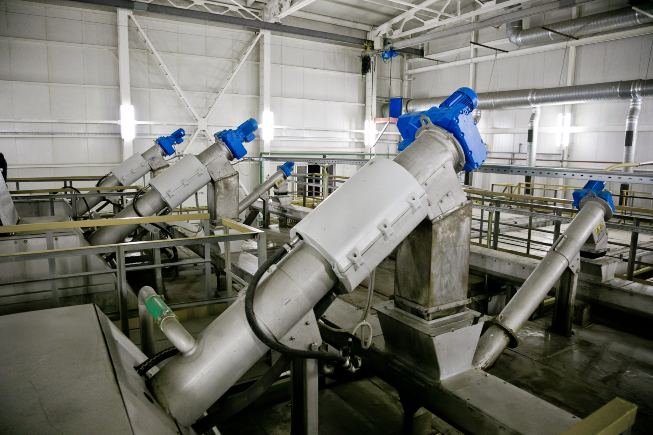
Wastewater treatment is a vital process for protecting our environment and public health. Chemical treatment plays a key role in cleaning up water that’s been contaminated by human activities. This method uses various chemicals to remove pollutants and harmful substances from wastewater before it’s released back into the environment.
Chemical treatment of wastewater involves adding specific chemicals to react with and neutralize contaminants, making them easier to remove. This process can target a wide range of pollutants, from heavy metals to organic compounds. It’s often used alongside other treatment methods to achieve the best results.
The chemicals used in wastewater treatment vary depending on the specific contaminants present and the desired outcome. Common chemicals include coagulants and flocculants, which help clump together small particles so they can be filtered out more easily. Other chemicals might be used to adjust pH levels or to disinfect the water before it’s discharged.
Key Takeaways
- Chemical treatment is essential for removing various pollutants from wastewater
- The process uses specific chemicals to neutralize and remove contaminants
- Chemical treatment is often combined with other methods for optimal water cleanup
Fundamentals of Chemical Treatment
Chemical treatment plays a key role in wastewater management. It uses specific chemicals to remove pollutants and improve water quality. The processes involve targeted reactions to neutralize contaminants.Water Purification Processes
Chemical treatment of wastewater includes several key processes. These aim to clean water and make it safe for reuse or release into the environment. One common method is coagulation. This process uses chemicals to bind small particles together. The larger clumps are then easier to remove. Flocculation follows coagulation. It gently mixes the water to encourage particle collisions. This forms even bigger clumps called flocs. Precipitation is another important process. It turns dissolved pollutants into solid form. The solids can then be filtered out. Ion exchange removes harmful ions from the water. It replaces them with less harmful ones.Chemical Reaction Principles
Chemical reactions form the basis of wastewater treatment. These reactions change the nature of pollutants to make them removable. Oxidation-reduction reactions are crucial. They transfer electrons between substances. This can break down organic matter or change the state of metals. pH adjustment is often needed. It creates the right conditions for other treatment steps. Acids or bases are added to reach the target pH level. Disinfection kills harmful microbes. Chlorine is a common disinfectant. It reacts with water to form hypochlorous acid, which destroys bacteria. Adsorption is used to remove organic compounds. Activated carbon is a popular adsorbent. It attracts and holds pollutants on its surface.Pre-Treatment Techniques
Pre-treatment techniques play a crucial role in preparing wastewater for further processing. These methods focus on adjusting pH levels and identifying harmful contaminants before main treatment begins.pH Adjustment Methods
pH adjustment is a key step in wastewater pre-treatment. It ensures optimal conditions for later treatment processes. Common methods include adding acids or bases to the water. Sulfuric acid and hydrochloric acid are often used to lower pH. For raising pH, sodium hydroxide or lime is typically added. The choice depends on the wastewater’s initial pH and target level. Automatic pH control systems can maintain steady levels. These systems use sensors and pumps to add chemicals as needed. This helps prevent sudden pH changes that could harm treatment equipment.Contaminant Identification
Identifying contaminants is vital for effective wastewater treatment. Various tests are used to detect different pollutants. These include chemical oxygen demand (COD) and biochemical oxygen demand (BOD) tests. Spectrophotometry helps measure dissolved substances. Gas chromatography can detect volatile organic compounds. Heavy metals are often found using atomic absorption spectroscopy. Rapid test kits are available for on-site checks. These kits can quickly detect common pollutants like nitrates or phosphates. Regular testing helps track treatment progress and spot new contaminants early.Primary Treatment Strategies
Chemical methods play a key role in the early stages of wastewater treatment. These processes help remove suspended particles and pollutants from water.Chemical Coagulation
Chemical coagulation is a crucial step in wastewater treatment. It involves adding chemicals to water to make particles clump together. These clumps are called flocs. Common coagulants include aluminum sulfate and ferric chloride. These chemicals neutralize the charges on particles in the water. This allows the particles to stick together. The process happens in special tanks called chemical clarifiers. These tanks mix the water and chemicals. They also give time for the flocs to form. Chemical coagulation helps remove:- Suspended solids
- Some dissolved pollutants
- Certain microorganisms
Flocculation Processes
Flocculation follows coagulation in the treatment process. It helps the small flocs join into larger, heavier clumps. These bigger clumps are easier to remove from the water. Gentle mixing is key in flocculation. It brings particles together without breaking up the flocs. This mixing can be done with paddles or other mechanical devices. Chemical flocculants may be added to improve the process. These are often polymers that help bind particles together. They create stronger, larger flocs. Flocculation tanks are designed to:- Provide the right amount of mixing
- Allow enough time for flocs to grow
- Prepare the water for the next treatment step
Secondary Treatment Methods
Secondary treatment methods are crucial for removing organic matter and suspended solids from wastewater. These processes involve biological and chemical techniques to clean water further after primary treatment.Oxidation Techniques
Oxidation plays a key role in secondary wastewater treatment. It breaks down organic pollutants and removes toxic substances. Activated sludge processes are common and use microbes to digest waste. Advanced oxidation processes use powerful oxidants like ozone or hydrogen peroxide. These can destroy hard-to-treat contaminants. UV light is sometimes combined with oxidants for even better results. Chemical oxidation methods target specific pollutants. They can remove colors, odors, and harmful chemicals from industrial wastewater.Sludge Treatment Procedures
Sludge treatment is vital for managing solid waste from wastewater plants. It reduces sludge volume and makes it safer to dispose of or use. Anaerobic digestion breaks down sludge in oxygen-free tanks. This process creates biogas, which can be used for energy. It also reduces odors and pathogens in the sludge. Dewatering removes excess water from sludge. Common methods include:- Belt filter presses
- Centrifuges
- Drying beds
Chemical Storage Volume Calculator
Estimate chemical storage volume based on feed rate, storage duration, and safety factor.
Required Storage Volume: gallons
Equivalent Storage:
drums (55 gal)
totes (275 gal)
bulk tanks (1,000 gal)
Storage volumes shown are planning references only. Final tank sizing should account for secondary containment and local codes.
Tertiary and Advanced Treatments
Tertiary and advanced treatments remove remaining contaminants from wastewater. These processes improve water quality beyond secondary treatment, making it suitable for reuse or environmental discharge.Advanced Filtration Systems
Advanced filtration removes fine particles and dissolved substances from wastewater. Membrane filtration is a common method. It uses thin layers with tiny pores to catch contaminants. Reverse osmosis pushes water through a semi-permeable membrane. This traps dissolved salts and other impurities. Ultrafiltration and nanofiltration are also used, depending on the size of particles to be removed. Granular media filters, like sand or activated carbon, can trap smaller particles. These filters are often used before membrane filtration to extend membrane life.Chemical Dosing and Control
Chemical dosing adds specific chemicals to wastewater for treatment. This process targets pollutants that resist other treatment methods. Common chemicals used include:- Coagulants (alum, ferric chloride)
- pH adjusters (lime, soda ash)
- Oxidizers (chlorine, hydrogen peroxide)
Water Disinfection
Disinfection kills harmful microorganisms in treated wastewater. This step is vital before releasing water back into the environment or reusing it. Chlorination is a widely used method. It’s effective and relatively low-cost. However, it can create harmful byproducts. UV disinfection uses ultraviolet light to destroy microorganisms’ DNA. It’s chemical-free but requires clear water to work well. Ozonation is another option. Ozone is a powerful oxidizer that kills pathogens quickly. It leaves no residual chemicals but can be expensive to implement. Some facilities use a combination of methods for thorough disinfection. The choice depends on water quality, regulations, and cost considerations.Assessment of Treated Water
Testing and monitoring treated wastewater is crucial. It ensures safety and compliance with regulations. Environmental impacts must also be carefully evaluated.Effluent Quality Assurance
Wastewater treatment facilities conduct regular tests to check effluent quality. Common tests include BOD, COD, and TOC to measure organic matter. TSS and TDS tests check for solid particles. pH levels are monitored to ensure proper balance. Nutrient levels, like nitrogen and phosphorus, are measured. Bacterial counts help assess disinfection effectiveness. Facilities use automated sensors and lab analysis. Results are compared to permit limits and standards. Operators adjust treatment processes based on test results. This helps maintain consistent effluent quality.Environmental Impact Evaluation
Treated wastewater discharge can affect ecosystems. Scientists study its impact on local water bodies. They monitor changes in aquatic life and habitat. Water quality in receiving streams or lakes is regularly tested. Groundwater may be checked for potential contamination. Soil quality near discharge points is also evaluated. Long-term ecological studies track environmental changes. These help improve treatment methods and policies. Emerging contaminants, like pharmaceuticals, are a growing concern. New detection methods are being developed to assess their presence and impact.Wastewater Treatment Plant Management
Wastewater treatment plants need careful management to function well. Good managers keep an eye on key factors and make sure everything runs smoothly.Operational Parameters
Wastewater treatment plants handle large volumes of water daily. Managers track flow rates and adjust processes as needed. They check pH levels and make sure chemicals are added in the right amounts. Temperature affects how fast microbes work. Managers keep an eye on tank temps. They also watch oxygen levels to help bacteria break down waste. Solid levels are important too. Too many solids can clog pipes and tanks. Managers test for total suspended solids (TSS) and remove excess sludge when needed.Maintenance and Monitoring
Regular upkeep keeps plants running well. Managers set schedules to clean tanks and fix equipment. They make sure pumps, filters, and pipes work right. Testing is key for water recycling. Managers check treated water to make sure it meets rules. They look for bacteria, nutrients, and chemicals. Good record keeping helps spot trends. Managers track test results and flow data over time. This helps them find and fix problems fast. Safety is vital. Managers train staff on risks and give them proper gear. They set rules for working with chemicals and in confined spaces.Chemicals Used in Wastewater Treatment
Water treatment chemicals play a crucial role in cleaning and purifying wastewater. These substances help remove contaminants, adjust pH levels, and improve water quality. Common chemicals used include coagulants and flocculants. Aluminum sulfate and ferric chloride are popular coagulants. They help small particles clump together, making them easier to remove. Chemical flocculants like polyacrylamides enhance the clumping process. They create larger, more stable flocs that settle quickly in sedimentation tanks. pH adjusters are also important. Lime and sodium hydroxide raise pH, while sulfuric acid lowers it. Proper pH levels ensure optimal treatment efficiency. Disinfectants kill harmful microorganisms. Chlorine is widely used, but UV light and ozone are becoming more popular alternatives. Chemical dosing is a critical aspect of wastewater treatment. Accurate dosing ensures the right amount of chemicals are added at the right time. This optimizes treatment effectiveness and reduces waste. Activated carbon is used for adsorption. It removes organic compounds and improves taste and odor. Oxidizing agents like hydrogen peroxide break down complex organic molecules. This makes them easier to remove in later treatment stages. Each wastewater treatment plant uses a unique combination of these chemicals. The specific mix depends on the plant’s design and the characteristics of the incoming wastewater.Best Practices for Chemical Handling and Safety
Chemical handling in wastewater treatment requires careful attention to safety. Workers must follow strict protocols to protect themselves and the environment. Proper labeling of chemicals is crucial. All containers should have clear labels showing the chemical name, hazards, and safety precautions. Personal protective equipment (PPE) is a must. This includes:- Safety goggles
- Chemical-resistant gloves
- Lab coats or protective suits
- Closed-toe shoes
Case Studies and Applications
Chemical treatment of wastewater has proven effective in various real-world scenarios. These cases show how industries and municipalities have successfully implemented chemical solutions to tackle water pollution and improve water quality.Industrial Wastewater Solutions
A textile factory in India faced challenges with high dye content in its wastewater. They implemented a chemical treatment process using coagulants and flocculants. This approach reduced color by 95% and lowered chemical oxygen demand by 80%. In China, a petrochemical plant adopted advanced oxidation processes to treat its complex wastewater. The treatment combined hydrogen peroxide and UV light. It broke down persistent organic pollutants, making the water safe for release into local waterways. A food processing facility in Brazil used electrocoagulation to treat its wastewater. This method removed fats, oils, and grease effectively. It also reduced biochemical oxygen demand by 90%, meeting strict environmental regulations.Municipal Wastewater Improvements
The city of Singapore implemented a large-scale water recycling program called NEWater. It uses microfiltration, reverse osmosis, and UV disinfection. This process turns wastewater into high-quality reclaimed water for industrial use and indirect potable reuse. A small town in Canada upgraded its wastewater treatment plant with chemical phosphorus removal. They added ferric chloride as a coagulant. This simple change reduced phosphorus levels in the effluent by 95%, protecting local lakes from algal blooms. In Australia, a coastal city battled saltwater intrusion in its sewage system. They introduced calcium nitrate to control hydrogen sulfide formation. This chemical addition reduced odor complaints by 70% and extended the lifespan of sewer infrastructure.Frequently Asked Questions
Chemical treatment plays a crucial role in wastewater management. It involves using specific chemicals to remove contaminants and improve water quality. This process is essential for ensuring safe and clean water for communities and the environment.What methods prevail in the chemical treatment of wastewater?
Common chemical treatment methods include coagulation and flocculation. These processes use chemicals to make small particles clump together, making them easier to remove. Another method is chemical precipitation, which adds substances to create solid particles from dissolved contaminants. These particles can then be filtered out.How does chemical treatment differ from biological and physical treatment in wastewater management?
Chemical treatment uses specific substances to react with and remove pollutants. Biological treatment relies on microorganisms to break down organic matter. Physical treatment uses mechanical processes like filtration or sedimentation. Chemical methods often work faster than biological ones. They can also handle certain pollutants that biological processes struggle with.What are the primary chemicals used in the wastewater treatment process?
Common chemicals include aluminum sulfate (alum) and ferric chloride. These act as coagulants, helping to remove suspended particles. Chlorine is widely used for disinfection, killing harmful bacteria. Some facilities use alternatives like ultraviolet light or ozone for this purpose.Can you outline the steps involved in the chemical process of water treatment?
The process typically starts with adding coagulants to the wastewater. This causes small particles to stick together, forming larger clumps. Next, the water goes through flocculation, where gentle mixing helps these clumps grow bigger. The larger particles then settle out or are filtered from the water. Finally, disinfection chemicals are added to kill remaining pathogens before the water is released.What are the environmental impacts of chemical treatment of wastewater?
Chemical treatment can effectively remove many pollutants, helping protect aquatic ecosystems. It reduces the amount of harmful substances entering rivers and lakes. However, some chemicals used in treatment can have negative effects if not properly managed. Chlorine, for example, can form harmful byproducts. Proper handling and disposal of treatment chemicals is crucial to minimize environmental impact.How do chemical treatments ensure the safety and cleanliness of treated water?
Chemical treatments target specific contaminants, removing them from the water. This process significantly reduces harmful bacteria, viruses, and other pathogens. Regular testing ensures the treated water meets safety standards. Treatment plants monitor various parameters to confirm the water is safe for release or reuse. Advanced treatment methods can remove even trace contaminants, further improving water quality.- challenge
- changes
- Chemical Precipitation
- Chemical Reactions
- Chemical Treatment
- coagulants
- coagulation
- Contaminants
- disinfection
- Environment
- Flocculants
- flocculation
- heavy metals
- Ion Exchange
- management
- methods
- organic compounds
- Oxidation-reduction
- Oxidation-reduction reactions
- pH Adjustment
- pH Levels
- pollutant removal
- pollutants
- pollution
- precipitation
- Public health
- Wastewater Management
- wastewater treatment
- Wastewater Treatment Plant
- water
- Water Disinfection
- water management
- Water Pollution
- Water Purification
- water quality
- water treatment