
Cloth Media Filtration in Wastewater Treatment: Advancements and Applications
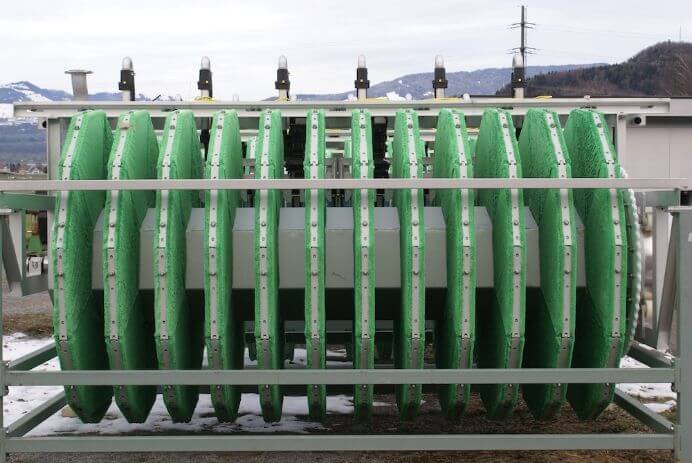
Cloth media filtration (CMF) stands as an advanced wastewater treatment technology, leveraging the efficiency of cloth media to screen out contaminants from water. This method utilizes a combination of physical straining and biological processes, with cloth materials serving as the medium. The particulate matter is captured on the surface or within the depth of the cloth fibers, making CMF a preferred choice for various stages within the wastewater treatment sequence. As part of the broader Cloth Media Filtration discipline, the applications-focused work covered here addresses how these systems are configured, operated, and optimized across municipal, industrial, and reuse contexts. The adaptability of cloth materials to different wastewater characteristics has been instrumental in the wide adoption of this technology.
The deployment of CMF systems encompasses various design considerations, ensuring that they meet the specific needs of a wastewater treatment facility. These designs are not only focused on removing solids effectively but also on enhancing the sustainability and cost-effectiveness of water management practices. CMF systems, therefore, contribute to the overall reduction of environmental impacts by minimizing waste and improving water quality standards. As regulatory demands for cleaner wastewater discharge grow, cloth media filtration continues to evolve, incorporating new materials and methods to stay ahead of stringent compliance requirements.
History of Cloth Media Filtration
Cloth media filtration has its roots in the textile industry, where fabrics were used to filter particulates from liquids. In the wastewater treatment context, it emerged as a response to the need for more efficient and economical filtration solutions. The development of cloth media filtration for wastewater dates back to the late 20th century when technological advancements allowed for the creation of finer and more durable fabric materials suitable for filtering smaller particles.
The basic concept involves the use of a cloth media, typically a synthetic fabric, as the filtration medium. This fabric is mounted on a disk or a drum, which is then rotated or kept static in the wastewater. When the wastewater passes through the cloth media, suspended solids are captured, and clear effluent passes through.
Key advancements in cloth media filtration include:
- The introduction of automated backwashing systems, which significantly improved the efficiency by regularly cleaning the cloth media without the need for manual intervention.
- The utilization of different fabric weaves and coatings to enhance filtration accuracy and increase the lifespan of the filter cloth.
- Enabling a smaller footprint for wastewater treatment facilities due to the compact design of cloth media filters compared to traditional sand filters.
Throughout the years, cloth media filtration has been adopted in various forms, from municipal to industrial wastewater treatment plants. It has proven particularly effective for secondary and tertiary treatment, providing high-quality effluent that meets stringent regulatory standards.
This filtration method continues to evolve, with ongoing research focused on optimizing filter design, improving operational parameters, and expanding the range of treatable wastewater types.
Basic Principles of Cloth Media Filtration
Cloth media filtration is an integral part of treating wastewater efficiently. It relies on specialty fabrics designed specifically for capturing particulates and facilitating clear effluent discharge.
Mechanism of Filtration
The filtration process in cloth media filtration involves wastewater passing through cloth panels that serve as the filter media. Solids are trapped on the cloth surface, while the filtered water permeates through. Two main phases occur here: the solids deposition phase during which particles build up on the cloth, and the backwashing phase where accumulated solids are removed, allowing for continuous operation.
Types of Cloth Media
There are various types of cloth media utilized in wastewater filtration. They can be made from materials such as polyester, polypropylene, or nylon, each chosen for its specific properties like pore size, durability, and resistance to chemicals. Cloth media can be monofilament or multifilament, the former allowing for a smoother surface and a more uniform pore structure, and the latter generally being more resilient.
Quality and Characteristics of Filter Media
The performance of a filter depends greatly on the quality and characteristics of the cloth media. Important factors include:
- Pore size: Dictates the size of particles that will be captured.
- Material durability: Determines the media’s resistance to wear and chemical attack.
- Surface treatment: Affects hydrophobic or hydrophilic properties, impacting moisture passing.
- Permeability: A measure of the media’s ability to allow water to pass through while retaining solids.
These characteristics ensure that the cloth media filtration process within wastewater treatment is effective, providing a reliable method for removing contaminants.
Design and Components of Filtration Systems
Cloth media filtration systems are engineered for efficient wastewater treatment, employing fabric filter media to trap pollutants. These advanced systems are essential for producing high-quality effluent.
Cloth Media Filters Configuration
Cloth media filters consist typically of a disk or a drum arrangement where wastewater passes through the cloth filter elements. The specifics of configuration may vary, but all are designed to maximize surface area for filtration. The material used for the cloth media is often synthetic fabric that is both durable and capable of capturing fine particulates.
- Disk Configuration: These systems use a stack of circular filters that rotate through the wastewater, allowing the cloth media to capture solids and then be cleaned.
- Drum Configuration: This setup involves a rotating drum covered with fabric media that moves through the wastewater, functioning similarly to disk configurations in solid removal and cleaning mechanisms.
Control Systems
The control systems of cloth media filtration are critical for functionality and efficiency. They regulate the operation of the filters, and backwash cycles, and ensure the consistent quality of the treated effluent.
- Automatic Control: These systems use sensors and programmable logic controllers (PLCs) to optimize the filtration and backwashing cycles, thus reducing manual intervention and promoting consistent performance.
- Manual Control: Some setups may allow for manual operation, where operators adjust the cycles based on observed conditions, although this is less common in modern installations.
The control systems are typically designed for resilience and can handle variations in wastewater flow and composition, ensuring adaptability to working conditions.
Subtopic Overview: Cloth Media Filtration Applications
The practical deployment of cloth media filtration systems spans a wide range of treatment objectives, plant configurations, and effluent quality targets. The subtopic below addresses the efficiency and application dimensions that define how CMF technology performs across real-world installations.
Cloth Media Filters in Wastewater Treatment: Efficiency and Applications
Cloth media filters in wastewater treatments are deployed across a broad spectrum of plant types and treatment objectives, from secondary effluent polishing at municipal POTWs to tertiary filtration ahead of UV disinfection or membrane systems at water reuse facilities. Efficiency data from full-scale installations consistently demonstrate total suspended solids (TSS) removal efficiencies of 60–90%, with typical filtered effluent TSS concentrations of 2–10 mg/L achievable from well-operated secondary clarifier effluent — performance that meets or exceeds the requirements of most NPDES permits and Title 22 recycled water standards. Hydraulic loading rates for cloth media disk filters typically range from 2 to 8 gallons per minute per square foot of cloth area, with the specific operating point selected based on influent TSS concentration, required effluent quality, and acceptable head loss across the filter panels. The backwash cycle frequency and duration are calibrated to the solids loading rate rather than set on a fixed timer; demand-based backwash control, triggered by head loss or turbidity setpoints, consistently outperforms time-based control in both effluent quality and cloth longevity. Capital cost advantages over conventional deep-bed sand filtration are most pronounced at retrofit installations, where the compact footprint of disk CMF systems — typically 30–50% smaller per unit filtration area — allows upgrades within existing filter building footprints without civil expansion. Operational cost comparisons favor CMF over pressure filters for most municipal applications due to lower pumping energy requirements, though gravity-flow CMF systems require adequate hydraulic head at the inlet to maintain design flow without supplemental pumping.
Operational Considerations
In the realm of wastewater treatment, Cloth Media Filtration represents a critical process where effective operation ensures the removal of contaminants. Attention to maintenance, addressing operational challenges, and honing performance are pivotal for optimal functionality.
Maintenance Practices
Routine Inspection: Scheduled inspections of the cloth media are imperative to detect wear and tears or clogging which may compromise filtration efficiency. The systems often include mechanisms for automatic backwashing, which helps maintain the integrity and longevity of the media.
Parts Replacement: Certain components such as seals and gaskets require regular examination and replacement to prevent leaks and ensure the system remains enclosed, which is fundamental to controlling odor and preventing exposure to wastewater.
Common Operational Challenges
Fouling: Fouling of the cloth media can lead to reduced hydraulic capacity and increased head loss through the system. Monitoring is crucial to identify the fouling early before it impedes the system’s performance.
Weather Conditions: Extreme cold can lead to issues with the cloth media freezing, whereas high heat can promote algae growth, both necessitating tailored strategies to mitigate these effects.
Performance Optimization
Flow Rate Regulation: Ensuring that flow rates are within the manufacturer’s recommended range is critical for maintaining filtration efficiency. Flow that’s too high can overwhelm the system, while too low a flow can cause settling and inadequate treatment.
Data Analysis: Utilizing data analytics tools to track performance metrics allows for preventative maintenance and timely adjustments. This proactive approach can lead to continuous improvement in the cloth media filtration process.
Applications in Wastewater Treatment
Cloth media filtration is a versatile technology used to improve water quality across various sectors. It efficiently removes particulates from wastewater, making it suitable for diverse applications from municipal to industrial settings.
Municipal Wastewater Treatment
Municipal wastewater treatment facilities often employ cloth media filtration to remove fine solids from the sewage. This technology serves as an enhancement to primary sedimentation, catching finer particles that traditional methods might miss. The filtrate quality from cloth media filters meets stringent discharge regulations and is therefore instrumental in protecting water bodies from potential contamination.
Industrial Wastewater Treatment
In industrial contexts, cloth media filtration adapts to handle high-strength waste streams, such as those from food processing, pharmaceuticals, and chemical manufacturing. The robust design manages varying loadings and is key in preventing pollutants from entering the environment. The efficacy of cloth media filters in removing suspended solids and other particulate matter makes them a reliable component in complex industrial treatment processes.
Reuse and Recycling
The push towards sustainability has made water reuse and recycling a critical component of modern wastewater management. Cloth media filtration offers a low-energy option for tertiary treatment, producing effluent that is suitable for non-potable reuse applications like irrigation, industrial cooling, or dust control. By capturing fine particles and reducing turbidity, cloth media filters ensure the treated water is safe for these secondary applications, thereby conserving freshwater resources.
Environmental Impact and Sustainability
Cloth Media Filtration is a crucial process in wastewater treatment, designed to significantly reduce environmental pollution and boost sustainability efforts through advanced filtration technology.
Reduction of Pollutants
Cloth Media Filtration in Wastewater is highly efficient in removing suspended solids, nutrients, and pathogens from wastewater. By utilizing layers of fabric media, this technology can target and capture a high volume of contaminants. The result is an effluent with remarkably lower levels of pollutants, hence contributing to the protection of natural water bodies and the broader environment. Reports indicate that cloth media systems can achieve up to a 60% reduction in suspended solids, enhancing the quality of the discharged water.
Energy Efficiency
In addition to pollutant reduction, Cloth Media Filtration operates with greater energy efficiency than many alternative methods. It achieves this by employing a simple yet effective design that minimizes power consumption during the filtration cycle. The reduction in energy usage not only lowers operational costs but also decreases the carbon footprint associated with wastewater treatment, making it a more sustainable solution in line with contemporary environmental goals.
By focusing on continuous improvement in filtration technology, Cloth Media Filtration represents a vital step forward in reducing the ecological impact of wastewater and working toward a sustainable future.
Comparison of Cloth Media Filtration Configurations
| Configuration | Key Features | Best-Fit Applications | Limitations | Typical Hydraulic Loading | Maintenance Profile |
|---|---|---|---|---|---|
| Disk Filter (Gravity) | Rotating disk panels; gravity-fed; low head requirement; automated backwash | Municipal secondary effluent polishing; tertiary treatment upgrades within existing filter buildings | Requires adequate inlet head; less effective on very high TSS influent (>50 mg/L) | 2–8 gpm/ft² cloth area | Low — automated backwash; periodic cloth inspection and replacement every 3–7 years |
| Drum Filter (Gravity) | Rotating drum covered in cloth; continuous operation; compact footprint | Smaller municipal plants; package treatment systems; combined sewer overflow polishing | Lower total cloth area per unit than disk configurations; limited to moderate flow ranges | 1–5 gpm/ft² cloth area | Low — similar to disk; drum bearing inspection important for long-term reliability |
| Traveling Bridge Filter (Cloth Media) | Fixed cloth panels with traveling backwash bridge; modular cell design | Large municipal plants; high-flow applications; retrofits of existing rapid sand filter bays | Higher civil cost than rotating configurations; more complex mechanical systems | 3–6 gpm/ft² cloth area | Medium — backwash bridge drive system requires regular inspection; cell-by-cell isolation for maintenance |
| Pressurized Cloth Media Filter | Enclosed pressure vessel; independent of available hydraulic head; higher operating pressure | Industrial applications; systems with insufficient gravity head; high-quality reuse applications | Higher energy cost; more complex containment and sealing requirements; higher capital cost | 4–10 gpm/ft² cloth area | Medium–High — pressure vessel inspections; seal maintenance critical to prevent bypass |
| Monofilament Cloth Media | Smooth, uniform pore structure; easier to clean; lower blinding tendency | Fine TSS removal; applications requiring consistent pore geometry for predictable performance | Less resilient than multifilament under abrasive conditions; higher unit cost | Varies by system type | Low blinding; longer cleaning intervals; cloth life 5–10 years in typical service |
| Multifilament Cloth Media | Higher surface area; better solids capture in depth; more resilient fabric | High-solids influent streams; industrial applications with abrasive or high-strength waste | Higher fouling tendency in biological solids; requires more frequent backwash at high loadings | Varies by system type | More frequent backwash cycles at high TSS; periodic chemical cleaning may be needed |
Advances in Cloth Media Filtration Technology
Advances in cloth media filtration technology cater to increasing efficiency and automation, providing cost-effective and higher-quality wastewater treatment solutions.
Innovations in Filter Media
Recent advancements have focused on enhancing the physical properties of filter media. For instance, new fabric compositions have been developed that are more resistant to chemical and biological damage, thereby extending the lifespan of the media. Additionally, microfiber technology has led to the production of finer weaves, which are capable of capturing smaller particulate matter. These innovations in the material science of cloth media directly correlate to the more effective removal of contaminants from wastewater streams.
Automation in Filtration Systems
Automation has become a cornerstone in modernizing cloth media filtration in wastewater treatment. State-of-the-art systems now include sensors and software that automatically adjust filtration parameters in real time, optimizing performance and reducing the need for manual oversight. For example, systems can detect changes in water quality and automatically adapt the backwash cycles accordingly. This level of automation ensures that the filtration process remains efficient under varying load conditions and maintains compliance with stringent regulatory standards.
Field Notes: Practical Guidance for CMF System Operation
Commissioning Considerations
Commissioning a cloth media filtration system requires verification of hydraulic performance across the full range of anticipated operating flows before regulatory compliance monitoring begins. The most critical commissioning test is a step-load challenge, where flow is incrementally increased to design peak flow while monitoring head loss development, backwash trigger frequency, and filtered effluent turbidity. Systems that pass design flow verification at average daily flow but have not been tested at peak hourly flow frequently exhibit capacity limitations that only manifest during wet-weather events — precisely when permit compliance is most scrutinized. Cloth media integrity testing, confirming that no panels have manufacturing defects or installation damage that would allow unfiltered bypass, should be completed before startup and repeated after any cloth replacement or panel maintenance.
Common Specification Mistakes
The most frequent error in CMF system specification is sizing based on average daily flow without adequate provision for peak flow conditions. Peak hydraulic loading during storm events can be 3–5× the average daily flow at combined sewer plants, and even at separate sewer systems, diurnal peaking factors of 2.0–2.5× average flow are common. Specifying cloth media systems without confirmed influent TSS data from the upstream process is a second common error — cloth media performance degrades rapidly when secondary clarifier effluent TSS exceeds 20–30 mg/L during process upsets, and systems specified only for typical effluent quality will exhibit permit compliance risk during these events. Finally, failing to specify adequate bypass capacity is a commissioning-phase discovery that is expensive to correct; all CMF installations should include rated bypass channels or overflow structures capable of passing peak flow without creating hydraulic backpressure that could flood the filter structure.
O&M Considerations and Troubleshooting
The dominant O&M cost driver for cloth media systems is cloth replacement, which typically occurs every 3–10 years depending on fabric type, solids loading, and backwash chemistry. Tracking head loss trends over time — plotting operating head loss at a fixed flow rate on a monthly basis — provides an early warning of progressive cloth blinding that cannot be resolved by normal backwash cycles, indicating the need for chemical cleaning or imminent cloth replacement. Algae growth on cloth panels exposed to sunlight is a common issue at open-top installations in warm climates; covering the filter structure or specifying UV-stabilized cloth panels with algaecide-impregnated fibers substantially reduces this O&M burden. For systems experiencing persistent elevated effluent turbidity without corresponding head loss increase, the most likely cause is cloth panel bypass at a failed seal or gasket rather than cloth media failure — a targeted integrity test isolating individual panels will confirm this diagnosis.
Design Details and Standards
Sizing Methodology
Cloth media filtration systems are sized on the basis of total cloth area required to process peak design flow at the maximum acceptable hydraulic loading rate without exceeding the design head loss limit. The calculation sequence is: (1) establish peak design flow (typically peak hourly flow for municipal applications); (2) select maximum hydraulic loading rate based on influent TSS and target effluent quality (typically 3–5 gpm/ft² for secondary effluent polishing); (3) calculate required total cloth area as peak flow divided by loading rate; (4) select number and size of filter units to provide required cloth area plus one redundant unit for maintenance; (5) verify that available hydraulic head at the filter inlet is sufficient to drive design flow through the clean cloth resistance plus allowance for partial fouling. A minimum of 12–18 inches of available gravity head is typically required for disk filter installations; systems with less available head require pump-assisted feed or pressurized configurations.
Applicable Standards and References
- EPA Filtration Guidance (40 CFR Part 141) — Federal regulatory framework for filtration requirements in drinking water; relevant as a reference for effluent reuse quality benchmarks
- Ten States Standards (Recommended Standards for Wastewater Facilities) — Regional guidance document covering design criteria for wastewater treatment unit processes including tertiary filtration
- WEF Manual of Practice No. 8 (Design of Municipal Wastewater Treatment Plants) — Primary design reference for tertiary filtration system sizing and selection
- NPDES Permit Requirements — Site-specific effluent limits that establish the TSS, turbidity, and pathogen reduction targets the CMF system must reliably achieve
- Title 22 (California) / State Recycled Water Standards — Where CMF systems are applied ahead of reuse, state-specific recycled water quality standards govern the required filtration performance level
Regulations and Standards
When discussing Cloth Media Filtration in wastewater treatment, adhering to regulations and standards is crucial for environmental protection and public health. The U.S. Environmental Protection Agency (EPA) sets these guidelines to ensure treatment processes effectively remove contaminants from wastewater before it is released back into the environment.
- Primary Standards: These are legally enforceable and pertain to pathogen and pollutant levels that might pose a risk to human health. Cloth media filters must meet specific thresholds for removing solids and reducing biochemical oxygen demand (BOD).
- Secondary Standards: These relate to aesthetic factors, such as odor and color, which are not directly health-related but could impact the public’s perception and usage of the water.
It is vital for water treatment facilities using cloth media filtration to have a thorough understanding of the Clean Water Act. This act addresses the discharge of pollutants into US waters and sets forth the National Pollutant Discharge Elimination System (NPDES) permit requirements, which apply to most treatment plants.
Each state may also have additional guidelines and standards, often building upon federal regulations. Facilities must ensure that they are compliant with the most stringent requirements to avoid penalties.
For more detailed information on the technology and compliance of trickling filters, the EPA provides a comprehensive overview that includes cloth media filtration.
In summary, compliance with all relevant regulations and standards is non-negotiable for wastewater treatment plants. This compliance ensures that cloth media filtration is used effectively and safely to purify wastewater, safeguarding public health and the environment.
Frequently Asked Questions
How does cloth media filtration compare to other types of wastewater treatment methods?
Cloth media filtration typically offers a higher rate of solids removal compared to conventional sand filters. It is a more compact and efficient process that can handle higher hydraulic loadings with a smaller footprint.
What are the benefits and drawbacks of using cloth media filtration in wastewater treatment?
The primary benefits of cloth media filtration include improved effluent quality, reduced space requirements, and lower energy consumption. Drawbacks might involve the initial cost of setup and the need for regular maintenance to ensure optimal performance.
Can cloth media filtration be used for both primary and tertiary wastewater treatment?
Yes, cloth media filtration can be utilized in both primary and tertiary stages of wastewater treatment. In primary treatment, it can act as a pre-filter, while in tertiary treatment, it provides fine polishing of effluent.
What types of cloth materials are commonly used in cloth media filtration systems?
Commonly used cloth materials in these systems include woven and non-woven fabrics, which are chosen for their pore size, durability, and resistance to chemicals commonly found in wastewater.
How are cloth media filters maintained and cleaned in wastewater treatment facilities?
Cloth media filters are typically cleaned through backwashing or a combination of air and water scouring methods to dislodge trapped solids and maintain filtration efficiency.
What considerations must be taken into account when designing a cloth media filtration system for a wastewater treatment plant?
Design considerations for a cloth media filtration system include the quality of the influent, desired effluent quality, flow rates, space availability, and the compatibility of the cloth material with the wastewater characteristics. These factors determine the system's configuration and operational parameters.
Conclusion
Key Takeaways
- CMF delivers reliable secondary effluent polishing at a compact footprint — disk and drum configurations consistently achieve filtered TSS of 2–10 mg/L from well-operated secondary clarifier effluent, meeting most NPDES and Title 22 reuse standards within a footprint 30–50% smaller than conventional deep-bed sand filters.
- System sizing must account for peak flow, not just average daily flow — undersizing for peak hydraulic loading is the leading cause of CMF permit compliance failures; always size for peak hourly flow with one redundant unit for maintenance isolation.
- Demand-based backwash control outperforms fixed-interval timers — head-loss-triggered backwash reduces wash water volume, extends cloth life, and maintains tighter effluent quality control across variable solids loading conditions.
- Cloth media selection drives long-term O&M cost — monofilament fabrics offer lower fouling tendency and longer life in typical secondary effluent service; multifilament media provide greater resilience for high-strength or abrasive industrial applications.
- Progressive head loss trending is the key predictive maintenance indicator — monthly tracking of operating head loss at fixed flow identifies cloth blinding trajectories months before system performance deteriorates, allowing planned cloth replacement rather than emergency intervention.