
Designing Modern Effluent Treatment Plants: Best Practices Guide
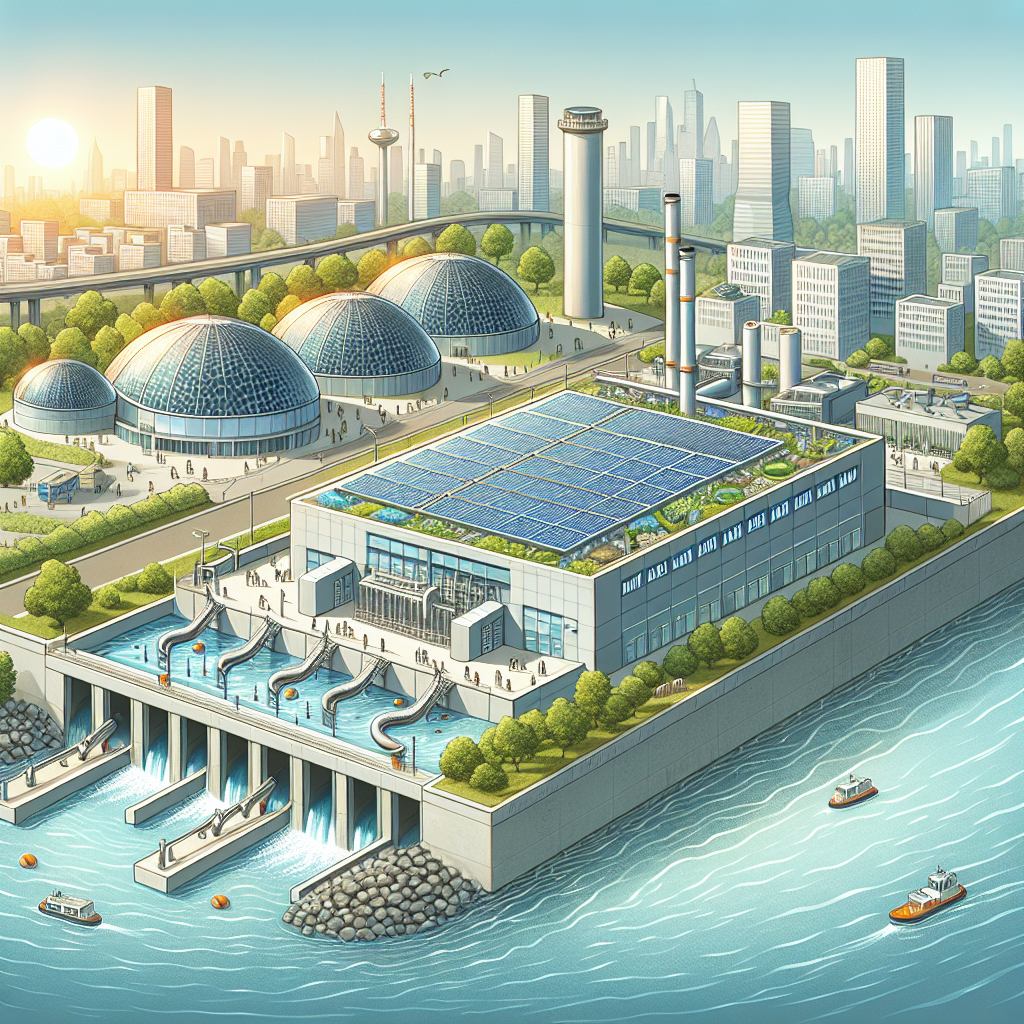
Designing Modern Effluent Treatment Plants: Best Practices Guide
Introduction
Welcome to the world of effluent treatment plants, where science meets sustainability in the quest to keep our water clean and our environment healthy. Think of these plants as the unsung heroes of urban infrastructure, tirelessly working behind the scenes to transform used water into a resource that can be reused or safely released back into nature. With increasing pressures from population growth and industrial activities, designing an effective wastewater treatment plant has never been more critical.
As we dive into this guide, we’ll explore best practices for creating modern effluent treatment systems that not only comply with stringent effluent quality standards but also embrace advanced treatment technologies. From biological wastewater treatment to chemical processes, we’ll cover a range of strategies that can enhance your sewage treatment system’s efficiency.
Did you know that approximately 40% of U.S. wastewater treatment plants are grappling with significant challenges in meeting regulatory requirements? This statistic underscores the need for innovative solutions in industrial wastewater management. As municipalities and engineers work to upgrade existing facilities or design new ones, understanding the latest trends and technologies is essential.
So grab your hard hats metaphorically speaking and let’s embark on this journey through the intricate world of effluent management solutions. Whether you’re a seasoned professional or just dipping your toes into the waters of wastewater treatment, there’s something here for everyone!
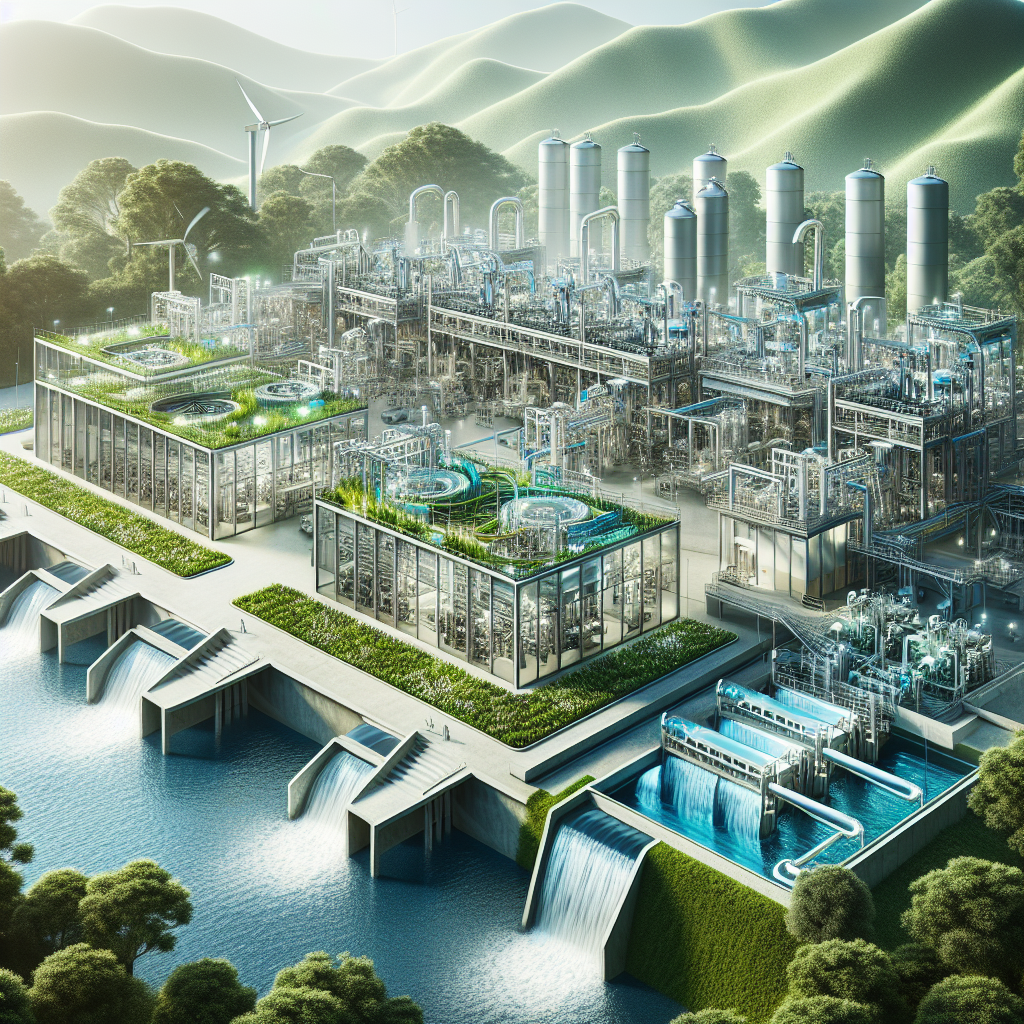
Understanding Effluent Treatment Plants
An effluent treatment plant is like the unsung hero of our water systems, quietly working behind the scenes to ensure that wastewater is treated before it re-enters our precious ecosystems. It’s a specialized facility designed to remove contaminants from wastewater, making it safe for discharge or reuse.
Did you know? The global market for effluent treatment plants is projected to grow significantly, driven by increasing environmental regulations and the need for sustainable water management solutions.
Importance in Wastewater Management
In a world where water scarcity is becoming more prevalent, effluent treatment plants play a crucial role in industrial wastewater management and domestic sewage treatment. They help mitigate water pollution by ensuring that treated effluent meets stringent quality standards before being released back into nature. Think of them as the gatekeepers of clean water!
Types of Effluent Treatment Plants
Effluent treatment plants come in various shapes and sizes, tailored to meet specific needs. Here are some common types:
- Sewage Treatment Systems: These focus on treating household waste and are typically found in urban areas.
- Industrial Effluent Solutions: Designed for factories and manufacturing plants, these systems handle more complex wastewater streams.
- Decentralized Wastewater Systems: Ideal for rural or remote areas, these compact waste treatment units offer flexibility and efficiency.
- Tertiary Treatment Processes: These advanced stages polish the effluent further, often using technologies like membrane bioreactor technology or chemical treatment processes.
The Role of Advanced Treatment Technologies
The evolution of technology has brought about advanced treatment technologies that enhance the efficiency of effluent treatment plants. For instance:
- Anaerobic Digestion Systems: These systems break down organic material without oxygen, producing biogas that can be used as energy.
- Activated Sludge Process: A popular biological wastewater treatment method that uses microorganisms to decompose organic matter.
- Nutrient Removal Strategies: Essential for preventing eutrophication in receiving waters by removing nitrogen and phosphorus from treated effluent.
The integration of these technologies not only improves the quality of treated water but also aligns with eco-friendly waste management practices. So next time you flush or drain your sink, remember there’s a whole world dedicated to keeping our water clean!
A Common Misconception
A common misconception about effluent treatment plants is that they solely focus on removing solids from wastewater. In reality, they employ a variety of processes biological, chemical, and physical to tackle pollutants at multiple levels. This multi-faceted approach ensures comprehensive water purification.
Your Next Steps
If you’re involved in municipal wastewater treatment plant design or operation, it’s vital to stay updated on best practices and innovative technologies shaping the future of effluent management solutions. Consider exploring hybrid wastewater solutions or energy-efficient technologies that can significantly enhance your plant’s performance while adhering to environmental compliance solutions.
Key Design Considerations for Effluent Treatment Plants
Designing an effluent treatment plant is no walk in the park; it’s more like a marathon through a swamp. But fear not! With the right considerations, you can navigate the murky waters of design challenges and emerge victorious. Here are some key design considerations that will set your plant on the path to success:
Site Selection and Layout
Your choice of location is crucial. Think of it as picking a home for your favorite houseplant too much sun or too little water can spell disaster! Factors to consider include:
- Proximity to Water Sources: Ensure easy access to influent sources while maintaining distance from sensitive ecosystems.
- Soil Composition: Assess soil stability and permeability, which impacts construction and effluent disposal methods.
- Accessibility: Make sure your site is easily reachable for maintenance, monitoring, and emergency scenarios.
Capacity Planning and Scalability
No one wants a treatment plant that’s bursting at the seams! Planning for current and future capacity is essential. Consider these strategies:
- Diverse Flow Management: Incorporate systems that can handle variations in flow rates think of it as having a flexible wardrobe for different weather!
- Modular Design: Opt for modular components that allow you to expand as demand grows, like adding new toppings to your favorite pizza.
- Adequate Buffer Zones: Include buffer zones in your design to accommodate fluctuations without compromising performance.
Regulatory Compliance and Environmental Standards
Navigating the maze of regulations can feel like trying to solve a Rubik’s cube blindfolded. But fret not! Here’s how you can stay compliant:
- Understand Local Regulations: Familiarize yourself with local effluent quality standards this is your cheat sheet!
- Sustainable Practices: Implement eco-friendly waste management practices that align with environmental compliance solutions.
- Adequate Monitoring Equipment: Invest in effluent monitoring equipment that keeps you informed about compliance status in real-time.
Takeaway: A well-thought-out site selection, scalable capacity planning, and strict adherence to regulations are foundational elements of effective effluent treatment plant design. Get these right, and you’re already ahead of the game!

Advanced Treatment Technologies for Modern Effluent Treatment Plants
As we dive into the nitty-gritty of advanced treatment technologies, think of them as the superheroes of the effluent treatment plant world. They swoop in to save our water bodies from pollution, all while ensuring that our sewage treatment systems are efficient and effective. Let’s explore some of these cutting-edge technologies that are transforming wastewater management.
Membrane Bioreactor Technology
Membrane bioreactors (MBRs) combine biological treatment processes with membrane filtration. This dynamic duo not only enhances effluent quality but also reduces the footprint compared to traditional methods. MBRs are perfect for compact urban settings where space is at a premium.
Anaerobic Digestion Systems
Anaerobic digestion is like a party for bacteria that thrive without oxygen, breaking down organic matter and producing biogas in the process. This technology is a game-changer in industrial wastewater management, as it not only treats waste but also generates renewable energy. Talk about a win-win!
Chemical Treatment Processes
When biological processes just won’t cut it, chemical treatment steps in like a trusty sidekick. From coagulation to disinfection, these processes help meet stringent effluent quality standards and ensure compliance with environmental regulations. Just remember: chemistry can be messy, so proper handling is crucial!
Nutrient Removal Strategies
Nutrient overloads can lead to algal blooms and other aquatic nuisances, making nutrient removal strategies essential for modern effluent treatment plants. Techniques like enhanced biological phosphorus removal (EBPR) and advanced filtration systems help keep our water bodies healthy and balanced.
<!– IMAGE: { "prompt": "A modern effluent treatment plant showcasing advanced technologies like membrane bioreactors and anaerobic digestion systems“, “style”: “photo realistic”, “mood”: “innovative” } –>
In conclusion, embracing these advanced treatment technologies is no longer optional; it’s essential for efficient industrial effluent solutions and effective domestic sewage treatment systems alike. By investing in these innovations today, municipalities can pave the way for cleaner water tomorrow!
Sustainable Water Management Practices in Design
When it comes to designing an effluent treatment plant, sustainable water management practices are not just a trend they’re a necessity. As we wade deeper into the murky waters of environmental responsibility, the demand for innovative solutions is rising. Let’s dive into some key practices that can turn your treatment facility into an eco-friendly powerhouse.
Zero Liquid Discharge Systems
Imagine a world where every drop of water is reused, and nothing goes to waste. That’s the magic of zero liquid discharge (ZLD) systems. These systems ensure that all wastewater is treated and reused, leaving behind no liquid waste. They are particularly beneficial for industries that require high water quality standards, effectively transforming what would be waste into valuable resources.
Effluent Recycling Systems
Why let perfectly good water go to waste? With advanced effluent recycling systems, treated wastewater can be redirected for non-potable uses such as irrigation or industrial processes. This not only conserves fresh water but also reduces the strain on existing sewage treatment systems.
Energy-Efficient Water Treatment Technologies
Let’s face it: energy costs can be a heavy burden for any wastewater treatment plant. By incorporating energy-efficient water treatment technologies, facilities can significantly cut down on operational expenses while maintaining compliance with effluent quality standards. Think solar panels, high-efficiency pumps, and even biogas recovery from anaerobic digestion systems these innovations can turn your plant into a green machine!
Key Takeaway: Adopting sustainable practices like ZLD and effluent recycling not only enhances environmental compliance but also boosts operational efficiency in your effluent treatment plant.
Incorporating these sustainable water management practices isn’t just about keeping up with regulations; it’s about leading the charge toward a cleaner planet. So, whether you’re designing a new facility or upgrading an existing one, consider these strategies to make your effluent treatment plant a model of sustainability.

Sludge Management Techniques in Effluent Treatment Plants
When it comes to running an effluent treatment plant, sludge management is like the unsung hero of the operation. It’s not glamorous, but without proper techniques in place, your wastewater treatment plant could end up with a mess that makes a landfill look tidy. Let’s dig into some of the best sludge management techniques that can make your sewage treatment system more efficient and eco-friendly.
Aerobic Digestion Processes
Aerobic digestion is like sending your sludge on a spa retreat. In this process, microorganisms feast on the organic matter in the sludge while oxygen is pumped in. The result? You get stabilized biosolids and a reduction in volume it’s basically a detox for your waste! This technique not only minimizes odors but also produces biogas, which can be harnessed for energy. Talk about killing two birds with one stone!
Compact Waste Treatment Units
For those looking to save space without sacrificing efficiency, compact waste treatment units are the way to go. These nifty systems can handle everything from industrial effluent solutions to domestic sewage treatment with ease. They are particularly useful in decentralized wastewater systems where space is tight but performance cannot be compromised.
Common Misconceptions About Sludge Management
One common misconception is that all sludge is bad and needs to be disposed of immediately. In reality, some sludge can be recycled or repurposed! For instance, treated biosolids can be used as fertilizers or soil amendments, contributing to sustainable water management practices.
Advanced Techniques Worth Considering
- Anaerobic Digestion:This method operates without oxygen and produces methane-rich biogas perfect for energy generation.
- Membrane Bioreactor Technology:This hybrid approach combines biological treatment with membrane filtration for superior effluent quality.
- Nutrient Removal Strategies:Effective techniques that target nitrogen and phosphorus removal from sludge are essential for meeting effluent quality standards.
As we move towards more energy-efficient water treatment technologies, integrating these advanced sludge management techniques will not only improve operational efficiency but also support our collective goal of reducing water pollution and enhancing environmental compliance solutions.
Effluent Quality Standards and Monitoring Equipment
When it comes to the operation of an effluent treatment plant, adhering to effluent quality standards is not just a best practice; it’s a non-negotiable requirement for environmental compliance. These standards dictate the acceptable levels of contaminants in treated water, ensuring that what flows back into our rivers, lakes, or oceans is safe for both ecosystems and human use.
Understanding Quality Standards for Treated Effluent
Effluent quality standards vary by region but generally include limits on parameters such as:
- BOD (Biochemical Oxygen Demand): Indicates the amount of organic matter present.
- TSS (Total Suspended Solids): Measures the cloudiness of water caused by particles.
- Nutrients: Such as nitrogen and phosphorus, which can lead to harmful algal blooms if not controlled.
- Pathogens: Ensuring that treated effluent is free from harmful microorganisms.
Did you know? Many municipalities are now adopting stricter regulations due to increased awareness of water pollution impacts. Staying ahead with your effluent management solutions can save you from hefty fines and environmental damage!
Essential Monitoring Equipment for Compliance
The right monitoring equipment is crucial for maintaining compliance with effluent quality standards. Here are some essential tools that every modern sewage treatment system should have:
- Online Analyzers: Provide real-time data on key parameters like pH, turbidity, and dissolved oxygen.
- Sensors: Detect specific contaminants such as heavy metals or organic compounds.
- Flow Meters: Ensure accurate measurement of wastewater flow rates to maintain balance in treatment processes.
- Laboratory Testing Kits: For periodic checks on microbiological and chemical properties of treated effluent.
The Role of Advanced Technologies in Monitoring
The integration of advanced treatment technologies can significantly enhance monitoring capabilities. For instance, utilizing membrane bioreactor technology combined with automated sensors allows for precise control over effluent quality while minimizing human error.

A well-equipped effluent treatment plant not only meets regulatory requirements but also contributes to sustainable water management practices. By investing in top-notch monitoring equipment and understanding the evolving landscape of effluent quality standards, municipalities can ensure that their water purification plants operate efficiently while safeguarding our precious water resources.
If you’re involved in designing or operating an effluent treatment plant, consider evaluating your current monitoring systems against these standards. It could be the difference between compliance and costly penalties!
The Role of Integrated Water Resource Management Strategies
When it comes to designing an effluent treatment plant, thinking outside the box is key especially when that box is the traditional siloed approach to water management. Enter Integrated Water Resource Management (IWRM) strategies, the superheroes of sustainable water management! These strategies aim to optimize the use of water resources while ensuring environmental protection and social equity.
IWRM is all about synergy. It brings together various stakeholders, from municipalities and industries to local communities, creating a unified framework for managing water resources. This collaborative approach ensures that every drop counts and that our wastewater treatment plants are not just treating sewage but are part of a larger ecosystem.
Why IWRM Matters for Effluent Treatment Plants
- Holistic Management: IWRM considers the entire water cycle, integrating surface water, groundwater, and wastewater. This means your effluent management solutions are part of a bigger picture.
- Resource Efficiency: By adopting IWRM principles, facilities can reduce operational costs through efficient resource use think energy-efficient technologies and optimized chemical treatment processes.
- Enhanced Compliance: With stricter effluent quality standards on the horizon, IWRM helps ensure that treatment plants meet environmental regulations and community expectations.
- Community Engagement: Involving local stakeholders fosters transparency and trust, making it easier to implement new technologies like anaerobic digestion systems or membrane bioreactor technology.
Strategies for Implementing IWRM in Effluent Treatment
- Data-Driven Decision Making: Utilize advanced monitoring equipment to track water quality and flow rates. Data analytics can inform operational adjustments in real-time.
- Nutrient Removal Strategies: Integrate biological wastewater treatment methods that focus on nutrient recovery while improving effluent quality.
- Sustainable Practices: Embrace eco-friendly waste management practices such as zero liquid discharge systems and effluent recycling systems to minimize waste production.
- Circular Economy Approach: Design your sewage treatment system with resource recovery in mind biogas from sludge can power your operations!
Did You Know?
IWRM can lead to a reduction in operational costs by up to 30% through improved resource efficiency and stakeholder collaboration!
The road ahead may be filled with challenges like climate change impacts and population growth, but by leveraging integrated water resource management strategies, we can build resilient effluent treatment plants that not only protect our environment but also provide sustainable solutions for future generations. So let’s roll up our sleeves and make those wastewater treatment plants work smarter not harder!
Case Studies: Successful Municipal Wastewater Treatment Plant Designs
When it comes to designing an effluent treatment plant, the proof is in the pudding or in this case, the treated water! Let’s dive into some successful municipal wastewater treatment plant designs that have set the gold standard for efficiency, sustainability, and innovation.
1. The Chicago Water Purification Plant
The Chicago Water Purification Plant is a shining example of modern engineering. Utilizing a combination of membrane bioreactor technology and advanced chemical treatment processes, this facility treats millions of gallons of wastewater daily. The plant’s design emphasizes both operational efficiency and compliance with stringent effluent quality standards.
Key Takeaway: By integrating hybrid wastewater solutions, Chicago has reduced its energy consumption by over 30%, making it a model for other cities.
2. The Singapore NEWater Initiative
Singapore’s NEWater initiative showcases how a city can turn its wastewater into a resource. This project employs an innovative mix of advanced treatment technologies, including reverse osmosis and UV disinfection. The result? High-quality reclaimed water that meets the needs of both industrial and domestic users.
“Singapore’s NEWater initiative has proven that effective effluent management solutions can transform waste into value.” – Water Management Journal
3. The Orange County Water District’s Groundwater Replenishment System
This system is one of the largest groundwater replenishment projects in the world, utilizing a combination of secondary and tertiary treatment processes to purify wastewater. By implementing cutting-edge effluent recycling systems, Orange County not only conserves water but also enhances local aquifers.
- Treatment Steps:
- Secondary Treatment: Biological processes to remove organic matter.
- Tertiary Treatment: Filtration and disinfection for final purification.
- Replenishment: Injecting purified water into aquifers.
- Dramatic reduction in reliance on imported water sources.
- A boost to local ecosystems through sustainable practices.
Mistakes to Avoid in Design
While these case studies highlight success, they also offer lessons learned. Common pitfalls include:
- Poor Site Selection: Choosing a location without considering environmental impact can lead to regulatory headaches.
- Lack of Scalability: Designing plants without future growth considerations may result in costly upgrades later on.
- Inefficient Technology Choices: Not leveraging advanced technologies can hinder performance and increase operational costs.
The journey toward building an effective municipal wastewater treatment plant is paved with examples like these. By learning from others’ successes and failures engineers can craft systems that not only meet current needs but also pave the way for a sustainable future in water management.
Conclusion
Designing a modern effluent treatment plant is no small feat. It requires a delicate balance of advanced technologies, regulatory compliance, and sustainable practices. As we’ve explored, the landscape of wastewater management is evolving rapidly, and staying ahead of the curve is crucial for municipalities and industries alike.
By integrating cutting-edge solutions like membrane bioreactor technology and zero liquid discharge systems, we can enhance the efficiency of our sewage treatment systems. These technologies not only improve effluent quality but also contribute to broader environmental goals.
Key Takeaway: Approximately 40% of U.S. wastewater treatment plants are grappling with significant challenges in meeting regulatory requirements, highlighting the urgent need for innovative design and operational strategies to ensure compliance and sustainability.
A successful industrial wastewater management strategy also hinges on effective sludge management techniques. Utilizing processes like aerobic digestion not only helps in reducing waste volume but also turns it into a resource that can be reused or disposed of responsibly.
As we move forward, embracing an integrated water resource management strategy will be essential. This approach ensures that all aspects of water use from industrial processes to domestic sewage treatment are optimized for both efficiency and environmental impact.
If you’re involved in designing or operating an effluent treatment plant, now is the time to adopt these best practices. Embrace innovation, focus on sustainability, and prioritize compliance to create a future where our water resources are managed effectively for generations to come.
article blockquote,article ol li,article p,article ul li{font-family:inherit;font-size:18px}.featuredimage{height:300px;overflow:hidden;position:relative;margin-top:20px;margin-bottom:20px}.featuredimage img{width:100%;height:100%;top:50%;left:50%;object-fit:cover;position:absolute;transform:translate(-50%,-50%)}article p{line-height:30px}article ol li,article ul li{line-height:30px;margin-bottom:15px}article blockquote{border-left:4px solid #ccc;font-style:italic;background-color:#f8f9fa;padding:20px;border-radius:5px;margin:15px 10px}article div.info-box{background-color:#fff9db;padding:20px;border-radius:5px;margin:15px 0;border:1px solid #efe496}article table{margin:15px 0;padding:10px;border:1px solid #ccc}article div.info-box p{margin-bottom:0;margin-top:0}article span.highlight{background-color:#f8f9fb;padding:2px 5px;border-radius:5px}article div.info-box span.highlight{background:0 0!important;padding:0;border-radius:0}article img{max-width:100%;margin:20px 0}