
Nutrient Removal in Wastewater: Controlling Nitrogen and Phosphorus
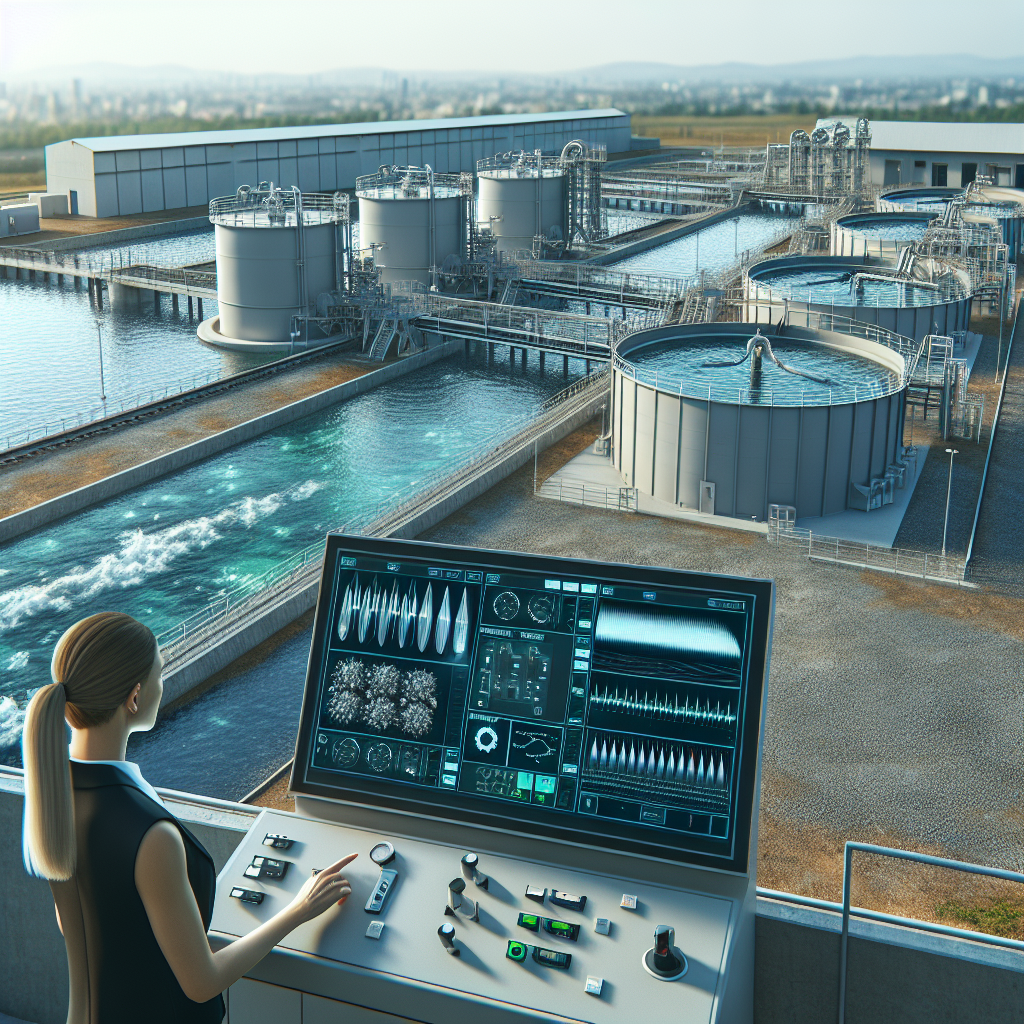
Tighter permits and higher public scrutiny mean controlling nitrogen and phosphorus is a front-line operational issue for many utilities. This guide to nutrient removal wastewater gives municipal decision makers, plant designers, and operators straight answers on selecting, sizing, operating, and monitoring nitrogen and phosphorus control options, and when recovery makes sense. Expect engineering setpoints, performance ranges, cost and footprint tradeoffs, monitoring and control requirements, and a pilot-to-procurement roadmap you can act on.
Regulatory Drivers, Environmental Impacts, and Numeric Targets
Permits determine technology selection more than ideology. Regulatory programs such as Clean Water Act 303(d) listings, the Chesapeake Bay TMDL, and the EU Urban Waste Water Treatment Directive are increasingly specific about nutrient loads and concentrations, and they force hard tradeoffs between capital, chemical use, and sludge handling. See the EPA nutrient policy hub for current federal guidance: EPA Nutrient Policy and Data.
Common numeric targets and operational meaning
Typical concentration bands. For sensitive receiving waters you will commonly see total nitrogen (TN) targets in the 3 to 10 mg/L range and total phosphorus (TP) targets from 0.1 to 1.0 mg/L. Lower ends of these bands (TN ≈ 3 mg/L, TP ≤ 0.1 mg/L) usually require tertiary treatment or combined EBPR plus polishing; the higher end can often be met with optimized BNR or low-dose chemical addition.
Mass-based versus concentration limits matters. TMDLs and trading programs often convert concentration limits into allowable loads; that changes choices. Mass limits make sidestream management and nutrient recovery attractive because removing a few kilograms from centrate can materially reduce a plant's permit obligation. Concentration limits, by contrast, force performance at the end-of-pipe and often push projects toward tertiary polishing.
Tradeoffs you must budget for. Chemical precipitation (alum, ferric) reliably polishes TP to <1 mg/L and can reach 0.1 mg/L with high doses, but expect higher chemical spend, larger sludge volumes, and worse dewaterability. EBPR reduces chemical OPEX but is sensitive to volatile fatty acid availability, sludge age control, and sidestream returns. Regulators rarely care which route you take — they care that the metric on the permit is met consistently.
Concrete Example: A medium-sized municipal plant in the Chesapeake Bay watershed converted from simple secondary treatment to EBPR with a low-dose ferric polishing step to meet an aggressive TP permit. The combined approach allowed the operator to keep routine chemical costs lower than an all-chemical strategy while also meeting a sub-0.2 mg/L TP limit during dry weather; sidestream management then became the next compliance priority.
What people get wrong. Many assume achieving ultra-low TP or TN is primarily a capital problem. In practice the operational envelope — stable carbon supply, SRT, DO control, and sidestream ammonia management — decides success. Upfront capital without a plan for OPEX drivers and monitoring usually fails to deliver permit compliance over three years.
Frequently Asked Questions
Short answer first: For practical decision making on nutrient removal wastewater, treat each question as an operational tradeoff rather than a technical checklist. The right choice balances permit risk, predictable OPEX, plant footprint, and the staff capability to run a fiddly biological process or a chemically driven system.
Quick answers to common operational questions
- How fast can we lower phosphorus? Chemical dosing with ferric or alum gives the fastest, most predictable drop in effluent orthophosphate for polishing; expect increased sludge mass and higher disposal costs as the tradeoff.
- When is sidestream treatment the best path? If dewatering liquors or centrate supply a disproportionate share of plant nitrogen, a targeted sidestream PN/A or DEMON approach is usually the lowest-energy route to reduce the plant load.
- Are online sensors good enough for permit reporting? Use online probes for real-time control and alarms, but lock permit reporting to a QA/QC'd lab method and a sensor verification routine tied to service contracts.
- Can EBPR replace all chemical P dosing? Sometimes. EBPR lowers chemical OPEX but is fragile without reliable VFA supply and disciplined solids management—plan for a low-dose chemical backup in wet weather or sidestream upset scenarios.
- How much footprint can advanced systems save? MBBR and MBR shrink reactor volume but raise capital and energy; don’t assume footprint savings without an energy and lifecycle cost check.
Practical constraint to remember: Vendors quote removal percentages under steady lab conditions; your plant will see variable flows, cold winters, sidestream spikes, and operator turnover. Specify pilot acceptance criteria and include upset and low-temperature performance bands in contracts so you are not surprised after commissioning.
Concrete Example: A 35,000 PE municipal plant ran a 6-month pilot of a sidestream PN/A reactor and demonstrated a sustained 60 to 70 percent reduction in centrate ammonia under realistic centrate chemistry. That result let the owner defer a costly mainstream nitrification upgrade and instead invest in permanent sidestream treatment; the pilot report and performance guarantees were written into the final procurement. See the sidestream treatment Anammox demonstrations page for similar documented pilots.
Key judgment: Use sensors and models for active process control, but use contracts, pilots, and lab QA to transfer performance risk — controls reduce variation, procurement and pilots reduce uncertainty.
Concrete next steps you can implement this quarter: 1) Run a mass-balance that separates centrate/side-stream loads from mainstream loads and use that to justify a pilot; 2) Start a 3-month jar test and 3–6 month pilot for any new chemical or biological approach before full procurement; 3) Add an online ammonia plus nitrate probe with a written QA plan and mandatory monthly lab cross-checks; 4) Write RFP language that requires documented low-temperature and upset performance and ties liquidated damages to missed effluent metrics. Do these four actions and you will turn permit risk into a manageable project rather than a surprise expense.