
What Is Screening In Wastewater Treatment
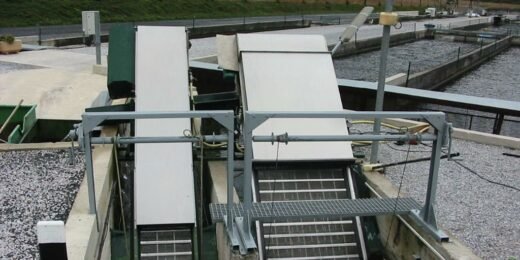
Understanding Screening in Wastewater Treatment: A Comprehensive Guide
Introduction
Wastewater treatment is an essential process to maintain public health and environmental quality. As urban populations grow and industrial activities expand, effective wastewater management has never been more crucial. One of the initial and critical stages of wastewater treatment is screening. This seemingly simple process plays a pivotal role in ensuring the efficiency and success of the entire treatment cycle. This article delves into the intricacies of screening in wastewater treatment, exploring its importance, methods, technologies involved, and future prospects. As a foundational element of screening equipment selection and headworks design, the principles covered here apply across municipal and industrial treatment plants regardless of size or process configuration.
Understanding Screening in Wastewater Treatment
1. The Role of Screening
Screening is the first line of defense in wastewater treatment. It involves the removal of large objects and debris from incoming wastewater. This process protects pumps and other equipment in the treatment facility from damage or blockage and enhances the effectiveness of subsequent treatment processes. The primary goal of screening is to protect the downstream processes and improve the overall efficiency of the treatment plant.
2. Types of Waste Found in Wastewater
Before understanding the methods of screening, it’s important to identify the types of waste typically found in wastewater. They include:
- Physical Debris: Items like plastics, papers, rags, cans, and bottles.
- Organic Matter: Human waste, food residues, leaves, and other biodegradable materials.
- Inorganic Solids: Grit, sand, and small stones.
- Chemical Contaminants: Industrial discharges and household chemicals.
3. Importance of Screening
Screening is crucial for several reasons:
- Equipment Protection: By removing large solids, screens prevent damage to pumps, valves, and pipelines, which can be costly to repair.
- Process Efficiency: Removing debris early reduces clog backup risks and helps maintain steady water flowrates essential for other treatment stages.
- Cost Reduction: By preventing mechanical failures and enhancing downstream processes, screening lowers operational costs.
Methods of Screening
Screening approaches can vary based on the treatment facility size, the type of wastewater, and specific project needs.
1. Manual Screening
Historically, many small treatment plants employed manual screening methods. These involve the use of simple tools like rakes or manual screens to remove debris. Manual screening is labor-intensive and generally considered for smaller systems or where automation is not feasible.
2. Mechanical Screening
Fixed Screens:
- Bar Screens: One of the most commonly used types, bar screens are composed of vertical bars spaced at intervals. They capture large debris while allowing water to pass through.
- Coarse Screens: These are used for the initial phase of screening and capture larger particles – typically used in primary treatment.
Moving Screens:
- Rotary Drum Screens: These consist of a rotating drum with a screen on its surface. As water flows through, debris is trapped on the outside of the drum while the cleaned water passes through.
- Disc Screens: Similar to drum screens but composed of a series of discs. The rotating action separates objects from the water.
- Micro Screens: Used to capture smaller particles after larger debris has been removed. They utilize fine mesh materials.
- Step Screens: Comprising multiple moving steps, they trap smaller particles not caught by bar screens.
3. Advanced Screening Techniques
Ultrasonic Screens: Utilizing high-frequency sound waves, these screens disrupt and remove fine particles suspended in waste streams.
Membrane Screens: They use fine microfiltration membranes to achieve an advanced level of screening efficiency.
Role in Tertiary Treatment: While primarily a preliminary treatment, advanced screening technologies are now being incorporated into tertiary treatment setups, further purifying effluent before discharge.
Subcategory Overview: General Screening Concepts and Resources
General screening encompasses several closely related sub-topics, each addressing a different angle of how screens fit into wastewater and water treatment plants. The H3 subsections below summarize the focus of each related resource and explain how they connect to the broader practice of screening at the headworks.
Foundational Concepts of Screening in Wastewater Treatment
The foundational concepts of screening in wastewater treatment establish why screens exist before any other process unit and what they are designed to capture. Screens are sized by aperture (the gap between bars or the mesh opening) and rated by capture efficiency at a specified influent characterization. Coarse screens (50–150 mm openings) protect against rocks, lumber, and large solids that could damage pumps; medium screens (15–50 mm) capture rags, plastics, and consumer debris; fine screens (3–15 mm) and micro screens (under 3 mm) target the smaller solids that drive performance in modern plants — particularly those operating membrane bioreactors or anaerobic digesters that are sensitive to fibrous material. Understanding the aperture-to-debris-type relationship is the starting point for every screen selection decision.
Wastewater Treatment Screening as the First Unit Process
The broader concept of wastewater treatment screening places screening in its proper context as the first unit process in the treatment train, immediately downstream of the influent flowmeter and upstream of grit removal. Its role is purely protective: every screen failure results in downstream damage that costs many multiples of the screen itself to repair. Modern plants typically use a two-stage screening approach — coarse screening at the influent to remove rocks and bulk material, followed by fine screening to capture rags and consumer products. The screenings produced are washed, compacted, and disposed of in landfills, with capture rates reported in liters per million liters treated to allow comparison across facilities.
Wastewater Screening Equipment Selection
The catalog of wastewater screening equipment is broader than the basic bar screen. Mechanical bar screens (front-cleaned, back-cleaned, climber, and step types), perforated plate screens, drum screens, band screens, basket screens, and spiral/auger screens each occupy a different niche based on flow capacity, headloss tolerance, maintenance philosophy, and integration with screenings handling. Equipment selection should consider both performance characteristics — capture rate at design aperture, washing and compacting efficiency, headloss at peak flow — and operational characteristics including motor accessibility, lubrication requirements, and ease of removing trapped material during maintenance shutdowns.
Essential Guide to Wastewater Screening for Plant Protection
For operators new to screening, an essential guide to wastewater screening highlights the protective role of screens and the consequences of screen failure: pump impeller damage, ragging in aeration diffusers, scum accumulation in clarifiers, and biofilm fouling on membrane modules. Plants that historically operated with only coarse bar screens are increasingly retrofitting fine screens (3–6 mm) at the headworks to protect downstream membranes and aerobic granular sludge processes. The economic case for fine screening is straightforward — the marginal cost of replacing a 6-mm screen is small compared with the cost of replacing damaged secondary equipment.
Screening and Grit Removal: The Preliminary Treatment Pair
The combined topic of screening and grit removal essentials of preliminary treatment recognizes that these two unit operations are inseparable in plant design. Screening removes floating and suspended debris large enough to be captured by aperture; grit removal targets dense inorganic particles (sand, gravel, eggshells, coffee grounds) that are smaller than typical screen openings but heavy enough to settle in low-velocity zones. Together they prevent abrasion of pumps, blockage of pipelines, accumulation in aeration basins, and excessive solids loading on primary clarifiers. Modern preliminary treatment trains place fine screens upstream of grit chambers to prevent rags from fouling grit collection mechanisms.
Screening of Water Treatment Process
While the primary application is wastewater, the broader principle of screening of water treatment process applies equally to drinking water and industrial water intakes. Surface water treatment plants use traveling screens, drum screens, and passive wedgewire screens at intake structures to exclude fish, leaves, branches, and zebra mussels from raw water. The aperture and approach velocity criteria for water treatment screens are typically more conservative than wastewater — driven by aquatic life protection regulations such as the U.S. EPA Section 316(b) rule for cooling water intakes — but the underlying physics of cross-flow capture, headloss, and mechanical cleaning are the same.
Selection & Specification Framework
Selecting screens involves balancing capture performance, headloss, mechanical reliability, screenings handling, and capital cost. Each application has different priorities, and the wrong screen choice creates problems that persist for the life of the facility.
Decision Hierarchy for Screen Selection
- Define the protection target: What downstream equipment is the screen protecting? Pump impellers (50 mm aperture acceptable), membrane modules (3 mm or finer), or anaerobic digesters (6 mm to prevent ragging in mixers)?
- Characterize the influent: Domestic wastewater contains different debris than combined sewer flow or industrial discharge. Rag content, FOG load, and seasonal variations all affect screen performance.
- Establish flow conditions: Average and peak flow drive screen sizing. The screen must handle peak flow without exceeding allowable headloss; typical design caps headloss at 150 mm at peak flow.
- Select screen technology: Match the technology to the application — front-cleaned bar screens for high-debris influent, perforated plate screens for fine capture, step screens for high capture rate at moderate aperture, drum screens for very high flows.
- Specify screenings handling: Washing and compacting reduce screenings volume by 50–75% and reduce odor; specify integrated washer-compactors when screenings are sent to landfill.
How Plant Size and Operator Skill Influence the Choice
Small plants (under 1 MGD) often use a single mechanical bar screen with manual backup. Mid-sized plants (1–10 MGD) typically use mechanical bar screens followed by fine screens, with parallel units for redundancy. Large plants (over 10 MGD) usually have multiple parallel screening trains with both coarse and fine stages. Operator skill level matters because finer screens require more frequent maintenance — fine perforated plate screens may need raking or backwashing every few hours during peak debris periods, while coarse bar screens can run for days between interventions. Plants with limited operator presence benefit from automated cleaning systems with clog-detection logic and remote alarming.
Comparison: Screening Technologies for Wastewater Treatment
| Screen Type | Typical Aperture | Capture Rate | Best-Fit Application | Headloss at Peak Flow | Maintenance Profile |
|---|---|---|---|---|---|
| Coarse Bar Screen (manual) | 50–150 mm | Large debris only | Very small plants, emergency bypass | 50–150 mm | Manual raking required |
| Mechanical Bar Screen (front-cleaned) | 15–50 mm | Rags, plastics, large solids | Most municipal plants, high-debris influent | 75–150 mm | Low — automated rake |
| Mechanical Bar Screen (back-cleaned) | 6–25 mm | Higher capture than front-cleaned | Plants needing finer aperture without separate fine screen | 100–200 mm | Moderate — debris carry-over risk |
| Climber (Catenary) Screen | 15–25 mm | Rags, FOG, fibrous material | High-FOG influent, deep channels | 100–150 mm | Moderate — chain wear |
| Step Screen | 3–6 mm | High — captures fines and fibers | MBR pre-treatment, modern fine screening | 100–200 mm | Moderate — mechanism complexity |
| Perforated Plate Screen | 2–6 mm round holes | Very high — uniform capture | MBR pre-treatment, anaerobic digester protection | 150–300 mm | High — frequent washing needed |
| Drum Screen (rotary) | 0.25–3 mm mesh | Very high — fines capture | High flows, primary treatment substitute | 50–150 mm (low headloss) | Moderate — spray bar maintenance |
| Band/Belt Screen | 1–6 mm | Very high — continuous mat formation | Storm flows, CSO screening | 50–150 mm | Moderate — belt wear |
| Basket Screen | 3–10 mm | Moderate — single-pass | Pump station protection, small plants | 75–200 mm | High — manual basket emptying |
| Spiral/Auger Screen | 2–6 mm | High — integrated wash/compact | Septage receiving, small plants | 100–300 mm | Low — sealed mechanism |
| Microscreen | 10–50 µm | Very high — TSS reduction | Tertiary polishing, water reuse | Pressure-driven | Moderate — backwash required |
Factors Influencing Screening Efficiency
- Debris Characteristics: The size, type, and concentration of debris determine the choice and efficiency of screening systems.
- Flow Rate Variation: Fluctuations in inflow can impact the effectiveness of certain screens, necessitating design considerations to accommodate peak flows.
- Screen Maintenance: Regular cleaning and maintenance of screens are crucial to ensure ongoing efficiency and prevent blockages.
- Operational Environment: External conditions, such as temperature and chemical composition, can affect certain screen materials and their performance over time.
Challenges in Screening
- Clogging and Blockage: Accumulation of debris can lead to clogging, which might halt operations or damage screens.
- Odor Control: Decomposing organic matter trapped in screens can produce unpleasant odors, requiring additional mitigation efforts.
- Energy Consumption: Mechanical screens can consume significant energy; optimizing efficiency without compromising performance is crucial.
- Material Wear and Tear: Constant exposure to trash, grit, and chemicals can lead to corrosion and mechanical wear, requiring frequent maintenance or replacements.
Field Notes: Practical Screening Operations
Commissioning Considerations
Commissioning a new screen requires more than confirming that the rake mechanism cycles. The screen must be inspected for proper bar or aperture spacing, mounting to prevent flow bypass around the unit, and correct alignment of the rake or cleaning mechanism. Initial startup with a low-debris influent often masks problems that only appear during the first major rag event — uneven cleaning across the screen face, mechanical jamming on heavy debris, or inadequate screenings transport. A deliberate stress test using simulated debris (clean rags, plastic films) at design peak flow reveals these issues before they cause an unplanned shutdown. Confirm that headloss alarm setpoints, motor overload protection, and clog-detection sequences operate as specified before placing the unit into normal service.
Pro Tip: During commissioning, document the baseline differential pressure or upstream/downstream level difference at each flow rate. This baseline becomes invaluable for diagnosing partial blinding (gradual aperture reduction) versus mechanical wear over time.
Common Specification Mistakes
Three errors recur in screen specifications. First, designers select aperture based on average influent characterization rather than worst-case events — a 25 mm screen sized for normal flow can be paralyzed by storm-event rag loads. Second, channel design fails to provide adequate approach velocity (typically 0.6–1.0 m/s); too-low velocity allows grit deposition upstream of the screen, while too-high velocity drives debris through the aperture. Third, screenings handling is undersized — washer-compactors and screenings conveyors must handle peak production rates, not average rates, and should have a minimum 2-hour buffer storage to absorb event-driven surges.
Common Mistake: Installing only one screen with no parallel redundancy. Even small plants should have a manual bypass screen and channel for use during mechanical screen maintenance — not a complete bypass that allows raw influent to flow forward unscreened.
Operations & Maintenance Practice
Day-to-day screen management revolves around three measurements: differential level (or pressure) across the screen, screenings production rate, and motor current draw. Rising differential level at constant flow indicates partial blinding — typically from FOG accumulation in winter or from a heavy rag event. Falling screenings production at constant influent indicates either reduced influent debris (verify with visual inspection) or screen bypass through a damaged seal. Increasing motor current indicates mechanical binding from foreign objects, worn bearings, or seized rake mechanisms. Weekly walk-down inspections should include checking bar spacing for damage, confirming rake or brush condition, and verifying that screenings are being washed and compacted to specification.
Troubleshooting Screen Upsets
The classic symptom of screen failure is downstream pump damage — impeller wear, suction-line clogging, or seal failures shortly after a heavy debris event. Diagnosis follows a checklist: (1) verify that the cleaning mechanism cycled during the event, (2) inspect the screen face for damaged or missing bars, (3) check the bypass weir for evidence of overtopping, (4) review screenings production data for the event period, (5) confirm that screen motors did not trip on overload. Persistent screen problems despite operational fixes usually indicate one of: undersized screen, unsuitable technology for the influent type, or damaged screen elements that allow bypass.
Design Details & Standards
Sizing Methodology Overview
The standard screen sizing workflow begins with influent characterization and design flows. Calculate approach velocity (typically 0.6–1.0 m/s at average flow, capped at 1.4 m/s at peak flow) to ensure debris is delivered to the screen face without depositing upstream. Calculate clear-bar velocity (the velocity through the open area between bars) typically capped at 0.9 m/s at design flow to prevent debris being driven through the aperture. Size the screen channel to provide adequate freeboard at peak flow with the screen partially blinded — typically 50% blinded is the design condition. Cross-check headloss at peak flow against the upstream hydraulic profile to confirm no upstream surcharging.
Key Parameters That Differ by Screen Type
Different screen technologies have different governing parameters. Bar screens are governed by approach velocity, clear-bar velocity, and rake cycle time. Perforated plate screens add washing efficiency as a critical parameter — without effective washing, screenings build up on the plate and reduce capture. Drum screens add rotational speed and spray-bar pressure as key operational parameters. Step screens are governed by the step-cycle frequency and the height of each step. Every screen technology has its own hydraulic and mechanical governing equations; specifications drawn from generic templates frequently miss these technology-specific requirements.
Applicable Standards
Several standards govern screen design in U.S. practice. The Recommended Standards for Wastewater Facilities (Ten States Standards), published by the Great Lakes–Upper Mississippi River Board, sets minimum design criteria for screening including approach velocity, channel design, and screenings handling. State design standards — many of which adopt or modify Ten States — provide the regulatory floor for new and expanded plants. WEF MOP 8 (Design of Municipal Wastewater Treatment Plants) and Metcalf & Eddy’s Wastewater Engineering: Treatment and Resource Recovery are the standard engineering references. For water intake screens, the U.S. EPA Section 316(b) rule sets the regulatory framework for aquatic life protection.
Specification Checklist
- Design flows defined: ADF, MDF, peak hourly flow
- Influent characterization complete: rag content, FOG, debris size distribution
- Aperture selected based on downstream protection requirements
- Approach velocity verified at average and peak flow (0.6–1.0 m/s typical)
- Clear-bar velocity verified at peak flow (0.9 m/s cap)
- Headloss at peak flow with 50% blinding within hydraulic profile capacity
- Channel freeboard adequate at peak flow with partial blinding
- Minimum two screening trains in parallel for redundancy
- Manual bypass screen and channel for mechanical screen outages
- Screenings washer-compactor sized for peak production with 2-hour buffer
- Screenings transport and disposal logistics defined
- Motor accessibility, lubrication, and maintenance space provided
- Heat tracing and insulation for cold-climate installations
- Odor containment and ventilation if screens are enclosed
Future Trends in Screening
- Automation and Smart Technology: Implementation of IoT and AI to monitor and optimize screening processes autonomously is an emerging trend. Remote monitoring and control can anticipate problems and enable predictive maintenance.
- Sustainability Initiatives: The integration of renewable energy sources and improved materials in screening technologies aligns with global sustainability goals, reducing the carbon footprint of treatment facilities.
- Advanced Materials: Development of corrosion-resistant and self-cleaning materials for screen construction to enhance longevity and efficiency.
- Decentralized Wastewater Treatment Systems: As these become more popular in remote or underserved areas, compact and efficient screening technologies are essential components.
Frequently Asked Questions
What is the difference between coarse screening and fine screening?
Coarse screening uses apertures of 15–150 mm and targets large debris like rags, plastics, and rocks; it is the first defense for downstream pumps and pipelines. Fine screening uses apertures of 3–15 mm (or smaller for micro screens) and targets the smaller fibrous and consumer-product debris that drives downstream problems in modern plants — particularly hair, fibers, and disposable wipes that ragify in pumps and aeration diffusers. Most modern plants use both: a coarse stage for plant protection, then a fine stage for downstream-process protection. The two stages serve complementary functions and rarely substitute for each other.
How do I choose between a bar screen and a perforated plate screen?
Bar screens (typically 6–50 mm aperture) excel at high-flow, high-debris applications where capture rate need not be exceptional but reliability is critical — they have few moving parts in the wetstream and tolerate large solids without jamming. Perforated plate screens (2–6 mm round openings) provide much higher capture rates at finer apertures, making them the standard pre-treatment for membrane bioreactors and anaerobic digesters where rag and fiber control is essential. The trade-offs are higher headloss, more complex washing requirements, and greater sensitivity to FOG fouling. Many modern plants use mechanical bar screens for the first stage and perforated plate or step screens for the second stage.
What is the relationship between screening and grit removal?
Screening and grit removal are sequential preliminary treatment processes that protect different downstream targets. Screens capture material based on size — large enough to span the aperture; grit chambers capture material based on density — heavy enough to settle in low-velocity zones. Together they form the preliminary treatment train that protects every downstream process. Modern designs place fine screens upstream of grit chambers to prevent rags from fouling grit collection mechanisms, while older plants often had grit removal upstream of screening. The combination is typically called preliminary or headworks treatment.
How is screening different in water treatment versus wastewater treatment?
Water treatment screens — at surface water intakes for drinking water or industrial use — focus on protecting downstream pumps and treatment processes from leaves, branches, fish, and aquatic organisms. Aperture and approach velocity are typically more conservative than wastewater (driven by aquatic life protection regulations), and traveling screens or wedgewire screens are more common than bar screens. Wastewater screening focuses on capturing debris, rags, and consumer products from collection-system flows. The underlying physics — cross-flow capture, headloss, mechanical cleaning — is the same, but the design criteria differ significantly.
How often do screens need maintenance?
Maintenance frequency depends on the screen type and influent characteristics. Mechanical bar screens with automated cleaning typically require weekly walk-down inspections, monthly mechanical inspection of rake chains and gears, quarterly lubrication, and annual mechanical overhaul. Fine screens (step, perforated plate) require more frequent attention — weekly cleaning of washer-compactors, monthly inspection of cleaning mechanisms, and quarterly mechanical service. Operators should also respond to event-driven maintenance: heavy rag events may require mid-cycle inspection and manual clearing of jammed material.
Can screening replace primary clarification?
In some configurations, advanced fine screening (drum screens or rotating belt filters at sub-millimeter aperture) can substantially substitute for conventional primary clarification by removing 30–50% of TSS at much lower hydraulic detention than a primary clarifier. This approach is sometimes called “primary screening” or “high-rate primary treatment” and is particularly attractive for plants targeting compact footprints, energy recovery (more carbon retained for biogas production), or rapid implementation. However, fine screening generally does not match the BOD removal of conventional primary clarification, so the trade-offs depend on the downstream biological process and plant goals.
Conclusion
Key Takeaways
- Screening is the first line of defense — the screen protects every pump, valve, pipeline, and biological process downstream, and the cost of a screen failure is always many multiples of the screen itself.
- Aperture selection drives technology choice — coarse (50–150 mm) for plant protection, medium (15–50 mm) for general municipal flow, fine (3–15 mm) for membrane and digester protection, micro (under 3 mm) for tertiary polishing.
- Approach velocity governs channel design — 0.6–1.0 m/s at average flow, capped at 1.4 m/s at peak; too low allows grit deposition, too high drives debris through the aperture.
- Modern plants use two-stage screening — coarse mechanical bar screen followed by fine screening (step, perforated plate, or drum) is the standard for new construction.
- Screenings handling is part of the screen specification — washer-compactors and conveyors sized for peak production with adequate buffer storage prevent operational headaches throughout the life of the plant.
Screening is an essential process within wastewater treatment that sets the stage for effective and efficient overall water purification. By understanding the types, methods, and role of screening equipment, treatment facilities can mitigate the risks of equipment failure and enhance downstream treatment processes. The future of screening in wastewater treatment looks promising with advancements in technology and a focus on sustainability. As we continue to prioritize environmental health, efficient and effective screening processes will remain a cornerstone in protecting our water resources for future generations.