
- Home
- Water
- Water Quality: Essential Insights and Health Impacts
- Monitoring: Essential Strategies for Enhanced Data Security
- Contaminants and Contamination: Understanding Their Sources and Impact
- Standards: Elevating Professional and Industry Benchmarks
- FAQs: Comprehensive Answers to Common Questions
- Physical Water Treatment: Modern Techniques and Benefits
- Activated Carbon Filtration in Water: Essential for Clean, Safe Drinking Supplies
- Ultraviolet (UV) Disinfection in Water: Ensuring Safe and Clean Drinking Water
- Sand Filtration in Water: A Comprehensive Guide to Clean Drinking Solutions
- Ceramic Filtration: Effective Solutions for Clean Water
- Gravity-Based Filtration: Enhancing Water Purity with Simple Technology
- Membrane Filtration in Water: Improving Purity and Efficiency
- Sedimentation: Causes, Impacts, and Prevention Strategies
- Chemical Water Treatment: Essential Methods for Safe and Clean Water
- Coagulation and Flocculation: Essential Techniques for Water Treatment
- pH Adjustment: Essential Techniques for Maintaining Optimal Water Quality
- Chlorination: Essential Methods for Safe Water Treatment
- Ion Exchange: Essential Mechanism for Water Purification
- Ozonation: Advanced Water Purification Method Explained
- Biological Filtration: Enhancing Water Quality Through Natural Processes
- Water Supply: Ensuring Sustainable Future Solutions
- Water Conservation: Essential Strategies for Sustainable Living
- Water Management: Strategies for Sustainable Usage
- Water Quality: Essential Insights and Health Impacts
- Wastewater
- Wastewater Treatment
- Preliminary Treatment
- Screening
- Bar Screening
- Band Screen Wastewater Solutions: Effective Fine Screening Techniques
- Basket Screen Wastewater Solutions: Enhancing Treatment Efficiency
- Drum Screening
- Fine Screens in Wastewater Treatment: Enhancing Solid Removal Efficiency
- Microscreens in Wastewater Treatment: Enhancing Filtration Efficiency
- Parabolic Screen in Wastewater Treatment: Enhancing Solid-Liquid Separation Efficiency
- Static Screen in Wastewater Treatment: Efficiency and Application Overview
- Climber Screens in Wastewater Treatment: Enhancing Solid Waste Removal
- Step Screen in Wastewater Treatment: Enhancing Solid-Liquid Separation Efficiency
- Comminution in Wastewater Treatment: Enhancing Efficiency and Process Reliability
- Grit Removal in Wastewater: Essential Processes and Best Practices
- Screening
- Primary Treatment in Wastewater: The First Step in Pollution Control
- Sedimentation in Wastewater Treatment: The Efficient Separation Strategy
- Discrete Settling in Wastewater: Understanding the Separation Process
- Flocculent Settling in Wastewater: Understanding the Process and Benefits
- Zone Settling in Wastewater Treatment Processes: Understanding the Mechanism
- Compression Settling in Wastewater: Fundamental Principles and Management Strategies
- Primary Clarifiers in Wastewater: Understanding Their Role in Treatment Processes
- Circular Primary Clarifier in Wastewater Treatment: Essential Functions and Design Principles
- Parallel Plate Settlers in Wastewater Treatment: Efficiency and Design Principles
- Tube Settlers in Wastewater Treatment: Enhancing Clarification Efficiency
- Offset Clarifiers in Wastewater Treatment: Enhancing Clarity and Efficiency
- Rectangular Primary Clarifier in Wastewater Treatment: Efficiency and Design Principles
- Dissolved Air Flotation (DAF) in Wastewater: Enhancing Treatment Efficiency
- Full Flow DAF Systems: Revolutionizing Wastewater Treatment Efficiency
- Partial Flow DAF Systems: Advancing Wastewater Treatment Efficiency
- Recycle Flow DAF Systems: Enhancing Wastewater Treatment Efficiency
- Packed Column DAF: Advancing Water Treatment Efficiency
- Subsurface Release DAF Systems: Innovations in Wastewater Treatment
- Dispersed Release DAF Technology: Revolutionizing Wastewater Treatment
- Sedimentation in Wastewater Treatment: The Efficient Separation Strategy
- Secondary Treatment in Wastewater: Understanding the Biological Process
- Biological Treatment in Wastewater: Harnessing Microorganisms for Clean Water Solutions
- Rotating Biological Contactors: An Overview of Wastewater Treatment Efficiency
- Membrane Bioreactors (MBR): Advancing Wastewater Treatment Technology
- Anaerobic Digestion: Effective Waste Management for Renewable Energy
- Anaerobic Digestion in Wastewater Treatment: Optimizing Energy Recovery
- Lagoons in Wastewater Treatment: Sustainable Natural Solutions
- Constructed Wetlands in Wastewater Treatment: Nature’s Solution for Water Purification
- Activated Sludge Process in Wastewater Treatment: An Efficient Biological Methodology
- Trickling Filters in Wastewater Treatment: An Efficient Biofiltration Solution
- Sequencing Batch Reactors: Advancements in Wastewater Treatment Technology
- Aeration in Wastewater Treatment: Enhancing System Efficiency and Water Quality
- Surface Aerators in Wastewater Treatment: Optimization and Efficiency
- Submerged Diffuser Systems in Wastewater Treatment: Enhancing Effluent Disposal Efficiency
- Vertical Loop Reactors in Wastewater Treatment: Enhancing Efficiency and Sustainability
- Small Bubble Aerators in Wastewater: Enhancing Treatment Efficiency
- Jet Aerators in Wastewater Treatment: Enhancing Efficiency and Aeration Performance
- Cascade Aerators in Wastewater Treatment: Enhancing Oxygenation Efficiency
- Secondary Clarification in Wastewater: Enhancing Effluent Quality
- Circular Clarifiers in Wastewater: Essential Components for Water Treatment Efficiency
- Rectangular Clarifiers in Wastewater Treatment: Efficiency and Design Essentials
- Hopper Bottom Clarifiers in Wastewater Treatment: Efficiency and Design Essentials
- Solids Contact Clarifiers: Enhancing Wastewater Treatment Efficiency
- Lamella Clarifiers in Wastewater Treatment: Efficiency and Design Essentials
- Biological Treatment in Wastewater: Harnessing Microorganisms for Clean Water Solutions
- Tertiary Treatment in Wastewater: Ensuring Water Quality and Environmental Safety
- Advanced Treatment in Wastewater: Emerging Technologies and Methods
- UV Disinfection in Wastewater: Effective Strategies for Pathogen Reduction
- Low Pressure UV Systems in Wastewater Treatment: Efficiency and Advantages
- Medium Pressure (MP) UV Systems in Wastewater Treatment: Efficiency and Applications
- Amalgam UV Systems in Wastewater Treatment: Advancements and Efficiency
- Pulsed UV Systems in Wastewater Treatment: Revolutionizing Disinfection Processes
- Smart UV Control in Wastewater Treatment: Enhancing Efficiency and Safety
- Light-Emitting Diode (LED) UV Systems in Wastewater Treatment: Efficiency and Applications
- Ozonation in Wastewater Treatment: Understanding the Purification Process
- Fixed Bed Ozone Reactors in Wastewater Treatment: Efficiency and Application
- Ozone Retention Tanks in Wastewater Treatment: Enhancing Water Quality and Safety
- Sidestream Ozone Injection in Wastewater: Enhancing Treatment Efficiency and Water Quality
- Ozone Laundry Systems in Wastewater Treatment: Enhancing Efficiency and Sustainability
- Vacuum Degasification in Wastewater Treatment: Principles and Applications
- Bubble Diffuser Contactors in Wastewater Treatment: Efficiency and Application
- Ozone Generators in Wastewater Treatment: Efficiency and Applications
- Advanced Oxidation Processes in Wastewater Treatment: Efficiency and Innovation
- Ozonation in Wastewater Treatment: Efficient Disinfection and Organic Removal
- UV/H2O2 in Wastewater Treatment: Harnessing Advanced Oxidation Processes
- Fenton Process in Wastewater Treatment: Efficiency and Application
- Wet Air Oxidation in Wastewater Treatment: Efficiency and Process Insights
- Photocatalysis in Wastewater Treatment: Innovative Approaches for Purification
- Electron Beam Irradiation in Wastewater Treatment: Unlocking Advanced Purification Methods
- Ultrasonic Irradiation in Wastewater Treatment: Efficiency and Applications
- Ion Exchange: Essential Mechanism for Water Purification
- Cation Exchange in Wastewater Treatment: Principles and Applications
- Anion Exchange in Wastewater Treatment: Understanding the Process for Cleaner Effluents
- Ammonia Exchange in Wastewater: Essential Processes and Technologies
- Boron Selective Resins in Wastewater Treatment: Advances and Applications
- Mixed Bed Ion Exchange in Wastewater Treatment: Efficiency and Application
- Electrochemical Ion Exchange in Wastewater: Enhancing Treatment Efficiency
- UV Disinfection in Wastewater: Effective Strategies for Pathogen Reduction
- Sludge Treatment in Wastewater: Enhancing Efficiency and Reducing Environmental Impact
- Thickening in Wastewater Treatment: Optimizing Sludge Management
- Gravity Thickeners in Wastewater Treatment: Enhancing Efficiency and Sustainability
- Dissolved Air Flotation (DAF) in Wastewater: Enhancing Treatment Efficiency
- Rotary Drum Thickeners in Wastewater Treatment: Maximizing Efficiency and Cost-Effectiveness
- Gravity Belt Thickeners in Wastewater Treatment: Enhancing Efficiency and Sustainability
- Centrifuges in Wastewater Treatment: Enhancing Efficiency and Purity
- Cloth Media Filters in Wastewater Treatment: Efficiency and Applications
- Screw Presses in Wastewater Treatment: Efficiency and Applications
- Digestion in Wastewater Treatment: Processes and Benefits
- Autothermal Thermophilic Aerobic Digestion (ATAD): Enhancing Wastewater Treatment Efficiency
- Composting in Wastewater Treatment: Enhancing Sustainability Practices
- Alkaline Stabilization in Wastewater Treatment: Enhancing Process Efficiency and Safety
- Thermal Hydrolysis in Wastewater Treatment: Enhancing Sludge Management Efficiency
- Microwave Irradiation in Wastewater Treatment: An Innovative Approach
- Anaerobic Digestion in Wastewater Treatment: Optimizing Energy Recovery
- Aerobic Digestion in Wastewater Treatment: Efficiency and Process Insights
- Dewatering in Wastewater Treatment: Essential Methods and Benefits
- Belt Filter Presses in Wastewater Treatment: Maximizing Efficiency and Performance
- Plate and Frame Presses in Wastewater Treatment: Efficiency and Application
- Rotary Fan Presses in Wastewater Treatment: Efficient Sludge Dewatering Solutions
- Drying Beds in Wastewater Treatment: An Overview of Sludge Management Techniques
- Reed Beds in Wastewater Treatment: Sustainable Purification Methods
- Centrifuges in Wastewater Treatment: Enhancing Efficiency and Purity
- Thickening in Wastewater Treatment: Optimizing Sludge Management
- Reuse and Disposal: Strategies for Sustainable Waste Management
- Non-Potable Water in Wastewater: Sources, Risks, and Treatment Methods
- Graywater in Wastewater Treatment: Sustainable Reuse and Management Practices
- Blackwater in Wastewater Treatment: Understanding the Challenges and Solutions
- Stormwater in Wastewater Treatment: Managing Runoff Contamination Risks
- Industrial Wastewater Management: Strategies for Sustainable Treatment and Reuse
- Agricultural Wastewater Management: Challenges and Solutions
- Non-Potable Water in Wastewater: Sources, Risks, and Treatment Methods
- Industrial Wastewater Management: Strategies for Sustainable Treatment and Reuse
- Municipal Wastewater Management: Strategies for Sustainable Urban Water Treatment
- Treatment Technologies in Wastewater: Advancements in Modern Medical Therapies
- Preliminary Treatment
- Wastewater Management Strategies for Sustainable Urban Environments
- Wastewater Disposal Strategies: Best Practices for Environmental Safety
- Wastewater Treatment
- US Wastewater Plants
- Online Calculators
- Sodium Hypochlorite Dosing Calculation
- Equalization (EQ) Tank Sizing Calculator
- Contact Time Calculator
- Flow Conversion & Pump Reference Calculator
- Aeration / Energy Estimation Calculator
- Clarifier Surface Loading Calculator
- Sludge Production / Solids Calculator
- Chemical Storage Volume Calculator
- Centrate Sidestream Load Impact Calculator
- Our Services
- Newsletter
- Blog
What Is Headworks In Wastewater Treatment
- Blog
-
Oct 26
- Share post
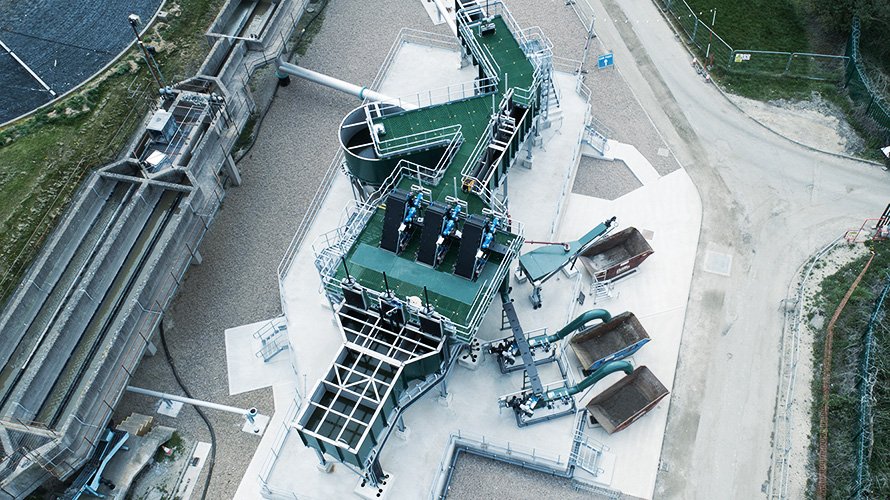
Understanding Headworks in Wastewater Treatment: An In-Depth Exploration
Wastewater treatment is a critical process in ensuring public health and environmental protection. It involves several intricate stages, each playing a vital role in effectively managing and treating wastewater. At the heart of this process is a component often overshadowed by more chemical-intensive stages: the headworks.
This guide explores what headworks are, why they matter, how they function, and the technologies that support their role in modern wastewater treatment facilities.
What Are Headworks?
Headworks refer to the initial stage of a wastewater treatment plant where raw sewage first enters the system. Their primary role is to prepare incoming wastewater for downstream treatment by removing large debris, extracting grit, and managing flow rates.
This preliminary processing ensures the entire treatment system operates efficiently and reduces wear on sensitive downstream equipment.
Components of Headworks
Headworks typically consist of several core components, each designed to protect downstream processes and optimize treatment performance:
-
Influent Pump Station
The entry point where raw wastewater enters the facility. It regulates flow rates and ensures wastewater moves smoothly through the system without backflow or overflow. -
Screening
Removes large debris such as sticks, leaves, rags, and plastics. Screening prevents blockages and mechanical damage further along the treatment train. -
Grit Removal
Eliminates sand, gravel, and other heavy inorganic materials that can abrade pipes, pumps, and mechanical equipment. -
Flow Measurement and Distribution
Uses flowmeters and channels to accurately measure and evenly distribute wastewater, ensuring balanced loading across treatment processes.
The Significance of Headworks
Though often overlooked, headworks play a critical role in the performance and longevity of wastewater treatment plants.
-
Protection of Downstream Equipment
Removing debris and grit prevents damage to pumps, aeration systems, and mechanical components. -
Optimization of Treatment Processes
Stable and controlled flows allow biological and chemical treatment stages to operate under optimal conditions. -
Reduction of Sludge Volume
Early solids removal reduces the volume of sludge generated later in the process, lowering handling and disposal costs. -
Regulatory Compliance
Effective headworks operation supports consistent effluent quality and helps facilities meet regulatory requirements.
Technologies Used in Headworks
Advancements in engineering and automation have significantly improved the reliability and efficiency of modern headworks systems.
Screening Technology
-
Bar Screens
Used for coarse screening and removal of large debris. Modern bar screens are often automated and self-cleaning. -
Rotary Drum Screens
Designed for fine screening, rotating drums capture smaller particles as wastewater passes through. -
Membrane Screens
Provide high-efficiency particle removal for facilities requiring finer filtration, though at higher cost.
Grit Removal Systems
-
Aerated Grit Chambers
Use controlled aeration to create a spiral flow that allows grit to settle while lighter organics remain suspended. -
Venturi-Type Grit Chambers
Use velocity changes to separate grit through a downward-flow cone configuration. -
Cyclone De-gritters
Apply centrifugal force to spin wastewater and separate grit efficiently.
Flow Management
-
Ultrasonic Flowmeters
Measure flow using sound waves without obstructing the wastewater stream. -
Magnetic Flowmeters
Ideal for conductive liquids like wastewater, offering accurate measurement with no moving parts.
Flow Conversion & Pump Reference Calculator
Convert between MGD, GPM, and cfs with quick pump reference values.
Flow: MGD
Flow: GPM
Flow: cfs
Pump Reference: GPM per pump
Pump Reference: MGD per pump
Innovations and Future Directions
The headworks stage of wastewater treatment continues to evolve as new technologies improve efficiency, reduce operational costs, and support sustainability goals.
Automation and Smart Technologies
With the integration of IoT and smart sensors, headworks systems are becoming increasingly automated. Real-time monitoring of flow rates, debris loads, and equipment health allows operators to make data-driven decisions and perform predictive maintenance.
This automation reduces downtime, extends equipment life, and improves overall plant reliability.
Eco-Friendly Solutions
Sustainability is a growing priority in wastewater treatment. In headworks, this includes adopting energy-efficient equipment, low-impact screening technologies, and materials designed to reduce environmental footprint.
Some facilities are exploring biodegradable or recyclable screening materials as part of broader sustainability initiatives.
Microbial and Natural Solutions
Emerging research is investigating biological and natural treatment methods at the headworks stage. Certain microorganisms may help break down organic debris early in the process, potentially reducing reliance on mechanical screening.
Challenges in Headworks Operations
Despite technological advancements, headworks operations face several ongoing challenges.
-
Handling High Flow Variability
Fluctuations caused by weather, industrial discharge, or population changes require flexible system design. -
Managing Odor and Noise Pollution
Odor control systems and noise-reducing equipment are essential for facilities near residential areas. -
Complex Retrofitting and Upgrades
Integrating new technologies into existing infrastructure can be costly and operationally complex.
Conclusion
Headworks are foundational components of wastewater treatment systems, quietly performing essential functions that protect equipment, improve treatment efficiency, and support regulatory compliance.
As technology advances and sustainability becomes increasingly important, headworks will continue to evolve. Investing in effective headworks design and operation remains crucial for meeting the demands of modern wastewater management.
- Aerated Grit Chambers
- Automation
- Bar Screens
- challenge
- Challenges in Headworks
- distribution
- Eco-Friendly Solutions
- Environmental protection
- Flow Management
- Flow Measurement
- global water
- grit removal
- Grit Removal Systems
- Headworks
- Influent Pump Station
- Innovations
- management
- Membrane Screens
- methods
- pollution
- Public health
- Regulatory compliance
- Rotary drum screens
- screening
- screening technology
- Smart Technologies
- sustainable
- Technological advancements
- Technologies
- treatment processes
- Wastewater Management
- wastewater treatment
- Wastewater Treatment Plant
- water
- water management
- water treatment