
Screw Presses in Wastewater Treatment: Efficiency and Applications
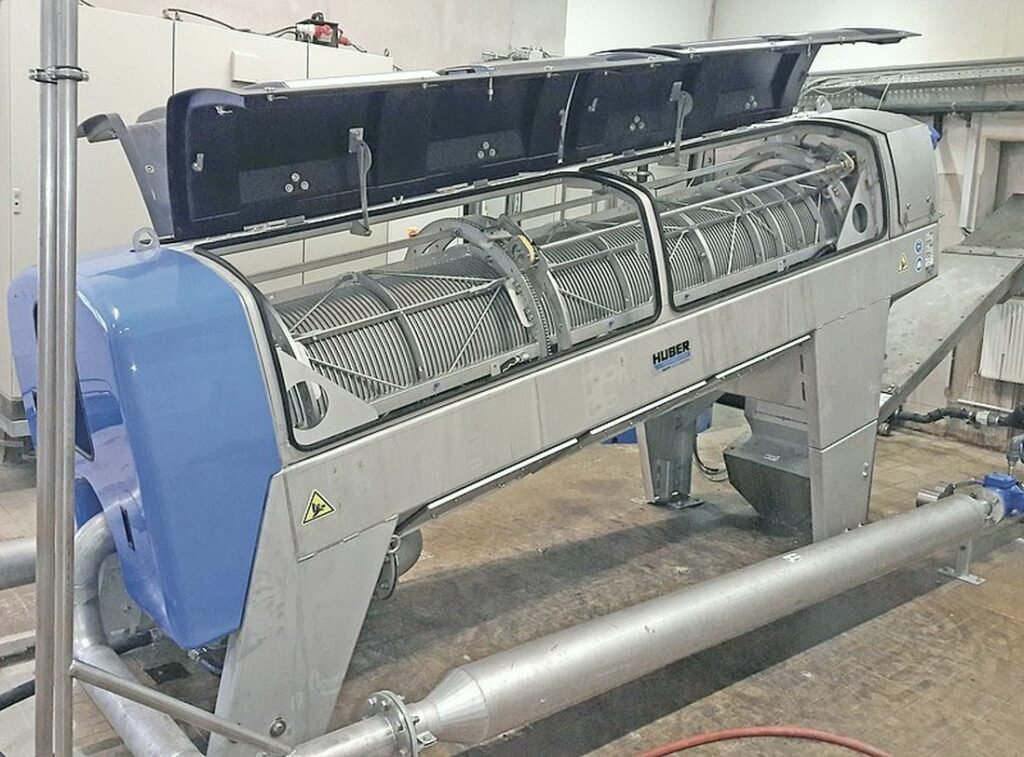
Screw presses play a crucial role in wastewater management, serving as an effective tool for the dewatering of sludges and slurries. These mechanical devices leverage a screw mechanism to apply pressure and separate solids from liquids. Their operation is relatively straightforward but highly dependent on specific variables such as screw speed, the design of the press, and the type of material being processed. Over time, the design and operation of screw presses have evolved, making them an integral part of modern wastewater treatment systems. As a specialized technology within the broader field of Dewatering, screw presses occupy a distinct position — offering lower energy consumption and quieter operation than centrifuges or belt filter presses, at the cost of lower cake solids content, making them best suited to applications where throughput is moderate and polymer-driven cake dryness is not the primary driver.
With their ability to produce dewatered material with a high solids concentration, screw presses offer a reliable method to reduce the volume and weight of wastewater biosolids. This process is not only essential for the efficient disposal and management of waste but also contributes to the environmental sustainability of wastewater treatment processes. Their application can be seen in a variety of treatment plants, and they continue to adapt to meet diverse industry needs, which span from municipal to industrial applications.
History and Development
Screw presses have a noted history in the field of wastewater treatment. Their development can be traced back to ancient times when Archimedes invented the screw pump. The Archimedean Screw — once used to lift water for irrigation or drainage — provided the design principles for modern screw presses.
In wastewater management, screw presses address the need for sludge dewatering. They operate on a simple mechanism: a screw rotates within a cylindrical screen, compressing the sludge and expelling water through the screen. Over time, this technology has evolved to become more efficient and reliable.
- Late 20th Century: Advancements in materials and mechanical design improved screw presses’ durability and efficiency.
- 21st Century: The integration of automation and control systems further optimized performance.
Screw presses offer several benefits in wastewater treatment, including low energy consumption, minimal operator intervention, and high-quality filtrate. They are widely applied in municipal and industrial wastewater facilities.
Design and Operation
Screw presses play a critical role in wastewater treatment by effectively separating solids from liquids. They are engineered to withstand the demanding conditions of sludge dewatering and abide by strict operational efficiencies.
Mechanical Components
Screw presses consist of a screw conveyor, enclosed in a screen basket, and a pneumatic counter-pressure cone. The screw conveyor, or auger, is the core element that drives the dewatering process, rotating to transport sludge through the press. The screen basket filters out solid content, which varies in micron size, to enable liquid separation. Critical to the press’s efficacy is the wedge zone, where initial filtration occurs, and the dewatering zone, where the sludge is pressed against the screen, allowing further drying.
Process Flow
At the start of the dewatering process, the sludge enters the inlet and is then conveyed by the screw through different zones of pressure. As the auger rotates, the space between its flights decreases, thereby squeezing the sludge and forcing water through the screen. This continuous process maintains a consistent output, resulting in a “cake” that has reduced moisture content. The design of the flow pathway ensures minimal obstruction and consistent movement of the material, avoiding any operational bottlenecks.
Control Systems
Control systems for screw presses are designed for automation and precision. They generally include feedback loops that monitor key operational parameters, such as torque, pressure, and rotational speed. These controls can adjust the press operation in real time, ensuring optimal performance and response to varying sludge characteristics. Such systems contribute to a consistent dewatered product and efficient operation, enabling wastewater treatment plants to maintain high standards of operation and meet regulatory requirements.
Subtopic Overview: Screw Press Dewatering Applications
Screw press dewatering encompasses a range of performance dimensions, application contexts, and design advantages that practitioners must understand to select and operate these systems effectively. The subtopic below addresses the specific performance and application advantages that distinguish screw presses from alternative dewatering technologies.
Screw Presses in Wastewater Treatment: Advantages and Applications
Screw presses advantages over competing dewatering technologies are most pronounced in applications where continuous unattended operation, low energy consumption, and gentle handling of biologically active or fibrous sludges are higher priorities than achieving maximum cake dryness. In head-to-head comparisons with centrifuge dewatering, screw presses typically achieve cake solids of 15–22% TS versus 20–28% TS for high-speed centrifuges on activated sludge — a meaningful difference in disposal cost per ton — but do so at 0.5–2.0 kWh/tonne dry solids versus 30–80 kWh/tonne for centrifuges, a 15–40× energy cost advantage that often closes the total O&M cost gap. For fibrous agricultural and food processing sludges — including fruit and vegetable processing waste, brewery and winery lees, and paper mill fiber sludge — screw presses outperform centrifuges in both cake dryness and solid capture rate because the open-channel screw geometry handles coarse fibrous material without the plugging and vibration problems that shorten centrifuge intervals between maintenance. The compact footprint of screw presses — typically 1.5–4 m in length and 0.5–1.5 m in diameter for units treating 5–50 m³/hour of sludge — allows installation in space-constrained existing buildings without civil expansion, a practical advantage at older municipal plants where retrofitting larger dewatering equipment would require structural modifications. Polymer consumption is a significant operating cost variable: screw presses typically require 3–8 kg polymer per tonne dry solids for activated sludge dewatering, similar to belt filter presses but higher than high-speed centrifuges (2–5 kg/t) — optimizing polymer type and dose through bench-scale testing against the actual sludge is therefore a high-return investment before finalizing screw press procurement.
Applications in Wastewater Treatment
Screw presses play a vital role in managing solids during the treatment of wastewater. These devices are designed to efficiently reduce the water content of sludge, thereby minimizing its volume and handling costs.
Municipal Wastewater
In municipal wastewater treatment facilities, screw presses are employed to dewater sludge, which is a by-product of the treatment process. This mechanical dewatering strategy is essential for producing a dryer sludge cake. This cake can then be disposed of more cost-effectively or processed further for uses such as landfill cover or land application as a soil amendment. Efficiency in this process is critical, as noted by the US EPA biosolids fact sheet, which highlights the importance of dewatering equipment achieving high cake solids concentration.
Industrial Wastewater
In the context of industrial wastewater treatment, screw presses are utilized for their robust and effective dewatering capabilities. Industries that generate substantial amounts of wastewater, such as food processing, pharmaceuticals, or chemicals, rely on screw presses to separate solids from liquids. This separation allows for the recovery of valuable materials, reduces the volume of waste, and ensures that the resulting effluent meets regulatory standards for disposal or further usage.
Performance Metrics
When evaluating Screw Presses in Wastewater treatment applications, three specific performance metrics stand out: dewatering efficiency, operational reliability, and maintenance requirements.
Dewatering Efficiency
Dewatering efficiency is a critical measure of a screw press’s ability to remove moisture from sludge. The metric is typically expressed as a percentage of water removed from the sludge, indicating the dryness level of the output cake. High dewatering efficiency can lead to reduced handling costs and improved downstream processing.
Operational Reliability
Operational reliability refers to the consistency with which a screw press performs over time. A reliable screw press operates without significant downtime, maintains consistent dewatering efficacy, and withstands the harsh conditions often found in wastewater environments. Its reliability can be assessed by monitoring the frequency of unscheduled maintenance and the machine’s ability to continually meet performance standards.
Maintenance Requirements
Maintenance requirements focus on the frequency, ease, and cost of maintaining a screw press. This includes routine inspections, cleaning, and the replacement of worn parts. Low maintenance requirements are indicative of a well-designed screw press that can lead to a lower total cost of ownership and less impact on operational uptime.
Comparison of Sludge Dewatering Technologies
| Technology | Typical Cake Solids | Energy Consumption | Polymer Dose | Best-Fit Applications | Key Limitations | Relative Capital Cost |
|---|---|---|---|---|---|---|
| Screw Press | 15–22% TS | 0.5–2.0 kWh/t DS (very low) | 3–8 kg/t DS | Small-to-medium municipal plants; food/brewery sludge; space-constrained retrofits; unattended operation | Lower cake dryness than centrifuge; limited throughput per unit; screen wear on abrasive sludges | Low–Medium |
| Centrifuge (Decanter) | 20–28% TS | 30–80 kWh/t DS (high) | 2–5 kg/t DS | Large municipal plants; digestate; high-volume applications requiring maximum cake dryness | High energy cost; vibration and noise; skilled maintenance; high capital cost | High |
| Belt Filter Press (BFP) | 18–25% TS | 5–15 kWh/t DS (low–medium) | 3–8 kg/t DS | Large municipal plants; high-volume continuous operation | High wash water consumption; odor issues (open system); belt wear and replacement cost | Medium |
| Recessed Plate Filter Press | 30–45% TS (highest) | 10–30 kWh/t DS (medium) | 3–8 kg/t DS | Applications requiring maximum cake dryness for landfill, incineration, or composting | Batch process; high capital cost; labor-intensive cake discharge | High–Very High |
| Rotary Drum Thickener | 4–8% TS (thickening only) | 1–3 kWh/t DS (very low) | 2–5 kg/t DS | WAS thickening before digestion or dewatering; upstream volume reduction | Not a dewatering technology — produces thickened sludge, not press cake | Low–Medium |
| Thermal Drying | 85–95% DS (dried pellets) | 600–900 kWh/t DS evaporated (very high) | None | Class A biosolids; pelletized product for agriculture; facilities with waste heat | Extremely high energy cost; fire/explosion risk; only viable post-mechanical dewatering | Very High |
Advantages of Screw Presses
Screw presses are increasingly recognized in wastewater treatment for their efficiency and effectiveness. Low Operational Costs are a significant advantage — they are designed to operate with minimal supervision, reducing labor costs. Energy Efficiency stands out as another key benefit: with their slow rotational speeds, screw presses consume less energy compared to centrifuges or belt presses. Ease of Operation and Maintenance is apparent in their design simplicity — fewer moving parts minimize the likelihood of mechanical failures and the need for repairs. The High Solid Capture Rate ensures a drier cake, leading to cost savings in handling and disposal. Additional advantages include performance consistency, quiet operation, compact design, versatility across sludge types, and odor control through enclosed operation.
Challenges and Limitations
Screw presses in wastewater treatment are crucial for sludge dewatering, but they confront several challenges and limitations:
- Capacity and Throughput: High volumes of sludge necessitate larger or more screw presses, potentially increasing capital costs.
- Maintenance Needs: Wearing parts such as screw flights and screens need periodic replacement.
- Operational Complexity: Operators require training to handle different types of sludge; incorrect handling can lead to decreased efficiency and increased downtime.
- Adaptability to Sludge Variability: Performance can be sensitive to variations in sludge consistency and composition, requiring operator adjustment.
- Performance Limitations: Dry solids content is typically lower than centrifuges, and polymer use is required to achieve desired dryness levels.
Field Notes: Practical Guidance for Screw Press Operation
Commissioning and Startup
Screw press commissioning begins with verification of the hydraulic and mechanical systems before sludge introduction — confirming screen basket integrity, screw flight clearances, counter-pressure cone operation, and filtrate drainage are all functioning within manufacturer specifications at ambient conditions. Polymer selection and dose optimization through bench-scale testing against the actual sludge feed is a mandatory pre-commissioning step: the optimal polymer type (cationic charge density and molecular weight) and dose for a given sludge cannot be predicted reliably from generic literature, and running commissioning on an unoptimized polymer program will produce poor cake dryness results that may be incorrectly attributed to equipment performance. Initial feed rate ramp-up — starting at 50% of design hydraulic loading and increasing to 100% over 2–4 days — allows operators to observe filtrate clarity, cake moisture, and screen differential pressure as the system stabilizes, identifying mechanical adjustments needed before the screw press enters full production service.
Common Specification and Design Mistakes
The most frequent screw press specification error is sizing based on average daily sludge production flow without accounting for the peak production rate during morning sludge draw-down cycles. Municipal wastewater plants typically draw sludge from secondary clarifiers over a 4–8 hour window per day, meaning the instantaneous sludge flow to the press is 3–6× the 24-hour average — a screw press sized for average flow will hydraulically overload during draw-down, producing wet cake and poor filtrate clarity. A second common mistake is specifying screen basket opening size without bench-scale blinding tests using the actual sludge: openings that are too small blind rapidly, while openings that are too large allow fine solids to pass into the filtrate, increasing return load to the head of the plant and compromising effluent permit compliance.
O&M Comparison and Technology Selection Context
Screw press O&M cost is dominated by polymer consumption (typically 50–65% of variable cost), screen basket replacement (every 3–7 years depending on sludge abrasivity), and screw flight wear (5–10 years in municipal sludge service). Centrifuge Dewatering has a fundamentally different O&M cost structure — dominated by energy (30–80 kWh/t DS) and major mechanical overhauls every 5–8 years, but lower polymer cost and higher cake dryness that reduces downstream transport and disposal cost per ton. The total cost of ownership comparison between screw presses and centrifuges is highly site-specific, driven by local electricity cost, polymer cost, and biosolids disposal cost. For plants evaluating the full dewatering equipment landscape, the Dewatering Equipment & Innovation resource covers emerging technologies and operational improvements across all dewatering configurations, and the Dewatering Equipment Manufacturers guide provides a structured overview of major suppliers to support procurement decisions.
Case Studies
A notable municipal wastewater treatment plant integrated screw presses for biosolids dewatering, achieving a significant reduction in sludge volume by up to 60% and facilitating easier handling and disposal at a 30 MGD facility. Another exemplary case involved a food processing facility that employed a screw press to improve the dryness of solids for composting while achieving substantial operational cost savings through reduced polymer consumption and lower energy bills compared to the centrifuge it replaced. An anaerobic digestion facility used screw presses to separate digestate into liquid and solid fractions, increasing efficiency in digestate management and boosting biogas production. These cases demonstrate screw presses’ efficacy in diverse environments, underscoring their flexibility and reduced maintenance requirements compared to other dewatering equipment.
Technological Advances
Modern screw presses have embraced automated features such as self-adjusting screw speeds and pressure control. High-strength stainless steel and specialized alloys enhance durability and corrosion resistance. Innovative designs in screw profiles and screen geometries have improved dewatering efficiency, while smart technology integration — sensors monitoring torque, screen differential pressure, and filtrate turbidity — enables predictive maintenance to reduce downtime. Refined filtration technology in improved filter screens enhances particle retention and reduces filtrate return loads to the plant headworks.
Market Trends
The market for screw presses is experiencing growth driven by technological advancements and increasing environmental regulations. The trend towards sustainability and anaerobic digestion has bolstered demand, with emphasis on higher dry solids content, improved energy efficiency, and designs capable of handling wider ranges of sludge types. Manufacturers are focusing on automation and control systems integration, and emerging economies — particularly in Asia-Pacific — present significant growth potential due to rapid urbanization and industrialization.
Environmental and Regulatory Considerations
Operators must ensure screw presses meet standards set by the U.S. Environmental Protection Agency (EPA) and comply with the Clean Water Act’s requirements for treated wastewater discharge. Economic benefits include reduced handling and disposal costs. Proper treatment of organic waste with screw presses can also reduce methane emissions from improperly managed sludge, supporting environmental compliance goals. Facilities employing screw presses must stay abreast of evolving regulations to maintain compliance and support environmental sustainability.
Frequently Asked Questions
How does a screw press operate in dewatering sludge within wastewater treatment facilities?
A screw press operates by rotating a screw within a cylindrical screen to separate water from sludge through applied pressure and filtration. As the sludge progresses along the screw, its volume is reduced, and water is forced out through the screen.
What are the key advantages of utilizing a screw press for sludge dewatering over other methods?
Screw presses offer several advantages including lower energy consumption, minimal odor emissions, and a smaller footprint. They are also known for their ease of operation and ability to handle a wide range of sludge types.
Can you outline the cost-benefit analysis of integrating screw presses into municipal wastewater management systems?
When integrating screw presses, cost considerations typically encompass construction, operation, and maintenance expenses, balanced against long-term savings from improved energy efficiency and reduced manpower requirements.
What maintenance requirements should be expected when operating screw presses in wastewater treatment plants?
Maintenance of screw presses primarily involves routine inspections, cleaning to prevent clogging or wear, and periodic replacement of parts such as the screw, brushes, and screen to ensure continued efficient operation.
Who are the leading manufacturers of screw presses for sludge dewatering, and how do their products differ?
Leading manufacturers of screw presses vary in design, technology, and capacity offerings. Their products differ in terms of performance, durability, and automation features tailored to diverse treatment facility needs.
In what ways can the efficiency of screw presses in wastewater treatment be optimized?
Efficiency can be optimized by regular maintenance, proper selection of screen sizes, adjusting operational parameters to match sludge characteristics, and implementing advanced controls for process optimization.
Conclusion
Key Takeaways
- Screw presses offer the lowest energy consumption of any mechanical dewatering technology — at 0.5–2.0 kWh/tonne dry solids versus 30–80 kWh/t for centrifuges, the energy cost advantage frequently closes the total O&M cost gap despite lower cake dryness (15–22% TS vs. 20–28% TS for centrifuges on activated sludge).
- Polymer optimization is the highest-return pre-commissioning investment — bench-scale jar testing against the actual sludge feed at multiple solids concentrations is mandatory; generic literature doses do not reliably predict field performance, and running on unoptimized chemistry produces poor cake dryness that is incorrectly attributed to equipment failure.
- Size for peak sludge draw-down flow, not average daily production — municipal plants draw sludge over a 4–8 hour window, meaning instantaneous flow to the press is 3–6× the 24-hour average; a screw press sized for average flow will routinely produce wet cake and poor filtrate clarity during morning draw-down cycles.
- Screen basket opening size must be validated against actual sludge particle size — openings too small cause rapid blinding; too large allows fines into filtrate, increasing plant return loads and risking effluent permit compliance issues.
- Total cost of ownership comparison with centrifuges is highly site-specific — at high local electricity costs and moderate disposal costs, screw presses frequently win the lifecycle analysis; at low electricity prices and high disposal costs driven by wet cake weight, centrifuges may be more economical despite higher capital and energy cost.