
Ultraviolet Disinfection: Safe and Effective Water Treatment Method
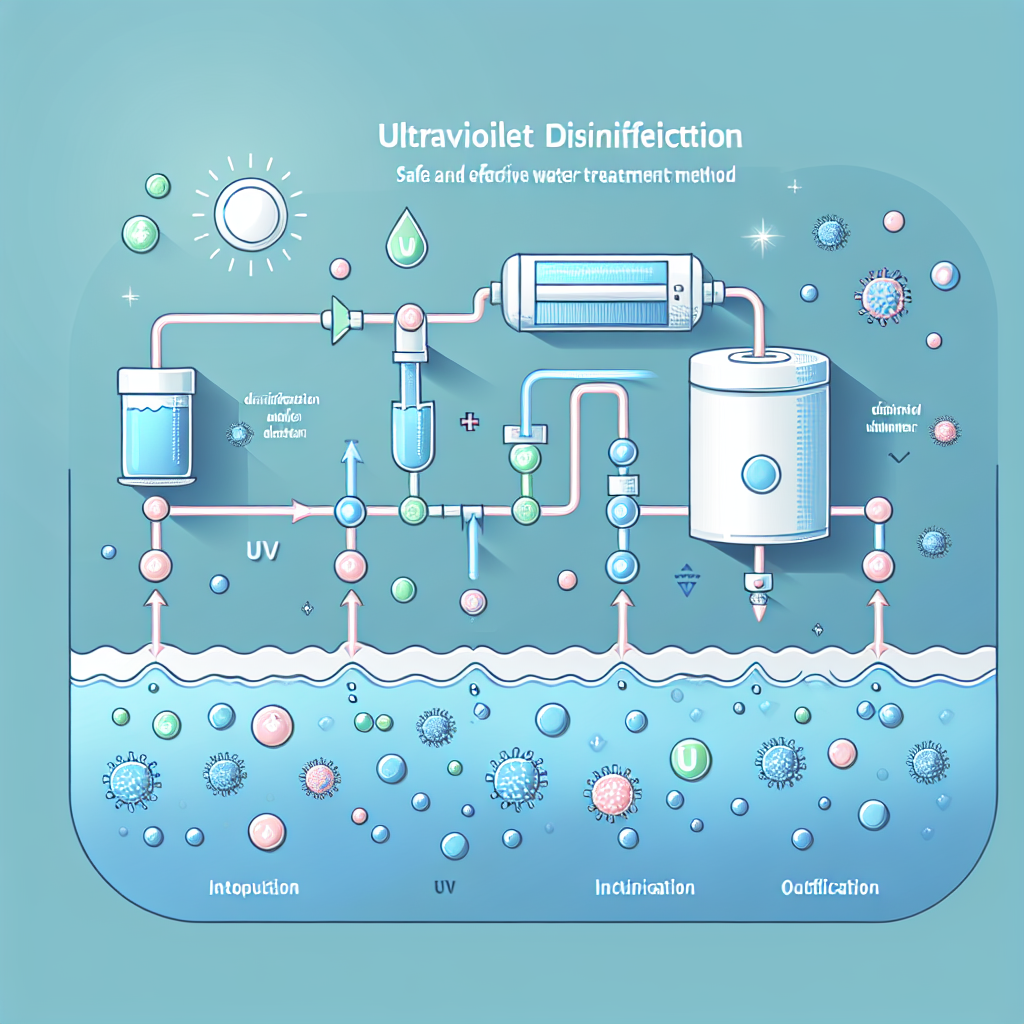
Ultraviolet Disinfection: Safe and Effective Water Treatment Method
In an age where clean water is paramount for public health, ultraviolet disinfection water treatment has emerged as a game-changer in ensuring safe drinking water. This innovative method harnesses the power of UV light to effectively eliminate pathogens without the use of harsh chemicals, making it both eco-friendly and efficient. In this post, we'll explore the fundamentals of ultraviolet disinfection, its numerous advantages, and how it can be integrated into municipal and residential systems for optimal microbial control. Join us as we dive into the science and practical applications of this essential water treatment technology!
Understanding Ultraviolet Disinfection
Ultraviolet disinfection water treatment leverages UV light, specifically UV-C wavelengths, to inactivate microorganisms by damaging their DNA or RNA. This process effectively disrupts their ability to reproduce and cause infection, making it a powerful method for ensuring safe drinking water. Unlike traditional chemical methods, ultraviolet water sterilization is non-toxic and leaves no residual chemicals in the treated water.
One notable limitation of UV disinfection systems is their dependence on water clarity. Particles, sediment, or organic matter can shield pathogens from UV exposure, reducing the overall effectiveness of the treatment. Therefore, pre-treatment steps such as filtration are often necessary to enhance the performance of these systems.
Real-World Applications
A practical example can be seen in municipalities like San Diego, which has integrated UV disinfection into its wastewater treatment process. By employing high-efficiency UV disinfection units post-filtration, they have successfully reduced pathogen levels in treated effluent before discharge into local waterways. This application not only protects public health but also supports environmental sustainability efforts.
It's critical to recognize that while ultraviolet light is effective against a broad spectrum of pathogens—including bacteria and viruses—its efficacy can vary based on specific organisms and operational conditions. For instance, some protozoa like Cryptosporidium are more resistant to UV treatment than bacteria. Thus, understanding the specific microbial threats present in a given water source is essential for effective system design and operation.
UV disinfection systems require careful consideration of water quality parameters and may need complementary treatments for optimal effectiveness.
Advantages of Ultraviolet Disinfection
One of the standout benefits of ultraviolet disinfection water treatment is the absence of chemical residues. Traditional methods often rely on chlorine or other chemicals that can leave harmful byproducts in the water supply, potentially impacting human health and the environment. In contrast, UV treatment effectively neutralizes pathogens without introducing any harmful substances into the water.
Immediate pathogen inactivation is another critical advantage. UV light acts swiftly to disrupt the DNA or RNA of microorganisms, rendering them unable to reproduce almost instantly upon exposure. This rapid action is crucial in situations where water safety is paramount, such as in emergency water supplies or during contamination events.
However, it's important to note that while UV disinfection is highly effective against many pathogens, its performance can be compromised by factors such as turbidity and water quality. For instance, high levels of suspended solids can shield microorganisms from UV exposure, necessitating pre-treatment processes like sedimentation or filtration to ensure optimal effectiveness.
Cost Efficiency Over Time
Lower operational costs compared to traditional disinfection methods are also significant. Although initial installation costs for a UV disinfection system might be higher than chemical systems, the long-term savings on chemical purchases and storage make it economically advantageous. For example, municipalities that have transitioned to UV systems report reduced expenditures on chemicals and labor associated with chemical handling.
- No harmful chemical residues left in treated water
- Immediate inactivation of pathogens upon exposure
- Lower long-term operational costs due to reduced chemical needs
UV disinfection offers a safe and effective solution for ensuring clean drinking water without chemical residues.
A real-world example is seen in New York City's water supply system where they utilize commercial-grade ultraviolet disinfectors for large facilities. This application not only safeguards public health but also aligns with sustainability goals by eliminating the need for chlorine and its associated risks.
Case Study: UV Disinfection in Municipal Water Systems
Los Angeles County has successfully implemented ultraviolet disinfection water systems to enhance public health safety. Their strategy involved integrating UV technology into existing treatment plants, focusing on areas with high pathogen risks. By deploying high-efficiency UV lamps following conventional treatment processes, they have achieved significant reductions in microbial load in treated water.
Implementation in Los Angeles County
The county's approach prioritized the installation of UV disinfection units that operate under varying flow conditions, ensuring consistent pathogen control regardless of water demand fluctuations. This flexibility allows the system to adapt to peak usage times without compromising treatment efficacy. However, operators must remain vigilant about maintaining lamp intensity and system integrity to ensure long-term success.
Results from the City of New York's UV Facility
In a similar vein, New York City employs a large-scale ultraviolet disinfection facility that treats up to two billion gallons of water daily. This facility has demonstrated that UV-C water disinfection can effectively eliminate over 99% of pathogens, including resistant organisms like Giardia and Cryptosporidium, which are often challenging for traditional methods.
- Reduction of chlorine use by over 90%, minimizing chemical byproducts.
- Enhanced regulatory compliance with drinking water standards.
- Significantly lower operational costs associated with chemical handling and storage.
New York City's investment in UV technology showcases a commitment to public health through innovative practices.
Impact on Public Health Outcomes
Safe drinking water with UV technology is not just a slogan; it's a measurable outcome in municipalities that have adopted these systems. Studies show that cities using ultraviolet purification systems report lower incidences of waterborne diseases linked to microbial contamination. This correlation underscores the importance of robust monitoring and maintenance practices to sustain system performance.
However, it is essential to note that reliance solely on UV disinfection without complementary treatments can lead to gaps in protection. For example, while UV effectively addresses microbial threats, it does not remove chemical contaminants or particulates that may also pose health risks. Therefore, municipalities must evaluate their entire treatment process holistically.