
Water Reclamation Facilities: Sustainable Water Reuse Infrastructure
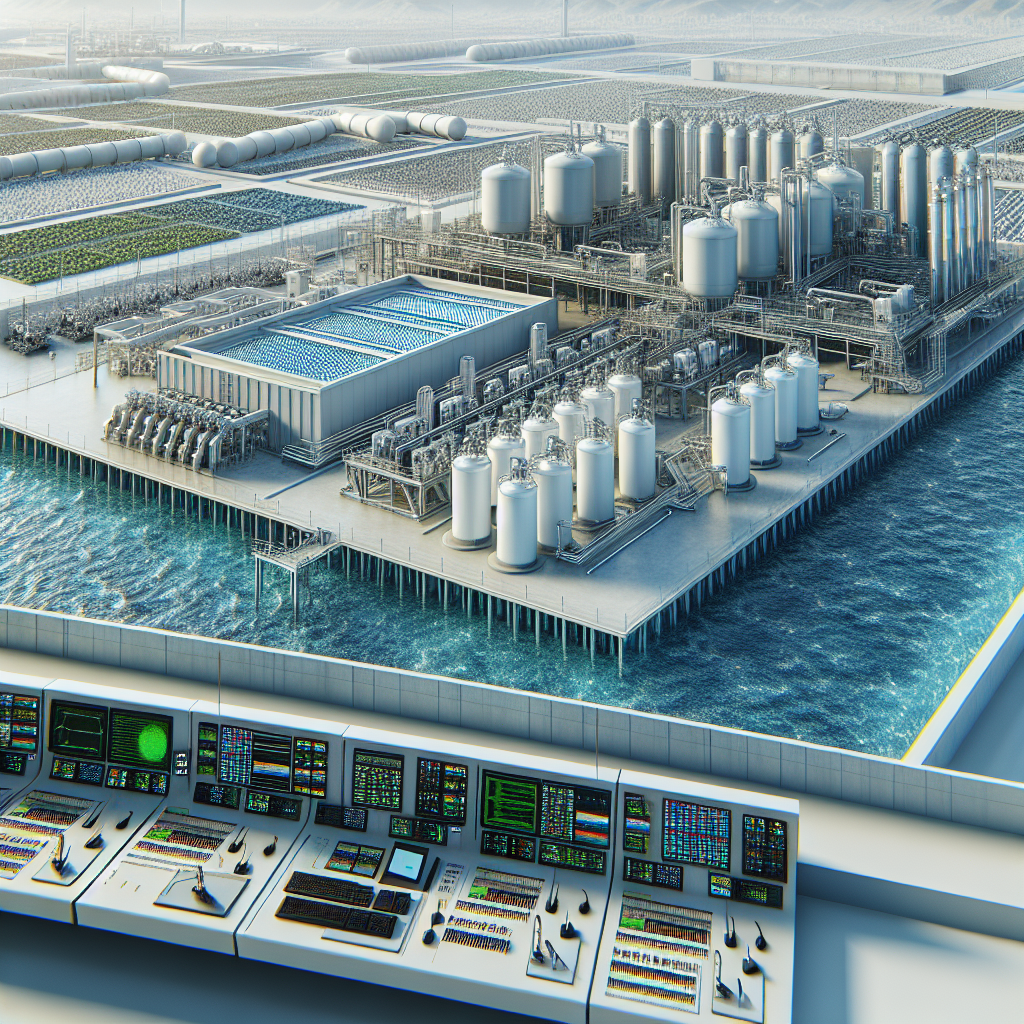
When reuse moves from planning to practice, the water reclamation facility becomes the system-level enabler that dictates cost, energy, and regulatory risk. This guide gives engineers, utility managers, and plant operators a practical framework for planning, designing, financing, and operating modern reclamation facilities, with technology tradeoffs, measurable performance benchmarks, and procurement examples for MBRs, RO, and advanced oxidation systems. Real-world case studies from Orange County, Singapore, and Pure Water San Diego highlight energy and cost ranges, monitoring frameworks, and the stakeholder steps that de-risk potable and nonpotable reuse projects.
1. Role of Water Reclamation Facilities in Sustainable Urban Water Management
Core assertion: a water reclamation facility is the operational and regulatory hinge between wastewater generation and productive reuse. Its configuration – treatment train, monitoring, siting, and redundancy – determines whether reclaimed water is fit for landscape irrigation, industrial process make up, groundwater recharge, or potable reuse, and it is the single largest driver of lifecycle cost and program risk.
Types of reuse and consequences: nonpotable applications require simpler treatment and lower energy use but create more distributed plumbing and cross connection management; potable reuse demands multi-barrier treatment, tighter monitoring, and often RO plus advanced oxidation, which raises energy and OPEX. Choosing an end use first, not a technology, reduces rework and regulatory friction.
Scale, siting, and system-level tradeoffs
Centralized versus decentralized: centralized reclamation captures economies of scale and easier regulatory oversight but increases conveyance cost and single point of failure risk. Satellite plants reduce pumping and provide resilience for industrial clusters, but they raise unit OPEX and require local operator capability. Retrofits inside existing sewage treatment plants can save capital but often force compromises on layout and hydraulics.
Footprint versus lifecycle cost tradeoff: technologies such as membrane bioreactors reduce footprint and improve solids control at the cost of higher energy and membrane replacement spending. Accepting higher upfront civil footprint to retain lower OPEX can be the right decision where energy is expensive or maintenance capacity is limited.
Practical insight on buffers and regulatory risk: using an environmental buffer for indirect potable reuse shifts regulatory and public acceptance burden toward the receiving aquifer operator and delays direct exposure events, but it increases conveyance and treatment staging. Where regulations are permissive, direct potable reuse shortens the supply chain but requires stronger operational guarantees and real-time validation.
Concrete example: Orange County Groundwater Replenishment System demonstrates how a reclamation facility configured for high reliability enables large scale indirect potable reuse. GWRS pairs microfiltration, reverse osmosis, and advanced oxidation to recharge groundwater and publishes continuous performance data to satisfy regulators and the public; the project also invested in energy optimization and third party validation to contain OPEX and build trust (OCWD GWRS).
Monitoring and operational role: a reclamation facility is not just a factory for clean water; it is the instrumented assurance layer for public health protection. Real-time sensors for turbidity, conductivity, TOC proxies, and RO integrity must be integrated with rigorous calibration regimes and clear alarm response procedures. Online detection reduces risk but increases instrument maintenance and false positive handling requirements.
Program-level judgment: teams often underestimate the institutional work required to operate advanced trains. Selecting RO and AOP without a clear plan for membrane replacement scheduling, chemical supply logistics, and trained operators converts technical capability into operational fragility. Buy operation certainty through procurement that aligns performance guarantees, spare parts supply, and training.
Frequently Asked Questions
Practical posture: treat the FAQ as an operational clearance checklist, not marketing copy. Utilities need crisp answers they can turn into spec language, pilot objectives, and contract clauses — avoid generic reassurances and focus on measurable acceptance criteria.
Quick answers utilities use in procurement and pilots
- What is a realistic energy range for potable-reuse trains: Expect roughly 0.5–2.0 kWh/m3 depending on whether you run MBRs, RO and AOP or conventional secondary with polishing. Tradeoff: lower footprint from MBRs normally raises energy and membrane replacement costs; build that into lifecycle OPEX, not just CAPEX.
- IPR versus DPR — how to decide: Choose IPR when you need a regulatory and public buffer; choose DPR only when regulations, real-time validation, and institutional readiness are in place. Consideration: DPR shortens conveyance and reduces total footprint but transfers the entire operational risk to the utility and increases monitoring obligations.
- Best technology mix for trace organics: RO combined with an AOP stage (UV/H2O2 or ozone/H2O2) provides the most consistent removal for a broad suite of micropollutants. Limitation: RO concentrate management and antiscalant chemistry create new operational burdens and must be part of the design package.
- How do large US projects typically finance reuse plants: Common mixes are SRF loans plus WIFIA for capital, with state grants where available. Include performance and O&M guarantees in contracts to make lenders comfortable.
- Are pilots necessary and what should they prove: Yes. Pilots must validate flux and fouling profiles, RO recovery under real feed variability, AOP dose-response for target analytes, and sensor reliability under site conditions.
- Minimum monitoring for potable reuse: Online turbidity, conductivity, TOC proxies, RO integrity, and UVT plus routine lab confirmation for microbial and chemical suites. Note: online sensors reduce reaction time but cannot replace periodic accredited lab analysis.
Practical insight on pilots: short bench tests miss seasonal fouling and upset conditions. Run pilots through wet-weather peaks, high/low temperature swings, and upset feeds (e.g., industrial discharges) so membrane replacement schedules and cleaning protocols are realistic.
Concrete example: Pure Water San Diego staged its rollout with extended pilots that measured RO recovery under variable feed quality and validated AOP dose against target trace organics while simultaneously running an aggressive public outreach campaign. The phased approach allowed procurement of longer-term O&M contracts tied to membrane replacement and energy guarantees — reducing schedule and performance risk.
Judgment: many teams underrate the institutional tasks: sensor maintenance, spares inventory, and chemistry supply chains cause more outages than core process failures. Buy operational certainty through clear contract clauses for spare parts, training, and third-party performance validation rather than relying on optimistic vendor MTBF claims.
- Run a 12-month pilot that includes at least one wet-weather peak and one high-temperature period.
- Specify RO recovery limits, brine disposal strategy, and antiscalant dosing windows in the technical specs.
- Require an independent lab and third-party auditor for performance acceptance and public reporting.
- Allocate budget for spare membrane sets and 24-month chemical supply contracts before start-up.