
Anaerobic Digestion: Unlocking Renewable Energy from Organic Waste
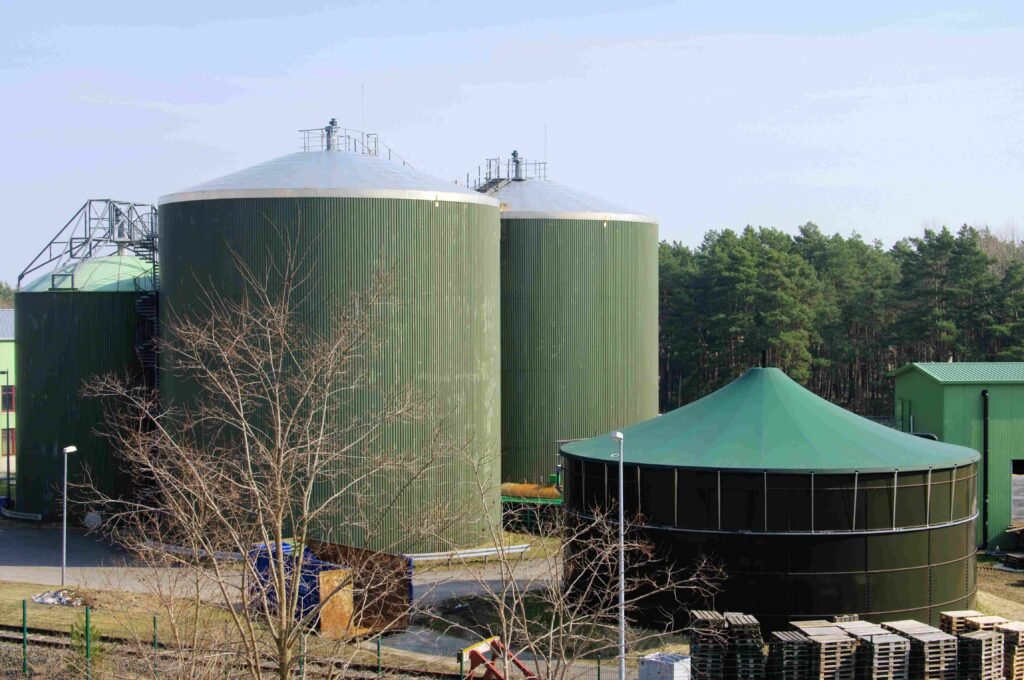
Anaerobic digestion is a biological process that occurs when organic matter is broken down by bacteria in the absence of oxygen. It is a technology that has been harnessed to manage waste, mitigate pollution, and produce biogas – a mixture of methane and carbon dioxide that can be used as a renewable energy source. The digestion process takes place in a controlled environment within anaerobic digesters, which are specifically designed to facilitate this complex biochemical reaction.
At the heart of anaerobic digestion are the microorganisms that perform the task of decomposition, transforming substrates such as food scraps, animal manure, and sewage sludge into biogas and digestate, a nutrient-rich substance that can be applied as a fertilizer. The process involves a series of stages including hydrolysis, acidogenesis, acetogenesis, and methanogenesis, each playing a critical role in the overall efficiency and output of the system. While the fundamental principles underlying anaerobic digestion are consistent across different types of digesters, the specific design can vary widely depending on the intended application, feedstock types, and operational requirements.
The same biology serves two quite different duties, and separating them clarifies most of what follows. Applied to concentrated organic solids — sludge, manure, food waste — anaerobic digestion is a stabilization and energy recovery process, and the reactor is a stirred tank sized on solids retention time. Applied to the wastewater stream itself, it becomes a treatment process competing directly with aerobic secondary treatment, and the engineering problem changes entirely: the feed is dilute, the flow is continuous, and the reactor must somehow hold slow-growing methanogens in place while water passes through in hours. This page covers both, with particular attention to the wastewater-stream application and the high-rate reactors developed for it.
What makes anaerobic treatment attractive against the aerobic alternative is a short list of substantial advantages. It requires no aeration, which removes the largest electrical load at a conventional plant. It produces roughly a tenth of the waste sludge, because anaerobic organisms convert most of the substrate to methane rather than to new cells. And it generates energy rather than consuming it. The offsetting realities are equally clear: the biology is slower and more temperature-sensitive, effluent quality alone rarely meets a discharge permit, and nitrogen and phosphorus pass through essentially untouched, so an aerobic polishing step almost always follows.
Key Takeaways
- Anaerobic digestion processes organic waste in the absence of oxygen, producing renewable energy and nutrient-rich digestate.
- A succession of microbial stages is involved in breaking down material to produce biogas primarily composed of methane.
- Design variations in digesters cater to different feedstocks and operational strategies, impacting their efficiency and viability.
Fundamentals of Anaerobic Digestion
Anaerobic Digestion (AD) is a complex biochemical process that decomposes organic matter in the absence of oxygen, resulting in biogas production. This process is pivotal in waste management and renewable energy production.
Process Overview
Anaerobic digestion occurs in a sealed vessel called a reactor, wherein organic matter such as animal manure, wastewater biosolids, and food wastes is broken down. The absence of oxygen is a crucial aspect, as this defines the anaerobic environment where specific microorganisms thrive. The process typically involves four key stages:
- Hydrolysis
- Acidogenesis
- Acetogenesis
- Methanogenesis
During hydrolysis, complex organic materials are broken down into simpler soluble compounds. In the subsequent stages, these compounds are converted into acetic acid, hydrogen, and carbon dioxide, which are finally transformed into methane and carbon dioxide – the primary components of biogas.
Which stage limits the process depends on the feed, and knowing which one is limiting tells an engineer where to intervene. With particulate feedstocks such as sludge or manure, hydrolysis is rate-limiting, which is why pretreatment that ruptures cells improves gas yield so markedly. With soluble, readily degradable wastewater, hydrolysis is trivial and methanogenesis becomes the bottleneck, because the methanogens are the slowest-growing organisms in the chain. That single distinction explains why sludge digesters are sized on retention time measured in weeks while high-rate wastewater reactors operate at hydraulic retention times measured in hours.
Microbiology of Anaerobic Digestion
At the heart of the anaerobic digestion process are the diverse consortia of microorganisms that facilitate each stage.
- Hydrolytic and fermentative bacteria work on the initial breakdown of complex substrates into sugars, amino acids, and fatty acids.
- Acidogenic bacteria then convert these products into volatile fatty acids, alcohols, hydrogen, and carbon dioxide.
- Acetogenic bacteria convert some of these intermediate products into acetic acid, hydrogen, and more carbon dioxide.
- Finally, methanogenic archaea complete the process by converting acetic acid and hydrogen into methane.
Each group of microorganisms is specialized for optimal operation under specific conditions indicative of the pH, temperature, and substrate availability within the anaerobic digester.
The imbalance between these groups is what causes nearly every anaerobic failure. Acid-forming bacteria grow quickly and tolerate a wide range of conditions; methanogens grow slowly and are sensitive to temperature swings, pH excursions, ammonia, and sulfide. When something inhibits the system, the fast organisms keep producing volatile acids while the slow ones stop consuming them. Acids accumulate, alkalinity is consumed neutralizing them, pH falls, and the reactor sours. Recovery takes far longer than the upset did, because rebuilding a methanogen population is measured in weeks.
Subcategory Overview: Topics Within Anaerobic Treatment
This category covers the treatment of wastewater by anaerobic biology, the reactor technologies that make it possible at short retention times, the comparison against the aerobic alternative, and the energy recovery that distinguishes the whole approach.
Anaerobic Treatment of Wastewater
Anaerobic treatment of wastewater covers the application to the liquid stream rather than to solids, which is where the engineering diverges most sharply from conventional digestion. The central problem is biomass retention: methanogens grow too slowly to survive a hydraulic retention time of hours unless the reactor holds them in place independently of the water. Every high-rate anaerobic technology is a different solution to that one problem — granulation, biofilm attachment, or membrane separation. Temperature is the second constraint, since reaction rates fall steeply as water cools, which is why anaerobic treatment of municipal wastewater is well established in warm climates and remains difficult in temperate ones.
Aerobic Versus Anaerobic Treatment
The comparison between aerobic and anaerobic wastewater treatment is the decision that precedes every other one in this category. Aerobic treatment is fast, tolerant, produces a high-quality effluent directly, and removes nitrogen — but it consumes large amounts of electricity for aeration and generates a great deal of sludge. Anaerobic treatment consumes no aeration energy, produces roughly a tenth of the sludge, and yields methane — but it is slower, more sensitive, leaves residual organics and nutrients, and generally needs aerobic polishing to meet a permit. Strength and temperature usually decide it: high-strength warm effluent favours anaerobic, dilute cold sewage favours aerobic.
Anaerobic Digestion in Wastewater Treatment
Coverage of anaerobic digestion in wastewater treatment focuses on the energy recovery side within a municipal facility. Biogas from a well-run installation commonly supplies a substantial share of a plant’s heat demand and, where cogeneration is installed, a meaningful fraction of its electricity. Co-digestion of high-strength organic waste accepted from outside the plant — fats, oils and greases, food processing residuals, source-separated organics — has become the most common route to improving that return, because those feedstocks yield far more gas per unit volume than sludge does and can turn a marginal energy balance into a strongly positive one.
Anaerobic Digestion for Renewable Energy
Material on anaerobic digestion for renewable energy takes the wider view beyond wastewater, covering agricultural, food waste, and dedicated energy crop applications. The economics differ markedly from the municipal case, because a purpose-built facility must recover its full capital cost from the energy and tipping fees rather than treating gas as a byproduct of a process it would have run anyway. Feedstock supply security, gas offtake arrangements, and digestate disposal routes are typically the deciding factors in whether such a project proceeds.
Anaerobic Digestion in Practice
Practical coverage of anaerobic digestion wastewater treatment addresses the operating routine: the monitoring set, the control decisions, and the interventions available when the process drifts. The essential measurements are temperature, pH, alkalinity, volatile acids, gas production rate, and gas composition. Of these, the ratio of volatile acids to alkalinity is the most useful early indicator, because it moves weeks before pH does. By the time pH has fallen the buffer is already exhausted and the reactor is in real trouble.
UASB and Granular Sludge
The upflow anaerobic sludge blanket reactor is covered in detail in the sections below and remains the most widely installed high-rate anaerobic technology worldwide.
Types of Anaerobic Digesters
Anaerobic digestion is a process that harnesses natural microorganisms to break down organic materials, resulting in the production of biogas. The technology is implemented through various types of anaerobic digesters, each designed to cater to different operational needs and material inputs.
Batch Digesters
Batch digesters operate on the principle of loading organic materials and allowing the digestion to occur over a set period, after which the digester is emptied, and the process starts anew. This type of digester is suitable for smaller operations with less frequent feedstock availability. They typically require less investment upfront but may have higher labor requirements due to the manual batch-loading process.
Continuous Stirred-Tank Digesters
Unlike batch systems, Continuous Stirred-Tank Digesters (CSTR) maintain a constant flow of material, with organic waste continuously fed into the tank where it is mixed to enhance the digestion process. The CSTR systems are particularly effective for liquid or semi-liquid feedstock and allow for a controlled and stable anaerobic digestion environment.
The defining limitation of a CSTR is that solids retention time equals hydraulic retention time, since everything leaves at the same rate it enters. That is acceptable for concentrated feeds where the reactor is sized on solids anyway, and completely impractical for dilute wastewater, where holding methanogens for weeks would require a tank of absurd size. Breaking that link is exactly what the high-rate reactors below accomplish.
Plug Flow Digesters
Plug Flow Digesters are characterized by a long, horizontal tank design through which the organic material moves slowly as newer material pushes through. This type of digester is ideal for more solid feedstock as it does not require as much mixing. It is often used for livestock manure and offers a consistent, if slower, production of biogas.
Upflow Anaerobic Sludge Blanket
The Upflow Anaerobic Sludge Blanket (UASB) reactor is a sophisticated digester type in which wastewater flows upward while solids are retained by a sludge blanket. This allows for concurrent sedimentation and digestion, making UASB a compact and efficient digester choice for liquid organic wastes, including industrial wastewater.
The mechanism that makes it work is granulation. Under the right conditions of upflow velocity, feed composition, and time, the biomass self-organizes into dense granules several millimetres across, each containing the full microbial consortium in a structure that settles rapidly. Because the granules settle far faster than the upward water velocity, biomass is retained for months while water passes through in hours. A three-phase separator at the top of the reactor keeps granules in, lets treated water out, and collects biogas separately. Granulation is also the technology’s principal risk: it takes months to establish from a poor seed, and a process upset that destroys the granules costs far more than the lost treatment during the upset itself. Further detail on the configuration and its applications is covered under the UASB reactor.
Other High-Rate Anaerobic Reactors
Several configurations extend or replace the UASB principle. Expanded granular sludge bed reactors operate at much higher upflow velocities, fluidizing the granule bed to improve contact between substrate and biomass, which allows higher organic loading in a taller, smaller-footprint vessel. Anaerobic filters retain biomass as a biofilm on fixed packing rather than as granules, which avoids the granulation problem entirely at the cost of a real risk of clogging on solids-bearing feeds. Anaerobic membrane bioreactors use a membrane to retain biomass absolutely, which decouples retention completely and makes anaerobic treatment of dilute, cool wastewater feasible, though membrane fouling and dissolved methane recovery remain active engineering problems. Covered anaerobic lagoons sit at the opposite end of the scale: very low rate, very simple, and effective where land and warm temperatures are both available.
Substrate and Feedstock
Substrate and feedstock are critical components in the process of anaerobic digestion, where organic matter is broken down to produce biogas. The choice of substrate directly influences the efficiency and output of the digestion process.
Agricultural Residues
Agricultural residues such as animal manure, crop straw, and silage are commonly used in anaerobic digestion. These materials are rich in organic matter and are consistently produced as a by-product of farming activities. Manure, for instance, is particularly valued for its high methane potential and year-round availability.
Food Waste
Food waste, including spoiled food, restaurant scraps, and food processing by-products, is a high-energy input for anaerobic digesters. Not only does it help in waste reduction but it also has a high biogas yield due to its readily degradable organic compounds.
Energy Crops
Energy crops such as maize (corn), sorghum, and sugarcane are grown specifically for use as feedstock in anaerobic digestion. They are energy-dense and can be harvested for multiple years, providing a reliable source of substrate with a predictable methane output.
Industrial Wastewater
The organic content in industrial wastewater streams from sectors like food and beverage, pharmaceuticals, and biofuel production can be treated through anaerobic digestion. The process not only generates energy but also helps in mitigating pollution by treating the wastewater before discharge or reuse.
This is where high-rate anaerobic treatment has achieved its widest commercial success. Brewing, distilling, dairy, sugar, starch, pulp and paper, and food processing all generate effluent that is warm, concentrated, readily biodegradable, and produced continuously — the combination anaerobic reactors handle best. One constituent deserves specific attention: sulfate. Sulfate-reducing bacteria compete directly with methanogens for substrate, diverting carbon away from methane and producing hydrogen sulfide that is toxic to the biology, corrosive to the equipment, and expensive to remove from the biogas. Sulfate-bearing effluents from certain industries can make anaerobic treatment impractical, and the sulfate concentration should be checked before anything else is decided.
Biogas Composition and Utilization
Biogas primarily consists of methane (CH₄) and carbon dioxide (CO₂), with trace amounts of other gases. The production and utilization of biogas via anaerobic digestion are contingent upon effective cleanup and upgrading, applicability to various energy needs, and economic viability.
Biogas Cleanup and Upgrading
Biogas generated from anaerobic digestion must undergo a cleanup process to remove impurities such as hydrogen sulfide, water vapor, and siloxanes. Subsequently, upgrading techniques increase the methane concentration, yielding renewable natural gas (RNG) or biomethane comparable in quality to natural gas. This upgraded biomethane can be injected into gas grids or used as vehicle fuel.
The distinction between cleanup and upgrading matters commercially. Cleanup removes contaminants so the gas can be burned without destroying the equipment burning it, and it is required for any use beyond a simple boiler. Upgrading additionally strips carbon dioxide to raise methane content toward pipeline specification, which is a substantially more expensive step justified only where a gas offtake or vehicle fuel market exists. Many facilities that could benefit from cleanup cannot justify upgrading, and conflating the two overstates the capital required for basic energy recovery.
Applications of Biogas
The utilization of biogas spans a broad spectrum of applications. It can serve as a direct source of heat and electricity when burned in co-generation plants or be utilized as a renewable fuel for vehicles. Additionally, biogas systems support on-farm energy generation and can contribute to reducing greenhouse gas emissions by offsetting the use of fossil fuels.
Economic Aspects of Biogas Production
The economic implications of biogas production through anaerobic digestion include capital investment for digester construction, and operation and maintenance costs. The financial benefits, however, can manifest through energy savings, waste management improvements, and potential revenue from selling excess energy or nutrient-rich digestate as a fertilizer. Data on operational biogas projects indicate steady growth in installed capacity, suggesting economic viability across a range of scales.
Selection and Specification Framework
Step One: Decide Whether the Waste Stream Suits Anaerobic Treatment
Three characteristics decide it: strength, temperature, and biodegradability. High-strength, warm, readily biodegradable effluent is ideal, which is why anaerobic treatment dominates in food, beverage, and process industries. Dilute, cool, or slowly biodegradable streams favour aerobic treatment, because the energy recovered will not cover the reactor volume required and reaction rates fall too far. Check sulfate concentration at the same time, since sulfate-reducing bacteria compete with methanogens and produce hydrogen sulfide that complicates everything downstream.
Step Two: Choose Between Solids Digestion and High-Rate Treatment
These are different problems with different reactors. A concentrated solids feed goes to a stirred tank sized on solids retention time, where hydraulic and solids retention are the same and that is acceptable. A dilute wastewater feed goes to a high-rate reactor that retains biomass independently of the water, sized on organic loading rate. Applying the wrong reactor family is the most fundamental error available in this field, and it produces either an absurdly large tank or a reactor that washes out its biomass within days.
Step Three: Select the Biomass Retention Mechanism
For high-rate treatment, the choice is granulation, biofilm attachment, or membrane separation. UASB and EGSB rely on granulation, which delivers the best performance where it works but requires a suitable feed and a long startup. Anaerobic filters use fixed packing and avoid the granulation risk, at the cost of clogging on solids-bearing feeds. Anaerobic membrane bioreactors retain biomass absolutely and tolerate dilute, cool feeds that defeat the other options, at the cost of membrane fouling and the energy to manage it. Match the mechanism to the feed’s solids content and to how much startup time the project can absorb.
Step Four: Plan the Aerobic Polishing Step
Anaerobic treatment alone rarely produces a permit-compliant effluent. Residual COD remains, sulfide leaves in solution and in the gas, and nitrogen and phosphorus pass through essentially unchanged since anaerobic biology neither nitrifies nor takes up phosphorus in quantity. Dissolved methane also leaves in the effluent, which is both an energy loss and a greenhouse gas release, and the loss is proportionally larger at lower temperatures. A downstream aerobic stage — the design of which follows conventional activated sludge practice — should be assumed from the outset rather than added later.
Step Five: Design the Startup, Not Just the Reactor
Anaerobic startup takes months, not days, because methanogen growth is slow and granulation slower still. Seed material from an operating reactor treating similar waste is the single best predictor of a short startup, and its availability should be secured before construction rather than sought afterward. Load must be increased gradually, guided by the volatile acid to alkalinity ratio rather than by a schedule. Budgeting an aggressive commissioning period is a common and expensive optimism.
Step Six: Compare Against the Broader Biological Options
Anaerobic treatment sits within a wider set of choices covered under biological treatment technologies, and it is not always the right one even where it would technically work. Where land is available and the climate warm, covered anaerobic lagoon systems deliver much of the benefit at a fraction of the capital and operating complexity. Where the effluent is dilute and the objective is simply discharge compliance, conventional aerobic treatment is usually cheaper overall despite its energy consumption. Anaerobic earns its place where the organic load is large enough that the recovered energy and avoided sludge genuinely matter.
Comparison Tables
| Reactor Type | Biomass Retention | Best-Fit Feed | Key Advantage | Key Limitation | Startup |
|---|---|---|---|---|---|
| CSTR | None; SRT equals HRT | Concentrated solids: sludge, manure, food waste | Simple, well proven, tolerant of solids | Impractical for dilute wastewater | Weeks |
| Plug flow | None; solids move through | Thick slurries, particularly livestock manure | Minimal mixing energy | Limited process control; solids only | Weeks |
| UASB | Granulation | Warm, soluble, high-strength industrial effluent | High loading in compact vessel; low energy | Granulation required; sensitive to solids and upsets | Months |
| EGSB | Granulation at high upflow velocity | Soluble effluent needing very high loading | Better mass transfer; smallest footprint | Same granulation dependency; taller vessel | Months |
| Anaerobic filter | Biofilm on fixed packing | Soluble effluent where granulation is unreliable | No granulation required; robust startup | Clogging risk with solids-bearing feed | Weeks to months |
| Anaerobic MBR | Membrane separation | Dilute or cool wastewater defeating other options | Complete retention; tolerates low temperature | Membrane fouling; dissolved methane recovery | Weeks |
| Covered lagoon | Settlement and long retention | Warm climates with land available | Very low capital and operating complexity | Large footprint; weather and temperature dependent | Months |
| Criterion | Anaerobic | Aerobic |
|---|---|---|
| Energy balance | Net producer through biogas | Net consumer, dominated by aeration |
| Sludge production | Roughly a tenth of aerobic yield | Substantial, requiring its own treatment train |
| Effluent quality alone | Residual COD and sulfide; rarely permit-compliant | High quality achievable directly |
| Nutrient removal | Essentially none; nitrogen and phosphorus pass through | Nitrification and biological phosphorus removal available |
| Temperature sensitivity | High; rates fall steeply as water cools | Moderate; manageable with sludge age adjustment |
| Tolerance of upset | Low; recovery measured in weeks | Higher; recovery measured in days |
| Best-fit waste | High-strength, warm, readily biodegradable | Dilute municipal sewage; variable strength |
Design and Implementation of Digesters
Designing and implementing anaerobic digesters involves a systematic approach to managing organic waste. This process generates biogas that can be used as a renewable energy source.
Pre-Treatment Requirements
Pre-treatment is essential for removing contaminants and preparing the feedstock for digestion. Organic waste must be free from physical impurities, such as plastics and metals that could otherwise hinder the anaerobic digestion process. Depending on the waste’s characteristics, additional steps such as maceration or hydrolysis may be required to increase the accessibility of the organic material to microorganisms.
Design Parameters
The design of an anaerobic digester is dictated by several critical parameters:
- Temperature Regime: Mesophilic systems operate around 30-40°C, whereas thermophilic systems operate at higher temperatures, around 50-60°C.
- Retention Time: The hydraulic retention time (HRT) affects the digester’s size and efficiency. Shorter HRTs require more efficient mixing and higher temperatures.
- pH Levels: Typically maintained near neutrality for optimal microbial activity.
- Substrate Composition: The nutrient balance, particularly the carbon-to-nitrogen ratio, is key for a stable digestion process.
System designs can vary from continuous stirred-tank reactors (CSTRs) to plug flow digesters, with each configuration offering distinct advantages based on the feedstock and desired biogas output.
System Integration
Integrating an anaerobic digester into existing waste management or production systems demands attention to:
- Co-digestion Possibilities: Combining different organic wastes can balance the nutrient content and increase gas yields.
- Biogas Utilization: The captured biogas requires conditioning to remove impurities like hydrogen sulfide and moisture before utilization as fuel.
- Digestate Management: Post-digestion, the remaining material can be used as a nutrient-rich fertilizer, necessitating storage and distribution mechanisms.
Successful implementation hinges on synergies between the anaerobic digester and existing infrastructural elements to maximize waste conversion and resource recovery.
Operational Challenges and Solutions
Successful management of Anaerobic Digestion processes requires addressing operational challenges to maintain system efficiency and stability. This section details how to optimize performance, ensure precise monitoring and control, and resolve common issues that may arise during operation.
Process Optimization
To optimize the Anaerobic Digestion process, maintaining the balance of nutrients is essential as it influences microbial community health and gas production. Ensuring an adequate carbon-to-nitrogen (C/N) ratio typically between 20:1 and 30:1 enhances methane yield. Operators can employ co-digestion techniques, adding substrates like fats, oils, and greases to increase biogas production while managing potential inhibitors such as ammonia or sulfides.
Monitoring and Control
Precise monitoring and control systems are crucial for the robust functionality of anaerobic digesters. Key parameters to monitor include pH, temperature, and volatile fatty acid levels, as fluctuations can indicate process instability. Implementing real-time sensors and automated control systems helps in maintaining optimal conditions and quickly addressing deviations, reducing the likelihood of process failure.
Troubleshooting Common Issues
Operators may encounter several issues in Anaerobic Digestion, like foam formation or digester upset. Proactive measures include:
- Foaming: Introduce anti-foaming agents or adjust feedstock loading rates.
- Temperature Fluctuations: Use heating systems with feedback loops to maintain a stable thermal environment.
- Acid Accumulation: In cases of volatile fatty acid build-up, adjust the feedstock composition or increase the retention time to allow for complete digestion.
In case of a digester upset, a stepwise approach is recommended: first, identify the cause, then correct any imbalances, and slowly reintroduce the optimal conditions to restore digester function.
Design Details and Standards
Sizing Methodology
For solids digestion, establish the volatile solids load and size the reactor on the required solids retention time at the design temperature, then verify volumetric organic loading rate as a second check. For high-rate wastewater treatment, the logic inverts: size on organic loading rate expressed as COD per unit reactor volume per day, then check hydraulic retention time and upflow velocity as constraints rather than as the sizing basis. Verify that the design temperature is achievable year-round, since reaction rates and therefore allowable loading fall steeply as the feed cools. Size the three-phase separator or biomass retention device for the peak gas and solids load, not the average, and size gas handling, conditioning, and flaring for maximum production. Finally, size the aerobic polishing stage on the residual load the anaerobic reactor will pass.
Key Parameters
- Organic loading rate: the primary sizing basis for high-rate reactors, expressed as COD per unit reactor volume per day.
- Upflow velocity: the constraint that determines whether granules are retained or washed out in UASB and EGSB reactors.
- Temperature regime: mesophilic or thermophilic, with stability mattering more than the exact setpoint.
- Volatile acid to alkalinity ratio: the primary early-warning indicator, moving weeks before pH does.
- Methane yield: a predictable quantity of methane per unit of COD actually removed, which makes gas production a direct check on treatment performance.
- COD to sulfate ratio: determines how much substrate is diverted to sulfate reduction rather than methane.
- Carbon to nitrogen ratio: commonly targeted in the range of 20:1 to 30:1 for stable operation.
- Dissolved methane in effluent: an energy loss and greenhouse gas release, proportionally larger at lower temperature.
All values and relationships above are typical guidance and should be confirmed by bench or pilot testing on the actual waste stream and against the reactor supplier’s published operating envelope.
Applicable Standards and References
No single consensus standard governs anaerobic reactor design, so practice rests on design manuals, regulatory frameworks, and supplier requirements. WEF Manual of Practice No. 8 and ASCE Manual of Practice No. 76, Design of Municipal Wastewater Treatment Plants, provide the underlying methodology, with WEF’s solids and biosolids manuals covering digestion in depth. Recommended Standards for Wastewater Facilities, the Ten States Standards, addresses digester sizing, gas handling, and safety provisions in many states. 40 CFR Part 503 governs the use or disposal of the resulting biosolids where municipal sludge is digested, including the pathogen and vector attraction reduction requirements. 40 CFR Part 403 governs industrial pretreatment where anaerobic treatment precedes discharge to a publicly owned treatment works. NFPA 820, Standard for Fire Protection in Wastewater Treatment and Collection Facilities, establishes hazardous area classification for reactors, gas piping, and gas handling equipment and is among the most consequential standards on any anaerobic project. Standard Methods for the Examination of Water and Wastewater defines the COD, volatile solids, alkalinity, and volatile acid procedures on which monitoring depends.
Specification Checklist
- Waste stream characterization: COD, BOD, solids, temperature range, biodegradability, and sulfate
- Decision on solids digestion versus high-rate wastewater treatment, with the rationale
- Reactor type and biomass retention mechanism, matched to feed solids and startup tolerance
- Design organic loading rate and, for upflow reactors, the design upflow velocity
- Temperature regime, heating provision, and the year-round achievability of the setpoint
- Seed material source and quantity, secured before construction where granulation is required
- Startup plan with a loading ramp governed by monitoring rather than by schedule
- Three-phase separator or membrane sizing at peak gas and solids load
- Gas collection, conditioning, storage, and flare capacity at maximum production
- Hydrogen sulfide management in both the liquid and gas phases
- Dissolved methane in the effluent, quantified and addressed
- Aerobic polishing stage sized on the residual load passed forward
- NFPA 820 area classification, ventilation, and gas detection
- Instrumentation: temperature, pH, alkalinity, gas flow and composition, and the signals reported to SCADA
Field Notes
Commissioning Considerations
Secure good seed material before anything else, because startup duration depends on it more than on any design decision. Bring temperature and loading up slowly and let the volatile acid to alkalinity ratio govern the ramp rather than a calendar. Establish the full monitoring baseline from day one, recording temperature, pH, alkalinity, volatile acids, gas production, and gas composition together so the relationships between them become visible before they are needed diagnostically. In a granular reactor, observe granule development directly with a sludge sample rather than inferring it from performance. Test every gas safety device by challenge, including pressure and vacuum relief and flame arrestors, and confirm the flare ignites reliably before there is gas to flare.
Common Specification Mistakes
- Applying a stirred tank to dilute wastewater. With SRT tied to HRT, holding methanogens requires an impractical volume.
- Not measuring sulfate. Sulfate reducers compete for substrate and produce hydrogen sulfide that complicates gas use, corrosion, and toxicity.
- Assuming the effluent will meet the permit. Residual COD, sulfide, and untouched nutrients mean an aerobic polishing stage is nearly always needed.
- Budgeting an optimistic startup. Granulation takes months and cannot be accelerated by loading harder.
- Ignoring dissolved methane. It leaves in the effluent as both lost energy and a greenhouse gas, and the loss grows as temperature falls.
- Specifying gas utilization without conditioning. Hydrogen sulfide and siloxanes destroy engines, and that cost frequently decides whether cogeneration is viable.
- Underestimating NFPA 820 implications. Area classification around gas equipment drives electrical design and building layout and is expensive to retrofit.
- Designing at annual average temperature. Winter feed temperature governs achievable loading in any unheated or partially heated reactor.
Operations and Maintenance Comparison
Stirred tank digesters concentrate attention on mixing equipment, heat exchangers with sludge-side fouling, and periodic tank cleaning to remove accumulated grit. Granular reactors have far less mechanical equipment inside but demand attention to the three-phase separator, to granule inventory and quality, and to keeping upflow velocity within the window that retains rather than washes out biomass. Anaerobic filters add the risk of channelling and clogging in the packing, which is difficult to correct once established. Anaerobic membrane systems carry the full membrane cleaning and integrity regime on top of the anaerobic biology. Common to all is the gas train — condensate traps, safety devices, conditioning media, and flare — which is safety-critical and the part most likely to be deferred.
Troubleshooting by Symptom
Rising volatile acids with stable temperature and loading indicates methanogen inhibition and warrants reducing feed immediately rather than investigating at leisure. Falling gas production at constant load points to inhibition, to lost biomass, or in a granular reactor to washout, and a sludge inventory check distinguishes them. Granules visibly leaving in the effluent means upflow velocity or gas production has exceeded what the separator can handle. Hydrogen sulfide rising in the biogas points to increasing sulfate in the feed rather than to anything in the reactor. Foaming usually traces to feeding pattern, to surfactants in the feed, or to overloading. Falling pH is a late indicator, not an early one, and by the time it moves the alkalinity buffer is already spent.
Pro Tip: Use Methane Yield as an Independent Check on Treatment
Anaerobic biology converts a predictable quantity of methane per unit of COD actually removed, which means gas production and COD removal are two measurements of the same thing. Plotting measured methane against calculated COD removal gives a continuous consistency check that neither number provides alone. When the two agree, both are probably right. When gas production falls short of what the COD removal implies, the missing carbon has gone somewhere — most often to sulfate reduction, or out in the effluent as dissolved methane, or into accumulating volatile acids that have not yet been converted. Each of those is a different problem, and the divergence itself is the earliest signal that one of them has started.
Environmental Impact and Sustainability
Anaerobic digestion, a process where microorganisms break down organic matter in the absence of oxygen, has been increasingly recognized for its role in environmental protection and sustainability. It transforms waste into renewable energy and reduces greenhouse gas emissions, aligning with life cycle assessment findings and regulatory frameworks.
Greenhouse Gas Emissions
Anaerobic digestion has a dual impact on greenhouse gas emissions: it reduces methane release from decomposing organic matter and cuts down on carbon dioxide emissions by offsetting the use of fossil fuels. By converting organic wastes into biogas, facilities can produce sustainable energy, resulting in a lower carbon footprint compared to traditional waste disposal methods such as landfilling or incineration.
Key Points:
- Mitigates Methane: Reduces emissions from waste decomposition.
- Offsets Fossil Fuels: Produces biogas, an alternative to fossil fuels.
The accounting only works if the methane is actually captured. Fugitive emissions from covers, seals, and gas piping, and dissolved methane leaving in the effluent, both count against the benefit, and because methane is a far more potent greenhouse gas than carbon dioxide the margin for leakage is narrow. A well-sealed, well-operated system delivers a substantial net reduction; a leaky one can erode much of it.
Life Cycle Assessment
Life cycle assessments of anaerobic digesters examine the environmental impacts from all stages of the technology’s life span—from construction to operation to decommissioning. These assessments help stakeholders understand the net environmental benefits, quantifying reductions in greenhouse gas emissions and potential nutrient recovery. The results typically show a positive shift away from energy-intensive waste treatment options.
Key Points:
- Comprehensive Analysis: Considers the entire lifespan of digestion systems.
- Net Benefits: Demonstrates reductions in environmental impact.
Policy and Regulatory Framework
Policies and regulations play a critical role in the adoption and optimization of anaerobic digestion. Governments design frameworks to promote sustainable waste management practices, including incentives for renewable energy generation and penalties for high emissions. These policies encourage best practices and ensure that the environmental benefits of anaerobic systems are fully realized.
Key Points:
- Incentives: Encourage adoption of anaerobic technology.
- Standards: Govern the environmental performance of digestion facilities.
Case Studies and Global Perspectives
Anaerobic digestion (AD) plays a pivotal role in waste management and renewable energy production worldwide. This section examines specific success stories and how various regions have adapted the process to meet local needs and conditions.
Success Stories
The United Kingdom has seen substantial success with AD, particularly in converting food waste into energy. One notable example is the Cardiff Anaerobic Digestion Facility, which processes around 35,000 tonnes of food waste per year, generating enough electricity to power over 1,500 homes.
In Germany, AD is part of the national strategy for energy production and waste reduction. A significant achievement can be seen in the town of Pfullendorf, where a biogas plant efficiently converts local agricultural residues into power, supporting the community’s energy needs and contributing to Germany’s renewable energy sector.
Regional Adaptations
In India, the adaptation of AD technology is tailored to suit small-scale operations in rural areas. Examples of this include localized biogas plants using cattle dung, which provide a source of clean energy for cooking and lighting.
Regions with colder climates, such as Scandinavia, have developed insulated digesters that maintain optimum temperatures for microbial activity. They utilize the biogas produced for district heating networks, showcasing a model of efficiency and sustainability suited to their environmental conditions.
Frequently Asked Questions
How does the anaerobic digestion process work in wastewater treatment?
In wastewater treatment, anaerobic digestion involves the breakdown of organic matter in the absence of oxygen, leading to the production of biogas and effluent. This process is often utilized in the treatment of sludge, where bacteria decompose the organic material, resulting in methane and carbon dioxide as byproducts.
What are the benefits of using anaerobic digestion for biomass?
Using anaerobic digestion for biomass converts organic materials into useful energy. It reduces greenhouse gas emissions by capturing methane, which can be used as a renewable energy source. Additionally, it produces digestate, a nutrient-rich substance that can be used as a fertilizer, thus promoting circular waste management.
Can you describe the typical design of an anaerobic digester?
A typical anaerobic digester is a sealed container or tank that creates an oxygen-free environment conducive to anaerobic microorganisms. It's designed to optimize retention time and maximize contact between the biomass and bacteria, which can be further categorized as batch or continuous systems depending on the operational method.
In what ways is food waste processed through anaerobic digestion?
Food waste is processed in anaerobic digestion by microorganisms that break down the biodegradable material. Pre-treatment involves the removal of inorganic contaminants and the breakdown of larger particles. The food waste is then digested in a controlled, oxygen-free tank where it produces biogas and digestate.
Conclusion
Key Takeaways
- The same biology serves two different duties — stabilizing concentrated solids in a stirred tank, and treating dilute wastewater in a high-rate reactor that retains biomass independently of the water.
- Biomass retention is the whole problem in wastewater applications — granulation, biofilm attachment, and membrane separation are three answers to the single question of how to hold slow-growing methanogens against a short hydraulic retention time.
- Methanogens are the weak link — fast acid-formers keep working while slow methanogens are inhibited, acids accumulate, and the reactor sours; recovery takes weeks.
- Check sulfate before deciding anything — sulfate reducers compete for substrate and produce hydrogen sulfide that is toxic, corrosive, and expensive to remove.
- Assume an aerobic polishing stage — residual COD, sulfide, and untouched nitrogen and phosphorus mean anaerobic effluent rarely meets a permit on its own.
- Budget months for startup — granulation cannot be rushed, and seed material quality predicts commissioning duration better than any design decision.
Anaerobic treatment is the only biological process in wastewater engineering that produces more energy than it consumes, and it does so while generating roughly a tenth of the sludge an aerobic process would. Those two facts explain its steady advance from sludge stabilization into direct treatment of industrial and, in warm climates, municipal wastewater. The high-rate reactors that made that advance possible all solve one problem in different ways: holding a slow-growing microbial community in place while water moves through in hours.
The engineering discipline follows from the biology. Methanogens are slow, temperature-sensitive, and easily inhibited, so loading must be ramped rather than applied, monitoring must catch drift weeks before pH moves, and startup must be planned as a project in its own right. Where the waste stream is strong, warm, biodegradable, and low in sulfate, the payoff is a treatment process that offsets its own operating cost and then some. Where it is not, aerobic treatment remains the more sensible answer despite its energy bill.