
Complete Guide to Potable vs Non-Potable Water: What Every Municipality Should Know
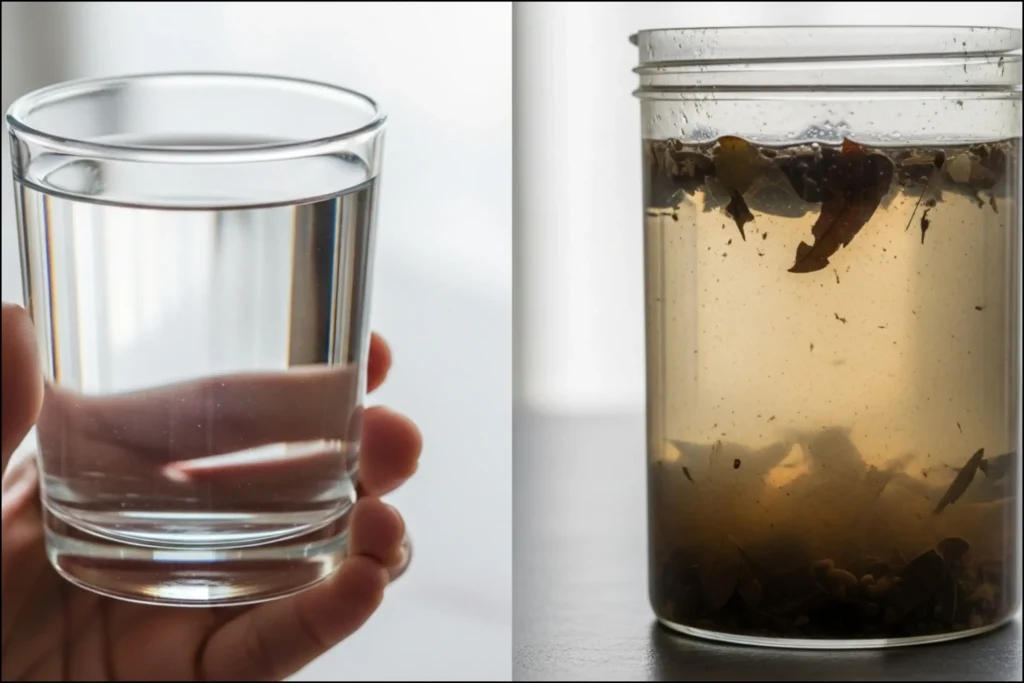
Complete Guide to Potable vs Non-Potable Water: What Every Municipality Should Know
Water is a critical resource for municipalities as they strive to ensure safe and efficient services for their communities. Understanding the difference between potable and non-potable water is crucial for proper water management. This guide delves into essential information that every municipality, engineer, and stakeholder should know about these two categories of water.
The distinction matters most at the point where the two systems meet. A municipality that produces non-potable water for irrigation, cooling, or flushing is operating two separate water systems in the same streets, under the same pavement, serving the same customers — and the entire safety case rests on keeping them apart. Classification determines the treatment required, the regulatory regime that applies, the pipe the water travels in, and the controls that prevent one system from feeding the other. As part of the broader field of reuse and disposal strategies, this page serves as the category hub for potable versus non-potable water: what each classification means, the quality tiers that sit inside the non-potable category, how dual distribution systems are built and protected, and the regulatory framework that governs both.
Understanding Potable Water
To dive into the world of potable water, imagine a glass of clear, crisp water—safe to drink and free from contaminants. Sounds refreshing, right? Yet, this seemingly simple luxury is the result of complex processes that municipalities work diligently to maintain. But what exactly makes potable water so special?
Defining Potable Water
Potable water refers to water that is safe for human consumption. It meets established health standards set by organizations such as the Environmental Protection Agency (EPA) or World Health Organization (WHO). Beyond just being “clean,” potable water must be free from harmful bacteria, toxic substances, and unpleasant tastes or odors.
“Access to safe drinking water is a basic human right and essential for sustainable development.” – United Nations
Potable Water Sources
- Groundwater: Often sourced from underground aquifers, groundwater is naturally filtered through earth layers but requires further treatment to ensure safety.
- Surface Water: Rivers, lakes, and reservoirs serve as surface sources. While abundant, they are susceptible to contamination from agricultural runoff and industrial waste.
- Treated Rainwater: In some regions, rainwater harvesting has become an effective method for augmenting local freshwater supplies.
An interesting case study is the city of San Francisco which leverages rainwater harvesting in urban settings to reduce dependence on traditional sources—a testament to innovation in municipal water systems.
The Treatment Process: More Than Just Disinfection
The journey from raw source to your tap involves several key stages:
- Coagulation and Flocculation: Chemicals are added to bind particles together into larger clumps.
- Sedimentation: These clumps settle at the bottom of treatment tanks.
- Disinfection: Pathogens are eliminated using chlorine or ultraviolet light.
- Filtration: The final step involves removing any remaining particles through sand or carbon filters.
The sophistication of these processes ensures that when you turn on your faucet, you’re assured clean drinking water without a second thought. However, challenges such as lead contamination in drinking water remain persistent concerns in many U.S. communities. Addressing these issues requires ongoing vigilance and investment in infrastructure improvements.
The Role of Public Health Regulations
Pioneering public health regulations have been instrumental in governing potable water safety. Standards enforce routine microbial testing and necessitate emergency response strategies like boil advisories during contamination events. Municipalities holding these reins must balance stringent oversight with the flexibility required to adapt technological advancements like desalination and reverse osmosis filtration systems into their arsenals.
The pursuit of potable perfection may be a continuous battle against contaminants; however, it’s one where municipalities act as unsung heroes safeguarding public health every day.
Non-Potable Water Explained
When it comes to water use, not all H2O is created equal. While municipalities are laser-focused on ensuring safe drinking water, there’s a separate yet equally important category: non-potable water. Spoiler alert: It’s not for your morning coffee.
Non-potable water is essentially any water that isn’t suitable for human consumption. But before you label it as “the black sheep of the water family,” understand its crucial role in various sectors and municipal operations.
What Exactly is Non-Potable Water?
Simply put, non-potable water is untreated or partially treated water that may contain impurities such as microorganisms, chemicals, or waste products. As a result, it’s typically unsafe for drinking but can be used for other purposes.
- Agricultural Uses: One of the most common uses of non-potable water is in agriculture for irrigation purposes.
- Industrial Applications: Factories often use non-potable water in cooling systems or during certain manufacturing processes.
- Sewage and Wastewater Systems: This type of water plays a vital role in municipal wastewater treatment processes such as solid-liquid separation.
- Landscape Irrigation: Community parks and green spaces frequently utilize non-potable sources to keep vegetation lush and beautiful.
Non-Potable Is Not One Category
The definition above is accurate but incomplete in a way that matters for municipal practice, because “non-potable” spans everything from raw untreated stormwater to advanced-treated reclaimed water that falls just short of drinking standards. Reuse regulation handles this by dividing the category into quality tiers, each unlocking a defined set of permitted uses and nothing beyond them.
In the states with the longest-established programs, the tiers run broadly as follows. Undisinfected secondary effluent is limited to restricted uses with no public contact, such as certain fodder and fiber crops. Disinfected secondary effluent, held to a defined coliform standard, extends to restricted-access landscape irrigation and some industrial cooling. Disinfected tertiary effluent — filtered and disinfected to a stringent coliform limit with a turbidity ceiling — permits unrestricted use, including irrigation of parks, schoolyards, and food crops eaten raw. Most municipal reuse programs target that top tier precisely because it removes the operational burden of policing where the water may go.
Two consequences follow for a municipality. The intended end use, not the discharge permit, sets the treatment requirement for the facility producing the water — a point developed further under water reclamation facilities. And tier definitions and their permitted-use lists vary substantially between states, so a program that works in one jurisdiction does not transfer unchecked. The specific end uses each tier unlocks are covered under recycle and reuse of wastewater.
The Importance of Non-Potable Water Management
The effective management of non-potable water can alleviate stress on potable supplies, especially during times of drought. Droughts are becoming increasingly frequent and severe, affecting both potable and non-potable supplies across the nation. This highlights the need for sustainable practices in managing all types of water resources.
In a world where fresh drinking water supplies face increasing pressures, the utilization of non-potable sources becomes not just practical but essential.” – Anonymous Environmentalist
So next time you see those grey pipes labeled ‘Non-Potable,’ remember they’re doing more than just keeping your petunias alive—they’re playing a vital role in sustainable resource management.
Dual Distribution Systems and Cross-Connection Control
The moment a municipality distributes non-potable water through pipes rather than trucking it, it owns two water systems, and the central engineering problem shifts from treatment to separation. The greatest public health risk in a reuse program is not a treatment failure. It is a cross-connection — a physical link, however brief, between the non-potable and potable networks.
Identification and Physical Separation
Reclaimed water infrastructure is conventionally identified by purple: purple pipe, purple valve boxes, purple hydrants, purple tags on appurtenances, and signage at every point of use stating that the water is not for drinking. The colour convention exists so that anyone who opens a trench, repairs a main, or connects a service in ten or thirty years’ time can tell immediately which system they are looking at. Separation is reinforced by specified horizontal and vertical clearances between reclaimed and potable mains, and by requirements that reclaimed lines be laid below potable lines where they cross.
How Cross-Connections Happen
Cross-connections are rarely the result of ignorance about the risk. They arise from ordinary events: a contractor tying a new service into the wrong main; a repair crew restoring a line without confirming which system it belonged to; a customer connecting a hose from an irrigation quick-coupler to a potable spigot; a building’s internal plumbing being modified years after the dual system was commissioned. Since reclaimed distribution frequently operates at a pressure comparable to or above the potable system, an unprotected connection can backfeed continuously rather than only under a transient pressure loss.
The Control Program
Programs manage this through a defined set of measures rather than any single barrier: mandatory dual-system inspection and pressure testing before reclaimed service is activated, periodic re-inspection on a fixed cycle, backflow prevention on the potable service to every reclaimed customer, marked and separated piping throughout, no hose bibbs or drinking fountains on the reclaimed system, and training for both utility staff and contractors working in the right-of-way. Maintaining a disinfectant residual through the reclaimed network is a further requirement, since reclaimed water carries nutrients and the mains are prone to biological regrowth and nitrification if the residual lapses.
The same separation logic applies at building scale, where greywater and blackwater are handled as distinct streams with their own plumbing, treatment, and permitted uses — a subject covered under greywater and blackwater treatment.
Potable vs Non-Potable: Subcategory Overview
Two subject areas sit beneath this category, covering the non-potable side in detail and the definitional distinctions that govern safe use.
Non-Potable Water Sources and Risks
The non-potable side is examined in depth under non-potable water sources and risks, covering where non-potable supply originates — reclaimed effluent, stormwater, greywater, groundwater unsuitable for drinking, and industrial process water — along with the specific hazards each source carries and the treatment methods appropriate to it. This is also where exposure pathways belong: aerosol generation from spray irrigation, incidental ingestion in public spaces, and dermal contact all shape which treatment tier a given use requires, and they explain why two applications consuming the same volume of water can face very different treatment obligations.
Potable vs Non-Potable Water Differences
The definitional and safety distinctions are set out under potable vs non-potable water differences, addressing what separates the two classifications in terms of quality criteria, testing requirements, permitted uses, and the labelling and signage that keep them distinguishable in the field. Where this hub concentrates on the municipal decisions — tiers, dual systems, regulation, and program design — that page concentrates on the underlying distinction itself and on communicating it clearly to the people who encounter both categories daily.
Risks Associated with Contaminated Water
In the grand theater of water management, contaminated water takes on the role of an ominous villain. The risks associated with contaminated water are as vast as the oceans and can have serious implications for public health and municipal systems. So, why is it crucial for municipalities to be acutely aware of these risks? Let’s dive in.
Health Hazards
Contaminated water harbors a plethora of pathogens including bacteria, viruses, and parasites that pose threats to human health. According to the World Health Organization, waterborne diseases account for over 500,000 diarrheal deaths each year worldwide. This is no small splash in the pool of public health issues.
- Bacterial Infections: E. coli and Salmonella are notorious perpetrators in contaminated water incidents.
- Viral Outbreaks: Viruses like Norovirus and Hepatitis A can easily spread through untreated or poorly treated water sources.
- Parasitic Diseases: Cryptosporidium and Giardia find their way into drinking supplies more often than municipalities would like to admit.
Environmental Impact
The ripple effects of using non-potable or untreated water extend beyond human health concerns. Ecosystems suffer when contaminated runoff enters natural waterways, impacting aquatic life and disrupting biodiversity. For instance, agricultural runoff laden with pesticides can devastate local flora and fauna.
Industrial and Economic Repercussions
Mishaps with contaminated water can lead to heavy economic burdens for municipalities due to:
- Treatment Costs: Expenses related to treatment processes such as disinfection in wastewater treatment.
- Public Health Crises: Managing outbreaks requires resources that could otherwise be allocated towards infrastructural improvements.
- Legal Liabilities: Non-compliance with public health regulations could invite steep fines and penalties.
Averting Disaster: A Proactive Approach
The key takeaway here is that municipalities need a robust strategy for managing potable and non-potable water sources effectively. Integrating advanced microbial testing methods and considering innovative treatment approaches could significantly enhance treatment efficiency.
Water reuse is gaining traction as a way to augment potable water supplies in some regions.” — WateReuse.org
The dialogue around potable versus non-potable water isn’t just about science; it’s also about ensuring safe water consumption for communities today while safeguarding resources for tomorrow.
The Role of Municipalities in Water Management
When it comes to managing potable and non-potable water, municipalities are like the unsung heroes quietly working behind the scenes. They ensure that safe water consumption is not just a buzzword but a reality for communities. Let’s dive into the multifaceted role municipalities play and why their responsibilities are as wide-ranging as they are crucial.
Ensuring Potable Water Safety
Municipalities oversee the treatment and distribution of potable water, ensuring it meets public health and safety regulations. The freshwater supply is treated through various disinfection processes, including chlorination, to remove pathogens and contaminants. The goal? To ensure every household has access to clean drinking water, which requires not only effective infrastructure but also vigilant monitoring.
- Water Purification Methods: These include sedimentation, filtration, and disinfection—each designed to eliminate impurities and harmful microorganisms.
- Microbial Testing: Regular microbial testing is essential for ensuring the safety of drinking water supplies.
Managing Non-Potable Water Resources
The municipal role doesn’t stop at drinking water. Non-potable water uses such as greywater recycling and industrial wastewater management require their oversight too. By implementing efficient stormwater management systems, municipalities reduce the risk of flooding while replenishing local aquifers—talk about multitasking!
“Effectively managing non-potable water resources can not only conserve energy but also protect local ecosystems,” notes an article published by the American Water Works Association (AWWA).
Infrastructure Development & Environmental Stewardship
Municipalities face unique challenges when balancing infrastructure development with environmental impact assessments. Whether constructing diversion dams or pipelines, it’s critical that these projects comply with legal frameworks that govern allocation rights and environmental protections.
- Sustainable Practices: Utilizing reclaimed wastewater applications in agriculture and industry can significantly reduce freshwater demand.
- Agricultural Runoff Impact: Addressing agricultural runoff is vital for preventing groundwater contamination—a common issue due to pesticides and fertilizers leaching into water supplies.
The holistic approach taken by municipalities in managing both potable and non-potable water ensures that communities thrive while safeguarding natural resources for future generations. As we continue to face global challenges such as climate change and population growth, these efforts become even more critical.
Innovative Solutions in Water Treatment
In the ever-evolving landscape of water treatment, municipalities and engineers are continually seeking innovative solutions to ensure the safety and sustainability of potable and non-potable water systems. While traditional methods have laid the groundwork, modern technology is pushing the boundaries of what is possible in water purification and management.
1. Advanced Filtration Techniques
Advanced filtration techniques, such as electrochemical ion exchange, have shown remarkable efficiency in removing contaminants from both drinking and non-drinking water sources. These systems utilize electric fields to separate ions, offering a clean alternative to chemical-based treatments.
Example: The city of Los Angeles recently implemented an advanced filtration system that reduced lead levels in their water supply by over 90% within six months.
2. Use of Artificial Intelligence (AI)
Artificial Intelligence is becoming a game-changer in monitoring and optimizing water treatment processes. AI algorithms can predict equipment failures before they happen, reducing downtime and maintenance costs. They also provide real-time data analysis for efficient resource management.
“By utilizing AI, we were able to reduce our energy consumption by 30% within the first year,” stated a report from an Australian municipal water authority.
3. Greywater Recycling Systems
Water scarcity is a growing concern worldwide, leading many municipalities to adopt greywater recycling systems. These systems treat wastewater from baths, sinks, and washing machines, allowing it to be reused for irrigation or industrial purposes without compromising hygiene standards.
- Irrigation: Recycled greywater can be used to maintain parks and public gardens efficiently.
- Industrial Cooling: Factories are increasingly turning towards greywater for their cooling towers.
The city of San Francisco has reported saving approximately 1 billion gallons of freshwater annually by implementing extensive greywater recycling programs.
4. Desalination Advancements
Desalination has long been considered an expensive option for freshwater supply; however, recent technological advances have made it more viable for coastal cities. Innovations such as reverse osmosis advances have significantly decreased energy consumption associated with desalination plants.
The Carlsbad desalination plant in California now provides about 50 million gallons of drinkable water per day using less energy than traditional setups thanks to these advancements, according to the California Department of Water Resources.
The Road Ahead: Merging Tradition with Innovation
The future of potable and non-potable water treatment lies at the intersection of traditional methods like disinfection processes, which remain crucial for ensuring microbial safety, intertwined with cutting-edge technologies that promise greater efficiency and environmental sustainability. Municipalities must embrace these innovations not only as solutions but as investments in public health and ecological preservation.
Public Health Regulations and Standards
In the realm of potable and non-potable water, public health regulations serve as the backbone ensuring safe water consumption. The safety of our drinking water is not just a concern for health departments; it’s a critical factor for municipalities, engineers, and everyone involved in the water treatment process. Understanding the regulations that govern these standards is essential for mitigating contaminated water risks and promoting clean drinking water.
The Importance of Adhering to Standards
Adherence to public health regulations is akin to following a recipe for success—except, in this case, failure could make you sick or worse! Regulations like those set by the U.S. Environmental Protection Agency (EPA) ensure that drinking water meets stringent quality benchmarks.
- Maximum Contaminant Levels (MCLs): These limits are set to control harmful contaminants in drinking water. For example, lead must be kept below 15 parts per billion.
- Water Safety Plans (WSPs): WHO recommends these plans as part of an integrated approach to managing risk in the municipal water system.
- Disinfection Processes: Effective chlorination or innovative disinfection methods are crucial for eliminating pathogens.
A Correction on Lead: Action Level, Not MCL
The lead example above needs correcting, because it describes the wrong kind of standard and the distinction has real operational consequences. Lead has no maximum contaminant level. Its maximum contaminant level goal is zero, and it is regulated instead through a treatment technique — the Lead and Copper Rule — with an action level of 15 parts per billion.
The difference is not semantic. An MCL is a ceiling that must not be exceeded in the water a system delivers. The lead action level is a ninetieth-percentile value calculated across a defined set of sampled taps in homes with lead service lines or lead solder: if more than ten percent of those samples exceed 15 parts per billion, the system must take specified actions, which may include optimising corrosion control, public education, and lead service line replacement. Exceeding it is not itself a violation of a contaminant limit; failing to take the required actions is. Lead also enters water primarily from the service line and household plumbing rather than from the source or the treatment plant, which is why the rule targets corrosion control and pipe replacement rather than treatment for a raw water contaminant. Revisions to the rule have moved toward a lower action level and mandatory service line replacement on a defined schedule, so the current figure and the compliance obligations attached to it should be confirmed against EPA and the state primacy agency.
Real-World Impacts of Non-Compliance
The stakes are high when it comes to regulatory compliance. In 2014, Flint, Michigan became infamous for its failure to adhere to public health standards, resulting in lead-contaminated drinking water that affected thousands of residents.
“Lead exposure can affect nearly every system in your body and is especially harmful to young children.” —Centers for Disease Control and Prevention
The Role of Engineers and Municipalities
If you’ve ever thought that compliance was solely a bureaucratic hurdle, think again! Engineers play a pivotal role in designing systems that meet safety regulations while municipalities must continually monitor and adapt their strategies. From implementing stormwater management systems to exploring advanced techniques like reverse osmosis filtration, proactive measures help maintain robust potable water sources.
The bottom line? Public health regulations are not just guidelines—they’re lifelines that keep our communities safe from the invisible dangers lurking in untreated water.
Comparing the Two Classifications
| Attribute | Potable | Non-potable (reclaimed, tertiary tier) |
|---|---|---|
| Governing statute | Safe Drinking Water Act, federally enforceable | State reuse regulation; discharge under the Clean Water Act |
| Quality basis | Maximum contaminant levels and treatment techniques | Quality tier tied to a permitted-use list |
| Distribution | Standard potable mains and services | Dedicated purple-pipe network, physically separated |
| Identification | Conventional marking | Purple pipe, valve boxes, hydrants, tags, and signage at use |
| Principal safety control | Treatment barriers and residual maintenance | Cross-connection control and dual-system inspection |
| Monitoring focus | Contaminant compliance sampling | Coliform and turbidity against the tier, plus residual |
| Typical end uses | Drinking, cooking, bathing, all domestic use | Irrigation, industrial cooling, toilet flushing, dust control |
Field Notes
Pro Tip
Re-inspect reclaimed customer sites on a fixed cycle, not just at activation. The dual-system inspection performed before service is turned on proves the plumbing was correct on that day. Buildings get renovated, landscapes get re-piped, and contractors who have never seen a purple pipe before make connections years later. Utilities running mature reuse programs treat periodic re-inspection as a standing obligation with the same status as backflow device testing, because the cross-connection that causes an incident is almost never the one that existed at commissioning.
Common Mistake
Treating “non-potable” as a single category. It spans raw stormwater at one end and advanced-treated reclaimed water at the other, and reuse regulation divides it into tiers that each unlock a specific list of permitted uses. Water approved for restricted-access irrigation is not approved for a schoolyard, and a program that supplies one from a system rated for the other has a compliance problem regardless of how the water tests on the day. Establish the intended end uses first, identify the tier each requires, and design the facility to the highest tier being served.
Design Details and Standards
Applicable Standards and References
Potable water in the United States is governed federally by the Safe Drinking Water Act, administered through EPA and state primacy agencies, with National Primary Drinking Water Regulations establishing maximum contaminant levels and treatment techniques, and the Lead and Copper Rule regulating lead through corrosion control and an action level rather than an MCL. Non-potable reuse is regulated primarily at state level: states with established programs define reclaimed water quality tiers and the permitted uses attached to each, and those definitions vary substantially between jurisdictions. EPA publishes Guidelines for Water Reuse as recommended practice rather than enforceable standards. Discharge from a producing facility remains governed by its NPDES permit under the Clean Water Act. Materials in contact with potable water must comply with NSF/ANSI/CAN 61 and NSF/ANSI 372, and onsite non-potable water reuse treatment systems are addressed by NSF/ANSI 350. Dual distribution practice, purple-pipe identification, and cross-connection control follow AWWA standards and manuals of practice together with state plumbing and health codes.
Municipal Checklist
- Define every intended non-potable end use and the exposure it creates.
- Identify the quality tier each use requires under the applicable state regulation.
- Design the producing facility to the highest tier being served.
- Establish the monitoring regime for the tier, separate from the discharge permit.
- Specify purple-pipe identification for all reclaimed infrastructure.
- Specify horizontal and vertical separation from potable mains.
- Require dual-system inspection and pressure testing before service activation.
- Establish a fixed re-inspection cycle for reclaimed customer sites.
- Require backflow prevention on the potable service to every reclaimed customer.
- Prohibit hose bibbs and drinking fountains on the reclaimed system.
- Address disinfectant residual and regrowth in the reclaimed network.
- Train utility staff and right-of-way contractors on system identification.
- Define public signage and customer communication requirements.
Frequently Asked Questions
Is reclaimed water safe to touch?
Water treated to the unrestricted-use tier is approved in states with established programs for irrigating parks, schoolyards, and food crops eaten raw, which necessarily involves incidental contact. It is not approved for drinking, and the controls that keep it separate from the potable system — purple pipe, backflow prevention, dual-system inspection, and signage — are what make the arrangement safe in practice. Water at lower tiers carries access restrictions precisely because contact is not intended.
Why is lead regulated differently from other contaminants?
Because it usually enters the water after the treatment plant, from lead service lines and household plumbing rather than from the source. A ceiling on what the plant delivers would not address it. The Lead and Copper Rule therefore uses a treatment technique built around corrosion control, tap sampling at high-risk homes, a ninetieth-percentile action level, and service line replacement, rather than a maximum contaminant level applied to finished water.
Can non-potable water be made potable?
Yes, through potable reuse, but not by reclassification. Indirect potable reuse places advanced-treated water into an aquifer or reservoir before it is withdrawn and treated again as a drinking water source. Direct potable reuse introduces advanced-treated water into a drinking water system or its treatment train without that environmental buffer, relying on a multi-barrier train with continuous monitoring. Both require meeting drinking water standards and specific regulatory approval well beyond any reuse tier.
What is the biggest risk in running a dual water system?
Cross-connection, by a wide margin. Treatment failures are detectable and correctable; a physical link between the reclaimed and potable networks delivers non-potable water to taps directly, and because reclaimed distribution often runs at comparable or higher pressure, it can backfeed continuously rather than only during a pressure loss. Identification, separation, inspection, and backflow prevention are the controls that address it.
Key Takeaways
- Non-potable is a range, not a category — reuse regulation divides it into quality tiers, and each tier unlocks a specific list of permitted uses and nothing more.
- The end use sets the treatment requirement — not the discharge permit, and usually at a higher standard.
- Cross-connection is the dominant risk in a dual system — purple pipe, separation, inspection, and backflow prevention matter more than any single treatment barrier.
- Lead is an action level, not an MCL — a ninetieth-percentile trigger for corrosion control and service line replacement, because lead enters after the plant.
- Reuse rules are state rules — tier definitions and permitted uses vary enough that a program design does not transfer between jurisdictions unchecked.
- Re-inspect, don’t just commission — the cross-connection that causes an incident is rarely the one present on day one.
Conclusion: Strategic Approaches for Sustainable Water Management
As municipalities navigate the complex landscape of potable and non-potable water management, embracing strategic approaches for sustainable water systems has never been more crucial. Here are some actionable steps that can significantly contribute to achieving a balanced and resilient municipal water system:
1. Prioritize Water Purification and Treatment Processes
- Advanced Filtration Techniques: Implement technologies like reverse osmosis and electrochemical ion exchange to enhance treatment efficiency in both potable and non-potable applications.
- Regular Microbial Testing: Conducting consistent microbial testing ensures that clean drinking water is safe for consumption. Municipalities should follow established guidelines to prevent contamination risks.
2. Efficient Use of Non-Potable Water Sources
- Reclaimed Wastewater Applications: Utilize treated wastewater for industrial processes, landscape irrigation, and agriculture. This not only conserves freshwater but also reduces the strain on natural resources.
- Stormwater Management Systems: Integrate advanced stormwater management techniques to capture rainwater, reducing urban flooding while providing a supplementary source for non-drinking purposes.
3. Legal Frameworks and Public Awareness
- Regulatory Compliance: Ensure adherence to public health regulations by continuously updating local ordinances in line with federal standards.
- Community Engagement: Educate the public on safe water consumption practices through workshops and informational campaigns. Highlighting the importance of sanitation and hygiene practices can lead to more informed communities.
“Efficient management of our water resources is imperative not just for today but for future generations.” – Expert Panel on Urban Water Management, 2022
In conclusion, crafting a robust strategy that emphasizes innovation in purification technologies, optimizes non-potable water use, and fosters strong legal frameworks is essential for sustainable municipal water systems. As we continue to address the global challenges related to water scarcity and quality, these efforts will ensure a secure, reliable supply of both potable and non-potable water for all community needs.
Reduced to a sequence, the municipal logic runs: define the intended non-potable end uses and the exposure each creates, identify the quality tier each use requires under state regulation, build the producing facility to the highest tier served, design the distribution system with identification and separation throughout, establish inspection and backflow controls as standing obligations rather than commissioning tasks, and communicate the distinction clearly to the customers who will live with both systems. In that order, the classification drives the design rather than following it.