
Membrane Filtration Technology for Advanced Wastewater Treatment
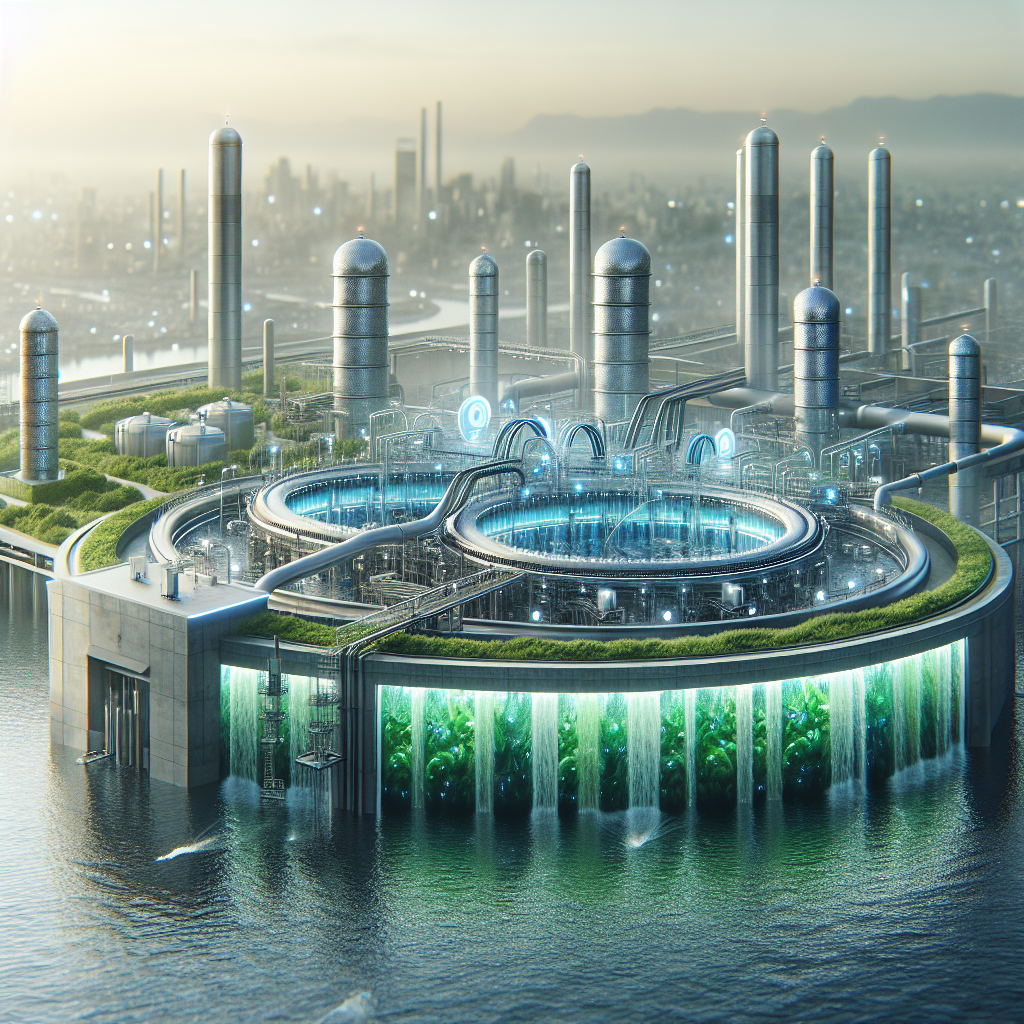
Membrane Filtration Technology for Advanced Wastewater Treatment
Overview of Membrane Filtration Processes
When it comes to membrane filtration wastewater, we’re not just talking about a fancy way to filter out the bad stuff — we’re talking about a revolution in how we treat water. Did you know that over 80% of global wastewater is released untreated? That’s a staggering statistic that highlights the urgent need for advanced treatment technologies like membrane filtration.
Membrane filtration processes are akin to the bouncers of the wastewater world. They let in the good (clean water) while kicking out the bad (contaminants). This article sits within our coverage of membrane filtration in wastewater treatment.
The honest trade-off: membranes buy effluent quality and footprint, and they cost energy. A membrane bioreactor typically consumes meaningfully more energy per unit volume than conventional activated sludge with clarifiers, mostly for membrane scour air and permeate pumping. That is a defensible trade when the plant needs Title 22-class effluent, is expanding within an existing footprint, or is feeding a reuse scheme. It is not a cost-reduction measure, and specifying it as one leads to disappointed utilities.
Types of Membrane Filtration
Membrane filtration isn’t a one-size-fits-all solution. There are several types, each suited for different applications. Let’s break it down:
- Microfiltration (MF): Ideal for removing larger particles like bacteria and suspended solids.
- Ultrafiltration (UF): Targets smaller particles, including viruses and macromolecules.
- Nanofiltration (NF): A step further, effective against divalent ions and larger organic molecules.
- Reverse Osmosis (RO): The heavyweight champion, capable of removing nearly all contaminants including salts.
Choosing the right type of membrane is crucial for optimal wastewater treatment.
How Membrane Filtration Works
Membrane filtration works by pushing wastewater through a semi-permeable membrane under pressure. This process separates contaminants from clean water based on size and charge. The result? Clean water ready for reuse or safe discharge.
Not all membranes are created equal. Materials can vary from polymeric to ceramic, each having its own pros and cons in terms of durability, cost, and fouling resistance.
Fouling – The Nemesis of Membrane Filtration
Fouling might sound like something you’d hear at a baseball game, but in the realm of membrane filtration, it’s a serious issue. It occurs when contaminants build up on the membrane surface, reducing efficiency and increasing operational costs. Regular cleaning protocols and pre-treatment steps are essential to combat fouling.
For MBRs specifically, the single most important pre-treatment item is fine screening ahead of the membranes, typically 2 to 3 mm perforated screens. Hair and fibrous material that passes a coarse bar screen will braid around hollow fibers and is the most common cause of premature membrane damage in municipal installations. Fouling control in operation rests on three routines: relaxation or backpulse cycles, maintenance cleans with hypochlorite for organics and citric or oxalic acid for inorganic scale, and periodic recovery cleans. Transmembrane pressure trended against flux is the parameter that tells operators when a clean is due.
Material Selection for Membrane Filters
When it comes to membrane filtration wastewater, the choice of materials is like choosing the right ingredients for a gourmet dish. Material selection drives durability, though published failure-cause breakdowns vary widely and single percentages are hard to source. That’s not just a statistic; it’s a wake-up call for engineers and operators.
Imagine you’re managing a wastewater treatment plant in a coastal city. Your membranes are tasked with filtering out salts and other contaminants from seawater before it’s reused. If you choose polymeric membranes that aren’t designed for high salinity, you’re not just wasting money — you’re risking the entire operation.
Understanding Membrane Materials
Membrane materials can be broadly categorized into two types: polymeric and ceramic. Each has its own strengths and weaknesses that can make or break your filtration process.
- Polymeric membranes: Generally more cost-effective and flexible but can be prone to fouling.
- Ceramic membranes: More durable and resistant to high temperatures but come with a higher price tag.
Selecting the right material based on your specific wastewater characteristics is essential.
Key Factors in Material Selection
When choosing materials for your membrane filters, consider factors like chemical compatibility, temperature resistance, and fouling tendencies. For instance, if your wastewater contains aggressive chemicals, opting for ceramic over polymeric might be wise.
- Chemical Compatibility: Ensure the membrane can withstand the specific contaminants in your wastewater.
- Temperature Resistance: High temperatures can degrade certain polymers; if your process runs hot, ceramics might be the way to go.
- Fouling Resistance: Some materials are inherently better at resisting fouling than others.
Real-World Applications
A municipality faced with treating industrial effluent opted for ceramic membranes due to their robustness against harsh chemicals. This decision led to reduced downtime and improved water quality — proving that careful material selection pays off!
In summary, selecting the appropriate membrane material is crucial for successful membrane filtration wastewater processes.
Fouling Mechanisms in Membrane Filtration
Did you know that fouling can reduce membrane filtration efficiency by up to 50%? That’s not just a minor inconvenience; it’s a full-blown crisis in the world of wastewater treatment.
Fouling occurs when contaminants cling to the membrane surface, creating a stubborn layer that blocks clean water from passing through. This buildup can come from various sources: organic matter, inorganic particles, or even biological growth.
Types of Fouling
Understanding the types of fouling is crucial for effective membrane filtration wastewater management. Here are the main culprits:
- Organic fouling: Caused by natural substances such as proteins and polysaccharides.
- Inorganic fouling: Results from mineral deposits like calcium carbonate or silica.
- Biofouling: Triggered by microorganisms forming biofilms on the membrane surface.
Each type of fouling requires tailored strategies for prevention and mitigation.
Impact of Fouling on Operations
When fouling occurs, it doesn’t just slow down your filtration process; it also leads to increased energy consumption and higher operational costs. For instance, if a municipal wastewater treatment plant experiences significant fouling, they might need to run their pumps at higher pressures or perform more frequent cleanings, both of which can strain budgets.
Picture a mid-sized city with an aging wastewater treatment facility. Their membranes are frequently clogged due to biofouling from algae blooms in nearby water sources. The plant operators have to deal with constant maintenance issues while also facing public scrutiny over water quality.
Strategies for Mitigating Fouling
There are effective strategies to combat fouling and maintain optimal performance in membrane filtration systems.
In summary, understanding the mechanisms behind fouling is essential for anyone involved in membrane filtration wastewater processes.
Integration of Membrane Technology in Treatment Plants
Imagine a wastewater treatment plant that’s constantly battling the dual challenges of rising regulatory standards and aging infrastructure. Now, picture it integrating membrane filtration technology, effectively transforming its operations and compliance capabilities.
The integration of membrane filtration wastewater systems into treatment plants is no longer a luxury but a necessity for plants facing stringent effluent limits or pursuing water reuse. Membrane technology offers superior contaminant removal while enhancing water reuse potential.
Benefits of Membrane Integration
Let’s break down the benefits that come with integrating membrane technology into existing treatment processes:
- Enhanced Water Quality: Membranes can remove particles as small as viruses, ensuring high-quality effluent.
- Regulatory Compliance: With stricter regulations on effluent quality, membranes help facilities meet or exceed these standards.
- Reduced Footprint: Membrane systems often require less space compared to traditional treatment methods.
- Increased Operational Efficiency: Automated systems can streamline processes and reduce labor costs.
Integrating membrane technology can lead to significant operational savings and improved environmental outcomes.
Challenges in Integration
Integrating membrane filtration isn’t without challenges. One common issue is the initial capital investment required for installation and retrofitting existing plants. Many municipalities may hesitate due to budget constraints or uncertainty about ROI.
A comprehensive cost-benefit analysis can illuminate the long-term savings from reduced energy consumption and lower chemical usage. For instance, a mid-sized city recently upgraded its facility with membrane technology and projected operational savings exceeding $200,000 annually due to decreased maintenance needs and improved energy efficiency.
Real-World Success Stories
Several municipalities have successfully integrated membrane filtration into their wastewater treatment processes. A notable case is a coastal city that faced challenges with high salinity levels in its influent water. By incorporating reverse osmosis membranes, they not only improved water quality but also expanded their reuse program for irrigation purposes.
Regulatory Framework and Compliance Issues
Every time a municipality considers upgrading its wastewater treatment system, it faces a daunting reality: navigating the labyrinth of regulatory frameworks. Most U.S. treatment facilities meet their permit limits; EPA enforcement data shows a minority in significant noncompliance in any given period, not a majority. The pressure driving membrane adoption is different and more specific: tightening nutrient limits, new or lower limits for particular parameters, and reuse requirements that conventional secondary treatment plus filtration cannot reach.
The Regulatory Landscape
The regulatory landscape for wastewater treatment is constantly evolving, driven by environmental concerns and public health standards. The Clean Water Act (CWA) sets the foundation, requiring municipalities to reduce pollutants in their discharges. As regulations tighten, the need for innovative solutions like membrane filtration becomes ever more pressing.
- EPA guidelines on effluent limitations.
- State-level discharge permits that impose additional requirements.
- Local ordinances aimed at protecting water bodies.
Staying compliant isn’t just about avoiding fines; it’s about safeguarding public health and the environment.
Challenges in Compliance
The integration of membrane filtration systems can be a game-changer, but it isn’t without challenges. For instance, municipalities often face budget constraints when trying to meet compliance demands. A common scenario involves an aging facility needing significant upgrades to meet new standards while also managing operational costs.
Some cities have successfully leveraged grant funding or state assistance programs designed specifically for upgrading wastewater treatment systems. This financial support can alleviate some of the burdens associated with initial capital investments required for membrane technology.
Redefining Success Metrics
When evaluating success in compliance, it’s essential not just to focus on meeting minimum standards but also on setting ambitious goals for sustainability and public health outcomes. Membrane filtration can significantly enhance effluent quality, leading to better water reuse opportunities — think irrigation or even potable reuse!
Economic Analysis of Membrane Filtration Systems
Membrane filtration wastewater systems can be a game-changer not just for water quality but also for the bottom line. Membranes generally raise operating cost rather than lower it, so the economic case has to be built on what they make possible: meeting limits that would otherwise require a larger plant, avoiding land acquisition by treating more flow in the same footprint, or producing reuse-quality water that has value or avoids a discharge permit constraint.
Consider a mid-sized city with an aging wastewater treatment plant. They face constant maintenance issues, skyrocketing energy costs, and increasing regulatory pressures. By integrating membrane filtration technology, they could not only enhance their water quality but also drastically cut down on energy consumption and chemical usage.
Cost-Benefit Analysis
A thorough cost-benefit analysis is essential when considering membrane filtration systems. Initial capital investments may seem daunting, but the long-term savings can outweigh these upfront costs. For example, consider the following factors:
- Avoided capital cost where the alternative is expanding tankage or buying land, since MBRs run at much higher mixed liquor concentrations and need less volume.
- Value of reuse-quality effluent, whether sold, used for irrigation or plant process water, or required by a reuse mandate.
- Membrane replacement as a planned cost rather than a surprise: useful life is commonly in the range of seven to ten years, and the sinking fund for replacement belongs in the operating budget from year one.
- Energy and cleaning chemicals as recurring costs that rise, not fall, relative to conventional treatment.
Investing in membrane technology today could yield substantial financial returns tomorrow.
Economic Incentives and Funding Opportunities
Many municipalities are unaware of the economic incentives available for upgrading their wastewater treatment systems. Federal and state programs often provide grants or low-interest loans specifically aimed at improving water infrastructure. By tapping into these resources, cities can alleviate some of the financial burdens associated with transitioning to membrane filtration.
A coastal municipality recently secured funding through a state grant program designed for innovative water technologies. Their investment in membrane filtration not only improved their effluent quality but also allowed them to expand their irrigation program.
Reevaluating Operational Efficiency
The integration of membrane technology allows for greater operational efficiency within treatment plants. Automated systems can optimize processes and reduce labor costs significantly.
| Factor | Traditional Treatment | Membrane Filtration |
|---|---|---|
| Energy Use | Lower | Higher (scour air and permeate pumping) |
| Cleaning Chemicals | Minimal | Routine (hypochlorite, citric or oxalic acid) |
| Maintenance Attention | Clarifier and sludge handling | Scheduled membrane cleans and integrity checks |
| Footprint | Larger (clarifiers, filters) | Smaller |
| Effluent Quality | Secondary to tertiary | Consistently low turbidity, suitable for reuse |
| Sensitivity to Screening | Tolerant | Requires 2-3 mm fine screening |
In summary, as municipalities grapple with aging infrastructure and rising regulatory demands, the economic analysis of membrane filtration wastewater systems reveals compelling advantages that cannot be ignored.
So what should you do next? Start by conducting your own cost-benefit analysis and exploring available funding options.
Future Trends in Membrane Filtration for Wastewater Treatment
The future of membrane filtration wastewater technology is as bright as a freshly cleaned waterway. With an estimated global market growth of over 10% per year, it’s clear that this isn’t just a passing trend. As municipalities and industries grapple with increasing regulatory pressures and the need for sustainable practices, membrane filtration is stepping up to the plate.
Consider this: a mid-sized city facing severe drought conditions has to rethink its wastewater treatment strategy. By investing in advanced membrane technologies, they can not only treat wastewater effectively but also reclaim it for irrigation and other uses. This shift from viewing wastewater as waste to seeing it as a resource is pivotal.
Emerging Technologies
Let’s talk about some of the cutting-edge innovations on the horizon that are set to transform membrane filtration. First up, hybrid systems combining biological treatment with membrane technology are gaining traction. These systems leverage the strengths of both processes. The established version is the membrane bioreactor, which typically runs mixed liquor at roughly 8,000 to 12,000 mg/L against 2,000 to 4,000 in conventional aeration, and operates at a design flux commonly in the range of 15 to 25 litres per square metre per hour for municipal wastewater. Related applications are covered in our articles on membrane filtration in wastewater treatment and wastewater treatment membrane filtration.
Researchers are also exploring the use of nanomaterials in membrane construction. These advanced materials promise improved permeability and fouling resistance, which means fewer headaches for operators down the line.
Smart Membrane Technology
The rise of IoT (Internet of Things) technology is making its way into membrane filtration systems. Imagine membranes equipped with sensors that monitor performance metrics in real-time — operators can receive alerts before issues arise, allowing them to act proactively rather than reactively.
Facilities adopting smart membranes can expect significant operational savings by minimizing downtime and optimizing maintenance schedules based on actual data rather than guesswork.
Sustainability Focus
With climate change at the forefront of global concerns, there’s an increasing emphasis on energy-efficient processes within wastewater treatment. Membrane bioreactors produce consistently high-quality effluent in a small footprint, and the sustainability case rests on water reuse and land savings rather than on energy, since aeration for membrane scour makes them more energy-intensive than conventional treatment. Where energy matters most, the levers are air scour optimization, intermittent scour, and flux management. Drinking water applications are compared in our guide to membrane filtration in water.
Investing in sustainable practices not only enhances compliance but also builds community trust.