
Ozone Systems for Water Treatment: Equipment and Applications
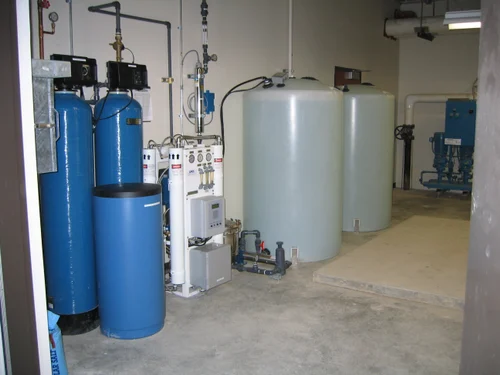
Ozone Diffusers and Contact Tanks: Enhancing Water Treatment Systems
Introduction
In the modern world, as populations grow and industrial activities intensify, the demand for clean and safe water becomes paramount. Water treatment technologies have evolved significantly to meet this need, incorporating advanced systems and methodologies. Two critical components in advanced water treatment processes are ozone diffusers and contact tanks. Together, they play a vital role in ensuring the efficacy of water purification, particularly in eliminating pathogens and organic contaminants. This article delves into the mechanics, benefits, and applications of ozone diffusers and contact tanks, with an in-depth look at how these systems contribute to water treatment efficacy.
Within ozone systems, the diffuser and contact tank are where generated ozone is actually put to work. The generator determines how much ozone is available, but the diffuser and contactor determine how much of it dissolves, how long it stays in contact with the water, and whether the target disinfection credit is achieved.
Understanding Ozone in Water Treatment
Ozone, a triatomic molecule consisting of three oxygen atoms, is a powerful oxidizing agent known for its ability to eliminate microorganisms and organic pollutants. Its application in water treatment is favored due to its strong disinfectant properties, minimal residual effects, and its capacity to improve the taste and odor of treated water.
Advantages of Ozone in Disinfection
- Potency Against Microorganisms: Ozone is more effective than chlorine in inactivating viruses and bacteria, as well as protozoa such as Cryptosporidium and Giardia, pathogens notorious for their resistance to chlorine.
- Reduction of Disinfection Byproducts: Unlike chlorine, ozone does not form harmful chlorinated disinfection byproducts, minimizing the potential health risks associated with treated water.
- Improved Water Quality: Ozone oxidizes organic and inorganic substances, enhancing the clarity, taste, and odor of water.
- Environmental Compatibility: Being unstable, ozone decomposes into oxygen after use, making it an environmentally friendly choice for disinfection.
The Role of Ozone Diffusers
Ozone diffusers are specialized devices designed to disperse ozone gas into water in finely divided particles. The efficiency of ozone transfer into water is critical, as it determines the effectiveness of the disinfection process.
Diffusers receive ozone-bearing feed gas from ozone generators, and the generator’s output concentration directly shapes diffuser design. Corona discharge units fed with high-purity oxygen typically produce feed gas at roughly 6–12% ozone by weight, compared with approximately 1–3% from air-fed units, so an oxygen-fed system delivers the same ozone mass at a much lower gas flow. That lower gas flow allows fewer diffusers, smaller bubbles, and higher transfer efficiency in the contact tank.
Types of Ozone Diffusers
- Porous Diffusers: These utilize porous ceramic or metallic materials to produce fine bubbles that enhance gas transfer rates.
- Venturi Injectors: These exploit the Venturi effect, a principle where a fluid flows through a constricted section, creating suction that draws ozone into the water stream.
- Microporous Diffusers: Similar to porous diffusers but with even finer porosity, leading to greater interfacial surface areas and improved solubilization of ozone.
In smaller installations such as pilot units, aquaculture tanks, and point-of-use systems, the porous element is often supplied as a diffuser stone for an ozone generator, typically a ceramic or sintered stainless steel element sized to the generator’s gas output. In full-scale municipal contactors, porous diffusers are usually mounted in grids across the chamber floor at typical submergence depths of about 18–22 feet, which allows well-designed fine-bubble systems to reach transfer efficiencies commonly cited above 90%.
Mechanisms of Ozone Diffusers
Ozone diffusers work by maximizing the contact area between ozone and water. The size and distribution of ozone bubbles play a crucial role in optimizing the mass transfer of ozone into the liquid phase. Smaller bubbles increase the surface area for mass transfer, thereby enhancing the solubilization rate of ozone into the water.
- Turbulence and Mixing: As bubbles rise, they create turbulence which helps in the homogeneous distribution of ozone, ensuring uniform disinfection throughout the water body.
- Gas-Liquid Interface: Diffusers aim to maximize the gas-liquid interface, promoting efficient mass transfer of ozone into the dissolved phase where it can react with contaminants.
- Mass Transfer Coefficients: Optimized diffusers enhance the mass transfer coefficients, a key parameter dictating the rate at which ozone dissolves into water, thus influencing the overall effectiveness of the treatment process.
Design Considerations for Ozone Diffusers
To achieve maximum efficiency, several factors must be considered in the design and operation of ozone diffusers:
- Materials: Ozone is highly reactive; thus, materials used in the construction of diffusers should resist oxidation. Stainless steel, titanium, and certain polymers are commonly used.
- Bubble Size: The generation of microbubbles is preferable as they offer higher surface area, improving mass transfer rates and reducing ozone consumption.
- Flow Dynamics: Proper flow design helps avoid dead zones where ozone might not effectively disperse, ensuring comprehensive water treatment.
- Operational Parameters: Adjustments in pressure, temperature, and diffuser submergence impact the performance and should be optimized per specific water treatment requirements.
CT Contact Time Calculator
Calculate CT achieved or required disinfectant residual for regulatory and design checks.
CT Achieved: mg·min/L
Required Residual from CT: mg/L (as Cl₂)
Contact Tanks: Facilitating Optimal Reactions
While ozone diffusers introduce ozone into the water, contact tanks are integral in allowing sufficient time for the ozone to react with contaminants, ensuring comprehensive disinfection and removal of organic materials.
Functions of Contact Tanks
- Ozone Contact Time: These tanks provide an environment where ozone can remain in contact with water long enough to exert its full oxidizing potential.
- Mixing and Homogenization: They ensure thorough mixing of ozone and water, maximizing interaction between the ozone molecules and microbial organisms or pollutants.
- Reduction of Short Circuiting: Well-designed tanks reduce short-circuiting, where water might bypass the intended treatment path, potentially undermining disinfection efficacy.
Design Features of Contact Tanks
- Baffling: Incorporating baffles within tanks increases the flow path length, enhancing contact time and mixing efficiency. This design minimizes the potential for channeling and stagnant zones.
- Retention Time: It’s imperative that contact tanks are designed to maintain adequate retention time, typically between five to twenty minutes, as dictated by water quality parameters and ozone dosage.
- Hydraulic Design: Tanks must facilitate uniform distribution and prevent preferential flow paths, assuring a constant residence time for all water passing through the system.
Integration of Ozone Diffusers and Contact Tanks in Water Treatment Systems
The synergy between ozone diffusers and contact tanks creates a robust framework for water purification. By marrying efficient ozone transfer (diffusers) with proper reaction times (contact tanks), the system can guarantee the reliable removal of pathogens and pollutants.
Practical Applications
- Municipal Water Treatment: Ozone systems are widely used in municipal water treatment to ensure safe drinking water free from pathogens and undesirable tastes or odors.
- Wastewater Treatment: In handling industrial effluents, these systems oxidize complex organic molecules, aiding in reducing the chemical oxygen demand (COD) and biochemical oxygen demand (BOD).
- Aquaculture: Ensuring water quality in fish farming is crucial, with ozone employed to control microbial load and ensure a healthy environment for aquatic life.
- Beverage Industry: Ozone treatment is applied in the production of bottled water and soft drinks for its efficiency in sterilizing water without leaving residuals that could alter the product’s taste.
Challenges and Considerations
- Cost Implications: Ozone generation and system maintenance can be costly, particularly in energy consumption and initial installation.
- Corrosion and Material Degradation: The reactivity of ozone necessitates the use of resistant materials, which can increase costs.
- Byproduct Formation: Despite reduced formation compared to chlorination, ozonation can produce byproducts like bromates when bromide is present in source water, demanding careful monitoring.
- Operational Expertise: Efficient operation of ozone systems demands skilled personnel to manage dosage, maintenance, and monitoring of ozone levels.
Future Directions and Innovations
- Enhanced Materials: Development in materials science aims to produce more efficient and durable materials for diffusers and tanks, improving longevity and reducing costs.
- Automated Control Systems: Integration of sensors and automation provides real-time monitoring and responsiveness, optimizing performance and efficiency.
- Hybrid Systems: Combining ozonation with other treatment processes like UV or biological treatments could further enhance overall disinfection effectiveness and target a broader range of contaminants.
- Environmentally Friendly Approaches: Continuous research aims to minimize energy usage and byproduct formation, further cementing ozone as a sustainable option in water treatment.
Conclusion
Ozone diffusers and contact tanks stand as pillars of modern water treatment technology. Through highly effective disinfection and contaminant reduction, these systems ensure water safety and quality across diverse applications. As innovation drives further advancements, the role of these technologies in securing water resources will likely expand, contributing to the sustainable management of one of the world’s most vital resources.