
- Home
- Water
- Water Quality: Essential Insights and Health Impacts
- Monitoring: Essential Strategies for Enhanced Data Security
- Contaminants and Contamination: Understanding Their Sources and Impact
- Standards: Elevating Professional and Industry Benchmarks
- FAQs: Comprehensive Answers to Common Questions
- Physical Water Treatment: Modern Techniques and Benefits
- Activated Carbon Filtration in Water: Essential for Clean, Safe Drinking Supplies
- Ultraviolet (UV) Disinfection in Water: Ensuring Safe and Clean Drinking Water
- Sand Filtration in Water: A Comprehensive Guide to Clean Drinking Solutions
- Ceramic Filtration: Effective Solutions for Clean Water
- Gravity-Based Filtration: Enhancing Water Purity with Simple Technology
- Membrane Filtration in Water: Improving Purity and Efficiency
- Sedimentation: Causes, Impacts, and Prevention Strategies
- Chemical Water Treatment: Essential Methods for Safe and Clean Water
- Coagulation and Flocculation: Essential Techniques for Water Treatment
- pH Adjustment: Essential Techniques for Maintaining Optimal Water Quality
- Chlorination: Essential Methods for Safe Water Treatment
- Ion Exchange: Essential Mechanism for Water Purification
- Ozonation: Advanced Water Purification Method Explained
- Biological Filtration: Enhancing Water Quality Through Natural Processes
- Water Supply: Ensuring Sustainable Future Solutions
- Water Conservation: Essential Strategies for Sustainable Living
- Water Management: Strategies for Sustainable Usage
- Water Quality: Essential Insights and Health Impacts
- Wastewater
- Wastewater Treatment
- Preliminary Treatment
- Screening
- Bar Screening
- Band Screen Wastewater Solutions: Effective Fine Screening Techniques
- Basket Screen Wastewater Solutions: Enhancing Treatment Efficiency
- Drum Screening
- Fine Screens in Wastewater Treatment: Enhancing Solid Removal Efficiency
- Microscreens in Wastewater Treatment: Enhancing Filtration Efficiency
- Parabolic Screen in Wastewater Treatment: Enhancing Solid-Liquid Separation Efficiency
- Static Screen in Wastewater Treatment: Efficiency and Application Overview
- Climber Screens in Wastewater Treatment: Enhancing Solid Waste Removal
- Step Screen in Wastewater Treatment: Enhancing Solid-Liquid Separation Efficiency
- Comminution in Wastewater Treatment: Enhancing Efficiency and Process Reliability
- Grit Removal in Wastewater: Essential Processes and Best Practices
- Screening
- Primary Treatment in Wastewater: The First Step in Pollution Control
- Sedimentation in Wastewater Treatment: The Efficient Separation Strategy
- Discrete Settling in Wastewater: Understanding the Separation Process
- Flocculent Settling in Wastewater: Understanding the Process and Benefits
- Zone Settling in Wastewater Treatment Processes: Understanding the Mechanism
- Compression Settling in Wastewater: Fundamental Principles and Management Strategies
- Primary Clarifiers in Wastewater: Understanding Their Role in Treatment Processes
- Circular Primary Clarifier in Wastewater Treatment: Essential Functions and Design Principles
- Parallel Plate Settlers in Wastewater Treatment: Efficiency and Design Principles
- Tube Settlers in Wastewater Treatment: Enhancing Clarification Efficiency
- Offset Clarifiers in Wastewater Treatment: Enhancing Clarity and Efficiency
- Rectangular Primary Clarifier in Wastewater Treatment: Efficiency and Design Principles
- Dissolved Air Flotation (DAF) in Wastewater: Enhancing Treatment Efficiency
- Full Flow DAF Systems: Revolutionizing Wastewater Treatment Efficiency
- Partial Flow DAF Systems: Advancing Wastewater Treatment Efficiency
- Recycle Flow DAF Systems: Enhancing Wastewater Treatment Efficiency
- Packed Column DAF: Advancing Water Treatment Efficiency
- Subsurface Release DAF Systems: Innovations in Wastewater Treatment
- Dispersed Release DAF Technology: Revolutionizing Wastewater Treatment
- Sedimentation in Wastewater Treatment: The Efficient Separation Strategy
- Secondary Treatment in Wastewater: Understanding the Biological Process
- Biological Treatment in Wastewater: Harnessing Microorganisms for Clean Water Solutions
- Rotating Biological Contactors: An Overview of Wastewater Treatment Efficiency
- Membrane Bioreactors (MBR): Advancing Wastewater Treatment Technology
- Anaerobic Digestion: Effective Waste Management for Renewable Energy
- Anaerobic Digestion in Wastewater Treatment: Optimizing Energy Recovery
- Lagoons in Wastewater Treatment: Sustainable Natural Solutions
- Constructed Wetlands in Wastewater Treatment: Nature’s Solution for Water Purification
- Activated Sludge Process in Wastewater Treatment: An Efficient Biological Methodology
- Trickling Filters in Wastewater Treatment: An Efficient Biofiltration Solution
- Sequencing Batch Reactors: Advancements in Wastewater Treatment Technology
- Aeration in Wastewater Treatment: Enhancing System Efficiency and Water Quality
- Surface Aerators in Wastewater Treatment: Optimization and Efficiency
- Submerged Diffuser Systems in Wastewater Treatment: Enhancing Effluent Disposal Efficiency
- Vertical Loop Reactors in Wastewater Treatment: Enhancing Efficiency and Sustainability
- Small Bubble Aerators in Wastewater: Enhancing Treatment Efficiency
- Jet Aerators in Wastewater Treatment: Enhancing Efficiency and Aeration Performance
- Cascade Aerators in Wastewater Treatment: Enhancing Oxygenation Efficiency
- Secondary Clarification in Wastewater: Enhancing Effluent Quality
- Circular Clarifiers in Wastewater: Essential Components for Water Treatment Efficiency
- Rectangular Clarifiers in Wastewater Treatment: Efficiency and Design Essentials
- Hopper Bottom Clarifiers in Wastewater Treatment: Efficiency and Design Essentials
- Solids Contact Clarifiers: Enhancing Wastewater Treatment Efficiency
- Lamella Clarifiers in Wastewater Treatment: Efficiency and Design Essentials
- Biological Treatment in Wastewater: Harnessing Microorganisms for Clean Water Solutions
- Tertiary Treatment in Wastewater: Ensuring Water Quality and Environmental Safety
- Advanced Treatment in Wastewater: Emerging Technologies and Methods
- UV Disinfection in Wastewater: Effective Strategies for Pathogen Reduction
- Low Pressure UV Systems in Wastewater Treatment: Efficiency and Advantages
- Medium Pressure (MP) UV Systems in Wastewater Treatment: Efficiency and Applications
- Amalgam UV Systems in Wastewater Treatment: Advancements and Efficiency
- Pulsed UV Systems in Wastewater Treatment: Revolutionizing Disinfection Processes
- Smart UV Control in Wastewater Treatment: Enhancing Efficiency and Safety
- Light-Emitting Diode (LED) UV Systems in Wastewater Treatment: Efficiency and Applications
- Ozonation in Wastewater Treatment: Understanding the Purification Process
- Fixed Bed Ozone Reactors in Wastewater Treatment: Efficiency and Application
- Ozone Retention Tanks in Wastewater Treatment: Enhancing Water Quality and Safety
- Sidestream Ozone Injection in Wastewater: Enhancing Treatment Efficiency and Water Quality
- Ozone Laundry Systems in Wastewater Treatment: Enhancing Efficiency and Sustainability
- Vacuum Degasification in Wastewater Treatment: Principles and Applications
- Bubble Diffuser Contactors in Wastewater Treatment: Efficiency and Application
- Ozone Generators in Wastewater Treatment: Efficiency and Applications
- Advanced Oxidation Processes in Wastewater Treatment: Efficiency and Innovation
- Ozonation in Wastewater Treatment: Efficient Disinfection and Organic Removal
- UV/H2O2 in Wastewater Treatment: Harnessing Advanced Oxidation Processes
- Fenton Process in Wastewater Treatment: Efficiency and Application
- Wet Air Oxidation in Wastewater Treatment: Efficiency and Process Insights
- Photocatalysis in Wastewater Treatment: Innovative Approaches for Purification
- Electron Beam Irradiation in Wastewater Treatment: Unlocking Advanced Purification Methods
- Ultrasonic Irradiation in Wastewater Treatment: Efficiency and Applications
- Ion Exchange: Essential Mechanism for Water Purification
- Cation Exchange in Wastewater Treatment: Principles and Applications
- Anion Exchange in Wastewater Treatment: Understanding the Process for Cleaner Effluents
- Ammonia Exchange in Wastewater: Essential Processes and Technologies
- Boron Selective Resins in Wastewater Treatment: Advances and Applications
- Mixed Bed Ion Exchange in Wastewater Treatment: Efficiency and Application
- Electrochemical Ion Exchange in Wastewater: Enhancing Treatment Efficiency
- UV Disinfection in Wastewater: Effective Strategies for Pathogen Reduction
- Sludge Treatment in Wastewater: Enhancing Efficiency and Reducing Environmental Impact
- Thickening in Wastewater Treatment: Optimizing Sludge Management
- Gravity Thickeners in Wastewater Treatment: Enhancing Efficiency and Sustainability
- Dissolved Air Flotation (DAF) in Wastewater: Enhancing Treatment Efficiency
- Rotary Drum Thickeners in Wastewater Treatment: Maximizing Efficiency and Cost-Effectiveness
- Gravity Belt Thickeners in Wastewater Treatment: Enhancing Efficiency and Sustainability
- Centrifuges in Wastewater Treatment: Enhancing Efficiency and Purity
- Cloth Media Filters in Wastewater Treatment: Efficiency and Applications
- Screw Presses in Wastewater Treatment: Efficiency and Applications
- Digestion in Wastewater Treatment: Processes and Benefits
- Autothermal Thermophilic Aerobic Digestion (ATAD): Enhancing Wastewater Treatment Efficiency
- Composting in Wastewater Treatment: Enhancing Sustainability Practices
- Alkaline Stabilization in Wastewater Treatment: Enhancing Process Efficiency and Safety
- Thermal Hydrolysis in Wastewater Treatment: Enhancing Sludge Management Efficiency
- Microwave Irradiation in Wastewater Treatment: An Innovative Approach
- Anaerobic Digestion in Wastewater Treatment: Optimizing Energy Recovery
- Aerobic Digestion in Wastewater Treatment: Efficiency and Process Insights
- Dewatering in Wastewater Treatment: Essential Methods and Benefits
- Belt Filter Presses in Wastewater Treatment: Maximizing Efficiency and Performance
- Plate and Frame Presses in Wastewater Treatment: Efficiency and Application
- Rotary Fan Presses in Wastewater Treatment: Efficient Sludge Dewatering Solutions
- Drying Beds in Wastewater Treatment: An Overview of Sludge Management Techniques
- Reed Beds in Wastewater Treatment: Sustainable Purification Methods
- Centrifuges in Wastewater Treatment: Enhancing Efficiency and Purity
- Thickening in Wastewater Treatment: Optimizing Sludge Management
- Reuse and Disposal: Strategies for Sustainable Waste Management
- Non-Potable Water in Wastewater: Sources, Risks, and Treatment Methods
- Graywater in Wastewater Treatment: Sustainable Reuse and Management Practices
- Blackwater in Wastewater Treatment: Understanding the Challenges and Solutions
- Stormwater in Wastewater Treatment: Managing Runoff Contamination Risks
- Industrial Wastewater Management: Strategies for Sustainable Treatment and Reuse
- Agricultural Wastewater Management: Challenges and Solutions
- Non-Potable Water in Wastewater: Sources, Risks, and Treatment Methods
- Industrial Wastewater Management: Strategies for Sustainable Treatment and Reuse
- Municipal Wastewater Management: Strategies for Sustainable Urban Water Treatment
- Treatment Technologies in Wastewater: Advancements in Modern Medical Therapies
- Preliminary Treatment
- Wastewater Management Strategies for Sustainable Urban Environments
- Wastewater Disposal Strategies: Best Practices for Environmental Safety
- Wastewater Treatment
- US Wastewater Plants
- Online Calculators
- Sodium Hypochlorite Dosing Calculation
- Equalization (EQ) Tank Sizing Calculator
- Contact Time Calculator
- Flow Conversion & Pump Reference Calculator
- Aeration / Energy Estimation Calculator
- Clarifier Surface Loading Calculator
- Sludge Production / Solids Calculator
- Chemical Storage Volume Calculator
- Centrate Sidestream Load Impact Calculator
- Our Services
- Newsletter Signup
- Blog
Pumping Stations in Wastewater: Essential Infrastructure for Water Management
- Pumping Stations
-
Jan 11
- Share post
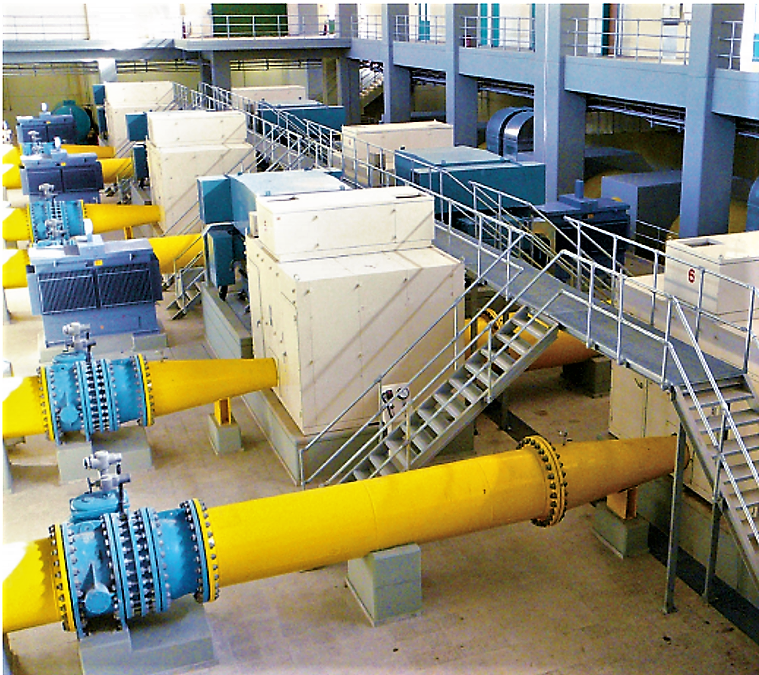
Pumping Stations: Design, Operation, and Role in Water Management Systems
Pumping stations are crucial components in water management systems, playing a pivotal role in transporting water and wastewater from one location to another. They are designed to handle a variety of fluids, including fresh water, sewage, and stormwater.
These facilities move liquids from low to high elevations, across long distances, or between treatment processes. Pumping stations range from compact systems handling small volumes to large-scale installations that form the backbone of urban water infrastructure.
The design and operation of pumping stations require careful engineering. Factors such as station capacity, fluid characteristics, travel distance, and elevation must be considered. Well-designed stations incorporate reliable pump technologies, odor and noise control measures, environmental safeguards, and strict safety compliance.
Key Takeaways
- Pumping stations enable fluid movement throughout water management systems.
- Design and operation depend on pump technology, hydraulics, and structural planning.
- Environmental impact, safety, and regulatory compliance are critical to long-term performance.
Types of Pumping Stations
Pumping stations overcome gravitational and geographic challenges by moving water where gravity alone cannot. The two primary types are wastewater pump stations and stormwater pump stations, each serving a distinct purpose.
Wastewater Pump Stations
Wastewater pump stations, also known as sewage lift stations, transport wastewater from lower elevations to higher points, allowing it to reach treatment facilities. Municipal systems rely on these stations to manage sewage from residential, commercial, and industrial sources.
Key Components:
- Pumps
- Pipes
- Control valves
- Electrical and control systems
Most wastewater pump stations include wet wells that temporarily store incoming sewage before pumping. Proper design and maintenance are essential to prevent blockages, overflows, and public health risks.
Stormwater Pump Stations
Stormwater pump stations manage excess runoff during heavy rainfall or storm events. Their primary purpose is flood prevention, redirecting water away from populated areas to controlled discharge points.
Main Features:
- Storage basins
- High-capacity pumps
- Automated control mechanisms
Effective stormwater pumping stations are critical to urban resilience, protecting infrastructure, property, and human life during extreme weather events.
Design Considerations
Successful pumping station design depends on careful coordination of hydraulic, mechanical, and structural elements. Each plays a role in ensuring reliability, efficiency, and longevity.
Hydraulic Design
Hydraulic design ensures efficient fluid movement through the system. Capacity calculations must account for peak flows, including storm surges or high-demand periods. Flow velocity is also critical—too slow can cause sediment buildup, while excessive speed can damage pipes.
Mechanical Components
Mechanical components include pumps, valves, and control systems. Pumps must handle solids without clogging, operate efficiently, and be compatible with the fluid type, especially in wastewater applications.
Reliability and serviceability are essential to minimize downtime and long-term maintenance costs.
Structural Design
Structural design focuses on the physical infrastructure supporting hydraulic and mechanical systems. This includes wet well sizing, access for maintenance, flood protection, and seismic resilience in earthquake-prone regions.
Operations of Wastewater Pumping Stations
Wastewater pumping stations, commonly called lift stations, move sewage from low-lying areas to treatment plants. Their operation relies on coordinated mechanical systems and automated controls.
A typical station includes a wet well, lifting pumps, float switches, valves, and a centralized control panel. Wastewater levels are continuously monitored to prevent overflow or equipment failure.
Typical Operational Sequence:
- Collection: Wastewater enters the wet well.
- Sensing: Sensors detect rising water levels.
- Activation: Pumps start automatically at preset thresholds.
- Discharge: Wastewater is pumped to the next stage.
Control panels manage pump cycles and activate alarms for abnormal conditions such as high water levels or mechanical failure. Proper piping and check valves ensure unidirectional flow and prevent backflow.
Effective operation depends on consistent monitoring, automation, and coordination between mechanical and control systems.
Flow Conversion & Pump Reference Calculator
Convert between MGD, GPM, and cfs with quick pump reference values.
Flow: MGD
Flow: GPM
Flow: cfs
Pump Reference: GPM per pump
Pump Reference: MGD per pump
Maintenance Strategies
Effective maintenance is essential to ensure the reliability and longevity of pumping stations, particularly those used for wastewater lifting. Maintenance approaches typically fall into two categories: preventative and corrective.
Preventative Maintenance
Preventative maintenance focuses on early detection and routine servicing to avoid costly failures.
- Lubrication: Reduces wear on moving components.
- Cleaning: Prevents blockages and corrosion.
- Monitoring: Tracks performance data to identify emerging issues.
| Frequency | Task |
|---|---|
| Daily | Visual inspections and checks for leaks or abnormal noise |
| Monthly | Testing alarms and backup systems |
| Annually | Comprehensive inspection and equipment servicing |
Corrective Maintenance
Corrective maintenance addresses failures when they occur and requires rapid, skilled response.
- Rapid Response: Minimizes downtime during emergencies.
- Spare Parts: Ensures quick replacement of failed components.
- Technical Expertise: Enables accurate diagnosis and repair.
Cost Estimation and Financial Planning
Cost estimation for pumping stations must account for the entire lifecycle—from design through long-term operation.
Initial Costs:
- Design and engineering
- Land acquisition
- Construction and equipment
Operational Costs:
- Maintenance
- Energy consumption
- Staffing
Contingency budgets typically range from 5–10% of total costs to cover unexpected expenses.
Pump Technologies
Pump selection is critical to station performance, especially in wastewater applications.
Selection of Pump Type
- Centrifugal Pumps: Common, efficient, and suitable for most applications.
- Positive Displacement Pumps: Used for thicker or more challenging fluids.
Efficiency Considerations
- Pump Design: Optimized impellers and rotors reduce energy loss.
- Motor Efficiency: High-efficiency motors and variable frequency drives lower operating costs.
Treatment Processes at Pump Stations
Pump stations may include preliminary or limited primary treatment to protect equipment and reduce load on treatment plants.
Preliminary Treatment
Bar screens and grinders remove large debris and solids before pumping.
Primary Treatment
Some advanced stations incorporate sedimentation to remove settleable and floatable materials.
Managing Odor and Noise
Odor Management:
- Containment and carbon filtration
- Chemical scrubbers
- Biological odor treatment systems
Noise Reduction:
- Soundproofing and acoustic barriers
- Low-noise equipment selection
- Vibration control measures
Environmental Impact and Sustainability
Pumping stations consume significant energy and require careful environmental management.
- Energy-efficient pumps and renewable power sources reduce emissions.
- Noise mitigation protects communities and wildlife.
- Careful chemical use minimizes environmental risk.
- Durable materials extend infrastructure lifespan.
Safety and Regulations
Strict safety and regulatory standards govern pump station design and operation.
- Redundant systems and backup power are required.
- Standard operating procedures reduce risk.
- Environmental compliance prevents contamination.
- Emergency response plans ensure rapid action.
Case Studies and Best Practices
- Capacity planning for future growth
- High-efficiency pump selection
- Redundant systems for reliability
- Energy Retrofi
- categories
- challenge
- Cost Estimation
- Design Considerations
- Environmental Impact
- Environmental Sustainability
- Financial Planning
- flood prevention
- hydraulic design
- Infrastructure
- Maintenance
- Maintenance Strategies
- management
- Mechanical Components
- Monitoring
- Noise Reduction
- odor control
- operations
- physical
- pollution
- process
- Pump Technologies
- pump technology
- Pumping Stations
- Safety and Regulations
- Safety Regulations
- Stormwater
- stormwater management
- stormwater pump stations
- strategies
- structural design
- sustainable
- treatment
- Wastewater
- Wastewater Management
- wastewater pump stations
- Wastewater Treatment Plant
- water
- water infrastructure
- water management
- water management systems
- water treatment