
Preliminary Treatment of Wastewater: Screening, Grit Removal & Equalization
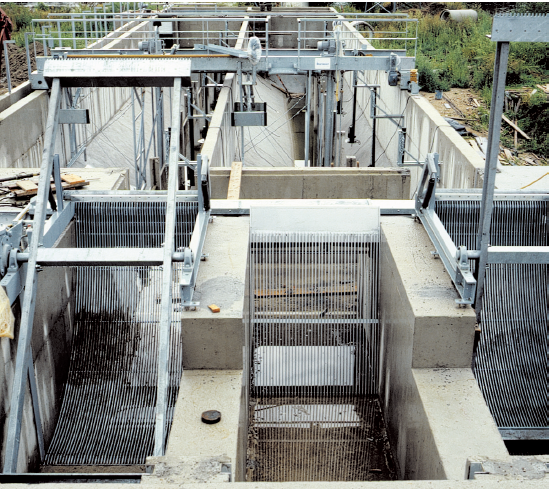
In the sphere of wastewater treatment, screening serves as an indispensable preliminary treatment step, aimed at sieving out debris and solids from the water. This process not only protects the equipment further down the treatment line from potential damage but also assists in the overall reduction of downstream processing challenges and improves the effectiveness of subsequent treatment phases. Screening selections are guided by factors such as wastewater characteristics, environmental considerations, and regulatory requirements, forming a crucial facet in the design and operation of water treatment plants.
Mechanical screens, which include rotary drums and vortex-type systems, are frequently chosen for their efficiency in handling large volumes of wastewater. They facilitate the removal of a varied spectrum of materials, from leaves and paper to heavier grit and sediments, with their operational complexity and costs varying accordingly. Manual and static screening options also exist, providing simpler and more cost-effective solutions where appropriate. Advances in screening technology continue to optimize the efficiency of this process, highlighting the importance of routine maintenance and innovative design to ensure the longevity and reliability of these systems.
Screening is the lead process in a wider preliminary treatment stage that also encompasses grit removal and flow equalization. Each of these unit processes protects the plant in a different way, and their performance is interdependent: poor screening loads the grit system with rags, inadequate grit removal abrades every downstream mechanism, and absent equalization forces all three to be sized for a peak that could have been damped. This guide serves as the master reference for that stage, with the Subcategory Overview below mapping each discipline to its dedicated resource.
Key Takeaways
- Screening is a critical first step in wastewater treatment to remove solids and protect downstream processes.
- A variety of screening options, including mechanical and manual methods, cater to different treatment needs and capacities.
- Technological advancements and proper maintenance are vital for the efficient operation of screening systems in water treatment plants.
Subcategory Overview: The Preliminary Treatment Stage
Preliminary treatment comprises a small number of unit processes that share one purpose: conditioning raw influent so that the mechanical and biological processes downstream can operate as designed. The subsections below introduce each and link to its dedicated resource.
Preliminary Treatment Overview
The preliminary treatment stage sits between the plant influent and primary treatment, and its unit processes are defined by what they protect rather than by what they remove. Screening captures rags, plastics, and bulk debris that would foul pumps and blind downstream equipment. Grit removal takes out sand, gravel, and other dense inorganic material that abrades impellers and accumulates in basins. Flow equalization damps hydraulic and load peaks so that every process downstream can be sized and operated against a narrower range of conditions. Because the stage handles the dirtiest, most variable water in the plant, and because its failures propagate everywhere downstream, preliminary treatment repays design attention out of proportion to its share of capital cost. The stage-level overview linked from the introduction develops how these processes fit together and how the sequence is selected for a given facility.
Screening Equipment
Screening equipment spans a range of mechanical classes, of which bar screens are the most common and the usual first stage. Bar racks and mechanically cleaned bar screens use parallel bars at fixed clear spacing, typically 6 to 50 mm depending on duty, cleaned by a chain-driven or reciprocating rake. Beyond bar screens, the equipment family includes step screens, which lift solids on interleaved moving and fixed lamellae; band and traveling screens for high-flow duty; rotary drum and internally fed drum screens for fine capture in a compact footprint; and perforated plate screens where a defined aperture rather than a bar gap governs capture. Selection turns on required aperture, channel geometry, screenings quantity, and the degree of automation the plant can support, and the dedicated resource develops each class in detail.
Grit Removal
Grit removal targets sand, gravel, eggshell, coffee grounds, and similar dense inorganic material with settling velocities distinctly higher than organic solids, and it exists because grit is relentlessly abrasive to every pump, mixer, and conveyor it reaches. The principal configurations are aerated grit chambers, which use a controlled spiral roll to separate grit from organics; vortex or induced-vortex units, which are compact and widely used in new construction; and horizontal-flow channels, the traditional approach requiring careful velocity control near 1 ft/s. Conventional systems are designed around a nominal 0.21 mm particle at 2.65 specific gravity, but real municipal grit is often finer and lighter than that reference, which is why measured removal frequently falls short of design. Downstream washing and classification matter as much as capture, since grit conveyed with high organic content creates odor and disposal problems.
Flow Equalization
Flow equalization uses storage volume to convert a variable influent into a more uniform feed, damping both hydraulic peaks and the organic load swings that accompany them. In-line configurations pass the entire flow through the basin and give the greatest damping, while side-line configurations divert only the flow above a setpoint and require less volume but deliver less load smoothing. Volume is sized from a cumulative inflow mass diagram across the design day rather than from a rule of thumb, and volumes equivalent to 10 to 25 percent of average daily flow are common in municipal service. Basins require mixing to prevent solids deposition and, in many cases, aeration to prevent the stored wastewater from turning septic and generating odor. The benefit compounds downstream: equalized flow allows smaller clarifiers, steadier chemical dosing, and biological processes that are not repeatedly shocked.
Fundamentals of Screening in Wastewater Treatment
Screening is an essential first step in the wastewater treatment process, designed to protect the subsequent stages from damage and inefficiency. It involves the removal of large particles and debris which can cause blockages and wear.
Purpose of Screening
The primary purpose of screening is to safeguard the operation of wastewater treatment facilities. By removing larger solids from the flow, screens protect pumps, pipes, and other mechanical components from damage and clogs. The design of screens in wastewater treatment takes into account factors like flow rate, load, and the types of solids anticipated.
Types of Screens
- Coarse Screens: These are used to remove bulky solids and are characterized by larger openings. Coarse screens are typically the first line of defense in the screening process. By convention, coarse screening covers apertures of 6 mm and above, with bar racks at the upstream end of pump stations often using clear spacings of 25 to 75 mm.
- Fine Screens: After the coarse screening, fine screens come into play to eliminate smaller particulates. These screens have much smaller openings and capture debris that the coarse screens may miss. Fine screening conventionally covers apertures below 6 mm, most commonly in the 1 to 6 mm range for municipal service.
The selection between coarse and fine screens is contingent upon the specific treatment needs and the desired quality of effluent. However, both forms of screens are critical in their roles for efficient and effective wastewater treatment operations.
Mechanical Screening Equipment
Mechanical screening serves a critical function in wastewater treatment plants by removing solids that could damage equipment downstream. Specific types of screens are designed to meet various levels of screening needs.
Bar Screens
Bar screens are typically the first line of defense in the screening process. These screens are composed of parallel bars set at a specific spacing to catch large debris. The spacing between the bars varies depending on the application, but it is crucial for the effective removal of bulky solids. They can be manually or mechanically cleaned, with mechanical bar screens being more common in modern facilities due to their ability to automatically remove accumulated waste.
Two design conventions govern bar screen performance. Velocity through the bar openings should fall roughly between 2 and 3 ft/s at peak flow, high enough to carry solids to the screen face but not so high that captured material is forced through. Approach velocity in the channel upstream should remain at or above about 1.25 ft/s at average flow so that grit does not deposit ahead of the screen, creating a maintenance problem in the very channel intended to protect the plant.
Drum and Rotary Screens
Rotary drum screens serve to remove fine to medium-sized solids from wastewater. As wastewater enters the rotary drum screen, it flows through a rotating cylinder, and particles are caught on the inner surface of the drum. These screens are known for their high efficiency and are particularly effective when used in combination with fine screens, enhancing the overall quality of the effluent.
Band and Climber Screens
Band screens are notable for their continuous cleaning ability and high removal efficiencies, which make them well-suited for high-flow applications. Solid waste is removed from the wastewater by a series of rotating bands that carry the debris upwards and away from the flow. Climber screens operate on a similar principle, using a roving rake which is moved by a chain to lift debris from the effluent. These screens are recognized for both their proficiency in waste removal and their adaptability to various plant sizes and flow conditions.
Manual and Static Screening Options
Manual and static screening are essential methods employed in wastewater treatment to efficiently remove debris and reduce the potential for clogging in downstream processes. These methods are characterized by their effectiveness and straightforward operation.
Basket and Microscreens
Basket screens are typically utilized in manual screening where larger debris such as rags and bottles are caught. The primary advantage of a basket screen in wastewater treatment lies in its simplicity and the ease with which it can be manually cleaned. Microscreens, on the other hand, are fine screens that capture smaller particles. They are often used in applications where a higher level of filtration is necessary. These screens function by allowing wastewater to pass through a fine mesh, often made of stainless steel or synthetic fabric.
Parabolic and Static Screens
Parabolic screens, also known as bend screens or side hill screens, use the force of gravity to separate solids from liquids. Wastewater flows over the curved surface of the screen, with solids being captured and liquids passing through. They require minimal maintenance, making them a cost-effective option for many treatment plants. Static screens operate without moving parts. The wastewater flows through the screen which is usually inclined, to enhance solid-liquid separation based on size exclusion. Static screens are praised for their robustness and dependability in various waste stream conditions.
Manual screening carries a labor and safety cost that is easy to underestimate. A manually raked bar rack at a plant with significant rag loading may require clearing several times per shift during wet weather, and that work occurs at the wettest and most hazardous point in the facility. Manual screens remain appropriate as emergency bypass units and at very small facilities, but they are rarely the right primary choice where staffing is limited or where flow is variable.
Selection and Specification Framework
Screen selection is governed by hydraulics and by what the plant intends to do with the captured material. The sequence below reflects that.
Step 1: Set the Aperture from What Must Be Protected
Aperture selection follows from the most sensitive downstream equipment rather than from a preference for cleaner water. A plant with conventional centrifugal pumps and open aeration basins may be well served by 12 to 25 mm bar spacing. A plant with a membrane bioreactor requires fine screening at 2 to 3 mm or below, because rags that pass a coarse screen will braid onto membrane fibers and cause damage that no cleaning cycle reverses. Facilities with fine screening upstream of an anaerobic digester also benefit from tighter apertures, since rag accumulation in digesters is difficult and expensive to remove. Choose the aperture for the most vulnerable asset, then accept the screenings quantity that follows.
Step 2: Check Channel Hydraulics at Both Extremes
Screen channels fail at both ends of the flow range. At peak flow, velocity through the openings must stay within roughly 2 to 3 ft/s so that solids reach the screen face without being extruded through it, and the channel must accommodate the headloss of a partially blinded screen without backing water into upstream structures. At low flow, approach velocity must remain high enough, generally at or above about 1.25 ft/s, to keep grit moving rather than settling in the channel ahead of the screen. A channel sized only for peak conditions frequently accumulates grit at night, which then requires manual removal from a confined space.
Step 3: Work the Headloss Calculation
A worked example shows why blinding, not clean-screen performance, governs the design.
Flow: 6.0 MGD × 1.547 ≈ 9.28 cfs.
Approach velocity: Gross channel area is 3.0 × 2.5 = 7.5 ft², giving 9.28 ÷ 7.5 ≈ 1.24 ft/s — right at the lower bound for grit transport, and worth reviewing at average flow where it will be lower still.
Velocity through the bars: The efficiency coefficient is clear opening ÷ (clear opening + bar width) = 10 ÷ 20 = 0.50, so net open area is 7.5 × 0.50 = 3.75 ft². Velocity through the openings is 9.28 ÷ 3.75 ≈ 2.48 ft/s, comfortably within the 2 to 3 ft/s window.
Clean-screen headloss: Using hL = (1/0.7) × (v² − V²) ÷ 2g with v = 2.48 ft/s, V = 1.24 ft/s, and g = 32.2 ft/s², headloss is (1/0.7) × (6.15 − 1.54) ÷ 64.4 ≈ 0.10 ft, or roughly 1.2 inches.
Headloss at 50 percent blinding: Net open area halves to 1.875 ft², raising velocity through the openings to 4.95 ft/s. Headloss becomes (1/0.7) × (24.5 − 1.54) ÷ 64.4 ≈ 0.51 ft, or roughly 6.1 inches — five times the clean value.
Screenings quantity: At a typical 2 ft³ per million gallons for 10 mm bar spacing, this plant generates about 12 ft³ per day of raw screenings, which washing and compaction will roughly halve in volume while raising dry solids content substantially.
That fivefold headloss increase at half blinding is why differential level control, rather than a fixed timer, should drive the rake, and why the channel and upstream structures must be checked against the blinded condition rather than the clean one.
Step 4: Plan the Screenings Handling Train Before Selecting the Screen
The screen determines how much material is captured; the handling train determines whether that material becomes a manageable waste or a daily nuisance. Washing removes fecal material and recoverable organics, returning them to the flow where they belong, and compaction raises dry solids from roughly 15 percent to 40 percent or higher, cutting haul volume and weight substantially. Enclosed conveyance and bagging control odor and vector attraction. Specifying a fine screen without a wash press is a common route to a plant that captures a great deal of material and then struggles to handle it.
Step 5: Provide Redundancy and a Bypass
Screening is a single point of failure for the entire plant. Firm capacity should meet peak flow with the largest screen out of service, and a manually raked bypass channel with a bar rack should exist for the case where mechanical screening is entirely unavailable. Isolation gates on each channel allow a unit to be dewatered and serviced without taking the plant offline. These provisions are inexpensive at construction and effectively impossible to add later.
Screening Technology Comparison
| Screen Type | Typical Aperture | Cleaning Method | Best-Fit Applications | Key Limitations |
|---|---|---|---|---|
| Bar rack (manual) | 25-75 mm | Hand raking | Bypass channels, very small plants | Labor intensive, hazardous in wet weather |
| Mechanical bar screen | 6-50 mm | Chain or reciprocating rake | Headworks of most municipal plants | Rag carryover at wide spacings |
| Step screen | 3-6 mm | Interleaved lamellae lift | Fine capture in narrow channels | Moving parts in abrasive service |
| Band / traveling screen | 1-6 mm | Continuous belt with spray wash | High-flow duty, MBR protection | Spray water demand, belt maintenance |
| Rotary drum screen | 0.5-6 mm | Brush or spray on rotating drum | Compact footprint, package plants | Limited hydraulic capacity per unit |
| Perforated plate screen | 2-6 mm | Rake or brush | Defined-aperture capture, MBR feed | Blinding with fibrous material |
| Static / parabolic screen | 0.5-2 mm | None, gravity flow over surface | Industrial streams, side streams | Frequent manual cleaning, headloss |
| Microscreen | Below 0.5 mm | Continuous backwash | Algae and fine particulate polishing | Low solids tolerance, blinding |
| Process | What It Protects Against | Governing Parameter | Common Failure Mode |
|---|---|---|---|
| Screening | Rags, plastics, bulk debris | Aperture and velocity through openings | Blinding headloss, rag carryover |
| Grit removal | Abrasive dense inorganics | Settling velocity of design particle | Fine grit passing, organics captured with grit |
| Flow equalization | Hydraulic and load peaks | Storage volume from mass diagram | Solids deposition, septicity and odor |
| Screenings handling | Odor, volume, disposal cost | Wash and compaction performance | Low dry solids, vector attraction |
Screening System Design Considerations
In designing a screening system for wastewater treatment, careful consideration must be taken concerning the selection of screens, the expected hydraulic and organic loadings, and the ongoing maintenance and operation of the system. These core aspects are critical for the effective performance of the treatment plant.
Screen Selection Criteria
The design of the screen in wastewater treatment plants is a foundational element that dictates the effectiveness of the entire screening process. Screens are chosen based on wastewater characteristics and treatment goals. Perforated screens are often selected for their mechanical simplicity and effectiveness in removing solids. Key criteria for screen selection include:
- Opening size: To capture the appropriate types of debris and particulate matter.
- Material: Durable materials that resist corrosion and wear.
- Cleaning mechanisms: Consideration for manual or automated cleaning features.
Material selection deserves particular attention in headworks service, where the atmosphere is humid, frequently septic, and contains hydrogen sulfide. Type 304 stainless steel is common, but 316 is often justified for submerged and splash-zone components, and coated carbon steel rarely survives the environment for a full design life. Fasteners and small components are the parts that typically fail first and should be specified to the same standard as the main structure.
Hydraulic and Organic Loadings
An understanding of hydraulic and organic loadings is vital for ensuring that the screening system can cope with the volume and composition of the incoming wastewater. Design considerations include:
- Peak flow rate: To determine the capacity requirements of the screens.
- Load variations: Screens must accommodate daily and seasonal fluctuations.
- Organic load: The amount of organic matter present in the wastewater can influence screen type and cleaning frequency.
Wet weather deserves separate treatment in the analysis. In combined or high-infiltration systems, peak wet weather flow may be several times dry weather peak, and it arrives carrying a debris load that has been accumulating in the collection system since the last storm. A screening system sized on dry weather peak alone will blind rapidly at exactly the moment the plant can least afford to lose hydraulic capacity.
Screen Maintenance and Operation
Effective maintenance and operation are fundamental to the longevity and reliability of the screening system. Strategic design features can facilitate these aspects:
- Accessibility: Screens should be easily accessible for maintenance.
- Reliability: Robust design to minimize breakdowns and maintenance requirements.
- Operator safety: Safe operational protocols and structures to protect staff.
By meticulously addressing these aspects of screen system design, engineers can ensure that the wastewater treatment process begins with the best possible preparation of the influent for subsequent treatment stages.
Advanced Screening Technologies
In the realm of wastewater treatment, advanced screening technologies are integral for removing fine particulates and protecting downstream processes. They enhance the effectiveness of the wastewater treatment by capturing smaller particles that conventional screens miss.
Fine and Microscreen Technologies
Fine screens are characterized by their ability to remove particles that are smaller than those captured by coarse screens. Typically, these screens have openings below 6 millimeters, most commonly in the 1 to 6 millimeter range for municipal service. They are designed to operate continuously and require minimal oversight, making them a cost-efficient screening solution. Microscreens, on the other hand, provide even finer filtration, with openings below about 0.5 millimeters and, in classic microstrainer applications, in the tens of micrometers. They are particularly effective for the removal of algae, small debris, and other micro-particles from wastewater, contributing to a higher level of purification before further treatment stages.
- Fine Screens:
- Opening size: 1-6 mm
- Continuous operation
- Microscreens:
- Opening size: below 0.5 mm
- Effective for algae and small debris removal
Step and Automated Screens
Step screens represent a dynamic class of screening technologies. These systems comprise a series of steps that act as a filter and transport solids upwards out of the wastewater stream. They are highly automated and can adjust to changes in flow and solid loading without human intervention, showcasing their adaptability to treatment plant needs.
- Step Screens:
- Automated adjustment to flow changes
- Efficient solid-liquid separation
Automated screens, including step screens, have transformed wastewater screening by providing sophisticated mechanisms that require less manual cleaning and maintenance. These technologies are instrumental in reducing labor costs and downtime in wastewater treatment facilities.
- Automated Screens:
- Reduced manual intervention
- Lower labor costs and maintenance
Automation quality depends on the control signal driving it. Rake actuation on a fixed timer runs the mechanism whether or not the screen needs cleaning, wearing components without benefit, and it will not respond when a slug of debris blinds the screen between cycles. Differential level control, measuring water depth upstream and downstream of the screen and initiating a rake cycle when the difference exceeds a setpoint, matches cleaning to actual demand and is the preferred arrangement. Most installations combine the two, using differential level as the primary trigger with a timed backup cycle to prevent long idle periods.
Screenings Handling and Disposal
In wastewater treatment, screenings are materials such as rags, paper, plastics, and metals removed from the liquid flow to prevent damage and obstruction in downstream equipment. Proper management of screenings includes conveyance as well as treatment and disposal, which are essential for maintaining a hygienic and efficient operation in a wastewater treatment plant.
Screenings Conveyance
Conveyance systems transport screenings from the screening equipment to a place where they can be processed or disposed of. These systems typically include screw conveyors or wash presses. The design of the conveyance system directly impacts the ease of handling and the subsequent treatment or disposal process, as they need to handle materials of different sizes and moisture content efficiently.
Waste Screenings Treatment and Disposal
Once conveyed, waste screenings undergo treatment to reduce odor, volume, and organic content. They may be washed to recover organic materials and then compacted to reduce volume. The final disposal of screenings may involve landfilling, incineration, or, where regulations and facilities permit, use as raw material in certain industrial processes. Treatment and disposal methods depend upon local environmental guidelines, with sustainability and pollution prevention playing crucial roles in the decision-making process.
- Landfilling: Screenings are often disposed of in landfills. Due to potential environmental impacts, they may be treated to reduce organics before landfilling.
- Incineration: This method reduces the volume of screenings and can generate energy, but it requires high capital and operational investments.
- Recycling/Reuse: Depending on their composition, screenings can sometimes be recycled or reused, contributing to the circular economy within the community infrastructure.
Each disposal route for screenings from a wastewater treatment plant is chosen based on environmental impact, cost, and local regulations to ensure the best outcome for public health and the environment.
The economics of washing and compaction are usually favorable and often overlooked. Raw screenings leaving a bar screen typically carry only 10 to 20 percent dry solids, meaning most of the weight hauled to a landfill is water and recoverable organic material that belongs back in the process. A wash press returns the fecal and organic fraction to the flow and compacts the remainder to 40 percent dry solids or better, commonly cutting haul weight by half or more while substantially reducing odor and vector attraction at the storage container.
Screening Operation and Maintenance
In the context of wastewater treatment, screening is a crucial first step, designed to protect the processing equipment from damage and remove objects that could hinder treatment efficiency. The effectiveness of this stage relies heavily on diligent operation and maintenance practices.
Routine Inspection Protocols
Routine inspections are a cornerstone of successful screening operations. Personnel must conduct daily checks to ensure screens are free from obstructions and operational faults. In the design of screens in wastewater treatment plants, consideration is given to both manual and automatic systems. Manual screens require more frequent inspections as they depend on direct human intervention to clear debris, while mechanical screens may have automated cleaning systems but still need regular monitoring to ensure they are functioning correctly.
Key aspects of routine inspection include:
- Visual Checks: Monitoring for any visible signs of wear and tear or accumulation of materials.
- Mechanical Integrity: Ensuring that moving parts such as rakes, brushes, or belts function without hindrance.
- Cleaning Efficacy: Verifying that the screen surface is clean and clear of all debris after each cycle.
Troubleshooting and Maintenance Strategies
When it comes to maintaining screening equipment in a wastewater treatment plant, a proactive approach goes a long way in preventing unscheduled downtimes. Maintenance strategies must be well-documented and followed rigorously.
Important maintenance actions include:
- Timely Repairs: Addressing any mechanical issues immediately to prevent further damage or inefficiencies.
- Replacement of Parts: Keeping an inventory of essential parts for quick replacement when wear is detected.
- Periodic Overhauls: Dismantling and inspecting screens periodically for in-depth cleaning and to replace worn components that might not be evident during routine inspections.
Adherence to these strategies ensures that screening equipment remains reliable, safeguarding the functionality of a wastewater treatment plant.
Headworks work is confined space work in most facilities, and the maintenance program must be built around that reality rather than treating it as an afterthought. Atmospheric testing, ventilation, attendant coverage, and rescue provisions apply to channel entry, and the practical consequence is that any task requiring entry takes far longer and more staff than the same task above grade. Designs that allow screens to be raised, hinged, or removed for service from the operating floor repay their cost many times over in avoided entries.
Field Notes
The observations below recur across headworks installations regardless of screen type.
Commissioning Considerations
Screen commissioning should include a rake cycle test under actual debris loading rather than in clean water, because the mechanism behaves differently once material is present. Differential level instrumentation must be calibrated against measured water surface elevations upstream and downstream, since an offset of an inch or two in the transmitter setup translates directly into rake cycles that trigger too early or too late. Wash press performance should be verified by measuring dry solids of the discharged screenings rather than by visual inspection, which consistently overestimates dryness. Bypass gates and the manual bar rack should be exercised at commissioning and then on a defined schedule, since these are the components most likely to be seized when finally needed.
Common Specification Mistakes
Several errors appear repeatedly. Channels are sized on peak flow alone, so approach velocity at night falls below the grit transport threshold and the channel accumulates deposits. Headloss is calculated for a clean screen and the upstream freeboard checked against that figure, leaving no margin when the screen blinds. Rake actuation is specified on a timer without differential level control, which wears the mechanism and misses debris slugs. Screenings handling is treated as a separate later package, resulting in a fine screen discharging wet raw material into an open container. Firm capacity is defined without the largest unit out of service, so a single screen failure becomes a plant hydraulic constraint. Aperture is selected for effluent quality rather than for the most sensitive downstream asset.
Pro Tip
Weigh and measure actual screenings production for a full week, including a wet weather event, before specifying handling and disposal equipment. Published figures of 1 to 5 ft³ per million gallons span a fivefold range, and the actual quantity at a given plant depends on collection system character, wipe and rag prevalence in the service area, and aperture, none of which a literature value captures. A plant that sizes a wash press and container on the low end of that range will find itself hauling several times a week rather than weekly, and the storage container is usually the hardest element to change after construction. A week of data costs almost nothing and frequently changes both the equipment size and the haul contract.
Operations and Maintenance Across Screen Types
Maintenance demand varies in character across the technology set. Mechanically cleaned bar screens concentrate attention on the rake mechanism, chains, sprockets, and shear pin or torque limiter devices, all of which operate in an abrasive and corrosive environment. Step screens require inspection of the lamella packs and their drive, with tight tolerances that make debris jamming a recurring issue. Band and traveling screens add spray wash nozzles that plug, belt tracking that drifts, and seal wear along the channel. Rotary drum screens require brush or spray maintenance and periodic drum inspection. Across all types, the screenings handling equipment downstream typically requires more attention than the screen itself, and wash press wear parts should be inventoried accordingly.
Troubleshooting by Symptom
Most screening problems resolve to a short list of causes. Rising upstream water level with the rake operating normally indicates blinding faster than the cycle can clear it, which usually means either a debris slug or an aperture too fine for the loading rather than a mechanical fault. Rags appearing in downstream pumps and basins point to carryover past the screen, most often through worn side seals or an excessive gap at the channel invert rather than through the bar openings themselves. Frequent shear pin or torque limiter trips indicate an obstruction lodged in the mechanism or a bearing beginning to fail. Grit accumulating in the screen channel points to approach velocity below the transport threshold at low flow, a hydraulic issue that no amount of maintenance will resolve.
Common Mistake
Designing the screen and deferring the screenings handling train. A fine screen captures several times the material a coarse screen does, and that material leaves the equipment wet, odorous, and attractive to vectors at 10 to 20 percent dry solids. Without washing and compaction, the plant trades a downstream equipment problem for a daily housekeeping and odor problem at the headworks, and hauls a container mostly full of water. The handling train is not an accessory to the screen; it is half the installation, and its capacity, enclosure, and container arrangement should be settled in the same design decision that sets the aperture.
Design Details and Standards
Sizing Methodology Overview
Screen sizing proceeds from peak flow, channel geometry, and aperture rather than from a removal efficiency target, because a screen removes what will not pass its opening. Establish design peak flow including wet weather, select aperture from the most sensitive downstream asset, then check velocity through the openings at peak and approach velocity at minimum flow. Calculate clean-screen headloss and then the headloss at the design blinding condition, verifying that upstream freeboard and the hydraulic profile accommodate the blinded case. Channel count follows from firm capacity with the largest unit out of service. Screenings quantity, established from measurement where possible, then sizes the wash press, conveyance, and storage container.
Key Parameters by Process
The governing parameters differ across the preliminary treatment stage. Screens are characterized by aperture, efficiency coefficient, velocity through openings, approach velocity, headloss at clean and blinded conditions, and screenings volume per million gallons. Grit systems are characterized by the settling velocity of the design particle, surface loading rate or detention time depending on configuration, and grit capture efficiency with organic content in the captured material. Equalization basins are characterized by storage volume from a cumulative mass diagram, mixing energy sufficient to prevent deposition, and aeration where septicity is a concern. Applying a parameter set from one process to another is a recurring source of design error.
Applicable Standards and References
Design practice in the United States draws on the Recommended Standards for Wastewater Facilities, commonly known as the Ten States Standards, which specify channel velocity ranges, bypass and redundancy provisions, and access requirements for screening facilities, and which many state agencies adopt directly. The Water Environment Federation Manual of Practice series provides the detailed engineering basis, with headworks design and preliminary treatment covered in the design and operations manuals. Discharge obligations derive from the Clean Water Act through the National Pollutant Discharge Elimination System permit program. Screenings and grit are solid wastes whose handling and disposal fall under the Resource Conservation and Recovery Act together with state and local solid waste requirements. Confined space entry in headworks channels is governed by OSHA 29 CFR 1910.146, and electrical classification in areas subject to sewer gas accumulation follows NFPA 70 and NFPA 820. Equipment and material standards from ANSI, ASME, and ASTM govern mechanical components, with stainless steel grades specified to ASTM A240 for submerged and splash-zone service.
Specification Checklist
- Establish design flows for average, peak dry weather, and peak wet weather conditions separately.
- Select aperture from the most sensitive downstream asset, not from an effluent quality target.
- Verify velocity through the openings falls within roughly 2 to 3 ft/s at peak flow.
- Verify approach velocity remains at or above about 1.25 ft/s at minimum flow to prevent grit deposition.
- Calculate headloss at both clean and design blinding conditions, and check freeboard against the blinded case.
- Specify differential level control as the primary rake trigger, with a timed backup cycle.
- Define firm capacity with the largest screen out of service.
- Provide a manually raked bypass channel with isolation gates on every channel.
- Measure actual screenings production where an existing facility allows, rather than relying on literature values.
- Specify washing and compaction with a stated dry solids performance requirement.
- Size conveyance, storage container, and haul frequency from measured screenings volume.
- Specify stainless steel grade appropriate to submerged, splash-zone, and atmospheric service, including fasteners.
- Provide odor control and ventilation for the headworks enclosure, with electrical classification per NFPA 820.
- Design for service access from the operating floor to minimize confined space entry.
Environmental and Regulatory Impacts
The process of screening in wastewater treatment plants is critical for protecting water quality and complying with environmental regulations. It serves as a frontline defense against solid wastes entering treatment systems.
Environmental Considerations
Screening is essential in wastewater treatment plants to prevent large solids from disrupting the treatment processes. Environmental benefits of effective screening include:
- Protection of Aquatic Life: By removing large particulates, screening helps safeguard aquatic ecosystems from harmful waste.
- Prevention of Eutrophication: Efficient screening limits the amount of organic matter entering water bodies, which in turn reduces the risk of eutrophication resulting from excess nutrients.
Table 1: Environmental Benefits of Screening
| Benefit | Description |
|---|---|
| Aquatic Life Protection | Screening out solids minimizes harm to organisms living in water bodies. |
| Eutrophication Prevention | Reduces nutrient loads that contribute to harmful algal blooms. |
Regulatory Compliance and Standards
Wastewater treatment plants must comply with stringent regulatory standards to ensure environmental protection:
- Clean Water Act: Establishes effluent standards and the permit framework under which treatment facilities operate, with capital funding for compliance projects available through state revolving fund programs.
- Resource Conservation and Recovery Act: Governs how facilities manage the solid wastes generated by treatment, including screenings and grit removed at the headworks.
Table 2: Regulatory Standards Relevant to Screening
| Regulation | Impact on Screening |
|---|---|
| Clean Water Act | Enforces the removal of debris to meet effluent water quality criteria. |
| Resource Conservation and Recovery Act | Governs waste management practices, including preliminary waste separation. |
Frequently Asked Questions
What are the different types of screens used in wastewater treatment plants?
In wastewater treatment plants, several types of screens are employed, which include bar screens, drum screens, disc screens, and step screens. Each type is designed to intercept different sizes and types of solids from the wastewater stream.
How does screening differ from filtering in the context of water treatment processes?
Screening involves the removal of large solids and debris from the wastewater stream, typically at the beginning of the treatment process. Filtering, on the other hand, is a finer process that separates smaller particles later in the treatment cycle, often after the initial larger solids have been screened out.
What role does screening play in the overall wastewater treatment process?
Screening plays a protective role in the overall wastewater treatment process by removing large solid wastes early on. This prevents damage to pumps and other equipment in subsequent stages and reduces the burden on the finer treatment processes that follow.
Can you explain the design considerations for an effective screening system in wastewater treatment?
An effective screening system in wastewater treatment is designed based on several considerations, including the characterization of the influent, flow rates, desired removal efficiencies, and the ease of screen cleaning and maintenance. The system must be robust enough to handle varying loads and conditions.
What are the major stages of water treatment that include screening and how do they function?
The major stages of water treatment that include screening are the preliminary and primary stages. Preliminary screening removes large debris, while primary screening typically involves settling processes where finer screens may be used to remove smaller particles.
What are the distinctions between screening, straining, and pumping within sewage treatment workflows?
Screening separates large debris based on size as wastewater flows through screens; straining removes particles that are smaller than those typically captured by screens; and pumping refers to the actual movement of wastewater through the treatment system, which can occur at various stages of the process.
Key Takeaways
- Aperture follows the most vulnerable downstream asset — a membrane bioreactor demands 2 to 3 mm or finer, while a conventional plant may be well served at 12 to 25 mm.
- Blinding governs the hydraulic design, not clean-screen performance — headloss can rise roughly fivefold at 50 percent blinding, so freeboard and the hydraulic profile must be checked against the blinded case.
- Channels fail at both ends of the flow range — too fast through the openings extrudes solids, too slow in the approach channel deposits grit ahead of the screen.
- Differential level control beats a timer — timed rake cycles wear the mechanism without benefit and miss the debris slugs that actually cause blinding.
- Screenings handling is half the installation — raw screenings leave the screen at 10 to 20 percent dry solids, and washing plus compaction typically halves haul weight while controlling odor.
- Screening is a single point of failure — firm capacity with the largest unit down, isolation gates, and a manually raked bypass are cheap at construction and impossible to add later.
- The stage works as a system — screening, grit removal, and flow equalization each protect the plant differently, and weakness in any one loads the others.
Conclusion
Screening is the least glamorous process in a treatment plant and among the most consequential, because everything downstream depends on it working. Its failures are not subtle: rags in a pump, grit in a digester, a blinded screen backing water into an upstream structure during a storm. Each of those is expensive, and each traces back to a decision made at the headworks about aperture, hydraulics, or handling.
The design sequence that avoids them is consistent. Establish peak flows including wet weather, select the aperture from the most sensitive downstream asset rather than from a general preference, verify velocity through the openings at peak and approach velocity at minimum flow, calculate headloss at the blinded condition rather than the clean one, and settle the screenings handling train in the same decision that sets the screen. Redundancy and a manual bypass are part of that decision, not an optional extra, because screening has no substitute when it is unavailable.
Each subcategory linked above develops the detail behind these choices, whether the question is which screening equipment class fits a given channel and duty, how grit systems are configured and why measured removal so often falls short of design, or how equalization volume is derived from a mass diagram and what it saves downstream.