
Sodium Hypochlorite Disinfection: Chemistry and Application in Water Treatment
Sodium Hypochlorite Disinfection: Chemistry and Application in Water Treatment
Chemical Properties of Sodium Hypochlorite
When it comes to disinfecting water, sodium hypochlorite is like that overachieving student in class — always raising its hand to answer questions and impress everyone with its capabilities. But what exactly makes this compound so effective? Let’s break down the chemical properties that give sodium hypochlorite its superpowers.
The Sodium Hypochlorite Reaction with Water
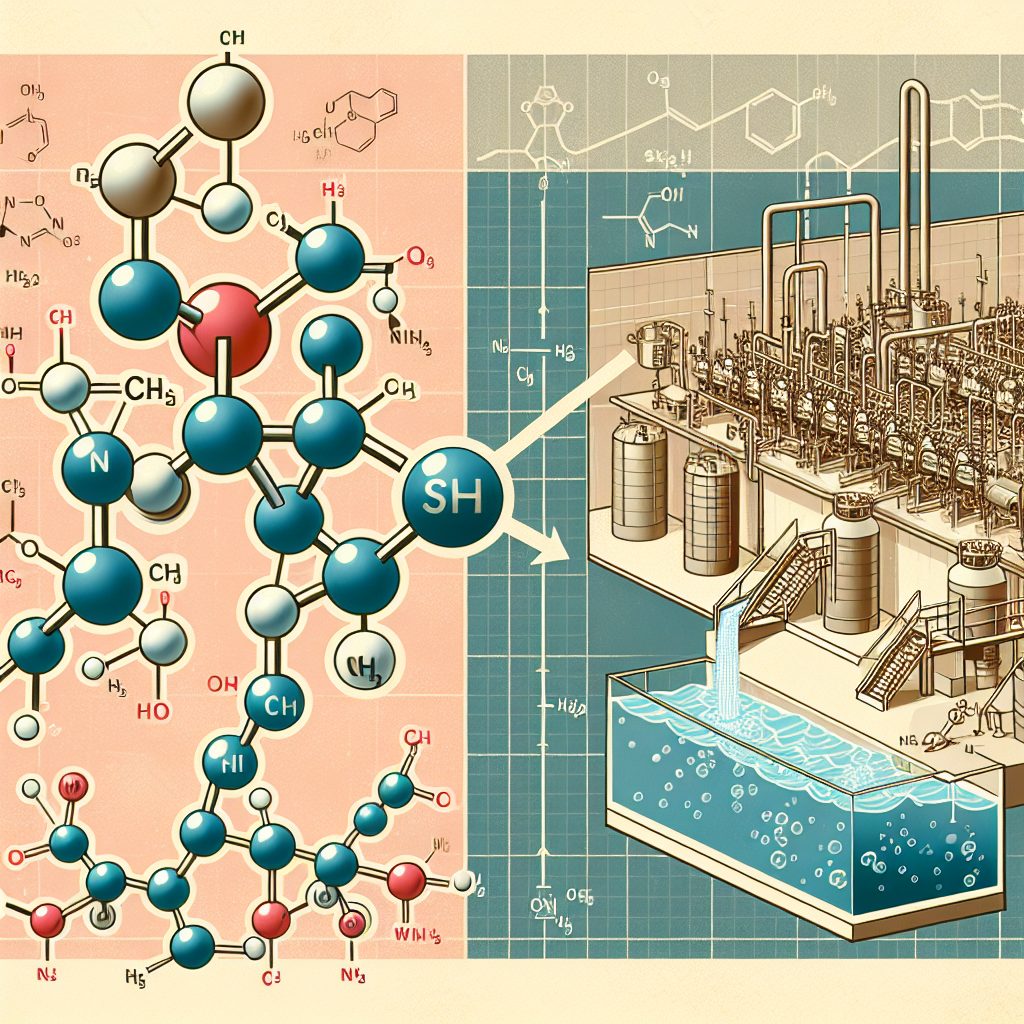
Sodium hypochlorite (NaOCl) is a compound that loves a good reaction, particularly when it meets water. When sodium hypochlorite dissolves in water, it undergoes hydrolysis, producing hypochlorous acid (HOCl) and hydroxide ions (OH-). This reaction is not just a chemistry class experiment; it’s the heart of its disinfection prowess.
The reaction can be summarized as: NaOCl + H2O ⇌ HOCl + NaOH
Hypochlorous acid is the real MVP here. It's a powerful oxidizing agent that attacks cell membranes of bacteria and viruses, rendering them harmless. In fact, studies show that HOCl can eliminate up to 99.9% of pathogens in just minutes! That's some serious disinfecting action.
Stability and pH Levels
Stable might not sound exciting, but when it comes to chemicals used in water treatment, stability is key. Sodium hypochlorite’s effectiveness hinges on maintaining an appropriate pH level. Ideally, the pH should be between 6 and 7.5 for optimal performance; outside this range, the compound can degrade into less effective forms.
- Acidic conditions (pH <6) lead to rapid decomposition of sodium hypochlorite.
- Alkaline conditions (pH >7.5) reduce the concentration of active HOCl.
| Condition | % Active Chlorine |
|---|---|
| pH <6 | <20% |
| pH 6-7.5 | >90% |
| pH >7.5 | <30% |
Another interesting property is its thermal stability; sodium hypochlorite solutions are sensitive to heat which can accelerate decomposition. This means storing your chemical properly is crucial — think cool and dark rather than next to the hot boiler!
In practical terms, when designing a wastewater treatment plant or upgrading an existing one, engineers need to consider both temperature control and pH management as part of their operational protocols for using sodium hypochlorite effectively.
So there you have it — the chemical properties of sodium hypochlorite aren’t just academic trivia; they’re essential knowledge for anyone involved in water treatment processes. Ensuring optimal conditions for this powerhouse disinfectant can make all the difference in maintaining safe and clean water supplies.
When it comes to disinfecting water, sodium hypochlorite is like that overachieving student in class — always raising its hand to answer questions and impress everyone with its capabilities. But what exactly makes this compound so effective? Let’s break down the chemical properties that give sodium hypochlorite its superpowers.
The Sodium Hypochlorite Reaction with Water
Sodium hypochlorite (NaOCl) is a compound that loves a good reaction, particularly when it meets water. When sodium hypochlorite dissolves in water, it undergoes hydrolysis, producing hypochlorous acid (HOCl) and hydroxide ions (OH-). This reaction is not just a chemistry class experiment; it’s the heart of its disinfection prowess.
The reaction can be summarized as: NaOCl + H2O ⇌ HOCl + NaOH
Hypochlorous acid is the real MVP here. It's a powerful oxidizing agent that attacks cell membranes of bacteria and viruses, rendering them harmless. In fact, studies show that HOCl can eliminate up to 99.9% of pathogens in just minutes! That's some serious disinfecting action.
Stability and pH Levels
Stable might not sound exciting, but when it comes to chemicals used in water treatment, stability is key. Sodium hypochlorite’s effectiveness hinges on maintaining an appropriate pH level. Ideally, the pH should be between 6 and 7.5 for optimal performance; outside this range, the compound can degrade into less effective forms.
- Acidic conditions (pH <6) lead to rapid decomposition of sodium hypochlorite.
- Alkaline conditions (pH >7.5) reduce the concentration of active HOCl.
| Condition | % Active Chlorine |
|---|---|
| pH <6 | <20% |
| pH 6-7.5 | >90% |
| pH >7.5 | <30% |
Another interesting property is its thermal stability; sodium hypochlorite solutions are sensitive to heat which can accelerate decomposition. This means storing your chemical properly is crucial — think cool and dark rather than next to the hot boiler!
In practical terms, when designing a wastewater treatment plant or upgrading an existing one, engineers need to consider both temperature control and pH management as part of their operational protocols for using sodium hypochlorite effectively.
So there you have it — the chemical properties of sodium hypochlorite aren’t just academic trivia; they’re essential knowledge for anyone involved in water treatment processes. Ensuring optimal conditions for this powerhouse disinfectant can make all the difference in maintaining safe and clean water supplies.
Mechanism of Sodium Hypochlorite Reaction with Water
Ever wondered why your swimming pool stays sparkling clean while your neighbor's looks like a swamp? Spoiler alert: it’s all about the chemistry, specifically the sodium hypochlorite reaction with water. This reaction is the unsung hero behind effective disinfection, transforming a simple compound into a formidable foe against pathogens.
When sodium hypochlorite (NaOCl) meets water (H2O), it doesn’t just dissolve — it throws a chemistry party! This process is called hydrolysis, and it results in two key players: hypochlorous acid (HOCl) and hydroxide ions (OH-). The equation looks like this: NaOCl + H2O ⇌ HOCl + NaOH. But what does that really mean for water treatment?
The Role of Hypochlorous Acid
Hypochlorous acid is the star of this show. Imagine it as the superhero swooping in to save the day by attacking harmful microorganisms. Its oxidizing power is impressive — HOCl can eliminate up to 99.9% of pathogens in mere minutes! This makes it an essential component in disinfection processes, especially for municipalities aiming to provide safe drinking water.
Hydroxide Ions: The Unsung Heroes
While hypochlorous acid gets most of the glory, hydroxide ions also play an important role. They help maintain an alkaline environment that supports the stability and effectiveness of sodium hypochlorite in solution. Without these little guys, you might find yourself with a less potent disinfectant, which could lead to potential health risks.
The effectiveness of sodium hypochlorite hinges on its ability to produce HOCl when mixed with water.
Factors Influencing the Reaction
Stability might sound boring, but when dealing with disinfectants, it's vital. The pH level of your water can significantly affect how well this reaction occurs. Ideally, you want that sweet spot between pH 6 and 7.5 for maximum effectiveness; stray too far from this range and you risk diminishing returns on your disinfection efforts.
- Acidic conditions (pH <6) lead to rapid decomposition of sodium hypochlorite.
- Alkaline conditions (pH >7.5) reduce the concentration of active HOCl.
Temperature also plays a role; heat can accelerate decomposition and render your disinfectant less effective over time. So, if you’re managing a treatment plant, think cool storage rather than next to that hot boiler — your future self will thank you!
Ever wondered why your swimming pool stays sparkling clean while your neighbor's looks like a swamp? Spoiler alert: it’s all about the chemistry, specifically the sodium hypochlorite reaction with water. This reaction is the unsung hero behind effective disinfection, transforming a simple compound into a formidable foe against pathogens.
When sodium hypochlorite (NaOCl) meets water (H2O), it doesn’t just dissolve — it throws a chemistry party! This process is called hydrolysis, and it results in two key players: hypochlorous acid (HOCl) and hydroxide ions (OH-). The equation looks like this: NaOCl + H2O ⇌ HOCl + NaOH. But what does that really mean for water treatment?
The Role of Hypochlorous Acid
Hypochlorous acid is the star of this show. Imagine it as the superhero swooping in to save the day by attacking harmful microorganisms. Its oxidizing power is impressive — HOCl can eliminate up to 99.9% of pathogens in mere minutes! This makes it an essential component in disinfection processes, especially for municipalities aiming to provide safe drinking water.
Hydroxide Ions: The Unsung Heroes
While hypochlorous acid gets most of the glory, hydroxide ions also play an important role. They help maintain an alkaline environment that supports the stability and effectiveness of sodium hypochlorite in solution. Without these little guys, you might find yourself with a less potent disinfectant, which could lead to potential health risks.
The effectiveness of sodium hypochlorite hinges on its ability to produce HOCl when mixed with water.
Factors Influencing the Reaction
Stability might sound boring, but when dealing with disinfectants, it's vital. The pH level of your water can significantly affect how well this reaction occurs. Ideally, you want that sweet spot between pH 6 and 7.5 for maximum effectiveness; stray too far from this range and you risk diminishing returns on your disinfection efforts.
- Acidic conditions (pH <6) lead to rapid decomposition of sodium hypochlorite.
- Alkaline conditions (pH >7.5) reduce the concentration of active HOCl.
Temperature also plays a role; heat can accelerate decomposition and render your disinfectant less effective over time. So, if you’re managing a treatment plant, think cool storage rather than next to that hot boiler — your future self will thank you!
Factors Influencing Disinfection Efficiency
Believe it or not, a mere shift in pH can make the difference between crystal-clear water and a breeding ground for pathogens. When it comes to the sodium hypochlorite reaction with water, it's not just chemistry; it's a balancing act that can dictate the success of your disinfection efforts.
The Impact of pH Levels
Think of pH as the mood ring of your disinfection system. If it’s too acidic (below 6), sodium hypochlorite starts to throw a tantrum, breaking down rapidly and leaving you with less active chlorine. On the flip side, if it’s too alkaline (above 7.5), you’re left with a diluted version of its former self — not exactly ideal for tackling those pesky pathogens.
- pH < 6: Active chlorine drops below 20%, leading to ineffective disinfection.
- pH between 6 and 7.5: Over 90% active chlorine remains, ensuring effective pathogen elimination.
- pH > 7.5: Active chlorine can plummet to around 30%, significantly reducing efficacy.
Temperature: The Silent Saboteur
Heat is the enemy could be a motto for anyone working with sodium hypochlorite. Higher temperatures speed up decomposition, turning your powerful disinfectant into something that resembles pond scum faster than you can say hydrolysis. Proper storage is essential — think cool basements rather than sunny attics.
Imagine managing a wastewater treatment facility during summer heatwaves; without temperature control measures in place, you might find yourself scrambling to maintain effective disinfection levels as sodium hypochlorite loses potency.
Presence of Contaminants
'Let’s talk about those unwanted guests — contaminants in your water supply. The presence of organic matter or ammonia can react with sodium hypochlorite, consuming active chlorine and reducing its effectiveness. This means that even if you're doing everything right on the pH and temperature front, those pesky pollutants could still sabotage your efforts.'
- Organic compounds can form chlorinated byproducts that are harmful and reduce disinfectant efficiency.
- Ammonia reacts with chlorine to form chloramines, which are less effective at killing pathogens than hypochlorous acid.
Maintaining optimal conditions for sodium hypochlorite isn't just about chemistry; it's about understanding all factors at play.
In conclusion, achieving high disinfection efficiency with sodium hypochlorite requires vigilance across multiple fronts—pH balance, temperature control, and contaminant management are all crucial elements that should never be overlooked. As you move forward in optimizing your treatment processes, keep these factors top-of-mind to ensure safe and clean water supplies.
Believe it or not, a mere shift in pH can make the difference between crystal-clear water and a breeding ground for pathogens. When it comes to the sodium hypochlorite reaction with water, it's not just chemistry; it's a balancing act that can dictate the success of your disinfection efforts.
The Impact of pH Levels
Think of pH as the mood ring of your disinfection system. If it’s too acidic (below 6), sodium hypochlorite starts to throw a tantrum, breaking down rapidly and leaving you with less active chlorine. On the flip side, if it’s too alkaline (above 7.5), you’re left with a diluted version of its former self — not exactly ideal for tackling those pesky pathogens.
- pH < 6: Active chlorine drops below 20%, leading to ineffective disinfection.
- pH between 6 and 7.5: Over 90% active chlorine remains, ensuring effective pathogen elimination.
- pH > 7.5: Active chlorine can plummet to around 30%, significantly reducing efficacy.
Temperature: The Silent Saboteur
Heat is the enemy could be a motto for anyone working with sodium hypochlorite. Higher temperatures speed up decomposition, turning your powerful disinfectant into something that resembles pond scum faster than you can say hydrolysis. Proper storage is essential — think cool basements rather than sunny attics.
Imagine managing a wastewater treatment facility during summer heatwaves; without temperature control measures in place, you might find yourself scrambling to maintain effective disinfection levels as sodium hypochlorite loses potency.
Presence of Contaminants
'Let’s talk about those unwanted guests — contaminants in your water supply. The presence of organic matter or ammonia can react with sodium hypochlorite, consuming active chlorine and reducing its effectiveness. This means that even if you're doing everything right on the pH and temperature front, those pesky pollutants could still sabotage your efforts.'
- Organic compounds can form chlorinated byproducts that are harmful and reduce disinfectant efficiency.
- Ammonia reacts with chlorine to form chloramines, which are less effective at killing pathogens than hypochlorous acid.
Maintaining optimal conditions for sodium hypochlorite isn't just about chemistry; it's about understanding all factors at play.
In conclusion, achieving high disinfection efficiency with sodium hypochlorite requires vigilance across multiple fronts—pH balance, temperature control, and contaminant management are all crucial elements that should never be overlooked. As you move forward in optimizing your treatment processes, keep these factors top-of-mind to ensure safe and clean water supplies.
Applications in Municipal Water Treatment Systems
Picture a bustling municipal water treatment plant, where every drop of water is scrutinized like it’s auditioning for a role in a blockbuster movie. With increasing regulations and the need for public safety, municipalities are turning to sodium hypochlorite as their leading disinfectant. Why? Because when it comes to treating drinking water, sodium hypochlorite reaction with water is a game changer.
Let’s take the example of Springfield, a mid-sized city facing challenges with its aging water infrastructure. The city’s treatment facility was notorious for its inconsistent disinfection levels, leading to occasional boil-water advisories that left residents frustrated and worried about their health. By implementing sodium hypochlorite as part of their disinfection process, Springfield saw a dramatic improvement in both compliance and public confidence.
How Sodium Hypochlorite Works in Water Treatment
When sodium hypochlorite (NaOCl) is introduced into the treatment system, it undergoes hydrolysis upon contact with water, producing hypochlorous acid (HOCl) — the real heavyweight champion of disinfection. This powerful oxidizer effectively neutralizes pathogens lurking in the water supply. In fact, studies indicate that HOCl can eradicate up to 99.9% of harmful microorganisms within minutes.
For Springfield's treatment plant, this meant not only improved pathogen removal but also reduced reliance on more hazardous chemicals like chlorine gas. The transition not only enhanced safety protocols but also simplified operator training — no more handling dangerous gas cylinders!
Real-World Impact: A Case Study
Let’s break down some numbers: after switching to sodium hypochlorite, Springfield reported a 40% reduction in compliance violations related to pathogen levels within just six months. This shift not only brought peace of mind to residents but also saved the municipality money by avoiding costly fines and infrastructure upgrades.
Key Takeaway: Sodium hypochlorite isn’t just another disinfectant; it’s a reliable ally for municipalities aiming for safe and compliant drinking water.
Challenges and Considerations
Of course, no solution is without its challenges. For instance, municipalities must carefully monitor pH levels to ensure maximum efficacy — too acidic or too alkaline conditions can sabotage the effectiveness of sodium hypochlorite.
- pH below 6: Sodium hypochlorite decomposes rapidly.
- pH above 7.5: Active chlorine concentration diminishes significantly.
In conclusion, as cities like Springfield show us, incorporating sodium hypochlorite into municipal water treatment systems can significantly enhance public health outcomes while streamlining operations. As you consider your own facility's practices, think about how this powerhouse disinfectant could fit into your strategy for providing safe drinking water.
Picture a bustling municipal water treatment plant, where every drop of water is scrutinized like it’s auditioning for a role in a blockbuster movie. With increasing regulations and the need for public safety, municipalities are turning to sodium hypochlorite as their leading disinfectant. Why? Because when it comes to treating drinking water, sodium hypochlorite reaction with water is a game changer.
Let’s take the example of Springfield, a mid-sized city facing challenges with its aging water infrastructure. The city’s treatment facility was notorious for its inconsistent disinfection levels, leading to occasional boil-water advisories that left residents frustrated and worried about their health. By implementing sodium hypochlorite as part of their disinfection process, Springfield saw a dramatic improvement in both compliance and public confidence.
How Sodium Hypochlorite Works in Water Treatment
When sodium hypochlorite (NaOCl) is introduced into the treatment system, it undergoes hydrolysis upon contact with water, producing hypochlorous acid (HOCl) — the real heavyweight champion of disinfection. This powerful oxidizer effectively neutralizes pathogens lurking in the water supply. In fact, studies indicate that HOCl can eradicate up to 99.9% of harmful microorganisms within minutes.
For Springfield's treatment plant, this meant not only improved pathogen removal but also reduced reliance on more hazardous chemicals like chlorine gas. The transition not only enhanced safety protocols but also simplified operator training — no more handling dangerous gas cylinders!
Real-World Impact: A Case Study
Let’s break down some numbers: after switching to sodium hypochlorite, Springfield reported a 40% reduction in compliance violations related to pathogen levels within just six months. This shift not only brought peace of mind to residents but also saved the municipality money by avoiding costly fines and infrastructure upgrades.
Key Takeaway: Sodium hypochlorite isn’t just another disinfectant; it’s a reliable ally for municipalities aiming for safe and compliant drinking water.
Challenges and Considerations
Of course, no solution is without its challenges. For instance, municipalities must carefully monitor pH levels to ensure maximum efficacy — too acidic or too alkaline conditions can sabotage the effectiveness of sodium hypochlorite.
- pH below 6: Sodium hypochlorite decomposes rapidly.
- pH above 7.5: Active chlorine concentration diminishes significantly.
In conclusion, as cities like Springfield show us, incorporating sodium hypochlorite into municipal water treatment systems can significantly enhance public health outcomes while streamlining operations. As you consider your own facility's practices, think about how this powerhouse disinfectant could fit into your strategy for providing safe drinking water.
Challenges and Limitations of Sodium Hypochlorite Use
Sodium hypochlorite might seem like the superhero of disinfection, but even heroes have their kryptonite. While it’s widely used for its powerful disinfecting properties, the challenges and limitations associated with sodium hypochlorite can be as daunting as a villain in a cape.
The Stability Conundrum
One of the biggest hurdles is stability. Sodium hypochlorite solutions are temperamental; they don’t take kindly to heat or light. Imagine trying to keep a cat calm during a thunderstorm — that’s sodium hypochlorite when exposed to unfavorable conditions. High temperatures can cause rapid decomposition, leading to reduced effectiveness. If you're managing a wastewater facility in a sunny climate, you better believe you're in for a battle against decomposition.
Key takeaway: Store sodium hypochlorite in cool, dark places to maintain its potency.
pH Puzzles
Next up is pH management — think of it as the Goldilocks zone for sodium hypochlorite. Too acidic? It decomposes faster than your last New Year's resolution. Too alkaline? You’re left with a diluted solution that’s about as effective as using water to clean your windows. Maintaining that sweet spot between pH 6 and 7.5 is crucial for optimal disinfection performance.
-
pH <6: Active chlorine drops below 20%, leading to ineffective disinfection.
-
pH between 6 and 7.5: Over 90% active chlorine remains, ensuring effective pathogen elimination.
-
pH >7.5: Active chlorine can plummet to around 30%, significantly reducing efficacy.
Contaminants Are Jerks
Let’s not forget about those pesky contaminants lurking in your water supply — organic matter and ammonia can react with sodium hypochlorite, consuming active chlorine like it’s an all-you-can-eat buffet. This reaction not only reduces the disinfectant's effectiveness but also forms chlorinated byproducts that may be harmful.
-
Organic compounds can form chlorinated byproducts that are harmful and reduce disinfectant efficiency.
-
Ammonia reacts with chlorine to form chloramines, which are less effective at killing pathogens than hypochlorous acid.
Cost Considerations
In summary, while sodium hypochlorite is undoubtedly an effective player in water treatment processes, its challenges shouldn’t be overlooked. From stability concerns and pH management to contaminant interactions and cost considerations—every factor plays a role in determining how well this disinfectant performs in real-world applications.
Keep these challenges top-of-mind as you strategize your approach to water treatment; understanding them will help you optimize your use of sodium hypochlorite for safer drinking water!
Sodium hypochlorite might seem like the superhero of disinfection, but even heroes have their kryptonite. While it’s widely used for its powerful disinfecting properties, the challenges and limitations associated with sodium hypochlorite can be as daunting as a villain in a cape.
The Stability Conundrum
One of the biggest hurdles is stability. Sodium hypochlorite solutions are temperamental; they don’t take kindly to heat or light. Imagine trying to keep a cat calm during a thunderstorm — that’s sodium hypochlorite when exposed to unfavorable conditions. High temperatures can cause rapid decomposition, leading to reduced effectiveness. If you're managing a wastewater facility in a sunny climate, you better believe you're in for a battle against decomposition.
Key takeaway: Store sodium hypochlorite in cool, dark places to maintain its potency.
pH Puzzles
Next up is pH management — think of it as the Goldilocks zone for sodium hypochlorite. Too acidic? It decomposes faster than your last New Year's resolution. Too alkaline? You’re left with a diluted solution that’s about as effective as using water to clean your windows. Maintaining that sweet spot between pH 6 and 7.5 is crucial for optimal disinfection performance.
-
pH <6: Active chlorine drops below 20%, leading to ineffective disinfection.
-
pH between 6 and 7.5: Over 90% active chlorine remains, ensuring effective pathogen elimination.
-
pH >7.5: Active chlorine can plummet to around 30%, significantly reducing efficacy.
Contaminants Are Jerks
Let’s not forget about those pesky contaminants lurking in your water supply — organic matter and ammonia can react with sodium hypochlorite, consuming active chlorine like it’s an all-you-can-eat buffet. This reaction not only reduces the disinfectant's effectiveness but also forms chlorinated byproducts that may be harmful.
-
Organic compounds can form chlorinated byproducts that are harmful and reduce disinfectant efficiency.
-
Ammonia reacts with chlorine to form chloramines, which are less effective at killing pathogens than hypochlorous acid.
Cost Considerations
In summary, while sodium hypochlorite is undoubtedly an effective player in water treatment processes, its challenges shouldn’t be overlooked. From stability concerns and pH management to contaminant interactions and cost considerations—every factor plays a role in determining how well this disinfectant performs in real-world applications.
Keep these challenges top-of-mind as you strategize your approach to water treatment; understanding them will help you optimize your use of sodium hypochlorite for safer drinking water!
Innovations in Sodium Hypochlorite Production and Application Technologies
Imagine a world where disinfectants are produced with the efficiency of a well-oiled machine, drastically reducing costs and environmental impact. That’s not just a dream; it’s the reality being shaped by innovations in sodium hypochlorite production and application technologies.
Recent advancements have transformed how municipalities approach water treatment. For instance, on-site generation systems allow facilities to produce sodium hypochlorite as needed, eliminating the need for storage and transportation. This not only cuts costs but also mitigates risks associated with handling chemicals.
On-Site Generation: A Game Changer
Take the case of a small coastal town struggling with high transportation costs for their disinfectants. By investing in an on-site generation system, they now produce sodium hypochlorite directly at their water treatment plant. This innovation has led to a staggering 30% reduction in operational costs while ensuring a steady supply of fresh disinfectant.
Key takeaway: On-site generation systems can significantly lower costs and improve safety.
Advanced Application Technologies
But it doesn’t stop at production. The application of sodium hypochlorite is also evolving. Automated dosing systems equipped with real-time monitoring technology ensure precise delivery based on water quality parameters. This level of control means that municipalities can optimize disinfection efforts while minimizing chemical waste.
- Smart sensors monitor pH levels and adjust dosing accordingly.
- Automated systems reduce human error in chemical application.
- Data analytics help predict maintenance needs before issues arise.
Green Innovations
Green chemistry is also making waves in sodium hypochlorite production. New methods that utilize renewable energy sources for electrolysis are being developed, reducing the carbon footprint associated with traditional manufacturing processes. Imagine producing disinfectants powered by solar energy — now that’s a win-win for public health and the planet!
As these innovations continue to unfold, municipalities must stay informed about emerging technologies that can enhance their disinfection capabilities. By embracing these advancements—whether through on-site production or smart applications—water treatment facilities can achieve safer drinking water while optimizing operational efficiency.
Imagine a world where disinfectants are produced with the efficiency of a well-oiled machine, drastically reducing costs and environmental impact. That’s not just a dream; it’s the reality being shaped by innovations in sodium hypochlorite production and application technologies.
Recent advancements have transformed how municipalities approach water treatment. For instance, on-site generation systems allow facilities to produce sodium hypochlorite as needed, eliminating the need for storage and transportation. This not only cuts costs but also mitigates risks associated with handling chemicals.
On-Site Generation: A Game Changer
Take the case of a small coastal town struggling with high transportation costs for their disinfectants. By investing in an on-site generation system, they now produce sodium hypochlorite directly at their water treatment plant. This innovation has led to a staggering 30% reduction in operational costs while ensuring a steady supply of fresh disinfectant.
Key takeaway: On-site generation systems can significantly lower costs and improve safety.
Advanced Application Technologies
But it doesn’t stop at production. The application of sodium hypochlorite is also evolving. Automated dosing systems equipped with real-time monitoring technology ensure precise delivery based on water quality parameters. This level of control means that municipalities can optimize disinfection efforts while minimizing chemical waste.
- Smart sensors monitor pH levels and adjust dosing accordingly.
- Automated systems reduce human error in chemical application.
- Data analytics help predict maintenance needs before issues arise.
Green Innovations
Green chemistry is also making waves in sodium hypochlorite production. New methods that utilize renewable energy sources for electrolysis are being developed, reducing the carbon footprint associated with traditional manufacturing processes. Imagine producing disinfectants powered by solar energy — now that’s a win-win for public health and the planet!
As these innovations continue to unfold, municipalities must stay informed about emerging technologies that can enhance their disinfection capabilities. By embracing these advancements—whether through on-site production or smart applications—water treatment facilities can achieve safer drinking water while optimizing operational efficiency.
article blockquote,article ol li,article p,article ul li{font-family:inherit;font-size:18px}.featuredimage{height:300px;overflow:hidden;position:relative;margin-top:20px;margin-bottom:20px}.featuredimage img{width:100%;height:100%;top:50%;left:50%;object-fit:cover;position:absolute;transform:translate(-50%,-50%)}article p{line-height:30px}article ol li,article ul li{line-height:30px;margin-bottom:15px}article blockquote{border-left:4px solid #ccc;font-style:italic;background-color:#f8f9fa;padding:20px;border-radius:5px;margin:15px 10px}article div.info-box{background-color:#fff9db;padding:20px;border-radius:5px;margin:15px 0;border:1px solid #efe496}article table{margin:15px 0;padding:10px;border:1px solid #ccc}article div.info-box p{margin-bottom:0;margin-top:0}article span.highlight{background-color:#f8f9fb;padding:2px 5px;border-radius:5px}article div.info-box span.highlight{background:0 0!important;padding:0;border-radius:0}article img{max-width:100%;margin:20px 0}