
Top 10 Technologies for Treating Soluble Organics in Industrial Wastewater
1. INTRODUCTION
The presence of soluble organic compounds in industrial and municipal wastewater represents one of the most critical challenges in environmental engineering. Unlike particulate organics, which can be mechanically separated via screening, sedimentation, or dissolved air flotation (without coagulation), soluble organics are fully dissolved in the aqueous phase. Their removal requires phase-change mechanisms, chemical oxidation, biological assimilation, or physical adsorption. The failure to adequately treat these constituents results in severe downstream ecological consequences, primarily the rapid depletion of dissolved oxygen (DO) in receiving water bodies, leading to hypoxia and the destruction of aquatic ecosystems.
Engineers quantify soluble organic contamination primarily through three analytical parameters:
- Biochemical Oxygen Demand (BOD): Measures the amount of oxygen consumed by microorganisms during the biological oxidation of organics over a specific period (typically 5 days, expressed as BOD₅). It represents the readily biodegradable fraction of the organic load. In advanced modeling, ultimate BOD (BOD_u) and carbonaceous BOD (cBOD) are utilized to separate carbon oxidation from nitrogenous oxygen demand.
- Chemical Oxygen Demand (COD): Measures the oxygen equivalent of the organic matter susceptible to oxidation by a strong chemical oxidant (typically potassium dichromate in a boiling sulfuric acid solution). COD encapsulates both biodegradable and recalcitrant (non-biodegradable) organics. The soluble fraction (sCOD) is a critical parameter in sizing biological reactors.
- Total Organic Carbon (TOC): An instrumental measurement that quantifies all carbon atoms covalently bonded in organic molecules. TOC provides a rapid, automated alternative to BOD and COD testing and is highly applicable in facilities with complex, varying chemical streams where COD testing may be subjected to inorganic interferences (e.g., high chloride concentrations).
Industrial wastewater profiles exhibit extreme variability in soluble organic composition. Typical sources and their associated organic profiles include:
- Food and Beverage Processing: Characterized by high concentrations of simple carbohydrates, volatile fatty acids (VFAs), and proteins. These streams exhibit high BOD:COD ratios (typically >0.6), making them highly amenable to high-rate biological treatment (both aerobic and anaerobic).
- Pulp and Paper Manufacturing: Wastewaters (such as black liquor derivatives) contain complex, long-chain organics like lignins, tannins, and resin acids. These streams often have lower BOD:COD ratios, necessitating advanced biological configurations or physicochemical treatment due to the recalcitrant nature of the organics.
- Pharmaceuticals and Agrochemicals: Contain active pharmaceutical ingredients (APIs), endocrine-disrupting compounds (EDCs), and complex synthetic organics. These streams frequently exhibit high toxicity to biomass, often requiring advanced oxidation processes (AOP) or adsorption to break down or remove the organics before biological polishing.
- Chemical and Petrochemical Manufacturing: Characterized by aliphatic and aromatic hydrocarbons, solvents, and phenolic compounds. Treatment requires careful consideration of volatility (to prevent stripping of hazardous air pollutants prior to degradation) and specific microbial acclimation.
The removal of soluble organics is governed by stringent regulatory compliance frameworks (such as NPDES permits in the United States). Beyond compliance, the removal of organics is essential for downstream process stability. For instance, high organic carryover into nitrification zones will favor fast-growing heterotrophic bacteria over slow-growing autotrophic nitrifiers, leading to ammonia breakthrough. Furthermore, organic fouling of tertiary filtration and reverse osmosis (RO) membranes causes rapid irreversible fouling, driving up operational costs and causing premature membrane failure.
Within the wastewater treatment process train, soluble organic removal technologies generally sit in the secondary and tertiary treatment stages. Following primary clarification and preliminary screening, biological reactors (aerobic, anaerobic, or anoxic) consume the bulk of the soluble organics. Advanced oxidation and adsorption processes are typically reserved for tertiary polishing, targeting recalcitrant organics that escape biological assimilation, or as pretreatment stages to crack complex, toxic molecules into smaller, biologically digestible fragments.
—
2. HOW TO SELECT THIS TECHNOLOGY
Selecting the appropriate technology to treat soluble organics is a complex, multi-variable engineering exercise. The decision matrix must balance biological or chemical kinetics, physical space limitations, thermodynamic energy balances, and lifecycle economics. Engineers must rigorously evaluate the following parameters when selecting a process technology.
Process Kinetics and Organic Loading Rates
The sizing of biological treatment systems is fundamentally governed by Monod kinetics, which describe microbial growth rates as a function of substrate (soluble organic) concentration. Engineers must determine the specific growth rate ($mu$), the half-velocity constant ($K_s$), and the yield coefficient ($Y$) of the biomass treating the specific wastewater.
Organic Loading Rate (OLR) is a primary design metric. For aerobic systems like Conventional Activated Sludge (CAS), OLRs typically range from 0.3 to 1.5 kg COD/m³·day. Moving Bed Biofilm Reactors (MBBR) can handle higher rates, often 2.0 to 5.0 kg COD/m³·day, due to the high active surface area of the biofilm carriers. Anaerobic technologies, such as Upflow Anaerobic Sludge Blanket (UASB) or Internal Circulation (IC) reactors, can handle significantly higher OLRs—ranging from 10 to 30 kg COD/m³·day—making them ideal for high-strength industrial effluents.
Hydraulic Loading and Reactor Sizing
Reactor volume is determined by balancing the Hydraulic Retention Time (HRT) with the Solids Retention Time (SRT), or sludge age. Soluble organic removal generally requires shorter HRTs than nitrogen removal. However, the SRT must be maintained at a level that prevents the washout of the necessary microbial populations. In suspended growth systems, physical footprint is largely dictated by the clarifier’s surface overflow rate (SOR) and solids loading rate (SLR), which limit how much biomass can be maintained in the reactor. Technologies like Membrane Bioreactors (MBR) decouple HRT from SRT, allowing Mixed Liquor Suspended Solids (MLSS) concentrations of 8,000 to 12,000 mg/L, drastically reducing the required reactor volume.
Influent Wastewater Characteristics
The chemical profile of the influent is the single most critical factor in technology selection.
- C:N:P Ratio: Biological processes require macronutrients. The optimal BOD:N:P ratio for aerobic treatment is approximately 100:5:1. Anaerobic systems require less nutrient addition (approximately 250:5:1) due to lower biomass yield. Nutrient-deficient industrial streams (like pulp and paper) require continuous chemical supplementation (e.g., urea, phosphoric acid).
- Toxicity and Inhibition: Solvents, heavy metals, and sudden shifts in pH can inhibit microbial metabolism. If toxic shocks are common, biofilm systems (MBBR, Trickling Filters) offer superior resilience compared to suspended growth systems, as the outer biofilm layers protect the inner microbial communities. Alternatively, physicochemical pretreatment (AOP) may be required.
- Temperature: Anaerobic digestion requires mesophilic (30–38°C) or thermophilic (50–57°C) conditions to maintain viable methanogenic activity. Cold wastewater streams (< 15°C) are typically routed to aerobic or physicochemical processes, as heating large volumes of wastewater is economically prohibitive.
Integration with Upstream and Downstream Processes
Biological treatment cannot operate in isolation. High levels of Fats, Oils, and Grease (FOG) or Total Suspended Solids (TSS) will coat biofilms, blind membranes, and displace active biomass volume in reactors. Therefore, upstream pretreatment—such as Dissolved Air Flotation (DAF) or fine screening (1–3 mm for MBRs)—is mandatory. Downstream, the technology must meet the feed requirements of polishing steps. For instance, if the effluent is destined for RO water reuse, MBR technology is heavily favored because its ultrafiltration (UF) membranes yield an effluent with a Silt Density Index (SDI) suitable for RO feed, eliminating the need for intermediate clarification and multimedia filtration.
Materials of Construction
Wastewater treatment environments are highly corrosive. The degradation of soluble organics, particularly under anaerobic or anoxic conditions, generates hydrogen sulfide (H₂S) and volatile organic acids.
- Aerobic basins are typically constructed of cast-in-place concrete with suitable epoxy coatings at the waterline to prevent concrete degradation.
- Anaerobic reactor vessels, often tall cylindrical tanks, require glass-fused-to-steel construction, 316L stainless steel, or duplex stainless steel depending on chloride concentrations.
- Aeration piping and diffuser grids are typically constructed from Schedule 80 PVC or CPVC, with EPDM or polyurethane diffuser membranes.
Process Control Requirements
Modern process control has shifted from manual grab-sampling to continuous, online instrumentation. Aerobic systems require highly responsive Dissolved Oxygen (DO) control via Variable Frequency Drives (VFDs) on aeration blowers, utilizing feed-forward/feed-backward loops based on influent flow and online ammonia/COD sensors. Anaerobic systems require strict monitoring of pH, Oxidation-Reduction Potential (ORP), VFA-to-alkalinity ratios, and biogas flow/composition to prevent process souring (a rapid drop in pH caused by acidogenic bacteria outpacing methanogens).
Energy Requirements
Aerobic degradation of soluble organics is highly energy-intensive. Supplying oxygen to the biomass typically accounts for 50% to 70% of a treatment plant’s total energy consumption. Engineers must evaluate the Standard Oxygen Transfer Rate (SOTR) of the aeration equipment and adjust it to the Actual Oxygen Transfer Rate (AOTR) using the alpha factor ($alpha$), which accounts for the reduction in oxygen transfer caused by surfactants and dissolved organics in the specific wastewater. In contrast, anaerobic systems are net-energy producers, converting soluble COD into methane-rich biogas, though they require electrical input for mixing and influent pumping.
Footprint and Layout Constraints
Industrial facilities rarely have vast tracts of available land for wastewater treatment. Conventional Activated Sludge requires the largest footprint. Where space is constrained, engineers utilize vertical construction (tall anaerobic IC reactors), high-density media (MBBR/IFAS), or MBRs. High-rate systems require a smaller footprint but operate with narrower design safety margins and demand more sophisticated operator intervention.
Lifecycle Cost Considerations
Technology selection must evaluate 20-year Net Present Value (NPV). AOP systems, for example, have relatively low spatial footprints and moderate CAPEX but suffer from extraordinarily high OPEX due to continuous electrical (UV/Ozone) and chemical (hydrogen peroxide) consumption. MBRs require periodic membrane replacement (typically every 7 to 10 years) and intensive chemical cleaning, which must be modeled in the lifecycle analysis. CAS has the lowest equipment CAPEX and OPEX but requires massive civil engineering CAPEX for large concrete basins.
Common Operational Failures
Design must account for failure modes. In aerobic systems, high soluble organic loads of easily fermentable sugars can trigger filamentous bacteria proliferation, leading to “bulking sludge” that fails to settle in the clarifier. In anaerobic systems, calcium precipitation or inert solids accumulation can wash out methanogenic granular sludge. Design safety margins—such as incorporating selector zones, parallel treatment trains, and sufficient sludge storage—are essential to buffer against these failures.
—
3. COMPARISON TABLE
The following table provides a high-level engineering comparison of the leading global Original Equipment Manufacturers (OEMs) providing distinct process technologies for the removal of soluble organic compounds. Engineers should utilize this matrix to identify preliminary technology-to-application fits based on organic strength, footprint constraints, and treatment objectives. Note: The table is intended for comparative technical evaluation; OEMs are listed without numerical ranking.
| OEM / Parent Entity | Primary Technology Category | Typical Applications | Engineering Strengths | Limitations | Best-Fit Scenarios | Maintenance Considerations |
|---|---|---|---|---|---|---|
| Veolia Water Technologies (AnoxKaldnes / Biothane) | MBBR, IFAS, Anaerobic (UASB, EGSB) | Industrial & Municipal capacity upgrades, high-strength organics | Exceptional biofilm kinetics; robust against toxic shocks; small footprint | Requires effective downstream solids separation; media containment screen maintenance | Plant retrofits to increase organic capacity without new civil structures | Periodic inspection of media retention screens; aeration grid cleaning |
| SUEZ (ZeeWeed) | Membrane Bioreactor (MBR) | Water reuse, strict effluent limits, space-constrained sites | Absolute barrier to suspended solids; excellent effluent quality suitable for RO feed | High OPEX (energy for membrane scouring); susceptible to irreversible fouling | Industrial water recycling; highly regulated municipal discharge | Intensive CIP protocols (NaOCl, citric acid); fine screen maintenance |
| Paques | Anaerobic Internal Circulation (IC), BIOPAQ | Pulp & Paper, Food & Beverage, Breweries | Extremely high volumetric loading rates; tall vertical design minimizes footprint; self-regulating mixing | Requires specific influent conditioning (pH, temperature, lack of toxic inhibition) | High-strength, highly biodegradable industrial effluents | Granular sludge management; 3-phase separator cleaning |
| Fluence | Membrane Aerated Biofilm Reactor (MABR) | Decentralized municipal, resort/commercial, retrofits | Up to 90% reduction in aeration energy; simultaneous nitrification-denitrification (SND) | Scale limitations for massive industrial flows; specialized membrane architecture | Energy-constrained remote sites; packaged/containerized decentralized systems | Low maintenance; requires monitoring of air supply pressure to prevent membrane weeping |
| Global Water Engineering (GWE) | Anaerobic Digestion, ANUBIX | Agro-industries, bioethanol plants, complex high-TSS organic waste | Ability to handle highly complex, high-solids influent; strong biogas yield optimization | Larger footprint than IC reactors; requires strict temperature control (mesophilic/thermophilic) | Facilities seeking waste-to-energy recovery (biogas to CHP) | Sludge bed profiling; biogas handling equipment (H₂S scrubbers, flares) |
| Xylem (Sanitaire / Wedeco) | Advanced Aeration (SBR/CAS), AOP (Ozone/UV) | Municipal secondary treatment, recalcitrant industrial organics polishing | Deep understanding of mass transfer (aeration efficiency); highly reliable control algorithms | Biological systems require large civil footprint; AOP systems have high electrical demand | Large-scale municipal plants; tertiary destruction of trace organics (pharmaceuticals) | Diffuser membrane replacement (aerobic); UV lamp/sleeve cleaning (AOP) |
| Evoqua (now part of Xylem) | Sequencing Batch Reactors (SBR), GAC systems | Variable flow municipal, industrial batch processing | True batch processing allows extreme operational flexibility; combined biological/adsorption portfolio | Decant mechanisms require precise mechanical tuning; batch flow requires equalization tanks | Plants with massive diurnal flow variations; seasonal industrial processing | Decanter mechanism maintenance; carbon media change-outs (GAC) |
| Nijhuis Saur Industries | Physicochemical (i-DAF), Aerobic, Anaerobic packages | Meat processing, dairy, rendering plants | Mastery of integrated pretreatment (coagulation/flocculation) prior to biological destruction | Physicochemical removal generates large volumes of chemical sludge requiring disposal | Industrial wastewater high in both soluble organics and emulsified FOG | Chemical dosing pump calibration; skimmer chain/flight wear |
| De Nora | Advanced Oxidation Processes (AOP), Ozone generation | Contaminants of Emerging Concern (CECs), hard COD removal, landfill leachate | Highly efficient in cracking recalcitrant bonds (non-biodegradable COD) | No reduction of simple organics (too expensive); high OPEX and complex safety requirements | Tertiary treatment for toxicity reduction prior to discharge or biological polishing | Ozone generator dielectric maintenance; ambient ozone gas sensor calibration |
| Calgon Carbon (Kurita) | Granular Activated Carbon (GAC) Adsorption | Chemical manufacturing, groundwater remediation, trace organic removal | Passive, non-biological operation; unaffected by toxicity; immediate compliance capability | Does not destroy the organics (transfers phase); rapid exhaustion with high COD loads | Polishing low concentrations of specific, hard-to-degrade organics (e.g., PFAS, solvents) | Vessel backwashing to prevent channeling; complete media exchange and reactivation |
—
4. TOP OEM MANUFACTURERS
The engineering of soluble organic removal requires deep expertise in mass transfer, microbiology, and reactor hydrodynamics. The following manufacturers have established themselves as global authorities in specific technological domains. Their systems dictate the standard specifications used by consulting engineers worldwide.
Veolia Water Technologies (AnoxKaldnes & Biothane)
Engineering Background: Veolia is a global powerhouse, holding some of the most critical patents in biofilm and anaerobic treatment. Through its acquisition of AnoxKaldnes, Veolia owns the foundational technology for the Moving Bed Biofilm Reactor (MBBR). Through Biothane, it leads in upflow anaerobic sludge blanket technology.
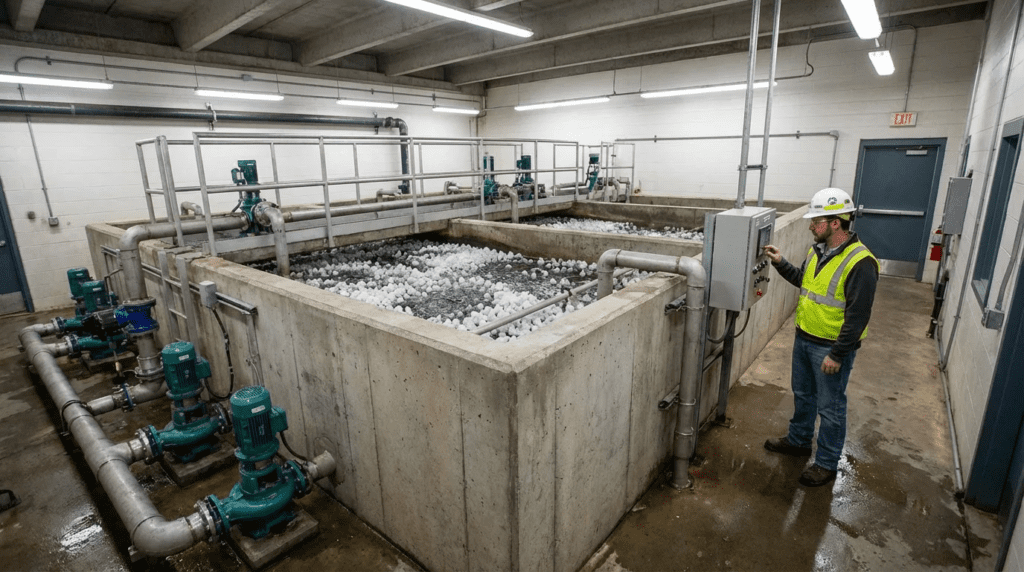
Technology Approach: The AnoxKaldnes MBBR utilizes high-density polyethylene (HDPE) carriers shaped like wheels or bio-chips with vast protected surface areas (ranging from 500 to >1,200 m²/m³). These carriers are suspended and maintained in continuous movement within the reactor by coarse-bubble aeration (aerobic) or mechanical mixers (anoxic/anaerobic). Biothane’s anaerobic systems (UASB and EGSB – Expanded Granular Sludge Bed) focus on the cultivation of highly dense, settleable methanogenic granular sludge, utilizing sophisticated three-phase (gas-liquid-solid) separators at the top of the reactor to retain biomass while extracting biogas.
Advantages & Limitations: The primary advantage of Veolia’s MBBR is its compact footprint and modular expandability—engineers can increase plant capacity simply by adding more media to the existing tank (up to a fill fraction of ~70%). It is practically immune to sludge bulking since there is no reliance on sludge recirculation. However, because MBBR effluent contains sloughed biofilm, an efficient downstream solids separation process (DAF or high-rate clarification) is mandatory. Biothane systems are highly energy efficient but require meticulous influent conditioning to prevent toxic shock to methanogens.
Notable Sectors: Widely utilized in pulp and paper, petrochemicals, municipal retrofits (IFAS configurations), and food/beverage industries.
SUEZ (ZeeWeed MBR Technology)
Engineering Background: SUEZ (part of Veolia in some regions, independently structured in others) pioneered the commercialization of reinforced hollow-fiber ultrafiltration membranes for wastewater via its ZeeWeed product line.
Technology Approach: SUEZ ZeeWeed MBRs replace the traditional secondary clarifier with submerged ultrafiltration membranes. The biological reactor operates at exceedingly high MLSS concentrations (8,000–12,000 mg/L). The membranes operate under an outside-in configuration, drawing clean permeate through microscopic pores via a slight vacuum while retaining all particulate matter and biomass. Coarse bubble aeration at the base of the membrane cassettes provides continuous scouring to prevent cake layer buildup.
Advantages & Limitations: The ZeeWeed system provides an absolute barrier to suspended solids and most pathogens, producing an effluent of exceptional clarity (often < 0.2 NTU). It allows for massive organic loading within a minimal civil footprint. The major limitation is operational cost. The aeration required to scour the membranes adds a significant parasitic energy load. Furthermore, soluble microbial products (SMPs) and extracellular polymeric substances (EPS) produced by the stressed biomass can cause irreversible membrane fouling.
Notable Sectors: Dominates municipal water reuse projects (Title 22 in California), semiconductor manufacturing wastewater, and industrial sites requiring Zero Liquid Discharge (ZLD) pretreatment.
Paques
Engineering Background: A specialized Dutch technology provider, Paques is globally renowned for its advancements in anaerobic biological treatment, specifically the Internal Circulation (IC) reactor.
Technology Approach: The BIOPAQ® IC reactor is a vertical, multi-stage anaerobic system. It relies on the natural generation of biogas (methane and carbon dioxide) to drive an internal circulation loop. As wastewater flows upward, granular methanogenic sludge digests the soluble COD, producing biogas. This gas is captured by a primary lower separator, which acts as a gas-lift pump, driving the liquid and sludge up a riser pipe to a gas-liquid separator at the top of the reactor. The liquid then flows back down through a downcomer, creating massive internal mixing without mechanical pumps.
Advantages & Limitations: The IC reactor achieves astonishingly high volumetric loading rates (up to 30 kg COD/m³·day) and is built tall (often 20+ meters), minimizing the ground footprint. The internal circulation provides excellent mass transfer between the wastewater and the granular sludge, and dilutes localized toxicity. The limitation is that it requires a relatively warm, consistent, highly biodegradable soluble organic stream. High suspended solids or fluctuations in calcium can destroy the sludge granularity.
Notable Sectors: The undisputed standard in breweries, sugar refineries, and large-scale paper mills.
Fluence
Engineering Background: Fluence has rapidly gained prominence by commercializing Membrane Aerated Biofilm Reactor (MABR) technology, addressing the fundamental energy inefficiencies of conventional aeration.
Technology Approach: Unlike conventional systems that push air bubbles through water (which suffers from poor oxygen transfer efficiencies of 10-20%), the MABR utilizes a gas-permeable membrane. Low-pressure air is supplied to the inside of the hollow fiber, while wastewater surrounds the outside. Oxygen diffuses across the membrane directly to a biofilm growing on the membrane’s outer surface. This results in “bubble-less” aeration with oxygen transfer efficiencies exceeding 90%.
Advantages & Limitations: Fluence’s MABR slashes aeration energy requirements by up to 90%. Because the biofilm is oxygenated from the inside and exposed to organics on the outside, it establishes unique stratified microbial layers, allowing simultaneous carbon oxidation, nitrification, and denitrification in a single tank. Limitations include the requirement for highly specialized modules and the current limitations on scale—while perfect for decentralized plants, it is yet to displace CAS in massive megaliter-per-day metropolitan plants.
Notable Sectors: Decentralized municipal treatment, resort communities, and capacity-strained urban retrofits.
Global Water Engineering (GWE)
Engineering Background: GWE specializes in industrial wastewater treatment and green energy extraction, with a deep portfolio of anaerobic treatment technologies.
Technology Approach: GWE offers multiple anaerobic configurations, notably the ANUBIX series (UASB and EGSB variants) and complex anaerobic digestion for slurries and high-TSS streams. Their engineering philosophy centers on robust handling of fluctuating industrial streams, emphasizing advanced feed distribution networks at the bottom of the reactors to prevent dead zones and ensure uniform contact between the influent soluble COD and the sludge bed.
Advantages & Limitations: GWE systems are highly adaptable and engineered to handle more difficult, less ideal wastewaters that might cause failure in a tightly toleranced IC reactor. They excel in biogas recovery optimization. However, their systems often require a slightly larger footprint than extreme high-rate reactors and demand rigorous operator attention to sludge bed profiling and temperature control.
Notable Sectors: Agro-industrial processing, palm oil mill effluent (POME), bioethanol, and complex food wastes.
Xylem (Sanitaire / Wedeco)
Engineering Background: Xylem is a dominant force in municipal and industrial water, owning highly respected legacy brands like Sanitaire (biological aeration) and Wedeco (advanced oxidation/ozone).
Technology Approach: Sanitaire provides optimized biological treatment processes, notably ICEAS (Intermittent Cycle Extended Aeration System) SBRs and advanced diffused aeration systems. Wedeco focuses on the destruction of recalcitrant soluble organics using high-frequency ozone generators and closed-vessel UV reactors. By injecting O₃ and utilizing UV (often combined with H₂O₂ to form hydroxyl radicals, •OH), Wedeco systems crack non-biodegradable COD into simpler, biodegradable fractions or oxidize them completely to CO₂ and water.
Advantages & Limitations: Sanitaire aeration grids are the industry standard for oxygen transfer reliability. Wedeco AOP systems represent the ultimate engineering tool for toxicity reduction and color removal. The limitation of AOP is its extreme operational expense. Ozone generation requires dry, chilled liquid oxygen (LOX) or compressed air and massive electrical input. It is never used for bulk COD removal, only for targeted micro-pollutant or recalcitrant COD destruction.
Notable Sectors: Municipal tertiary polishing, pharmaceutical manufacturing, landfill leachate treatment.
Evoqua (Xylem)
Engineering Background: Evoqua possesses a massive portfolio of proprietary wastewater technologies. In the realm of soluble organics, their Sequencing Batch Reactors (SBR) and Granular Activated Carbon (GAC) systems are highly specified.
Technology Approach: Evoqua’s OMNIFLO® SBR performs all biological treatment steps (fill, react/aerate, settle, decant) sequentially in a single basin, controlled by advanced PLCs. For non-biological soluble organic removal, their dual-vessel GAC systems utilize high-pressure adsorption, routing wastewater through beds of highly porous carbon where organic molecules physically bind to the internal pore structure via Van der Waals forces.
Advantages & Limitations: The SBR offers unparalleled flexibility; operators can alter phase times dynamically to optimize for different influent organic loads or to promote nutrient removal. It eliminates the need for a separate secondary clarifier. However, mechanical decanters are prone to wear, and the batch nature requires substantial upstream flow equalization. GAC systems offer immediate, guaranteed removal of specific organics but do not destroy them—the carbon must eventually be hauled offsite for thermal reactivation.
Notable Sectors: Variable-flow municipal plants, chemical manufacturing, groundwater remediation.
Nijhuis Saur Industries
Engineering Background: Nijhuis approaches industrial wastewater holistically, specializing in the critical interface between physical-chemical pretreatment and biological destruction.
Technology Approach: While Nijhuis designs robust aerobic and anaerobic biological systems, they are best known for intelligent pretreatment. Soluble organics are often accompanied by emulsified fats and suspended solids. Nijhuis integrates advanced chemical dosing (coagulants to break emulsions, polymers to build floc) with their highly efficient Dissolved Air Flotation (i-DAF) systems. By removing the colloidal and particulate interference, their downstream biological reactors can be sized strictly for the soluble organic fraction.
Advantages & Limitations: Their integrated approach prevents the catastrophic failure of biological systems caused by upstream FOG or TSS breakthrough. However, extensive reliance on physicochemical pretreatment generates massive volumes of chemical sludge, which is expensive to dewater and dispose of, and cannot be easily digested anaerobically.
Notable Sectors: Meat processing, slaughterhouses, dairy processing, rendering plants.
De Nora
Engineering Background: De Nora is a specialized electrochemistry and water treatment company, providing elite advanced oxidation and ozone technologies.
Technology Approach: De Nora’s Capital Controls® ozone systems produce high-concentration ozone gas from oxygen. In wastewater, ozone acts as a powerful oxidant (redox potential of 2.07 V). Ozone aggressively attacks double bonds in complex organic molecules (e.g., benzene rings, complex pharmaceuticals, synthetic dyes), breaking them apart.
Advantages & Limitations: Extremely effective at eliminating toxicity, destroying Contaminants of Emerging Concern (CECs), and removing color. It operates rapidly and requires very small reaction vessels. However, mass transfer of ozone gas into wastewater is difficult, requiring engineered venturi injection and static mixing. The off-gas must be rigorously captured and destroyed to prevent hazardous ambient conditions.
Notable Sectors: Textile dyeing wastewater, active pharmaceutical ingredient (API) manufacturing, tertiary municipal reuse.
Calgon Carbon (Kurita)
Engineering Background: Calgon Carbon is the world’s leading manufacturer and systems provider of activated carbon technologies.
Technology Approach: The technology relies purely on physical chemistry. Industrial wastewater is pumped through pressurized vessels containing thousands of pounds of engineered Granular Activated Carbon (GAC). Soluble organic molecules diffuse into the microscopic pores of the carbon granules and are trapped.
Advantages & Limitations: GAC systems are immune to biological toxicity, require no acclimation period, and operate without aeration or complex biological controls. They are the ultimate “fail-safe” for meeting strict effluent limits on specific organics. The distinct limitation is cost-per-pound of COD removed. For high-concentration streams, the carbon bed will exhaust rapidly, requiring constant, expensive media replacements.
Notable Sectors: Chemical manufacturing, petrochemical refining, remediation of spilled organic solvents, PFAS removal.
—
5. COST AND ENERGY CONSIDERATIONS
The economic evaluation of soluble organic treatment requires a rigorous breakdown of Capital Expenditure (CAPEX) and Operational Expenditure (OPEX). Engineers must base their technology selections on lifecycle costs over a 20-year horizon. Soluble organic removal is generally characterized by high OPEX due to the thermodynamic requirements of transferring oxygen (aerobic) or the chemical demands of oxidation and physical adsorption.
Energy Consumption Metrics
Energy modeling in wastewater is typically evaluated via two key metrics: kWh per unit volume treated (e.g., kWh/1,000 gallons) and kWh per mass of organic removed (kWh/kg COD).
- Conventional Aerobic Treatment (CAS/SBR): Aeration blowers account for 50-70% of plant energy. The typical energy consumption for aerobic biological degradation ranges from 0.8 to 1.5 kWh per kg of COD removed. This variability depends heavily on the alpha factor, depth of the aeration basin, and diffuser efficiency.
- Membrane Bioreactors (MBR): Due to the necessity of continuous membrane air-scouring to prevent fouling, MBR systems consume significantly more energy, typically ranging from 1.5 to 2.5 kWh per kg of COD removed.
- Anaerobic Treatment (UASB/IC): Anaerobic systems drastically alter plant economics. Because methanogenic bacteria utilize organics as an electron donor without requiring oxygen, aeration energy is eliminated. Furthermore, the process yields biogas. The stoichiometric yield is approximately 0.35 Nm³ of methane (CH₄) per kg of COD removed. When utilized in a Combined Heat and Power (CHP) engine, this yields approximately 1.2 to 1.4 kWh of electricity. Consequently, anaerobic treatment of high-strength wastewater is generally net energy positive.
- Advanced Oxidation (Ozone/AOP): AOP is extraordinarily energy-intensive. Ozone generation and UV operation can consume anywhere from 5.0 to 15.0+ kWh per kg of COD removed. This restricts AOP exclusively to polishing low-concentration, highly recalcitrant organics.
Capital Costs (CAPEX)
CAPEX fluctuates wildly based on the civil engineering requirements, materials of construction, and scale. The following ranges represent installed costs for the treatment process equipment (excluding major site work) for typical industrial-scale flows (0.5 to 2.0 Million Gallons per Day [MGD]):
- Anaerobic Systems (UASB/IC): $2.50 – $5.00 per GPD of installed capacity. The high cost of stainless-steel reactor vessels and gas-handling equipment drives initial CAPEX, but this is offset by the lack of large concrete aeration basins.
- Conventional Aerobic/MBBR: $1.50 – $3.50 per GPD. MBBRs reduce civil CAPEX by shrinking the tank volume, but require substantial investment in media and retention screens.
- MBR Systems: $4.00 – $7.00 per GPD. The ultrafiltration membrane cassettes and specialized aeration networks dictate a high initial capital investment.
Operating Costs (OPEX)
OPEX comprises electricity, chemical consumption (nutrients, pH adjustment, polymers, membrane cleaning agents), sludge disposal, and maintenance/part replacement.
- Municipal (Low Strength, ~500 mg/L COD): Typical OPEX ranges from $1.50 to $3.00 per 1,000 gallons treated. Sludge disposal and aeration power are the dominant costs.
- Industrial Aerobic (Medium Strength, ~3,000 mg/L COD): OPEX ranges from $4.00 to $8.00 per 1,000 gallons. High oxygen demand and nutrient supplementation (urea/phosphoric acid) drive costs up.
- Industrial Anaerobic (High Strength, >10,000 mg/L COD): Gross OPEX may be similar, but when biogas offset is factored in, net OPEX drops significantly, often ranging from $0.50 to $2.00 per 1,000 gallons. Sludge disposal costs are drastically lower because anaerobic yield ($Y$) is only 10% of aerobic yield.
- Adsorption (GAC): OPEX is entirely dependent on COD loading. At high concentrations, carbon exhausts in days. Carbon replacement costs range from $1.50 to $3.00 per pound. Therefore, GAC is economically non-viable for bulk COD removal and is restricted to trace contaminant removal (e.g., OPEX of $0.10 – $0.50 per 1,000 gallons for trace polishing).
—
6. SYSTEM FOOTPRINT, MODULARITY, AND DECARBONIZATION
The physical footprint and the carbon footprint of wastewater infrastructure are increasingly intertwined in modern engineering design. Constraints on land availability in industrial parks and urban environments mandate highly intensified biological processes. Simultaneously, corporate Net Zero mandates require engineers to drastically reduce Scope 1 and Scope 2 greenhouse gas emissions associated with organic treatment.
Footprint and Volumetric Efficiency
Volumetric loading capacity dictates the spatial footprint. Conventional Activated Sludge (CAS) typically requires sprawling concrete basins because the mixed liquor suspended solids (MLSS) cannot exceed 3,000 – 4,000 mg/L without overloading the secondary clarifiers.
By decoupling hydraulic retention from solids retention, Membrane Bioreactors (MBRs) can operate at 10,000 mg/L MLSS, effectively reducing the biological basin volume by 60-70% while entirely eliminating the clarifier footprint.
Similarly, Anaerobic IC Reactors build vertically rather than horizontally, treating massive organic loads in towers that occupy mere fractions of an acre.
Decentralization and Modularity
The shift away from massive, centralized mega-plants toward decentralized treatment is accelerating, driven by the high cost of subterranean pipe network installation. Technologies like MABR (Fluence) and modular MBBR systems (Veolia) are frequently deployed in containerized configurations. Standard 40-foot shipping containers are pre-plumbed, pre-wired, and shipped to site, requiring only influent, effluent, and power connections. This “plug-and-play” modularity allows industrial facilities to add capacity incrementally as production scales, shifting capital expenditure from large upfront sunk costs to scalable phases.
Decarbonization and Emission Control
Wastewater treatment is a massive contributor to global greenhouse gas emissions. Engineers must evaluate technologies based on their impact on Scope 1 (direct site emissions) and Scope 2 (purchased electricity) emissions.
- Scope 2 Reduction: Up to 3% of a developed nation’s electrical grid is consumed by municipal wastewater aeration. Transitioning from CAS to MABR can slash this electrical load by 90%. Implementing high-efficiency turbo blowers and advanced dissolved oxygen control algorithms reduces electrical draw, directly lowering Scope 2 carbon emissions.
- Scope 1 Reduction (N₂O): The biological oxidation of nitrogenous organics can inadvertently produce nitrous oxide (N₂O), a greenhouse gas with a global warming potential 273 times that of CO₂. Poorly controlled aeration (specifically transient anoxia) in aerobic biological systems exacerbates N₂O stripping. Advanced aeration control is critical for decarbonization.
- Energy Recovery: Anaerobic digestion of soluble organics represents the greatest decarbonization opportunity. High-strength industrial plants effectively act as bio-refineries. The biogas generated by UASB/IC reactors can be scrubbed of H₂S and siloxanes, and either combusted in a CHP engine to provide off-grid power to the facility, or upgraded to Renewable Natural Gas (RNG) and injected back into the commercial gas grid.
—
7. APPLICATION FIT GUIDANCE
No single technology is universally applicable. Engineers must align the core strengths of the treatment technology with the specific characteristics of the wastewater matrix and the constraints of the facility.
Municipal Wastewater Treatment
Municipal wastewater is characterized by high volumes and low soluble organic strength (BOD ~200-300 mg/L).
Best Fit: Conventional Activated Sludge, SBRs (Xylem, Evoqua), and MABR (Fluence) for decentralized nodes. Anaerobic systems are generally inappropriate for mainstream municipal flow due to the low concentration of organics and cooler ambient temperatures, which make biogas generation economically unviable. For plants requiring water reuse or facing extreme space constraints, MBR (SUEZ) is the standard.
Industrial High-Strength Organic Wastewater
Wastewater from food & beverage, breweries, distilleries, and pulp & paper often exhibits COD concentrations ranging from 3,000 to over 50,000 mg/L. Aerobic treatment of these streams is technically possible but economically ruinous due to massive aeration and sludge disposal costs.
Best Fit: Anaerobic technologies (Paques IC, GWE UASB) are the mandatory primary step. These systems strip out 80-90% of the bulk soluble COD, converting it to biogas. The remaining 10-20% is then polished by a smaller downstream aerobic system.
Complex, Toxic, or Recalcitrant Industrial Streams
Pharmaceutical, chemical, and petrochemical effluents often contain active ingredients, heavy solvents, or synthetic polymers that are either toxic to biology or biologically inert (non-biodegradable COD).
Best Fit: Physicochemical systems must take precedence. Advanced Oxidation (De Nora Ozone) is utilized to crack the complex molecular rings into simpler, biodegradable fragments, followed by biological treatment. If the stream is highly concentrated with a single, targetable solvent, GAC Adsorption (Calgon Carbon) may be the most reliable compliance tool.
Retrofit vs. Greenfield Installations
For a greenfield site, engineers have the luxury of optimizing hydraulic profiles and selecting the most efficient technology, such as deep-tank aeration or towering anaerobic reactors. However, a significant portion of engineering work involves retrofitting aging, capacity-strained plants.
Best Fit: When a plant must double its organic treatment capacity but has no land to build new concrete basins, MBBR/IFAS (Veolia AnoxKaldnes) is the premier choice. By simply dumping engineered plastic media into an existing activated sludge basin and upgrading the aeration blowers, the mass of active biology in the fixed volume is drastically increased, resolving the capacity bottleneck with minimal civil construction.
—
8. ENGINEER & OPERATOR CONSIDERATIONS
A beautifully modeled biological reactor will fail catastrophically if operators cannot effectively manage, maintain, and troubleshoot the system. Engineers must design with operability and long-term reliability in mind.
Commissioning and Biological Startup
Unlike physical equipment (pumps, screens), biological systems require careful “startup” phases where the microbiology is cultivated.
For aerobic systems, operators typically import seed sludge from a neighboring municipal plant. Acclimation to industrial wastewater must be gradual; applying the full industrial COD load immediately will cause toxic shock or massive filamentous bulking.
For anaerobic systems (UASB/IC), startup is highly specialized. The reactors must be seeded with specialized methanogenic granular sludge, which is expensive and highly sensitive to pH, temperature, and oxygen (which is highly toxic to strict anaerobes). Operators must carefully manage the VFA-to-alkalinity ratio during startup to prevent the acidogenic bacteria from lowering the pH and killing off the methanogens (“souring” the reactor).
Maintenance Access and Interventions
Engineers must provide adequate lifting infrastructure (cranes, hoists) and maintenance access.
- Aeration Grids (Xylem Sanitaire): Fine-bubble diffusers eventually succumb to biofouling or inorganic scaling (calcium carbonate). Systems must be designed so that aeration grids can be isolated, lifted, or drained for chemical cleaning (often using anhydrous HCl gas injection) or membrane replacement without shutting down the entire plant.
- MBBR Systems: The retention screens that keep the media from washing out of the reactor are prone to blinding by debris. Regular inspection and automated air-sparging of the screens are critical operator duties.
- MBR Systems (SUEZ): Operators must master Clean-In-Place (CIP) protocols. As the Transmembrane Pressure (TMP) rises, operators must initiate maintenance cleans (weekly) using sodium hypochlorite (to oxidize organic fouling) and recovery cleans (biannually) using citric acid (to dissolve inorganic scaling). Poor CIP management leads to irreversible fouling and premature membrane replacement, destroying the plant’s OPEX budget.
Operational Lessons Learned: Bulking and Foaming
The treatment of soluble organics, particularly in the food and beverage sector, is highly susceptible to biological anomalies. High levels of rapidly degradable sugars (carbohydrates) often favor the growth of filamentous bacteria. These thread-like organisms protrude from the biological floc, preventing it from settling in the clarifier. Operators must recognize the onset of bulking sludge via microscopic examination and Sludge Volume Index (SVI) monitoring. Engineers combat this by designing “selector zones”—small, highly loaded anoxic or aerobic compartments at the head of the reactor that kinetically favor floc-forming bacteria over filamentous strains. Furthermore, the generation of biosurfactants by certain bacterial strains can cause massive foaming events, requiring the engineering of foam-trapping weirs and automated surface spray systems.
—
9. CONCLUSION
The successful removal and destruction of soluble organic compounds in industrial and municipal wastewater is heavily dependent on selecting the correct process technology for the specific wastewater profile. Engineers must abandon one-size-fits-all approaches and deeply analyze the influent kinetics, spatial constraints, and long-term energy balances.
For vast municipal flows, optimized aerobic systems like SBRs and advanced diffused aeration remain the gold standard due to their balance of reliability and acceptable capital cost. When space is constrained or strict reuse standards apply, Membrane Bioreactors (MBR) provide an absolute barrier, albeit at a higher operational cost. For industrial operators burdened with high-strength soluble organics, anaerobic technologies (UASB, IC) are mandatory, transforming a massive aeration energy liability into a lucrative renewable energy asset via biogas recovery. Finally, for the most challenging, toxic, and recalcitrant molecular structures, physical-chemical interventions via Advanced Oxidation and GAC Adsorption provide the final tier of environmental protection.
Ultimately, the selection of OEM partners—whether Veolia, SUEZ, Paques, Xylem, or others—dictates the operational reality of the facility. By rigorously matching technological capabilities to specific organic profiles, engineers ensure process stability, regulatory compliance, minimized lifecycle costs, and the long-term protection of receiving watersheds.