
- Home
- Water
- Water Quality: Essential Insights and Health Impacts
- Monitoring: Essential Strategies for Enhanced Data Security
- Contaminants and Contamination: Understanding Their Sources and Impact
- Standards: Elevating Professional and Industry Benchmarks
- FAQs: Comprehensive Answers to Common Questions
- Physical Water Treatment: Modern Techniques and Benefits
- Activated Carbon Filtration in Water: Essential for Clean, Safe Drinking Supplies
- Ultraviolet (UV) Disinfection in Water: Ensuring Safe and Clean Drinking Water
- Sand Filtration in Water: A Comprehensive Guide to Clean Drinking Solutions
- Ceramic Filtration: Effective Solutions for Clean Water
- Gravity-Based Filtration: Enhancing Water Purity with Simple Technology
- Membrane Filtration in Water: Improving Purity and Efficiency
- Sedimentation: Causes, Impacts, and Prevention Strategies
- Chemical Water Treatment: Essential Methods for Safe and Clean Water
- Coagulation and Flocculation: Essential Techniques for Water Treatment
- pH Adjustment: Essential Techniques for Maintaining Optimal Water Quality
- Chlorination: Essential Methods for Safe Water Treatment
- Ion Exchange: Essential Mechanism for Water Purification
- Ozonation: Advanced Water Purification Method Explained
- Biological Filtration: Enhancing Water Quality Through Natural Processes
- Water Supply: Ensuring Sustainable Future Solutions
- Water Conservation: Essential Strategies for Sustainable Living
- Water Management: Strategies for Sustainable Usage
- Water Quality: Essential Insights and Health Impacts
- Wastewater
- Wastewater Treatment
- Preliminary Treatment
- Screening
- Bar Screening
- Band Screen Wastewater Solutions: Effective Fine Screening Techniques
- Basket Screen Wastewater Solutions: Enhancing Treatment Efficiency
- Drum Screening
- Fine Screens in Wastewater Treatment: Enhancing Solid Removal Efficiency
- Microscreens in Wastewater Treatment: Enhancing Filtration Efficiency
- Parabolic Screen in Wastewater Treatment: Enhancing Solid-Liquid Separation Efficiency
- Static Screen in Wastewater Treatment: Efficiency and Application Overview
- Climber Screens in Wastewater Treatment: Enhancing Solid Waste Removal
- Step Screen in Wastewater Treatment: Enhancing Solid-Liquid Separation Efficiency
- Comminution in Wastewater Treatment: Enhancing Efficiency and Process Reliability
- Grit Removal in Wastewater: Essential Processes and Best Practices
- Screening
- Primary Treatment in Wastewater: The First Step in Pollution Control
- Sedimentation in Wastewater Treatment: The Efficient Separation Strategy
- Discrete Settling in Wastewater: Understanding the Separation Process
- Flocculent Settling in Wastewater: Understanding the Process and Benefits
- Zone Settling in Wastewater Treatment Processes: Understanding the Mechanism
- Compression Settling in Wastewater: Fundamental Principles and Management Strategies
- Primary Clarifiers in Wastewater: Understanding Their Role in Treatment Processes
- Circular Primary Clarifier in Wastewater Treatment: Essential Functions and Design Principles
- Parallel Plate Settlers in Wastewater Treatment: Efficiency and Design Principles
- Tube Settlers in Wastewater Treatment: Enhancing Clarification Efficiency
- Offset Clarifiers in Wastewater Treatment: Enhancing Clarity and Efficiency
- Rectangular Primary Clarifier in Wastewater Treatment: Efficiency and Design Principles
- Dissolved Air Flotation (DAF) in Wastewater: Enhancing Treatment Efficiency
- Full Flow DAF Systems: Revolutionizing Wastewater Treatment Efficiency
- Partial Flow DAF Systems: Advancing Wastewater Treatment Efficiency
- Recycle Flow DAF Systems: Enhancing Wastewater Treatment Efficiency
- Packed Column DAF: Advancing Water Treatment Efficiency
- Subsurface Release DAF Systems: Innovations in Wastewater Treatment
- Dispersed Release DAF Technology: Revolutionizing Wastewater Treatment
- Sedimentation in Wastewater Treatment: The Efficient Separation Strategy
- Secondary Treatment in Wastewater: Understanding the Biological Process
- Biological Treatment in Wastewater: Harnessing Microorganisms for Clean Water Solutions
- Rotating Biological Contactors: An Overview of Wastewater Treatment Efficiency
- Membrane Bioreactors (MBR): Advancing Wastewater Treatment Technology
- Anaerobic Digestion: Effective Waste Management for Renewable Energy
- Anaerobic Digestion in Wastewater Treatment: Optimizing Energy Recovery
- Lagoons in Wastewater Treatment: Sustainable Natural Solutions
- Constructed Wetlands in Wastewater Treatment: Nature’s Solution for Water Purification
- Activated Sludge Process in Wastewater Treatment: An Efficient Biological Methodology
- Trickling Filters in Wastewater Treatment: An Efficient Biofiltration Solution
- Sequencing Batch Reactors: Advancements in Wastewater Treatment Technology
- Aeration in Wastewater Treatment: Enhancing System Efficiency and Water Quality
- Surface Aerators in Wastewater Treatment: Optimization and Efficiency
- Submerged Diffuser Systems in Wastewater Treatment: Enhancing Effluent Disposal Efficiency
- Vertical Loop Reactors in Wastewater Treatment: Enhancing Efficiency and Sustainability
- Small Bubble Aerators in Wastewater: Enhancing Treatment Efficiency
- Jet Aerators in Wastewater Treatment: Enhancing Efficiency and Aeration Performance
- Cascade Aerators in Wastewater Treatment: Enhancing Oxygenation Efficiency
- Secondary Clarification in Wastewater: Enhancing Effluent Quality
- Circular Clarifiers in Wastewater: Essential Components for Water Treatment Efficiency
- Rectangular Clarifiers in Wastewater Treatment: Efficiency and Design Essentials
- Hopper Bottom Clarifiers in Wastewater Treatment: Efficiency and Design Essentials
- Solids Contact Clarifiers: Enhancing Wastewater Treatment Efficiency
- Lamella Clarifiers in Wastewater Treatment: Efficiency and Design Essentials
- Biological Treatment in Wastewater: Harnessing Microorganisms for Clean Water Solutions
- Tertiary Treatment in Wastewater: Ensuring Water Quality and Environmental Safety
- Advanced Treatment in Wastewater: Emerging Technologies and Methods
- UV Disinfection in Wastewater: Effective Strategies for Pathogen Reduction
- Low Pressure UV Systems in Wastewater Treatment: Efficiency and Advantages
- Medium Pressure (MP) UV Systems in Wastewater Treatment: Efficiency and Applications
- Amalgam UV Systems in Wastewater Treatment: Advancements and Efficiency
- Pulsed UV Systems in Wastewater Treatment: Revolutionizing Disinfection Processes
- Smart UV Control in Wastewater Treatment: Enhancing Efficiency and Safety
- Light-Emitting Diode (LED) UV Systems in Wastewater Treatment: Efficiency and Applications
- Ozonation in Wastewater Treatment: Understanding the Purification Process
- Fixed Bed Ozone Reactors in Wastewater Treatment: Efficiency and Application
- Ozone Retention Tanks in Wastewater Treatment: Enhancing Water Quality and Safety
- Sidestream Ozone Injection in Wastewater: Enhancing Treatment Efficiency and Water Quality
- Ozone Laundry Systems in Wastewater Treatment: Enhancing Efficiency and Sustainability
- Vacuum Degasification in Wastewater Treatment: Principles and Applications
- Bubble Diffuser Contactors in Wastewater Treatment: Efficiency and Application
- Ozone Generators in Wastewater Treatment: Efficiency and Applications
- Advanced Oxidation Processes in Wastewater Treatment: Efficiency and Innovation
- Ozonation in Wastewater Treatment: Efficient Disinfection and Organic Removal
- UV/H2O2 in Wastewater Treatment: Harnessing Advanced Oxidation Processes
- Fenton Process in Wastewater Treatment: Efficiency and Application
- Wet Air Oxidation in Wastewater Treatment: Efficiency and Process Insights
- Photocatalysis in Wastewater Treatment: Innovative Approaches for Purification
- Electron Beam Irradiation in Wastewater Treatment: Unlocking Advanced Purification Methods
- Ultrasonic Irradiation in Wastewater Treatment: Efficiency and Applications
- Ion Exchange: Essential Mechanism for Water Purification
- Cation Exchange in Wastewater Treatment: Principles and Applications
- Anion Exchange in Wastewater Treatment: Understanding the Process for Cleaner Effluents
- Ammonia Exchange in Wastewater: Essential Processes and Technologies
- Boron Selective Resins in Wastewater Treatment: Advances and Applications
- Mixed Bed Ion Exchange in Wastewater Treatment: Efficiency and Application
- Electrochemical Ion Exchange in Wastewater: Enhancing Treatment Efficiency
- UV Disinfection in Wastewater: Effective Strategies for Pathogen Reduction
- Sludge Treatment in Wastewater: Enhancing Efficiency and Reducing Environmental Impact
- Thickening in Wastewater Treatment: Optimizing Sludge Management
- Gravity Thickeners in Wastewater Treatment: Enhancing Efficiency and Sustainability
- Dissolved Air Flotation (DAF) in Wastewater: Enhancing Treatment Efficiency
- Rotary Drum Thickeners in Wastewater Treatment: Maximizing Efficiency and Cost-Effectiveness
- Gravity Belt Thickeners in Wastewater Treatment: Enhancing Efficiency and Sustainability
- Centrifuges in Wastewater Treatment: Enhancing Efficiency and Purity
- Cloth Media Filters in Wastewater Treatment: Efficiency and Applications
- Screw Presses in Wastewater Treatment: Efficiency and Applications
- Digestion in Wastewater Treatment: Processes and Benefits
- Autothermal Thermophilic Aerobic Digestion (ATAD): Enhancing Wastewater Treatment Efficiency
- Composting in Wastewater Treatment: Enhancing Sustainability Practices
- Alkaline Stabilization in Wastewater Treatment: Enhancing Process Efficiency and Safety
- Thermal Hydrolysis in Wastewater Treatment: Enhancing Sludge Management Efficiency
- Microwave Irradiation in Wastewater Treatment: An Innovative Approach
- Anaerobic Digestion in Wastewater Treatment: Optimizing Energy Recovery
- Aerobic Digestion in Wastewater Treatment: Efficiency and Process Insights
- Dewatering in Wastewater Treatment: Essential Methods and Benefits
- Belt Filter Presses in Wastewater Treatment: Maximizing Efficiency and Performance
- Plate and Frame Presses in Wastewater Treatment: Efficiency and Application
- Rotary Fan Presses in Wastewater Treatment: Efficient Sludge Dewatering Solutions
- Drying Beds in Wastewater Treatment: An Overview of Sludge Management Techniques
- Reed Beds in Wastewater Treatment: Sustainable Purification Methods
- Centrifuges in Wastewater Treatment: Enhancing Efficiency and Purity
- Thickening in Wastewater Treatment: Optimizing Sludge Management
- Reuse and Disposal: Strategies for Sustainable Waste Management
- Non-Potable Water in Wastewater: Sources, Risks, and Treatment Methods
- Graywater in Wastewater Treatment: Sustainable Reuse and Management Practices
- Blackwater in Wastewater Treatment: Understanding the Challenges and Solutions
- Stormwater in Wastewater Treatment: Managing Runoff Contamination Risks
- Industrial Wastewater Management: Strategies for Sustainable Treatment and Reuse
- Agricultural Wastewater Management: Challenges and Solutions
- Non-Potable Water in Wastewater: Sources, Risks, and Treatment Methods
- Industrial Wastewater Management: Strategies for Sustainable Treatment and Reuse
- Municipal Wastewater Management: Strategies for Sustainable Urban Water Treatment
- Treatment Technologies in Wastewater: Advancements in Modern Medical Therapies
- Preliminary Treatment
- Wastewater Management Strategies for Sustainable Urban Environments
- Wastewater Disposal Strategies: Best Practices for Environmental Safety
- Wastewater Treatment
- US Wastewater Plants
- Online Calculators
- Sodium Hypochlorite Dosing Calculation
- Equalization (EQ) Tank Sizing Calculator
- Contact Time Calculator
- Flow Conversion & Pump Reference Calculator
- Aeration / Energy Estimation Calculator
- Clarifier Surface Loading Calculator
- Sludge Production / Solids Calculator
- Chemical Storage Volume Calculator
- Centrate Sidestream Load Impact Calculator
- Our Services
- Newsletter Signup
- Blog
What Is Equalization Tank In Wastewater Treatment
- Blog
-
Oct 24
- Share post
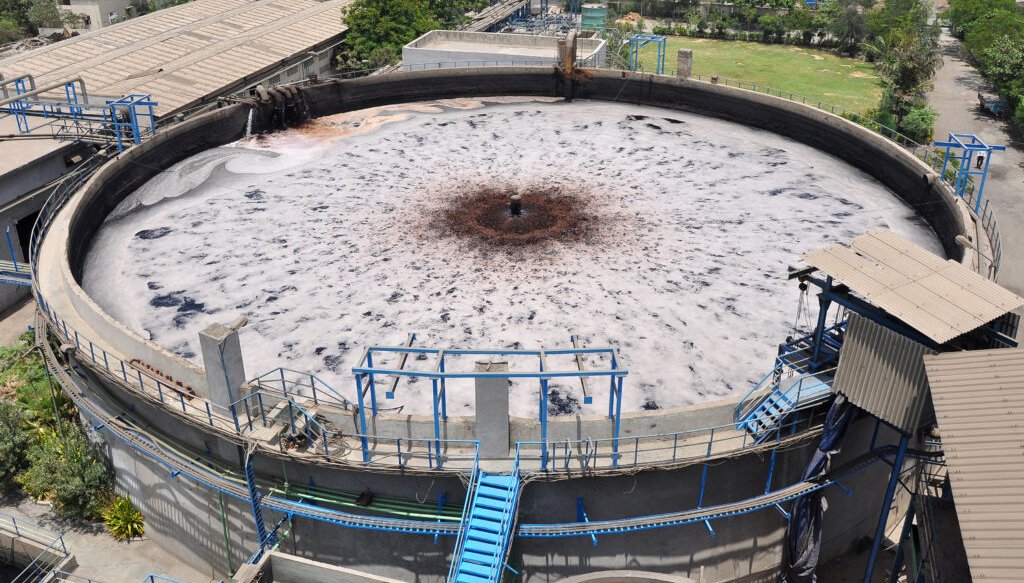
Understanding the Equalization Tank in Wastewater Treatment
In the intricate realm of wastewater treatment, equalization tanks hold a pivotal role. Operating as the unsung heroes within treatment plants, they provide the stability needed for the effective processing of wastewater. This article explores equalization tanks in detail, examining their purpose, design, operational dynamics, and the critical role they play in sustainable wastewater management.
The Fundamentals of Wastewater Treatment
Before delving into what equalization tanks are, it’s important to understand the fundamental structure of wastewater treatment processes. Wastewater treatment consists of a series of processes aimed at removing contaminants from water released after its use in various activities. The primary goal is to produce effluent that can be returned to the water cycle with minimal environmental impact or reused in some capacity.
Wastewater treatment typically involves several stages: preliminary, primary, secondary, and sometimes tertiary treatment. Each stage has distinct processes and objectives:
- Preliminary Treatment: This stage involves removing large solids and debris to prevent damage to subsequent treatment infrastructure. This often includes screening and grit removal.
- Primary Treatment: Involves the settlement of suspended solids. The effluent is moved to settling tanks where solids can settle out by gravity.
- Secondary Treatment: This biological process removes dissolved organic matter. Common techniques include activated sludge systems and biofilm-based systems like trickling filters.
- Tertiary Treatment: Further enhances water quality through additional chemical and physical processes to remove nutrients such as phosphorous and nitrogen, as well as further solids and pathogens.
Understanding these stages is crucial to appreciating the role equalization tanks play in ensuring the smooth operation of treatment facilities.
What is an Equalization Tank?
An equalization tank is a specialized unit within a wastewater treatment facility designed to balance flows and loads. Wastewater flow rates and characteristics often vary considerably due to factors such as industrial discharges, rainstorms, and daily usage patterns. Such variability can compromise downstream processes if not managed properly.
The equalization tank functions as a buffer system, accumulating and storing wastewater when the flow rate or the concentration of pollutants is high, and releasing it slowly at a controlled rate. This ensures downstream processes receive a relatively constant flow which optimizes performance and efficiency.
| Application Type | Primary Purpose | Observed Impact |
|---|---|---|
| Municipal WWTP influent | Flow & load smoothing | More stable BOD/TSS, improved biological performance |
| Small SBR systems | Buffer batch decant | Reduced shock loading, permit compliance |
| Industrial batch discharges | Manage organic & toxic spikes | Lower treatment cost, improved compliance |
| pH-variable influent | pH equalization | Optimal stabilization with ~1–3 h detention |
Significance of Equalization Tanks
Managing Flow Variability
One of the most crucial functions of equalization tanks is to manage variability in wastewater flows. In many treatment plants, flow rates can fluctuate significantly, with potential peaking during certain times of the day (morning and evening) or during storm events. Equalization tanks hold back excess flow during these peaks and release it during low-demand periods. This balancing act is critical for maintaining efficiency and preventing overloading of the treatment system.
Load Amelioration
Equalization tanks not only help in managing flow variations but also work on evening out the chemical and biological loadings. Sudden spikes in pollutant concentrations can harm biological treatment processes, particularly those sensitive to specific compounds. By ensuring that variations in key parameters such as pH, biochemical oxygen demand (BOD), and chemical oxygen demand (COD) are smoothed out, equalization tanks contribute to the longevity and efficacy of downstream biological treatment processes.
Enhancing Treatment Efficiency
With a steadier flow and load, treatment processes can operate under more predictable and optimized conditions. This often results in improved efficiency, with enhanced removal of pollutants, reduced energy use, and minimized chemical consumption.
Protecting Infrastructure
Sudden changes in flow and load can cause physical stress on treatment equipment and infrastructure. By moderating these changes, equalization tanks help extend the life of mechanical equipment and reduce maintenance costs. This protective role is vital as it minimizes wear and tear on infrastructure and reduces the frequency of costly repairs or replacements.
Supporting Plant Flexibility
An equalization tank provides a treatment plant with greater operational flexibility. Whether it’s handling unexpected industrial discharges or accommodating planned maintenance, the ability to store excess wastewater and manage release rates can afford operators the time needed to effectively respond to various situations.
Quantified Performance Benefits of Equalization Tanks
Field studies and operating data consistently show that equalization tanks do more than stabilize flows—they measurably improve treatment outcomes. By buffering diurnal and episodic hydraulic and organic shocks, equalization basins allow downstream processes to operate closer to design conditions.
Key reported effects include:
BOD₅ removal improvements of up to ~30% in conventional municipal treatment systems when influent variability is reduced
Total Suspended Solids (TSS) removal gains of ~10–30%, driven by steadier loading to primary and secondary units
Improved permit compliance in sequencing batch reactor (SBR) systems by preventing shock loading during decant cycles
Lower operating cost for industrial facilities compared with chemical shock treatment, particularly for batch discharges
These gains are most pronounced in facilities with strong diurnal flow patterns, combined sewer influences, or intermittent industrial inputs.
Design and Operation of Equalization Tanks
The design of an equalization tank is one of the most consequential decisions in a wastewater treatment plant, as it directly influences hydraulic stability, biological performance, operational flexibility, and long-term resilience of the treatment train. Unlike many unit processes that are sized primarily for average or peak conditions, equalization systems must be explicitly designed to manage variability—both predictable diurnal fluctuations and irregular hydraulic or organic shocks.
Effective equalization design therefore requires a holistic understanding of influent patterns, downstream process sensitivity, operational objectives, and site constraints. Poorly designed equalization tanks may function only as passive storage, while well-designed systems actively improve treatment efficiency, reduce peak loading, and simplify plant control.
The principal design considerations for equalization tanks include location and configuration, volume determination, hydraulic retention time, basin geometry, mixing and aeration requirements, pumping and control strategies, and long-term operational considerations.
Location and Configuration within the Treatment Train
Equalization tanks are most commonly located near the headworks of a wastewater treatment plant, downstream of preliminary treatment such as screening and grit removal, and upstream of primary clarification or biological treatment. This placement allows the equalization basin to intercept raw influent variability before it propagates into processes that are more sensitive to hydraulic and organic shocks.
Locating equalization after preliminary treatment significantly reduces the accumulation of grit, rags, and debris within the basin, minimizing sediment buildup and maintenance demands. In some designs, equalization may be placed after primary clarification or even upstream of advanced treatment processes, particularly when the objective is to buffer hydraulic variability rather than raw solids loading. However, early placement generally offers the greatest system-wide benefit.
Two primary configuration strategies are used:
In-line equalization, in which all influent passes through the equalization basin before entering downstream processes, provides the highest degree of flow and load stabilization. This approach is particularly effective for plants experiencing strong diurnal patterns or variable industrial contributions. The tradeoff is increased basin volume and pumping requirements.
Off-line equalization diverts only excess flow above a predetermined threshold into the basin, allowing normal flows to bypass directly to treatment. This approach reduces pumping energy and basin size while still capturing peak flows and shock loads. Off-line equalization is frequently used in combined sewer systems to manage first-flush events or storm-related surges.
The choice between in-line and off-line equalization should be driven by downstream process sensitivity, influent variability, energy considerations, and available footprint.
Inline vs Off-Line Equalization: Design Tradeoffs and Use Cases
One of the earliest and most consequential design decisions for an equalization system is whether it will operate as an inline or off-line basin. While both approaches aim to buffer influent variability, they differ significantly in hydraulic behavior, control requirements, energy use, and overall effectiveness.
Inline equalization routes all influent flow through the equalization basin before it enters downstream treatment processes. This configuration provides the highest degree of stabilization, as both hydraulic flow and pollutant concentrations are fully homogenized prior to treatment. Inline systems are particularly effective where downstream biological processes are sensitive to rapid fluctuations in organic load, such as activated sludge systems operating near design limits.
The primary advantages of inline equalization include:
Maximum smoothing of flow and mass loading
Simplified downstream process control
Improved biological stability and effluent consistency
However, inline systems typically require larger basin volumes and continuous pumping, increasing capital cost and energy demand.
Off-line equalization, by contrast, diverts only excess flow above a defined threshold into the equalization basin, allowing base flows to pass directly to treatment. Stored wastewater is later released at a controlled rate when influent conditions return to normal. This approach is commonly used to manage peak flows, storm-related surges, or intermittent industrial discharges.
Off-line equalization offers several benefits:
Smaller basin volume requirements
Reduced pumping energy
Flexibility in handling episodic events
The tradeoff is that off-line systems primarily smooth hydraulic peaks, with more limited impact on average pollutant concentration variability.
The selection between inline and off-line equalization should be driven by influent variability, downstream process sensitivity, available footprint, and energy considerations. In some large or complex facilities, hybrid approaches are employed to capture the benefits of both configurations.
Influent Characterization and Variability Analysis
Robust equalization design begins with a clear understanding of influent variability. Wastewater flow and pollutant concentrations rarely remain constant; instead, they follow daily, weekly, and seasonal patterns influenced by population behavior, industrial schedules, infiltration and inflow, and weather events.
Typical municipal influent flow may reach two times the average daily flow during peak hours and fall to half the average during nighttime low periods. When concentration variations are considered alongside flow, the resulting organic load can fluctuate by a factor of four to six times over a 24-hour cycle. Industrial discharges may introduce even sharper discontinuities, with batch releases causing abrupt spikes in flow, BOD, COD, pH, or toxic constituents.
Equalization tanks are designed specifically to absorb these fluctuations. Consequently, accurate characterization of hourly flow rates and pollutant concentrations is far more valuable than reliance on daily averages. Where long-term data are unavailable, conservative assumptions should be applied, recognizing that underestimating variability typically leads to underperforming equalization systems.
Volume Determination and Storage Requirements
The determination of equalization tank volume is the central quantitative task in design. The objective is to provide sufficient storage to dampen flow and load variations such that downstream units receive a relatively constant influent.
The most widely accepted method for sizing equalization volume is mass-curve (or ripple diagram) analysis, in which cumulative influent volume is plotted against time over a representative period—typically 24 hours. A straight line representing the desired constant outflow rate is superimposed on the curve. The maximum vertical separation between the cumulative inflow curve and the constant outflow line represents the required equalization volume.
This approach explicitly accounts for the timing and magnitude of flow fluctuations and avoids oversimplification inherent in rule-of-thumb sizing. Case studies consistently demonstrate that mass-curve analysis yields reliable basin volumes that align closely with observed operational needs.
In practical design, the calculated theoretical volume is often increased by 10–20% to account for:
- Minimum operating volume required to maintain mixing and aeration
- Allowance for sediment accumulation between cleaning cycles
- Uncertainty in influent patterns and future load growth
- Operational flexibility during maintenance or abnormal events
Where detailed influent data are unavailable, preliminary designs may assume equalization volumes on the order of 20–30% of average daily flow, with refinement during later design stages.
Flow Equalization vs Load Equalization: Why BOD Mass Matters More Than Flow Alone
Equalization is often described in terms of flow smoothing, but from a treatment performance perspective, organic load equalization is frequently more important than hydraulic equalization alone. Biological treatment processes respond primarily to mass loading rates, not simply volumetric flow.
In many wastewater systems, periods of high flow coincide with elevated pollutant concentrations, producing sharp spikes in BOD, COD, and TSS mass loading. If only flow is equalized while concentration variability remains unaddressed, downstream biological units may still experience shock loading that disrupts microbial activity and reduces treatment efficiency.
Research consistently shows that effective equalization systems significantly reduce the ratio of peak-to-average BOD mass loading, often compressing it from values exceeding 2.0–2.5 down to approximately 1.3–1.5. This reduction has direct operational benefits, including:
Improved stability of biological reactors
Reduced risk of biomass washout
More consistent oxygen demand and aeration control
Enhanced effluent quality
True load equalization requires sufficient volume, continuous mixing, and controlled discharge to ensure that both flow and pollutant concentrations entering downstream processes remain relatively constant. Designers should therefore evaluate equalization performance using mass loading profiles, not flow data alone.
How Engineers Determine Equalization Volume: The Mass Curve (Ripple Diagram) Approach
The most robust method for determining equalization volume is the mass curve, also known as the ripple diagram approach. This method explicitly accounts for time-dependent variability in influent flow or pollutant mass and avoids oversimplified reliance on peak factors.
In a mass-curve analysis, cumulative influent volume (or pollutant mass) is plotted against time over a representative period, typically 24 hours. A straight line representing the desired constant outflow rate is then superimposed on the curve. The maximum vertical separation between the cumulative inflow curve and the constant outflow line represents the minimum required equalization volume.
This graphical method provides several advantages:
Captures the timing of peaks and valleys, not just their magnitude
Allows evaluation of both flow and mass equalization performance
Supports transparent, defensible design decisions
Unlike simple percentage-of-flow rules, mass-curve analysis reflects actual system behavior and is particularly valuable where influent patterns are complex or influenced by industrial discharges. Even when simplified assumptions are used, the conceptual framework helps designers understand why certain basin volumes perform better than others.
Role of Equalization in Nutrient Removal (BNR) Systems
As wastewater treatment plants increasingly adopt biological nutrient removal (BNR) processes to meet stringent nitrogen and phosphorus limits, the importance of influent stability becomes even more pronounced. Nitrification, denitrification, and enhanced biological phosphorus removal (EBPR) processes are highly sensitive to fluctuations in flow, organic carbon availability, and ammonia loading.
Equalization tanks support nutrient removal performance by delivering a more consistent influent profile to BNR systems. Stabilized flow and mass loading help maintain favorable conditions for key microbial populations and reduce the risk of process upsets.
Specific benefits include:
Improved nitrification stability, by avoiding sudden ammonia spikes that can overwhelm nitrifying bacteria
More consistent carbon availability for denitrification, supporting reliable nitrate removal
Enhanced EBPR performance, as stable loading improves phosphorus uptake dynamics
Reduced need for supplemental carbon addition, particularly in facilities with marginal influent carbon
By moderating influent variability, equalization tanks enable BNR systems to operate closer to their design assumptions, improving nutrient removal efficiency and compliance reliability. In this context, equalization functions as a foundational support process for advanced biological treatment, rather than a purely hydraulic buffer.
Hydraulic Retention Time (HRT) Considerations
Hydraulic retention time within the equalization basin is a derived parameter resulting from volume and flow rate, but it plays a critical role in system behavior. HRT influences not only flow smoothing effectiveness but also biochemical processes occurring within the basin.
For municipal wastewater, effective equalization systems commonly operate with HRTs ranging from 2 to 8 hours, depending on influent variability and design objectives. Shorter retention times may be sufficient for purely hydraulic equalization, while longer retention times provide greater load smoothing and improved stability for biological treatment processes.
Retention time also directly affects BOD mass loading. Studies show that equalization can reduce peak-to-average BOD loading ratios from values exceeding 10:1 to ratios closer to 1.3–1.5:1, dramatically reducing stress on aeration basins and secondary clarifiers. This smoothing effect often translates into improved process control, lower energy consumption, and increased treatment reliability.
However, excessively long retention times without adequate mixing and aeration can lead to anaerobic conditions, odor generation, and unintended biochemical transformations. HRT selection must therefore balance hydraulic objectives with operational constraints.
Basin Geometry and Hydraulic Behavior
The physical geometry of the equalization basin has a direct impact on mixing efficiency, short-circuiting potential, and sediment behavior. Equalization tanks should be designed to function hydraulically as continuously mixed reactors, rather than as plug-flow channels.
Long, narrow basins with poorly positioned inlets and outlets are prone to short-circuiting, which undermines the equalization effect and creates stagnant zones. To avoid these issues, designers typically favor:
- Rectangular or square basins with moderate aspect ratios
- Strategic placement of influent and effluent points near mixing zones
- Avoidance of dead corners and excessive depth gradients
In in-line equalization systems, inlet flows should discharge directly into regions of active mixing to promote rapid homogenization. Outlet structures should draw from well-mixed zones rather than surface skimming or isolated compartments.
Basin depth is often selected to balance footprint constraints with mixing energy efficiency. Deeper basins reduce land area but may require more powerful mixing systems to maintain solids suspension.
Mixing Requirements and Solids Management
Continuous mixing is essential in nearly all equalization tanks. Without adequate mixing, suspended solids settle, stratification develops, and the basin transitions from an equalization unit into a sludge storage tank.
Mixing systems must be designed to:
- Keep solids in suspension
- Maintain uniform pollutant concentrations
- Prevent localized anaerobic zones
- Support effective aeration, if provided
Two primary mixing approaches are used:
Mechanical mixing, using submersible or surface mixers, provides direct control over mixing intensity and is well suited for deeper basins or retrofits where aeration is not required.
Diffused air mixing, in which compressed air is released through diffusers, combines mixing with oxygen transfer. This approach is commonly used when odor control or limited biological activity is desired.
Mixing energy requirements are typically modest compared to biological treatment processes, but under-mixing is a common cause of poor equalization performance. Designs should prioritize reliable, continuous mixing rather than intermittent operation.
Aeration Strategy and Odor Control
Aeration in equalization tanks serves multiple purposes: preventing septic conditions, controlling odors, and in some cases providing partial oxidation of organic matter. The need for aeration depends on influent strength, retention time, and ambient conditions.
For wastewater with high organic loads or long detention times, aeration is often necessary to prevent the formation of hydrogen sulfide and other odorous compounds. However, equalization tanks are not intended to function as primary biological reactors. Excessive aeration can increase energy costs without proportional treatment benefit.
As a result, many designs employ low-rate or intermittent aeration, sufficient to maintain aerobic conditions without driving full biological conversion. Aeration intensity is often adjusted seasonally or in response to observed odor conditions.
Designers must also consider the potential for volatilization of certain compounds during aeration, particularly in industrial wastewater applications. Where volatile emissions are a concern, aeration strategies should be carefully evaluated.
Energy Implications of Equalization Tanks
Energy consumption represents a significant portion of wastewater treatment operating costs, particularly in aeration and pumping systems. Equalization tanks play a meaningful role in energy optimization by smoothing hydraulic and organic loading patterns that would otherwise drive peak power demand.
Without equalization, downstream processes—especially aeration basins—must be sized and operated to accommodate short-duration peak loads. These peaks often dictate blower sizing, motor selection, and electrical infrastructure, even though they occur for only a limited portion of the day.
Equalization reduces this inefficiency by:
Lowering peak oxygen demand in biological reactors
Allowing aeration systems to operate closer to steady-state conditions
Reducing the need for oversized blowers and pumps
Improving the effectiveness of variable-frequency drives
From an operational perspective, smoother loading profiles translate into more stable energy draw, reduced cycling of equipment, and improved asset lifespan. In facilities with demand-based electricity pricing, equalization can also reduce peak demand charges by flattening energy usage over time.
While equalization tanks introduce their own energy requirements for mixing, aeration, and pumping, these loads are typically modest compared to the energy savings realized in downstream treatment processes. When evaluated on a whole-plant basis, equalization often contributes to net energy reduction and improved operational efficiency.
Pumping, Flow Control, and Automation
Equalization tanks introduce an opportunity—and a requirement—for active flow control. Influent may enter the basin by gravity, but effluent is typically pumped at a controlled rate to downstream processes.
Pump selection and control strategy are therefore integral to equalization design. Key considerations include:
- Variable-speed pumps to modulate discharge flow
- Redundancy to ensure continuous operation
- Control logic tied to basin level, downstream capacity, or process feedback
Modern equalization systems increasingly rely on automated control systems that integrate level sensors, flow meters, and water quality instrumentation. These systems adjust discharge rates in real time to maintain stable loading conditions and respond to abnormal events.
Well-designed control strategies allow equalization tanks to function not merely as passive buffers but as active components of plant optimization.
Operating Strategy and Control Philosophy for Equalization Tanks
An equalization tank is only as effective as the operating strategy used to control it. Volume alone does not guarantee stable downstream conditions; controlled release rates and responsive automation are essential components of successful equalization design.
Discharge flow from the equalization basin is typically regulated using variable-speed pumps governed by basin level, downstream capacity, or treatment process feedback. Common control objectives include:
Maintaining a constant flow to biological treatment
Preventing hydraulic overloading of clarifiers
Coordinating with chemical dosing and disinfection systems
Equalization tanks also provide valuable operational flexibility. During abnormal influent events, maintenance activities, or short-term process upsets, the basin can temporarily store wastewater while operators adjust downstream conditions.
Designers should consider equalization not as a static structure, but as an active control element within the plant. Well-integrated control logic allows treatment facilities to operate closer to optimal conditions with reduced manual intervention.
Impact on Downstream Process Performance
The ultimate value of an equalization tank lies in its effect on downstream treatment units. By stabilizing flow and pollutant loading, equalization improves the performance of primary clarifiers, biological reactors, and secondary clarifiers alike.
Uniform hydraulic loading enhances sedimentation efficiency, while stabilized organic loading supports consistent microbial activity in biological processes. Chemical dosing systems, disinfection units, and sludge handling operations also benefit from reduced variability.
In many cases, the addition of equalization allows existing treatment plants to accommodate increased loading or stricter effluent requirements without extensive upgrades to downstream infrastructure.
Using Equalization Tanks to Upgrade Existing Treatment Plants
Equalization tanks are increasingly used as a cost-effective upgrade strategy for existing wastewater treatment plants facing capacity constraints or more stringent effluent limits. Rather than expanding downstream unit processes, many facilities achieve compliance by stabilizing influent conditions through improved equalization.
By reducing hydraulic and organic shock loads, equalization can:
Improve performance of undersized biological reactors
Increase effective treatment capacity without structural expansion
Reduce non-compliance during peak or storm-driven events
This approach is particularly attractive for plants constrained by site limitations or capital budgets. In many cases, adding or upgrading equalization provides measurable performance improvement at a fraction of the cost of major treatment expansions.
Impact of Equalization on Chemical Dosing and Process Control
One of the most underappreciated benefits of equalization tanks is their direct impact on chemical dosing stability throughout the treatment plant. Many chemical systems—coagulation, pH adjustment, nutrient removal, and disinfection—are designed around relatively steady influent conditions. When flow or pollutant concentrations fluctuate sharply, chemical dosing systems are forced into reactive operation, often leading to overuse, underdosing, or inconsistent treatment outcomes.
By stabilizing both hydraulic flow and pollutant mass loading, equalization tanks create a more predictable influent profile for chemical processes. This predictability allows dosing systems to operate closer to their optimal control ranges, improving treatment efficiency and reducing chemical consumption.
Key process benefits include:
More stable pH control, reducing excessive acid or alkali dosing caused by rapid influent swings
Improved coagulant and polymer performance, as solids and organic loads are delivered at consistent rates
More reliable disinfection, with reduced variability in chlorine or UV demand
Lower chemical usage overall, driven by reduced safety margins and fewer corrective dosing events
In plants with automated chemical feed systems, equalization enhances the effectiveness of feedback and feedforward control loops. Rather than responding to abrupt changes, control systems can make smaller, more precise adjustments, improving compliance and reducing operator intervention.
Maintenance, Reliability, and Long-Term Operation
Equalization tanks are robust systems, but they are not maintenance-free. Designers must account for periodic sediment removal, inspection of structural components, and servicing of mixing and aeration equipment.
Materials of construction should be selected to withstand aggressive wastewater chemistry, particularly in industrial applications. Corrosion protection, coating systems, and access provisions for inspection are essential elements of long-term reliability.
Operational simplicity should be prioritized wherever possible. Equalization systems that are overly complex or difficult to maintain often fail to deliver their intended benefits.
What Equalization Tanks Cannot Solve
While equalization tanks provide substantial benefits, they are not a universal solution to all treatment challenges. Equalization does not increase inherent treatment capacity, nor can it compensate for fundamentally undersized or poorly designed downstream processes.
Common limitations include:
Inability to treat pollutants beyond smoothing their delivery
Risk of odor and corrosion if detention times are excessive and mixing is inadequate
Diminishing returns when basin volume exceeds practical operating needs
Understanding these limitations is essential to applying equalization effectively. When properly sized and integrated, equalization enhances system performance; when misapplied, it can add complexity without proportional benefit.
Common Equalization Tank Design and Operational Mistakes
Despite their conceptual simplicity, equalization tanks frequently underperform due to avoidable design and operational errors. Understanding common failure modes is essential to realizing the full benefits of equalization.
Typical mistakes include:
Oversizing without adequate mixing, leading to solids accumulation, odor generation, and loss of effective volume
Designing for storage volume alone, without defining a clear operating and control strategy
Underestimating influent variability, resulting in insufficient equalization capacity
Placing equalization upstream of inadequate preliminary treatment, increasing maintenance and sediment buildup
Using equalization to compensate for insufficient downstream treatment capacity, rather than as a supporting process
Operational missteps can also erode performance over time. Intermittent mixing, deferred sediment removal, or poorly tuned pump controls may gradually transform an equalization basin from an active control asset into a passive holding tank.
Avoiding these pitfalls requires treating equalization as a fully integrated process unit—one that combines sound hydraulic design, appropriate equipment selection, and intentional operational strategy.
Design Philosophy and Practical Perspective
At its core, equalization tank design is about managing variability. Unlike treatment processes designed to remove pollutants directly, equalization systems create the conditions under which all other processes can perform effectively.
A well-designed equalization tank reduces operational stress, improves effluent quality, and enhances plant resilience at a relatively low capital and energy cost. When treated as a strategic element rather than an afterthought, equalization becomes one of the most valuable investments in wastewater treatment infrastructure.
Equalization Tank Design Checklist
1. Influent Characterization
☐ Hourly (or finer) flow data available for at least 24–72 hours
☐ Diurnal peak flow ≥ 2× average flow identified
☐ BOD, COD, TSS, and pH variability quantified
☐ Industrial or batch discharges identified and timed
☐ Stormwater or I/I effects considered (if applicable)
2. Location & Configuration
☐ Located downstream of screening and grit removal
☐ Upstream of primary clarification or biological treatment
☐ Configuration selected:
☐ In-line (all flow passes through basin)
☐ Off-line (only excess flow diverted)
☐ Configuration aligned with downstream process sensitivity
3. Volume Sizing
☐ Mass-curve (ripple diagram) analysis performed where data allow
☐ Equalization volume sufficient to dampen diurnal peaks
☐ Preliminary volume ≥ 20–30% of average daily flow (if data limited)
☐ Additional 10–20% volume allowance for:
☐ Mixing/aeration minimum depth
☐ Sediment accumulation
☐ Operational flexibility
4. Hydraulic Retention Time (HRT)
☐ Target HRT within typical range:
☐ 2–4 hours (hydraulic smoothing focus)☐ 4–8 hours (load and process stabilization)
☐ HRT balanced against odor and septic risk
☐ Retention time compatible with downstream biological process needs
5. Basin Geometry
☐ Geometry minimizes short-circuiting
☐ Inlet located near active mixing zone
☐ Outlet draws from well-mixed region
☐ Long, narrow plug-flow shapes avoided
☐ Basin depth optimized for mixing efficiency and footprint
6. Mixing System
☐ Continuous mixing provided (no dead zones)
☐ Mixing method selected:
☐ Mechanical mixers
☐ Diffused air mixing
☐ Mixing energy adequate to keep solids in suspension
☐ Mixing operable at minimum basin level
7. Aeration & Odor Control
☐ Odor potential evaluated (H₂S, septic risk)
☐ Aeration provided where detention time or load requires
☐ Aeration strategy selected:
☐ Continuous low-rate
☐ Intermittent / demand-based
☐ Aeration balanced to avoid unnecessary energy use
8. Pumping & Flow Control
☐ Controlled discharge to downstream processes provided
☐ Variable-speed pumps specified
☐ Redundant pumping capacity included
☐ Pump control tied to:
☐ Basin level
☐ Downstream capacity
☐ Process feedback (where applicable)
9. Instrumentation & Automation
☐ Level sensors installed (high/low alarms)
☐ Influent and effluent flow meters provided
☐ pH or quality monitoring included if needed
☐ Automated control logic supports stable downstream loading
☐ Manual override and fail-safe modes included
10. Operations & Maintenance
☐ Sediment cleanout strategy defined (frequency and access)
☐ Materials resistant to corrosion and wastewater chemistry
☐ Access provided for inspection and equipment removal
☐ Mixing and aeration equipment serviceable without basin dewatering
11. Downstream Performance Check
☐ Equalization reduces peak/average flow ratio
☐ BOD and TSS mass loading variability significantly reduced
☐ Downstream clarifiers and bioreactors protected from shock loads
☐ Chemical dosing and disinfection simplified
12. Lifecycle & Future Flexibility
☐ Design allows for future flow or load increases
☐ Modular expansion feasible (if required)
☐ Energy and maintenance costs evaluated
☐ Equalization adds measurable operational resilience
Equalization (EQ) Tank Sizing Calculator
Estimate equalization volume needed to buffer flow variability. Results are planning-level and intended for preliminary design.
Results
Operating EQ Volume: MG ( gallons)
Design EQ Volume (with safety factor): MG ( gallons)
Estimated Surface Area: ft² (using effective depth ft)
Operating Principles
Operating an equalization tank effectively requires adherence to several principles:
- Monitoring Influent Characteristics: By continuously tracking inflow characteristics such as pH, BOD, and solids content, operators can make informed decisions regarding tank management.
- Dynamic Flow Adjustment: Adjusting the release of contained wastewater based on real-time conditions within the plant allows for precise control over treatment processes.
- Regular Cleaning and Maintenance: To ensure efficiency, equalization tanks need scheduled maintenance. This includes cleaning to prevent buildup of solids and routine checks of mechanical and electrical components.
- Safety Measures: Owing to the presence of potentially harmful and odorous compounds, safety protocols must be followed to protect operators and the environment.
Challenges and Innovations
Challenges
Despite their numerous advantages, equalization tanks present several challenges:
- Space Requirements: Equalization tanks can occupy significant space, a constraint for facilities with limited real estate.
- Cost Implications: Initial capital expenditure and ongoing maintenance costs can be significant, often a barrier for smaller treatment operations.
- Odor Management: Equalization tanks can be a source of foul odors if not managed properly, requiring the installation of odor control systems.
Innovations
In recent years, advances in technology and design have addressed many of these challenges, enhancing the functionality of equalization tanks:
- Advanced Control Systems: The integration of remote sensing, real-time analytics, and automated controls has led to smarter, more responsive equalization systems.
- Compact Designs: Innovation in materials and engineering has led to the development of more compact yet efficient tank designs, reducing the footprint of equalization systems.
- Renewable Energy Integration: Some facilities have integrated solar-powered systems to minimize the environmental impact and operational costs of equalization tanks.
- Enhanced Materials: Utilizing corrosion-resistant materials and coatings extends the lifespan and efficiency of equalization tanks while simplifying maintenance.
Case Studies
Urban Wastewater Treatment Plant
Consider an urban wastewater treatment plant with a capacity to handle flows from a city of over 500,000 residents. The plant experiences significant flow fluctuations, particularly during rainy seasons due to combined sewer systems. Here, the equalization tank not only manages daily flow peaks but also stores excess during storm events to prevent overloading the primary and secondary treatment facilities. This control enables the plant to maintain compliance with regulatory standards for effluent quality even under challenging conditions.
Industrial Wastewater Management
In an industrial setting, a chemical manufacturing company discharges varying concentrations of organic and inorganic pollutants. An equalization tank at the site levels out these variations, protecting biological treatment systems from toxic shock loads. The meticulous management afforded by the equalization system improves both compliance with discharge regulations and partnerships with municipal treatment facilities.
The Future of Equalization Tanks
Integration with Smart Water Networks
As water management systems become increasingly interconnected, equalization tanks are expected to play a critical role in smart water networks. Their ability to provide buffering and smoothing functions aligns well with the data-driven predictions and optimizations of smart city water utilities.
Predictive Control and AI-Enabled Operations
Beyond real-time monitoring, future equalization systems are increasingly paired with predictive control platforms that anticipate inflow variability before it occurs. By combining historical flow data, weather forecasts, and upstream sensor inputs, these systems can proactively adjust equalization tank storage levels and discharge rates.
In this context, equalization tanks serve as the primary physical buffer that enables predictive algorithms to function effectively. Rather than reacting to peak flows after they occur, treatment plants can pre-emptively create storage capacity, smooth downstream loading, and reduce operational stress. As artificial intelligence and machine learning tools mature, equalization tanks will become central assets in closed-loop, self-optimizing wastewater treatment systems.
Climate Resilience and Extreme Flow Events
As climate change drives more frequent and intense storm events, wastewater treatment plants are increasingly challenged by extreme and unpredictable flow conditions. Equalization tanks are emerging as a critical resilience measure, providing temporary storage that helps facilities manage wet-weather surges without overwhelming downstream processes.
In both combined and separate sewer systems, equalization capacity allows treatment plants to absorb peak inflows, reduce bypass events, and maintain regulatory compliance during extreme weather. As utilities plan for future climate scenarios, equalization tanks are expected to play a growing role in adaptation strategies focused on system robustness and service continuity.
Focus on Sustainability
As sustainability becomes a central theme in engineering, equalization tanks will be expected to contribute to reductions in energy use and improvements in water recovery processes. Research into naturally aerated systems and algae-based treatments could shape the future of these essential components.
Evolving Regulatory Expectations
Future wastewater regulations are expected to place greater emphasis on effluent consistency, not just average performance. Short-term exceedances caused by hydraulic or organic shock loads increasingly expose utilities to compliance risk, even when average permit limits are met.
Equalization tanks provide a proactive means of addressing this challenge by reducing variability at the source. As regulators focus more on peak conditions, wet-weather performance, and nutrient discharge stability, equalization capacity is likely to become an implicit expectation in modern treatment plant design rather than an optional enhancement.
Adaptive Design and Modular Systems
To address spatial and financial constraints, the future of equalization tanks may lie in modular and adaptive designs. Such systems could be tailored precisely to the needs and growth forecasts of facilities, providing scalability without significant upfront investment.
Digital Twins and Lifecycle Optimization
As digital twin technology becomes more widespread in the water sector, equalization tanks are increasingly modeled as dynamic system components rather than static storage assets. Digital replicas of equalization basins allow operators to simulate flow scenarios, test control strategies, and evaluate long-term performance under changing conditions.
This approach supports more informed decisions around maintenance scheduling, equipment replacement, and future capacity expansion. By linking real-time operational data with predictive models, utilities can maximize the functional lifespan of equalization tanks while minimizing downtime and lifecycle cost.
Conclusion
Equalization tanks are foundational components of modern wastewater treatment facilities, providing the hydraulic and organic stability required for reliable, high-performance operation. By moderating flow variability and smoothing pollutant loading, they protect downstream processes, improve treatment efficiency, reduce operational stress, and support consistent regulatory compliance.
When properly designed and integrated, equalization tanks function as active control assets rather than passive storage—enhancing biological treatment performance, stabilizing chemical dosing, optimizing energy use, and extending infrastructure lifespan. Their role is becoming increasingly important as treatment plants adapt to tighter effluent limits, climate-driven flow variability, and the growing use of automation and predictive control systems.
As wastewater utilities move toward more resilient, data-driven, and sustainable operations, equalization tanks will continue to evolve as essential enablers of system flexibility and long-term performance. A thorough understanding of their design, operation, and limitations is therefore critical for engineers, operators, planners, and policymakers tasked with delivering reliable and sustainable wastewater management solutions.
- aeration
- Aeration Systems
- biological performance
- Biological Treatment
- challenge
- challenges
- changes
- design and operation
- Design Considerations
- Dynamic Flow Adjustment
- effluent
- Environmental Impact
- equalization tank
- flow variability
- Hydraulic Retention Time
- hydraulic stability
- Industrial Wastewater
- Industrial Wastewater Management
- Infrastructure
- Innovations
- integrated
- Load Amelioration
- management
- Mixing Systems
- Modular Systems
- Monitoring Influent Characteristics
- Nutrient Removal
- Operating Principles
- Operational Dynamics,
- operational flexibility
- Plant Flexibility
- preliminary treatment
- primary treatment
- Public health
- secondary treatment
- Sedimentation
- Smart Water Networks
- strategies
- Sustainability
- sustainable
- sustainable wastewater management
- tank design
- tertiary treatment
- Treatment Efficiency
- treatment plant
- treatment processes
- Urban Waste
- Urban Wastewater
- Urban Wastewater Treatment
- Wastewater Management
- wastewater treatment
- Wastewater Treatment Plant
- wastewater treatment processes
- water
- water cycle
- water management
- water quality
- Water Recovery
- water treatment