
- Home
- Water
- Water Quality: Essential Insights and Health Impacts
- Monitoring: Essential Strategies for Enhanced Data Security
- Contaminants and Contamination: Understanding Their Sources and Impact
- Standards: Elevating Professional and Industry Benchmarks
- FAQs: Comprehensive Answers to Common Questions
- Physical Water Treatment: Modern Techniques and Benefits
- Activated Carbon Filtration in Water: Essential for Clean, Safe Drinking Supplies
- Ultraviolet (UV) Disinfection in Water: Ensuring Safe and Clean Drinking Water
- Sand Filtration in Water: A Comprehensive Guide to Clean Drinking Solutions
- Ceramic Filtration: Effective Solutions for Clean Water
- Gravity-Based Filtration: Enhancing Water Purity with Simple Technology
- Membrane Filtration in Water: Improving Purity and Efficiency
- Sedimentation: Causes, Impacts, and Prevention Strategies
- Chemical Water Treatment: Essential Methods for Safe and Clean Water
- Coagulation and Flocculation: Essential Techniques for Water Treatment
- pH Adjustment: Essential Techniques for Maintaining Optimal Water Quality
- Chlorination: Essential Methods for Safe Water Treatment
- Ion Exchange: Essential Mechanism for Water Purification
- Ozonation: Advanced Water Purification Method Explained
- Biological Filtration: Enhancing Water Quality Through Natural Processes
- Water Supply: Ensuring Sustainable Future Solutions
- Water Conservation: Essential Strategies for Sustainable Living
- Water Management: Strategies for Sustainable Usage
- Water Quality: Essential Insights and Health Impacts
- Wastewater
- Wastewater Treatment
- Preliminary Treatment
- Screening
- Bar Screening
- Band Screen Wastewater Solutions: Effective Fine Screening Techniques
- Basket Screen Wastewater Solutions: Enhancing Treatment Efficiency
- Drum Screening
- Fine Screens in Wastewater Treatment: Enhancing Solid Removal Efficiency
- Microscreens in Wastewater Treatment: Enhancing Filtration Efficiency
- Parabolic Screen in Wastewater Treatment: Enhancing Solid-Liquid Separation Efficiency
- Static Screen in Wastewater Treatment: Efficiency and Application Overview
- Climber Screens in Wastewater Treatment: Enhancing Solid Waste Removal
- Step Screen in Wastewater Treatment: Enhancing Solid-Liquid Separation Efficiency
- Comminution in Wastewater Treatment: Enhancing Efficiency and Process Reliability
- Grit Removal in Wastewater: Essential Processes and Best Practices
- Screening
- Primary Treatment in Wastewater: The First Step in Pollution Control
- Sedimentation in Wastewater Treatment: The Efficient Separation Strategy
- Discrete Settling in Wastewater: Understanding the Separation Process
- Flocculent Settling in Wastewater: Understanding the Process and Benefits
- Zone Settling in Wastewater Treatment Processes: Understanding the Mechanism
- Compression Settling in Wastewater: Fundamental Principles and Management Strategies
- Primary Clarifiers in Wastewater: Understanding Their Role in Treatment Processes
- Circular Primary Clarifier in Wastewater Treatment: Essential Functions and Design Principles
- Parallel Plate Settlers in Wastewater Treatment: Efficiency and Design Principles
- Tube Settlers in Wastewater Treatment: Enhancing Clarification Efficiency
- Offset Clarifiers in Wastewater Treatment: Enhancing Clarity and Efficiency
- Rectangular Primary Clarifier in Wastewater Treatment: Efficiency and Design Principles
- Dissolved Air Flotation (DAF) in Wastewater: Enhancing Treatment Efficiency
- Full Flow DAF Systems: Revolutionizing Wastewater Treatment Efficiency
- Partial Flow DAF Systems: Advancing Wastewater Treatment Efficiency
- Recycle Flow DAF Systems: Enhancing Wastewater Treatment Efficiency
- Packed Column DAF: Advancing Water Treatment Efficiency
- Subsurface Release DAF Systems: Innovations in Wastewater Treatment
- Dispersed Release DAF Technology: Revolutionizing Wastewater Treatment
- Sedimentation in Wastewater Treatment: The Efficient Separation Strategy
- Secondary Treatment in Wastewater: Understanding the Biological Process
- Biological Treatment in Wastewater: Harnessing Microorganisms for Clean Water Solutions
- Rotating Biological Contactors: An Overview of Wastewater Treatment Efficiency
- Membrane Bioreactors (MBR): Advancing Wastewater Treatment Technology
- Anaerobic Digestion: Effective Waste Management for Renewable Energy
- Anaerobic Digestion in Wastewater Treatment: Optimizing Energy Recovery
- Lagoons in Wastewater Treatment: Sustainable Natural Solutions
- Constructed Wetlands in Wastewater Treatment: Nature’s Solution for Water Purification
- Activated Sludge Process in Wastewater Treatment: An Efficient Biological Methodology
- Trickling Filters in Wastewater Treatment: An Efficient Biofiltration Solution
- Sequencing Batch Reactors: Advancements in Wastewater Treatment Technology
- Aeration in Wastewater Treatment: Enhancing System Efficiency and Water Quality
- Surface Aerators in Wastewater Treatment: Optimization and Efficiency
- Submerged Diffuser Systems in Wastewater Treatment: Enhancing Effluent Disposal Efficiency
- Vertical Loop Reactors in Wastewater Treatment: Enhancing Efficiency and Sustainability
- Small Bubble Aerators in Wastewater: Enhancing Treatment Efficiency
- Jet Aerators in Wastewater Treatment: Enhancing Efficiency and Aeration Performance
- Cascade Aerators in Wastewater Treatment: Enhancing Oxygenation Efficiency
- Secondary Clarification in Wastewater: Enhancing Effluent Quality
- Circular Clarifiers in Wastewater: Essential Components for Water Treatment Efficiency
- Rectangular Clarifiers in Wastewater Treatment: Efficiency and Design Essentials
- Hopper Bottom Clarifiers in Wastewater Treatment: Efficiency and Design Essentials
- Solids Contact Clarifiers: Enhancing Wastewater Treatment Efficiency
- Lamella Clarifiers in Wastewater Treatment: Efficiency and Design Essentials
- Biological Treatment in Wastewater: Harnessing Microorganisms for Clean Water Solutions
- Tertiary Treatment in Wastewater: Ensuring Water Quality and Environmental Safety
- Advanced Treatment in Wastewater: Emerging Technologies and Methods
- UV Disinfection in Wastewater: Effective Strategies for Pathogen Reduction
- Low Pressure UV Systems in Wastewater Treatment: Efficiency and Advantages
- Medium Pressure (MP) UV Systems in Wastewater Treatment: Efficiency and Applications
- Amalgam UV Systems in Wastewater Treatment: Advancements and Efficiency
- Pulsed UV Systems in Wastewater Treatment: Revolutionizing Disinfection Processes
- Smart UV Control in Wastewater Treatment: Enhancing Efficiency and Safety
- Light-Emitting Diode (LED) UV Systems in Wastewater Treatment: Efficiency and Applications
- Ozonation in Wastewater Treatment: Understanding the Purification Process
- Fixed Bed Ozone Reactors in Wastewater Treatment: Efficiency and Application
- Ozone Retention Tanks in Wastewater Treatment: Enhancing Water Quality and Safety
- Sidestream Ozone Injection in Wastewater: Enhancing Treatment Efficiency and Water Quality
- Ozone Laundry Systems in Wastewater Treatment: Enhancing Efficiency and Sustainability
- Vacuum Degasification in Wastewater Treatment: Principles and Applications
- Bubble Diffuser Contactors in Wastewater Treatment: Efficiency and Application
- Ozone Generators in Wastewater Treatment: Efficiency and Applications
- Advanced Oxidation Processes in Wastewater Treatment: Efficiency and Innovation
- Ozonation in Wastewater Treatment: Efficient Disinfection and Organic Removal
- UV/H2O2 in Wastewater Treatment: Harnessing Advanced Oxidation Processes
- Fenton Process in Wastewater Treatment: Efficiency and Application
- Wet Air Oxidation in Wastewater Treatment: Efficiency and Process Insights
- Photocatalysis in Wastewater Treatment: Innovative Approaches for Purification
- Electron Beam Irradiation in Wastewater Treatment: Unlocking Advanced Purification Methods
- Ultrasonic Irradiation in Wastewater Treatment: Efficiency and Applications
- Ion Exchange: Essential Mechanism for Water Purification
- Cation Exchange in Wastewater Treatment: Principles and Applications
- Anion Exchange in Wastewater Treatment: Understanding the Process for Cleaner Effluents
- Ammonia Exchange in Wastewater: Essential Processes and Technologies
- Boron Selective Resins in Wastewater Treatment: Advances and Applications
- Mixed Bed Ion Exchange in Wastewater Treatment: Efficiency and Application
- Electrochemical Ion Exchange in Wastewater: Enhancing Treatment Efficiency
- UV Disinfection in Wastewater: Effective Strategies for Pathogen Reduction
- Sludge Treatment in Wastewater: Enhancing Efficiency and Reducing Environmental Impact
- Thickening in Wastewater Treatment: Optimizing Sludge Management
- Gravity Thickeners in Wastewater Treatment: Enhancing Efficiency and Sustainability
- Dissolved Air Flotation (DAF) in Wastewater: Enhancing Treatment Efficiency
- Rotary Drum Thickeners in Wastewater Treatment: Maximizing Efficiency and Cost-Effectiveness
- Gravity Belt Thickeners in Wastewater Treatment: Enhancing Efficiency and Sustainability
- Centrifuges in Wastewater Treatment: Enhancing Efficiency and Purity
- Cloth Media Filters in Wastewater Treatment: Efficiency and Applications
- Screw Presses in Wastewater Treatment: Efficiency and Applications
- Digestion in Wastewater Treatment: Processes and Benefits
- Autothermal Thermophilic Aerobic Digestion (ATAD): Enhancing Wastewater Treatment Efficiency
- Composting in Wastewater Treatment: Enhancing Sustainability Practices
- Alkaline Stabilization in Wastewater Treatment: Enhancing Process Efficiency and Safety
- Thermal Hydrolysis in Wastewater Treatment: Enhancing Sludge Management Efficiency
- Microwave Irradiation in Wastewater Treatment: An Innovative Approach
- Anaerobic Digestion in Wastewater Treatment: Optimizing Energy Recovery
- Aerobic Digestion in Wastewater Treatment: Efficiency and Process Insights
- Dewatering in Wastewater Treatment: Essential Methods and Benefits
- Belt Filter Presses in Wastewater Treatment: Maximizing Efficiency and Performance
- Plate and Frame Presses in Wastewater Treatment: Efficiency and Application
- Rotary Fan Presses in Wastewater Treatment: Efficient Sludge Dewatering Solutions
- Drying Beds in Wastewater Treatment: An Overview of Sludge Management Techniques
- Reed Beds in Wastewater Treatment: Sustainable Purification Methods
- Centrifuges in Wastewater Treatment: Enhancing Efficiency and Purity
- Thickening in Wastewater Treatment: Optimizing Sludge Management
- Reuse and Disposal: Strategies for Sustainable Waste Management
- Non-Potable Water in Wastewater: Sources, Risks, and Treatment Methods
- Graywater in Wastewater Treatment: Sustainable Reuse and Management Practices
- Blackwater in Wastewater Treatment: Understanding the Challenges and Solutions
- Stormwater in Wastewater Treatment: Managing Runoff Contamination Risks
- Industrial Wastewater Management: Strategies for Sustainable Treatment and Reuse
- Agricultural Wastewater Management: Challenges and Solutions
- Non-Potable Water in Wastewater: Sources, Risks, and Treatment Methods
- Industrial Wastewater Management: Strategies for Sustainable Treatment and Reuse
- Municipal Wastewater Management: Strategies for Sustainable Urban Water Treatment
- Treatment Technologies in Wastewater: Advancements in Modern Medical Therapies
- Preliminary Treatment
- Wastewater Management Strategies for Sustainable Urban Environments
- Wastewater Disposal Strategies: Best Practices for Environmental Safety
- Wastewater Treatment
- US Wastewater Plants
- Online Calculators
- Sodium Hypochlorite Dosing Calculation
- Equalization (EQ) Tank Sizing Calculator
- Contact Time Calculator
- Flow Conversion & Pump Reference Calculator
- Aeration / Energy Estimation Calculator
- Clarifier Surface Loading Calculator
- Sludge Production / Solids Calculator
- Chemical Storage Volume Calculator
- Centrate Sidestream Load Impact Calculator
- Our Services
- Newsletter Signup
- Blog
Aeration Tanks: Key Benefits and Functions Explained
- Aeration
-
Nov 14
- Share post
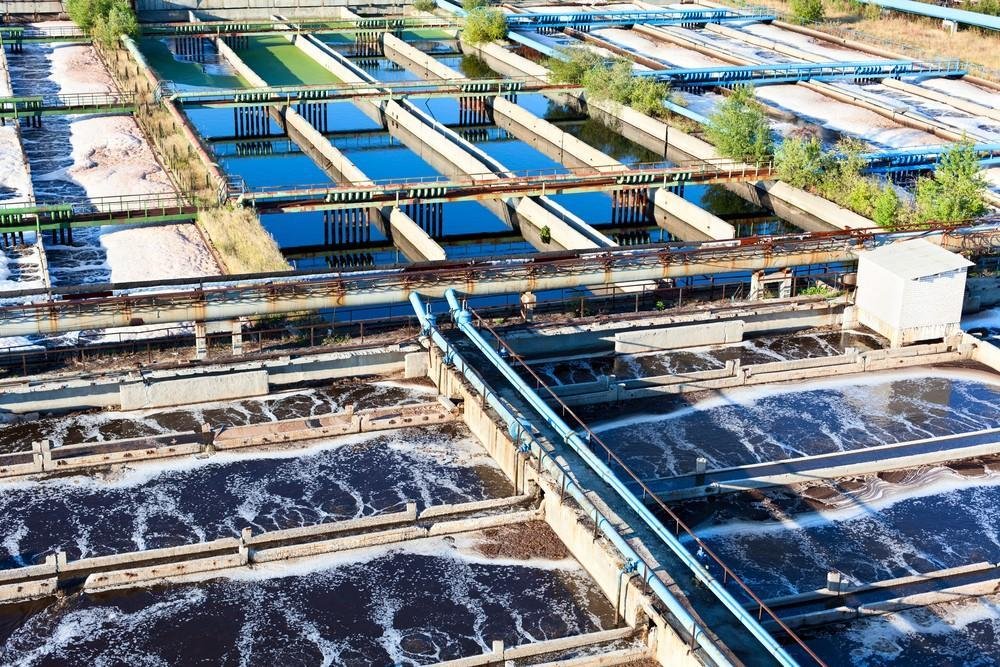
Aeration Tanks in Wastewater Treatment: Design, Function, and Engineering
Aeration tanks play a crucial role in wastewater treatment by introducing air into water to encourage microbial growth. These microorganisms consume organic material, helping to purify and clean wastewater. Aeration tanks are a core component of activated sludge systems used in many treatment plants today.
Air is introduced into aeration tanks primarily through blowers or mixers, each using different techniques to enhance treatment efficiency. The careful design and engineering of these systems directly influence treatment performance.
The design and operation of aeration tanks have a significant impact on efficiency and environmental footprint.
Understanding their role enables more sustainable wastewater management practices.
Key Takeaways
- Aeration tanks are essential for effective wastewater purification.
- Air is introduced using blowers or mechanical mixers.
- System design directly affects efficiency and sustainability.
Overview of Aeration Tanks
Aeration tanks support microbial communities that break down organic matter. By supplying oxygen, these tanks form the backbone of biological wastewater treatment systems and often operate alongside aeration basins used in wastewater treatment plants.
Definition and Purpose
Aeration tanks are a central component of the aeration tank wastewater treatment process, where oxygen is introduced to support aerobic microorganisms. They introduce oxygen into wastewater, enabling aerobic microorganisms to metabolize organic pollutants.
These microbes form flocs that settle easily in subsequent treatment stages, significantly reducing pollutant concentrations. Without sufficient oxygen, microbial activity slows, leading to incomplete treatment.
Historical Development
The activated sludge process emerged in the early 20th century in England, revolutionizing wastewater treatment by introducing biological methods for pollution control.
Over time, advancements in blower technology, diffusers, and control systems improved aeration efficiency and reduced operational costs. These developments highlight the role of innovation in environmental engineering.
Types of Aeration Tanks
Aeration tanks are available in several configurations, each suited to specific treatment needs.
- Continuous-flow tanks: Maintain a steady inflow for consistent treatment
- Sequential batch reactors (SBRs): Treat wastewater in batches, offering operational flexibility
Tanks also differ in aeration methods. Some use diffusers that release air bubbles, while
others employ mechanical mixers
to distribute oxygen evenly. Tank type selection directly affects treatment efficiency.
Design and Engineering
Aeration tank design influences oxygen transfer, mixing, and overall treatment effectiveness. Key engineering considerations include configuration, materials, aeration method, and oxygen efficiency.
Tank Configurations
Aeration tanks may be rectangular or circular. Rectangular tanks offer efficient space usage and integration with other treatment units, while circular tanks promote turbulent mixing.
Tank dimensions affect oxygen transfer rates and mixing patterns. Proper flow dynamics ensure adequate contact between air and wastewater.
Material Considerations
Material selection affects durability and long-term performance.
- Reinforced concrete: Durable and corrosion-resistant
- Steel: Strong and versatile but requires corrosion protection
Designers must also consider wastewater chemistry, including pH and corrosive compounds, to ensure longevity.
Aeration Methods
Two primary aeration methods are used:
- Blowers: Supply air through bottom diffusers, producing fine bubbles
- Mixers: Mechanically agitate water to distribute oxygen
Method selection depends on energy efficiency, maintenance needs, and wastewater characteristics.
Oxygen Transfer Efficiency
Oxygen transfer efficiency (OTE) measures how effectively supplied air dissolves into wastewater. High OTE supports robust microbial activity and lowers energy costs.
Optimizing diffuser design, bubble size, and aeration rates improves
oxygen transfer efficiency
,
making it a critical factor in sustainable treatment system design.
Aeration / Energy Estimation Calculator
Planning-level estimation of blower power and energy use based on basin volume and oxygen demand.
Total Oxygen Required: lb/day
Estimated Blower Power: hp
Estimated Electrical Load: kW
Daily Energy Use: kWh/day
Annual Energy Use: kWh/year
Power per Blower: hp
Operational Parameters
Operational parameters determine how effectively aeration tanks support microbial treatment. Key factors include flow rates, process control, and maintenance practices.
Flow Rates and Loading
Flow rates dictate how much wastewater enters the aeration tank and the time available for treatment. Excessive flow can overload the system, reducing treatment efficiency.
Loading rates reflect the concentration of organic matter entering the tank. Balancing flow and loading rates ensures optimal microbial activity and effective wastewater treatment .
Process Control
Process control involves monitoring dissolved oxygen, pH, and temperature to maintain ideal conditions for microbial health.
- Dissolved Oxygen (DO): Must remain within optimal ranges
- pH Levels: Affect microbial metabolism
- Temperature: Influences reaction rates and treatment stability
Precise control prevents energy waste and ensures consistent treatment performance.
Maintenance and Upkeep
Routine maintenance preserves aeration efficiency and system reliability.
- Inspecting blowers and mixers for wear
- Cleaning tanks to prevent buildup
- Checking seals and mechanical components
Proper upkeep minimizes downtime and extends equipment lifespan.
Applications in Wastewater Treatment
Municipal Wastewater Treatment
Aeration tanks are central to municipal wastewater treatment, enabling large-scale biological processing. In the U.S., they support treatment of over 34 billion gallons of wastewater daily.
They are the core of the activated sludge process , requiring efficient design to manage energy use while meeting regulatory standards.
Industrial Wastewater Management
Industrial wastewater often contains chemicals and heavy metals that require intensive treatment. Aeration tanks reduce pollutant loads before discharge.
Energy efficiency is critical due to high power consumpt
- Activated Sludge Process
- Activated Sludge Systems
- Aeration Methods
- Aeration Tanks
- Biological Wastewater Treatment
- Blowers
- challenge
- Continuous-flow tanks
- Design and Engineering
- Engineering Considerations
- Environmental Engineering
- Environmental Impact
- historical development
- Industrial Wastewater Management
- management
- Mechanical mixers
- methods
- Microbial Growth
- Mixers
- Monitoring
- Municipal Wastewater
- Organic Pollutants
- Oxygen Transfer Efficiency
- pollution
- pollution control
- Process Control
- supply
- Sustainability
- sustainable
- sustainable wastewater management
- system design
- treatment
- wastewater treatment
- water
- water management
- water quality
- water treatment