
Nutrient Removal in Wastewater: Enhancing Efficiency and Sustainability
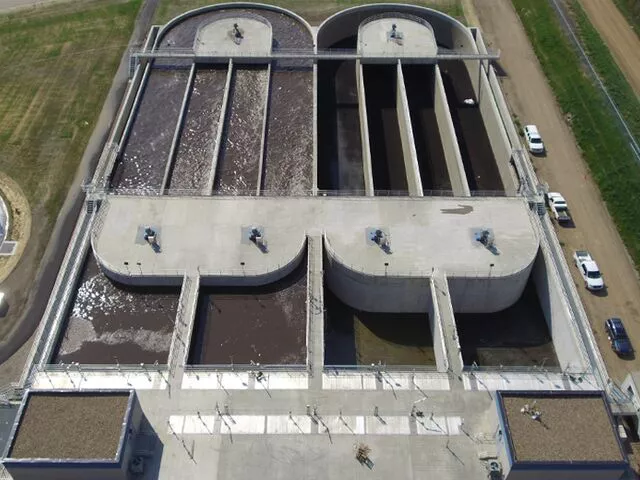
Nutrient removal in wastewater is a critical process in maintaining water quality and protecting aquatic ecosystems from harmful levels of nitrogen and phosphorus. These nutrients, if not properly managed, can lead to eutrophication, causing excessive growth of algae that deplete oxygen in the water and jeopardize fish and plant life. Efficient nutrient removal methods are therefore essential for wastewater treatment plants to meet environmental regulations and prevent ecological disturbances.
Modern wastewater treatment incorporates various innovative technologies to address nutrient overloading effectively. Nutrient removal sits within the wider field of secondary treatment, and in most plants it is achieved by modifying the same biological reactors that already handle carbonaceous BOD rather than by adding a separate downstream process. Biological nutrient removal processes stand out because they are capable of achieving robust outcomes with a potentially lower carbon and economic footprint, optimizing both environmental and cost efficiencies. The integration of advanced instrumentation and monitoring tools further refines the nutrient removal process, ensuring that treatment facilities operate at peak efficiency and comply with stringent discharge standards.
Key Takeaways
- Nutrient removal is crucial for preventing eutrophication and meeting environmental standards.
- Biological processes are central to modern nutrient removal strategies in wastewater treatment.
- Continuous improvement in technology and processes ensures effective and efficient nutrient management.
The Importance of Nutrient Removal
Removing nutrients from wastewater is critical to safeguarding water bodies from eutrophication, protecting public health, and complying with environmental regulations. Effective nutrient removal practices are integral to the overall health of aquatic ecosystems and communities relying on these water resources.
Eutrophication Prevention
Eutrophication, often triggered by excess nitrogen and phosphorus in water bodies, can lead to severe depletion of oxygen in water. This process causes significant harm to aquatic life, including fish kills and loss of biodiversity. The reduction of these nutrients before water is discharged from wastewater treatment facilities is vital to prevent such detrimental ecological impacts.
Public Health Concerns
Public health is intimately tied to the quality of water. Nutrients in wastewater can contribute to the growth of harmful algae that produce toxins detrimental to human and animal health. Removal of these nutrients thus becomes crucial in ensuring that water, when reused or cycled back into the environment, is free from harmful contaminants that can cause illnesses.
Environmental Regulations
Stringent environmental regulations, such as the Clean Water Act, mandate certain standards for water quality. Nutrient removal is a key aspect of achieving these requirements to ensure that the treated wastewater fulfills the legal standards before discharge into the environment. Compliance with these regulations is not only a legal responsibility but also a commitment to maintaining sustainable water quality standards.
Permit limits vary enormously by receiving water and drive the entire treatment approach. A plant discharging to a robust river may face no nutrient limit at all, or a seasonal ammonia limit only. A plant in a nutrient-impaired watershed operating under a total maximum daily load allocation may face annual average limits near 3 mg/L total nitrogen and 0.1 mg/L total phosphorus, and the Chesapeake Bay and Great Lakes programs have driven limits at or below those figures across hundreds of facilities. The distinction matters because the technology that meets a 10 mg/L total nitrogen limit is conventional and inexpensive, while the technology that meets 3 mg/L requires supplemental carbon, careful recycle control, and often tertiary denitrification filters. Establishing the actual permit trajectory, including limits expected at the next renewal, is the first step in any nutrient removal project.
Fundamentals of Wastewater Treatment
Effective wastewater treatment is critical for the protection of our water bodies and is essential in the removal of harmful pollutants and nutrients. This section outlines the basic principles and approaches to wastewater treatment, focusing primarily on the removal of nutrients that can otherwise contribute to water quality degradation.
Wastewater Characteristics
Wastewater contains a variety of pollutants based on its source, including organic material, pathogens, heavy metals, and nutrients such as nitrogen and phosphorus. Nutrient removal is a significant aspect of wastewater treatment, as excess nutrients can lead to eutrophication in waterways, encouraging the proliferation of algae and depletion of oxygen in aquatic habitats.
Influent ratios matter more than absolute concentrations when designing for nutrient removal. Typical domestic wastewater carries 25 to 45 mg/L total nitrogen and 4 to 10 mg/L total phosphorus against 150 to 300 mg/L BOD. The BOD-to-total-nitrogen ratio governs whether denitrification can proceed on influent carbon alone: a ratio above roughly 4:1 generally supports it, while lower ratios — common where the collection system is dilute from infiltration or where primary clarification removes too much carbon — require supplemental carbon addition. The BOD-to-phosphorus ratio governs enhanced biological phosphorus removal, which needs readily biodegradable carbon in the form of volatile fatty acids and generally requires a ratio above 20:1 to work reliably.
Biological Treatment Processes
Biological processes rely on microorganisms to decompose organic matter and remove nutrients. Activated sludge systems are commonly used to enhance this process by recirculating a mixture of wastewater and microorganisms into aeration basins. The microbes metabolize the organic substances and can be designed to promote nitrification and denitrification for effective nitrogen removal. Similarly, enhanced biological phosphorus removal can be achieved through specific operational strategies that select phosphorus-accumulating organisms.
Chemical Treatment Processes
In addition to biological methods, chemical treatments are utilized for nutrient removal. Phosphorus, for instance, can be precipitated out of the wastewater through the addition of chemicals like alum or iron salts, forming insoluble compounds that can be separated from the water. This process usually takes place in secondary or tertiary treatment stages, after the majority of organic matter has been biodegraded. Chemical treatment can be tailored to meet stringent discharge standards, ensuring that the effluent released into the environment has minimal ecological impact.
Subcategory Overview: The Major Areas of Nutrient Removal
Nutrient removal divides into a nitrogen side and a phosphorus side, each with its own biology, its own reactor requirements, and its own failure modes. The sections below cover the major areas in depth, each of which is treated more fully on its own dedicated page.
Nitrogen Removal
Nitrogen removal encompasses the reactor configurations that convert influent ammonia to nitrogen gas and vent it to the atmosphere. The Modified Ludzack-Ettinger process is the workhorse arrangement: an anoxic zone placed ahead of the aerobic zone, with nitrified mixed liquor returned from the aeration basin to the anoxic zone at an internal recycle ratio of typically 200 to 400 percent. Placing the anoxic zone first is what makes influent BOD available as the carbon source for denitrification, which is both free and effective. Four-stage Bardenpho adds a second anoxic zone and a reaeration zone to push total nitrogen below what a single anoxic stage can achieve, at the cost of tank volume and an endogenous denitrification rate roughly an order of magnitude slower. Step-feed and simultaneous nitrification-denitrification configurations offer alternatives where basin geometry is fixed. Recycle ratio sets the theoretical limit on removal, since nitrate that is never returned to the anoxic zone cannot be denitrified.
Nitrification and Denitrification
Nitrification and denitrification are the two biological reactions underlying every nitrogen removal configuration. Nitrification is an aerobic, autotrophic, two-step oxidation of ammonia to nitrite and then to nitrate, carried out by slow-growing organisms that are highly sensitive to temperature, pH, and solids retention time. It consumes approximately 4.6 mg of oxygen and destroys roughly 7.1 mg of alkalinity as calcium carbonate per mg of ammonia-nitrogen oxidized, which is why alkalinity supplementation is often needed in soft-water systems. Denitrification is the anoxic, heterotrophic reduction of nitrate to nitrogen gas, requiring a carbon source and an environment with nitrate but no dissolved oxygen; it recovers approximately 3.6 mg of alkalinity and 2.9 mg of oxygen equivalent per mg of nitrate-nitrogen reduced. Because nitrifiers grow slowly, the aerobic solids retention time required for reliable nitrification rises sharply as temperature falls — roughly 4 to 6 days at 20 °C but 10 to 15 days or more at 10 °C — and winter SRT is what sizes most nitrifying plants.
Anoxic Zones
Anoxic zones are the unaerated but mixed reactor volumes where denitrification takes place. The defining condition is nitrate present and dissolved oxygen essentially absent, and maintaining that condition is more difficult than it sounds. Dissolved oxygen carried into the anoxic zone by the internal recycle or the return activated sludge is consumed preferentially over nitrate, so every mg/L of DO entering the zone represents denitrification capacity lost and carbon wasted. Mixing must be vigorous enough to keep mixed liquor in suspension but gentle enough not to entrain surface oxygen, which is why submersible mixers rather than aeration are used. Anoxic zone sizing is based on the specific denitrification rate, typically 0.04 to 0.10 g nitrate-nitrogen per g MLVSS per day on influent carbon, and hydraulic retention times commonly fall between one and three hours. Nitrate and DO probes at the zone outlet are the most useful instrumentation a nutrient removal plant can install.
Phosphorus Removal
Phosphorus removal proceeds by two fundamentally different routes, and most plants use both. Chemical precipitation adds a metal salt — alum, ferric chloride, or ferrous sulfate — which forms insoluble metal phosphate removed with the sludge; it is reliable, immediately responsive, and capable of reaching very low effluent concentrations, but it consumes chemicals continuously and increases sludge production by roughly 30 to 40 percent at typical doses. Enhanced biological phosphorus removal exposes the biomass to a true anaerobic zone — no oxygen and no nitrate — where phosphorus-accumulating organisms release phosphate while taking up volatile fatty acids, then take up phosphorus in excess of metabolic need once they reach the aerobic zone. EBPR costs nothing in chemicals but is sensitive to nitrate intrusion into the anaerobic zone and to influent VFA availability, and most plants operating to a tight limit run EBPR as the primary mechanism with chemical addition as a polishing and reliability backstop.
Struvite Removal and Phosphorus Recovery
Struvite removal addresses the magnesium ammonium phosphate scale that forms in digesters, dewatering equipment, and the piping that carries return liquors, and which becomes a serious operating problem specifically at plants practicing enhanced biological phosphorus removal. Anaerobic digestion of phosphorus-rich EBPR sludge releases the stored phosphate back into solution, and where magnesium and ammonium are present and pH rises through carbon dioxide stripping at pipe bends and pump discharges, struvite crystallizes on wetted surfaces. Left unmanaged it can close a centrate line entirely. The modern response is to convert the problem into a product: controlled struvite precipitation in a dedicated reactor recovers phosphorus as a slow-release fertilizer while protecting downstream equipment and cutting the phosphorus load returned to the head of the plant, which can otherwise represent 15 to 30 percent of the total plant phosphorus load.
BNR Wastewater Treatment Plants
A BNR wastewater treatment plant integrates the nitrogen and phosphorus mechanisms into a single sludge system with zones sequenced in a specific order. The A2O configuration places anaerobic, anoxic, and aerobic zones in series with both internal nitrate recycle and return activated sludge; the University of Cape Town process adds a second anoxic recycle specifically to strip nitrate from the RAS before it reaches the anaerobic zone, protecting EBPR performance. Five-stage Bardenpho combines the anaerobic zone with the four-stage nitrogen configuration for the tightest simultaneous limits. Every one of these arrangements is a compromise between competing requirements: nitrification wants long SRT and full aeration, denitrification wants carbon and no oxygen, and EBPR wants carbon and neither oxygen nor nitrate. Understanding which requirement a given plant is failing to satisfy is the whole of BNR troubleshooting.
Controlling Nitrogen and Phosphorus Together
Controlling nitrogen and phosphorus simultaneously creates conflicts that neither nutrient presents on its own, and resolving them is what distinguishes a well-run BNR plant. The central conflict is carbon: influent BOD is the substrate for denitrification and also the source of the volatile fatty acids that EBPR depends on, and the two processes compete for it directly. Where influent carbon is insufficient for both, plants either add supplemental carbon such as methanol, glycerol, or acetate, or accept reduced performance on one nutrient. A second conflict is nitrate intrusion: any nitrate reaching the anaerobic zone will be consumed by ordinary heterotrophs using the VFAs that phosphorus-accumulating organisms need, which is precisely the problem the UCT configuration exists to solve. A third is chemical interference, since iron and aluminum dosing for phosphorus can depress the biological phosphorus mechanism it is meant to supplement.
Nutrient Removal Technologies
Nutrient removal is essential to wastewater treatment processes to minimize the impact on water bodies. Technologies deployed address mainly nitrogen and phosphorus, the two nutrients that most commonly impact water ecosystems.
Biological Nutrient Removal (BNR)
Biological Nutrient Removal (BNR) relies on certain types of bacteria to remove nutrients from wastewater. Nitrosomonas and Nitrobacter are bacteria that convert ammonia into nitrate, a process known as nitrification. Following this, a different set of bacteria in anoxic conditions reduces nitrate to nitrogen gas, releasing it into the atmosphere, a phase termed denitrification. Phosphorus removal is generally achieved by organisms that uptake and store phosphorus more than their immediate metabolic needs, a process known as biological phosphorus removal.
Advanced Nutrient Removal Techniques
Advancements beyond BNR include processes that specifically enhance nutrient uptake or conversion to more readily removable forms. Membrane bioreactors (MBRs) and biological aerated filters (BAFs) offer more effective removal of contaminants, including nutrients, due to finer filtration capabilities. Chemical addition, such as alum or ferric chloride, can precipitate phosphorus and allow for its removal from the wastewater. Anammox (anaerobic ammonium oxidation) is a cutting-edge process providing a cost-efficient and less sludge-producing method for directly converting ammonium into nitrogen gas without the need for creating nitrates first.
Deammonification based on anammox is now established practice for sidestream treatment rather than an emerging technology. Dewatering return liquors from anaerobic digestion typically carry 800 to 1,500 mg/L ammonia at elevated temperature and represent 15 to 25 percent of the plant nitrogen load in a stream amounting to roughly one percent of plant flow. Treating that stream separately removes a disproportionate load at roughly 60 percent less aeration energy and with no supplemental carbon requirement, since anammox organisms are autotrophic. Mainstream deammonification, applied to the full plant flow at ambient temperature, remains a research frontier because the process depends on suppressing nitrite-oxidizing bacteria, which is far harder at 12 °C than at 35 °C.
Comparing Nutrient Removal Configurations
No single configuration is correct for every plant. The right choice depends on the permit limits, the influent carbon available, the existing basin geometry, and how much operator attention the plant can sustain. The table below compares the arrangements most commonly encountered.
| Configuration | Nutrients Targeted | Typical Effluent TN / TP | Best-Fit Applications | Limitations | Operator Attention |
|---|---|---|---|---|---|
| Modified Ludzack-Ettinger (MLE) | Nitrogen | ~6–10 mg/L TN | Moderate TN limits; retrofit into existing aeration basins | Removal capped by internal recycle ratio; no phosphorus benefit | Moderate |
| Four-Stage Bardenpho | Nitrogen | ~3–5 mg/L TN | Tight TN limits without a phosphorus requirement | Large tank volume; slow endogenous denitrification in second anoxic zone | Moderate to high |
| A2O | Nitrogen and phosphorus | ~8 mg/L TN, ~1 mg/L TP | Combined limits where influent carbon is adequate | Nitrate in RAS degrades EBPR performance | High |
| UCT / Modified UCT | Nitrogen and phosphorus | ~8 mg/L TN, ~0.5 mg/L TP | Combined limits where EBPR reliability is critical | Additional recycle stream and pumping; more complex control | High |
| Five-Stage Bardenpho | Nitrogen and phosphorus | ~3 mg/L TN, ~0.5 mg/L TP | Stringent simultaneous limits | Largest volume; usually needs supplemental carbon | High |
| Chemical Phosphorus Precipitation | Phosphorus only | <0.1 mg/L TP achievable | Any plant; polishing or full-duty phosphorus removal | Continuous chemical cost; 30–40% more sludge; alkalinity consumption | Low |
| Sidestream Deammonification | Nitrogen (return liquor) | Removes 15–25% of plant N load | Plants with anaerobic digestion and dewatering returns | Only treats the sidestream; slow biomass recovery after an upset | Moderate |
The decision screen is reasonably clear. If only nitrogen is limited and the limit is moderate, MLE is the default. If phosphorus is also limited, the choice among A2O, UCT, and five-stage Bardenpho turns on how tight the phosphorus limit is and how much nitrate reaches the RAS. If the phosphorus limit is very tight or reliability is paramount, chemical addition belongs in the design regardless of what the biological process is expected to achieve.
Selection and Specification Framework
Designing for nutrient removal is a matter of establishing the permit trajectory, checking whether the influent carries enough carbon to support the required biology, and then sizing solids retention time for the coldest month of the year.
Establishing the Limit and the Carbon Balance
Start with the permit as it will read at the next two renewals, not as it reads today, since basin construction outlasts a permit cycle. Then run the carbon balance: compare influent BOD to total nitrogen and to total phosphorus, and determine whether influent carbon alone can support denitrification and EBPR simultaneously. A BOD-to-TN ratio below roughly 4:1 signals that supplemental carbon will be required to meet a tight nitrogen limit; a BOD-to-TP ratio below roughly 20:1 signals that EBPR will be unreliable and chemical phosphorus removal should be designed in from the start. Primary clarification decisions belong in this analysis, since removing primary sludge removes carbon that the anoxic and anaerobic zones need — some BNR plants deliberately bypass or shorten primary treatment for exactly this reason.
Sizing for Winter Nitrification
Worked example: a 20,000 m³/d plant must nitrify reliably at a minimum sustained mixed liquor temperature of 12 °C. If the required aerobic SRT at 12 °C is 9 days and a safety factor of 1.5 is applied for peak ammonia loading and process variability, the design aerobic SRT becomes 13.5 days. At an MLSS of 3,000 mg/L and a mixed liquor volatile fraction of 0.75, the aerobic volume required to hold that inventory follows from the daily sludge production; for typical domestic strength wastewater this lands in the range of 8,000 to 10,000 m³ of aerobic volume. Anoxic volume is then added at roughly 25 to 35 percent of the aerobic volume for an MLE arrangement, and an anaerobic zone of one to two hours hydraulic retention time is added ahead of it if EBPR is required. Aeration must be sized for the nitrogenous oxygen demand as well as the carbonaceous — approximately 4.6 kg oxygen per kg of ammonia-nitrogen oxidized — which frequently doubles the blower requirement relative to a BOD-only plant.
Comparing Against Alternative Process Platforms
The reactor platform itself should be evaluated alongside the nutrient configuration. Where basin volume is fixed and winter nitrification is marginal, MBBR and IFAS systems add fixed-film surface area inside the existing tankage, decoupling nitrifier inventory from the suspended-growth SRT and often achieving nitrification in a basin that could not otherwise support it. Where flows are variable and the plant is small, sequencing batch reactors achieve the same anaerobic, anoxic, and aerobic sequence in time rather than in space, which removes the need for internal recycle pumping entirely and gives operators direct control over each phase. Both platforms should be priced against a conventional flow-through BNR basin on a lifecycle basis that includes media replacement, blower energy, supplemental carbon, and chemical costs.
Matching the Choice to Plant Size and Staffing
BNR asks considerably more of operators than conventional secondary treatment. A plant running EBPR needs staff who can read an anaerobic zone ORP trend, recognize nitrate intrusion, and respond before the phosphorus release mechanism is lost. Small plants without that capacity are usually better served by conventional nitrification plus chemical phosphorus removal, which is more expensive in chemicals but far more forgiving and recovers quickly from upsets. Larger plants with instrumentation and process staff can operate full biological removal and capture the chemical savings, which at scale are substantial.
Process Optimization
Optimizing the process of nutrient removal in wastewater involves carefully designed strategies and boosting operational efficiencies. These enhancements are aimed at achieving regulatory compliance and maintaining water quality standards cost-effectively.
Process Control Strategies
In nutrient removal, Process Control Strategies must be adaptive to varying influent conditions. Advanced control strategies like Supervisory Control and Data Acquisition (SCADA) systems enable real-time monitoring, allowing for immediate adjustments to aeration rates, chemical dosing, and sludge retention times. Facilities that implement feedback control loops based on nutrient sensors can maintain tighter control over the removal processes, ensuring consistent effluent quality.
Ammonia-based aeration control has become the highest-value control upgrade available to a nitrifying plant. Rather than holding a fixed dissolved oxygen setpoint, the control loop adjusts the DO setpoint to hold a target effluent ammonia concentration, which allows DO to fall during low-load periods when full nitrification capacity is not needed. Reported aeration energy savings commonly fall in the 10 to 25 percent range, and the reduced DO carried forward into the anoxic zone improves denitrification at the same time. The prerequisite is a reliable ammonia analyzer and a disciplined calibration program, since the entire control strategy rests on that one measurement.
Operational Efficiency
The second pillar for optimizing nutrient removal is improving Operational Efficiency. This includes the fine-tuning of mechanical and biological systems to minimize energy consumption and reduce waste. For instance, an oxidation ditch offers a highly efficient aeration method, balancing the oxygen levels required for the breakdown of nutrients, thus achieving cost-effective treatment processes. Moreover, focusing on energy-efficient equipment and the reduction of greenhouse gas emissions is another crucial aspect, reflecting environmental responsibility and economic sustainability.
Instrumentation and Monitoring
Effective nutrient removal in wastewater relies on precise instrumentation and monitoring. These systems ensure the control and efficiency of treatment processes.
Online Sensors
Online sensors are crucial for real-time monitoring of wastewater quality. They provide immediate data on parameters such as pH, dissolved oxygen, and the concentration of nutrients like nitrogen and phosphorus.
- pH Sensors: Essential for maintaining the correct acidity levels for optimal microbial activity.
- Dissolved Oxygen Sensors: Critical for aerobic treatment processes, aiding in effective nitrification.
- Nutrient Sensors: Measure levels of ammonia, nitrate, and phosphate, key indicators of nutrient removal efficiency.
- ORP Sensors: The most direct indicator of anaerobic zone condition, and the earliest warning that nitrate or oxygen is intruding where EBPR needs neither.
These sensors facilitate adjustments to be made proactively, enhancing process effectiveness across every reactor configuration.
Process Monitoring Technologies
Process monitoring technologies integrate data from online sensors to optimize treatment operations. They encompass:
- SCADA Systems (Supervisory Control and Data Acquisition): They provide centralized control and remotely oversee entire treatment plants.
- PLCs (Programmable Logic Controllers): Automate treatment processes, adjusting aeration times and chemical dosing in real-time.
Such technologies enhance the efficiency of systems designed to remove nutrients and support compliance with environmental regulations.
Field Notes
Nutrient removal plants that miss their limits rarely have a biology problem in the abstract. They have a carbon problem, a recycle problem, or a temperature problem that was not accounted for in design, and the biology is simply reporting the consequence.
Commissioning Considerations
Nitrifier populations establish slowly, so a new BNR plant should be brought into service well ahead of the compliance date — six to twelve weeks of seeding and ramp-up is realistic, and starting in warm weather is worth scheduling around. Seed with waste activated sludge from an established nitrifying plant if one is available locally. Establish the profile early: measure ammonia, nitrate, orthophosphate, DO, and ORP across every zone at design flow, and record it, because that profile is the reference against which every future problem is diagnosed. Verify internal recycle pumping capacity by direct measurement rather than by nameplate, since recycle ratio directly caps achievable nitrogen removal. Confirm that the anaerobic zone actually reaches negative ORP; if it does not, EBPR will never establish no matter how long the plant runs.
Common Specification Mistakes
The most consequential error is sizing SRT at average annual temperature rather than at the minimum sustained mixed liquor temperature, which produces a plant that nitrifies for eight months a year and violates for four. A close second is designing EBPR without confirming influent VFA availability, since a plant with dilute or septic-poor influent will never sustain phosphorus release regardless of zone configuration. Designers frequently omit alkalinity checks, then discover that nitrification has driven pH below 6.5 and stalled the process in a soft-water system. Internal recycle capacity is often specified at 100 to 200 percent when 300 to 400 percent is needed to reach the target. Finally, sidestream return loads from dewatering are routinely left out of the mass balance, understating the nitrogen and phosphorus load on the mainstream process by 15 to 30 percent.
Operations and Maintenance Across Configurations
Operating demand varies sharply with configuration. Chemical phosphorus removal is the least demanding: dose control against effluent orthophosphate, manage the additional sludge, and watch alkalinity. EBPR demands continuous attention to the anaerobic zone environment and to anything that introduces nitrate or oxygen into it, including RAS nitrate, excessive aeration in the preceding channel, and low-flow periods when the zone goes septic rather than anaerobic. Nitrogen removal configurations demand attention to internal recycle rate and to seasonal SRT adjustment, since the same SRT that is generous in August is inadequate in February. Across all configurations, sidestream return timing deserves scrutiny — dewatering that runs on a day shift only delivers the entire return load in eight hours, creating a load spike the mainstream process must absorb.
Troubleshooting by Symptom
Effluent ammonia rising with falling temperature points to inadequate aerobic SRT and is corrected by reducing wasting to build inventory ahead of the cold season, not during it. Effluent nitrate high with ammonia low means nitrification is working and denitrification is not, directing attention to anoxic zone carbon, internal recycle rate, and DO carryover. Effluent phosphorus rising while nitrogen performance holds usually indicates nitrate intrusion into the anaerobic zone, and the RAS nitrate concentration is the first measurement to take. Filamentous bulking in a BNR plant is frequently associated with low DO and low food-to-microorganism operation and should be addressed as a settleability problem rather than by abandoning the nutrient configuration. Struvite scaling in return lines signals that EBPR is working well and that a recovery or control strategy is now needed.
Design Details and Standards
The parameters below define the specification envelope for most municipal nutrient removal installations. All values are typical or approximate and must be confirmed against site-specific influent characterization, temperature data, and applicable state design standards.
Key Design Parameters
- Aerobic SRT for nitrification: approximately 4–6 days at 20 °C; 10–15 days or more at 10 °C, before safety factor
- SRT safety factor: typically 1.5–2.5 for peak ammonia load and process variability
- Anoxic zone HRT: approximately 1–3 hours
- Anaerobic zone HRT (EBPR): approximately 1–2 hours
- Internal nitrate recycle ratio: approximately 200–400% of influent flow
- Specific denitrification rate: approximately 0.04–0.10 g NO₃-N per g MLVSS per day on influent carbon
- Oxygen demand for nitrification: approximately 4.6 kg O₂ per kg NH₃-N oxidized
- Alkalinity destroyed by nitrification: approximately 7.1 mg CaCO₃ per mg NH₃-N; approximately 3.6 mg recovered per mg NO₃-N denitrified
- Minimum residual alkalinity: approximately 50–100 mg/L as CaCO₃ to hold pH above 6.5
- BOD:TN ratio for denitrification on influent carbon: above approximately 4:1
- BOD:TP ratio for reliable EBPR: above approximately 20:1
- Anaerobic zone ORP target: approximately −200 to −300 mV
- Metal salt dose for chemical P removal: typically 1.5–3.0 mol metal per mol phosphorus, rising sharply for very low effluent targets
Applicable Standards and References
Design practice for biological nutrient removal is addressed by Water Environment Federation manuals of practice covering nutrient removal and wastewater treatment plant design, and by the Ten States Standards (Recommended Standards for Wastewater Facilities), which many state regulatory agencies adopt as the baseline design reference and which set explicit criteria for nitrification and denitrification design. Effluent nutrient limits are established through NPDES permits issued under the Clean Water Act, frequently derived from total maximum daily load allocations for nutrient-impaired receiving waters. Regional programs including the Chesapeake Bay and Great Lakes initiatives impose additional load allocations that govern design targets across entire watersheds. Analytical methods for nitrogen and phosphorus species follow EPA-approved procedures under 40 CFR Part 136.
Specification Checklist
- Current permit limits and the limits anticipated at the next two renewals
- Influent characterization: BOD, COD, TKN, ammonia, TP, orthophosphate, alkalinity, VFAs
- Minimum and maximum sustained mixed liquor temperature, with duration
- BOD:TN and BOD:TP ratios, with supplemental carbon requirement identified
- Sidestream return loads from digestion and dewatering, in the mass balance
- Design aerobic SRT at minimum temperature, with the safety factor stated
- Zone sequence, volumes, and hydraulic retention times
- Internal recycle and RAS pumping capacity, stated as a percentage of influent flow
- Anoxic and anaerobic zone mixing energy, sized to suspend without entraining oxygen
- Aeration capacity for combined carbonaceous and nitrogenous oxygen demand
- Alkalinity balance and supplementation provision
- Chemical phosphorus removal provision, including dose point and storage
- Instrumentation: ammonia, nitrate, orthophosphate, DO, and ORP by zone
- Struvite control or recovery provision where digestion and EBPR coexist
- Sludge production estimate including chemical sludge increment
Challenges and Considerations
When addressing nutrient removal in wastewater, several key challenges and considerations arise. These encompass the complexity of operational demands, the financial implications of treatment processes, and the appearance of new pollutants that escape conventional treatment methods.
Operational Challenges
In the realm of nutrient removal, operational challenges include maintaining the delicate balance required by biological processes responsible for degradation. The oxidation ditch technology, although energy-efficient, necessitates consistent monitoring to ensure aerobic conditions are optimal for wastewater treatment efficacy.
Cost Factors
The economic aspect of nutrient removal presents another layer of complexity. Initial capital expenses for setting up advanced treatment facilities can be high, and ongoing operations and maintenance costs must be considered. Moreover, some systems may require the use of chemicals, which adds to the operational expense over time.
Cost scales steeply and non-linearly with the tightness of the limit, which is the single most important economic fact in nutrient removal planning. Moving from no nitrogen limit to a 10 mg/L total nitrogen limit is typically achievable through operational changes and modest basin modifications. Moving from 10 mg/L to 3 mg/L usually requires additional reactor volume, supplemental carbon at a continuing operating cost, and often tertiary denitrification filters. The same pattern holds for phosphorus, where reaching 1 mg/L is routine, 0.1 mg/L requires tertiary filtration with chemical addition, and targets approaching 0.01 mg/L require membrane or adsorptive polishing at a cost per kilogram removed several times higher again. Planning studies should present that cost curve explicitly so that permit negotiations are informed by it.
Emerging Contaminants
The presence of emerging contaminants in wastewater poses a significant hurdle for treatment facilities. These contaminants often require advanced technologies for effective removal, as standard treatment methods may not be suitable. This calls for continual updates and upgrades to existing systems to adapt to new threats.
Future Directions
Advancements in technology and a commitment to environmental stewardship are guiding the future of nutrient removal in wastewater treatment. These developments aim to enhance the efficiency and sustainability of the processes involved.
Innovations in Nutrient Removal
In the realm of Nutrient Removal in Wastewater, technological advancements strive to refine the precision and effectiveness of existing systems. Biological nutrient removal (BNR) techniques are evolving to leverage specific microbial communities that can more efficiently process nitrogen and phosphorus. Additionally, the integration of real-time monitoring systems allows for the immediate adjustment of treatment parameters, ensuring optimal nutrient removal while minimizing energy usage. Researchers are also exploring the potential of nano-structured materials to absorb and recover nutrients, which could revolutionize the way wastewater is treated.
Sustainability in Wastewater Treatment
Sustainability in wastewater treatment is becoming increasingly important as resources become scarcer and environmental regulations more stringent. The future direction emphasizes the reduction of the carbon footprint and the recovery of resources. Systems such as anaerobic digesters not only reduce sludge volume but also produce biogas, a renewable energy source. New approaches to phosphorus recovery are enabling the extraction of this nutrient so it can be used as a fertilizer, promoting a circular economy. Moreover, advancements aim to reduce chemical usage in treatment processes, relying instead on natural treatment systems, such as constructed wetlands, which blend seamlessly with local ecosystems and function as both treatment facilities and wildlife habitats.
Nitrous oxide emissions have emerged as a serious consideration in nutrient removal design, since nitrous oxide has roughly 265 times the global warming potential of carbon dioxide over a hundred-year horizon and is generated as an intermediate during incomplete nitrification and denitrification. Emission rates vary widely between plants and correlate with transient conditions such as low DO during nitrification, high nitrite accumulation, and rapid load swings, which means that stable process operation is itself a greenhouse gas mitigation measure. Direct nitrous oxide monitoring is beginning to appear at larger facilities, and process control strategies that minimize nitrite accumulation are attracting attention for their climate benefit as well as their effluent quality benefit.
Frequently Asked Questions
What are the different methods for removing nutrients from wastewater?
There are primarily three methods for removing nutrients from wastewater: physical, chemical, and biological. Physical processes include sedimentation and filtration, which remove larger particles. Chemical methods involve adding agents that cause nutrients to precipitate or adsorb onto materials so they can be filtered out. Biological nutrient removal relies on specific microorganisms to metabolize and assimilate nutrients.
Why is nutrient removal a critical process in wastewater treatment?
Nutrient removal is crucial because excess levels of nutrients, particularly nitrogen and phosphorus, in wastewater can lead to eutrophication in water bodies. This phenomenon causes the overgrowth of algae, leading to oxygen depletion, which can devastate aquatic ecosystems and harm water quality.
How does biological nutrient removal (BNR) work in sewage treatment plants?
BNR is a process where bacteria are used in an aerated environment to break down organic matter, consuming nitrogen and phosphorus in the process. This method typically involves a series of tanks that create an alternation between aerobic and anaerobic conditions to facilitate different stages of bacteria-mediated nutrient removal.
What technological advancements are available for enhanced nutrient removal from wastewater?
Technological advancements for enhanced nutrient removal include membrane bioreactors, advanced oxidation processes, and innovative filtration systems. These technologies provide more efficient nutrient reduction by improving process control, increasing reaction rates, and allowing for the recovery of nutrients for reuse in agriculture and industry.
What role do microorganisms play in the nutrient removal process?
Microorganisms play a pivotal role in the biodegradation of organic pollutants and the transformation of nutrients. Certain bacteria convert ammonia into nitrate in a process known as nitrification, while others convert nitrate into nitrogen gas through denitrification, significantly reducing nitrogen levels in the effluent.
How effective are current wastewater treatment facilities in reducing nutrient levels before effluent discharge?
The effectiveness of wastewater treatment facilities in reducing nutrient levels varies widely, but many modern plants equipped with advanced treatment processes can achieve significant nutrient reductions. These systems are capable of meeting stringent regulatory limits for nutrient discharge, thereby protecting water quality and promoting public health.
Key Takeaways for Specifiers and Operators
- Size SRT for the coldest sustained temperature, not the annual average — a plant designed at average temperature will nitrify most of the year and violate every winter.
- Carbon is the binding constraint in almost every BNR plant; check BOD:TN and BOD:TP before selecting a configuration, because denitrification and EBPR compete for the same substrate.
- Nitrate intrusion is the enemy of biological phosphorus removal — any nitrate reaching the anaerobic zone consumes the VFAs that phosphorus-accumulating organisms depend on, which is exactly what the UCT configuration exists to prevent.
- Internal recycle ratio caps nitrogen removal; nitrate that never returns to the anoxic zone cannot be denitrified, and 300 to 400 percent is often required where 100 percent was specified.
- Include sidestream returns in the mass balance — dewatering liquors can carry 15 to 30 percent of the plant nutrient load in about one percent of the flow.
- Profile the basin before changing setpoints; ammonia, nitrate, orthophosphate, DO, and ORP by zone will identify the failing step in an afternoon.
- Cost rises steeply as limits tighten — the step from 10 to 3 mg/L total nitrogen is far more expensive than reaching 10 mg/L in the first place, and planning studies should show that curve explicitly.
Conclusion
Nutrient removal is the discipline where wastewater treatment stops being a matter of removing organic load and becomes a matter of managing competing biological requirements inside a single reactor. Nitrification wants long solids retention time and oxygen; denitrification wants carbon and the absence of oxygen; enhanced biological phosphorus removal wants carbon and the absence of both oxygen and nitrate. Every configuration in use — MLE, A2O, UCT, Bardenpho — is a specific compromise among those three demands, and selecting one means deciding which compromise best fits the permit, the influent, and the plant.
The design path is worth following in order. Establish the permit trajectory rather than the current limit. Characterize the influent, paying particular attention to the carbon ratios and to the sidestream returns that mass balances routinely omit. Size solids retention time at the minimum sustained temperature with an honest safety factor. Choose the zone sequence from the carbon balance rather than from a preferred process. Provide chemical phosphorus capability even where biological removal is the primary mechanism, because it is the only thing that responds within hours when the biology falters. Then instrument the basin so that ammonia, nitrate, orthophosphate, dissolved oxygen, and oxidation-reduction potential are visible by zone. Plants built and operated that way meet their limits year-round; plants that skip the cold-weather sizing or the carbon balance spend years chasing excursions that were designed in from the start.