
Industrial Wastewater Treatment: Innovative Solutions for Cleaner Effluents
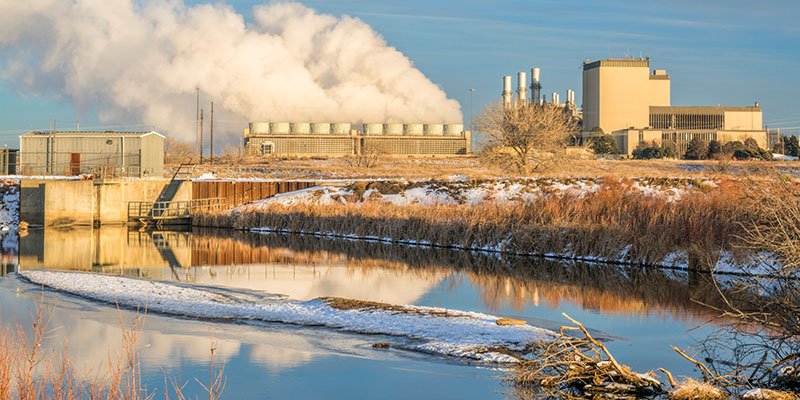
Industrial wastewater is a byproduct of many manufacturing and production processes. It often contains harmful chemicals, heavy metals, and other pollutants that can damage the environment if not properly treated. Effective industrial wastewater treatment is crucial for protecting water resources, human health, and ecosystems.
Many industries use large amounts of water in their operations. This includes factories, power plants, and food processing facilities. Each type of industry produces wastewater with unique characteristics. For example, textile plants may release dyes and chemicals, while mining operations can contaminate water with metals and acids.
Treatment methods for industrial wastewater vary based on the specific pollutants present. Common approaches include physical, chemical, and biological processes. Some facilities use advanced technologies like membrane filtration or ultraviolet disinfection. The goal is to remove contaminants and make the water safe for discharge or reuse.
Key Takeaways
- Industrial wastewater treatment protects the environment from harmful pollutants
- Treatment methods are tailored to the specific contaminants in each industry’s wastewater
- Proper treatment allows for safe discharge or reuse of industrial wastewater
How Industrial Wastewater Differs from Municipal: Three Structural Facts
Before any technology discussion, three differences govern nearly every decision in this field, and they explain why municipal design assumptions transfer poorly.
The waste is characteristic of a process, not a population. Municipal influent is remarkably consistent: a given population produces a predictable per-capita load of organic matter, nitrogen, and solids, varying on a daily and seasonal cycle that is well understood. Industrial influent is whatever a specific production process discharges, which means it can change completely when a product line changes, a batch tank is dumped, or a cleaning cycle runs. Two facilities in the same SIC code can produce entirely different wastewater. This is why characterization is the first task in every industrial project and why the sampling programme needs to capture variability rather than an average.
The regulatory relationship usually runs through pretreatment, not direct discharge. Most industrial facilities do not hold their own discharge permit to a river. They discharge to a municipal sewer under an industrial pretreatment agreement, which subjects them to federal categorical standards for their industry, to local limits set by the receiving utility, and to self-monitoring and reporting obligations. The compliance target is therefore set by two authorities at once, and the local limits are frequently the binding constraint because they are derived from what the receiving plant can actually accept without upset or biosolids contamination.
The economics are driven by avoided cost, not by a rate base. A municipal utility recovers treatment cost from ratepayers. An industrial facility treats wastewater because not treating it costs more: sewer surcharges levied on BOD, TSS, FOG, and flow; the risk of permit violation and its penalties; the cost of purchased water that could be recovered and reused; and in some cases the recoverable value of the material in the waste stream. That framing matters because it makes treatment a capital allocation decision competing against production investments, and it explains why source reduction and water reuse often win approval when end-of-pipe treatment alone does not.
Subcategory Overview
This pillar covers industrial wastewater across sectors, equipment, and facility design. Four areas have dedicated coverage.
Agricultural Wastewater
Agriculture generates wastewater unlike any industrial process stream: high in nutrients and organic matter, seasonally variable, often distributed across large areas rather than concentrated at a single outfall, and frequently regulated as a nonpoint source rather than through a discharge permit. Our guide to agricultural wastewater treatment covers the methods that apply, from lagoon systems and anaerobic digestion of manure through constructed wetlands and land application, along with the nutrient management planning that governs where the treated material can go.
The defining characteristic is that the contaminant is usually a resource in the wrong place. Nitrogen and phosphorus in manure and process water are fertilizer; the problem is timing, concentration, and proximity to surface water rather than toxicity. That reframing changes the engineering objective from destruction to recovery and controlled application, and it is why anaerobic digestion with nutrient recovery has become the dominant approach at scale rather than conventional biological treatment.
Food and Beverage Wastewater
Food and beverage processing produces the highest-volume, highest-strength organic wastewater in the industrial sector, and our coverage of food and beverage wastewater addresses the treatment solutions the industry uses, including brewery and beverage-specific applications. Organic loads of several thousand milligrams per litre of BOD are routine, against municipal influent of two to three hundred.
The favourable characteristic of these streams is that they are highly biodegradable, with BOD to COD ratios well above 0.5, which makes biological treatment effective and anaerobic treatment economically attractive because the organic load converts to biogas rather than to aerated sludge. The difficult characteristics are variability tied to production and cleaning schedules, high fats, oils, and grease, extreme pH swings from clean-in-place chemistry, and seasonality in agricultural processing where a plant may run at capacity for eight weeks and sit idle for the rest of the year.
Effluent Treatment Plant Design
Where treatment happens at the industrial site rather than at a municipal works, the facility is generally called an effluent treatment plant, and our guide to effluent treatment plant design covers designing and operating one. The design discipline differs from municipal plant design in a way worth stating plainly: an industrial plant is usually designed around a known, characterized waste stream with a specific discharge target, whereas a municipal plant is designed around a population projection and a general standard.
That makes industrial design more precise but far more fragile. A municipal plant designed for a twenty-year horizon absorbs change gradually. An industrial plant sized for one production process can be rendered unsuitable by a product change with six months’ notice. Designing for flexibility, providing equalization generously, and building in the ability to add unit processes are therefore worth more in industrial work than squeezing the last percentage point of efficiency out of a fixed design.
Equipment and Technology Selection
Our coverage of equipment and tools in industrial wastewater treatment addresses the hardware layer beneath the process decisions: the screening, separation, chemical feed, filtration, membrane, and dewatering equipment that a treatment train is assembled from, along with the monitoring and sampling instrumentation that compliance depends on.
Equipment selection carries a weight in industrial work that it does not in municipal, because the materials of construction question is live in a way it rarely is with domestic sewage. A stream at pH 2, or at 70 degrees Celsius, or carrying solvents, or laden with abrasive solids, eliminates most standard equipment before performance is even considered. Establish the chemical and thermal envelope first and let it narrow the equipment field, rather than selecting on performance and discovering the compatibility problem at commissioning.
Characteristics of Industrial Wastewater
Industrial wastewater has unique properties that set it apart from municipal wastewater. These characteristics influence treatment methods and environmental impact.
Quantitative and Qualitative Aspects
Industrial wastewater varies greatly in volume and composition. It can range from a few gallons to millions of gallons per day. The quality depends on the industry type and processes used.
Food processing plants often produce high volumes of organic waste. Chemical plants may generate smaller amounts of more toxic substances.
Pollutants in industrial wastewater can include:
- Organic compounds
- Inorganic chemicals
- Suspended solids
- Oils and greases
- Acids and alkalis
Temperature is another important factor. Some industries discharge hot water, which can harm aquatic life if not cooled before release.
Characterization: What to Sample and How Often
Because industrial streams are process-driven rather than population-driven, an average value is close to useless for design. What matters is the shape of the variability. A characterization programme should capture the maximum hourly, maximum daily, and average conditions separately, and it should be run long enough to include the events that define the design case: shift changes, batch dumps, clean-in-place cycles, product changeovers, and startup and shutdown.
Flow-proportional composite sampling gives the mass loading needed for sizing. Grab samples at the moments production changes give the peaks that determine equalization volume and whether a biological process will survive. Both are needed, and a programme that runs only composites will miss the slug that kills the plant. The parameters worth establishing at minimum are flow, pH, temperature, BOD, COD, TSS, FOG, and the specific constituents the categorical standard and local limits address for that industry, which usually means metals, and increasingly means specific organics.
One practical point that recurs: sample the streams separately before they combine. A single characterization at the site outfall tells you what has to be treated but not what could have been segregated, and segregation is almost always cheaper than treating the combined stream.
BOD COD Ratio for Industrial Wastewater
The BOD (Biochemical Oxygen Demand) to COD (Chemical Oxygen Demand) ratio is a key indicator of wastewater biodegradability. This ratio helps determine the best treatment methods.
A high BOD/COD ratio (>0.5) suggests easily biodegradable waste. This is common in food and beverage industries. Biological treatment processes are often effective for these wastewaters.
A low BOD/COD ratio (<0.3) indicates less biodegradable waste. This is typical of chemical and pharmaceutical industries. Such wastewater may require advanced treatment methods.
Two refinements make the ratio more useful. First, a low ratio can mean the organic matter is genuinely refractory, or it can mean the sample contained something toxic to the seed organisms in the BOD test; the two conditions call for opposite responses, and a toxicity screen distinguishes them. Second, the ratio can be improved rather than merely accepted. Partial chemical oxidation, hydrolysis, or simply segregating a refractory stream from a biodegradable one will raise the ratio of what reaches the biological process, and that is frequently cheaper than replacing biological treatment with a chemical process sized for the whole flow.
Presence of Heavy Metals
Heavy metals are a significant concern in industrial wastewater. They can be toxic to living organisms and persist in the environment.
Common heavy metals in industrial effluents include:
- Lead
- Mercury
- Chromium
- Cadmium
- Zinc
These metals often come from industries like mining, metal plating, and battery manufacturing. They can harm aquatic life and accumulate in the food chain.
Removal of heavy metals requires specialized treatment techniques. These may include chemical precipitation, ion exchange, or membrane filtration.
Metals carry a consequence beyond their own toxicity that is easy to overlook at design stage: whatever is removed from the water ends up in the sludge, and a sludge carrying metals above regulatory thresholds is a hazardous waste with a disposal cost an order of magnitude above ordinary dewatered solids. The residuals question should be settled before the removal process is selected, because precipitation, ion exchange, and membrane separation produce very different residual volumes and forms.
Types of Industrial Wastewater
Industrial wastewater comes in many forms, depending on the industry and processes involved. The type of wastewater affects treatment methods and environmental impact.
Classification by Industry
Different industries produce unique wastewater streams:
- Chemical manufacturing: High in organic compounds and heavy metals
- Food processing: Contains fats, oils, and organic matter
- Textile industry: Dyes, fibers, and chemical additives
- Mining: Acidic water with dissolved metals
- Pharmaceutical: Active ingredients and solvents
Each industry’s wastewater needs specific treatment approaches. For example, food processing waste often requires biological treatment to break down organic matter. Mining wastewater may need pH adjustment and metal removal.
By Contaminant Load
Wastewater is also grouped by the types of pollutants it contains:
- Organic: Biodegradable materials from food, paper, or chemical industries
- Inorganic: Metals, salts, and minerals from various manufacturing processes
- Toxic: Harmful chemicals that need special handling and treatment
- Nutrient-rich: High in nitrogen or phosphorus, often from agriculture or food processing
The contaminant load determines the treatment method. Organic waste might use biological processes, while toxic waste could require advanced chemical treatments. Some wastewaters have multiple contaminant types, needing a combination of treatment steps.
Sector Survey: Characteristic Streams and Their Treatment Logic
Beyond the broad classifications above, several industrial sectors have well-established treatment patterns worth knowing in outline, because a stream’s sector usually predicts its treatment train more reliably than any single analytical result does.
Pharmaceutical manufacturing produces low-volume, high-strength wastewater containing active ingredients, solvents, and often high salinity from synthesis steps. The defining problem is that the products are designed to be biologically active, which makes them toxic to the organisms in a biological process and persistent once discharged. Treatment trains commonly segregate the concentrated process streams for chemical oxidation, incineration, or off-site disposal rather than attempting to treat the combined flow biologically.
Textile and dye operations generate large volumes of coloured, alkaline, high-salinity wastewater. Colour is the visible problem and is regulated in many jurisdictions independently of any toxicity, because a dyed effluent is obvious in a receiving water at concentrations far below any health threshold. Reactive dyes in particular resist biological degradation, which is why coagulation, ozonation, or adsorption typically appear alongside biological treatment rather than instead of it.
Oil and gas produced water is high in salinity, dispersed and dissolved hydrocarbons, and naturally occurring radioactive material in some formations. Volumes are large and the water is generated wherever the wells are, which puts a premium on treatment that works at remote sites with minimal operator attention. Deoiling, followed by treatment targeted at the reuse or disposal route, is the usual pattern, with reinjection competing against treatment for reuse depending on local water value.
Paint and coatings manufacturing produces wastewater dominated by equipment and vessel washing, carrying pigments, resins, solvents, and biocides. The load is intermittent and concentrated rather than continuous, which makes equalization essential, and the solids are frequently sticky and difficult to dewater.
Metal finishing and plating is the sector for which categorical pretreatment standards were largely written. Streams are segregated by chemistry as a matter of standard practice: cyanide-bearing rinses, chromium-bearing rinses, and acid and alkaline rinses are treated separately because combining them creates hazards and defeats the treatment chemistry. Batch treatment of concentrated dumps alongside continuous treatment of rinse water is the conventional arrangement.
Vehicle and equipment washing generates comparatively dilute wastewater carrying grit, hydrocarbons, detergents, and surfactants. It is a modest problem technically and a common compliance one, because the facilities are small, numerous, and often unaware that their discharge is regulated at all.
Nuclear and radiologically affected streams sit outside the normal framework. The contaminant cannot be destroyed, only concentrated and contained, and the regulatory authority is generally separate from the water pollution agencies. Treatment selection is driven by the volume reduction factor achievable and the form of the resulting waste, not by discharge concentration alone.
Industrial Wastewater Treatment Technologies
Industrial wastewater treatment uses different methods to remove contaminants. These methods fall into physical, chemical, and biological categories. Each approach targets specific pollutants and has unique benefits.
Physical Treatment Methods
Physical treatment removes solid materials from wastewater. Common techniques include:
- Screening: Removes large objects with bars or mesh.
- Sedimentation: Lets heavy particles sink to the bottom.
- Filtration: Uses materials like sand to catch small particles.
Activated sludge is a key process that uses air to help microbes break down waste. It’s often used after physical treatments.
Oil-water separators are useful for industries that produce oily wastewater. They work by letting oil float to the top where it can be skimmed off.
Two physical processes deserve more weight than they usually get in industrial work. Equalization is the first: a tank that buffers flow and concentration so that everything downstream sees a steadier condition. It is the cheapest insurance available against the variability that defines industrial streams, and under-sizing it is among the most common and most expensive design errors. Dissolved air flotation is the second, because it removes the fats, oils, grease, and low-density solids that gravity settling does not, and those are precisely the constituents that foul membranes, blind filters, and trigger sewer surcharges.
Chemical Treatment Approaches
Chemical treatments change the makeup of wastewater to remove pollutants. Key methods include:
- Coagulation: Adds chemicals to make small particles clump together.
- Precipitation: Turns dissolved pollutants into solids that can be filtered out.
- Oxidation: Uses chemicals like chlorine to break down organic matter.
pH adjustment is often needed before or after other treatments. It makes sure the water is not too acidic or basic.
Advanced oxidation processes use strong oxidants to remove tough pollutants. They’re good for treating hard-to-break-down chemicals.
The economics of chemical treatment deserve a word of caution. Chemical processes have modest capital cost and high, permanent operating cost, which reverses the usual relationship and makes them attractive in a capital-constrained budget cycle and expensive over a twenty-year horizon. They also generate sludge in direct proportion to the chemical dose, so a chemical solution to a concentration problem frequently becomes a solids handling and disposal problem. Where a biological or physical process can achieve the same result, it almost always costs less to own.
Biological Treatment Processes
Biological treatments use living organisms to clean wastewater. They’re good for removing organic matter. Common methods are:
- Aerobic treatment: Uses bacteria that need oxygen to break down waste.
- Anaerobic treatment: Uses bacteria that work without oxygen.
- Constructed wetlands: Use plants and natural processes to clean water.
Nutrient removal is important for preventing water pollution. It takes out excess nitrogen and phosphorus.
Membrane bioreactors combine biological treatment with membrane filtration. They produce very clean water that can often be reused.
The aerobic and anaerobic choice turns on organic strength. Below roughly 1,000 to 2,000 mg/L of COD, aerobic treatment is generally simpler and adequate. Above that, anaerobic treatment becomes compelling for a reason specific to industry: the organic load that an aerobic process converts into electricity consumption and surplus sludge, an anaerobic process converts into methane and very little sludge. For a high-strength food or beverage stream, that difference is the whole business case. The trade-offs are a longer startup, a narrower tolerance for pH and toxicity, effluent that usually still needs aerobic polishing, and the gas handling and safety obligations that come with producing methane on an industrial site.
One constraint applies to all biological processes in industrial service and has no municipal equivalent: industrial streams are frequently nutrient-deficient. Domestic sewage arrives with ample nitrogen and phosphorus; a sugar-laden process stream may have almost none, and a biological process starved of nutrients produces poor-settling sludge and fails to meet its BOD target regardless of how well it is aerated. Supplemental nutrient dosing to approximately the conventional carbon-to-nitrogen-to-phosphorus balance is routine in industrial biological treatment and is regularly omitted from designs written from municipal templates.
Treatment of Heavy Metals in Wastewater
Heavy metals in industrial wastewater pose serious environmental and health risks. Effective removal techniques and strict regulations are crucial for managing these contaminants.
Removal Techniques
Chemical treatment processes are commonly used to remove heavy metals from wastewater. Precipitation is a popular method where chemicals are added to convert dissolved metals into insoluble compounds that can be filtered out.
Ion exchange is another effective technique. It uses resins to swap harmful metal ions with less harmful ones. This process is particularly useful for treating water with low metal concentrations.
Adsorption is also widely employed. Activated carbon or other adsorbents attract and bind metal ions to their surface. This method is effective for removing a variety of heavy metals.
Membrane filtration, including reverse osmosis, can separate heavy metals from water. These systems use pressure to force water through a semi-permeable membrane, leaving contaminants behind.
Two complications govern metal precipitation in practice. The first is that each metal has its own pH of minimum solubility, and those minima do not coincide; a pH that optimally precipitates one metal may redissolve another, which is why mixed-metal streams sometimes require staged pH adjustment rather than a single setpoint. The second is chelation. Complexing agents from cleaners, plating baths, and process chemistry hold metals in solution and defeat conventional precipitation entirely, producing the frustrating result of a correctly dosed system that does not work. Where chelation is present, the chelate has to be broken first, or a chelate-specific precipitant used, and identifying the problem requires looking at the process chemistry rather than at the treatment system.
Regulations and Standards
The Clean Water Act, enforced by the U.S. Environmental Protection Agency (EPA), sets strict limits on heavy metal discharges from industrial facilities. These regulations aim to protect water quality and public health.
Industrial entities must continually improve their wastewater effluent quality to meet environmental permit requirements. The EPA establishes Maximum Contaminant Levels (MCLs) for various heavy metals in drinking water.
Regular monitoring and testing of wastewater are mandatory. Facilities must submit reports to regulatory agencies to prove compliance with discharge limits.
Penalties for non-compliance can be severe, including fines and legal action. This encourages industries to invest in effective treatment technologies and maintain proper wastewater management practices.
Design and Implementation of Treatment Systems
Industrial wastewater treatment systems require careful planning and execution. The design process considers the specific pollutants present and the desired effluent quality. Operational challenges often arise during implementation and ongoing use.
Engineering Considerations
Engineers must analyze the wastewater composition to select appropriate treatment processes. Common methods include physical, chemical, and biological treatments. Physical treatments remove solids through filtration or settling. Chemical treatments use reactions to neutralize or precipitate contaminants.
Biological treatments use microorganisms to break down organic matter. The activated sludge process is widely used. It involves aerating wastewater to promote bacterial growth.
System sizing depends on flow rates and pollutant loads. Engineers must account for variations in industrial production. Redundancy in critical components helps ensure continuous operation.
Material selection is crucial. Equipment must withstand corrosive chemicals and high temperatures. Pumps, pipes, and tanks need regular maintenance to prevent failures.
Operational Challenges
Fluctuations in wastewater composition can disrupt treatment processes. Operators must monitor influent quality and adjust treatment parameters. Shock loads of toxic chemicals may kill beneficial bacteria in biological systems.
Proper sludge management is essential. Excess sludge requires dewatering and disposal. Some facilities recycle nutrients from sludge as fertilizer.
Energy costs for aeration and pumping can be significant. Optimizing system efficiency reduces operating expenses. Advanced control systems help balance treatment effectiveness with energy use.
Compliance with discharge permits requires ongoing sampling and testing. Operators need training to interpret results and troubleshoot issues. Regular equipment maintenance prevents costly breakdowns and ensures consistent performance.
Selection and Specification Framework
Industrial treatment decisions follow a sequence, and taking them out of order is the source of most disappointing outcomes. The order below is deliberate: each step reduces the problem the next step has to solve.
Step 1: Characterize Before Anything Else
Establish the flow and load profile with its variability, not just its average, using the sampling approach described earlier. Characterize the individual streams, not only the combined outfall. Until this exists, every subsequent decision is guesswork, and the cost of an inadequate characterization programme is trivial against the cost of a plant sized against the wrong numbers.
Step 2: Reduce and Segregate at Source
Ask what can be prevented from entering the wastewater at all. Dry cleanup before wet washdown, counter-current rinsing, drip trays under transfer points, recovering product from the first rinse rather than sending it to drain, and repairing the leaks that quietly contribute a surprising share of the load. Then ask what can be kept separate: a small concentrated stream treated at the point it arises is almost always cheaper than the same mass diluted into the full plant flow, and segregation frequently eliminates the need for a treatment step entirely. This step routinely delivers the best return in the whole project and is routinely skipped.
Step 3: Establish the Discharge Target and Who Sets It
Determine whether the facility discharges to sewer or to a receiving water, and obtain the actual numbers that apply: the federal categorical standard for the industry, the local limits imposed by the receiving utility, and the surcharge structure if one applies. Local limits are frequently more restrictive than categorical standards, and the surcharge structure often reveals that partial treatment to a specific parameter delivers most of the available financial benefit.
Step 4: Equalize
Provide flow and load equalization before the treatment processes. The volume should be based on the variability found in Step 1, and where production is batch-driven it may need to hold a full shift or more. Everything downstream is smaller, simpler, and more stable for it.
Step 5: Select the Treatment Train
Only now does technology selection make sense, and it follows from the preceding steps rather than from a catalogue. Physical separation removes what can be removed physically. Biological treatment handles biodegradable organic load, with the aerobic and anaerobic choice set by strength. Chemical treatment addresses what biology cannot: metals, refractory organics, pH, and specific regulated constituents. Polishing addresses whatever gap remains between the treatment train output and the discharge target.
Step 6: Settle the Residuals and Reuse Questions Together
Every treatment process produces a residual, and the disposal route for that residual has to be confirmed before the process is selected, not after. At the same time, evaluate whether treated water can substitute for purchased water somewhere in the plant. The reuse case often changes the treatment selection, because water treated to a reuse standard offsets a purchase cost as well as a discharge cost, and that combination can justify a process that neither benefit alone would support.
Comparison Tables
The following tables summarize how sector characteristics translate into treatment approaches, and how the major process families compare on the criteria that decide between them.
Table 1: Sector Characteristics and Typical Treatment Trains
| Sector | Characteristic Constituents | Typical Treatment Train | Defining Constraint |
|---|---|---|---|
| Food and beverage | Very high BOD/COD, FOG, variable pH, nutrient-deficient | Screening → equalization → DAF → anaerobic or aerobic biological → polishing | Production-driven variability and seasonality |
| Agriculture | Nutrients, organic solids, pathogens, seasonal peaks | Solids separation → lagoon or anaerobic digestion → nutrient recovery or land application | Nutrient management and land availability |
| Metal finishing | Metals, cyanide, chromium, acids and alkalis, chelates | Segregated streams → cyanide and chrome pretreatment → neutralization and precipitation → clarification → sludge dewatering | Categorical standards; hazardous sludge disposal |
| Textile and dye | Colour, high salinity, alkalinity, refractory organics | Equalization and neutralization → coagulation → biological → oxidation or adsorption for colour | Colour limits independent of toxicity |
| Pharmaceutical | Active ingredients, solvents, high salinity, low BOD/COD | Stream segregation → concentrated streams to oxidation or off-site → dilute streams to biological | Biological activity of the product itself |
| Oil and gas produced water | Salinity, dispersed and dissolved hydrocarbons, NORM in some formations | Deoiling → filtration → treatment matched to reuse or disposal route | Remote operation; disposal versus reuse economics |
| Paint and coatings | Pigments, resins, solvents, biocides; intermittent batch loads | Equalization → coagulation and flocculation → clarification → dewatering | Batch washing peaks; difficult sludge |
| Vehicle washing | Grit, hydrocarbons, detergents, surfactants; dilute | Grit and oil interceptor → settling → filtration, often with recycle | Interceptor maintenance; low compliance awareness |
Table 2: Process Family Comparison
| Process Family | Removes | Relative CAPEX / OPEX | Residual Produced | Key Limitation |
|---|---|---|---|---|
| Physical separation | Settleable and floatable solids, FOG, grit | Low / Low | Screenings, sludge, skimmings | Removes nothing dissolved |
| Chemical precipitation and coagulation | Metals, phosphorus, colloids, some colour | Low / High | Chemical sludge, in proportion to dose | Defeated by chelation; sludge volume and disposal class |
| Aerobic biological | Biodegradable organic load, nutrients | Medium / High (aeration energy) | Surplus biological sludge | Sensitive to toxicity, pH, temperature; needs nutrients |
| Anaerobic biological | High-strength biodegradable organic load | High / Low (produces biogas) | Minimal sludge; biogas requiring handling | Long startup; narrow operating window; needs aerobic polishing |
| Membrane separation | Dissolved solids, colloids, pathogens | High / High | Concentrate requiring disposal | Fouling; concentrate route often decides feasibility |
| Advanced oxidation | Refractory and toxic organics | High / High | Little solid residual; possible byproducts | Cost scales with organic load; reserve for concentrated streams |
Engineer and Operator Field Notes
Commissioning and Acceptance
Industrial plants commission against a production schedule that rarely accommodates them. The practical consequence is that clean-water testing has to be completed before process water is available, and the performance test then has to be run under whatever production conditions exist at the time, which may not be the design case. Write the acceptance criteria against a defined influent condition rather than against a date, and record the actual influent during testing, or a dispute becomes unresolvable later.
Biological systems need a seeding and acclimation plan, and on industrial streams the acclimation period is longer than on domestic sewage because the population has to adapt to a substrate it has not encountered. Obtain seed sludge from a facility treating a comparable stream where possible, and expect weeks rather than days before stable performance.
Common Specification Mistakes
- Designing from a single composite sample. One sample gives an average and hides everything that determines whether the plant works.
- Sizing equalization from the budget rather than from the data. It is the first item cut and the one most often regretted.
- Applying municipal design criteria to industrial streams. Loading rates, nutrient assumptions, and peaking factors from municipal practice do not transfer.
- Ignoring the residual. Selecting a removal process without confirming where the resulting sludge or concentrate goes, and at what disposal classification.
- Treating a combined stream that could have been segregated. The most expensive form of this error is building a plant sized for a flow that source separation would have halved.
- Omitting nutrient supplementation on a carbon-rich, nitrogen-poor stream feeding a biological process.
A plant sized against an averaged daily load will meet its design case and fail in operation if production runs in batches. The wastewater arrives when the process discharges it, which may mean an entire day’s organic load in ninety minutes at shift end, or a clean-in-place cycle that swings pH from 11 to 3 within an hour. Obtain the production schedule, understand when the plant makes wastewater and what it makes at each point, and size the equalization against that reality rather than against the daily total divided by twenty-four.
Operations and Maintenance
The operational burden on an industrial plant differs from municipal in an underappreciated way: the plant usually is not the site’s primary business, and the people running it are frequently maintenance staff with other responsibilities rather than certified operators. That argues for automation, for alarm strategies that distinguish genuine problems from noise, and for designing processes that tolerate inattention over processes that reward constant optimization. A slightly less efficient plant that runs unattended for a week is worth more to most industrial sites than an optimal one that requires daily adjustment.
Communication with production is the other recurring theme. The treatment plant is downstream of decisions it does not control, and a change in cleaning chemistry, a new product line, or a switch of supplier can arrive at the plant with no warning. Establishing a route by which production changes are communicated before they happen prevents more upsets than any control system.
Troubleshooting
- Sudden loss of biological performance with no influent change on paper. Look for a toxic slug, usually from a batch dump or a cleaning cycle. Check whether higher life forms have disappeared from the mixed liquor, and interview production about what ran that shift.
- Metals exceedance despite correct precipitation chemistry. Suspect chelation from cleaners or process chemistry before suspecting the dosing system. Confirm pH against each metal’s solubility minimum rather than a single setpoint.
- Persistent surcharge on a parameter the plant appears to be treating. Check where the compliance sample is taken relative to the treatment discharge, and confirm the sampling method matches what the permit requires.
- Poor settling with no filamentous organisms visible. On carbon-rich industrial streams this is frequently nutrient deficiency producing weak floc rather than a filamentous problem, and it responds to nutrient dosing rather than to a selector.
Where a facility discharges to sewer, the monthly surcharge invoice states exactly which parameters cost money and how much. It is the clearest available statement of where treatment investment pays back, and it frequently shows that one parameter dominates the bill. A DAF unit addressing FOG and TSS may eliminate most of a surcharge for a fraction of the cost of a full treatment plant, and the invoice is the document that proves it before any money is spent.
Design Details and Standards
The Pretreatment Framework
In the United States, most industrial facilities are regulated as indirect dischargers under the national pretreatment programme rather than holding their own discharge permit. Three layers of requirement apply simultaneously. General prohibitions bar any discharge that would pass through or interfere with the receiving plant, along with specific hazards such as material creating fire or explosion risk, pH low enough to damage the collection system, and discharges hot enough to inhibit biological treatment. Categorical standards apply national limits to specific industries. Local limits are set by the receiving utility based on what its own plant, its biosolids quality, and its own permit can accommodate, and are frequently the binding constraint.
Direct dischargers hold a permit issued under the national discharge elimination system, with limits derived from technology-based standards and from the water quality standards of the receiving water, whichever is more restrictive.
Surcharge Arithmetic
Where a sewer surcharge applies, the calculation is worth doing explicitly because it converts a water quality question into a financial one. The charge is typically assessed on mass above a threshold concentration: flow multiplied by the amount by which the measured concentration exceeds the allowance, multiplied by a unit rate, for each surcharged parameter. Running this for each parameter separately identifies which one dominates, and partial treatment targeting that parameter alone often captures most of the available saving. The same arithmetic establishes the payback period that a capital request will be judged on.
Specification Checklist
- Characterization data covering minimum, average, and maximum flow and load, with the sampling method and duration stated.
- Stream-by-stream characterization where segregation is feasible, not only the combined outfall.
- The production schedule the plant must accommodate, including batch events, cleaning cycles, and seasonal variation.
- The applicable categorical standard, the local limits, and the surcharge structure, quoted rather than summarized.
- Chemical and thermal envelope for materials selection: pH range, maximum temperature, solvents, chlorides, abrasives.
- Nutrient supplementation requirements where a biological process treats a nutrient-deficient stream.
- Residual quantity, expected classification, and the confirmed disposal route for each process generating one.
- Monitoring and sampling infrastructure: compliance sample point location, equipment, and the methods the permit specifies.
- Expected operator attention level, stated honestly, with automation and alarm requirements derived from it.
Applicable Standards and References
- Clean Water Act and the national pretreatment programme: the framework for indirect dischargers, categorical standards, and local limits.
- National discharge elimination system permits: for facilities discharging directly to a receiving water.
- Standard Methods for the Examination of Water and Wastewater: the analytical reference behind every compliance number, and the source of the specific methods a permit will cite.
- Resource conservation and recovery requirements: governing classification and disposal of treatment residuals, which determines whether a sludge is an ordinary or a hazardous waste.
- ISO 14001: the international environmental management system standard many industrial operators maintain, within which wastewater performance is documented and audited.
Comparison to Municipal Wastewater Treatment
Municipal and industrial wastewater treatment share some core processes but differ in key aspects. Both aim to clean water, but industrial treatment often deals with more complex pollutants.
Process Similarities and Differences
Municipal and industrial wastewater treatment both use physical, chemical, and biological processes. They start with screening to remove large objects. Next, they use settling tanks to remove smaller particles.
The main difference lies in the contaminants they handle. Industrial wastewater may contain harsh chemicals, heavy metals, or toxic substances. This requires more advanced treatment steps.
Municipal plants often use activated sludge treatment. This process uses bacteria to break down organic matter. Industrial plants might need additional steps like chemical neutralization or specialized filtration.
Integrated Wastewater Management
Some cities combine industrial and municipal wastewater treatment. This approach can save money and resources. It requires careful planning to handle varied waste streams.
Industrial facilities often pre-treat their wastewater before sending it to municipal plants. This helps protect the municipal system from harmful chemicals.
Integrated management also involves monitoring and testing. Both types of facilities must meet strict water quality standards. Regular laboratory tests check for solids, pH, and other pollutants.
Proper staff training is crucial for both types of facilities. Operators need to understand complex treatment processes and safety procedures.
Legislation and Compliance
Industrial wastewater treatment is governed by strict laws and guidelines. These rules aim to protect the environment and public health from harmful industrial discharges.
International Standards
The World Health Organization sets global standards for water quality and wastewater management. These guidelines influence national policies worldwide. Many countries follow ISO 14001, an international standard for environmental management systems.
The European Union has the Water Framework Directive. This law sets water quality goals for all EU member states. It requires industries to use the best available techniques to reduce pollution.
National Guidelines
In the United States, the Clean Water Act is the main law for water pollution control. It gives the EPA power to set wastewater standards for industry. The National Pollutant Discharge Elimination System (NPDES) permit program controls water pollution by regulating point sources that discharge into waters.
Other countries have similar laws. China’s Water Pollution Prevention and Control Law sets strict rules for industrial wastewater. Japan’s Water Pollution Control Law requires businesses to meet specific effluent standards.
Many nations use a combination of permits, fines, and incentives to ensure compliance. Regular monitoring and reporting are often required to maintain permits.
Future Trends in Industrial Wastewater Treatment
Industrial wastewater treatment is evolving rapidly. New technologies and eco-friendly practices are changing how industries manage their waste water.
Advancements in Technology
Anaerobic digesters are becoming more efficient in treating industrial wastewater. These systems break down organic matter without oxygen, producing biogas as a useful byproduct.
Membrane technology is improving. Ultra-filtration and nano-filtration systems can remove even the tiniest contaminants from water.
Smart sensors and AI are being used to monitor water quality in real-time. This allows for quick adjustments to treatment processes.
3D printing is creating custom parts for treatment systems. This makes repairs and upgrades faster and cheaper.
Sustainable and Eco-friendly Practices
Industries are moving towards carbon capture and utilization in wastewater treatment. This turns a problem into a resource.
Green chemicals are replacing harsh chemicals in treatment processes. These are better for the environment and often more effective.
Water reuse systems are becoming more common. Treated wastewater is used for cooling, irrigation, or other industrial processes.
Energy recovery from wastewater is growing. Heat exchangers capture thermal energy, while biogas from treatment processes generates electricity.
Regulatory Pressure as a Driver
Two regulatory trends are reshaping industrial treatment more than any technology. The first is the extension of regulation to constituents that were previously unmeasured, of which per- and polyfluoroalkyl substances are the clearest example: facilities that never monitored for them are finding them in their discharge, in their residuals, and in the local limits their receiving utility now imposes. The second is the rising cost and falling availability of residuals disposal, which makes any process producing large volumes of sludge progressively less attractive and shifts the economics toward source reduction and toward processes that destroy rather than concentrate.
Water scarcity operates in the same direction from the other end. Where water supply is constrained or expensive, treatment for reuse changes from an environmental initiative to an operational necessity, and the capital case is made on production continuity rather than on compliance. Facilities in water-stressed regions are increasingly designing for reuse first and treating discharge as the exception.
Frequently Asked Questions
Industrial wastewater treatment involves complex processes and technologies. It differs from municipal treatment in several key ways. Regulations, challenges, and new innovations shape how industries manage their wastewater.
What are the primary methods used in the industrial wastewater treatment process?
Industrial wastewater treatment uses physical, chemical, and biological methods. Physical processes include screening and filtration to remove solids. Chemical treatments neutralize pH and remove contaminants.
Biological treatments use microorganisms to break down organic matter. Activated sludge is a common biological process. Advanced oxidation and membrane filtration are also used for tough pollutants.
How do industrial wastewater treatment plants differ from municipal wastewater treatment facilities?
Industrial plants handle more varied and concentrated wastewater. They often require specialized equipment for specific contaminants. Municipal facilities mainly treat sewage and greywater from homes and businesses.
Industrial plants may need to remove heavy metals, chemicals, or oils. Municipal plants focus on removing organic matter and nutrients. Industrial facilities are usually smaller but more complex than municipal ones.
What steps are involved in the treatment of industrial wastewater before it is discharged or reused?
The first step is usually screening to remove large debris. Next, the wastewater goes through primary treatment to settle out solids. Secondary treatment uses biological processes to break down organic matter.
Tertiary treatment removes remaining pollutants. This may involve advanced processes like UV disinfection or reverse osmosis. Final testing ensures the water meets discharge standards.
What challenges are associated with the treatment of industrial wastewater?
Varying wastewater composition is a major challenge. Industries produce different pollutants that require specific treatments. High concentrations of chemicals or metals can be difficult to remove.
Energy costs for treatment can be significant. Some processes generate hazardous byproducts that need proper disposal. Keeping up with changing regulations also poses ongoing challenges for facilities.
How do regulations impact the management of industrial wastewater treatment plants?
Regulations set discharge limits for various pollutants. Plants must monitor their effluent and report results regularly. Non-compliance can result in fines or legal action.
New regulations may require upgrades to treatment processes. This can involve significant costs for industries. Some regulations promote water reuse or zero liquid discharge to conserve resources.
What are some emerging technologies in the field of industrial wastewater treatment?
Membrane bioreactors combine biological treatment with membrane filtration. They produce high-quality effluent suitable for reuse. Electrocoagulation is gaining popularity for removing metals and other contaminants.
Advanced oxidation processes can break down persistent organic pollutants. Nanotechnology is being explored for more efficient filtration and contaminant removal. Some facilities are adopting artificial intelligence to optimize treatment processes.
Should a facility treat on site or discharge to the municipal sewer?
It depends on what the receiving utility will accept and what it charges. Discharging to sewer transfers the treatment burden to a plant built for the purpose, and for many facilities the correct answer is minimal on-site pretreatment to meet local limits and avoid surcharges, with the municipal works doing the rest. On-site treatment becomes the better option when the local limits cannot be met economically, when surcharges are high enough that treatment pays back, when no sewer connection exists, or when the facility wants the treated water back for reuse. The decision should be made against the actual local limits and surcharge schedule rather than in the abstract.
How much equalization volume does an industrial plant need?
Enough to convert the actual discharge pattern into a steady feed, which is determined by the production schedule rather than by a rule of thumb. A continuous process with modest variation may need a few hours. A batch operation that discharges most of its load in a short window at the end of a shift may need a full shift or more, and a facility that runs one shift five days a week may need enough volume to feed the biological process through the weekend so that the biomass is not starved. Size it from the characterization data by plotting cumulative load against time and finding the storage required to flatten it. Where there is doubt, build it larger: equalization is cheap tankage, and every process downstream is smaller and steadier for it.
Why did the treatment plant stop working when nothing changed?
Something almost always changed; the question is what, and the answer is usually upstream in production rather than in the treatment plant. New cleaning chemistry, a different supplier’s raw material, a product line change, a batch dumped rather than bled in, maintenance work releasing something unusual to drain, or a seasonal shift in supply are all common causes and none of them appears in the treatment plant’s own records. Before investigating the plant, obtain the production log for the period and ask what ran differently. This is why a communication route between production and treatment prevents more upsets than any instrument.
Is zero liquid discharge realistic for most facilities?
Rarely as a first step, and it is often pursued for reasons other than economics. Eliminating liquid discharge entirely generally requires thermal evaporation or crystallization at the tail end, which is energy-intensive and expensive to build and run, and it converts the liquid problem into a solid residual that still requires disposal. It makes sense where discharge is prohibited outright, where water is so scarce or costly that recovery justifies the expense, or where a regulatory or corporate commitment requires it. For most facilities, the larger and more achievable gains come earlier in the sequence: source reduction, segregation, and partial reuse of the cleanest streams. Minimal liquid discharge, reducing volume substantially without eliminating it, captures much of the benefit at a fraction of the cost.
Conclusion
Key Takeaways: Industrial Wastewater Treatment
- Characterize before designing. Industrial wastewater is a product of a process, not a population, and an averaged sample conceals the variability that determines whether a plant works.
- Reduce and segregate before treating. The cheapest treatment is the stream that never reaches the plant, and a concentrated stream treated at source usually costs less than the same mass diluted into the full flow.
- Equalization is the highest-value tank on the site. It is the first item cut from a budget and the omission most often regretted in operation.
- Settle the residual before selecting the process. Every removal step concentrates the contaminant somewhere, and a metal-bearing sludge classified as hazardous carries a disposal cost that can exceed the treatment cost.
- Know who sets the limit. Local limits from the receiving utility are frequently more restrictive than federal categorical standards, and the surcharge schedule shows exactly where treatment investment pays back.
- Design for the operator you will actually have. Industrial treatment plants are rarely staffed by dedicated certified operators, and a robust plant that tolerates inattention is worth more than an optimal one that requires daily adjustment.
- Talk to production. The treatment plant is downstream of decisions it does not control, and most unexplained upsets are explained by a change nobody thought to mention.
Industrial wastewater treatment sits at the junction of process engineering, environmental compliance, and capital allocation, and it is poorly served by being treated as a purely technical problem. The technologies available are mature and well understood; the failures in this field come overwhelmingly from inadequate characterization, from designs that ignore how the plant actually produces wastewater, and from decisions taken in the wrong order.
The sequence that works is consistent across sectors. Characterize thoroughly and capture variability rather than averages. Reduce and segregate at source, which is nearly always the highest-return step available. Establish what the discharge target actually is and who sets it. Equalize generously. Only then select a treatment train, and confirm the residuals and reuse questions as part of that selection rather than afterward. Applied in that order, the technology choice becomes comparatively straightforward, because most of the difficult decisions have already been made.