
Equipment & Tools in Industrial Wastewater Treatment: Essential Technologies for Effective Purification
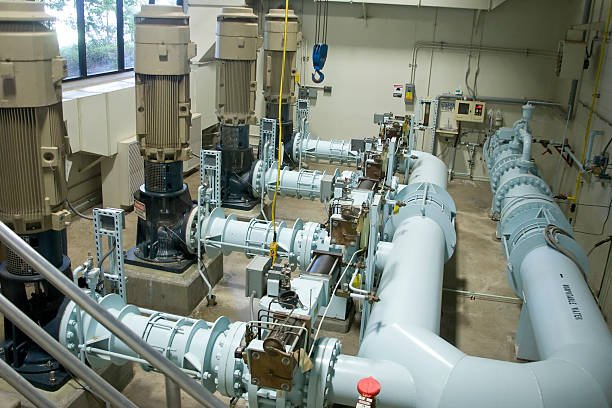
Industrial wastewater treatment plays a vital role in protecting the environment and public health. The equipment and tools used in this process are essential for effectively removing pollutants from water before it’s released back into the environment. These systems range from simple filtration devices to complex chemical treatment units.
The right equipment can make a big difference in treatment effectiveness and efficiency. Wastewater treatment plants use a variety of tools and equipment to diagnose and fix operational issues. Some common tools include pumps, filters, clarifiers, and biological reactors. Each piece of equipment serves a specific purpose in the treatment process.
Proper maintenance of wastewater treatment equipment is crucial. Regular checks and repairs help keep the systems running smoothly. This ensures that the treated water meets quality standards before being discharged. As technology advances, new tools and methods are being developed to improve treatment performance. Equipment selection sits inside the wider industrial wastewater discipline, where the waste stream’s chemistry, the applicable discharge limits, and the residuals a process generates matter at least as much as the hardware itself.
Key Takeaways
- Industrial wastewater treatment uses various specialized equipment to remove pollutants
- Regular maintenance of treatment equipment is essential for effective operation
- New technologies are improving the efficiency and effectiveness of wastewater treatment processes
Overview of Industrial Wastewater Treatment
Industrial wastewater treatment is crucial for protecting the environment and public health. It involves removing harmful contaminants from water used in manufacturing and other industrial processes. Proper treatment ensures compliance with regulations and helps conserve water resources.
Importance of Wastewater Treatment in Industry
Industrial wastewater treatment protects ecosystems and human health. Untreated wastewater can harm aquatic life and contaminate drinking water sources. Proper treatment also allows industries to reuse water, reducing their overall consumption.
Many industries generate large volumes of wastewater. These include chemical manufacturing, food processing, and textile production. Treating this wastewater helps companies meet environmental standards and avoid fines.
Effective treatment can improve a company’s public image. It demonstrates environmental responsibility and commitment to sustainability. This can lead to better relationships with local communities and regulators.
Common Contaminants in Industrial Wastewater
Industrial wastewater often contains a mix of pollutants. These can include:
- Heavy metals (lead, mercury, chromium)
- Organic compounds
- Oils and grease
- Suspended solids
- Nutrients (nitrogen, phosphorus)
- Chemicals and solvents
The specific contaminants vary by industry. For example, food processing wastewater may have high levels of organic matter. Metal finishing industries often produce wastewater with heavy metals.
pH levels in industrial wastewater can also be extreme. Some wastewaters are highly acidic or alkaline. This requires special treatment to neutralize the pH before discharge.
Regulatory Framework and Standards
Industrial wastewater treatment is governed by strict regulations. In the United States, the Clean Water Act sets standards for wastewater discharge. The Environmental Protection Agency (EPA) enforces these regulations.
Treatment facilities must obtain permits to discharge treated wastewater. These permits specify allowable levels of various pollutants. Companies face fines and legal action for non-compliance.
Many countries have similar regulatory frameworks. The European Union’s Water Framework Directive is one example. These regulations aim to protect water resources and public health.
Standards often vary based on the receiving water body. Discharge into sensitive ecosystems may have stricter limits. Industries must tailor their treatment processes to meet these specific requirements.
Facilities discharging to a municipal sewer rather than to surface water fall under a different regime again. The federal general pretreatment regulations apply to all non-domestic dischargers, with categorical standards written separately for dozens of industrial sectors, and the local sewer authority sets its own limits on top of those. Significant industrial users typically hold an individual permit with numeric limits, self-monitoring schedules, reporting deadlines, and slug discharge control requirements. Establishing which of these three frameworks applies — direct discharge, categorical pretreatment, or local limits alone — comes first, because it determines every decision downstream.
Industrial Wastewater Treatment Topics: Subcategory Overview
Industrial wastewater treatment spans a wide territory: the process methods themselves, the pretreatment of specific problem constituents, the very different requirements of individual industry sectors, the physical form the plant takes, water reuse and zero discharge goals, and the monitoring and procurement that surround all of it. The clusters below organize that territory.
Treatment Methods, Processes, and Systems
The core process literature covers what happens to the water and in what order. A survey of treatment methods and solutions addresses the available approaches and where each fits, while a walkthrough of industrial wastewater treatment processes follows the unit operations in sequence from equalization through residuals handling. A general industrial wastewater treatment overview provides the entry point for readers new to the subject. From there the material divides between the industrial wastewater treatment system as an integrated whole and the industrial wastewater treatment plant as a physical facility with civil, electrical, and operational requirements.
Pretreatment and Problem Constituents
Some constituents have to be dealt with before anything else in the train will work. Coverage of industrial wastewater pretreatment addresses equalization, neutralization, oil separation, and the removal of substances that would otherwise inhibit biological treatment or violate a sewer discharge limit. Two constituents deserve individual treatment because their chemistry is unforgiving: hydrogen sulfide wastewater treatment covers a compound that is simultaneously an odor problem, a corrosion problem, and a serious inhalation hazard, and radiological contaminants covers material that no conventional treatment process destroys and that must instead be concentrated and managed under an entirely separate regulatory framework.
Industry Sectors
Waste stream character varies more between sectors than between plants within a sector, which is why sector-specific guidance is worth more than general advice. Pharmaceutical wastewater management addresses the program and compliance side of an industry facing active-ingredient discharge scrutiny, while pharmaceutical wastewater treatment covers the process side of the same problem. Textile and dye wastewater deals with color, high salinity, and refractory organics that resist biological breakdown. Paint industry wastewater treatment handles solvents, resins, pigments, and heavy metals in a highly variable batch-driven stream. Car wash wastewater treatment systems address a small-scale but widespread duty combining oil, grit, surfactants, and reclaim requirements. Oil and gas industry wastewater covers produced water and frac flowback at salinity levels far beyond municipal experience. And nuclear wastewater treatment addresses facilities where the objective is volume reduction and containment rather than destruction.
Sector Application Overviews
Two broader treatments cover the sector landscape as a whole. Industry-specific applications in industrial wastewater treatment maps waste stream characteristics against treatment approaches across sectors, and industry-specific applications across niche sectors extends the same framing to smaller industries. Both are useful when a facility does not fit an established categorical standard.
Plant Configurations and Delivery Formats
How a treatment plant is packaged and delivered has become a design decision in its own right, particularly for facilities that need capacity quickly or cannot commit to permanent construction. A modular wastewater treatment plant is assembled from standardized process blocks that can be added as load grows. A containerized wastewater treatment plant arrives as a shipping container that requires only utility connections. A portable wastewater treatment plant is built to be relocated, and a temporary wastewater treatment plant covers a defined period such as a construction project or a plant upgrade outage. A small wastewater treatment plant addresses the distinct engineering and staffing constraints of low-flow facilities, where operator attention is scarce and process simplicity often beats process efficiency.
Recycling, Reuse, and Zero Discharge
Water reuse has moved from an environmental gesture to an economic necessity in water-constrained regions and in industries facing rising sewer surcharges. Industrial wastewater recycling covers treatment to the standard required for return to process, cooling, or washdown service. At the far end of that spectrum, zero discharge wastewater treatment eliminates liquid discharge entirely, generally by concentrating the waste stream through evaporation and crystallization until only solids remain — an approach with a high energy cost that is justified where discharge is prohibited or prohibitively expensive.
Monitoring, Sampling, and Procurement
Compliance is demonstrated through data, which is only as good as the sampling protocol behind it. Monitoring and sampling covers grab versus composite sampling, flow-proportional methods, approved analytical procedures, chain of custody, and the online instrumentation used for process control as distinct from compliance. On the delivery side, wastewater treatment plant contractors addresses how these facilities actually get built, and the procurement questions that determine whether a well-designed system performs as intended.
Types of Industrial Wastewater Treatment Equipment
Industrial wastewater treatment uses various equipment types to remove contaminants. These systems employ physical, chemical, biological, and advanced technologies to clean water for safe disposal or reuse.
Physical Treatment Equipment
Screens and filters remove large solids from wastewater. Bar screens catch debris, while fine screens trap smaller particles. Centrifuges spin out suspended solids.
Settling tanks let heavier particles sink to the bottom. Oil-water separators use gravity to split oils from water.
Dissolved air flotation units inject air bubbles to float light particles to the surface for skimming. Membrane filtration pushes water through tiny pores to remove very small contaminants.
These physical methods are often the first step in treatment. They prepare water for further processing by removing visible solids and oils.
Chemical Treatment Equipment
Chemical dosing systems add substances to alter wastewater properties. pH adjustment tanks use acids or bases to neutralize water.
Coagulation and flocculation tanks mix in chemicals to clump small particles together. This makes them easier to remove later.
Ion exchange units use resins to swap harmful ions for less harmful ones. This can soften water or remove specific contaminants.
Oxidation reactors use chemicals like chlorine to break down organic matter. Reduction reactors do the opposite, removing substances like chromium.
These chemical processes change the nature of pollutants to make them easier to remove or less harmful.
Biological Treatment Systems
Activated sludge systems use bacteria to break down organic matter. Large aeration tanks bubble oxygen through wastewater to feed the helpful microbes.
Trickling filters spray water over beds of media covered in biofilm. As it trickles down, bacteria eat the pollutants.
Anaerobic digesters break down waste without oxygen. They produce biogas as a useful byproduct.
Sequencing batch reactors cycle through different treatment stages in a single tank. This saves space in smaller plants.
Biological systems harness nature’s own cleaning processes. They’re effective for breaking down many common industrial pollutants.
Advanced Treatment Technologies
Reverse osmosis forces water through a very fine membrane. It can remove dissolved salts and other tiny contaminants.
Advanced oxidation uses UV light or ozone to break down tough pollutants. It can destroy chemicals that resist other treatments.
Evaporation systems boil off water, leaving concentrated waste behind. This works well for high-salt or high-organic wastes.
Electrocoagulation uses electricity to remove contaminants without adding chemicals. It’s gaining popularity for its efficiency.
These advanced methods tackle the most difficult wastewater problems. They can produce very high-quality water suitable for reuse in industrial processes.
Comparing Industrial Treatment Approaches
The table below compares the major treatment categories on the criteria that drive selection. Values are typical or approximate; treatability testing on the actual waste stream is the only reliable basis for design.
| Approach | Targets | Key Requirements | Best-Fit Situations | Limitations | Relative Cost | Residuals Produced |
|---|---|---|---|---|---|---|
| Equalization and neutralization | Flow and load variability, pH extremes | Tank volume sized to production cycle; mixing; pH control | Every batch-driven facility; the prerequisite for everything downstream | Footprint; does not remove pollutants | Low to moderate | Minimal |
| Physical separation | Solids, free and dispersed oil, grit | Sized to flow and particle or droplet size | First stage in nearly every train | No effect on dissolved constituents or emulsions | Low to moderate | Screenings, grit, skimmings |
| Chemical precipitation | Heavy metals, phosphorus, hardness | pH control at the metal-specific optimum; chelation must be absent or broken | Metal finishing, plating, mining, semiconductor | Amphoteric metals redissolve if pH overshoots; chelators defeat it | Moderate | Large volumes of metal hydroxide sludge |
| Dissolved air flotation with chemistry | Emulsified oil, fine solids, some metals | Emulsion breaking; coagulant and polymer; float handling | Food processing, refining, rendering, paint | Chemical cost; substantial float volume | Moderate to high | Float sludge at low solids content |
| Biological treatment | Biodegradable organics, some nitrogen | Favorable BOD to COD ratio; nutrients; no inhibitory constituents | Food, beverage, pulp and paper, municipal-like streams | Inhibited by metals, solvents, extreme pH or salinity | Moderate | Waste biological sludge |
| Advanced oxidation and adsorption | Refractory organics, color, trace contaminants | Low turbidity feed; oxidant or carbon supply | Pharmaceutical, textile, landfill leachate | High operating cost; carbon requires regeneration or disposal | High | Spent carbon or oxidation byproducts |
| Membrane separation | Dissolved solids, salts, fine colloids | Pretreatment to prevent fouling; feed pressure | Reuse projects, high-value recovery, ZLD front end | Concentrate stream needs its own disposal path | High | Reject brine, typically 15-25% of feed |
| Evaporation and crystallization | Everything — water is removed rather than pollutants | Substantial energy; scaling control; materials of construction | Zero liquid discharge, high-salinity brine, valuable salt recovery | Highest energy and capital cost in the category | Highest | Dry or near-dry solids requiring characterization |
Industrial Wastewater Filtration Systems
Industrial wastewater filtration systems play a crucial role in removing contaminants from wastewater. These systems use various methods to separate solids and other pollutants from water, ensuring it meets discharge standards or can be reused in industrial processes.
Sedimentation and Clarification Equipment
Sedimentation tanks and clarifiers are primary components in industrial wastewater treatment. These large tanks allow solid particles to settle at the bottom due to gravity. The process separates suspended solids from the liquid, creating clearer water.
Circular and rectangular clarifiers are common types. Circular clarifiers use rotating arms to collect settled solids, while rectangular units often have chain-and-flight mechanisms. Both types improve water quality by reducing suspended solids.
Advanced clarifiers may include lamella plates or tube settlers. These increase the surface area for particle settling, making the process more efficient in a smaller footprint.
Media Filtration Technologies
Media filtration uses layers of materials to trap particles as water passes through. Common media include sand, anthracite, and activated carbon. Each type targets different contaminants and particle sizes.
Rapid sand filters are widely used in industrial settings. They consist of sand beds that remove fine particles from water. Backwashing cleans these filters periodically to maintain efficiency.
Multimedia filters combine different materials in layers. For example:
- Top layer: Anthracite
- Middle layer: Sand
- Bottom layer: Garnet
This arrangement allows for better filtration of various particle sizes.
Membrane Filtration Systems
Membrane filtration uses semi-permeable barriers to separate contaminants from water. These systems can remove very small particles, dissolved solids, and even some molecules.
Common membrane types include:
- Microfiltration (MF)
- Ultrafiltration (UF)
- Nanofiltration (NF)
- Reverse Osmosis (RO)
MF and UF remove larger particles and microorganisms. NF and RO can remove dissolved salts and smaller molecules. Reverse osmosis is particularly effective for producing high-quality water from industrial wastewater.
Membrane bioreactors (MBRs) combine biological treatment with membrane filtration. This technology offers excellent water quality and a smaller footprint compared to traditional systems.
Evaporation and Concentration Solutions
Evaporation and concentration solutions play a crucial role in industrial wastewater treatment. These processes remove water from waste streams, concentrating contaminants for easier disposal or recovery of valuable components.
Mechanical Vapor Compression
Mechanical vapor compression (MVC) is an energy-efficient evaporation method. It uses a compressor to increase the pressure and temperature of vapor, which then condenses and releases heat.
This heat is used to evaporate more wastewater, creating a self-sustaining cycle. MVC systems can handle large volumes of wastewater and are ideal for industries with high energy costs.
Key benefits of MVC include:
- Low energy consumption
- Compact design
- High recovery rates
MVC evaporators are used in various industries, including chemical processing and food production. They can concentrate solutions up to 75% solids, making them effective for recovering valuable materials from waste streams.
Multi-Stage Flash Evaporation
Multi-stage flash (MSF) evaporation is a thermal process that uses multiple stages of decreasing pressure. As wastewater flows through these stages, it rapidly boils or “flashes” into steam.
The steam is then condensed to produce clean water, while contaminants remain in a concentrated brine. MSF systems are particularly useful for treating high-salinity wastewaters.
Advantages of MSF evaporation:
- High production capacity
- Ability to handle scaling-prone waters
- Consistent product quality
MSF evaporators are commonly used in desalination plants and industries with large volumes of saline wastewater. They can achieve concentration factors of up to 10 times the original solution.
Evaporative Crystallizers
Evaporative crystallizers combine evaporation and crystallization processes to recover solid materials from wastewater. They are used when the goal is to produce dry solids rather than a concentrated liquid.
These systems work by evaporating water until the solution becomes supersaturated. At this point, crystals form and can be separated from the remaining liquid.
Forced circulation evaporators are often used in crystallization processes. They allow for precise control of temperature and supersaturation levels, ensuring high-quality crystal formation.
Evaporative crystallizers are valuable in:
- Zero liquid discharge systems
- Recovery of valuable minerals
- Salt production from brine streams
They can achieve near-complete water removal, leaving only dry solids for disposal or reuse.
Understanding the Practical Limits and Energy Cost
Two boundaries matter when evaluating these systems. The first is how far a technology can actually concentrate a stream. Brine concentrators using mechanical vapor recompression typically reach somewhere in the range of 20 to 25 percent dissolved solids before scaling and viscosity make further concentration impractical; getting to a dry product from there requires a crystallizer, a separate and considerably more expensive unit. Claims of very high solids content from an evaporator alone should be checked against the specific technology and salt chemistry involved.
The second boundary is energy. Mechanical vapor recompression is the most efficient evaporation approach available, commonly consuming a few kilowatt-hours per cubic meter of water evaporated, with crystallizers requiring several times that. Even at the efficient end this is roughly an order of magnitude more energy per unit volume than membrane separation, which is why zero liquid discharge trains use membranes to reduce volume as far as possible and reserve evaporation for the remainder.
Selection and Specification Framework
Industrial treatment design fails far more often from an inadequately characterized waste stream than from a poorly chosen technology. The sequence that produces working systems starts with the water and the permit, not with the equipment catalog.
Step One: Characterize the Stream and Identify the Governing Limit
Sample across a full production cycle, not during steady operation, because cleaning cycles, product changeovers, and batch dumps generally produce the design condition. Establish flow, pH, temperature, and the constituents that appear in the applicable permit — plus BOD and COD, since the ratio between them predicts biological treatability. A ratio above roughly 0.5 suggests a readily biodegradable stream; below about 0.3 suggests refractory organics that will pass through a biological system untouched and require oxidation or adsorption instead. Identify which single limit is hardest to meet, because that constituent will drive the entire treatment train and everything else will follow from the process chosen to address it.
Step Two: Run a Treatability Study Before Specifying Anything
Bench and pilot testing on the actual waste stream is not optional in industrial work, because published performance data is drawn from waste streams that are not yours. Jar testing establishes coagulant and polymer selection and dose. Precipitation testing establishes the achievable effluent metal concentration and reveals whether chelating agents — EDTA, ammonia, citrate, and many proprietary cleaners — are holding metals in solution past the point where hydroxide chemistry should have removed them. Respirometry establishes whether the stream inhibits biological activity. Skipping this step and buying equipment on a vendor’s assurance is the most common and most expensive error in the sector.
Worked Example: Metals Pretreatment for a Metal Finishing Facility
Consider a facility discharging 50,000 gallons per day to a municipal sewer at roughly 25 mg/L total metals, against a local limit near 1.0 mg/L. The mass loading is 25 multiplied by 0.05 MGD multiplied by 8.34, or approximately 10 pounds of metals per day. Hydroxide precipitation is the conventional answer, but the design detail that decides success is pH: each metal has a different solubility minimum, generally falling somewhere between pH 8 and 11, and several common metals are amphoteric — they redissolve if the pH overshoots their optimum. A single-point pH setpoint chosen for one metal will therefore release another, which is why mixed-metal streams often require staged precipitation or a sulfide polishing step.
Now size the consequence nobody budgets for. Metal hydroxide precipitation typically generates on the order of 2 to 4 pounds of dry solids per pound of metal removed, once the lime or caustic and any co-precipitant are accounted for. At 10 pounds per day of metals, that is roughly 30 pounds per day of dry solids, or about 150 pounds per day of dewatered cake at 20 percent solids — something on the order of 25 to 30 tons of cake per year. That cake requires a hazardous waste determination, and if it fails toxicity characteristic leaching testing, its disposal cost can exceed the entire operating cost of the treatment system. Residuals handling belongs in the feasibility study, not in a change order after startup.
Step Three: Match the Delivery Format to the Situation
Not every facility needs a permanent constructed plant. Modular and containerized systems suit facilities needing capacity quickly, expecting load growth, or avoiding construction on a congested site. Portable and temporary systems suit defined-duration needs such as an upgrade outage. Small permanent plants call for a different philosophy entirely, favoring simplicity and forgiving operation over efficiency, because the staffing to run a complex system does not exist. Choose the delivery format early, since not every technology packages well.
Step Four: Consider Reuse Before Sizing for Discharge
Where sewer surcharges are high or supply is constrained, treating to reuse standards rather than discharge standards often improves the economics even though it costs more per gallon. Run the comparison on total cost including water purchase and sewer fees avoided, not treatment cost alone. Agriculture and food production frequently offer the strongest reuse cases, and the sector considerations under agriculture and food and beverage wastewater treatment are worth reviewing alongside this decision. Where a purpose-built facility is the answer, the design considerations under effluent treatment plants cover the layout, redundancy, and civil requirements that determine whether the plant is operable once built.
Treatment Equipment Operation & Maintenance
Proper operation and maintenance of industrial wastewater treatment equipment is crucial for system efficiency and longevity. Regular inspections, preventive care, and quick problem-solving help ensure optimal performance.
Routine Inspection and Monitoring
Daily checks of industrial wastewater treatment equipment are essential. Operators should monitor flow rates, pH levels, and chemical dosing.
Visual inspections can reveal leaks, corrosion, or unusual noises. These signs often indicate developing issues.
Equipment-specific checklists guide thorough examinations. For example, clarifiers need regular sludge level checks.
Automated monitoring systems can track key parameters continuously. This allows for quick responses to deviations from normal operating conditions.
Record-keeping is vital. Logs of inspections and readings help identify trends and potential problems early.
Preventive Maintenance Strategies
Scheduled maintenance prevents unexpected breakdowns and extends equipment life. Manufacturers’ guidelines outline recommended service intervals.
Lubrication of moving parts, such as pump bearings, is a common task. The right type and amount of lubricant is crucial.
Filter changes and membrane cleaning are important for separation equipment. Neglecting these tasks can lead to reduced efficiency.
Calibration of sensors and meters ensures accurate readings. This is particularly important for pH probes and flow meters.
Training staff in proper maintenance procedures is essential. Well-trained operators can spot issues before they become serious problems.
Creating a maintenance calendar helps track when each piece of equipment needs attention. This prevents tasks from being overlooked.
Troubleshooting Common Issues
Quick identification and resolution of problems minimizes downtime. Operators should be familiar with typical issues for each equipment type.
Pump failures often result from cavitation or worn impellers. Checking for unusual noises or vibrations can catch these problems early.
Clarifier performance issues may stem from improper chemical dosing. Jar tests can help determine the right chemical mix.
Clogged filters or membranes often cause reduced flow rates. Backwashing or chemical cleaning can usually resolve this.
Electrical issues can affect multiple equipment pieces. Having a qualified electrician on call is important for these situations.
Odor problems might indicate incomplete treatment. Checking aeration systems and biological processes can often pinpoint the cause.
Field Notes from Industrial Treatment Practice
The failures that recur in industrial treatment are rarely equipment failures. They are characterization failures, variability failures, and residuals failures — and all three are visible in the feasibility study if anyone looks for them.
Commissioning and Verification
Commission against the worst production condition, not the normal one. Schedule performance testing to coincide with a cleaning cycle or product changeover, because that is when the system is actually challenged and when compliance failures occur. Verify chemical feed pump turndown across the full expected dose range, since systems specified on average conditions frequently cannot dose accurately at either extreme. Confirm that pH control loops respond stably to a step change rather than oscillating. Characterize the residuals during commissioning so the disposal classification is established early.
Common Specification Mistakes
Several errors recur. Characterizing the stream during steady production misses the design condition entirely. Omitting equalization to save capital leaves every downstream chemical system chasing a moving target. Selecting biological treatment for a low BOD to COD ratio stream produces a system that meets its solids limit and fails its organics limit. Ignoring chelating agents when specifying metals precipitation produces an installation that cannot reach its limit at any pH. And leaving residuals handling out of the feasibility study routinely produces a disposal cost exceeding the treatment cost.
Operations and Maintenance Across Approaches
Maintenance burden scales with chemical complexity and with the number of process control loops. Physical separation is largely mechanical. Chemical precipitation demands pH probe calibration, reagent inventory, jar testing when the stream shifts, and continuous sludge handling. Biological systems require the process control discipline of a small municipal plant, plus vigilance for inhibitory slugs that can kill a biomass in hours. Membranes need cleaning regimes and concentrate management. Evaporation adds scaling control, materials integrity, and substantial energy management. Matching that burden to actual staffing should be an explicit decision rather than a later discovery.
Pro Tip
Cost the residuals before selecting the process. Metal hydroxide sludge, DAF float, spent carbon, membrane concentrate, and crystallizer solids each carry a disposal pathway and a price, and in metals and refractory-organics work the residuals disposal cost frequently exceeds the treatment operating cost. Two processes that look comparable on capital and chemical cost can differ by a factor of three on total cost once hauling and hazardous waste determination are included. Ask for residuals quantity and expected classification in every vendor proposal.
Common Mistake
Designing to the average waste stream. Industrial flows are batch-driven, and the condition that causes a permit violation is almost always a cleaning cycle, a changeover, a tank dump, or a startup — none of which appear in a composite sample taken during steady production. Equalization ahead of treatment is the single most valuable component in most industrial trains, and the one most often cut during value engineering. A system sized for the average and fed by the peak will fail, and it will fail on the days someone is sampling.
Emerging Technologies and Future Trends
New tools and methods are changing how industries clean wastewater. These advances aim to make treatment more effective and eco-friendly.
Innovations in Filtration and Purification
Industrial wastewater treatment filters are getting better. Nanomaterials and smart membranes can now remove tiny pollutants. These new filters catch more contaminants while using less energy.
Researchers are testing filters that clean themselves. This means less downtime and lower costs for factories. Some new filters can even grab valuable materials from waste streams.
Another exciting area is using living organisms to clean water. Algae and special bacteria eat pollutants and turn them into harmless substances.
Sustainable Wastewater Management Practices
Many companies now try to use less water in the first place. They reuse treated wastewater in their processes when possible.
Some factories are testing systems that turn waste into energy. Special microbes can make electricity from wastewater. This helps offset treatment costs.
New tech helps detect problems early. Smart sensors and AI can spot issues before they become big problems. This saves money and protects the environment.
Some places are trying nature-based solutions. They use wetlands or special plants to help clean water naturally.
Impact of Regulations on Technology Development
Stricter rules are pushing companies to find better ways to clean water. This has led to more investment in new treatment tech.
Governments are starting to ask for real-time monitoring. This means new tools that can check water quality all the time.
Some places now limit certain chemicals. This has led to new methods that don’t use harmful substances. Companies are finding ways to treat water without making new pollution.
Rules about reusing water are also changing how treatment works. New tech focuses on making wastewater clean enough to use again safely.
Design Details and Standards
Industrial treatment design draws on federal pretreatment regulation, analytical method standards, and equipment-specific design practice, with the applicable permit usually functioning as the governing document.
Sizing Methodology Overview
Establish flow and load at average, maximum day, and peak batch conditions from a full production cycle of data. Identify the governing constituent from the permit and select the process that addresses it, then build the remaining train around that choice. Size equalization to damp the production cycle before any chemical system sees the flow. Verify chemical dose and reaction time from treatability testing rather than from stoichiometry alone, since real streams contain interferences. Calculate residuals quantity and characterize them for disposal classification. Confirm that redundancy exists on any unit whose failure would cause a permit violation, and that the system can be bypassed safely for maintenance without discharging untreated flow.
Key Parameters That Differ by Approach
Precipitation is governed by pH, reaction time, and the presence of chelating agents. Flotation is governed by air-to-solids ratio and emulsion stability. Biological treatment is governed by loading rate, nutrient balance, and inhibition thresholds. Membranes are governed by fouling potential, feed pressure, and recovery. Evaporation is governed by scaling behavior, materials of construction, and energy input. Adsorption is governed by empty bed contact time and media exhaustion. Applying the wrong governing parameter to a process is the fastest route to a system that meets its specification and misses its permit.
Applicable Standards and References
Key references include 40 CFR Part 403, the General Pretreatment Regulations, together with the categorical pretreatment standards in 40 CFR Parts 405 through 471 that apply to specific industrial sectors; 40 CFR Part 122 for NPDES permitting where discharge is direct; 40 CFR Part 136 for approved analytical methods and sampling requirements; 40 CFR Parts 260 through 268 under RCRA for hazardous waste determination and management of treatment residuals; the applicable local sewer use ordinance and individual discharge permit, which typically impose the controlling limits; and WEF Manual of Practice No. FD-3, Pretreatment of Industrial Wastes, along with WEF MOP 8 for unit process design.
Specification Checklist
- Applicable regulatory framework identified — direct discharge, categorical pretreatment, or local limits — with the governing permit obtained.
- Waste stream characterized across a full production cycle including cleaning, changeover, and startup conditions.
- BOD to COD ratio determined to establish biological treatability before any biological process is considered.
- Chelating agents and other interferences identified, since they can defeat precipitation chemistry entirely.
- Treatability study completed on the actual waste stream, with jar testing, precipitation testing, and respirometry as applicable.
- Governing constituent identified and the treatment train built around the process that addresses it.
- Equalization sized to the production cycle rather than to hydraulic detention time alone.
- Chemical feed turndown verified across the full expected dose range.
- Residuals quantity calculated and disposal classification established through appropriate testing.
- Residuals handling, storage, and disposal costed as part of the project economics.
- Delivery format — permanent, modular, containerized, portable, or temporary — selected before final process design.
- Reuse evaluated against discharge on total cost including water purchase and sewer surcharge avoided.
- Sampling protocol agreed with the control authority, with approved methods and sample type specified.
- Redundancy and safe bypass provided on any unit whose failure would cause a violation.
Frequently Asked Questions
Wastewater treatment facilities rely on specific equipment, tools, and safety gear. Key components, manufacturers, materials, and instruments play vital roles in the treatment process.
What types of personal protective equipment are essential for technicians in wastewater treatment facilities?
Technicians need safety goggles, hard hats, and steel-toed boots. Chemical-resistant gloves protect hands from harsh substances.
Respirators guard against harmful fumes. Full-body coveralls shield skin from splashes and contaminants.
Which manufacturers are prominent in the field of wastewater treatment equipment?
Xylem, Suez, and Veolia lead in wastewater treatment equipment. Evoqua Water Technologies offers a wide range of solutions.
Flowserve Corporation specializes in pumps and valves. Pentair provides filtration and water management systems.
What are the key components of a wastewater treatment plant’s equipment inventory?
Pumps move water through the treatment process. Screens and filters remove solid debris.
Clarifiers separate solids from liquids. Aeration tanks supply oxygen for biological treatment.
Disinfection systems, like UV light or chlorine, eliminate harmful microorganisms.
Can you list the mechanical devices commonly employed in the treatment of water and wastewater?
Centrifugal pumps circulate water. Belt filter presses dewater sludge.
Scrapers and skimmers remove floating materials. Mixers ensure proper chemical distribution.
Blowers provide air for aeration tanks. Grinders break down large solids.
What materials are commonly used in the construction of wastewater treatment systems?
Stainless steel resists corrosion in tanks and pipes. Concrete forms the basis for many structures.
PVC and HDPE plastics offer durability for piping. Fiberglass reinforced plastic suits chemical storage tanks.
Cast iron holds up well in pumps and valves.
Which electrical instruments are crucial for the operation of a water treatment plant?
Flow meters measure water movement. pH sensors monitor acidity levels.
Dissolved oxygen meters track oxygen content. Turbidity meters assess water clarity.
SCADA systems control and monitor plant operations. Level sensors manage tank volumes.
Key Takeaways
- Characterization decides the design — sample across a full production cycle including cleaning and changeover, because the condition that causes violations never appears in a steady-state composite.
- Identify the governing limit first — the hardest constituent to meet drives the entire train, and every other unit process follows from the one chosen to address it.
- Treatability testing is not optional — jar tests, precipitation tests, and respirometry on the actual stream reveal chelation, inhibition, and refractory organics that no published data will.
- Equalization is the most valuable and most cut component — without it every downstream chemical system is chasing a moving target.
- Cost the residuals before choosing the process — metal hydroxide sludge, DAF float, spent carbon, and concentrate can cost more to dispose of than the system costs to run.
- Reduce volume before evaporating it — membrane separation is roughly an order of magnitude cheaper per unit volume, which is why zero discharge trains use membranes first and evaporation only on the remainder.
Conclusion
Industrial wastewater treatment equipment is the visible part of a discipline whose outcomes are mostly determined before any equipment is purchased. The waste stream’s real character across a full production cycle, the specific limit that governs the permit, and the residuals the chosen process will generate account for more of the difference between a compliant facility and a struggling one than any equipment selection does.
The working sequence is consistent across sectors. Establish which regulatory framework applies and obtain the permit. Characterize the stream at its worst, not its average. Run treatability testing on the actual water. Identify the governing constituent and build the train around the process that handles it. Equalize ahead of everything chemical. Then quantify and cost the residuals before committing.
For a facility beginning this work, the highest-return investment is the least glamorous one: twelve months of characterization data and a properly funded treatability study.