
Optimizing Volatile Solids Reduction in Biosolids Treatment
Optimizing Volatile Solids Reduction in Biosolids Treatment
Introduction
Welcome to the wild world of volatile solids reduction, where the magic of biosolids treatment meets the science of wastewater management! If you’ve ever wondered what happens to all that sludge after it leaves your toilet, you’re in for a treat. Spoiler alert: it’s not just a one-way trip to the landfill.
In this blog post, we’ll dive deep into the fascinating realm of biosolids management, exploring how we can optimize the reduction of volatile solids and transform organic waste into something useful. Think of it like a culinary show where we take yesterday’s leftovers (a.k.a. sewage sludge) and whip up a gourmet dish (hello, biogas!) that can power our homes.
But how do we get from point A (the muck) to point B (the energy)? It all starts with understanding the processes behind anaerobic digestion. This biological treatment process is like sending in a team of microscopic superheroes who munch on organic matter and produce valuable byproducts, including methane a key player in energy recovery from waste streams.
Did you know? Volatile solids reduction is not only an efficiency measure but a regulatory one. Under the federal biosolids rule, 40 CFR Part 503, achieving at least 38 percent VSR is one of the recognized ways to meet vector attraction reduction requirements for land-applied biosolids. Broader context is covered in our guide to biosolids management.
As we journey through this post, we’ll uncover various strategies for maximizing sludge digestion efficiency, optimizing digester design considerations, and even tackling common misconceptions about biosolids treatment. By the end, you’ll be armed with knowledge that could revolutionize your approach to wastewater treatment because who doesn’t want to be the superhero of sludge?
Understanding Volatile Solids Reduction
So, what exactly is volatile solids reduction? In the world of wastewater treatment and biosolids management, it refers to the process of breaking down organic matter in sludge. Think of it like composting for the water world where we transform waste into something much less burdensome.
To get into the nitty-gritty, volatile solids (VS) are defined analytically: they are the portion of total solids lost when a dried sample is ignited at 550°C (Standard Methods 2540 E). That fraction approximates the organic content, and it is the part anaerobic digestion can convert to biogas. The fixed solids that remain after ignition are mineral and pass through digestion essentially unchanged.
Calculating VSR Correctly
How VSR is calculated matters, particularly when it is used to demonstrate 38 percent compliance. The Van Kleeck equation is the standard approach for digesters:
VSR = (VSin − VSout) / (VSin − VSin × VSout)
where VSin and VSout are the volatile fractions of total solids in the feed and digested sludge, expressed as decimals. It relies on the fact that fixed solids are conserved through digestion, so it corrects for the concentration changes that make a simple before-and-after comparison misleading. Grit accumulation or withdrawal practices that do not represent the whole digester can bias the result; mass balance methods are used where they can be supported by reliable flow data.
Key Takeaway: Efficient volatile solids reduction not only minimizes waste but also enhances biogas production, contributing to renewable energy efforts!
The Importance in Wastewater Treatment
Why should we care about volatile solids reduction? It stabilizes the solids, which reduces odor and vector attraction; it cuts the mass of biosolids to be dewatered, hauled, and disposed of; and it converts organic matter to biogas that can be used for heat and power. One common claim needs correcting: digestion does not directly improve plant effluent quality. In fact, the liquid returned from dewatering digested sludge carries a high ammonia load back to the head of the plant, which is why sidestream treatment of that return stream is often worthwhile.
The Role in Biosolids Management
In biosolids management, effective volatile solids reduction is essential for maximizing sludge digestion efficiency. It helps streamline operations by enhancing solids destruction rates and optimizing digester performance. Plus, it opens up avenues for nutrient recovery from sludge and improves the feasibility of land application sites.
Moreover, when we talk about sustainable waste management practices, reducing volatile solids is a big win. It aligns perfectly with landfill diversion strategies and supports energy recovery from waste streams through processes like anaerobic digestion.
Biogas production tracks VS destroyed: a typical yield is roughly 0.75 to 1.1 cubic meters of biogas per kilogram of VS destroyed, about 12 to 18 cubic feet per pound, at around 60 to 65 percent methane. Conventional mesophilic digestion of municipal sludge typically achieves 40 to 60 percent VSR.
Ultimately, understanding and implementing effective strategies for volatile solids reduction not only leads to better environmental engineering solutions but also paves the way for innovative sludge thickening techniques and thermophilic digestion processes.
In summary, mastering volatile solids reduction is key to revolutionizing how we handle biosolids treatment transforming potential problems into sustainable solutions!
Anaerobic Digestion Processes
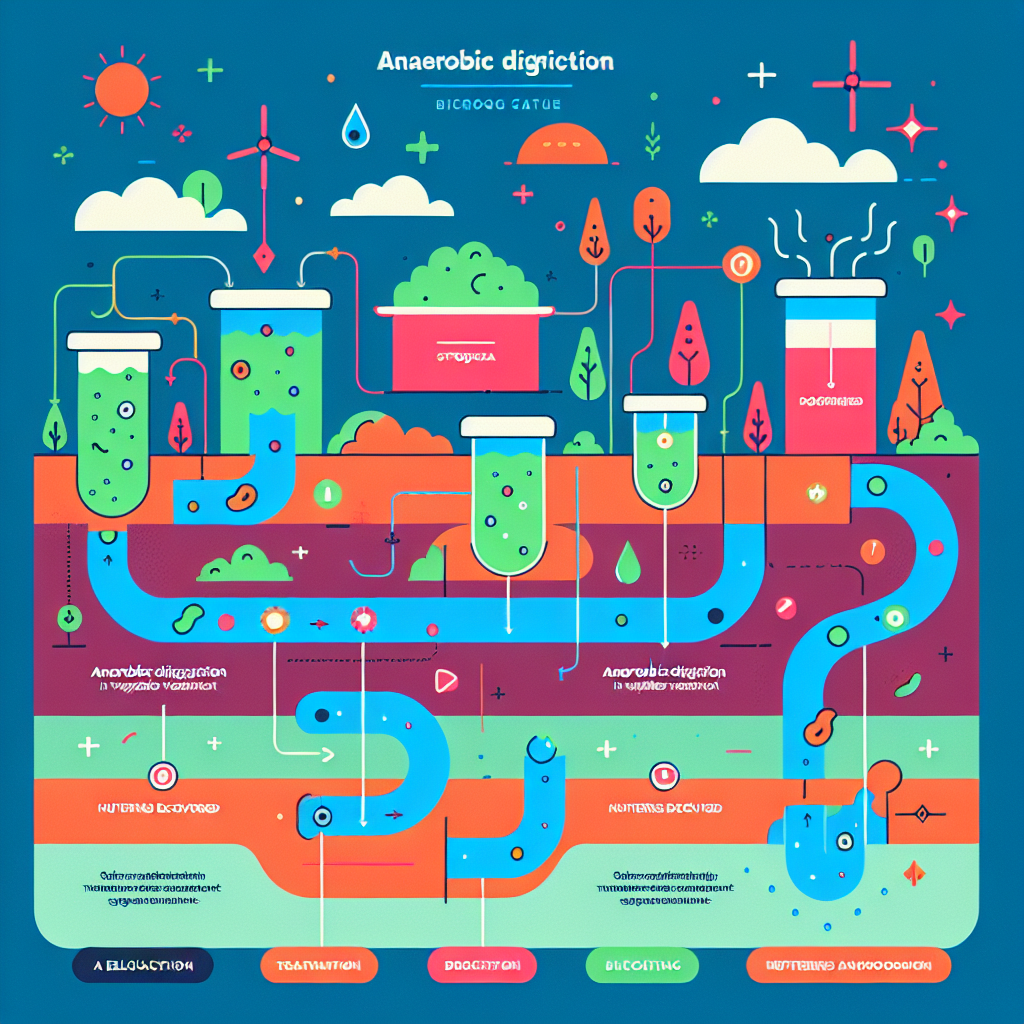
Anaerobic digestion is like the unsung hero of biosolids management it quietly works behind the scenes to break down organic matter in the absence of oxygen. This process not only helps in volatile solids reduction but also generates biogas, which can be a fantastic energy source. So, let’s dive into the nitty-gritty of how this process works and why it’s essential for effective sludge treatment.
Overview of Anaerobic Digestion
In simple terms, anaerobic digestion is a biological treatment process where microorganisms break down organic materials think food scraps or sewage sludge without oxygen. This magical microbial activity results in two main products: biogas (a mix of methane and carbon dioxide) and digestate (the nutrient-rich residue left behind). The methane generated can be harnessed for energy, making it a key player in waste-to-energy conversion strategies.
Types of Digestion Methods: Mesophilic vs Thermophilic
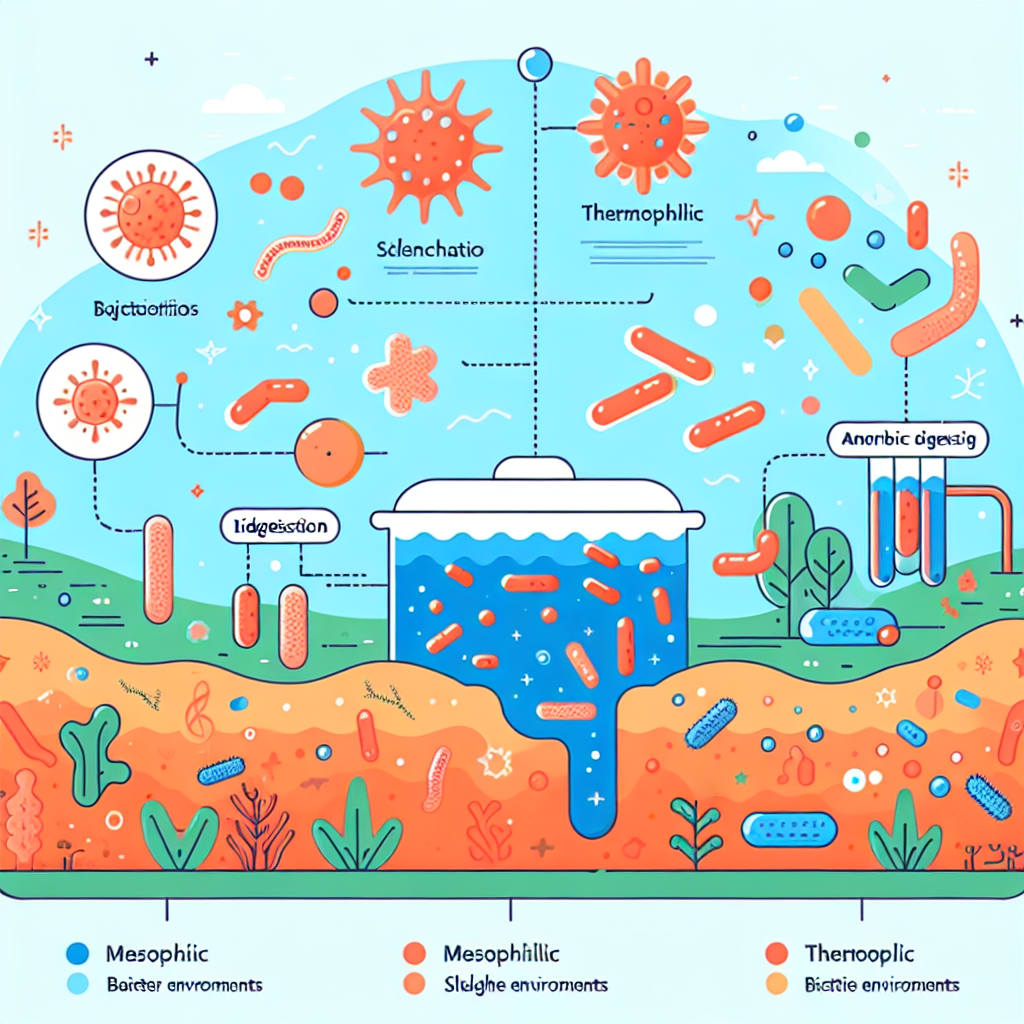
Anaerobic digestion isn’t one-size-fits-all; it comes in two main flavors: mesophilic and thermophilic. Let’s break them down:
- Mesophilic Digestion: Operates at moderate temperatures (around 30-40°C). It’s like lounging on a comfy couch relaxed and steady. This method is popular due to its stable microbial community and lower energy requirements.
- Thermophilic Digestion: Think of it as the turbocharged version, operating at higher temperatures (around 50-60°C). It accelerates organic matter decomposition and boosts biogas production but requires more energy input. It’s great for maximizing volatile solids destruction rates!
Microbial Activity in Digesters
The heart of anaerobic digestion lies in its microbial activity. Different types of bacteria play specific roles, working together like a well-rehearsed band:
- Hydrolytic Bacteria: These guys kick things off by breaking down complex organic materials into simpler compounds.
- Acidogenic Bacteria: They thrive on the simpler compounds, producing volatile fatty acids that are crucial for subsequent steps.
- Methanogenic Archaea: The rock stars that convert those volatile fatty acids into methane this is where the magic happens!
These groups must stay in balance. Methanogens grow slowly and are the most sensitive to temperature changes, toxicants, and overloading; if acid production outruns methane production, volatile fatty acids accumulate, alkalinity is consumed, pH falls, and the digester can sour. Background on the process in a treatment plant context appears in our guide to biosolids wastewater treatment.
Understanding these processes is crucial for optimizing digester performance and ensuring effective biosolids treatment. By fine-tuning factors such as temperature, solids retention time, and pH control in digesters, municipalities can enhance their wastewater resource recovery facilities while achieving significant waste reduction goals.
If you’re looking to enhance your biosolids management strategy or simply want to geek out over microbial activity, diving deeper into anaerobic digestion processes could be your next best step! Remember, optimizing these systems not only leads to better environmental outcomes but also paves the way for sustainable waste management practices.
Factors Influencing Sludge Digestion Efficiency
When it comes to achieving optimal volatile solids reduction in biosolids treatment, several factors play a pivotal role in determining the efficiency of sludge digestion. Think of it like baking a cake: the right ingredients, temperature, and timing are crucial for that perfect rise. Let’s dive into the key factors that influence sludge digestion efficiency.
Organic Load Reduction Strategies
The initial step in enhancing sludge digestion efficiency is managing the organic load. High organic loads can overwhelm digesters, leading to suboptimal conditions for microbial activity. Here are some strategies:
- Thickening Before Digestion: Thickening does not reduce organic load; it reduces the volume of water sent to the digester. For a given digester volume, that increases residence time and the VS concentration, which generally improves VSR and heating efficiency. Feed solids of roughly 4 to 6 percent are common targets for conventional digesters.
- Feed Characteristics: Lower volatile matter does not improve digestion; volatile solids are what the digester converts. Primary sludge digests more readily than waste activated sludge, which is why plants with long-SRT activated sludge see lower VSR. Co-digestion of high-strength organic wastes such as fats, oils, and grease can raise gas production substantially, provided loading is increased gradually.
- Feeding Frequency: Frequent, small, evenly spaced feeds, or continuous feeding, are better than large slug loads. Slug feeding produces spikes in volatile fatty acids that can outpace the methanogens and destabilize the digester.
Solids Retention Time Considerations
The solids retention time (SRT) is like the time you let your dough rise; too little time and it won’t rise properly. In anaerobic digestion, SRT influences microbial growth and volatile solids reduction rates. Here’s how to optimize SRT:
- Adequate SRT: Mesophilic digesters commonly run 15 to 20 days or more. In a conventional digester without solids recycle, SRT equals hydraulic retention time. For Class B biosolids, the Part 503 process to significantly reduce pathogens (PSRP) specifies anaerobic digestion with a mean cell residence time of at least 15 days at 35 to 55°C, or 60 days at 20°C. Guidance on meeting these requirements appears in our article on biosolids management best practices.
- Monitoring: Regular monitoring of SRT can prevent washout of active microorganisms, which is essential for effective organic matter decomposition.
- SRT Adjustments: Adjusting SRT based on influent characteristics can lead to improved digester performance optimization.
pH Control in Digesters
The pH level in digesters is crucial for maintaining an optimal environment for microbial activity. Just like Goldilocks found her perfect porridge temperature, your digester needs its pH to be “just right.” Here’s what you should consider:
- Optimal Range: A pH between 6.8 and 7.4 supports healthy methanogens. pH is a late indicator, however, because bicarbonate alkalinity buffers against falling pH until it is exhausted. The volatile acids to alkalinity ratio gives earlier warning; values below about 0.3 generally indicate a stable digester, and a rising trend is the signal to reduce loading.
- Additives: Utilizing buffering agents can help stabilize pH fluctuations caused by varying organic loads or operational changes.
- Error Prevention: Regular pH monitoring is vital; drastic shifts can lead to reduced biogas production and even system failure.
Takeaway: By focusing on these key factors organic load reduction strategies, solids retention time considerations, and pH control you can significantly boost your sludge digestion efficiency, leading to enhanced biogas production and improved effluent quality!
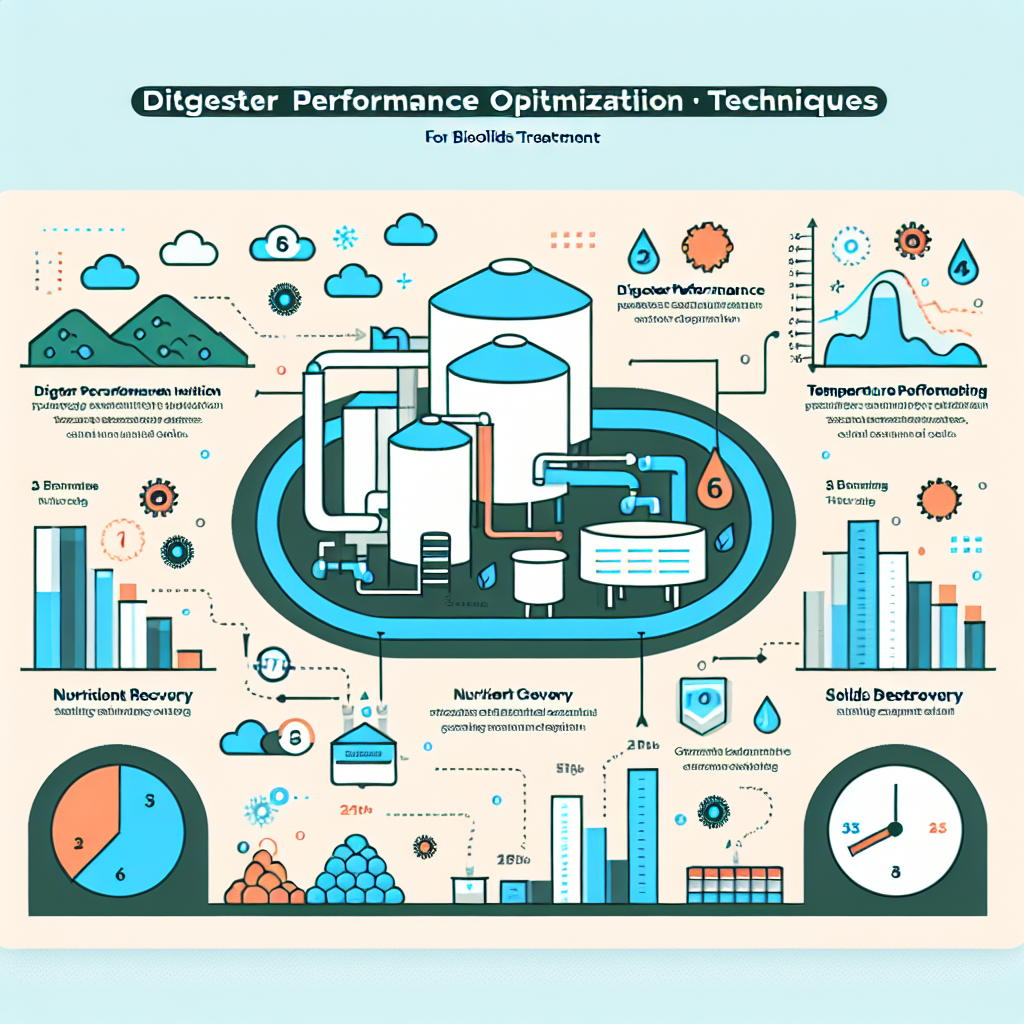
Digester Performance Optimization Techniques
When it comes to volatile solids reduction, optimizing digester performance is like tuning a musical instrument every adjustment can lead to a symphony of efficiency. Here are some techniques that can help you hit all the right notes in your biosolids treatment process:
-
Maximizing Volatile Solids Destruction Rates
To achieve optimal results, focus on enhancing the solids destruction rate. This can be accomplished through:
- Loading within the digester’s capacity. Conventional mesophilic digesters are typically loaded at roughly 1.6 to 4.8 kg VS per cubic meter per day. Pushing loading higher shortens residence time and generally lowers VSR; it raises total gas only while the system stays stable.
- Implementing advanced mixing techniques to ensure uniform distribution of organic matter.
- Utilizing pre-treatment methods such as thermal hydrolysis to break down complex organic compounds.
-
Digester Temperature Control Methods
The temperature of your digester can make or break your digestion game. Here are some strategies:
- Mesophilic vs Thermophilic: Mesophilic digestion around 35 to 37°C is the more stable choice; thermophilic digestion around 55°C gives faster kinetics and greater pathogen reduction, and in time-temperature configurations can contribute to Class A biosolids. Temperature-phased anaerobic digestion combines the two. Whatever the range, stability matters more than the setpoint: methanogens tolerate little variation, and swings of more than about 0.5 to 1°C per day can upset a digester.
- Heat Recovery Systems: Consider implementing heat exchangers to capture and reuse waste heat, keeping your digester cozy without breaking the bank.
-
Nutrient Recovery from Sludge Processes
Nutrient recovery isn’t just a buzzword; it’s a vital part of sustainable biosolids management. Techniques include:
- P Recycling: Using technologies that recover phosphorus from digested sludge can significantly reduce nutrient loading in effluent and enhance overall nutrient recovery.
- Nitrogen Management: Anammox processes treat the ammonia-rich return stream from dewatering digested sludge by converting ammonium to nitrogen gas. That removes nitrogen from the plant rather than recovering it; recovery routes include ammonia stripping to ammonium sulfate and, for phosphorus, struvite precipitation, which also prevents struvite scaling in pipes and centrifuges.
Key Takeaway: Successful optimization of digester performance not only enhances volatile solids reduction but also contributes to improved effluent quality and increased biogas production making your wastewater treatment process more sustainable and efficient!
Diving into these optimization techniques will not only refine your sludge digestion efficiency but also pave the way for innovative solutions in biosolids management. Remember, every little tweak counts when you’re aiming for that sweet spot in volatile solids reduction!
Biosolids Treatment Innovations and Technologies
In the ever-evolving world of biosolids management, innovation is the name of the game. As municipalities and wastewater treatment plants strive to enhance their volatile solids reduction efforts, several cutting-edge technologies are stepping into the spotlight. Let’s dive into some of these exciting advancements!
1. Digestion Process Monitoring Technologies
The key to successful anaerobic digestion lies in understanding what’s happening inside those digesters. Enter advanced monitoring technologies! These systems utilize real-time data analytics to track parameters like temperature, pH, and microbial activity in digesters.
- Remote Sensing: Sensors placed inside digesters can provide continuous feedback, ensuring optimal conditions for methane generation.
- Data Analytics: Leveraging AI and machine learning helps predict digester performance, allowing operators to make timely adjustments.
2. Sewage Sludge Processing Advancements
The traditional methods of sewage sludge processing are getting a tech makeover. Innovations such as thermal hydrolysis and advanced drying techniques are gaining traction.
- Thermal Hydrolysis: This process not only enhances the breakdown of organic matter but also significantly improves the overall efficiency of sludge digestion.
- Advanced Drying Techniques: These methods reduce the volume of biosolids while simultaneously increasing their energy content, paving the way for more effective waste-to-energy conversion.
3. Biosolids Odor Control Solutions
No one wants to be known as “that” treatment plant with the unpleasant smells wafting through town! Fortunately, innovative odor control solutions are on the rise.
- Biofilters: Utilizing natural processes, biofilters can effectively capture and neutralize odorous compounds before they escape into the atmosphere.
- Chemical Scrubbing Systems: These systems can target specific odors at their source, ensuring that effluent quality improvement goes hand-in-hand with community satisfaction.
Takeaway: By embracing these innovations in biosolids treatment technologies, facilities can not only optimize their volatile solids reduction but also enhance overall operational efficiency and community relations!
Sustainable Waste Management Practices in Biosolids Treatment
When it comes to sustainable waste management practices in biosolids treatment, the focus is on maximizing volatile solids reduction while minimizing environmental impact. Think of it as a two-for-one deal: you get cleaner processes and a greener planet!
Waste-to-Energy Conversion Options
One of the most exciting trends in biosolids management is the shift towards waste-to-energy conversion. This process not only reduces the volume of waste but also generates energy from the organic matter decomposition that occurs during anaerobic digestion.
- Biogas Production: The anaerobic digestion process produces biogas, primarily composed of methane. This can be captured and used for electricity generation or as a renewable fuel source.
- Methane Generation Efficiency: Optimizing digester performance can significantly enhance methane generation, making your operation more energy self-sufficient.
Biosolids Composting Alternatives and Recycling Techniques
Composting biosolids is another sustainable practice that allows for nutrient recovery from sludge while transforming waste into valuable organic fertilizer. However, it’s essential to consider:
- Pathogen Reduction: For Class A compost under Part 503, in-vessel and static aerated pile composting must hold at least 55°C for three days, and windrow composting at least 55°C for fifteen days with at least five turnings.
- Nutrient Recovery: Focus on techniques that maximize nutrient recovery, enhancing soil health while reducing reliance on chemical fertilizers.
Landfill Diversion Strategies for Solids Reduction
Aiming for landfill diversion not only helps reduce waste but also supports sustainability goals. Here are some effective strategies:
- Thickening and Dewatering: These reduce the volume of sludge needing disposal by removing water; they do not destroy solids. Solids destruction happens in digestion, composting, or thermal processes.
- Sewage Sludge Processing Innovations: Explore new technologies that improve solids stabilization and enhance effluent quality improvement.
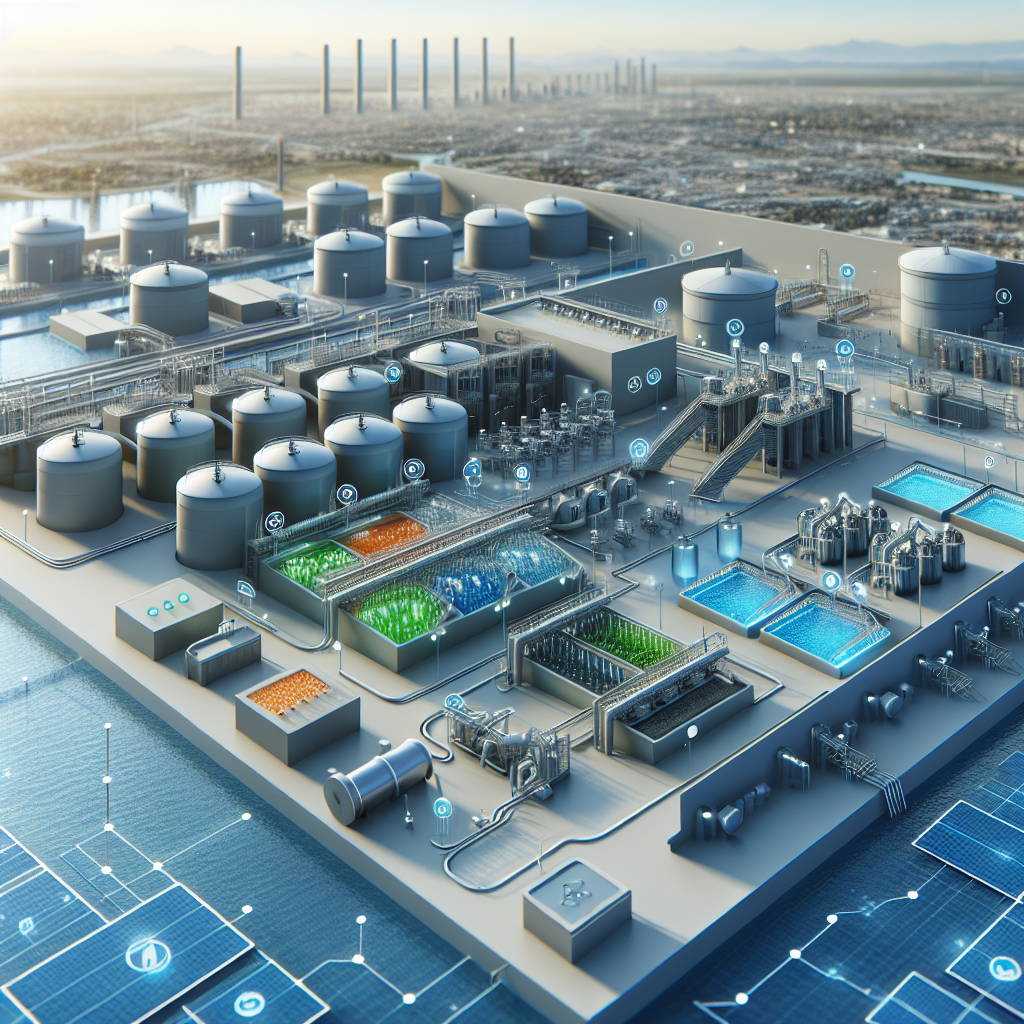
Key Takeaway: Implementing sustainable waste management practices not only optimizes volatile solids reduction but also enhances overall operational efficiency and environmental responsibility.
The future of biosolids treatment lies in embracing these innovative practices. By focusing on effective waste reduction processes and energy recovery, we can transform wastewater treatment into a resource recovery powerhouse!
Conclusion and Future Directions for Volatile Solids Reduction Optimization in Biosolids Treatment
As we wrap up our deep dive into the world of volatile solids reduction, it’s clear that the path forward is as dynamic as the processes we’ve explored. The future of biosolids treatment isn’t just about managing waste; it’s about transforming it into a resource through innovative strategies and technologies.
One of the most promising avenues lies in enhancing anaerobic digestion techniques. By optimizing digester performance through advanced monitoring technologies, we can significantly improve sludge digestion efficiency. For instance, implementing real-time data analytics can fine-tune conditions like temperature and pH, ensuring optimal microbial activity and maximizing volatile solids destruction rates.
Key Takeaway: The dependable levers for VSR are adequate residence time, stable temperature, frequent feeding at sustainable loading, and good mixing, verified by correct calculation of VSR against the 38 percent vector attraction reduction benchmark where biosolids are land applied.
Innovations on the Horizon
The landscape of biosolids management is ever-evolving. Emerging technologies such as thermophilic digestion processes are gaining traction due to their ability to handle higher organic loads while promoting pathogen reduction in biosolids. This not only ensures compliance with regulatory standards but also enhances the safety of land application sites.
Sustainable Practices for Tomorrow
As municipalities and engineers prioritize sustainability, strategies like waste-to-energy conversion are becoming essential. By tapping into biogas production, wastewater treatment facilities can turn their challenges into opportunities, effectively contributing to energy recovery from waste streams.
- Biosolids composting alternatives: These methods are gaining popularity as they provide a dual benefit of reducing landfill dependency while producing valuable soil amendments.
- Landfill diversion strategies: Implementing effective diversion strategies not only minimizes environmental impact but also aligns with global sustainability goals.
- Enhanced microbial activity: Fostering robust microbial communities within digesters can significantly improve organic matter decomposition rates and solids stabilization.
A Final Thought
The future of volatile solids reduction optimization is bright if we embrace innovation and collaboration across sectors. By leveraging cutting-edge research and sustainable practices, we can unlock new potentials in biosolids treatment that benefit both our communities and our planet.