
Top 10 CSO/Storm Manufacturers for Water and Wastewater
Introduction
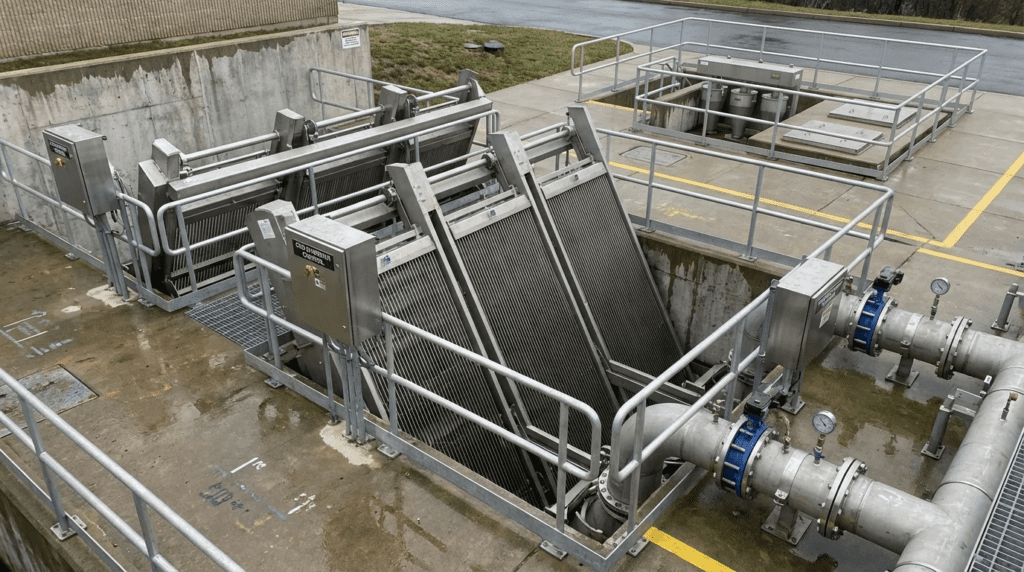
One of the most persistent headaches for municipal engineers and utility directors is the management of wet weather flows. While dry weather treatment is predictable and steady, storm events introduce hydraulic shocks that can overwhelm infrastructure, leading to regulatory violations and environmental damage. The challenge is not merely capacity; it is the complexity of treating high-velocity, variable-quality water that often contains massive debris loads, from tree limbs to urban trash. A critical oversight in many capital improvement plans is treating Combined Sewer Overflow (CSO) and stormwater equipment as standard commodities rather than specialized process equipment. This leads to the specification of units that meet hydraulic grade lines on paper but fail catastrophically under real-world solids loading.
The distinction between a compliant system and a maintenance nightmare often lies in the selection of the manufacturer and the specific technology application. When evaluating the Top 10 CSO/Storm Manufacturers for Water and Wastewater, engineers must look beyond the initial capital cost. They must analyze the equipment’s ability to handle “first flush” pollutant concentrations, its headloss characteristics during peak flow, and its resilience against corrosion in intermittent wet/dry environments. This technology is critical in municipal collection systems, at the headworks of wastewater treatment plants (WWTPs), and in decentralized industrial stormwater discharge points where permit compliance is mandatory.
Proper specification prevents common consequences such as upstream flooding, mechanical blinding of screens, and the bypass of untreated floatables into receiving waters. This article serves as a technical guide for consulting and utility engineers to navigate the landscape of the Top 10 CSO/Storm Manufacturers for Water and Wastewater. It moves beyond marketing brochures to focus on duty cycles, material science, hydraulic performance, and the practical realities of operating and maintaining these systems in harsh environments.
How to Select and Specify CSO/Storm Equipment
Selecting equipment from the Top 10 CSO/Storm Manufacturers for Water and Wastewater requires a multidimensional analysis. Unlike steady-state process equipment, CSO and storm systems must go from zero to 100% capacity in minutes and often sit idle for weeks. This intermittency drives specific engineering requirements.
Duty Conditions & Operating Envelope
The operating envelope for wet weather equipment is defined by extreme variability. Engineers must specify equipment based on peak hydraulic capacity rather than average flows, but turndown capability is equally vital.
- Flow Turndown: Devices like vortex separators or hydrodynamic separators must maintain removal efficiencies at low flows (dry weather or waning storm) while not creating excessive headloss at peak flows. A typical specification should require a removal efficiency curve across 10% to 100% of the design flow.
- Solids Loading Rates: Stormwater does not follow standard TSS (Total Suspended Solids) curves. “First flush” events can see TSS spikes exceeding 500-1000 mg/L. Equipment must be sized to handle these instantaneous solids loads without blinding or binding.
- Intermittent Operation: Moving parts (screens, tipping buckets) must be designed to function reliably after sitting idle for long periods. This requires lubricants that do not separate or dry out and seals that do not degrade during dry spells.
Materials & Compatibility
Material selection is the primary driver of equipment longevity in CSO applications. The environment is aggressively corrosive due to the presence of hydrogen sulfide (H2S) during stagnant periods and the abrasive nature of grit during storm events.
- Stainless Steel Grades: For wetted metal parts, Type 304 Stainless Steel is the minimum standard, but Type 316/316L is strongly recommended for any environment with potential salinity (coastal areas) or high industrial contributions. Passivation of welds is non-negotiable to prevent intergranular corrosion.
- Abrasion Resistance: Vortex separators and grit chambers experience high-velocity scouring. Concrete structures may require hdPE liners or epoxy coatings. Metallic wear parts should utilize hardened alloys or sacrificial liners.
- UV Stability: Any components exposed to sunlight (actuators, top-side controls, covers) must be UV stabilized. Fiberglass Reinforced Plastic (FRP) covers must include UV inhibitors to prevent delamination over 20-year lifecycles.
Hydraulics & Process Performance
In gravity-fed storm systems, every inch of headloss counts. The integration of the Top 10 CSO/Storm Manufacturers for Water and Wastewater into a hydraulic profile requires precise headloss coefficient (K-value) data.
- Headloss vs. Flow Curves: Manufacturers must provide certified curves showing headloss at varying flow rates. Passive screens often exhibit exponential headloss increases as they blind; specifications must account for the “dirty” headloss condition, not just the clean water curve.
- Bypass Mechanics: Most CSO systems require an internal or external bypass for flows exceeding design capacity. The activation head of the bypass weir must be set high enough to force treatment but low enough to prevent upstream basement flooding.
- Removal Efficiency Claims: Be wary of “percent removal” claims without particle size distribution (PSD) context. A specification should state: “80% removal of particles 50 microns and larger,” rather than a generic percentage.
Installation Environment & Constructability
CSO outfalls and regulators are often located in dense urban environments, under streets, or in parks, making footprint and access major constraints.
- Deep Excavation: Many systems are installed in deep vaults. The structural design of the equipment housing (if proprietary) must withstand H-20 or H-25 traffic loading if located under roadways.
- Retrofit Capability: For existing chambers, equipment that can be assembled in sections and passed through a standard 24-inch or 30-inch manhole is highly advantageous, reducing the need for massive excavation.
- Floatation: Large underground structures located near water bodies (typical for CSOs) are subject to buoyancy forces. Buoyancy calculations must be performed assuming an empty tank and high water table, often requiring anti-flotation slabs.
Reliability, Redundancy & Failure Modes
When a storm hits, the equipment must work. There is no time for manual intervention during a flash flood.
- Jamming Protection: Mechanically cleaned screens must have auto-reverse logic. If an obstruction is detected (via amperage spike), the rake should reverse, attempt to clear, and retry. After 3 failed attempts, it should alarm but failing in a “safe” position (usually open or bypass) is site-specific.
- Passive vs. Active: Passive devices (static screens, vortex separators) generally offer higher reliability (MTBF) than active mechanical screens but may have lower absolute capture rates for certain floatables. The trade-off is often between O&M intensity and removal efficiency.
Controls & Automation Interfaces
Modern CSO management relies on real-time data to optimize system storage and treatment.
- SCADA Integration: Equipment should provide status I/O (Running, Fault, High Level, Bypass Active). For remote sites, cellular telemetry is often required.
- Level Sensing: Ultrasonic or radar level sensors are preferred over submersible pressure transducers in storm applications due to the heavy silt/debris that can bury submersible sensors.
Maintainability, Safety & Access
If an operator cannot safely access the equipment, it will not be maintained.
- Confined Space Entry (CSE): Designs should minimize the need for CSE. Screening handling systems should lift screenings to grade level for disposal.
- Washdown Systems: Automated spray wash systems are essential for odor control and preventing solids accumulation on weirs and screens after the water level recedes.
Lifecycle Cost Drivers
- Energy: While many storm technologies are gravity-driven (low energy), high-rate treatment systems (like ballasted flocculation) have significant pumping and mixing energy costs.
- Consumables: Ballasted flocculation requires microsand and polymer. UV systems require lamp replacement. These operational expenses (OPEX) must be factored into a 20-year Net Present Value (NPV) analysis.
Comparison of Top Manufacturers and Technologies
The following tables provide an engineering comparison of the leading manufacturers and technology types in the sector. These tables are designed to assist in preliminary selection and “basis of design” decisions. Note that “Best-Fit” relies heavily on specific hydraulic profiles and permit limits.
| Manufacturer / Brand | Primary Technology Focus | Typical Applications | Engineering Considerations / Limitations | Maintenance Profile |
|---|---|---|---|---|
| Hydro International | Vortex Separation (Downstream Defender), High-Efficiency Screening | Urban stormwater, grit removal, CSO floatables control. | Headloss sensitive. Requires specific hydraulic conditions for optimal vortex formation. Sizing relies on proprietary modeling. | Low. primarily vacuum truck extraction of sediment. No moving parts in wet well for many models. |
| Veolia (John Meunier) | Hydrovex (Flow Regulators), Mechanical Screens, High-Rate Treatment | CSO flow control, headworks screening, Actiflo (high-rate clarification). | Vortex valves have specific discharge curves distinct from orifice plates. High-rate systems have chemical footprint. | Moderate to High depending on complexity (valves are low, Actiflo is high intensity). |
| Huber Technology | Fine Screens (ROTAMAT), Storm Screens | CSO screening, retention tank cleaning, WWTP headworks. | Mechanical complexity. Requires electrical power at remote sites. Screen openings dictate headloss. | Moderate. Routine inspection of brushes/spray bars required. Reliable German engineering. |
| Suez (Veolia) / Densadeg | High-Rate Clarification (Densadeg) | Large scale CSO treatment plants requiring TSS/BOD removal. | Large civil footprint compared to simple screens. High CAPEX. Chemical handling required. | High. Requires skilled operators for chemical dosing and sludge management. |
| Trojan Technologies | UV Disinfection | CSO disinfection (high flow, low transmittance). | Requires high UV transmittance (UVT) or massive lamp banks. Power quality is critical. | Moderate. Lamp cleaning and replacement cycles. Wiper maintenance. |
| WesTech | WWETCO FlexFilter, Clarification | CSO filtration, tertiary treatment. | Compressible media filtration requires hydraulic head for compression. Backwash handling required. | Moderate. Media life and bladder integrity are key check points. |
| Duperon | FlexRake (Coarse Screening) | Pump station protection, CSO coarse screening. | “Flex” technology adapts to debris size. Not a fine screen; allows smaller solids to pass. | Low. No submerged bearings. Very robust against large debris (logs, tires). |
| Grande Water Management | Tipping Buckets, Flushing Gates, Regulators | Tank cleaning, flow regulation. | Tipping buckets create noise and dynamic structural loads. Regulation requires precise calibration. | Low. Tipping buckets are mechanical but robust. Bearings require lubrication. |
| Lakeside Equipment | Screw Pumps, Screens (Raptor) | Lift stations, headworks screening. | Open screw pumps are efficient but require large civil footprint. Screens require wash water. | Moderate. Brushes and seal water systems require attention. |
| Biogest | Vacuum Flushing, Flow Control | Stormwater tank cleaning without tipping buckets. | Vacuum systems require airtight integrity. Less structural impact than tipping buckets. | Moderate. Vacuum pumps and valves require standard electromechanical maintenance. |
| Application Scenario | Best-Fit Technology | Key Constraints | Operator Skill Impact | Relative CAPEX |
|---|---|---|---|---|
| Remote CSO Outfall (No Power) | Static Screen / Bending Weir / Hydrodynamic Separator | Headloss availability; must handle blinding passively. | Low (Inspection only) | Low – Medium |
| Large CSO Treatment Plant | High-Rate Clarification (Ballasted Flocculation) | Footprint, Chemical Supply, Sludge Handling. | High (Process control) | High |
| Underground Retention Tank Cleaning | Tipping Buckets or Flushing Gates | Noise, Structural dynamic loads, Potable water access. | Low | Medium |
| Pump Station Protection | Mechanically Cleaned Bar Screen | Headroom for rake removal, screenings handling/compaction. | Medium | Medium |
| High-Floatables Urban Runoff | Vortex Separator with Baffle | Depth of excavation for sediment sump. | Low (Vac truck) | Medium |
Engineer & Operator Field Notes
The following insights are derived from field experience with the Top 10 CSO/Storm Manufacturers for Water and Wastewater. These are the practical realities that often get missed in the design office.
Commissioning & Acceptance Testing
Commissioning wet weather equipment is notoriously difficult because you cannot schedule a storm. Waiting for a “design storm” to verify performance is impractical.
- Dry Testing: Verify all mechanical clearances, rotation directions, and sensor calibrations (level, limit switches) under dry conditions.
- Hydrant Simulation: For smaller units, use fire hydrants or water trucks to simulate flow, primarily to verify weir elevations and ensure no leakage at concrete joints.
- Wet Weather Logic Test: Manually trigger “storm mode” inputs in the PLC to verify that control logic (e.g., screen speed up, sampler activation, alarm dialing) functions correctly without actual water.
- Punch List: Common items include insufficient anchor bolt embedment, lack of safety grates over open channels, and missing nameplates with hydraulic data.
Common Specification Mistakes
- Undersizing the Bypass: Engineers often size the treatment unit correctly but undersize the emergency bypass. If the screen blinds 100%, the bypass must pass the entire peak flow without causing upstream surcharge.
- Ignoring Post-Event Cleaning: Storm tanks accumulate sludge. If specific flushing mechanisms (tipping buckets, spray cannons) are not specified, operators will be forced to manually hose down tanks—a dangerous and hated task.
- Ambiguous “Stainless Steel”: Specifying “Stainless Steel” without designating 304 or 316 leads to vendors supplying the cheaper option. In coastal or industrial zones, 304 will pit and rust within years.
O&M Burden & Strategy
Maintenance strategies for CSO equipment must switch from “periodic” to “event-based.”
- Post-Storm Inspection: Within 24 hours of a major event, a visual inspection is mandatory to check for large debris that may have jammed mechanisms or rocks that settled in vortex sumps.
- Lubrication: Automatic greasers are highly recommended for remote sites. However, lines can clog; verify grease delivery manually every quarter.
- Winterization: In cold climates, stagnant water in screening troughs or spray wash lines will freeze. Heat tracing and insulation are critical specification items.
Troubleshooting Guide
- Symptom: High Water Level Alarm during low flow.
Root Cause: Screen blinding (plastic bags/leaves) or downstream blockage.
Action: Check rake operation. Check differential level sensor calibration. - Symptom: Excessive Odor.
Root Cause: Organic material putrefying in the sump or screen channel during dry periods.
Action: Increase flush frequency or install forced ventilation. Check if the “dry weather channel” is maintaining self-cleansing velocity (2-3 fps).
Design Details and Calculations
Sizing Logic & Methodology
When selecting equipment from the Top 10 CSO/Storm Manufacturers for Water and Wastewater, correct sizing is a function of hydraulic loading rates.
1. Surface Overflow Rate (SOR):
For clarification and separation technologies, SOR is the governing parameter.
Equation: SOR = Peak Flow (gpd) / Surface Area (ft2)
Typical Range: High-rate ballasted systems can operate at 60-80 gpm/ft2, whereas conventional settling requires < 1 gpm/ft2.
2. Screen Velocity:
Velocity through the screen openings is critical to prevent forcing soft debris through the mesh.
Target: Maximum 3.0 to 4.0 ft/sec through clean screen openings. Higher velocities increase headloss exponentially and compress flexible debris.
Specification Checklist
Ensure your RFP includes the following “Must-Haves”:
- [ ] Peak Hydraulic Capacity: Clearly defined MGD or CFS.
- [ ] Headloss Constraint: Maximum allowable headloss at Peak Flow (e.g., “Not to exceed 12 inches”).
- [ ] Material Certification: Mill certs for all steel.
- [ ] Fasteners: All underwater fasteners must be 316SS.
- [ ] Spare Parts: One complete set of seals, bearings, and critical sensors.
- [ ] Warranty: Minimum 2 years from Substantial Completion, not just delivery.
Standards & Compliance
- Ten States Standards: Governs general design of wastewater systems; check Chapter 50 for screening requirements.
- WEF MOP 8: Design of Municipal Wastewater Treatment Plants (provides guidance on wet weather flows).
- NEC (NFPA 70): Electrical classification is critical. CSO chambers are typically Class 1, Division 1 or 2 environments due to methane/H2S. Explosion-proof (XP) or Intrinsically Safe (IS) ratings are mandatory for motors and instruments.
Frequently Asked Questions
What is the difference between CSO and SSO equipment?
Combined Sewer Overflow (CSO) equipment handles a mixture of sanitary sewage and stormwater, meaning it must manage high biological loads, pathogens, and floatables. Sanitary Sewer Overflow (SSO) equipment deals with diluted sewage. CSO equipment typically requires more robust screening and higher corrosion resistance due to the septic nature of the sanitary component during dry periods, whereas stormwater-only equipment focuses primarily on sediment and trash.
How do you select the right vortex separator size?
Vortex separator sizing is based on the target particle size removal (e.g., 80% of 100-micron sand) at a specific flow rate. Manufacturers provide “treatment flow” ratings. However, engineers must also check the “bypass capacity” or peak hydraulic capacity to ensure the unit doesn’t flood the upstream pipe during flows that exceed the treatment design. Always size for the treatment goal, but hydraulically check the peak event.
What is the typical lifespan of mechanical bar screens in CSO service?
In aggressive CSO environments, a high-quality mechanical bar screen typically lasts 15-20 years. However, the “wet end” components (chains, sprockets, lower bearings) often require major refurbishment or replacement every 5-7 years. specifying 316 stainless steel and eliminating submerged bearings (using cantilevered designs) can extend these intervals.
Why is headloss such a critical factor in selecting Top 10 CSO manufacturers?
CSO systems are usually gravity-driven with limited elevation drops available between the sewer invert and the receiving water body. If a device has high headloss (e.g., >24 inches), it can cause water to back up into basements or streets upstream during a storm. Engineers must select manufacturers that offer “low headloss” designs or verify that the hydraulic grade line (HGL) remains below critical levels.
What are the maintenance requirements for high-rate clarification systems?
High-rate systems (like ballasted flocculation) have a higher O&M burden than passive screens. They require microsand inventory management, polymer batching, pump maintenance (recirculation and sludge pumps), and hydrocyclone wear part replacement. They function more like a mini-treatment plant and require skilled operator attention during activation, unlike a passive vortex separator.
How much does a typical CSO screening system cost?
Costs vary wildly by flow. A small mechanical screen for a 5 MGD peak flow might cost $100,000 – $200,000 (equipment only). Large scale screening facilities for >100 MGD can run into the millions. Civil work (concrete vaults, excavation) typically costs 2x to 4x the price of the mechanical equipment itself. Lifecycle cost analysis should prioritize reliability over lowest bid.
Conclusion
Key Takeaways for Engineers
- Hydraulics First: Never select equipment without a verified headloss curve. Backups cause liability.
- Material Matters: 316 Stainless Steel is the standard for coastal or industrial CSOs. 304 is marginal.
- Intermittency is the Enemy: Equipment fails because it sits idle. Specify exercising logic and robust lubrication.
- Define “Removal”: Specify removal efficiency with particle size distributions, not generic percentages.
- Access is Safety: Design vaults for easy crane access and minimal confined space entry.
- System Approach: The screen, the compactor, and the transport system must be designed as a single operational unit.
Selecting from the Top 10 CSO/Storm Manufacturers for Water and Wastewater is not a simple procurement exercise; it is a critical engineering task that impacts public health and regulatory compliance. The market offers a wide range of technologies—from simple passive screens to complex high-rate chemical treatment systems. The engineer’s role is to match the technology not just to the water quality goals, but to the operational reality of the utility.
A successful design balances capital efficiency with long-term operability. It prioritizes equipment that can survive the harsh, corrosive, and abrasive environment of wet weather flows. Whether retrofitting a historic urban outfall or designing a new treatment facility, rigorous specification regarding materials, hydraulics, and testing protocols is the only way to ensure the system performs when the rain starts falling.