
Mastering Activated Sludge Process: Essential Tips for Plant Operators
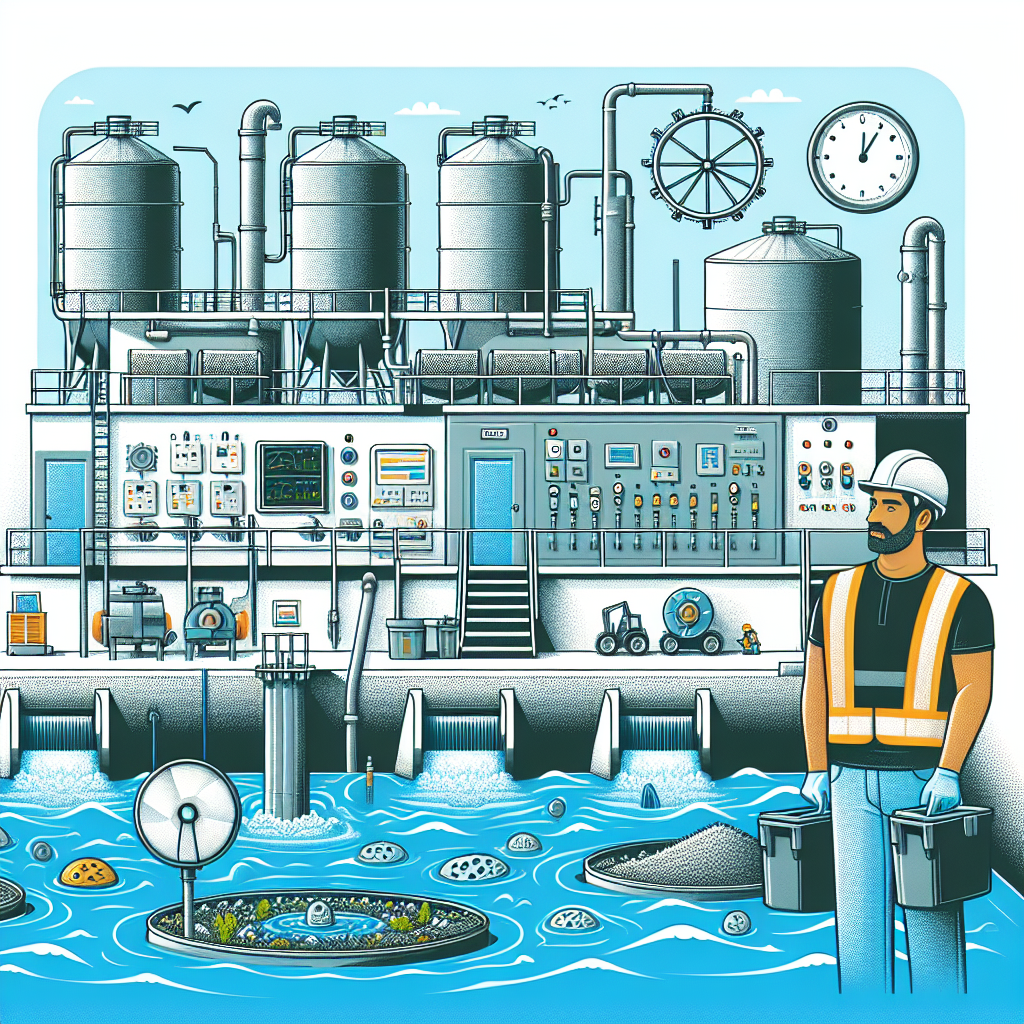
Introduction to the Activated Sludge Process
The activated sludge process is a cornerstone of modern wastewater treatment, playing a crucial role in maintaining effluent quality and environmental health. As part of the broader Activated Sludge treatment category, this biological process harnesses dense microbial communities to break down dissolved and suspended organic matter before final discharge. Understanding the intricacies of this process is essential for plant operators aiming to optimize facility performance. This guide covers microbial community management, sludge aeration, nutrient removal, return sludge control, and the key subtopics that define day-to-day operation of activated sludge systems.
Understanding the Activated Sludge Process
The activated sludge process is at the heart of modern wastewater treatment, playing a starring role in transforming sewage into environmentally safe effluent. Essentially, it’s a biological treatment process that harnesses the power of a rich microbial community to break down organic matter. Think of it as nature’s very own ‘clean-up crew’ diligently munching away on waste.
The Basics: From Sludge Aeration to Effluent Quality
Here’s a quick rundown of how this biological symphony unfolds:
- Sludge Aeration: The sewage enters an aeration tank where air is pumped to create an oxygen-rich environment, encouraging aerobic digestion.
- Floc Formation: Microbes gather together, creating flocs—tiny clumps that help trap and degrade pollutants.
- Nutrient Removal: Through processes like nitrification and denitrification, the system removes excess nutrients such as nitrogen and phosphorus, crucial for maintaining effluent quality.
- Clarifier Tank Design: Post-aeration, the mixture moves to a clarifier tank where gravity assists in separating solid flocs from treated water.
- Sludge Recycling and Surplus Management: A portion of the settled sludge is recycled back into the aeration tank to maintain microbial populations, while excess or surplus activated sludge is managed appropriately.
The Role of Microbial Communities
A diverse microbial community is essential for efficient operation. The magic lies in balancing different species that break down pollutants through complex biochemical pathways. Just like any thriving city population, these microbes have their specializations—from breaking down carbon compounds to converting ammonia into nitrate.
The activated sludge process remains fundamental to wastewater management due to its adaptability and efficiency.
An interesting dynamic within the process is how variations in operational conditions can impact microbial health and floc formation. For instance, temperature fluctuations or changes in organic load can affect sludge settleability—a critical factor for plant efficiency.
Aeration Equipment: Key Players in Wastewater Treatment Plants
The choice of aeration equipment significantly impacts energy consumption and effluent quality. Technologies range from diffused aerators to mechanical mixers designed to optimize air distribution within the aeration basin. With energy costs accounting for approximately 60% of total operational expenses in wastewater treatment facilities (U.S. Department of Energy), selecting efficient aeration solutions becomes crucial not just for sustainability but also fiscal responsibility.
Key Topics in Activated Sludge Process Operation
The activated sludge process encompasses several distinct operational and design areas, each critical to overall plant performance. The subtopics below represent the core areas where operators must develop practical expertise to achieve consistent, compliant treatment.
Activated Sludge Enhancing Treatment
Activated sludge enhancing treatment focuses on operational and technological strategies that push biological treatment performance beyond baseline levels. Enhancement approaches include selector zones that promote floc-forming bacteria over filamentous organisms, optimized sludge retention time (SRT) control to maximize nitrifier populations, and chemical addition programs such as supplemental carbon dosing for denitrification. Membrane bioreactors (MBRs) represent an advanced enhancement option, replacing conventional clarifiers with ultrafiltration membranes to achieve effluent turbidity below 1 NTU. Process enhancement also includes real-time DO control using variable frequency drives (VFDs) on blowers, which can reduce aeration energy consumption by 20–35% while maintaining treatment targets. For facilities facing increasingly stringent nutrient limits, enhancement strategies are often the difference between compliance and permit violation.
Return Sludge Role in Wastewater
Understanding the return sludge role in wastewater treatment is fundamental to maintaining a stable, productive biological system. Return activated sludge (RAS) is the settled biomass from the secondary clarifier that is pumped back to the head of the aeration basin to maintain the mixed liquor suspended solids (MLSS) concentration required for treatment. Typical RAS flow rates range from 50–100% of influent flow, though this varies with clarifier underflow concentration and target MLSS. Insufficient RAS return starves the aeration basin of active biomass, rapidly degrading effluent quality. Excessive RAS rates can hydraulically overload the aeration tank, reduce hydraulic retention time, and impair floc formation. Waste activated sludge (WAS) removal from the RAS stream is the primary mechanism for controlling SRT and maintaining a healthy, active biomass population. Return sludge pumping systems must be reliable and controllable — variable-speed RAS pumps with real-time flow monitoring are considered best practice at modern facilities.
Activated Sludge Wastewater Treatment
Activated sludge wastewater treatment encompasses the full range of conventional and advanced configurations used to achieve secondary and tertiary effluent quality. The conventional activated sludge (CAS) configuration — plug flow or complete mix aeration followed by gravity clarification — remains the most widely deployed biological treatment configuration globally, treating billions of gallons of municipal wastewater daily. Process variants include extended aeration systems for smaller facilities, step-feed configurations that distribute influent across multiple aeration zone entry points, and contact stabilization designs that separate adsorption and stabilization into distinct tank volumes. Each configuration carries distinct advantages in terms of SRT operating range, oxygen demand distribution, sludge production rates, and resistance to shock loads. Process selection hinges on influent characteristics, permit requirements, footprint constraints, and long-term operational philosophy. Regardless of configuration, the fundamental biological mechanisms — aerobic oxidation of carbonaceous BOD, nitrification, and biological phosphorus removal — remain the same.
Optimizing Sludge Aeration and Oxygen Supply
In the world of wastewater treatment, optimizing sludge aeration and oxygen supply is akin to keeping your car well-oiled. It ensures that the biological treatment process hums along efficiently, reducing issues and improving effluent quality. Here’s why it matters and how to nail it.
The Role of Oxygen in Activated Sludge
Oxygen isn’t just for breathing; it’s the lifeline for the microbial community in your activated sludge aerobic digestion systems. These microbes are responsible for breaking down organic materials, reducing biological oxygen demand (BOD), and ultimately ensuring a cleaner final effluent.
- Nitrification & Denitrification: Adequate oxygen levels are crucial for these biological nutrient removal processes.
- Floc Formation: Proper aeration facilitates the formation of flocs, which settle easily in the clarifier tanks.
- Microbial Degradation: Oxygen fuels microbial degradation of pollutants, ensuring efficient treatment.
Aeration Equipment Insights
The choice of aeration equipment can make or break your sewage treatment system. Whether you’re using mechanical surface aerators or diffused air systems, understanding their dynamics is essential for efficient operation.
“Aeration equipment selection should focus on energy efficiency and ease of maintenance to ensure long-term operational success.” – Environmental Engineering Journal
Achieving Optimal Dissolved Oxygen Levels
Aim for dissolved oxygen (DO) levels between 1–3 mg/L in the aeration basin. This range promotes healthy microbial activity without excessive energy consumption. Consider these strategies:
- Regular Monitoring: Use probes to continuously monitor DO levels, adjusting as necessary.
- Aerator Adjustments: Tweak blower or diffuser settings based on load variations to maintain balance.
- Nutrient Balancing: Ensure nutrient inputs (like nitrogen and phosphorus) are aligned with oxygen demands.
The Impact on Energy Consumption
Adequate sludge aeration doesn’t just enhance treatment efficiency; it also directly impacts plant energy usage—typically accounting for about half of total operational energy costs in a wastewater treatment plant. Implementing smart monitoring systems can lead to significant savings while maintaining robust aerobic conditions.
Ultimately, mastering sludge aeration is all about balance: achieving superior microbial performance while keeping operational costs down. By focusing on these essentials, wastewater operators can enhance both plant efficiency and environmental outcomes—a win-win situation!
Nurturing a Healthy Microbial Community
Ensuring that the activated sludge process thrives is akin to being a zookeeper, but for microscopic organisms. You can’t see them, but their health is crucial to the success of your wastewater treatment plant. A healthy microbial community in the sewage aeration tank is pivotal for effective aerobic digestion, which aids in reducing biological oxygen demand (BOD) and ensures high-quality effluent.
The Role of Microorganisms in Wastewater Treatment
- Floc Formation: Microbes aggregate into clumps known as flocs, which are essential for settling and removing contaminants from wastewater.
- Nitrification and Denitrification: Certain bacteria convert ammonia into nitrites and nitrates, further breaking them down into nitrogen gas, a process vital for nutrient removal.
- Microbial Degradation of Pollutants: Varied microbial communities degrade organic pollutants, ensuring minimal environmental impact.
To maintain an efficient microbial community, operators must ensure optimal conditions within the aeration basin. This includes balancing factors like dissolved oxygen levels, temperature, pH, and nutrient availability. Maintaining dissolved oxygen levels between 1.0 mg/L to 3.0 mg/L promotes robust microbial activity.
“The success of biological treatment processes largely depends on sustaining a balanced microbial community.” — Journal of Environmental Engineering
Tips for Maintaining Microbial Health
- Aeration Control: Utilize efficient aeration equipment to ensure even distribution of oxygen throughout the tank.
- Nutrient Monitoring: Regularly test for nutrient concentrations and adjust as necessary to prevent starvation or toxicity.
- Regular Monitoring: Implement continuous monitoring systems to detect changes in sludge volume index (SVI) or mixed liquor suspended solids (MLSS).
- Biosolids Management: Regularly remove surplus activated sludge to prevent overcrowding and ensure space for new biomass growth.
The health of your microscopic “zoo” within the activated sludge process can make or break your wastewater management goals. Treat them well, and they will reward you with clearer effluents and fewer regulatory headaches.
Biosolids Management and Surplus Sludge Handling
Biosolids management in the activated sludge process is akin to maintaining a balanced diet – too much or too little can lead to undesired outcomes. As municipalities and wastewater treatment operators strive for operational efficiency, handling surplus activated sludge becomes a pivotal task.
The Importance of Efficient Biosolids Management
Handling biosolids efficiently can significantly impact effluent quality and overall plant operation. Mismanagement may lead to increased treatment costs, regulatory non-compliance, or even environmental hazards. According to the U.S. Environmental Protection Agency (EPA), approximately 7 million dry tons of biosolids are produced annually in the United States alone, necessitating adept management strategies (source).
Strategies for Surplus Sludge Management
- Sludge Recycling: Recycling surplus activated sludge within the system can enhance microbial activity. This practice not only supports microbial degradation of pollutants but also stabilizes sludge volume index, making it a cornerstone of efficient operations.
- Aeration Basin Dynamics: Optimizing aeration basin dynamics can improve floc formation and sludge settleability, reducing excess sludge production. A well-managed aeration system supports effective aerobic digestion and promotes an optimal biological nutrient removal system.
- Nutrient Removal Processes: Implementing targeted nutrient removal processes helps avoid the overproduction of biosolids by maintaining a balanced microbial community that efficiently handles organic load without surplus generation.
Sludge Disposal and Resource Recovery
Innovative disposal techniques like composting, land application, or exploring energy recovery options such as anaerobic digestion can transform surplus biosolids into valuable resources. Composting to Class A biosolids standards (EPA 503) enables beneficial land application, while anaerobic digestion captures methane for on-site power generation — offsetting a meaningful portion of plant energy costs. Thermal hydrolysis pre-treatment prior to anaerobic digestion is increasingly adopted at larger facilities to improve volatile solids destruction rates and digester throughput.
Process Comparison: Activated Sludge Configurations and Subtopics
The activated sludge process encompasses several operational domains and system configurations, each with distinct performance profiles. The table below compares the three primary subtopic areas addressed within this hub alongside the two principal AS process configurations encountered in practice.
| Topic / Configuration | Primary Focus | Best-Fit Applications | Key Limitations | Relative Complexity | Typical SRT Range |
|---|---|---|---|---|---|
| Activated Sludge Enhancing Treatment | Process optimization, MBR, selector zones, advanced nutrient removal | Facilities facing stringent nutrient limits or aging infrastructure needing performance uplift | Higher capital cost for advanced options; requires skilled O&M | Medium–High | Varies by enhancement |
| Return Sludge (RAS) Management | Biomass inventory control, clarifier underflow, WAS wasting strategy | All activated sludge facilities with conventional secondary clarification | RAS pump failure can crash biomass inventory rapidly | Medium | N/A (control parameter) |
| Activated Sludge Wastewater Treatment | Full-system design and configuration selection (CAS, extended aeration, step-feed) | Municipal and industrial secondary treatment; new construction and major upgrades | Configuration lock-in at design; flexibility limited post-construction | Medium | 5–30 days depending on config |
| Conventional Activated Sludge (CAS) | Standard plug-flow or complete-mix aeration + gravity clarification | Mid-to-large municipal plants with stable influent characteristics | Sensitive to shock loads; requires reliable clarifier operation | Low–Medium | 5–15 days |
| Extended Aeration | Long SRT operation for small plants; minimal sludge production | Package plants, small communities, rural systems | Large footprint; higher energy use per unit volume | Low | 20–30 days |
The Role of Wastewater Engineering in Process Optimization
In the world of wastewater treatment, engineering is akin to being a conductor of a symphony. With an intricate understanding of varying processes and dynamics, wastewater engineers play a crucial role in optimizing the activated sludge process. This optimization not only ensures efficiency but also guarantees that the effluent quality is nothing short of excellent.
Understanding the Complexity of Wastewater Systems
Wastewater engineers have their work cut out for them, grappling with systems involving everything from biological treatment processes to aerobic digestion. Their expertise helps balance numerous factors such as aeration basin dynamics, microbial community management, and nutrient removal processes. A comprehensive knowledge base allows them to make adjustments that promote optimal conditions for microbial degradation of pollutants.
The Art of Aeration Optimization
- Aeration Equipment: Engineers select and maintain aeration equipment that provides adequate oxygen to sustain beneficial microbial communities in sewage aeration tanks. This process is pivotal in supporting the delicate biological nutrient removal system.
- Energy Efficiency: By optimizing aeration schedules and equipment settings, energy consumption can be minimized while maintaining high levels of biological oxygen demand (BOD) reduction.
- Improving Sludge Settleability: Thoughtful management leads to enhanced floc formation which improves sludge settleability – an essential factor in maintaining efficient clarifier tank operations.
Innovation and Technological Advancements
The field of wastewater engineering is continuously evolving with advancements like polymer addition in activated sludge systems for dewatering applications and refined sludge volume index calculation methods. Such innovations aid in addressing challenges related to surplus activated sludge management and biosolids management.
“Successful wastewater engineering isn’t about finding a one-size-fits-all solution; it’s about crafting a bespoke symphony where every instrument plays its part to perfection.”
As municipalities strive towards sustainable wastewater management solutions, the role of environmental engineering processes becomes increasingly significant. From tackling industrial wastewater treatment complexities to enhancing secondary treatment efficacy through precise clarifier tank design, engineers are at the forefront, orchestrating the evolution towards cleaner water systems.
Field Notes: Operational Guidance for Activated Sludge Systems
Commissioning Considerations
Seeding a new activated sludge system with biomass from an established plant — rather than allowing slow autogenous growth — dramatically shortens the time to stable operation, typically from 4–8 weeks down to 1–2 weeks. During startup, apply conservative organic loading (25–50% of design) and gradually increase as MLSS builds toward target concentration. Monitor SVI daily during commissioning; an SVI consistently below 150 mL/g indicates a well-settling sludge developing.
Common Specification Mistakes
Undersizing the return activated sludge (RAS) pumping capacity is among the most consequential design errors in activated sludge systems. RAS pumps sized at only 50% of influent flow provide insufficient flexibility when secondary clarifiers must handle high-flow wet weather events — MLSS in the aeration basin can collapse within hours if RAS cannot keep pace. Similarly, designing aeration basins without anoxic selector zones in new facilities ignores decades of experience showing that selectors reduce bulking sludge problems at negligible incremental cost.
Operations & Maintenance Comparison
Conventional activated sludge systems require daily MLSS measurement, SVI testing, DO profiling, and clarifier surface inspection. Extended aeration systems have lower day-to-day intensity but require careful SRT management to avoid over-stabilization and pin floc formation. Enhanced treatment configurations (MBR, BNR) demand more frequent membrane or process monitoring but often include automated control systems that offset labor requirements. In all cases, RAS pump reliability is a non-negotiable maintenance priority — monthly motor inspection and at minimum annual impeller/seal inspection are standard practice.
Troubleshooting Overview
Filamentous bulking — where filamentous organisms outcompete floc formers, yielding poor settling sludge with SVI above 200 mL/g — is the most common activated sludge operational problem. Root causes include low DO, low F/M ratio, septicity in the influent, or nutrient deficiency. Corrective actions depend on cause: increasing DO addresses oxygen-limited filaments, increasing WAS rate raises F/M, and chlorination of RAS can suppress established filament populations as a short-term measure. Rising sludge in the secondary clarifier — caused by denitrification producing nitrogen gas bubbles under the sludge blanket — is addressed by increasing RAS rate to reduce clarifier HRT or modifying aeration to reduce nitrate carry-over.
Design Details & Standards for Activated Sludge Systems
Sizing Methodology Overview
Activated sludge system sizing begins with characterizing the design influent: average dry-weather flow (ADWF), peak wet-weather flow (PWWF), BOD, TSS, TKN, and TP concentrations. Aeration basin volume is determined from the target sludge retention time (SRT) and the expected net biomass yield — typically 0.4–0.6 kg VSS/kg BOD removed for conventional systems, lower for extended aeration. Clarifier surface area is sized on peak overflow rate, with typical design values of 400–800 gpd/ft² (16–33 m/d) at peak flow to maintain sludge blanket control.
Key Parameters That Differ by Configuration
Food-to-microorganism (F/M) ratio is the primary kinetic control parameter distinguishing configurations: conventional systems operate at 0.2–0.4 kg BOD/kg MLVSS/day, extended aeration at 0.05–0.15, and high-rate systems at 0.5–1.5. Sludge retention time ranges from 3–5 days for high-rate carbonaceous removal only, up to 15–25 days for full nitrification and biological phosphorus removal in cold climates. MLSS concentrations typically range from 1,500–3,000 mg/L in conventional systems, up to 8,000–12,000 mg/L in MBR configurations. Hydraulic retention time (HRT) in the aeration basin typically ranges from 4–8 hours for conventional secondary treatment.
Applicable Standards
- Ten States Standards (Recommended Standards for Wastewater Facilities) — widely adopted design criteria for municipal plants in the U.S., specifying minimum aeration basin volumes, RAS ratios, and clarifier loading rates.
- WEF MOP 8 (Design of Municipal Wastewater Treatment Plants) — comprehensive design reference covering all activated sludge variants.
- ASCE/WEF MOP 36 (Nutrient Removal) — governing reference for BNR activated sludge system design.
- ANSI/AWWA Standards — applicable to pumping and piping components within activated sludge facilities.
Specification Checklist
- Define design SRT at minimum and maximum temperature conditions
- Specify RAS pumping capacity at minimum 75–100% of ADWF
- Include anoxic selector zone volume (minimum 10–20 min HRT) for new designs
- Size blowers for peak oxygen demand with 15–20% redundancy
- Specify fine-bubble diffuser SOTE (standard oxygen transfer efficiency) minimum 25–30%
- Define WAS flow range and control strategy (constant SRT vs. constant WAS rate)
- Specify secondary clarifier peak overflow rate and solids loading rate limits
Related Topics in Activated Sludge Operation
Operators working with the activated sludge process should also be familiar with Activated Sludge Parameters — the quantitative control variables including MLSS, MLVSS, F/M ratio, and SRT that govern day-to-day process adjustments. For facilities evaluating alternative biological treatment configurations, Oxidation Ditch Systems represent a widely deployed extended aeration variant with distinct basin geometry and rotor-based aeration that merits comparison during process selection.
FAQ: Activated Sludge Process
What are the main subtopics within the activated sludge process?
The activated sludge process covers three primary operational domains: activated sludge enhancing treatment (process optimization and advanced configurations), return sludge role in wastewater (biomass inventory and RAS/WAS control), and activated sludge wastewater treatment (full system configurations from conventional to extended aeration and MBR). Beyond these core areas, process design details, microbial community management, and biosolids handling are all integral components of comprehensive process mastery.
What dissolved oxygen level should I maintain in my aeration basin?
Target dissolved oxygen (DO) between 1.0 and 3.0 mg/L during normal operations. Below 1.0 mg/L, nitrification becomes oxygen-limited and filamentous organisms may proliferate. Above 3.0 mg/L, aeration energy is wasted without proportional treatment benefit. For systems practicing simultaneous nitrification-denitrification in low-DO zones, DO setpoints as low as 0.2–0.5 mg/L may be intentionally maintained in designated anoxic regions.
How do I control my sludge retention time (SRT)?
SRT is controlled through the waste activated sludge (WAS) removal rate. The basic relationship is: SRT (days) = Total System Biomass (kg VSS) ÷ Daily WAS Rate (kg VSS/day). Increasing WAS rate decreases SRT; decreasing WAS rate increases it. Target SRT varies by treatment objective — approximately 5–8 days for carbonaceous BOD removal only, 10–15 days for full nitrification at typical temperatures, and 15–25 days for biological phosphorus removal. Temperature corrections are required: nitrification requires longer SRT in cold climates.
What causes bulking sludge and how do I fix it?
Bulking sludge — characterized by high SVI (above 150–200 mL/g) and poor clarifier settling — is most commonly caused by filamentous organism overgrowth. Common triggers include low DO in the aeration basin (below 1.0 mg/L), low F/M ratio (over-stabilized sludge), nutrient deficiency (insufficient nitrogen or phosphorus relative to BOD), or septic/sulfide-rich influent. Short-term corrective measures include RAS chlorination (2–5 mg/L Cl₂ applied to the RAS line) and increasing WAS to raise F/M. Long-term solutions involve installing anoxic selectors and improving DO control.
How does return activated sludge (RAS) rate affect process performance?
RAS rate directly controls the MLSS concentration maintained in the aeration basin and the sludge blanket level in the secondary clarifier. Insufficient RAS allows the sludge blanket to rise in the clarifier, risking solids carryover to the effluent. Excessive RAS reduces aeration basin HRT and can cause hydraulic short-circuiting. Most facilities operate RAS at 50–100% of influent flow rate, adjusted based on clarifier underflow solids concentration — typically targeting 6,000–10,000 mg/L TSS in the clarifier underflow for conventional systems.
What is the difference between MLSS and MLVSS?
Mixed liquor suspended solids (MLSS) represents the total suspended solids concentration in the aeration basin, including both active biomass and inert inorganic material. Mixed liquor volatile suspended solids (MLVSS) is the fraction of MLSS that combusts at 550°C — a proxy for active biological mass. MLVSS typically comprises 70–80% of MLSS in municipal systems. For process control calculations involving F/M ratio and oxygen demand, MLVSS is the more meaningful parameter. Systems treating industrial wastewater with high inorganic content may see MLVSS/MLSS ratios drop to 50–60%, requiring interpretation adjustments for standard design equations.
Conclusion: Mastering the Art of Activated Sludge Management
Key Takeaways
- The activated sludge process is a multi-variable biological system — stable, high-quality treatment depends on simultaneously managing DO, SRT, MLSS, RAS rate, and nutrient balance rather than optimizing any single parameter in isolation.
- Return sludge management is the most critical daily control lever — RAS rate and WAS wasting strategy directly determine biomass inventory, SRT, and clarifier performance; operator attention here pays the greatest operational dividend.
- Aeration accounts for roughly half of facility energy costs — implementing diurnal DO control with VFD blowers is typically the highest-ROI energy optimization available to activated sludge plant operators.
- Filamentous bulking is a symptom, not a root cause — effective long-term control requires identifying whether the driver is low DO, low F/M, nutrient deficiency, or influent septicity, rather than relying solely on RAS chlorination as a corrective measure.
- Process configuration selection defines long-term operational flexibility — whether conventional activated sludge, extended aeration, or an enhanced treatment variant is selected, the decision profoundly shapes SRT range, energy profile, and resilience to load variability for the facility’s operating life.
A well-managed activated sludge process not only elevates effluent quality but also contributes to sustainable wastewater management practices. By focusing on critical factors such as aeration strategies, microbial community health, and biosolids management, plant operators can ensure their facilities operate at peak efficiency. Understanding the interplay between return sludge control, process enhancement strategies, and configuration-specific design parameters gives operators and engineers the comprehensive framework needed to diagnose problems, optimize performance, and plan future improvements with confidence.