
Solids Management in Wastewater Treatment: Strategies and Technologies
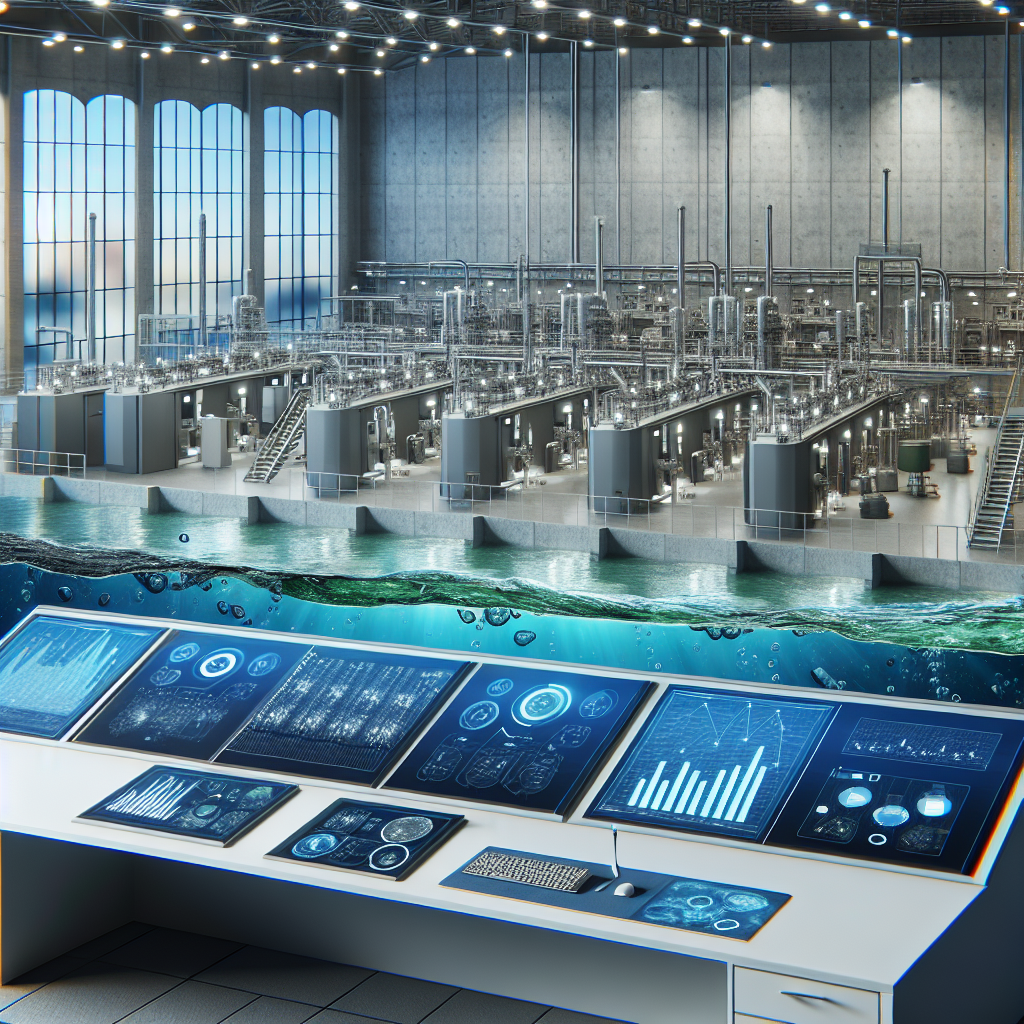
Solids Management in Wastewater Treatment: Strategies and Technologies
Overview of Solids Management in Wastewater Treatment
Did you know that nearly 80% of the solids generated in wastewater treatment plants end up in landfills? That's a staggering amount of waste that could be managed more effectively. Solids management is not just a regulatory requirement; it's a crucial component for sustainable wastewater operations.
When municipalities overlook solids management, they’re essentially flushing money down the drain—literally. Think about it: every time a treatment plant fails to efficiently manage its solids, it's not just the environment that suffers; operational costs skyrocket, and the potential for resource recovery is lost. It's like throwing away perfectly good food because you didn't know how to store it properly.
The Importance of Effective Solids Management
Effective solids management plays a pivotal role in achieving compliance with environmental regulations and reducing operational costs. For instance, take the case of a mid-sized city with an aging treatment facility that struggled with excessive sludge buildup. By implementing a comprehensive solids management strategy—including advanced thickening and dewatering technologies—they not only reduced their landfill contributions by over 50% but also turned their waste into valuable biogas for energy production.
Key Strategies for Solids Management
- Thickening: Concentrating suspended solids before further treatment.
- Dewatering: Reducing the water content of sludge to minimize disposal volume.
- Digestion: Breaking down organic matter to produce biogas and stabilize residuals.
- Composting: Converting organic waste into nutrient-rich soil amendments.
But wait! Isn’t all this technology expensive? you might ask. Well, yes, there's an upfront cost, but consider this: investing in modern solids management techniques can lead to significant long-term savings by reducing disposal fees and creating new revenue streams through energy recovery.
So what’s next? you might wonder. Start assessing your current solids management practices. Are there areas where technology could help streamline processes? Could you recover more resources from your waste? These are critical questions every wastewater operator should be asking.
Did you know that nearly 80% of the solids generated in wastewater treatment plants end up in landfills? That's a staggering amount of waste that could be managed more effectively. Solids management is not just a regulatory requirement; it's a crucial component for sustainable wastewater operations.
When municipalities overlook solids management, they’re essentially flushing money down the drain—literally. Think about it: every time a treatment plant fails to efficiently manage its solids, it's not just the environment that suffers; operational costs skyrocket, and the potential for resource recovery is lost. It's like throwing away perfectly good food because you didn't know how to store it properly.
The Importance of Effective Solids Management
Effective solids management plays a pivotal role in achieving compliance with environmental regulations and reducing operational costs. For instance, take the case of a mid-sized city with an aging treatment facility that struggled with excessive sludge buildup. By implementing a comprehensive solids management strategy—including advanced thickening and dewatering technologies—they not only reduced their landfill contributions by over 50% but also turned their waste into valuable biogas for energy production.
Key Strategies for Solids Management
- Thickening: Concentrating suspended solids before further treatment.
- Dewatering: Reducing the water content of sludge to minimize disposal volume.
- Digestion: Breaking down organic matter to produce biogas and stabilize residuals.
- Composting: Converting organic waste into nutrient-rich soil amendments.
But wait! Isn’t all this technology expensive? you might ask. Well, yes, there's an upfront cost, but consider this: investing in modern solids management techniques can lead to significant long-term savings by reducing disposal fees and creating new revenue streams through energy recovery.
So what’s next? you might wonder. Start assessing your current solids management practices. Are there areas where technology could help streamline processes? Could you recover more resources from your waste? These are critical questions every wastewater operator should be asking.
Physical Separation Techniques for Solids Removal
When it comes to solids management, physical separation techniques are the unsung heroes of wastewater treatment. Picture this: a facility grappling with an overwhelming sludge problem, where every inch of space is precious. By employing effective physical separation methods, they can reclaim that space and transform their operations.
Sedimentation: The Classic Approach
Sedimentation is like the classic rock of solids removal—timeless and reliable. In this process, heavier solids settle at the bottom of a tank due to gravity, allowing clearer water to flow out from the top. It’s straightforward but highly effective. A well-designed sedimentation tank can remove up to 90% of suspended solids, making it a staple in many wastewater treatment facilities.
Filtration: The Fine Line
Now, if sedimentation is classic rock, filtration is more like jazz—sophisticated and nuanced. This technique uses various media (like sand or membranes) to trap smaller particles that sedimentation might miss. Think about a mid-sized municipality that upgraded from simple sedimentation to advanced membrane filtration. They not only improved water quality but also reduced downstream processing costs significantly.
Membrane filtration can achieve solid removal efficiencies exceeding 99%!
Centrifugation: The Spin Doctor
Spin your way to cleaner water!—that’s the motto behind centrifugation. By spinning sludge at high speeds, this technique separates solids from liquids based on density differences. It’s particularly useful for thickening and dewatering sludge before disposal or further treatment. For example, a wastewater plant using centrifuges reported a reduction in sludge volume by up to 80%, translating into massive savings on disposal costs.
- Cost-effective for large volumes of sludge.
- Reduces landfill and hauling expenses.
- Produces drier cake for easier handling.
But wait, you might be thinking, what about maintenance? Yes, while these technologies require some upkeep—like regular cleaning and monitoring—the long-term benefits far outweigh the initial investments and maintenance headaches.
When it comes to solids management, physical separation techniques are the unsung heroes of wastewater treatment. Picture this: a facility grappling with an overwhelming sludge problem, where every inch of space is precious. By employing effective physical separation methods, they can reclaim that space and transform their operations.
Sedimentation: The Classic Approach
Sedimentation is like the classic rock of solids removal—timeless and reliable. In this process, heavier solids settle at the bottom of a tank due to gravity, allowing clearer water to flow out from the top. It’s straightforward but highly effective. A well-designed sedimentation tank can remove up to 90% of suspended solids, making it a staple in many wastewater treatment facilities.
Filtration: The Fine Line
Now, if sedimentation is classic rock, filtration is more like jazz—sophisticated and nuanced. This technique uses various media (like sand or membranes) to trap smaller particles that sedimentation might miss. Think about a mid-sized municipality that upgraded from simple sedimentation to advanced membrane filtration. They not only improved water quality but also reduced downstream processing costs significantly.
Membrane filtration can achieve solid removal efficiencies exceeding 99%!
Centrifugation: The Spin Doctor
Spin your way to cleaner water!—that’s the motto behind centrifugation. By spinning sludge at high speeds, this technique separates solids from liquids based on density differences. It’s particularly useful for thickening and dewatering sludge before disposal or further treatment. For example, a wastewater plant using centrifuges reported a reduction in sludge volume by up to 80%, translating into massive savings on disposal costs.
- Cost-effective for large volumes of sludge.
- Reduces landfill and hauling expenses.
- Produces drier cake for easier handling.
But wait, you might be thinking, what about maintenance? Yes, while these technologies require some upkeep—like regular cleaning and monitoring—the long-term benefits far outweigh the initial investments and maintenance headaches.
Biological Processes for Solids Reduction
Imagine a bustling city where every meal generates tons of leftovers, and instead of composting, they just toss it all in the landfill. That’s essentially what happens in many wastewater treatment plants when they overlook biological processes for solids reduction. Surprisingly, biological treatment can reduce solids by up to 90%, transforming waste into valuable resources.
The Role of Microorganisms
At the heart of biological solids reduction are microorganisms—tiny heroes working tirelessly to break down organic matter. These little guys thrive in environments rich in nutrients and can effectively decompose sludge through processes like aerobic digestion and anaerobic digestion. Think of aerobic digestion as a high-energy party where oxygen-loving bacteria munch on waste, while anaerobic digestion is more like a cozy gathering where bacteria feast in the absence of oxygen, producing biogas as a delightful byproduct.
Aerobic vs. Anaerobic Digestion
Aerobic digestion is often favored for its speed and efficiency. In a well-oxygenated tank, microorganisms can reduce solids rapidly, producing carbon dioxide and heat as they feast on organic material. However, it requires significant energy input to maintain oxygen levels—so it’s not without its challenges.
On the flip side, anaerobic digestion is like a slow-cooked meal—it takes time but yields delicious results. This process not only reduces solids but also generates biogas that can be harnessed for energy production. A mid-sized municipality recently reported that by switching to anaerobic digestion, they turned their waste into enough biogas to power their facility for weeks!
Anaerobic digestion can reduce sludge volume by up to 50% while generating renewable energy.
Benefits Beyond Solids Reduction
But what’s in it for me? you might ask. Well, beyond reducing solids volume and disposal costs, these biological processes can create valuable resources such as biogas and nutrient-rich digestate that can be used as fertilizer. It's like turning trash into treasure!
Let’s talk numbers. A wastewater treatment plant that integrates biological processing could save thousands annually on disposal fees while generating revenue from energy production or selling digestate to local farmers.
(Almost) No Maintenance Required!
One common misconception is that these systems require constant oversight and maintenance; however, modern advancements have made them surprisingly low-maintenance compared to traditional methods. With automated controls and monitoring systems now available, operators spend less time worrying about sludge build-up and more time focusing on optimizing performance.
So what should you do next? If you're still relying heavily on physical methods alone for solids management, it's high time you explored the potential of biological processes. Take a closer look at your current practices—are there opportunities to incorporate aerobic or anaerobic methods? Your bottom line (and our planet) will thank you!
Imagine a bustling city where every meal generates tons of leftovers, and instead of composting, they just toss it all in the landfill. That’s essentially what happens in many wastewater treatment plants when they overlook biological processes for solids reduction. Surprisingly, biological treatment can reduce solids by up to 90%, transforming waste into valuable resources.
The Role of Microorganisms
At the heart of biological solids reduction are microorganisms—tiny heroes working tirelessly to break down organic matter. These little guys thrive in environments rich in nutrients and can effectively decompose sludge through processes like aerobic digestion and anaerobic digestion. Think of aerobic digestion as a high-energy party where oxygen-loving bacteria munch on waste, while anaerobic digestion is more like a cozy gathering where bacteria feast in the absence of oxygen, producing biogas as a delightful byproduct.
Aerobic vs. Anaerobic Digestion
Aerobic digestion is often favored for its speed and efficiency. In a well-oxygenated tank, microorganisms can reduce solids rapidly, producing carbon dioxide and heat as they feast on organic material. However, it requires significant energy input to maintain oxygen levels—so it’s not without its challenges.
On the flip side, anaerobic digestion is like a slow-cooked meal—it takes time but yields delicious results. This process not only reduces solids but also generates biogas that can be harnessed for energy production. A mid-sized municipality recently reported that by switching to anaerobic digestion, they turned their waste into enough biogas to power their facility for weeks!
Anaerobic digestion can reduce sludge volume by up to 50% while generating renewable energy.
Benefits Beyond Solids Reduction
But what’s in it for me? you might ask. Well, beyond reducing solids volume and disposal costs, these biological processes can create valuable resources such as biogas and nutrient-rich digestate that can be used as fertilizer. It's like turning trash into treasure!
Let’s talk numbers. A wastewater treatment plant that integrates biological processing could save thousands annually on disposal fees while generating revenue from energy production or selling digestate to local farmers.
(Almost) No Maintenance Required!
One common misconception is that these systems require constant oversight and maintenance; however, modern advancements have made them surprisingly low-maintenance compared to traditional methods. With automated controls and monitoring systems now available, operators spend less time worrying about sludge build-up and more time focusing on optimizing performance.
So what should you do next? If you're still relying heavily on physical methods alone for solids management, it's high time you explored the potential of biological processes. Take a closer look at your current practices—are there opportunities to incorporate aerobic or anaerobic methods? Your bottom line (and our planet) will thank you!
Chemical Treatment Methods for Solids Stabilization
When it comes to solids management, chemical treatment methods are like the secret sauce that can transform a mediocre dish into a culinary masterpiece. While some may think that chemicals are just for cleaning up messes, they actually play a pivotal role in stabilizing solids and enhancing the overall treatment process.
Consider this: a wastewater treatment facility grappling with high levels of organic solids might find themselves drowning in sludge. By incorporating chemical stabilization techniques, they can not only reduce the volume of waste but also improve the quality of the treated effluent. It’s like giving your waste a spa day—goodbye stress, hello stability!
Coagulation and Flocculation: The Dynamic Duo
Coagulation and flocculation are two peas in a pod when it comes to solids stabilization. Think of coagulation as the first step where chemicals (like aluminum sulfate) are added to destabilize suspended particles, causing them to clump together. This is followed by flocculation, where gentle mixing encourages these clumps (or flocs) to grow larger, making them easier to remove from the water.
Together, these processes can enhance solid removal efficiency by up to 90%!
pH Adjustment: Finding Balance
pH adjustment is another essential chemical treatment method often overlooked. Maintaining an optimal pH level is crucial for ensuring that other treatment processes run smoothly. For example, if your wastewater has an acidic pH due to industrial discharges, adding alkaline substances like lime can help neutralize it. This not only enhances coagulation but also improves the effectiveness of biological processes downstream.
- Improves coagulation efficiency.
- Enhances microbial activity in biological treatments.
- Reduces corrosion in pipes and equipment.
(Bio)Chemical Stabilization: A Two-for-One Deal
(Bio)chemical stabilization combines both biological and chemical methods for maximum impact. For instance, adding chemicals like ferric chloride not only helps with solid removal but also promotes anaerobic digestion by reducing hydrogen sulfide levels—an unwanted byproduct that can wreak havoc on equipment and odor control systems.
When it comes to solids management, chemical treatment methods are like the secret sauce that can transform a mediocre dish into a culinary masterpiece. While some may think that chemicals are just for cleaning up messes, they actually play a pivotal role in stabilizing solids and enhancing the overall treatment process.
Consider this: a wastewater treatment facility grappling with high levels of organic solids might find themselves drowning in sludge. By incorporating chemical stabilization techniques, they can not only reduce the volume of waste but also improve the quality of the treated effluent. It’s like giving your waste a spa day—goodbye stress, hello stability!
Coagulation and Flocculation: The Dynamic Duo
Coagulation and flocculation are two peas in a pod when it comes to solids stabilization. Think of coagulation as the first step where chemicals (like aluminum sulfate) are added to destabilize suspended particles, causing them to clump together. This is followed by flocculation, where gentle mixing encourages these clumps (or flocs) to grow larger, making them easier to remove from the water.
Together, these processes can enhance solid removal efficiency by up to 90%!
pH Adjustment: Finding Balance
pH adjustment is another essential chemical treatment method often overlooked. Maintaining an optimal pH level is crucial for ensuring that other treatment processes run smoothly. For example, if your wastewater has an acidic pH due to industrial discharges, adding alkaline substances like lime can help neutralize it. This not only enhances coagulation but also improves the effectiveness of biological processes downstream.
- Improves coagulation efficiency.
- Enhances microbial activity in biological treatments.
- Reduces corrosion in pipes and equipment.
(Bio)Chemical Stabilization: A Two-for-One Deal
(Bio)chemical stabilization combines both biological and chemical methods for maximum impact. For instance, adding chemicals like ferric chloride not only helps with solid removal but also promotes anaerobic digestion by reducing hydrogen sulfide levels—an unwanted byproduct that can wreak havoc on equipment and odor control systems.
Innovative Technologies in Solids Management
Imagine a bustling wastewater treatment plant that used to struggle with excessive solids. Enter innovative technologies that transformed their solids management approach, reducing landfill waste by a jaw-dropping 70% while also generating renewable energy. Sounds like a fairy tale? It’s not—it's the reality for many forward-thinking municipalities embracing modern solutions.
Smart Sensors and Automation
Smart sensors are revolutionizing how we monitor and manage solids in wastewater treatment. These little tech wonders provide real-time data on sludge levels, allowing operators to make informed decisions without constantly peering into tanks like they’re trying to decipher the future in a crystal ball. For example, a mid-sized city recently integrated smart sensors into their solids management system, which enabled them to optimize their dewatering processes and cut energy costs by 30%. Talk about a win-win!
Advanced Thermal Technologies
Let’s talk about advanced thermal technologies—think of them as the culinary sous-chefs of solids management. Processes like thermal hydrolysis break down organic matter using heat and pressure, making it easier to digest and reducing volume significantly. A particular facility adopted this technology and reported not just reduced sludge volume but also an increase in biogas production. Instead of just managing waste, they turned it into an energy source! Who knew that cooking sludge could be so beneficial?
(Re)thinking Resource Recovery
(Re)thinking resource recovery is another game-changer in solids management. Facilities are now looking beyond mere disposal and focusing on extracting valuable resources from waste streams. For instance, one innovative plant started recovering phosphorus from digested sludge through chemical precipitation techniques. This not only minimizes environmental impact but also creates a marketable fertilizer product! It’s like turning your kitchen scraps into gourmet compost.
(Re)thinking resource recovery can transform waste into valuable products, creating new revenue streams for municipalities.
What’s next? you might wonder. Consider evaluating your current systems—are there opportunities to integrate smart technologies or advanced thermal processes? The future of wastewater treatment isn’t just about managing waste; it’s about transforming it into something valuable.
Imagine a bustling wastewater treatment plant that used to struggle with excessive solids. Enter innovative technologies that transformed their solids management approach, reducing landfill waste by a jaw-dropping 70% while also generating renewable energy. Sounds like a fairy tale? It’s not—it's the reality for many forward-thinking municipalities embracing modern solutions.
Smart Sensors and Automation
Smart sensors are revolutionizing how we monitor and manage solids in wastewater treatment. These little tech wonders provide real-time data on sludge levels, allowing operators to make informed decisions without constantly peering into tanks like they’re trying to decipher the future in a crystal ball. For example, a mid-sized city recently integrated smart sensors into their solids management system, which enabled them to optimize their dewatering processes and cut energy costs by 30%. Talk about a win-win!
Advanced Thermal Technologies
Let’s talk about advanced thermal technologies—think of them as the culinary sous-chefs of solids management. Processes like thermal hydrolysis break down organic matter using heat and pressure, making it easier to digest and reducing volume significantly. A particular facility adopted this technology and reported not just reduced sludge volume but also an increase in biogas production. Instead of just managing waste, they turned it into an energy source! Who knew that cooking sludge could be so beneficial?
(Re)thinking Resource Recovery
(Re)thinking resource recovery is another game-changer in solids management. Facilities are now looking beyond mere disposal and focusing on extracting valuable resources from waste streams. For instance, one innovative plant started recovering phosphorus from digested sludge through chemical precipitation techniques. This not only minimizes environmental impact but also creates a marketable fertilizer product! It’s like turning your kitchen scraps into gourmet compost.
(Re)thinking resource recovery can transform waste into valuable products, creating new revenue streams for municipalities.
What’s next? you might wonder. Consider evaluating your current systems—are there opportunities to integrate smart technologies or advanced thermal processes? The future of wastewater treatment isn’t just about managing waste; it’s about transforming it into something valuable.
Challenges in Solids Management Implementation
Imagine a wastewater treatment plant that’s like a ship without a captain—drifting aimlessly while the crew tries to patch holes in the hull. That’s pretty much what happens when solids management strategies aren’t implemented effectively. With nearly 70% of wastewater treatment facilities reporting issues like increased operational costs and regulatory non-compliance, it’s clear that the challenges are real and pressing.
One of the biggest hurdles is resistance to change. Picture this: a long-standing facility that’s been using outdated methods for decades. The staff is comfortable with their routine, and any suggestion to adopt new technologies is met with skepticism. This reluctance can stall progress, leaving operators stuck in a cycle of inefficiency.
Financial Constraints
Let’s face it: money talks, and in the world of solids management, it can be a real roadblock. Many municipalities operate on tight budgets, making it difficult to justify the upfront investment required for advanced solids management technologies. The irony? Failing to invest now often leads to even higher costs down the line due to increased landfill fees, maintenance expenses, and potential fines for non-compliance.
A study found that effective solids management can save facilities up to 30% on operational costs over time!
Technological Integration Issues
Integrating new technologies into existing systems can feel like trying to fit a square peg in a round hole. Many treatment plants struggle with outdated infrastructure that isn’t compatible with modern solutions. For instance, consider a facility attempting to implement smart sensors without first upgrading its data management systems; they quickly find themselves drowning in data without the means to analyze it effectively.
(Mis)understanding Regulatory Requirements
(Mis)understanding regulations can lead operators down the wrong path entirely. Take a city that assumes their current practices are compliant simply because they’ve been doing them for years—only to discover too late that new regulations have changed the game. This not only results in costly fines but also jeopardizes public health and safety.
# Lack of Training and Expertise
# A common misconception is that staff need only basic training on equipment operation; however, effective solids management requires ongoing education about emerging technologies and best practices. A facility lacking trained personnel may find itself unable to fully utilize its systems or troubleshoot problems as they arise.
So what should you do if you’re facing these challenges? Start by fostering a culture of openness towards change among your team—encourage them to embrace new ideas instead of fearing them! Next, conduct cost-benefit analyses when considering investments in technology; showing how long-term savings outweigh initial expenses can help sway decision-makers. Lastly, prioritize ongoing training and development programs for your staff so they’re equipped with the knowledge needed for successful implementation.
Imagine a wastewater treatment plant that’s like a ship without a captain—drifting aimlessly while the crew tries to patch holes in the hull. That’s pretty much what happens when solids management strategies aren’t implemented effectively. With nearly 70% of wastewater treatment facilities reporting issues like increased operational costs and regulatory non-compliance, it’s clear that the challenges are real and pressing.
One of the biggest hurdles is resistance to change. Picture this: a long-standing facility that’s been using outdated methods for decades. The staff is comfortable with their routine, and any suggestion to adopt new technologies is met with skepticism. This reluctance can stall progress, leaving operators stuck in a cycle of inefficiency.
Financial Constraints
Let’s face it: money talks, and in the world of solids management, it can be a real roadblock. Many municipalities operate on tight budgets, making it difficult to justify the upfront investment required for advanced solids management technologies. The irony? Failing to invest now often leads to even higher costs down the line due to increased landfill fees, maintenance expenses, and potential fines for non-compliance.
A study found that effective solids management can save facilities up to 30% on operational costs over time!
Technological Integration Issues
Integrating new technologies into existing systems can feel like trying to fit a square peg in a round hole. Many treatment plants struggle with outdated infrastructure that isn’t compatible with modern solutions. For instance, consider a facility attempting to implement smart sensors without first upgrading its data management systems; they quickly find themselves drowning in data without the means to analyze it effectively.
(Mis)understanding Regulatory Requirements
(Mis)understanding regulations can lead operators down the wrong path entirely. Take a city that assumes their current practices are compliant simply because they’ve been doing them for years—only to discover too late that new regulations have changed the game. This not only results in costly fines but also jeopardizes public health and safety.
# Lack of Training and Expertise
# A common misconception is that staff need only basic training on equipment operation; however, effective solids management requires ongoing education about emerging technologies and best practices. A facility lacking trained personnel may find itself unable to fully utilize its systems or troubleshoot problems as they arise.
So what should you do if you’re facing these challenges? Start by fostering a culture of openness towards change among your team—encourage them to embrace new ideas instead of fearing them! Next, conduct cost-benefit analyses when considering investments in technology; showing how long-term savings outweigh initial expenses can help sway decision-makers. Lastly, prioritize ongoing training and development programs for your staff so they’re equipped with the knowledge needed for successful implementation.
Case Studies of Effective Solids Management Practices
Consider the case of a mid-sized city facing a sludge crisis, where the treatment plant was literally overflowing with waste. With landfill costs skyrocketing and public pressure mounting, they knew they had to act fast. Enter an innovative solids management strategy that would not only save them from disaster but also transform their waste into a resource.
City A: Turning Waste into Energy
City A implemented anaerobic digestion technology, which allowed them to break down organic solids while generating biogas. This biogas was then harnessed to power their facility, effectively reducing their energy costs by over 30%. What’s more, they managed to cut their landfill contributions by an impressive 60% within just two years.
Key takeaway: Anaerobic digestion not only reduces waste but also converts it into renewable energy.
City B: The Smart Sensor Revolution
Meanwhile, City B was dealing with outdated processes that left them struggling to keep up with regulatory compliance. They decided to invest in smart sensors for real-time monitoring of sludge levels and treatment efficiency. The result? They optimized their solids management operations and reduced energy consumption by nearly 25%, all while ensuring compliance with environmental regulations.
- Improved data accuracy for better decision-making.
- Reduced operational costs through optimized processes.
- Enhanced compliance with regulatory standards.
(Re)thinking resource recovery can transform waste into valuable products, creating new revenue streams for municipalities.
(Re)thinking Resource Recovery in City C
(Re)thinking resource recovery was the mantra for City C, which started recovering phosphorus from its digested sludge through chemical precipitation techniques. Not only did this initiative minimize environmental impact, but it also created a marketable fertilizer product that local farmers eagerly purchased. The city reported an additional revenue stream of 0,000 annually from this innovative approach!
Consider the case of a mid-sized city facing a sludge crisis, where the treatment plant was literally overflowing with waste. With landfill costs skyrocketing and public pressure mounting, they knew they had to act fast. Enter an innovative solids management strategy that would not only save them from disaster but also transform their waste into a resource.
City A: Turning Waste into Energy
City A implemented anaerobic digestion technology, which allowed them to break down organic solids while generating biogas. This biogas was then harnessed to power their facility, effectively reducing their energy costs by over 30%. What’s more, they managed to cut their landfill contributions by an impressive 60% within just two years.
Key takeaway: Anaerobic digestion not only reduces waste but also converts it into renewable energy.
City B: The Smart Sensor Revolution
Meanwhile, City B was dealing with outdated processes that left them struggling to keep up with regulatory compliance. They decided to invest in smart sensors for real-time monitoring of sludge levels and treatment efficiency. The result? They optimized their solids management operations and reduced energy consumption by nearly 25%, all while ensuring compliance with environmental regulations.
- Improved data accuracy for better decision-making.
- Reduced operational costs through optimized processes.
- Enhanced compliance with regulatory standards.
(Re)thinking resource recovery can transform waste into valuable products, creating new revenue streams for municipalities.
(Re)thinking Resource Recovery in City C
(Re)thinking resource recovery was the mantra for City C, which started recovering phosphorus from its digested sludge through chemical precipitation techniques. Not only did this initiative minimize environmental impact, but it also created a marketable fertilizer product that local farmers eagerly purchased. The city reported an additional revenue stream of $200,000 annually from this innovative approach!
Future Trends in Solids Management for Wastewater Treatment
The future of solids management is not just about keeping up with regulations; it's about revolutionizing how we think about waste. With the global population projected to hit nearly 10 billion by 2050, the pressure on wastewater treatment facilities to innovate and improve efficiency has never been greater. Traditional methods are quickly becoming relics of the past, making way for cutting-edge technologies that promise to change the game.
Embracing Digital Transformation
Digital transformation is set to be a cornerstone of future solids management practices. Imagine a wastewater treatment facility equipped with IoT sensors that continuously monitor sludge levels, chemical compositions, and even microbial health in real-time. This isn’t just wishful thinking; it’s happening now! For instance, a forward-thinking municipality recently implemented an IoT-based monitoring system that allowed them to optimize their solids management processes, leading to a 25% reduction in energy consumption.
Real-time data can lead to smarter decisions and significant cost savings!
Advanced Resource Recovery Techniques
(Re)thinking resource recovery will be at the forefront of solids management strategies. Facilities are no longer just disposing of waste; they’re looking at transforming it into valuable products. For example, some plants are exploring ways to recover nutrients like phosphorus and nitrogen from sludge for use as fertilizers. This not only reduces landfill contributions but also opens new revenue streams—a win-win for both municipalities and the environment.
- Phosphorus recovery through chemical precipitation.
- Nitrogen extraction using advanced biological processes.
- Biogas production from anaerobic digestion for energy generation.
(Bio)Chemical Innovations
(Bio)chemical innovations are also on the rise. The next generation of chemicals used in solids management is designed not only for stabilization but also for enhancing biogas production. New additives can significantly improve the efficiency of anaerobic digestion processes, leading to higher yields of energy-rich biogas while simultaneously reducing sludge volume.
As we look ahead, it's clear that embracing these trends is essential for effective solids management. Municipalities should start evaluating their current practices—are they ready to invest in digital solutions or innovative resource recovery methods? The future isn't waiting; neither should you!
The future of solids management is not just about keeping up with regulations; it's about revolutionizing how we think about waste. With the global population projected to hit nearly 10 billion by 2050, the pressure on wastewater treatment facilities to innovate and improve efficiency has never been greater. Traditional methods are quickly becoming relics of the past, making way for cutting-edge technologies that promise to change the game.
Embracing Digital Transformation
Digital transformation is set to be a cornerstone of future solids management practices. Imagine a wastewater treatment facility equipped with IoT sensors that continuously monitor sludge levels, chemical compositions, and even microbial health in real-time. This isn’t just wishful thinking; it’s happening now! For instance, a forward-thinking municipality recently implemented an IoT-based monitoring system that allowed them to optimize their solids management processes, leading to a 25% reduction in energy consumption.
Real-time data can lead to smarter decisions and significant cost savings!
Advanced Resource Recovery Techniques
(Re)thinking resource recovery will be at the forefront of solids management strategies. Facilities are no longer just disposing of waste; they’re looking at transforming it into valuable products. For example, some plants are exploring ways to recover nutrients like phosphorus and nitrogen from sludge for use as fertilizers. This not only reduces landfill contributions but also opens new revenue streams—a win-win for both municipalities and the environment.
- Phosphorus recovery through chemical precipitation.
- Nitrogen extraction using advanced biological processes.
- Biogas production from anaerobic digestion for energy generation.
(Bio)Chemical Innovations
(Bio)chemical innovations are also on the rise. The next generation of chemicals used in solids management is designed not only for stabilization but also for enhancing biogas production. New additives can significantly improve the efficiency of anaerobic digestion processes, leading to higher yields of energy-rich biogas while simultaneously reducing sludge volume.
As we look ahead, it's clear that embracing these trends is essential for effective solids management. Municipalities should start evaluating their current practices—are they ready to invest in digital solutions or innovative resource recovery methods? The future isn't waiting; neither should you!