
Aqua Aerobic Systems: Innovative Solutions for Wastewater Treatment
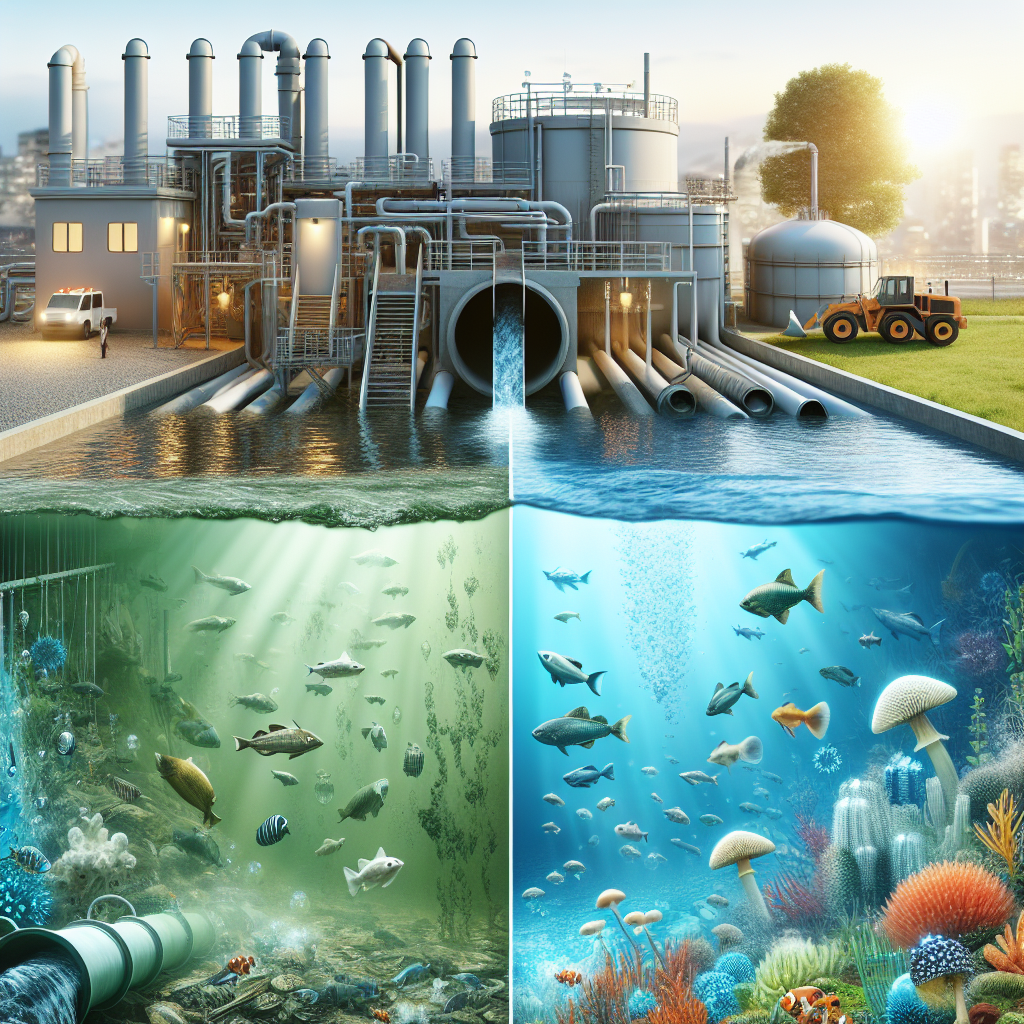
Aqua Aerobic Systems: Innovative Solutions for Wastewater Treatment
Mechanisms of Aqua Aerobic Systems
Aqua aerobic systems are best suited for municipalities and industries that require efficient and effective wastewater treatment solutions with a focus on biological processes. These systems leverage aerobic digestion to break down organic matter, making them particularly advantageous in settings where space is limited but treatment capacity needs are high.
However, a significant limitation is the dependency on consistent oxygen supply. Inadequate oxygen levels can stall the aerobic digestion process, leading to inefficient treatment and potential regulatory compliance issues. This trade-off means that operators must invest in robust aeration systems and monitor oxygen levels continuously to maintain optimal performance.
Aerobic Digestion Processes
The core of an aqua aerobic system lies in its aerobic digestion processes, which utilize microorganisms to decompose organic waste. For instance, in a municipal wastewater treatment facility, influent wastewater enters an aeration tank where it is mixed with air or pure oxygen. This environment encourages the growth of bacteria that consume organic pollutants, converting them into biomass and carbon dioxide.
Role of Microorganisms in Treatment
Microorganisms play a pivotal role in the effectiveness of aqua aerobic systems. Different species contribute uniquely to the breakdown of various contaminants. For example, specific bacteria thrive on nitrogen compounds while others target phosphorous-rich substances. Understanding these interactions allows operators to optimize microbial populations through techniques such as selective seeding or adjusting nutrient inputs.
Energy Efficiency in Oxygen Transfer
Energy efficiency is crucial for the sustainability of aqua aerobic systems. The aeration process typically consumes a significant portion of operational energy costs, making efficient oxygen transfer technologies essential. For example, implementing fine bubble diffusers can enhance oxygen transfer rates while reducing energy consumption compared to traditional coarse bubble systems.
Most teams overestimate the simplicity of maintaining optimal conditions within aqua aerobic systems.
Aqua aerobic systems are best suited for municipalities and industries that require efficient and effective wastewater treatment solutions with a focus on biological processes. These systems leverage aerobic digestion to break down organic matter, making them particularly advantageous in settings where space is limited but treatment capacity needs are high.
However, a significant limitation is the dependency on consistent oxygen supply. Inadequate oxygen levels can stall the aerobic digestion process, leading to inefficient treatment and potential regulatory compliance issues. This trade-off means that operators must invest in robust aeration systems and monitor oxygen levels continuously to maintain optimal performance.
Aerobic Digestion Processes
The core of an aqua aerobic system lies in its aerobic digestion processes, which utilize microorganisms to decompose organic waste. For instance, in a municipal wastewater treatment facility, influent wastewater enters an aeration tank where it is mixed with air or pure oxygen. This environment encourages the growth of bacteria that consume organic pollutants, converting them into biomass and carbon dioxide.
Role of Microorganisms in Treatment
Microorganisms play a pivotal role in the effectiveness of aqua aerobic systems. Different species contribute uniquely to the breakdown of various contaminants. For example, specific bacteria thrive on nitrogen compounds while others target phosphorous-rich substances. Understanding these interactions allows operators to optimize microbial populations through techniques such as selective seeding or adjusting nutrient inputs.
Energy Efficiency in Oxygen Transfer
Energy efficiency is crucial for the sustainability of aqua aerobic systems. The aeration process typically consumes a significant portion of operational energy costs, making efficient oxygen transfer technologies essential. For example, implementing fine bubble diffusers can enhance oxygen transfer rates while reducing energy consumption compared to traditional coarse bubble systems.
Most teams overestimate the simplicity of maintaining optimal conditions within aqua aerobic systems.
Comparative Analysis with Traditional Treatment Methods
Aqua aerobic systems offer distinct advantages over traditional anaerobic treatment methods, particularly in cost-effectiveness and operational flexibility. They are best suited for municipalities looking to enhance their wastewater treatment processes without incurring excessive capital expenditures.
While aqua aerobic systems can be more economical in the long run, they require a substantial initial investment in aeration technology and infrastructure. This upfront cost can be a barrier for smaller municipalities or those with limited budgets, leading to a trade-off between immediate financial strain and long-term savings.
Cost-effectiveness compared to anaerobic systems
In terms of operational costs, aqua aerobic systems tend to outperform anaerobic systems due to their ability to produce less sludge and lower energy consumption per unit of treated water. For example, a municipality that switches from an anaerobic system to an aqua aerobic system may reduce its sludge disposal costs significantly while improving effluent quality.
Space requirements and scalability
Aqua aerobic systems generally require less physical space than traditional methods, making them ideal for urban settings where land is at a premium. Their modular design allows for easy scalability; municipalities can expand capacity by adding additional aeration tanks as demand increases without the need for extensive new infrastructure.
Operational complexity and maintenance needs
Despite their advantages, teams often misjudge the operational complexity involved in managing aqua aerobic systems. Continuous monitoring of oxygen levels is critical; neglecting this can lead to system inefficiencies or failures. Operators must be trained adequately to handle these complexities, which can be an overlooked aspect during implementation planning.
The initial capital investment is significant, but the long-term operational savings can justify this expense if managed correctly.
Aqua aerobic systems offer distinct advantages over traditional anaerobic treatment methods, particularly in cost-effectiveness and operational flexibility. They are best suited for municipalities looking to enhance their wastewater treatment processes without incurring excessive capital expenditures.
While aqua aerobic systems can be more economical in the long run, they require a substantial initial investment in aeration technology and infrastructure. This upfront cost can be a barrier for smaller municipalities or those with limited budgets, leading to a trade-off between immediate financial strain and long-term savings.
Cost-effectiveness compared to anaerobic systems
In terms of operational costs, aqua aerobic systems tend to outperform anaerobic systems due to their ability to produce less sludge and lower energy consumption per unit of treated water. For example, a municipality that switches from an anaerobic system to an aqua aerobic system may reduce its sludge disposal costs significantly while improving effluent quality.
Space requirements and scalability
Aqua aerobic systems generally require less physical space than traditional methods, making them ideal for urban settings where land is at a premium. Their modular design allows for easy scalability; municipalities can expand capacity by adding additional aeration tanks as demand increases without the need for extensive new infrastructure.
Operational complexity and maintenance needs
Despite their advantages, teams often misjudge the operational complexity involved in managing aqua aerobic systems. Continuous monitoring of oxygen levels is critical; neglecting this can lead to system inefficiencies or failures. Operators must be trained adequately to handle these complexities, which can be an overlooked aspect during implementation planning.

The initial capital investment is significant, but the long-term operational savings can justify this expense if managed correctly.
Regulatory Compliance and Environmental Impact
Aqua aerobic systems excel in meeting both local and federal wastewater regulations, making them a preferred choice for municipalities aiming to enhance compliance. Their biological treatment processes effectively reduce biochemical oxygen demand (BOD) and total suspended solids (TSS), which are critical metrics in regulatory frameworks. This compliance is particularly advantageous for facilities facing stringent discharge permits.
However, a notable limitation is the variability in performance based on influent characteristics. Factors such as peak flow events or unexpected pollutant loads can challenge the system's ability to maintain compliance consistently. Municipalities must therefore invest in advanced monitoring technologies and contingency measures to address these fluctuations.
Reduction of Pollutants and Nutrient Removal
The design of aqua aerobic systems inherently supports the reduction of pollutants, including nitrogen and phosphorus, through enhanced microbial activity. For example, a wastewater treatment plant utilizing an aqua aerobic system may implement controlled aeration strategies that optimize nutrient uptake by specific bacteria, leading to improved effluent quality. This capability not only meets regulatory standards but also contributes to environmental sustainability by preventing nutrient overloads in receiving waters.
Long-term Sustainability Considerations
Long-term sustainability is a critical concern for operators considering aqua aerobic systems. While these systems can reduce operational costs through energy-efficient aeration technologies, their environmental impact must also be assessed over time. Continuous investment in system upgrades and maintenance is essential to preserve their effectiveness and mitigate risks associated with aging infrastructure.
- Regular training for operators on emerging regulations ensures ongoing compliance.
- Implementing real-time monitoring helps identify issues before they escalate.
Most teams underestimate the importance of adaptive management strategies in maintaining compliance.
Aqua aerobic systems excel in meeting both local and federal wastewater regulations, making them a preferred choice for municipalities aiming to enhance compliance. Their biological treatment processes effectively reduce biochemical oxygen demand (BOD) and total suspended solids (TSS), which are critical metrics in regulatory frameworks. This compliance is particularly advantageous for facilities facing stringent discharge permits.
However, a notable limitation is the variability in performance based on influent characteristics. Factors such as peak flow events or unexpected pollutant loads can challenge the system's ability to maintain compliance consistently. Municipalities must therefore invest in advanced monitoring technologies and contingency measures to address these fluctuations.
Reduction of Pollutants and Nutrient Removal
The design of aqua aerobic systems inherently supports the reduction of pollutants, including nitrogen and phosphorus, through enhanced microbial activity. For example, a wastewater treatment plant utilizing an aqua aerobic system may implement controlled aeration strategies that optimize nutrient uptake by specific bacteria, leading to improved effluent quality. This capability not only meets regulatory standards but also contributes to environmental sustainability by preventing nutrient overloads in receiving waters.
Long-term Sustainability Considerations
Long-term sustainability is a critical concern for operators considering aqua aerobic systems. While these systems can reduce operational costs through energy-efficient aeration technologies, their environmental impact must also be assessed over time. Continuous investment in system upgrades and maintenance is essential to preserve their effectiveness and mitigate risks associated with aging infrastructure.
- Regular training for operators on emerging regulations ensures ongoing compliance.
- Implementing real-time monitoring helps identify issues before they escalate.
Most teams underestimate the importance of adaptive management strategies in maintaining compliance.
Technological Innovations in Aqua Aerobic Systems
Aqua aerobic systems are increasingly benefiting from advancements in aeration technology that enhance efficiency and treatment outcomes. These innovations are particularly effective for facilities aiming to treat large volumes of wastewater while minimizing operational costs. The best fit for these systems is municipalities and industries with high treatment demands and the capacity for initial investment in advanced technologies.
However, a significant limitation is the complexity involved in integrating new technologies into existing infrastructure. Retrofits can be costly and may require downtime during installation, disrupting ongoing operations. This trade-off necessitates careful planning and consideration of overall system design to avoid potential service interruptions.
Advancements in Aeration Technology
Recent developments in fine bubble diffusers and membrane aerators have significantly improved oxygen transfer rates, which is critical for maintaining optimal aerobic conditions. For instance, a facility utilizing fine bubble diffusers has reported up to a 30% reduction in energy costs compared to traditional coarse bubble systems. This improvement not only enhances treatment efficiency but also contributes to lower operational expenses over time.
Integration with Smart Monitoring Systems
The integration of smart monitoring systems allows operators to track real-time data on oxygen levels, flow rates, and microbial activity. A practical workflow example includes a wastewater treatment plant employing IoT sensors that continuously monitor aeration performance. When oxygen levels drop below a predefined threshold, the system automatically adjusts airflow to maintain optimal conditions, preventing inefficiencies that could lead to treatment failures.
Many teams overestimate their ability to manually monitor these parameters effectively. Reliance on manual checks can lead to delays in response time, resulting in suboptimal treatment performance. Automated systems mitigate this risk by providing immediate feedback and adjustments based on real-time data.
Emerging Materials for Enhanced System Durability
Emerging materials such as advanced composites and corrosion-resistant alloys are revolutionizing the durability of aqua aerobic systems. These materials extend the lifespan of critical components like aerators and tanks, reducing maintenance needs and replacement costs over time. For example, a plant that upgraded its aeration tanks with high-density polyethylene reported a significant decrease in maintenance frequency due to reduced wear from corrosive environments.
Aqua aerobic systems are increasingly benefiting from advancements in aeration technology that enhance efficiency and treatment outcomes. These innovations are particularly effective for facilities aiming to treat large volumes of wastewater while minimizing operational costs. The best fit for these systems is municipalities and industries with high treatment demands and the capacity for initial investment in advanced technologies.
However, a significant limitation is the complexity involved in integrating new technologies into existing infrastructure. Retrofits can be costly and may require downtime during installation, disrupting ongoing operations. This trade-off necessitates careful planning and consideration of overall system design to avoid potential service interruptions.
Advancements in Aeration Technology
Recent developments in fine bubble diffusers and membrane aerators have significantly improved oxygen transfer rates, which is critical for maintaining optimal aerobic conditions. For instance, a facility utilizing fine bubble diffusers has reported up to a 30% reduction in energy costs compared to traditional coarse bubble systems. This improvement not only enhances treatment efficiency but also contributes to lower operational expenses over time.
Integration with Smart Monitoring Systems
The integration of smart monitoring systems allows operators to track real-time data on oxygen levels, flow rates, and microbial activity. A practical workflow example includes a wastewater treatment plant employing IoT sensors that continuously monitor aeration performance. When oxygen levels drop below a predefined threshold, the system automatically adjusts airflow to maintain optimal conditions, preventing inefficiencies that could lead to treatment failures.

Many teams overestimate their ability to manually monitor these parameters effectively. Reliance on manual checks can lead to delays in response time, resulting in suboptimal treatment performance. Automated systems mitigate this risk by providing immediate feedback and adjustments based on real-time data.
Emerging Materials for Enhanced System Durability
Emerging materials such as advanced composites and corrosion-resistant alloys are revolutionizing the durability of aqua aerobic systems. These materials extend the lifespan of critical components like aerators and tanks, reducing maintenance needs and replacement costs over time. For example, a plant that upgraded its aeration tanks with high-density polyethylene reported a significant decrease in maintenance frequency due to reduced wear from corrosive environments.
Case Studies of Successful Implementation
Municipalities that have adopted aqua aerobic systems have reported significant efficiency gains, particularly in regions with stringent wastewater treatment regulations. For instance, a city in California implemented an aqua aerobic system and achieved a 50% reduction in biochemical oxygen demand (BOD) levels, surpassing regulatory requirements and improving overall water quality.
Municipal Projects Showcasing Efficiency Gains
In a notable case, a mid-sized municipality opted for an aqua aerobic system to replace its outdated infrastructure. The new system not only reduced energy consumption by 25% but also enhanced the facility's treatment capacity by 40%. This upgrade was crucial for accommodating population growth while ensuring compliance with environmental standards.
Industrial Applications and Their Outcomes
Industries such as food processing have also benefited from aqua aerobic systems. A food manufacturing plant reported a decrease in operational costs by over 30% after transitioning to an aqua aerobic treatment process. The facility utilized advanced aeration technology that allowed for better nutrient removal and less sludge generation, leading to lower disposal costs.
Lessons Learned from Failures or Challenges Faced
Despite their advantages, some municipalities faced challenges during implementation. A city that rushed the installation of its aqua aerobic system without adequate training for operators experienced significant operational issues due to insufficient monitoring of oxygen levels. This oversight resulted in temporary non-compliance with discharge permits, highlighting the importance of thorough training and ongoing support.
The best fit for aqua aerobic systems is municipalities and industries that prioritize efficiency and sustainability but must be prepared for the complexities involved in operation.
Municipalities that have adopted aqua aerobic systems have reported significant efficiency gains, particularly in regions with stringent wastewater treatment regulations. For instance, a city in California implemented an aqua aerobic system and achieved a 50% reduction in biochemical oxygen demand (BOD) levels, surpassing regulatory requirements and improving overall water quality.
Municipal Projects Showcasing Efficiency Gains
In a notable case, a mid-sized municipality opted for an aqua aerobic system to replace its outdated infrastructure. The new system not only reduced energy consumption by 25% but also enhanced the facility's treatment capacity by 40%. This upgrade was crucial for accommodating population growth while ensuring compliance with environmental standards.
Industrial Applications and Their Outcomes
Industries such as food processing have also benefited from aqua aerobic systems. A food manufacturing plant reported a decrease in operational costs by over 30% after transitioning to an aqua aerobic treatment process. The facility utilized advanced aeration technology that allowed for better nutrient removal and less sludge generation, leading to lower disposal costs.
Lessons Learned from Failures or Challenges Faced
Despite their advantages, some municipalities faced challenges during implementation. A city that rushed the installation of its aqua aerobic system without adequate training for operators experienced significant operational issues due to insufficient monitoring of oxygen levels. This oversight resulted in temporary non-compliance with discharge permits, highlighting the importance of thorough training and ongoing support.
The best fit for aqua aerobic systems is municipalities and industries that prioritize efficiency and sustainability but must be prepared for the complexities involved in operation.
Future Trends in Aqua Aerobic Treatment Solutions
The future of aqua aerobic systems is closely intertwined with evolving environmental challenges, particularly climate change. As weather patterns become more unpredictable, municipalities will need to adapt their wastewater management strategies to account for increased rainfall and flooding. Aqua aerobic systems are well-suited for these conditions due to their capacity to handle variable flow rates and organic loading, making them ideal for regions facing climate-related disruptions.
However, a limitation arises from the potential overestimation of these systems’ resilience. While they can adapt to fluctuations in inflow, operators must remain vigilant regarding system design and maintenance. Insufficient planning can still lead to treatment failures during extreme weather events, which underscores the importance of robust engineering solutions tailored to local conditions.
Potential for Decentralized Systems in Urban Areas
Decentralized aqua aerobic systems present a compelling opportunity for urban areas struggling with aging infrastructure and population growth. These smaller-scale installations can be strategically placed closer to sources of wastewater generation, reducing transport costs and improving response times during peak demand periods. For example, a city could deploy several modular aqua aerobic units throughout its neighborhoods, allowing for localized treatment that enhances overall system efficiency.
The trade-off here lies in the initial investment required for multiple installations versus a centralized approach. While decentralized systems may offer operational flexibility and resilience against localized issues, they also necessitate more extensive coordination among various stakeholders and regulatory bodies. This complexity can deter municipalities from pursuing decentralized options despite their potential benefits.
Research Directions for Improving Treatment Efficacy
Ongoing research into aqua aerobic systems is focusing on enhancing treatment efficacy through innovative approaches such as bioaugmentation and advanced nutrient removal techniques. For instance, studies are exploring the use of specific microbial consortia that can degrade complex pollutants more effectively than conventional methods. These advancements could significantly improve effluent quality while reducing energy consumption associated with aeration processes.
A common misstep among teams is underestimating the time required for research implementation into existing practices. Transitioning to new methodologies or technologies often requires pilot testing phases and regulatory approvals that can extend project timelines considerably. Municipalities should prepare for these extended periods when planning upgrades or innovations within their aqua aerobic systems.
Investments in research-driven improvements are essential but must be approached with realistic timelines.
The future of aqua aerobic systems is closely intertwined with evolving environmental challenges, particularly climate change. As weather patterns become more unpredictable, municipalities will need to adapt their wastewater management strategies to account for increased rainfall and flooding. Aqua aerobic systems are well-suited for these conditions due to their capacity to handle variable flow rates and organic loading, making them ideal for regions facing climate-related disruptions.
However, a limitation arises from the potential overestimation of these systems’ resilience. While they can adapt to fluctuations in inflow, operators must remain vigilant regarding system design and maintenance. Insufficient planning can still lead to treatment failures during extreme weather events, which underscores the importance of robust engineering solutions tailored to local conditions.
Potential for Decentralized Systems in Urban Areas
Decentralized aqua aerobic systems present a compelling opportunity for urban areas struggling with aging infrastructure and population growth. These smaller-scale installations can be strategically placed closer to sources of wastewater generation, reducing transport costs and improving response times during peak demand periods. For example, a city could deploy several modular aqua aerobic units throughout its neighborhoods, allowing for localized treatment that enhances overall system efficiency.
The trade-off here lies in the initial investment required for multiple installations versus a centralized approach. While decentralized systems may offer operational flexibility and resilience against localized issues, they also necessitate more extensive coordination among various stakeholders and regulatory bodies. This complexity can deter municipalities from pursuing decentralized options despite their potential benefits.
Research Directions for Improving Treatment Efficacy
Ongoing research into aqua aerobic systems is focusing on enhancing treatment efficacy through innovative approaches such as bioaugmentation and advanced nutrient removal techniques. For instance, studies are exploring the use of specific microbial consortia that can degrade complex pollutants more effectively than conventional methods. These advancements could significantly improve effluent quality while reducing energy consumption associated with aeration processes.
A common misstep among teams is underestimating the time required for research implementation into existing practices. Transitioning to new methodologies or technologies often requires pilot testing phases and regulatory approvals that can extend project timelines considerably. Municipalities should prepare for these extended periods when planning upgrades or innovations within their aqua aerobic systems.
Investments in research-driven improvements are essential but must be approached with realistic timelines.
Economic Considerations for Municipalities and Operators
Municipalities that adopt aqua aerobic systems often find themselves balancing initial capital expenditures against long-term operational savings. These systems are particularly advantageous for communities facing stringent regulatory requirements and rising treatment demands, as they can lead to significant reductions in energy consumption and sludge disposal costs over time.
However, the upfront investment is substantial, which poses a barrier for smaller municipalities with limited budgets. This trade-off means that decision-makers must carefully evaluate their financial capacity and long-term operational projections before committing to such systems.
Initial Investment vs. Long-term Savings Analysis
Aqua aerobic systems typically require a higher initial investment due to advanced aeration technologies and infrastructure upgrades. For instance, a municipality may need to allocate funds for new aeration tanks and monitoring equipment. Yet, the potential for reduced energy costs—often by up to 30%—and lower sludge management expenses can justify this expenditure over time.
Funding Opportunities for Upgrading Systems
Various funding opportunities exist to support municipalities in upgrading their wastewater treatment facilities. Federal grants, state-level assistance programs, and partnerships with environmental organizations can alleviate some financial burdens associated with transitioning to aqua aerobic systems. Municipalities should actively pursue these funding sources to mitigate upfront costs.
Cost-benefit Analysis of Operation Versus Traditional Methods
When comparing aqua aerobic systems to traditional wastewater treatment methods, operators often overlook the comprehensive cost-benefit analysis required for an informed decision. While traditional methods may seem cheaper initially, they frequently result in higher operational costs due to increased energy consumption and sludge handling needs. A practical example would be a facility transitioning from anaerobic digestion; it might experience an immediate spike in capital outlay but could realize savings in as little as three years through reduced operational expenses.
Many teams overestimate the simplicity of transitioning from traditional methods to aqua aerobic systems without fully accounting for ongoing operational complexities.
Municipalities that adopt aqua aerobic systems often find themselves balancing initial capital expenditures against long-term operational savings. These systems are particularly advantageous for communities facing stringent regulatory requirements and rising treatment demands, as they can lead to significant reductions in energy consumption and sludge disposal costs over time.
However, the upfront investment is substantial, which poses a barrier for smaller municipalities with limited budgets. This trade-off means that decision-makers must carefully evaluate their financial capacity and long-term operational projections before committing to such systems.
Initial Investment vs. Long-term Savings Analysis
Aqua aerobic systems typically require a higher initial investment due to advanced aeration technologies and infrastructure upgrades. For instance, a municipality may need to allocate funds for new aeration tanks and monitoring equipment. Yet, the potential for reduced energy costs—often by up to 30%—and lower sludge management expenses can justify this expenditure over time.
Funding Opportunities for Upgrading Systems
Various funding opportunities exist to support municipalities in upgrading their wastewater treatment facilities. Federal grants, state-level assistance programs, and partnerships with environmental organizations can alleviate some financial burdens associated with transitioning to aqua aerobic systems. Municipalities should actively pursue these funding sources to mitigate upfront costs.
Cost-benefit Analysis of Operation Versus Traditional Methods
When comparing aqua aerobic systems to traditional wastewater treatment methods, operators often overlook the comprehensive cost-benefit analysis required for an informed decision. While traditional methods may seem cheaper initially, they frequently result in higher operational costs due to increased energy consumption and sludge handling needs. A practical example would be a facility transitioning from anaerobic digestion; it might experience an immediate spike in capital outlay but could realize savings in as little as three years through reduced operational expenses.
Many teams overestimate the simplicity of transitioning from traditional methods to aqua aerobic systems without fully accounting for ongoing operational complexities.