
Decentralized Wastewater Treatment: Sustainable Solutions for Local Communities
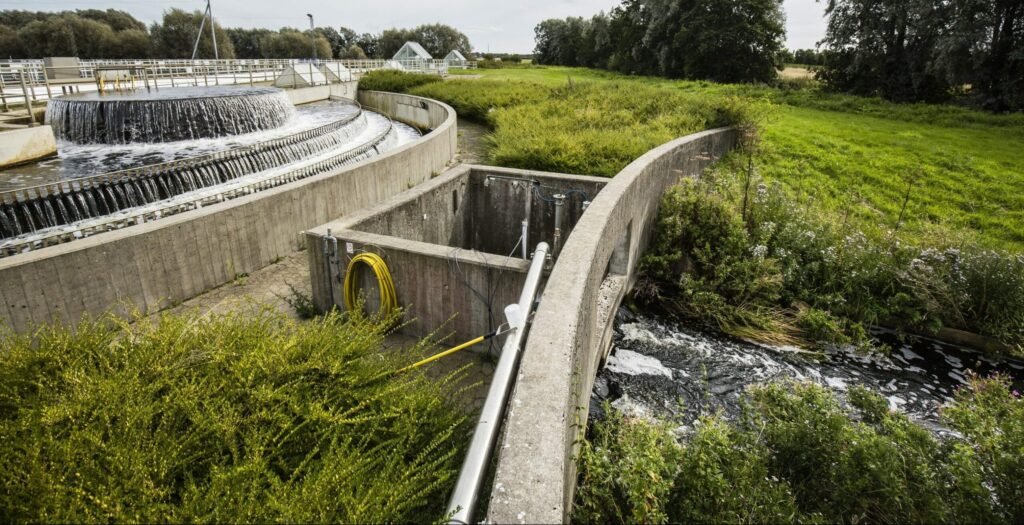
Decentralized wastewater treatment is changing how we handle wastewater in communities. This approach treats wastewater close to where it’s produced, instead of sending it to big, central plants. Decentralized systems can be a good fit for many places, helping communities reach environmental, social, and economic goals. As a core branch of decentralized treatment practice, the system types covered here represent the alternative to extending centralized sewer infrastructure to communities where cost, geography, or population density make centralization impractical.
These systems come in different sizes and types. They can work for single homes or entire neighborhoods. Decentralized treatment often uses natural processes to clean water. This can save energy and help protect the environment.
One big plus of decentralized treatment is that it can allow for water reuse. Treated water can be used for things like watering plants or flushing toilets. This helps save fresh water, which is important in many areas.
Key Takeaways
- Decentralized wastewater treatment processes wastewater near its source
- These systems can be adapted for various community sizes and needs
- Decentralized treatment often enables water reuse, conserving fresh water resources
Understanding Decentralized Wastewater Treatment
Decentralized wastewater treatment offers an alternative to large centralized systems. It treats wastewater close to where it’s produced using smaller, localized facilities.
Benefits of Decentralized Approach
Decentralized systems can be more cost-effective for communities. They don’t need extensive pipe networks to transport wastewater long distances.
These systems are flexible and can be built as needed. This reduces upfront costs and allows for gradual expansion.
Decentralized treatment can help protect local water sources. It reduces the risk of large spills or overflows that can happen with centralized systems.
On-site treatment allows for easier water reuse. Treated water can be used for irrigation or other non-potable purposes right where it’s produced.
Key Components and Processes
Decentralized systems often use septic tanks as a primary treatment step. These tanks separate solids from liquids.
After the septic tank, water may go through additional treatment processes. These can include:
- Constructed wetlands
- Sand filters
- Aerobic treatment units
- UV disinfection
The specific components depend on local needs and regulations. They also vary based on the volume and type of wastewater being treated.
Many decentralized systems use natural processes to clean water. This can make them more eco-friendly than some centralized options.
Advanced decentralized technologies can produce high-quality treated water. This water can often be safely released into the environment or reused.
Technologies in Decentralized Systems
Decentralized wastewater treatment uses various technologies to process wastewater locally. These systems range from traditional septic tanks to advanced membrane bioreactors and constructed wetlands. Each method offers unique benefits for different settings and needs.
Septic Systems and Their Evolution
Septic systems are a common form of decentralized wastewater treatment. A basic septic system has two main parts: a septic tank and a drain field. The tank holds wastewater, allowing solids to settle. Liquid then flows to the drain field for filtering.
Modern septic systems have improved. Some use pumps to move wastewater. Others add filters to clean water better. Advanced septic systems may include:
- Aerobic treatment units
- Media filters
- Mound systems
These newer systems can treat water more thoroughly. They work well in areas with high water tables or poor soil conditions.
Biofiltration Methods
Biofiltration uses living organisms to clean wastewater. This method relies on microbes that eat pollutants. Common types of biofilters include:
- Trickling filters
- Rotating biological contactors
- Sand filters
Trickling filters spray wastewater over a bed of rocks or plastic. Microbes grow on this media and clean the water as it passes through. Rotating biological contactors use discs that spin through wastewater. Microbes on the discs remove pollutants.
Sand filters push water through layers of sand and gravel. These layers trap solids and provide a home for helpful bacteria.
Anaerobic Digestion Techniques
Anaerobic digestion breaks down waste without oxygen. This process creates biogas, which can be used for energy. It also reduces the volume of solid waste.
Anaerobic digesters come in different types:
- Covered lagoons
- Complete mix digesters
- Plug flow digesters
These systems work well for high-strength wastewater. They can handle waste from farms, food processing plants, and breweries.
Anaerobic digestion produces less sludge than aerobic methods. It also requires less energy to operate.
Membrane Bioreactors
Membrane bioreactors (MBRs) combine biological treatment with membrane filtration. They use special membranes to separate clean water from waste. MBRs can produce very high-quality effluent.
Key features of MBRs:
- Small footprint
- High treatment efficiency
- Ability to handle varying loads
MBRs work well in areas with limited space. They can treat wastewater to a level suitable for reuse in irrigation or industrial processes.
Constructed Wetlands
Constructed wetlands mimic natural wetlands to clean water. They use plants, soil, and microbes to filter out pollutants. There are two main types:
- Surface flow wetlands
- Subsurface flow wetlands
Surface flow wetlands look like natural ponds. Water flows over the soil surface. Subsurface flow wetlands keep water below the soil surface.
Constructed wetlands offer low-cost, low-maintenance treatment. They also create habitats for wildlife. These systems work well in rural areas or as part of green infrastructure in cities.
Subcategory Overview: Decentralized System Types and Resources
The broad category of decentralized systems breaks down into specific equipment and configuration choices that engineers and community planners face when implementing a project. The H3 sections below cover dedicated resources on the most common decentralized configurations — from packaged plants serving entire neighborhoods to single-home septic and mobile systems for temporary or remote applications. A related approach using mobile wastewater treatment serves construction sites, disaster response, temporary events, and remote operations where even semi-permanent decentralized infrastructure is not warranted.
Wastewater Package Plants
The detailed coverage of wastewater package plants as compact solutions for efficient treatment addresses the most widely used decentralized configuration for serving neighborhoods, small towns, schools, resort developments, and remote industrial sites. Package plants are factory-assembled treatment units — typically housing screening, biological treatment (extended aeration, SBR, or MBR), clarification, and disinfection in a single delivered package — that arrive on-site ready for connection to influent and effluent piping. Capacities typically range from 5,000 gallons per day for small commercial applications to 500,000+ gallons per day for community-scale installations. Compared to field-erected treatment plants, package plants offer faster installation (often weeks rather than months for site work and equipment assembly), predictable cost, factory quality control, and the ability to add modules as community needs grow. Modern package plants can produce Class A effluent suitable for water reuse, with treatment performance comparable to mid-sized centralized plants at a fraction of the construction time and cost.
Single-Home Decentralized Solutions
For the simplest decentralized application — a single home or small commercial building — the single compartment septic tank remains the most widely deployed wastewater treatment technology in unsewered areas. A single-compartment tank provides primary settling and anaerobic digestion of solids before effluent flows to a drainfield, mound system, or advanced secondary treatment. Single-compartment tanks are simpler and cheaper than dual-compartment designs but provide less settling time and may release more solids to the drainfield, shortening drainfield life in difficult soil conditions. Modern septic system design often combines a single-compartment tank with effluent screens, advanced treatment add-ons (aerobic treatment units, media filters), and pressure dosing of the drainfield to extend service life and improve effluent quality. For most US homes outside of sewer service areas, properly designed and maintained septic systems remain the most cost-effective wastewater treatment option.
Mobile and Temporary Decentralized Systems
For applications where even semi-permanent decentralized infrastructure is not appropriate, mobile wastewater treatment provides a deployable alternative. Mobile systems mount the full treatment train — typically extended aeration or MBR-based — on trailers or containerized skids that can be rapidly deployed to construction sites, disaster recovery zones, temporary events, mining and oil/gas operations, and emergency backup for failed permanent systems. Capacity ranges from a few hundred gallons per day for single-trailer units to 100,000+ gallons per day for multi-unit deployments serving large temporary populations. Mobile units typically produce secondary or advanced secondary effluent quality, with disinfection options for water reuse where regulations permit.
Wastewater Reuse and Recycling
Wastewater reuse and recycling offer innovative solutions to water scarcity. These methods treat and repurpose water from various sources, reducing demand on freshwater supplies.
Greywater Systems
Greywater systems recycle water from sinks, showers, and washing machines. This lightly used water can be treated and reused for non-potable purposes like irrigation or toilet flushing.
Simple greywater systems use filters and natural processes to clean water. More advanced systems may include UV disinfection or biological treatments.
Benefits of greywater recycling include:
- Reduced water bills
- Lower environmental impact
- Decreased strain on water treatment facilities
Greywater can provide up to 50% of a household’s water needs in some cases. This significantly cuts down on freshwater use and wastewater production.
Blackwater Treatment and Reuse
Blackwater contains human waste and requires more intensive treatment. Advanced on-site systems can treat blackwater to safe levels for reuse.
Treatment methods include:
- Anaerobic digestion
- Membrane filtration
- UV disinfection
Treated blackwater can be used for landscape irrigation or groundwater recharge. In some areas, it’s even purified to drinking water standards.
Blackwater reuse helps conserve water resources and reduces the load on centralized treatment plants. It’s particularly useful in water-scarce regions or for large facilities like office buildings.
Energy Efficiency and Sustainability
Decentralized wastewater treatment systems offer opportunities for energy savings and sustainable practices. These systems can be designed to minimize energy use and environmental impact while effectively treating wastewater.
Energy-Efficient Design Principles
Energy-efficient design is key for decentralized wastewater treatment. Small-scale systems often use less energy than large centralized plants. Gravity-fed designs reduce pumping needs.
Natural treatment methods like constructed wetlands require minimal energy input. Anaerobic processes can produce biogas as a renewable energy source.
Some systems use solar power to offset electricity needs. Solar-powered wastewater treatment is gaining traction as costs decrease.
Heat recovery from wastewater can improve energy efficiency. Insulation and efficient equipment also reduce energy use.
Sustainable Practices in Wastewater Management
Sustainable wastewater management focuses on resource recovery and reuse. Water reclamation allows treated wastewater to be used for irrigation or industrial processes.
Nutrient recovery from wastewater can produce fertilizers. This reduces pollution and provides a valuable product.
Some systems can generate energy from wastewater. Microbial fuel cells and anaerobic digesters produce electricity or biogas.
Green infrastructure like rain gardens helps manage stormwater naturally. This reduces the load on treatment systems.
Decentralized systems can be scaled to match local needs. This avoids overbuilding and wasted resources.
Resource Recovery in Decentralized Systems
Decentralized wastewater treatment systems offer unique opportunities for resource recovery. These systems can extract valuable nutrients and generate energy from waste, making them more sustainable and cost-effective.
Nutrient Recovery Strategies
Decentralized systems can recover important nutrients like nitrogen and phosphorus from wastewater. These nutrients can be used as fertilizers for plants.
One common method is struvite precipitation. This process forms struvite crystals containing phosphorus, nitrogen, and magnesium. Farmers can use these crystals as slow-release fertilizer.
Another strategy is using constructed wetlands. Plants in these wetlands absorb nutrients from wastewater. The plants can then be harvested and used as nutrient-rich biomass.
Some systems use algae to remove nutrients. The algae grow by consuming nitrogen and phosphorus. This algae can be harvested and used as biofuel or fertilizer.
Energy Production from Waste
Decentralized systems can turn wastewater into a source of renewable energy. This helps offset treatment costs and reduces reliance on fossil fuels.
Anaerobic digestion is a key process for energy production. Bacteria break down organic matter in wastewater without oxygen. This produces biogas, mainly methane and carbon dioxide.
The biogas can be used to generate electricity or heat. Some systems use it to power the treatment process itself. Others sell excess energy to the local grid.
Microbial fuel cells are another promising technology. These devices use bacteria to directly convert organic matter into electricity. They’re still being developed but show potential for small-scale energy production.
Design and Implementation
Decentralized wastewater treatment systems come in various sizes and configurations to suit different community needs. These systems are designed to be efficient, cost-effective, and environmentally friendly.
Modular and Compact Solutions
Modular treatment systems offer flexibility and scalability for wastewater management. These units can be easily installed and expanded as needed. They often use advanced technologies like membrane filtration or biological treatment processes.
Compact wastewater solutions are ideal for areas with limited space. These systems can be installed underground or in small buildings. They use efficient treatment methods to process wastewater in a smaller footprint.
Many modular and compact systems use aerobic treatment units. These units break down organic waste using oxygen and microbes. They can achieve high levels of treatment in a short time.
Community-Scale Decentralized Systems
Community-scale systems serve neighborhoods or small towns. They are designed to handle larger volumes of wastewater than individual household systems. These systems often use a combination of treatment methods.
A typical community-scale system might include:
- Primary treatment (settling tanks)
- Secondary treatment (biological processes)
- Tertiary treatment (disinfection or nutrient removal)
These systems can be more cost-effective than large centralized plants for some communities. They reduce the need for extensive sewer networks. This can lower infrastructure costs and energy use.
Community systems can also be designed for water reuse. Treated wastewater can be used for irrigation or industrial purposes. This helps conserve water resources in dry areas.
Selection & Specification Framework
Selecting a decentralized wastewater treatment system requires balancing site conditions, community size, regulatory requirements, capital cost, operating cost, and operator skill availability. The decisions made at design persist for decades and shape both ongoing operating cost and the community’s exposure to compliance risk.
Decision Hierarchy for Decentralized System Specification
- Define design flow and load: Population served, average and peak daily flow, BOD and TSS load, nutrient load (nitrogen and phosphorus), and projected buildout. Single-home systems are designed around 65–75 gpd per person; community systems use measured flow data where available.
- Characterize site constraints: Soil percolation rate, depth to groundwater, depth to bedrock, setbacks from wells and surface water, available footprint, freeze depth, and topography. Site conditions often constrain feasible technology options.
- Identify effluent quality target: Soil absorption discharge (basic secondary), surface water discharge (advanced secondary with nutrient removal, disinfection), water reuse (advanced treatment with disinfection), or groundwater recharge (varies by jurisdiction).
- Select treatment configuration: Septic + drainfield for simplest single-home applications; advanced ATUs or media filters where soil or setback constraints limit drainfield options; package plants for clusters and community applications; MBR-based systems for water reuse applications.
- Select equipment manufacturer: The catalog of top OEMs for packaged treatment plants identifies the leading manufacturers across the technology categories — important because system reliability, parts availability, and warranty support vary substantially across manufacturers.
- Plan for operations and maintenance: Operator certification requirements, service contract arrangements, monitoring and reporting infrastructure, backup pumping or hauling arrangements for failures.
How Community Size and Site Constraints Influence the Choice
Single homes in suitable soils typically use conventional septic systems with conventional drainfields — the lowest capital and operating cost option where soils support it. Single homes in difficult soils (high water table, shallow bedrock, poor percolation) require advanced treatment units (ATUs), media filters, or mound systems to provide adequate treatment before subsurface discharge. Small clusters (2–20 homes) often use cluster septic systems with shared drainfields, or small packaged extended aeration systems. Mid-sized communities (20–500 connections) typically use package treatment plants with SBR or extended aeration technology. Larger decentralized installations (500–5,000 connections) use community-scale package plants or field-erected systems with full SCADA monitoring and certified operators. Site constraints often dominate: a community in karst terrain, near sensitive surface waters, or in a wellhead protection area may need advanced treatment far beyond what its population size would otherwise indicate.
Comparison: Decentralized System Configurations
| System Type | Typical Capacity | Treatment Level | Capital Profile | Operational Complexity | Key Application |
|---|---|---|---|---|---|
| Conventional Septic + Drainfield | 1 home (300–600 gpd) | Primary + soil treatment | Lowest | Lowest (pump every 3–5 yr) | Single homes, suitable soils |
| Single-Compartment Septic Tank | 1 home (300–600 gpd) | Primary settling | Lowest | Lowest | Simplest residential applications |
| Dual-Compartment Septic Tank | 1 home (300–600 gpd) | Primary settling (better) | Slightly higher | Lowest | Standard residential, better solids retention |
| Aerobic Treatment Unit (ATU) | 1–10 homes (300–3,000 gpd) | Secondary | Moderate | Moderate (service contract) | Difficult soil sites, surface discharge |
| Media Filter (Sand/Peat) | 1–20 homes | Secondary/advanced | Moderate | Lower than ATU | Passive secondary treatment |
| Mound System | 1–5 homes | Soil treatment in built mound | Higher | Low | Sites with shallow bedrock or high water table |
| Cluster Septic System | 2–30 homes | Primary + soil treatment | Moderate | Lower per home | Small developments, shared drainfield |
| Packaged Extended Aeration Plant | 5,000–500,000 gpd | Secondary with nitrification | Moderate | Moderate (certified operator) | Schools, resorts, neighborhoods |
| Packaged SBR Plant | 10,000–500,000+ gpd | Advanced secondary + BNR | Higher | Higher (cycle control) | Communities with nutrient discharge limits |
| Packaged MBR Plant | 10,000–500,000+ gpd | Advanced (reuse-grade) | Highest | Highest (membrane management) | Water reuse applications |
| Constructed Wetland | Variable (1 home to community) | Secondary (passive) | Lower (large footprint) | Lowest | Rural sites with available land |
| Mobile/Containerized Plant | 500–100,000+ gpd | Secondary or advanced | Rental or lease | Moderate (vendor-serviced) | Construction, disaster, temporary, remote |
Economic and Regulatory Considerations
Money and rules play a big role in wastewater treatment. Smart planning can save costs while meeting legal requirements.
Cost-Effective Approaches
Decentralized wastewater systems can be cheaper than big centralized plants. They need less pipes and pumps. This cuts installation costs.
Small systems can use simple tech that’s easy to run. Local materials and labor help keep prices down. Maintenance is often simpler too.
Water reuse from these systems saves money. It reduces the need for fresh water. This helps with water resource management.
Some areas use low-cost sanitation methods. These include composting toilets and constructed wetlands. They work well in rural spots.
Regulations and Compliance
Rules for wastewater vary by place. Most focus on protecting public health and the environment. Systems must meet certain standards.
Permits are often needed to build and run treatment plants. Regular testing ensures water quality meets set limits. Fines can be given for violations.
Some areas have special rules for decentralized systems. These may cover things like:
- Minimum lot sizes
- Setbacks from water sources
- Types of allowed treatment methods
Staying up to date with changing laws is key. It helps avoid costly penalties or upgrades later.
Management and Maintenance
Managing decentralized wastewater systems requires careful oversight and regular upkeep. Key aspects include handling waste byproducts and addressing operational issues that arise.
Sludge and Solid Waste Management
Decentralized wastewater treatment produces sludge that needs proper handling. Operators must remove and dispose of sludge regularly to keep systems running smoothly.
Common methods for sludge management include:
- Dewatering
- Composting
- Land application
- Incineration
Smaller systems may use septic tanks that require periodic pumping. Larger facilities might have on-site sludge processing equipment.
Proper sludge management prevents environmental contamination and ensures system efficiency. Operators must follow local regulations for safe sludge disposal.
Operational Challenges
Decentralized systems face unique operational hurdles. Fluctuating wastewater flows can stress treatment processes. Operators must adjust settings to maintain performance.
Equipment breakdowns pose risks to water quality. Quick repairs are crucial to prevent untreated wastewater releases. Regular maintenance helps avoid unexpected issues.
Harsh weather can impact outdoor components. Freezing temperatures may damage pipes or equipment. Heavy rains can overwhelm stormwater systems tied to wastewater treatment.
Staffing small facilities can be difficult. Operators need specialized training to run complex systems. Remote monitoring technology helps manage multiple sites efficiently.
Field Notes: Practical Decentralized System Operations
Commissioning Considerations
Commissioning a decentralized treatment system requires more than confirming that pumps run and effluent flows. Biological systems (ATUs, package plants) require startup periods of 30–90 days for biomass to develop; effluent quality during this startup is typically poor and may require interim alternative disposal. Drainfields and mound systems should be commissioned with measured loading to verify percolation rates match design assumptions. Disinfection systems should be verified at design flow and worst-case water quality. SCADA and alarm systems should be tested end-to-end, including remote dial-out for unattended sites.
Pro Tip: During commissioning, document baseline performance — effluent BOD, TSS, ammonia, nitrate, fecal coliform — for each treatment unit. These baselines become the reference for diagnosing future system degradation. Decentralized systems with no baseline data typically face much harder regulatory and warranty disputes when problems develop later.
Common Specification Mistakes
Three errors recur in decentralized system specifications. First, designers size systems for current population without accounting for buildout — community package plants serving developments often face capacity exhaustion within 5–10 years when designed for initial occupancy rather than projected full-buildout flow. Second, peak flow factors are underestimated, leading to washout during seasonal occupancy spikes (resort areas) or weekend use patterns (event venues). Third, operations and maintenance arrangements are an afterthought rather than a design parameter; a sophisticated treatment system without a viable O&M plan will degrade rapidly into non-compliance.
Common Mistake: Treating decentralized as inherently “low-maintenance.” Package plants and ATUs require regular operator attention, periodic sludge wasting, parts replacement, and certified-operator oversight in most jurisdictions. The maintenance is different from centralized plants — distributed across many small sites rather than concentrated at one — but not necessarily lower in total cost per gallon treated.
Operations & Maintenance Practice
Day-to-day decentralized system management revolves around three measurement categories: effluent quality (BOD, TSS, ammonia, fecal coliform per regulatory schedule), process indicators (DO, MLSS, pH, sludge depth in clarifiers), and equipment status (motor current, runtime, alarm history). Septic tanks require pumping every 3–5 years for typical residential use. ATUs typically require service contracts with quarterly or semi-annual inspections. Package plants require certified operators with daily or weekly site visits depending on size and complexity. Drainfields require careful management of loading rate, parallel zones for rest cycles, and protection from compaction and root intrusion.
Troubleshooting Decentralized System Upsets
The classic symptoms of decentralized system problems are surfacing effluent at the drainfield, odor complaints, alarm conditions, or failing effluent quality tests. Diagnosis follows a checklist: (1) verify flow patterns are within design (hydraulic overloading is the most common single cause), (2) check pump operation and pump runtimes, (3) assess clarifier sludge depth in package plants, (4) check ATU air supply and DO, (5) verify disinfection function (UV intensity, chlorine residual). Persistent problems despite operational fixes usually indicate hydraulic capacity exceeded, drainfield exhaustion, biomass washout from a recent upset, or fundamental design issues that have surfaced as the system aged or as community use patterns changed.
Design Details & Standards
Sizing Methodology Overview
The standard decentralized system sizing workflow begins with flow estimation: population served × per-capita flow (typically 65–75 gpd for residential, higher for commercial), with appropriate peak flow factors (typically 4× for small populations, decreasing with population size). Estimate organic load (BOD, typically 0.17 lb/capita/day for residential), TSS, and nutrient load. Size primary treatment (septic tank or equalization tank) for adequate detention time (typically 24 hours minimum). Size biological treatment for required removal efficiency and HRT/SRT. Size disinfection and any tertiary processes. Size drainfield or other ultimate disposal for soil-specific loading rates. Verify all stages handle peak flow with one unit out of service.
Key Parameters That Differ by System Type
Different decentralized configurations have different governing parameters. Septic systems are governed by tank size (typically 1,000–1,500 gal for residential), drainfield loading rate (varies from 0.2 to 1.5 gpd/sq ft based on soil), and percolation rate. ATUs are governed by HRT, MLSS, aeration capacity, and clarifier surface overflow rate. Package plants are governed by activated sludge design parameters (SRT, F/M, MLSS) plus equipment redundancy. MBR systems add membrane flux (typically 10–20 gfd at design flow) and air scour requirements. Mound systems are governed by mound geometry, infiltrative surface area, and pressurized distribution.
Applicable Standards
Several standards govern decentralized system design and operation. EPA’s Onsite Wastewater Treatment Systems Manual (EPA/625/R-00/008) is the foundational federal technical reference. EPA’s Voluntary National Guidelines for Management of Onsite and Clustered (Decentralized) Wastewater Treatment Systems provides program-level guidance. NSF/ANSI 40 covers Class I ATU performance certification. NSF/ANSI 245 covers nitrogen-reducing ATU performance. State and local codes typically govern specific design requirements — minimum lot sizes, setbacks, drainfield loading rates, alternative system approvals. WEF MOP 24 (Wastewater Treatment Plant Design — Decentralized) covers larger decentralized systems. NSF International certifies products for decentralized applications.
Specification Checklist
- Design flow established with peaking factors for population size
- Design load (BOD, TSS, nutrients) established with margin for variation
- Buildout population and load projected for planning horizon
- Site conditions characterized: soils, depth to groundwater, depth to bedrock, setbacks
- Effluent quality target selected per discharge regulation
- Treatment train selected to meet effluent target reliably
- Equipment certified per relevant NSF/ANSI standards
- Redundancy provided in critical components (pumps, blowers)
- Disinfection sized for end-of-equipment-life performance
- Alarm and monitoring system specified with remote notification
- Power supply and backup arrangements documented
- Operator certification and service contract arrangements planned
- Sludge and septage handling arrangements documented
- Drainfield or final disposal sized for site-specific loading
- Reserve area set aside for future drainfield replacement (where applicable)
Environmental Impact and Water Quality
Decentralized wastewater treatment offers significant benefits for water quality and environmental protection. It helps reduce pollution and supports sustainable water management practices in local communities.
Addressing Non-Point Source Pollution
Decentralized systems can effectively tackle non-point source pollution. These systems treat wastewater close to its source, reducing the spread of contaminants over large areas.
Small-scale recycling facilities within cities help minimize pollution from urban runoff. They capture and treat stormwater before it enters natural water bodies.
Decentralized treatment also lowers the risk of sewage overflows during heavy rains. This protects rivers, lakes, and coastal areas from harmful bacteria and excess nutrients.
Improving Water Quality
Decentralized wastewater treatment plays a key role in enhancing local water quality. These systems remove pollutants more efficiently than some larger centralized plants.
Advanced treatment methods can remove emerging contaminants like pharmaceuticals and microplastics. The EPA offers technical assistance to communities for addressing these challenges.
Treated water from decentralized systems can be safely reused for irrigation or groundwater recharge. This practice supports sustainable water management and reduces pressure on freshwater sources.
Local treatment also allows for tailored solutions that match specific water quality needs of each community.
Key Takeaways
- Decentralized systems serve communities where centralization is impractical — flat terrain, low density, scattered settlement, sensitive environments, or where the capital cost of extending centralized sewer exceeds the cost of multiple smaller treatment installations.
- Technology selection must match community size and site conditions — conventional septic for single homes in suitable soils; ATUs and media filters for difficult sites; package plants for clusters and small communities; MBR-based systems for water reuse applications.
- Site conditions often dominate technology choice — soil percolation rate, depth to groundwater, setbacks, and discharge regulations frequently force technology selections that population size alone would not indicate.
- Operations and maintenance is the single biggest determinant of long-term success — sophisticated treatment without certified operator oversight and service contracts will degrade rapidly into non-compliance regardless of equipment quality.
- Decentralized is not inherently “low-maintenance” — maintenance is distributed across many small sites rather than concentrated at one large plant; total cost per gallon treated may be similar to or higher than centralized for similar treatment quality, but capital costs and sewer infrastructure costs are usually much lower.
Frequently Asked Questions
Decentralized wastewater treatment offers unique benefits and cost considerations. Communities can explore various technologies and successful implementations to determine if this approach suits their needs.
What are the potential benefits of using decentralized wastewater treatment systems?
Decentralized systems can be more cost-effective for smaller communities. They often require less infrastructure and energy to operate.
These systems can be built faster and expanded more easily as populations grow. They also reduce the risk of large-scale failures that can affect entire cities.
How do the costs of decentralized wastewater treatment compare to centralized systems?
Decentralized systems typically have lower upfront costs. They don't need extensive sewer networks, which can be very expensive to install and maintain.
Operating costs for decentralized systems may be higher per household. However, the total cost over time can be lower, especially for smaller communities.
Can you provide examples of successful decentralized wastewater treatment implementations?
Many rural areas and small towns use septic systems effectively. These are a common form of decentralized treatment.
Some eco-villages and sustainable communities have implemented more advanced decentralized systems. These often include features like constructed wetlands or reclaimed water use.
What are the environmental impacts of decentralized wastewater treatment?
Decentralized systems can have less impact on local water bodies. They often treat water closer to where it's used, reducing the need for long sewer lines.
These systems can also make it easier to reuse treated water for irrigation or other purposes. This helps conserve water resources.
What types of technologies are commonly used in decentralized wastewater treatment?
Septic systems are the most common type of decentralized treatment. These use natural processes to treat wastewater underground.
More advanced systems might use membrane filtration, UV disinfection, or constructed wetlands. Some systems combine multiple technologies for better treatment.
How can communities determine if a decentralized wastewater treatment solution is suitable for them?
Communities should consider their population size and density. Decentralized systems work best for smaller, spread-out communities.
Local soil conditions and water table levels are important factors. Communities should also think about their future growth plans and environmental goals.
What are the potential benefits of using decentralized wastewater treatment systems?
Decentralized systems can be more cost-effective for smaller communities. They often require less infrastructure and energy to operate.
These systems can be built faster and expanded more easily as populations grow. They also reduce the risk of large-scale failures that can affect entire cities.
How do the costs of decentralized wastewater treatment compare to centralized systems?
Decentralized systems typically have lower upfront costs. They don't need extensive sewer networks, which can be very expensive to install and maintain.
Operating costs for decentralized systems may be higher per household. However, the total cost over time can be lower, especially for smaller communities.
Can you provide examples of successful decentralized wastewater treatment implementations?
Many rural areas and small towns use septic systems effectively. These are a common form of decentralized treatment.
Some eco-villages and sustainable communities have implemented more advanced decentralized systems. These often include features like constructed wetlands or reclaimed water use.
What are the environmental impacts of decentralized wastewater treatment?
Decentralized systems can have less impact on local water bodies. They often treat water closer to where it's used, reducing the need for long sewer lines.
These systems can also make it easier to reuse treated water for irrigation or other purposes. This helps conserve water resources.
What types of technologies are commonly used in decentralized wastewater treatment?
Septic systems are the most common type of decentralized treatment. These use natural processes to treat wastewater underground.
More advanced systems might use membrane filtration, UV disinfection, or constructed wetlands. Some systems combine multiple technologies for better treatment.
How can communities determine if a decentralized wastewater treatment solution is suitable for them?
Communities should consider their population size and density. Decentralized systems work best for smaller, spread-out communities.
Local soil conditions and water table levels are important factors. Communities should also think about their future growth plans and environmental goals.